Search Result for: https://www.teradyne.com/2025/04/07/chip_complexity_ate

KUKA Showcases Scalable Machine Tending Robotics at IMTS 2026
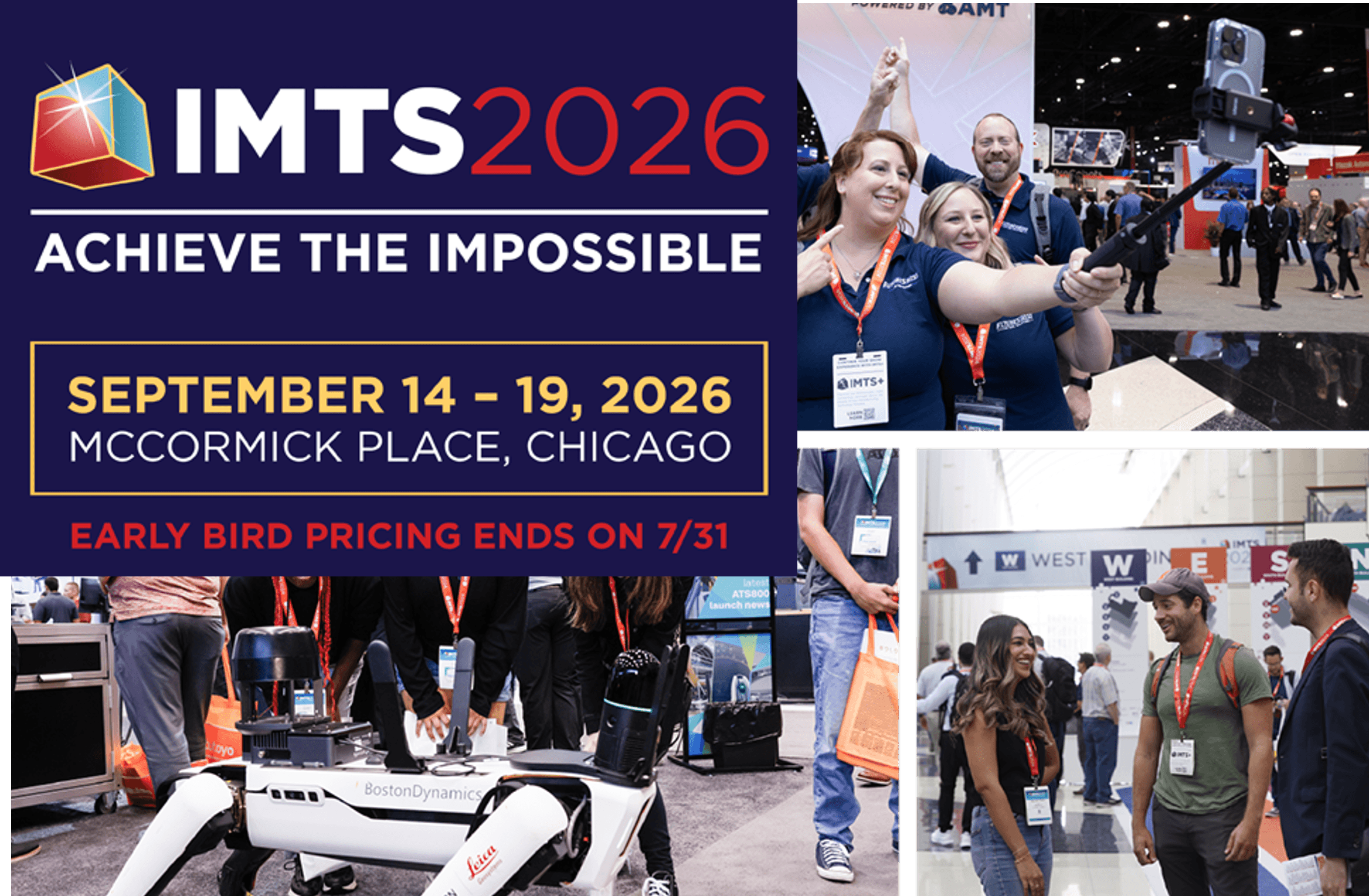
At booth #236807 in the North Building, KUKA is showcasing live demonstrations that illustrate their innovative approach to robotic machine tending. This initiative aims to simplify automation for manufacturers by offering a scalable, service-based solution that minimizes complexity and adapts to changing production requirements. The demonstrations are designed to engage visitors and provide insights into how KUKA's technology can enhance manufacturing processes.
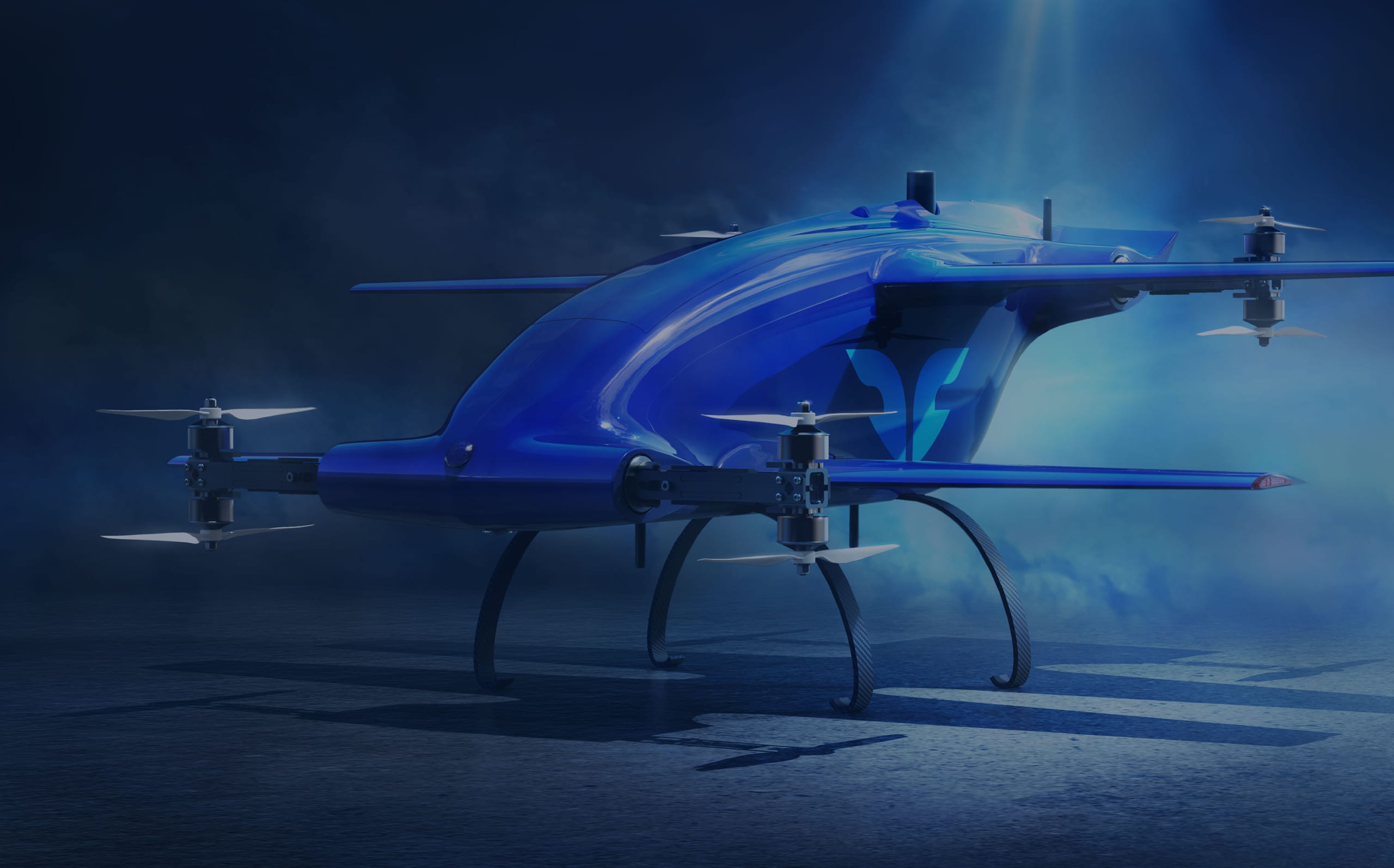
Blueflite Added to FAA Section 44807 Approved UAS List: Why it Matters
Michigan-based drone manufacturer blueflite has announced that its Cobalt 461 cargo drone has been included in the FAA’s Section 44807 Approved UAS List. This addition signifies that the drone has successfully passed the FAA's review process, which is part of the agency's advanced operations approval framework. The inclusion of the Cobalt 461 in this list is expected to streamline future approvals for operators, facilitating the deployment of cargo drones in commercial applications. This development reflects the ongoing efforts to enhance the regulatory landscape for unmanned aerial systems, promoting innovation and efficiency in the drone industry.

Ahead of its IPO, Anthropic’s Daniela Amodei shrugs off doubts about AI’s returns
Anthropic, a rapidly expanding company in the tech sector, reported that its annualized revenue surged to over $47 billion in May, a significant increase from approximately $9 billion at the end of 2025. This remarkable growth trajectory, however, is set to face challenges as the company navigates the evolving landscape of the industry. With a strong focus on artificial intelligence and machine learning, Anthropic's performance reflects both its innovative strategies and the increasing demand for advanced technology solutions. As the company continues to scale, it will need to address potential hurdles to maintain its momentum and sustain its financial success.

ABN AMRO Bank N.V. (AAVMY) Presents at Goldman Sachs 30th Annual European Financials Conference 2026 Transcript
At the 30th Annual European Financials Conference held in Paris on June 4, 2026, Marguerite Bérard-Andrieu, CEO and Chair of ABN AMRO Bank, engaged in a discussion about the bank's strategic direction amid current economic challenges. This event, hosted by Goldman Sachs, featured Bérard-Andrieu reflecting on her first year in leadership and the updated medium-term financial targets announced in September 2025. During the conference, she addressed the resilience of the Dutch economy, noting the impacts of lower growth, rising inflation, and geopolitical uncertainties on energy prices. Bérard-Andrieu emphasized the importance of adapting the bank's strategy to navigate this increasingly volatile environment. The session, which lasted 35 minutes and was available via webcast, aimed to provide insights into how ABN AMRO plans to sustain its performance and respond to macroeconomic shifts.

36Kr Exclusive: Four Key Propositions for ByteDance's AI by 2026
ByteDance is setting ambitious goals for its AI initiatives in 2026, focusing on four key areas. The company aims to enhance world model training, targeting performance levels comparable to Google's leading model, Genie 3, by the end of the year. Additionally, ByteDance plans to maintain its leadership in video models while exploring new avenues like dynamic generation. The company is also committed to strengthening its coding capabilities, emphasizing the importance of data feedback and evaluation to improve agent performance, particularly in office applications. Despite recent advancements, including the launch of Seed 2.0 and Seedance 2.0, ByteDance faces challenges in the world model arena, having entered the field later than competitors. The company established a research group in 2025 to explore visual-language-action models and has since set a clear goal for world model development. However, internal assessments indicate that performance still lags behind global standards by approximately 10%. In parallel, ByteDance is accelerating the commercialization of its Doubao platform, which has seen a surge in daily active users, reaching 200 million. The company plans to introduce paid features and enhance its offerings for professional users, particularly in sectors like finance and law. Doubao's strategy includes differentiating itself in the crowded AI tools market and expanding its presence internationally, with a focus on small language markets. As ByteDance navigates these challenges, it aims to leverage its engineering expertise and data resources to emerge as a leader in the evolving AI landscape.

Tesla Robotaxi Concerns Under Texas SB 2807
Texas has enacted Senate Bill 2807, which establishes stringent requirements for commercial autonomous vehicles, mandating Level 4 or 5 SAE automation. This legislation poses a significant challenge to Tesla's ambitions in the robotaxi sector, as the company currently lags behind competitors in the state. As of now, Tesla has only 42 authorized autonomous vehicles, while Waymo leads with 577 and AV Ride follows with 317. The new law requires clearly defined Operational Design Domains, which undermines Tesla's strategy for unrestricted robotaxi deployment. Official registration data highlights Tesla's struggles in the Texas autonomous vehicle market, raising concerns about its competitive position. The bill was passed by the 89th Texas Legislature and took effect on May 28, reflecting the state's commitment to regulating the rapidly evolving landscape of autonomous transportation.

Doosan Robotics extends rally on Huang's Korea robotics push
Doosan Robotics experienced a significant surge in its stock price on Tuesday, following remarks from Nvidia CEO Jensen Huang, who highlighted robotics as a key area for potential investment in South Korea. By midday, shares were trading at 157,900 won ($104.12), reflecting a 14.09 percent increase from the previous day. This rise followed an impressive 29.95 percent jump on Monday, when the stock reached its daily price ceiling, a limit imposed by Korean exchanges that caps single-day price movements at 30 percent. Huang's comments, made during a dinner event on Monday, have sparked investor interest and optimism about the future of robotics in the region.

Robot solution provider serving Foxconn raises angel funding after six months of over 20 million revenue.
Shenzhen-based Chengwu Robotics has successfully completed its angel round of financing, backed by Taiwan's leading industrial automation and intelligent robotics firm, Chuan Technology, with Huajun Capital serving as the exclusive financial advisor. Founded in 2025, Chengwu Robotics focuses on the development of embodied intelligence technologies and product solutions for industrial applications, leveraging its integrated capabilities in hardware and software development, data collection, model training, and scene deployment. The company, led by founder Huang Jinlong, who has over a decade of experience in robotics R&D, aims to address the customization needs of non-standard industrial scenarios. Since its inception, Chengwu has delivered over ten industrial projects, generating over 20 million yuan in revenue by 2025 and serving major manufacturers, including Foxconn. Chengwu Robotics is also advancing its model development, with a focus on the Vision-Language-Action (VLA) model, which aims to enhance 3D perception and operational precision in complex environments. To address data collection challenges, the company has developed its own Egocentric-UMI data collection device and Bybot-TeleOp remote operation system, significantly reducing training and deployment times. The company is simultaneously developing a prototype upper-body robot equipped with advanced components to support its model training and industrial applications. Chengwu Robotics emphasizes its comprehensive capabilities and real-world delivery experience, positioning itself to create commercially viable solutions that meet client needs in various industrial contexts.

What happens when companies become too AI-pilled?
Aaron Levie, founder of Box, has raised concerns about the disconnect between decision-makers and the realities of various jobs as companies increasingly turn to artificial intelligence for workforce solutions. He described this phenomenon as “AI psychosis,” highlighting the potential risks of relying on AI without a comprehensive understanding of job functions. This commentary comes in the wake of ClickUp's recent decision to reduce its workforce by 22%, replacing many positions with AI agents. The trend of tech layoffs is accelerating, with 2026 already seeing layoffs nearly matching the total for all of 2025. Levie's remarks underscore the growing anxiety surrounding the impact of AI on employment and the need for a more informed approach to integrating technology in the workplace.

Samsung Electro-Mechanics, LG Innotek rise on AI demand
Samsung Electro-Mechanics, a prominent South Korean manufacturer of electronic components, experienced a significant surge in its stock price, climbing 15.04% to reach 2.1 million won, equivalent to approximately US$1,400. This notable increase reflects positive market sentiment and investor confidence in the company's performance and future prospects. The rise in stock value occurred amid ongoing developments in the electronics sector, which has seen heightened demand for advanced components. As the company continues to innovate and expand its product offerings, analysts suggest that such growth may be indicative of broader trends within the industry.
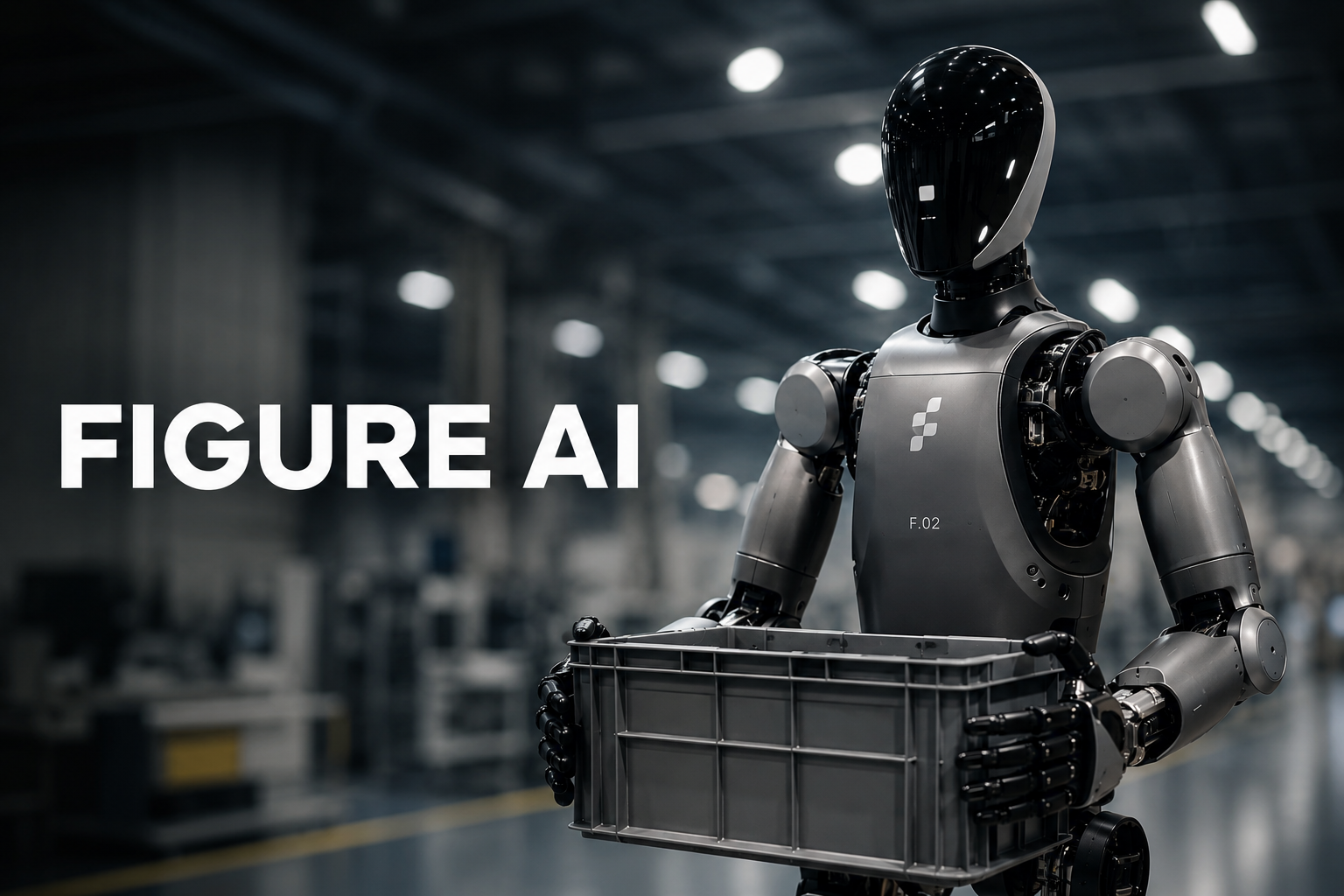
The startup aiming to place a humanoid in every factory and possibly every home.
In just three years, Figure AI has skyrocketed to a valuation of $39 billion, surpassing many publicly traded automotive manufacturers and becoming the leading humanoid robot producer globally. This remarkable achievement was confirmed in September 2025 during a Series C funding round. The startup aims to integrate humanoid robots into factories and potentially households, reflecting a growing interest in automation and robotics. Figure AI's rapid rise highlights the increasing demand for innovative technologies in various sectors.

The Name’s Gaming … Cloud Gaming: ‘007 First Light’ Launches on GeForce NOW
GeForce NOW has announced the launch of "007 First Light," a new gaming experience that allows members to immerse themselves in a reimagined origin story of James Bond. This innovative title can be accessed from virtually any device, eliminating the need for extensive downloads or special equipment. The release aims to enhance the streaming gaming experience, catering to fans of the iconic spy franchise. The game is available for a limited time, encouraging players to engage with the content quickly. This move reflects GeForce NOW's commitment to expanding its library and providing unique gaming opportunities for its users.
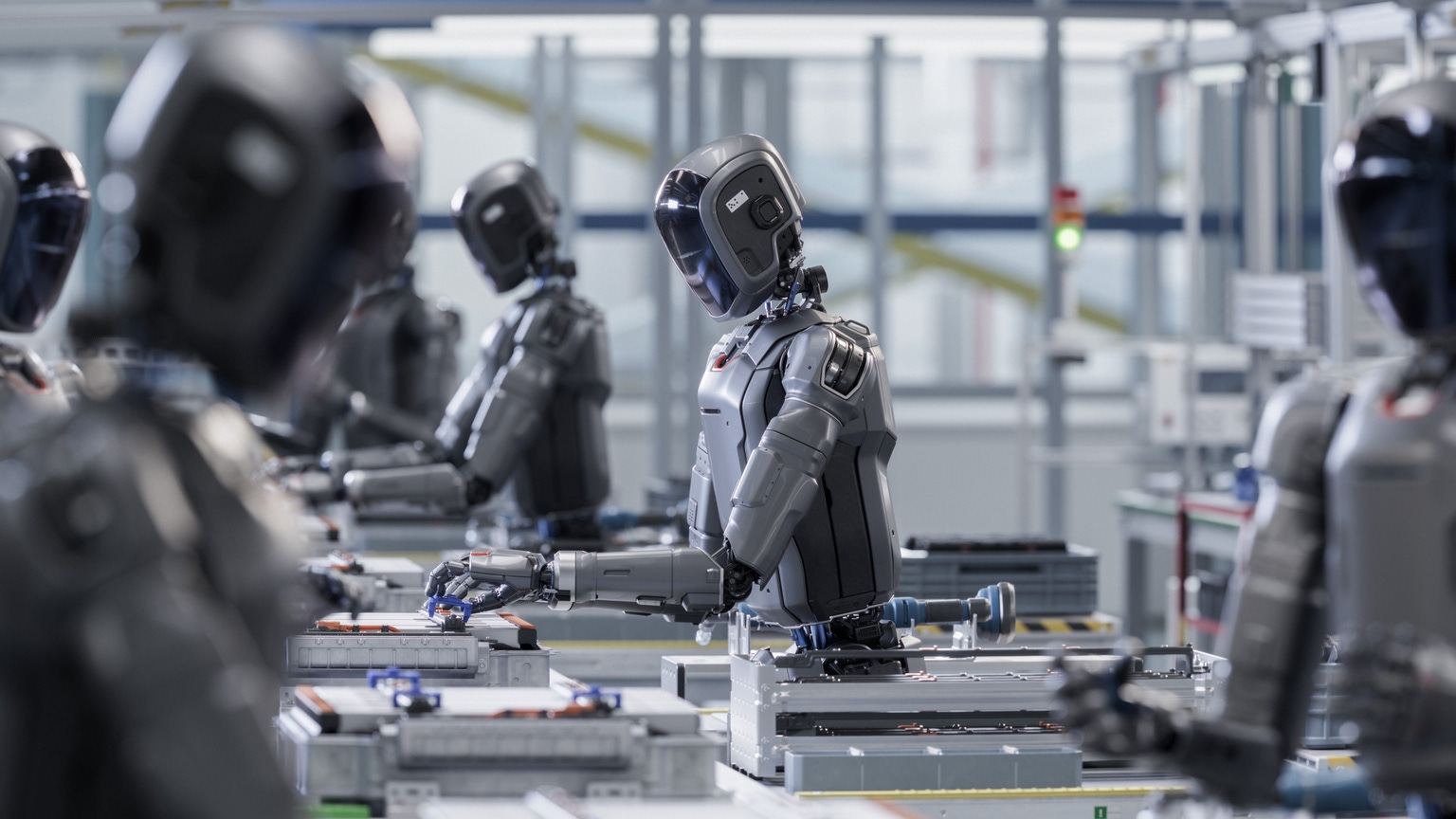
Investing In The Exponential Humanoid Wave
The humanoid robotics industry is transitioning from demonstrations to practical applications, marking a significant milestone in technological advancement. Figure AI, an American robotics firm, showcased its Figure 03 humanoid robot by livestreaming its autonomous package sorting for an impressive 200 hours. Meanwhile, Hyundai Motor Group, the parent company of Boston Dynamics, announced plans to deploy over 25,000 Atlas humanoid robots across its manufacturing plants for Hyundai and Kia by 2028. Despite these advancements, companies like Boston Dynamics, Figure AI, and Tesla still face competition from Unitree, which led the market by shipping approximately 5,500 humanoid units in 2025. This shift towards real-world deployment underscores the rapid scaling of physical AI technologies in various industries.

Best Rugged DC‑DC Converters for Industrial and Military Applications
In the evolving landscape of modern defense and industrial applications, the demand for reliable power conversion is paramount. Rugged DC-DC converters play a critical role in ensuring stable power delivery for systems such as autonomous vehicles, robotics platforms, and industrial automation equipment. These converters are specifically designed to withstand challenging conditions, including vibration, shock, electromagnetic interference, and extreme temperatures, which can easily disrupt standard commercial electronics. As sectors like aerospace and naval operations increasingly rely on advanced technology, the selection of robust DC-DC converters becomes essential to maintain operational integrity and performance in harsh environments.
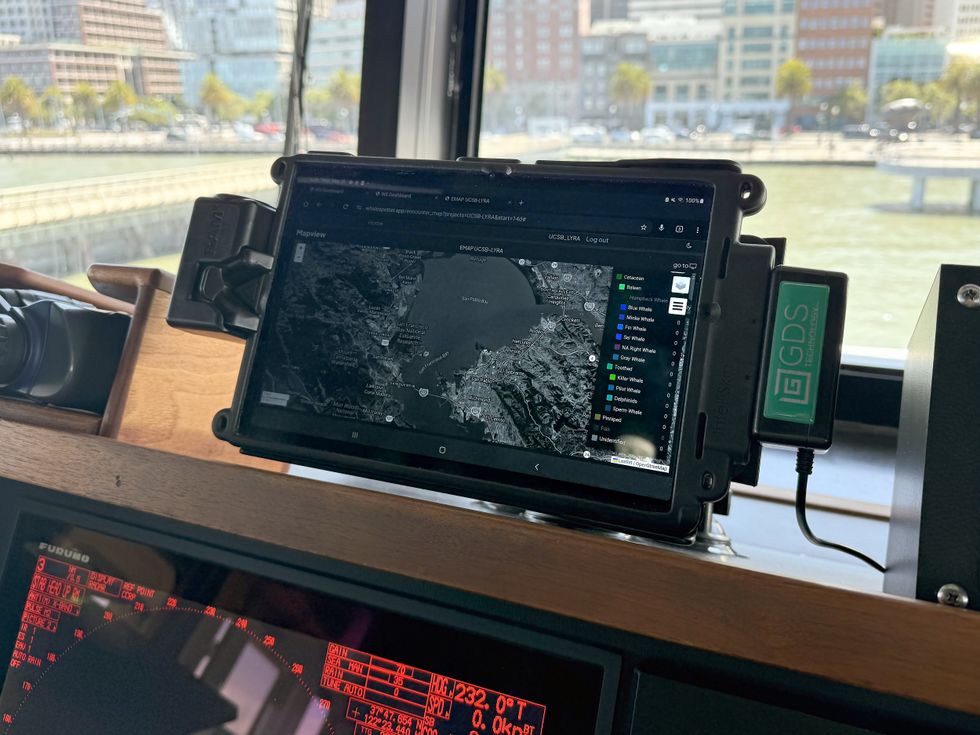
Thermal Cameras and AI Help Ships Steer Clear Of Gray Whales
On May 19, a new AI-based whale detection system was launched in San Francisco Bay, developed by WhaleSpotter, a company based in Somerville, Massachusetts. This initiative, a collaboration among government agencies and scientists, aims to enhance the safety of marine traffic by identifying gray whales in real-time using thermal cameras mounted on Angel Island. The system operates continuously, even at night and in foggy conditions, and alerts nearby vessels to potential whale encounters, allowing them to slow down or change course. The urgency for such technology arises from alarming mortality rates among gray whales, with seven reported deaths in the bay this year alone, and a record 21 fatalities in 2025, primarily due to ship strikes. Scientists attribute the whales' recent detours into the bay to climate change, which has led to record-low sea ice levels and impacted their food sources. As a result, over 100 gray whales have been observed stopping in the bay since 2018, likely seeking nourishment during their long migration from Alaska to Mexico. The WhaleSpotter system has already logged 6,600 whale detections within its first week and a half of operation. While the technology significantly reduces the risk of ship strikes, human verification remains essential to confirm detections and minimize false alarms. Future enhancements aim to further automate the process, ultimately relying more on AI for monitoring marine life.

Pony.ai tops Q1 forecasts, lifts Robotaxi revenue outlook and fleet targets
Pony.ai, the autonomous driving company, exceeded first-quarter 2026 expectations, reporting a revenue of $34.3 million, a 145% increase from $14 million a year prior, and surpassing analyst estimates of $22.6 million. Despite posting a loss of $0.09 per share, better than the anticipated $0.12 loss, the company's performance was bolstered by significant growth in its Robotaxi services, which saw a staggering 395.4% year-over-year revenue increase to $8.6 million. This surge was attributed to higher fare activity and the introduction of its Gen-7 fleet, alongside a successful joint deployment model. Pony.ai also raised its full-year Robotaxi revenue forecast, now projecting growth of over 3.5 times the 2025 level, an increase from the previous target of three times. Additionally, the company aims to expand its Robotaxi fleet to over 3,500 vehicles by year-end, up from 3,000. The first quarter of 2026 showed a notable rise in user demand, with registered users tripling year-over-year and fleet expansion exceeding 1,700 units. The company has also begun international operations, launching Robotaxi services in Croatia in collaboration with local partners. CEO James Peng emphasized the company's commitment to safe and reliable Robotaxi services and the sustainable development of the autonomous driving industry. Following the announcement, Pony.ai's shares rose approximately 1% to around $9.
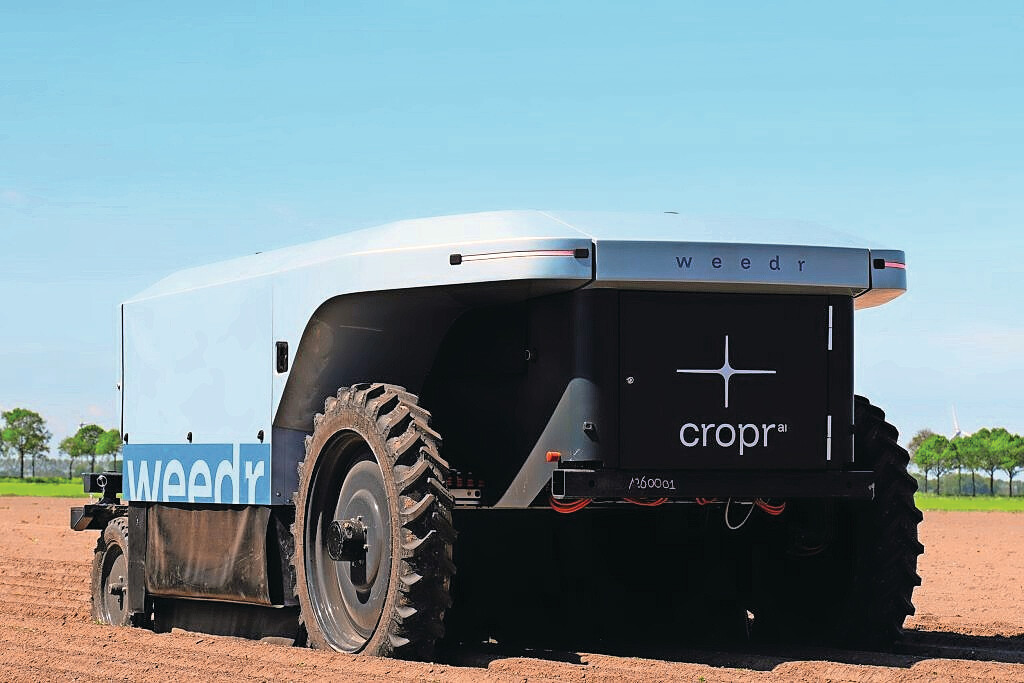
Cropr introduces autonomous laser weeder
Cropr, a robot manufacturer founded in 2025 by the owners of H2L Robotics, has unveiled its latest innovation, the Cropr Weedr, an autonomous laser weeder designed to enhance agricultural efficiency. This cutting-edge technology is set to begin operations at various chicory farms in Flevoland, Netherlands, starting at the end of May. The introduction of the Cropr Weedr aims to address the growing demand for sustainable farming practices by providing an environmentally friendly solution for weed management. By utilizing advanced laser technology, the weeder minimizes the need for chemical herbicides, aligning with the industry’s shift towards more eco-conscious methods.
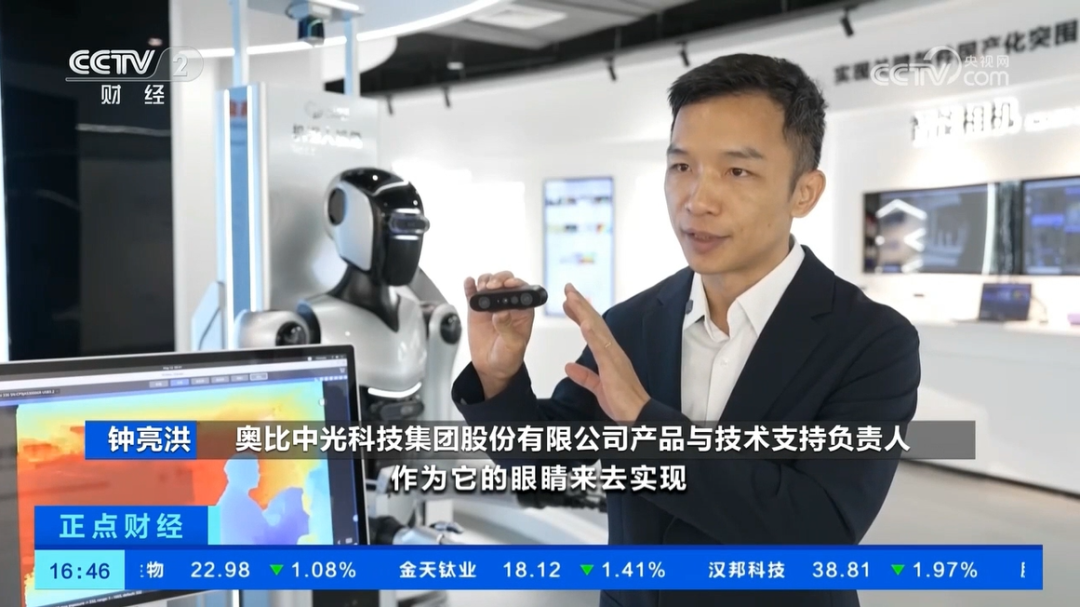
Orders Double! Aobo Zhiguang's Humanoid Robot Business Thrives
Aobo Zhiguang, a prominent figure in China's humanoid robot sector, is experiencing an impressive increase in orders, with quarterly growth rates surpassing 60% since the beginning of 2025. This surge is attributed to the company's enhanced supply chain management and manufacturing efficiency, which have allowed it to reduce delivery times to approximately 20 days. As Aobo Zhiguang broadens its global customer base, it is also witnessing significant improvements in its financial performance, transitioning from a focus on investment to achieving profitability in the rapidly expanding robotics market.
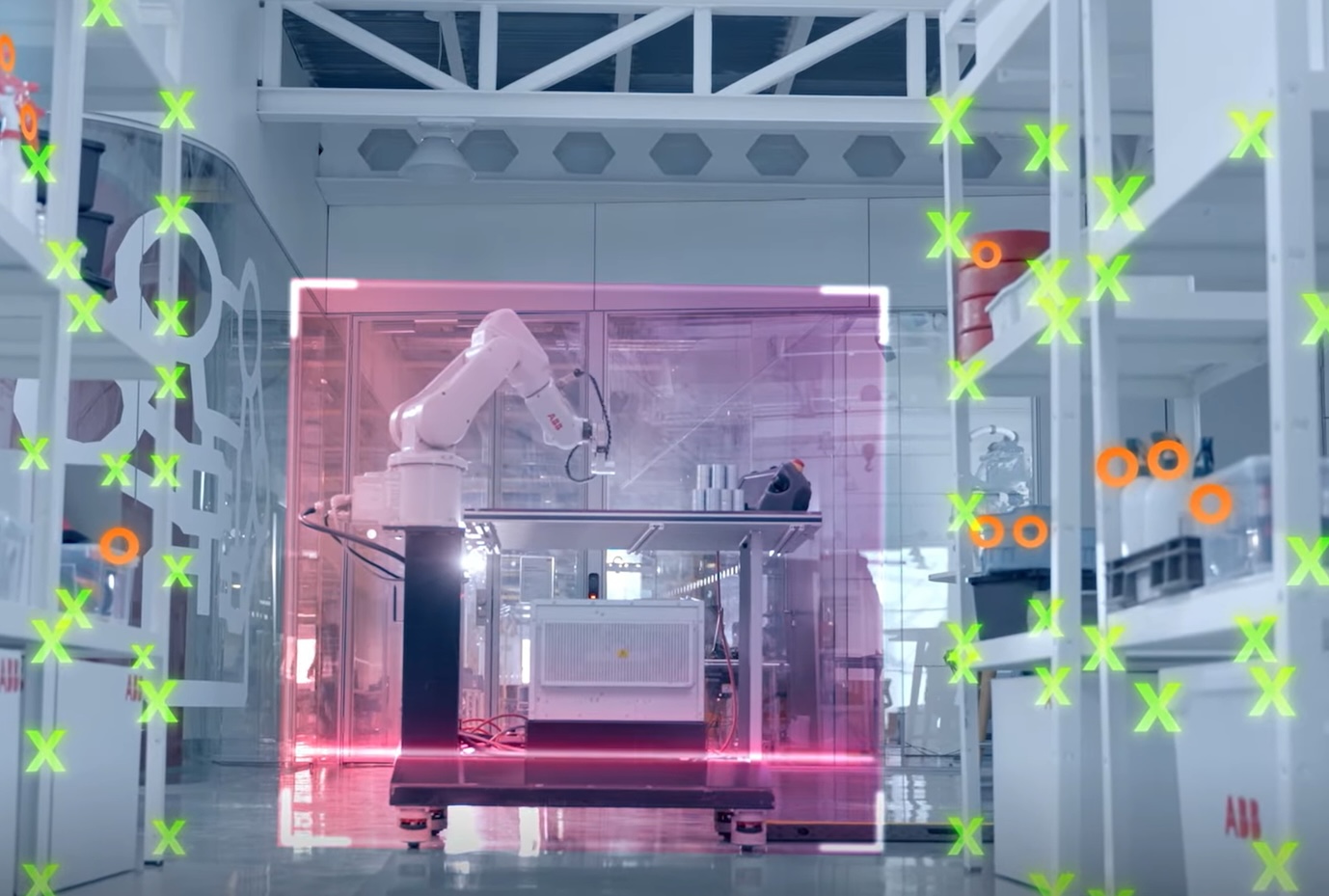
Eight tech giants deploy autonomous fleets across Singapore’s large-scale public test bed
Singapore is actively establishing itself as a global center for "physical AI," focusing on the development and deployment of robots and autonomous systems. This initiative is part of the country's broader strategy to enhance its technological landscape and drive economic growth. The government has been investing in research and development, fostering partnerships between academia and industry, and creating supportive regulatory frameworks to attract both local and international companies in the AI sector. The push for physical AI comes in response to the increasing demand for automation in various industries, including manufacturing, logistics, and healthcare. By 2025, Singapore aims to have a significant number of AI-driven solutions integrated into its economy, enhancing productivity and efficiency. The city-state's strategic location and advanced infrastructure further bolster its appeal as a destination for AI innovation. As part of this initiative, Singapore is hosting conferences and workshops to showcase advancements in robotics and autonomous technologies, encouraging collaboration among tech firms, researchers, and policymakers. This concerted effort not only aims to position Singapore as a leader in the AI field but also to address challenges such as labor shortages and the need for increased operational efficiency across sectors.

Terra Drone's Indonesia CEO sentenced to 16 months for deadly fire
The CEO of Terra Drone's Indonesian subsidiary has been sentenced to 16 months in prison by an Indonesian court for negligent homicide following a tragic fire that occurred in December 2025. The blaze, which erupted at the company's office in Jakarta, resulted in the deaths of 22 employees and left 15 others injured. The court found the CEO guilty of negligence, specifically related to the improper storage of batteries, which was identified as the cause of the fire. This incident represents a significant setback for the Japanese startup as it seeks to expand its operations in the region. The ruling was delivered on May 22, 2026, highlighting the serious consequences of workplace safety violations.

Open-Source Software Is Starting to Help Robots Think
A new wave of open-source robotics is transforming the field, enabling a broader range of individuals to develop advanced robotic systems. This movement, which gained momentum in the last two years, has seen major companies like Hugging Face, Nvidia, and Alibaba invest in tools and models aimed at enhancing robots' cognitive abilities. The initiative builds on the success of the Robot Operating System (ROS), introduced in 2007, which standardized robotics software and significantly reduced the time researchers needed to focus on their core projects. Nvidia has developed a comprehensive open-source robotics stack that includes simulation tools and pre-trained models, making it easier for developers to create sophisticated robots without needing extensive expertise. Hugging Face has furthered this effort with its LeRobot platform, which has rapidly expanded its dataset offerings, now boasting over 58,000 robotics datasets. While the open-source approach democratizes access to robotics technology, concerns arise regarding the influence of commercial interests in shaping the field. Experts warn that as companies drive the movement, there is a risk of duplicating existing solutions rather than innovating. Nevertheless, the growing community of contributors—from industry leaders to hobbyists—signals a promising future for open-source robotics, fostering collaboration and creativity in a field that is becoming increasingly accessible.

License to Stream: ‘007 First Light’ Coming to GeForce NOW With an Ultimate Bundle
GeForce NOW has launched an exciting new gaming initiative, introducing a diverse lineup of eight games this week, including a highly anticipated title featuring the iconic James Bond character. The service aims to enhance user experience by offering a blend of spy-themed adventures and high-speed racing, alongside exclusive member rewards. This initiative is part of GeForce NOW's ongoing effort to expand its cloud gaming offerings and provide instant streaming access to a wider audience. Gamers can look forward to diving into these new titles immediately, marking a significant step in the platform's commitment to delivering engaging content.
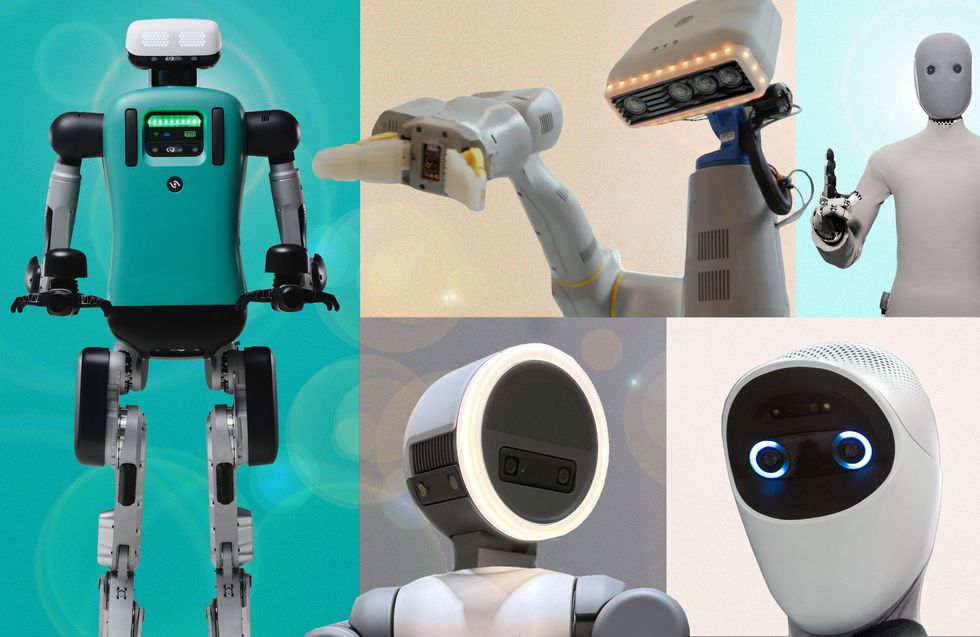
Will Robotics Have a ChatGPT Moment?
In the coming decades, billions of AI-powered robots are expected to collaborate with humans across various sectors, including factories, warehouses, elder care, disaster response, and home assistance. By 2025, investments in robotics reached a record $40.7 billion, highlighting the growing interest in this technology. Despite ambitious claims from robotics companies about humanoid robots entering homes soon, significant challenges remain in bridging the gap between current capabilities and the promises made. Experts in AI and robotics, including a professor from Oregon State University and a former Google X executive, emphasize that while AI is revolutionizing robotics, the complexity of real-world environments poses substantial hurdles. Current demonstrations of humanoid robots, such as those showcased at the 2026 Spring Festival Gala in China, often rely on scripted performances rather than genuine autonomy, revealing the limitations of existing technology. The development of general-purpose robots is hindered by the need for vast amounts of high-quality training data and the challenge of creating hardware that can safely interact with humans. As robotics evolves, the focus will shift to practical applications that address real-world needs, with an emphasis on safety and reliability. The path forward involves a series of incremental advancements rather than a single breakthrough, as AI-driven robots gradually begin to deliver tangible benefits across various industries, potentially transforming the economy and improving daily life.

Motor Sales Surge by 246%! Boke Co. Aims to Dominate Humanoid Robot Joints
Boke Co. has announced a significant surge in sales of its frameless torque motors, with a remarkable year-on-year growth of 247.84% in 2025. This increase positions Boke as a crucial supplier of essential components for humanoid robots. In response to the growing demands of the robotics industry, the company is actively expanding its production capabilities and focusing on the development of innovative solutions. This strategic move aims to enhance its market presence and cater to the evolving needs of its clients in the robotics sector.
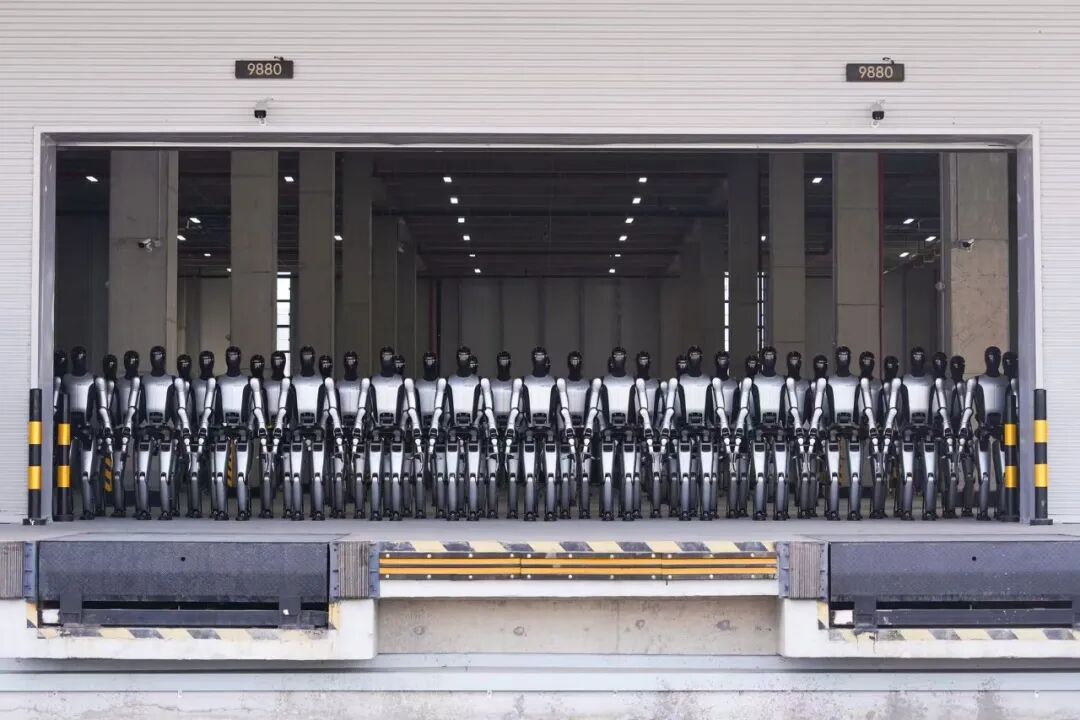
Humanoid Robot Company Sees Stock Surge Over 19% Following Annual Report Release
On March 31, UBTECH, a company specializing in humanoid robots, revealed in its 2025 annual report that it has achieved a remarkable revenue milestone, exceeding 2 billion yuan for the first time. This achievement highlights the company's commitment to research and development, as well as its robust position in the market. UBTECH's humanoid robots have emerged as a primary revenue driver, reflecting a broader industry trend towards the practical application of robotics, moving beyond theoretical concepts to tangible solutions.
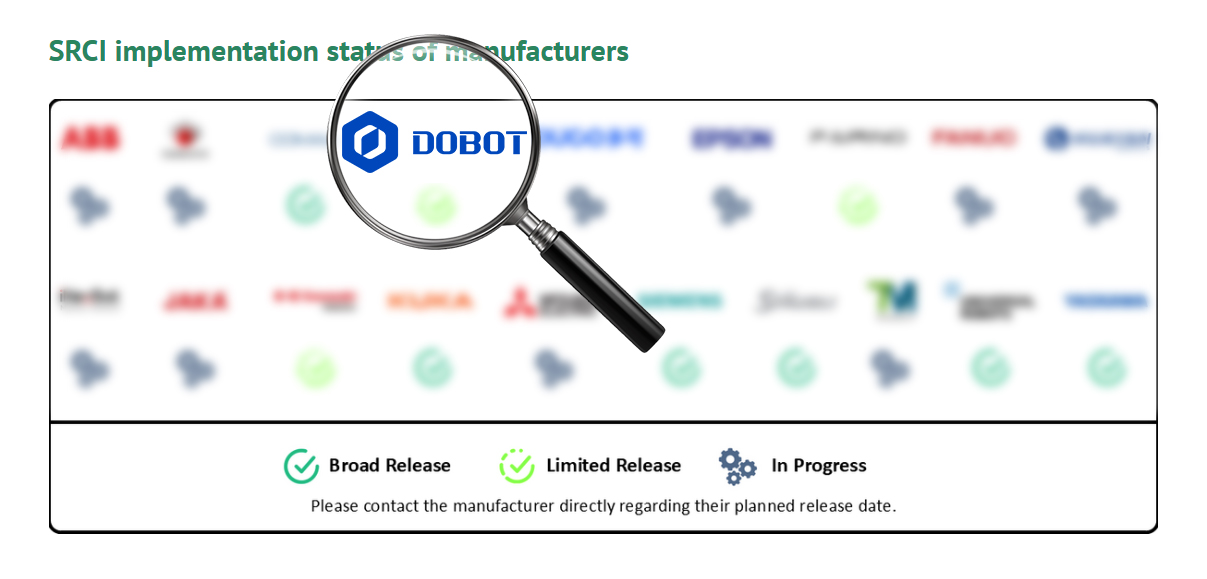
DOBOT Completes Siemens SRCI Integration, Advancing Toward a Unified and Rapidly Deployable Cobot Platform
DOBOT Robotics has successfully integrated Siemens' SRCI technology, marking a significant advancement in the deployment of PLC-controlled collaborative robots (cobots) for industrial automation. This integration, completed recently, streamlines the process of incorporating robots into various industrial applications, allowing for quicker and more efficient setups. The collaboration with Siemens aims to enhance the functionality and accessibility of robotic solutions, ultimately driving innovation in the automation sector. By simplifying the integration process, DOBOT Robotics is positioning itself to meet the growing demand for advanced automation technologies in manufacturing and other industries.
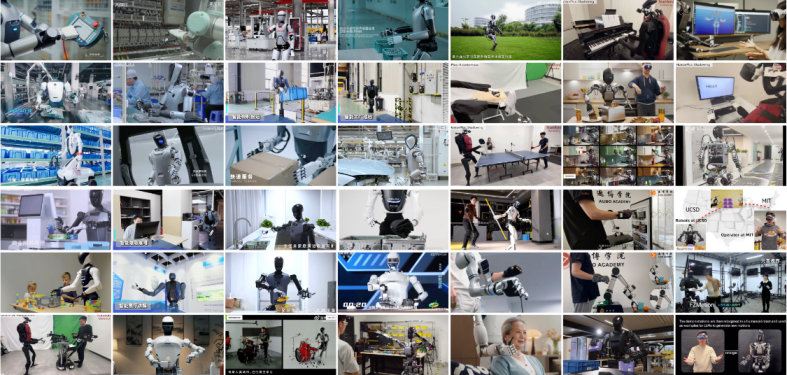
Breaking the Delivery Barrier: Who Can Solve the Impossible Triangle of Dexterous Robot Hands?
In 2025, InTime Robotics marked a significant achievement by delivering more than 10,000 dexterous robot hands within a single year, setting a new industry record. This milestone underscores the complexities involved in scaling production while ensuring performance, cost-effectiveness, and reliability. Fang Hainan, the Chief Marketing Officer of InTime Robotics, addressed these challenges during his presentation at the China Embodied Intelligence and Humanoid Robotics Industry Conference. The event served as a platform for discussing advancements in robotics and the future of automation, highlighting the company's commitment to innovation in the field.

Is Faraday Future Intelligent Electric Inc. (FFAI) Emerging as an AI Robotics Stock to Watch in 2026?
Faraday Future Intelligent Electric Inc. (FFAI), a California-based company specializing in AI-driven mobility and robotics, has emerged as a notable penny stock under $1, according to a recent report by TheFly. The company announced its Q1 2026 results on May 14, revealing initial sales revenue from its Embodied AI robotics division, which generated $512,000, nearly matching its total revenue for all of 2025. As of April 30, 2026, FFAI shipped 68 EAI robots and aims to deliver 200 units in the first quarter and over 1,500 throughout the year. Despite a net loss from operations of $35.9 million, the company reported a significant increase in stockholders’ equity by 148% to $19.2 million. In a strategic move to bolster its AI robotics initiatives, FFAI signed a memorandum of understanding on May 8 with Boston International Business School to establish the BIBS–FF AI Robotics Institute. This partnership, announced during the Berkshire Hathaway annual shareholders meeting in Omaha, aims to enhance education and development in the fields of robotics and artificial intelligence. While the agreement is currently non-binding and pending board approval, it reflects FFAI's commitment to expanding its technological ecosystem through academic collaborations. As the company continues to scale its operations, it remains to be seen how these developments will impact its market position and investment potential in the competitive AI landscape.

‘Cheap’ Patriot Interceptor Costing Under $1 Million Now Being Sought By Army
The U.S. Army is actively pursuing a more cost-effective version of its Patriot missile defense system in response to evolving threats from adversaries utilizing inexpensive drones and large numbers of ballistic missiles. The initiative aims to develop a new interceptor that would cost under $1 million, making it more affordable and easier to produce. This move reflects the Army's recognition of the need to enhance its defense capabilities against increasingly sophisticated and budget-friendly weaponry employed by potential enemies. The search for this budget-friendly solution underscores the Army's commitment to maintaining a competitive edge in modern warfare while addressing the financial constraints of military procurement.
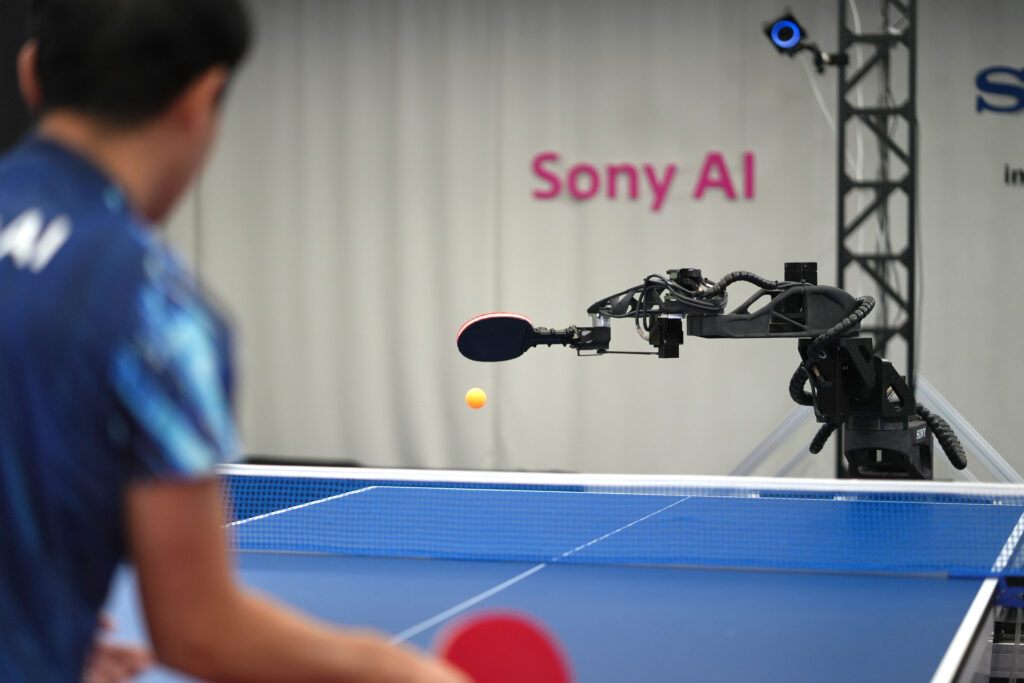
Table tennis robot defeats some of world’s best players – why this has major implications for robotics
In December 2025, a groundbreaking table tennis robot named Ace demonstrated its advanced capabilities by outperforming elite human players, including renowned competitor Yamato Kawamata, during a series of evaluations. Developed by Sony AI, Ace's performance signifies a notable advancement in artificial intelligence and robotics, showcasing the potential for machines to excel in complex sports environments. This achievement highlights the ongoing integration of AI technology in competitive settings, raising questions about the future of human versus machine competitions in sports.

Ola Electric approves $209m unit investment
Ola Cell Technologies has reported a significant increase in revenue, reaching Rs 73 crore in the fiscal year 2025, a remarkable rise from Rs 3.97 crore in the previous year. This surge in earnings highlights the company's successful expansion and growing market presence in the technology sector. The impressive financial growth reflects Ola Cell's strategic initiatives and investments aimed at enhancing its product offerings and customer engagement. As the company continues to innovate and adapt to market demands, it positions itself as a key player in the industry.
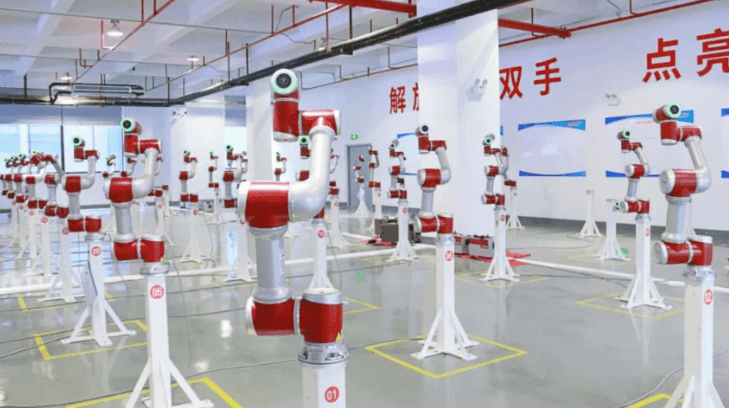
What Are 6 Axis Robot Arms, and How Does Their Versatility Work?
In the realm of industrial automation, the 6-axis robot arm has emerged as a pivotal innovation, offering unparalleled flexibility in manufacturing processes. These advanced machines, designed to mimic human arm movements, have transformed factory operations by enabling complex tasks with ease. The versatility of these robots stems from their unique kinematic structure, which features a series of rotating joints that allow them to access virtually any point in their workspace from various angles. The term "6-axis" signifies the six independent joints that provide the robot with multiple degrees of freedom. The major axes facilitate overall reach, while the minor axes function as a mechanical wrist, granting the robot the ability to pitch, roll, and yaw. This capability allows for diverse applications, from precision medical assembly to heavy-duty palletizing, setting them apart from traditional 4-axis robots. The adaptability of 6-axis robots is particularly beneficial in high-mix production environments, where they can seamlessly switch between tasks throughout the day, such as CNC machine tending and complex surface finishing. This flexibility minimizes the need for specialized machinery, optimizing floor space and reducing capital costs. JAKA has capitalized on this versatility with its Zu series of collaborative robots, which are lightweight and easily redeployable across production lines. The JAKA Zu18 model, capable of handling an 18kg payload with a reach of 1073mm, exemplifies strength combined with agility. Enhanced by user-friendly wireless control through the JAKA App, these robots are positioned to meet the evolving demands of both small workshops and large assembly plants, ensuring efficiency and adaptability in modern manufacturing.

U.S. House Passes Bill to Address Rise in Cargo Thefts
In 2025, a new bill was introduced in the House of Representatives aimed at tackling the rising incidence of cargo theft across the United States. This legislative move comes in response to escalating concerns from businesses and law enforcement agencies regarding the impact of such thefts on the economy and public safety. The bill seeks to implement stricter penalties for offenders and enhance security measures for cargo transport. By addressing these issues, lawmakers hope to deter criminal activity and protect the interests of the shipping industry, which has been significantly affected by these thefts. The proposed legislation reflects a growing recognition of the need for comprehensive strategies to combat organized crime in the logistics sector.

Rivian spinoff Mind Robotics raises another $400M
Mind Robotics, a company that emerged in late 2025, has successfully secured over $1 billion in funding to date. This significant financial milestone underscores the growing interest and investment in robotics technology, reflecting the industry's potential for innovation and development. The funding will likely be utilized to advance their research and development efforts, enhance product offerings, and expand market reach. As the robotics sector continues to evolve, Mind Robotics is positioning itself as a key player, attracting attention from investors eager to capitalize on the future of automation and intelligent systems.

Archivists Turn to LLMs to Decipher Handwriting at Scale
Recent advancements in artificial intelligence are revolutionizing the transcription of handwritten historical documents, making previously inaccessible archives more usable for researchers and the public. Mark Humphries, a history professor at Wilfrid Laurier University in Ontario, has been at the forefront of this transformation, utilizing OpenAI's GPT-4 to analyze millions of World War I pension records. His research, published in May 2025, demonstrated that AI models significantly outperformed traditional handwriting recognition software, achieving lower error rates and faster processing times. The implications of this technology extend beyond academia. Institutions like the University of North Carolina at Chapel Hill and the Federal Reserve Bank of Philadelphia are exploring AI transcription for various historical documents, enabling new avenues for research into topics such as enslaved ancestors and economic history. Lianne Leddy, a co-author of Humphries' study, emphasized that AI tools can uncover stories of Indigenous women from historical records, which would have taken years to analyze manually. As AI continues to evolve, tools like Archive Pearl are being developed to democratize access to historical documents, allowing users to quickly obtain accurate transcriptions. This shift not only aids trained historians but also empowers non-experts and families seeking to explore their heritage, fundamentally changing the landscape of historical research.

Indiana Scores First Drone Deer Hunting Conviction in Landmark UAV Poaching Case
Indiana has made headlines with its first conviction related to drone-assisted deer hunting, marking a significant legal precedent in the regulation of unmanned aerial vehicles (UAVs) in hunting practices. The case arose as hunters increasingly turned to drones to enhance their chances of capturing trophy animals, prompting state lawmakers and regulators to take action. The conviction underscores the growing need for clear rules governing the use of drones in hunting, aimed at preserving ethical standards and wildlife conservation. As this legal framework develops, it reflects a broader trend of integrating technology into traditional hunting methods while addressing the associated ethical and regulatory challenges.

Weeding robot part of integrated weed management
A recent field trial at Wageningen University & Research (WUR) in Valthermond, Netherlands, has highlighted the necessity for growers to adopt additional methods beyond weeding robots to effectively manage weed control. The trial, which draws on practical experiences expected to be implemented by 2025, underscores the challenges faced by agricultural producers in maintaining crop health and productivity. As the agricultural sector increasingly seeks innovative solutions to combat weeds, the findings from WUR suggest that a multifaceted approach will be essential for sustainable farming practices.

Tesla's Invisible Moat: The Most Elegant Physical AI Training Program Ever Built
A recent report highlights the growing trend of electric vehicle (EV) adoption across the globe, driven by increasing environmental concerns and government incentives. As of October 2023, major automotive manufacturers are ramping up production of EVs in response to consumer demand for sustainable transportation options. This shift is particularly evident in regions such as Europe and North America, where stricter emissions regulations are prompting both consumers and companies to transition away from traditional gasoline-powered vehicles. The surge in EV sales is also fueled by advancements in battery technology, which have significantly improved the range and affordability of electric cars. Industry experts predict that by 2025, EVs could account for a substantial portion of new vehicle sales, as more consumers become aware of the long-term cost savings and environmental benefits associated with electric vehicles. In addition, governments are implementing various policies to encourage EV adoption, including tax incentives, rebates, and investments in charging infrastructure. These initiatives aim to reduce carbon emissions and combat climate change, aligning with global sustainability goals. As the automotive landscape evolves, manufacturers are increasingly collaborating with tech companies to enhance the integration of smart technologies in EVs, further appealing to tech-savvy consumers. This multifaceted approach not only addresses environmental issues but also positions the automotive industry for a future that prioritizes innovation and sustainability.
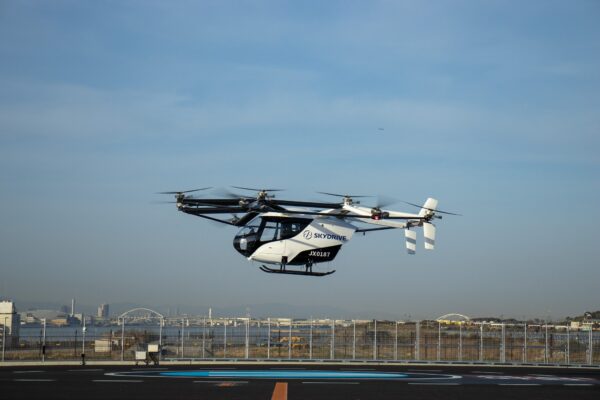
SkyDrive, Osaka Metro Launch Japan’s First eVTOL Vertiport Consortium
SkyDrive, a company specializing in electric vertical takeoff and landing (eVTOL) aircraft and affiliated with Toyota, has announced the formation of Japan's first consortium aimed at commercializing the Osakako Vertiport located on Osaka Bay. This initiative, which includes partners such as Osaka Metro, Marubeni, Soracle, and various local governments, was unveiled on May 8, 2026. The consortium's goal is to facilitate the commercial operation and shared use of the vertiport, marking a significant step in advancing urban air mobility in Japan. By collaborating with key stakeholders, SkyDrive aims to enhance transportation options in the region and promote the integration of eVTOL technology into everyday travel.
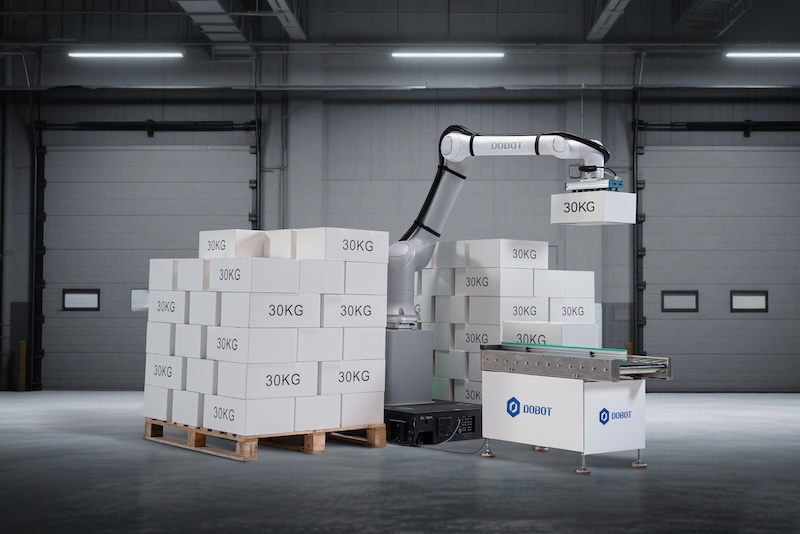
DOBOT CR 30H Series Achieves SGS-Verified Compliance with ISO 10218-1:2025 Cybersecurity Requirements
In February 2026, DOBOT, a prominent robotics manufacturer based in Shenzhen, China, announced that its CR 30H Series collaborative robots have met the cybersecurity compliance standards outlined in ISO 10218-1:2025. This achievement follows an independent verification process conducted by SGS, a leading inspection and certification company. The compliance with this latest international safety standard for industrial robots underscores DOBOT's commitment to ensuring the security and reliability of its technology in an increasingly digital landscape.

4 Billion in Investment Floods into the Brain-Machine Interface Sector
In the first quarter of 2026, the brain-machine interface sector experienced a remarkable surge in funding, attracting over 4 billion yuan, a figure that exceeds the total investments for the entire year of 2025. This rapid growth is being driven by key industry players, including Qiangnao Technology and Jieti Medical, who are making substantial strides in both invasive and non-invasive technologies. The influx of capital reflects a growing interest and confidence in the potential applications of brain-machine interfaces, which are poised to revolutionize fields such as healthcare and communication. As these companies continue to innovate and expand their offerings, the sector is set to play a pivotal role in shaping the future of technology and human interaction.
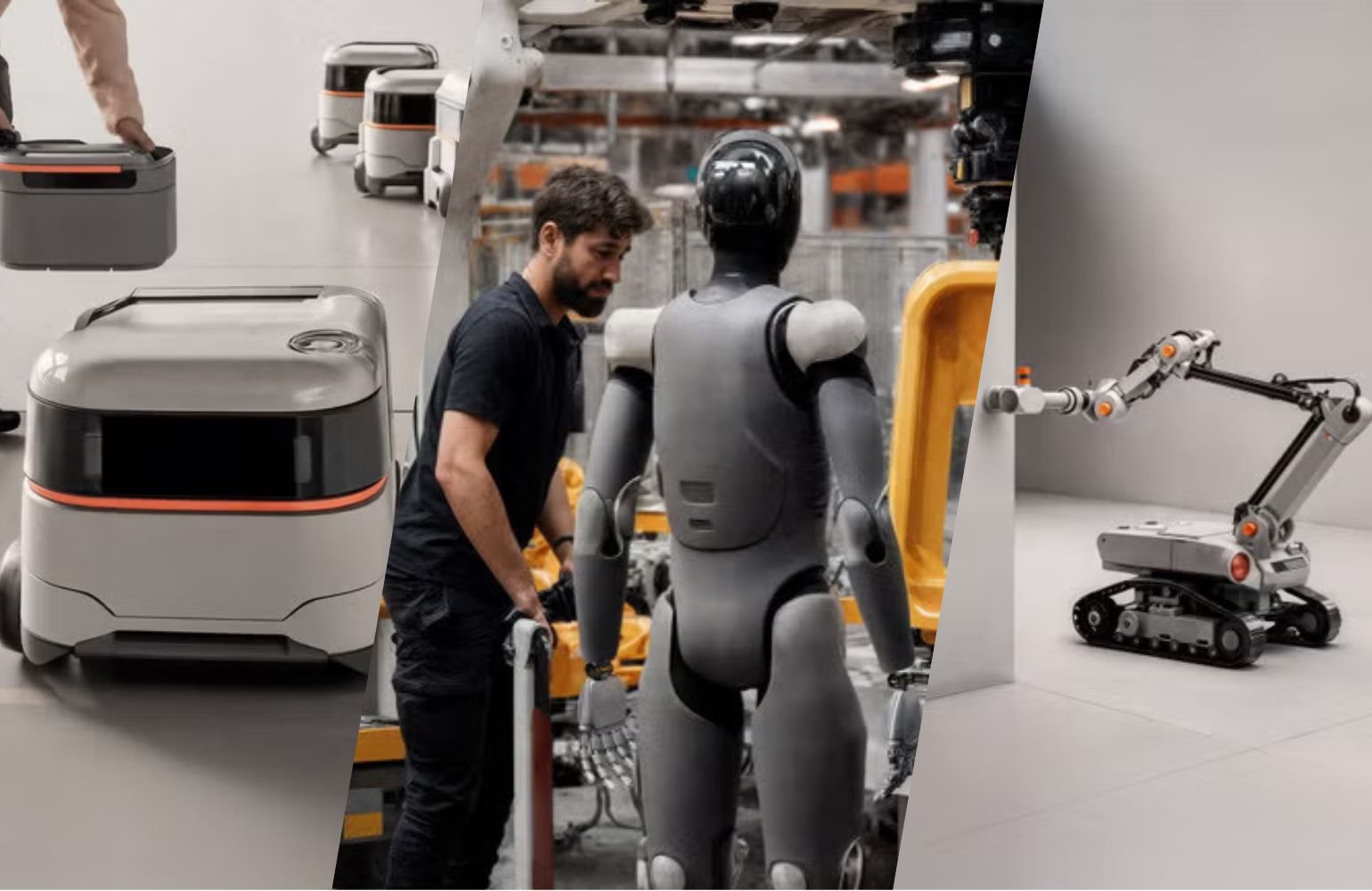
QNX to bring hands-on demonstrations and new research to the Robotics Summit
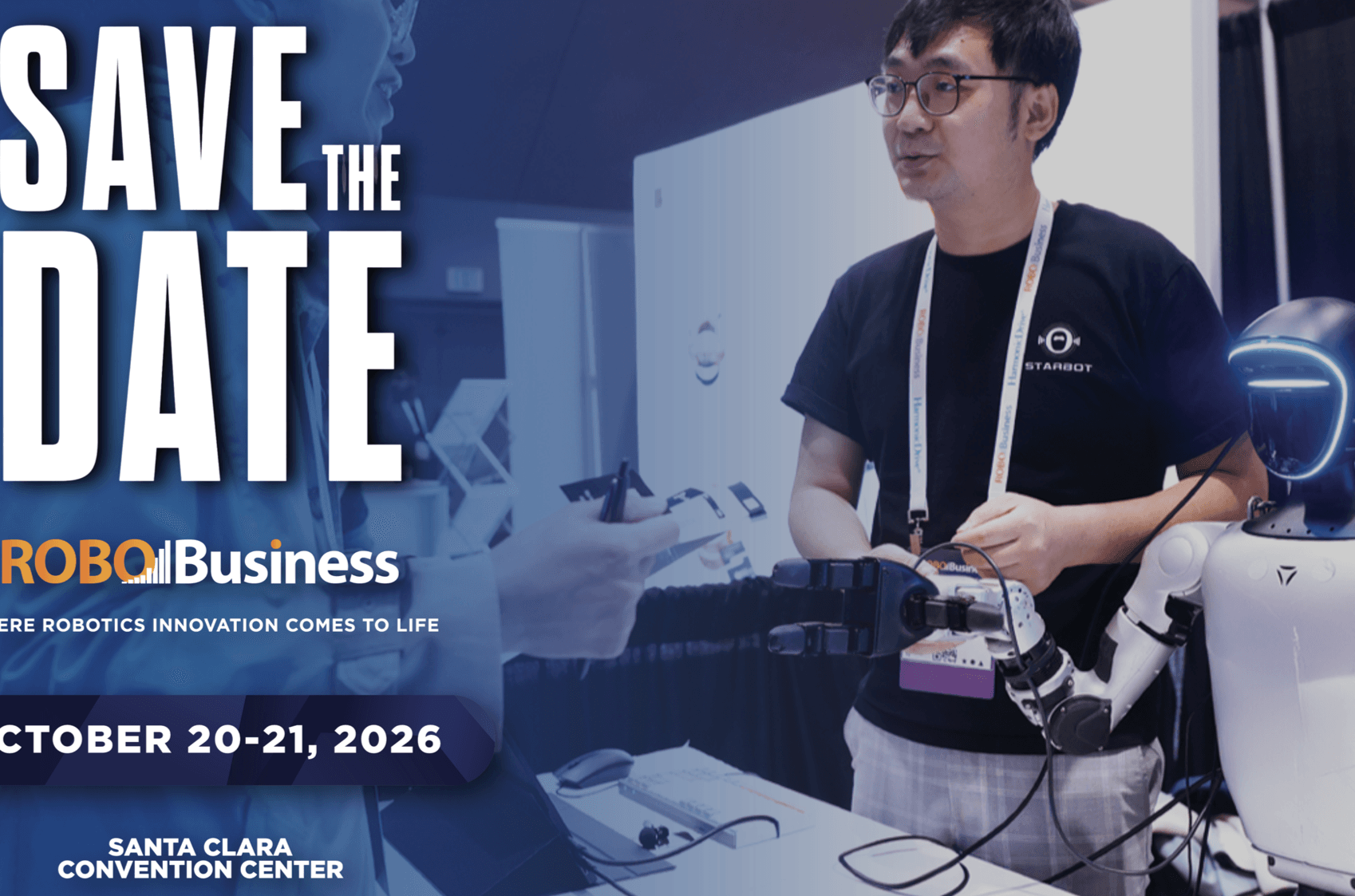
QNX is inviting attendees of the Robotics Summit & Expo to visit Booth 307 for an opportunity to experience its latest demonstrations and research developments. The event, which showcases advancements in robotics, provides a platform for QNX to engage with industry professionals and showcase its innovative technologies. By participating in this expo, QNX aims to highlight its contributions to the robotics field and foster connections with potential collaborators and clients.

The app store for robots has arrived: Hugging Face launches open-source Reachy Mini App Store with 200+ apps
Hugging Face, a New York City-based startup known for its open-source AI models, has launched the Reachy Mini App Store, a platform designed for its low-cost physical robot, Reachy Mini, which debuted in July 2025. Priced at $299, the robot aims to make robotics accessible to hobbyists and developers. The App Store features over 200 community-built applications, allowing users to download and create custom apps without needing a technical background. This initiative is part of Hugging Face's broader goal to democratize robotics, enabling individuals to develop functional software for the robot using simple English commands. The launch comes as Hugging Face has sold around 10,000 Reachy Mini units, with 3,000 sold in the past two weeks alone. The platform supports various AI models, including Hugging Face's own ML Intern, and offers tools for users to simulate and test their apps in a virtual environment. By removing traditional barriers to robotics development, Hugging Face aims to shift the focus from technical expertise to creativity in programming robotic behaviors. The App Store is part of Hugging Face's ongoing "Le Robot" project, which seeks to provide open-source resources for robotics development.
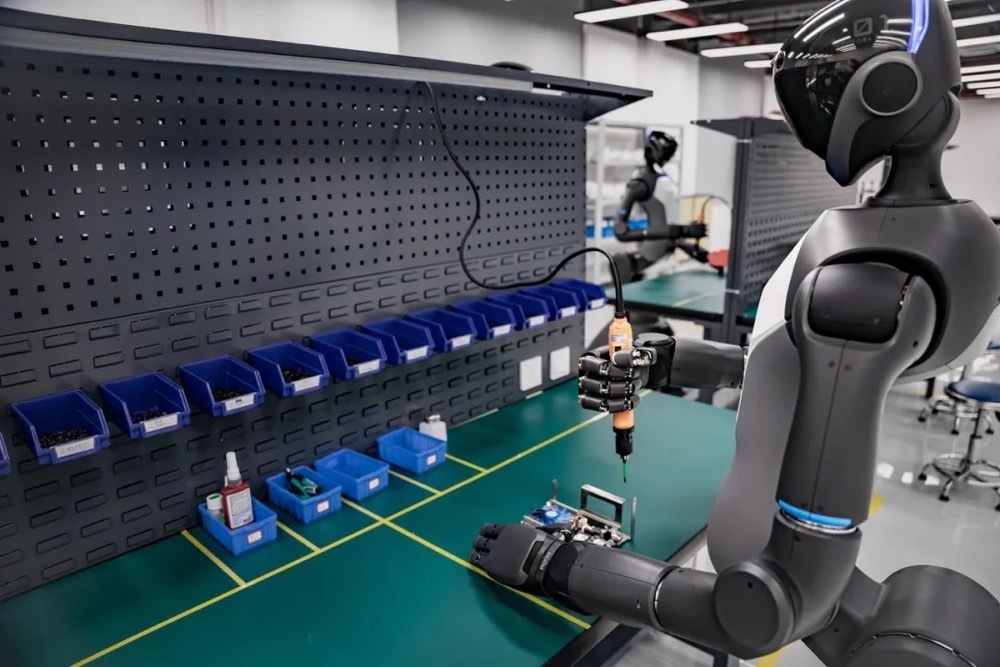
Leonardo reports 31% surge in new orders in Q1 as CEO departs
In the first quarter of the year, the defense sector reported revenues of €4.5 billion, marking a 7 percent increase compared to the same period in 2025. This growth reflects a robust demand for defense services and products, contributing to a total backlog that has now reached €57 billion. The figures were announced by the defense minister, who emphasized the importance of sustained investment in national security and defense capabilities. The increase in revenue and backlog indicates a strong outlook for the industry, driven by ongoing geopolitical tensions and the need for enhanced military readiness.

Circus Acquires US-Israelian Kitchen Robotics
Circus SE, a global leader in AI-robotics specializing in autonomous sustainment systems, has finalized its acquisition of Kitchen Robotics, a move initially announced as an intellectual property transaction in the fourth quarter of 2025. This acquisition grants Circus full ownership of Kitchen Robotics, including over 30 international robotics patents and associated software. The strategic decision to acquire the entire company aims to enhance Circus's technological capabilities and expand its market presence in the robotics sector. The completion of this deal marks a significant milestone for Circus SE as it continues to innovate and lead in the field of robotics.

AI Processing of Earth Images Can Now Run in Space
Planet Labs, a California-based Earth observation company, has successfully implemented AI image processing aboard its Pelican-4 multispectral satellite, marking a significant advancement in satellite technology. The satellite captured an image of an airport in Alice Springs, Australia, where an AI model autonomously identified and highlighted over a dozen aircraft on the tarmac. This achievement comes after 18 months of development aimed at enabling real-time object classification from space, which could revolutionize the Earth observation industry by providing immediate insights to users. Currently, Planet Labs operates hundreds of Dove and SuperDove CubeSats, alongside its Pelican satellites, which offer high-resolution imaging capabilities. The Pelican-4, launched into orbit in 2025, utilizes onboard AI algorithms to analyze images rapidly, delivering results to users within minutes. This efficiency addresses previous delays in data processing that could hinder timely responses to critical situations, such as wildfires. Looking ahead, Planet Labs plans to enhance its satellite fleet with a new model called the Owl, equipped with advanced AI detection capabilities. This network of satellites aims to create a system that autonomously monitors the planet and flags potential issues in real-time. The company envisions a future where powerful AI models could provide instant textual updates on detected anomalies, further streamlining Earth monitoring efforts. The space-based AI detection service is expected to be available to customers within the next six to nine months, as Planet Labs continues to collaborate with Google on projects that could expand data-processing capabilities in orbit.
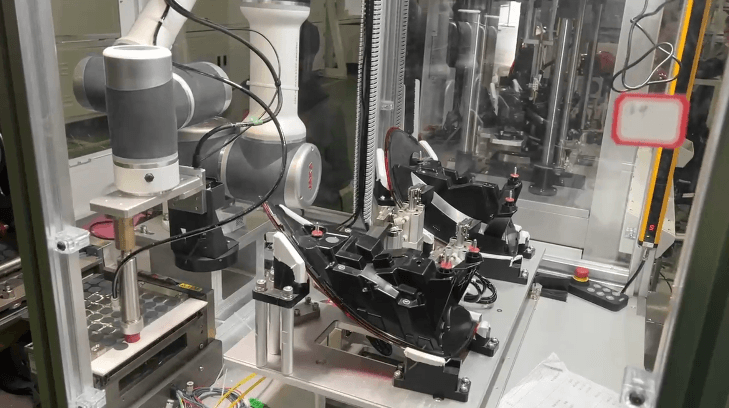
Everything You Need to Know About Collaborative Robot Safety Standards (ISO 10218)
As industries increasingly adopt collaborative robots, the regulatory landscape surrounding advanced robotics is adapting, particularly through the updated ISO 10218 standard for industrial robot safety. This international guideline, crucial for businesses utilizing collaborative robots, emphasizes the importance of compliance not just for legal reasons but as a strategic measure to ensure operational efficiency and worker safety. The ISO 10218 standard is divided into two parts: the first outlines safety requirements for robot manufacturers regarding the design and construction of robotic arms and controllers, while the second focuses on system integration, detailing safety protocols for the entire robot application, including workspace and human interaction. Key collaborative operation methods include Safety-rated Monitored Stop, Hand Guiding, Speed and Separation Monitoring, and Power and Force Limiting. Recent updates to the standard, effective in 2025, shift the focus toward a holistic risk assessment of the robot application, considering various factors such as arm speed and workpiece shape. JAKA Solutions is at the forefront of this evolution, ensuring that its robotic systems not only meet but exceed ISO 10218-1:2025 requirements. Their JAKA S series features advanced safety measures, including a safety-rated "skin" for enhanced environmental awareness, allowing seamless transitions between operational modes. By integrating JAKA technology, manufacturers can streamline compliance with CE and UKCA marking, supported by an intuitive interface for setting safety performance levels tailored to specific risk assessments. This innovation positions JAKA collaborative robots as reliable partners in enhancing production capabilities while prioritizing safety.
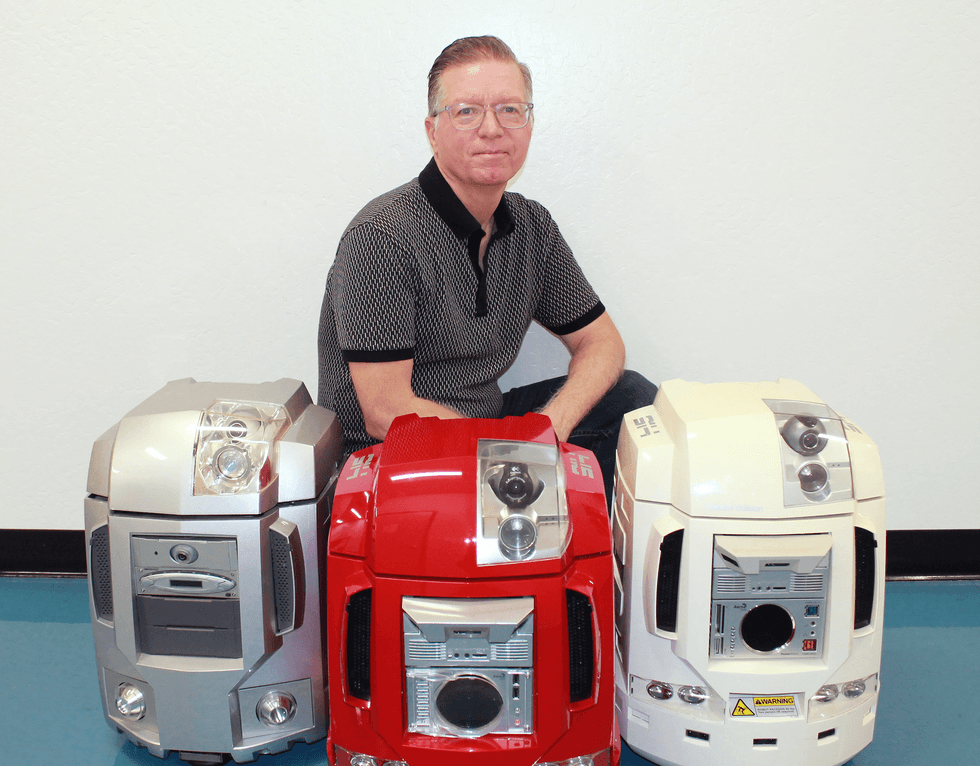
This Roboticist-Turned-Teacher Built a Life-Size Replica of ENIAC
Tom Burick, a technology instructor at PS Academy in Gilbert, Arizona, has spearheaded a project with his students to construct a full-scale replica of the Electronic Numerical Integrator and Computer (ENIAC) to commemorate the 80th anniversary of its creation. This initiative began at the start of the 2025-26 school year at the school, which caters to students with autism and other specialized learning needs. Burick, who has a background in robotics and a personal connection to neurodiversity, aims to inspire his students by leveraging their unique strengths through hands-on projects. The ENIAC, one of the first programmable electronic computers, was originally built in the 1940s and dismantled in the 1950s. Burick and his students embarked on this ambitious project to provide a tangible experience of the historic machine, which involved constructing 40 large panels and installing 18,000 simulated vacuum tubes. The project utilized nearly 300 square meters of cardboard and extensive glue and paint, showcasing the students' dedication and teamwork. Burick, who transitioned to teaching after closing his robotics company during the 2008 financial crisis, emphasizes the importance of mentorship and aims to pay forward the support he received as a young person. Through projects like the ENIAC replica, he fosters an environment where students can thrive and explore their interests in technology and robotics, reinforcing the notion that their neurodivergent traits can be powerful assets in problem-solving and creativity.
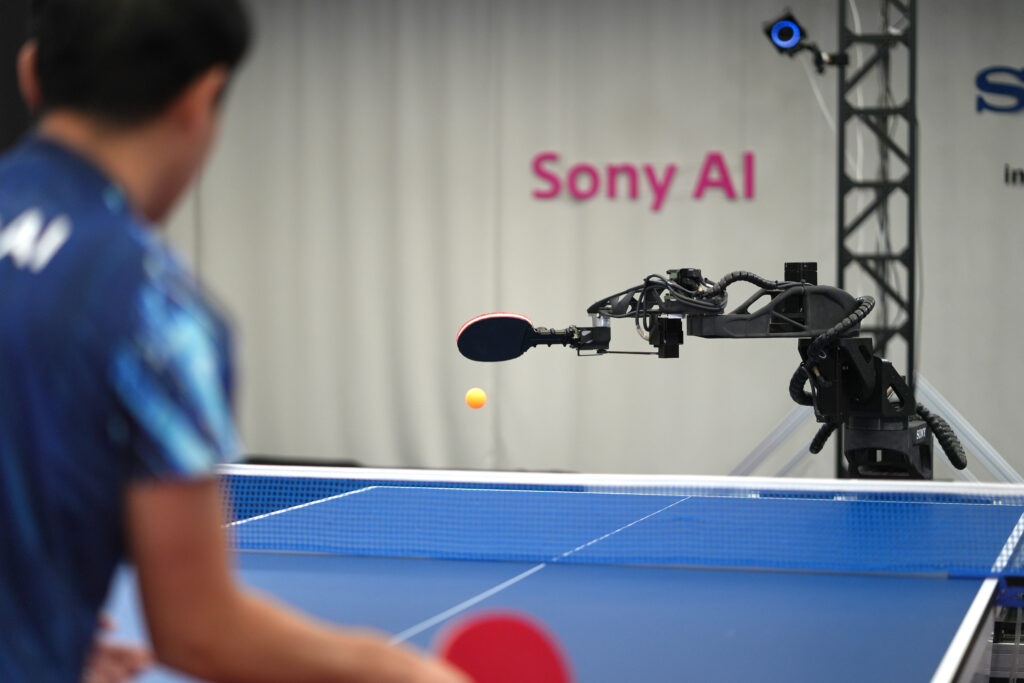
Sony AI table tennis robot outplays elite human players
In a groundbreaking development for artificial intelligence in sports, Sony AI has unveiled Ace, a robot that has successfully defeated elite human players in competitive physical sports. This achievement was highlighted in an article published today in the journal Nature. The match took place in December 2025, where Ace showcased its advanced capabilities by skillfully returning the ball to its human opponent, Yamato Kawamata. This milestone not only marks a significant advancement in AI technology but also raises questions about the future of robotics in competitive environments. The motivation behind creating Ace was to explore the potential of AI in mastering complex physical tasks and to push the boundaries of machine learning in real-world applications.

Roborock Reports 56.51% Revenue Growth in 2025; Q1 2026 Revenue Up 23.31%
Roborock has announced an impressive revenue growth of 56.51% for the year 2025, with a notable increase of 23.31% in revenue during the first quarter of 2026. This surge in financial performance is attributed to the company's strategic investments in research and development, as well as its efforts to expand globally. As a result, Roborock has strengthened its position in the market, capturing a 17.7% share of the global robotic vacuum sector and experiencing substantial growth in overseas revenues.