Search Result for: https://interestingengineering.com/military/army-thor-autonomous-vtol-drone-contract
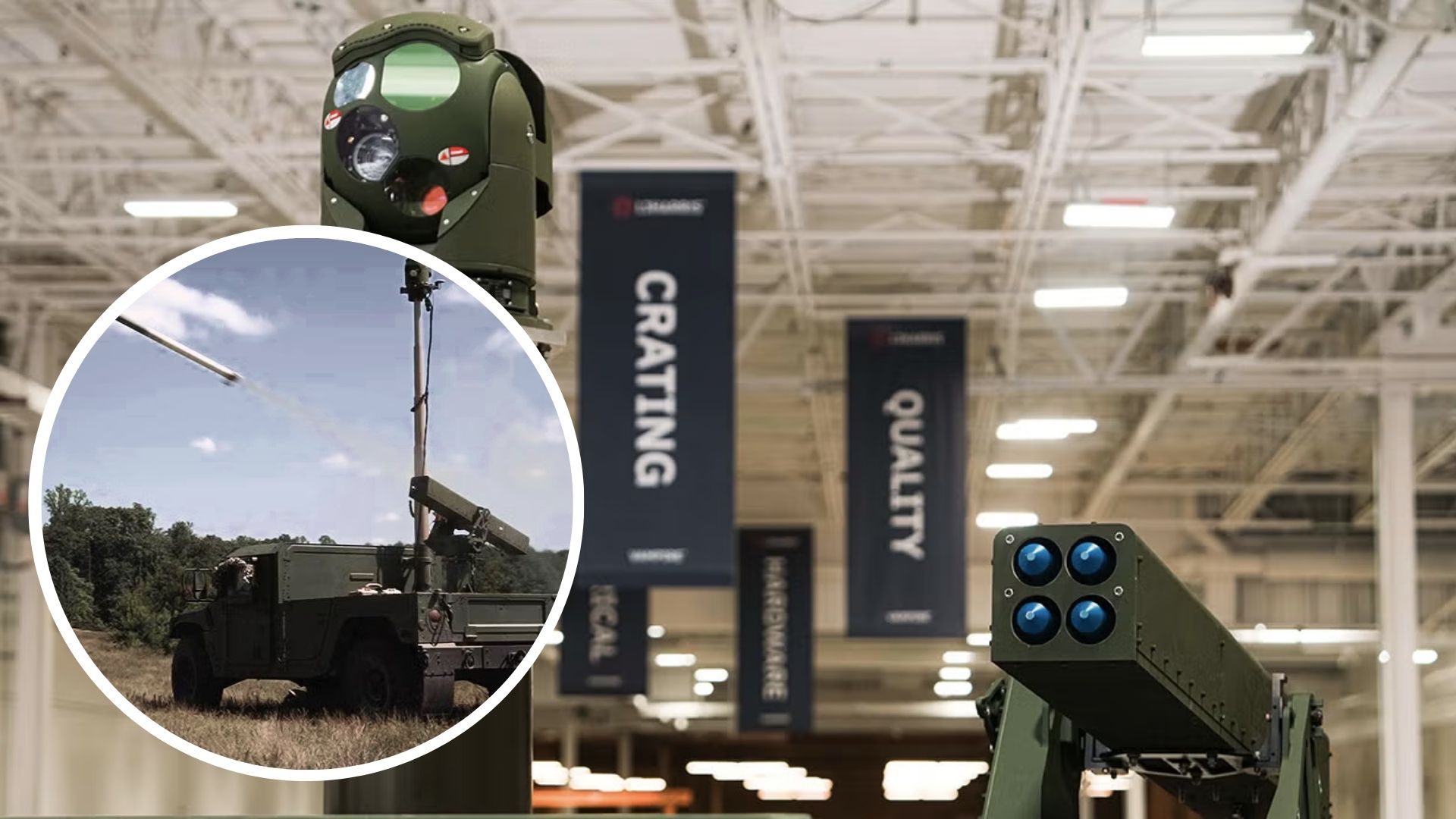
US Army to deploy VAMPIRE drone hunter with proven 350,000 hours of battlefield use
A new counter-drone system is being developed to bolster the defense capabilities of the United States against increasing drone threats. This initiative comes in response to the growing concerns over the use of unmanned aerial vehicles by adversaries, which have been employed in various conflicts and security breaches. The system is expected to be deployed in military bases and critical infrastructure locations across the country, enhancing the protection of both personnel and assets. The U.S. Department of Defense is spearheading this project, collaborating with leading technology firms to integrate advanced detection and neutralization technologies. The system aims to identify and intercept hostile drones before they can cause harm. Testing of the new technology is scheduled to begin in early 2024, with full operational capability anticipated by the end of the year. This proactive measure reflects the U.S. military's commitment to adapting to modern warfare challenges and ensuring national security. As drone technology continues to evolve, the implementation of this counter-drone system is seen as a crucial step in maintaining strategic advantages and safeguarding against potential threats.
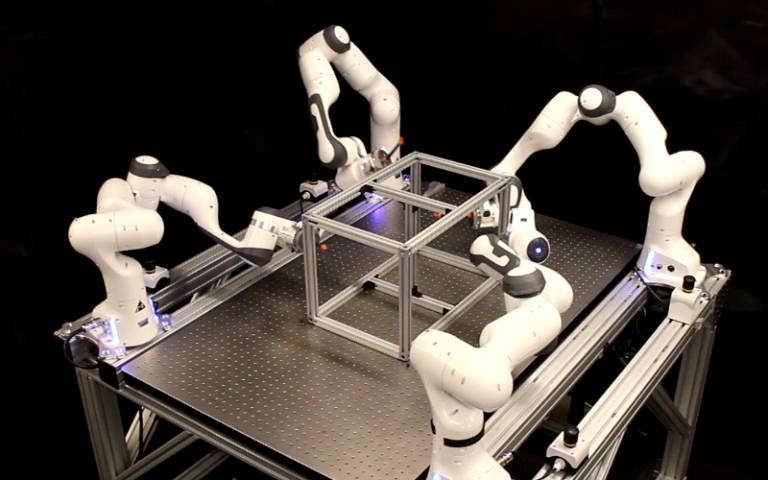
US Army awards L3Harris contract for VAMPIRE anti-drone systems
The US Army has awarded a $106 million contract to L3Harris for the development of Vehicle-Agnostic Modular Palletised ISR Rocket Equipment (VAMPIRE), a system designed to counter uncrewed aerial threats. This contract, announced recently, aims to enhance the Army's capabilities in addressing the growing challenges posed by uncrewed systems in modern warfare. By leveraging L3Harris's advanced technology, the Army seeks to improve its operational effectiveness and ensure greater security on the battlefield. The initiative reflects a strategic move to bolster defense mechanisms against evolving aerial threats, emphasizing the importance of adaptable and modular systems in military operations.

SASC’s $1.14T defense policy bill creates combatant command for drones
Members of the Senate Armed Services Committee (SASC) approved a significant piece of legislation on Wednesday, advancing the bill with an 18-9 vote. This decision reflects the committee's ongoing efforts to address critical defense issues and enhance military readiness. The approval comes amid increasing concerns about national security and the need for updated military policies. The committee's action is a crucial step in the legislative process, paving the way for further discussions and potential amendments before the bill is presented to the full Senate for consideration.
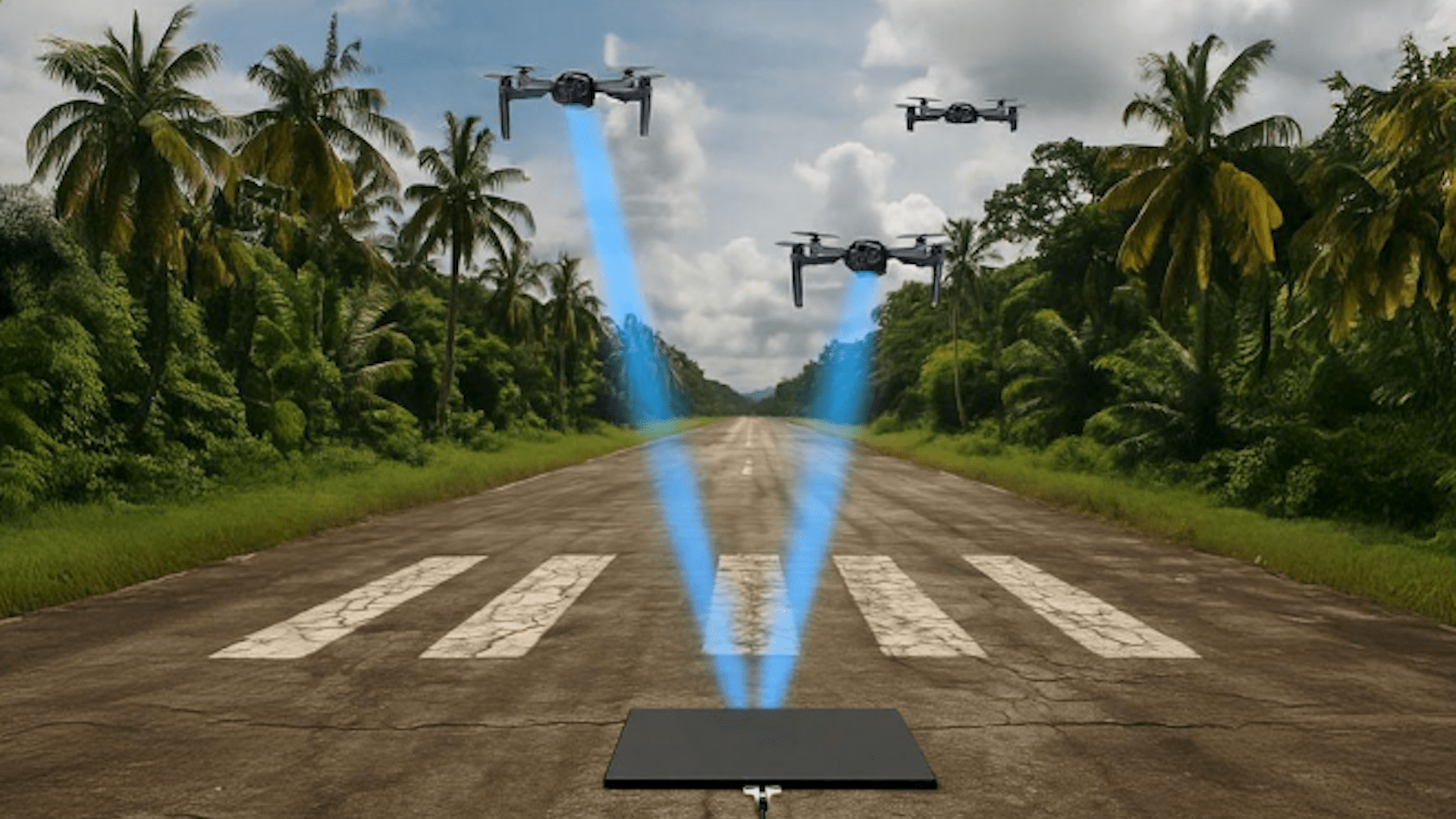
Next-gen wireless drone swarm stays airborne 24/7, never needs to land
US companies Reach Power and Gambit have unveiled that their collaborative initiative, the SWARM project, has secured funding. This financial backing aims to advance the development of innovative technologies in the renewable energy sector. The announcement was made on October 15, 2023, highlighting the growing interest and investment in sustainable energy solutions. The SWARM project is designed to enhance energy efficiency and promote the integration of renewable resources into existing power grids. By leveraging cutting-edge technology and strategic partnerships, Reach Power and Gambit intend to address the increasing demand for clean energy alternatives. This initiative reflects a broader trend in the industry, as companies seek to align with global sustainability goals and reduce carbon footprints.

MBDA showcases hybrid high-energy laser, interceptor counter-drone system
The European missile manufacturer has announced plans for a new hybrid defense platform aimed at countering the increasing threat posed by small, fast, and low-cost unmanned aerial vehicles (UAVs). This innovative system is expected to be operational in Germany by the end of the decade. The initiative reflects a strategic response to evolving aerial threats, highlighting the need for advanced defense solutions in modern warfare. The development of this platform underscores the commitment to enhancing national security and adapting to the changing landscape of military challenges in Europe.
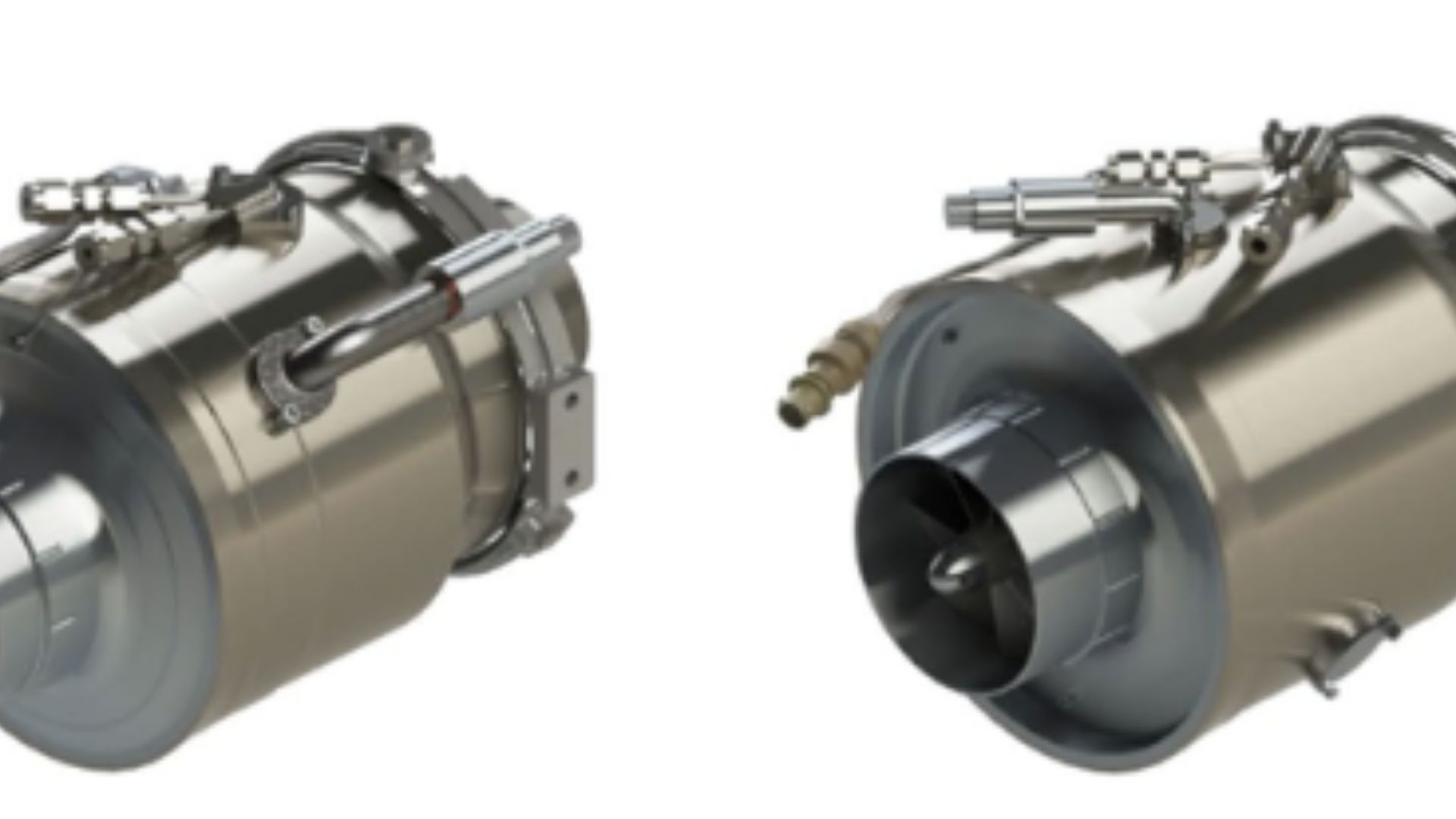
Kratos to upscale engine production to 3000 units for powering one way attack drones
Kratos Defense & Security Solutions is significantly increasing its manufacturing capacity for the Spartan family of unmanned aerial vehicles (UAVs) to meet growing demand. This strategic move comes as the company aims to enhance its production capabilities in response to heightened interest from both military and commercial sectors. The expansion is set to take place at Kratos' facilities in California, with plans to streamline operations and implement advanced technologies to boost efficiency. The decision to ramp up production is driven by the rising need for advanced drone systems, which are increasingly being utilized for surveillance, reconnaissance, and various defense applications. By enhancing its manufacturing capabilities, Kratos seeks to solidify its position as a leader in the UAV market and ensure timely delivery of its products to clients.

KLM operates first passenger flight to Germany with synthetic kerosene-blended fuel
A KLM Cityhopper flight successfully landed in Hamburg, Germany, after a short trip originating from Amsterdam. The flight, which is part of KLM's regional service, aims to enhance connectivity between major European cities. This route is particularly significant for business travelers and tourists looking to explore the vibrant culture and economy of Hamburg. The timely arrival of the flight underscores KLM's commitment to providing efficient air travel options within Europe, catering to the growing demand for regional travel.
Four-legged robot dog spots hazardous toxins before firefighters enter danger zones
A groundbreaking four-legged robot dog, engineered to identify toxic substances, is poised to serve as a first responder in hazardous situations. Developed by a team of researchers and engineers, this innovative technology aims to enhance safety protocols in environments where chemical exposure poses significant risks. The robot's deployment is anticipated to occur in the coming months, with trials set to take place in various industrial settings and disaster response scenarios. The motivation behind this advancement stems from the increasing need for effective monitoring and rapid response to chemical spills and leaks, which can have dire consequences for both human health and the environment. By utilizing advanced sensors and artificial intelligence, the robot dog can navigate challenging terrains and provide real-time data on toxic substance levels, allowing human responders to make informed decisions. As the project progresses, the team is focused on refining the robot's capabilities and ensuring its reliability in real-world applications. This initiative represents a significant step forward in the integration of robotics into emergency response, potentially revolutionizing how hazardous situations are managed and mitigating risks associated with toxic exposures.

Drone rescue highlights US Navy's autonomous push
The recent deployment of a sea drone to rescue two U.S. Army aviators, reportedly downed by Iranian forces, highlights the increasing significance of unmanned vessels in the United States' naval strategies. Analysts noted that this incident, which took place on Wednesday, reflects a shift in military operations, emphasizing the role of advanced technology in modern warfare. The use of a sea drone not only showcases the capabilities of remote-operated vehicles but also illustrates the U.S. commitment to safeguarding its personnel in hostile environments. As tensions in the region escalate, the integration of such innovative tools into military operations may become a crucial factor in future engagements.
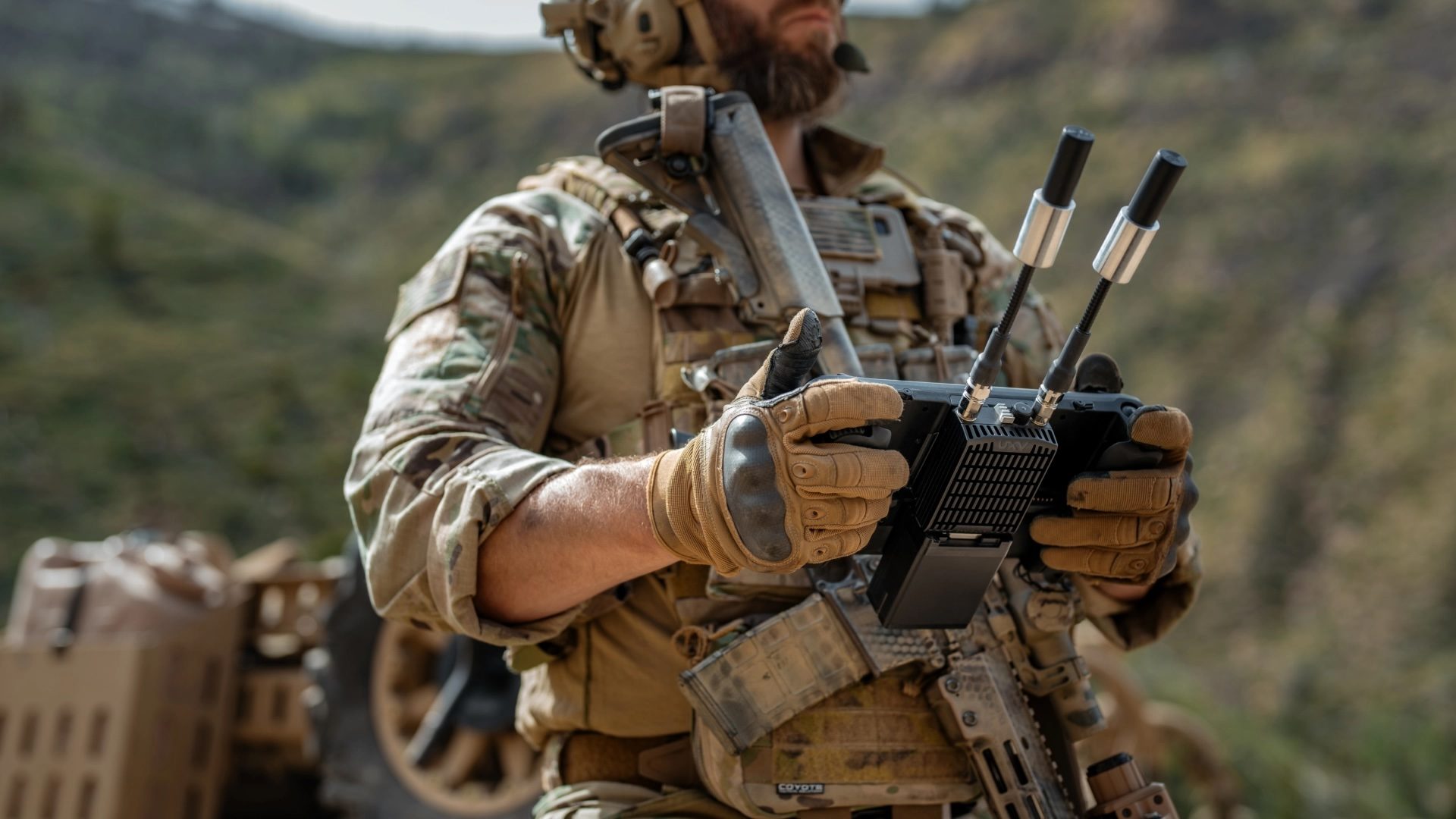
DRONELIFE Exclusive Interview: Inside PDW’s Strategy to Build Drones That Can Operate When GPS and Communications Fail
PDW is advancing the development of sophisticated drone communication systems to enhance military operations in environments where traditional communication methods may fail. As global militaries increasingly depend on drones for surveillance and combat, the need for reliable communication links has become critical, especially in areas with contested communication. The company's strategy focuses on creating drones capable of functioning effectively even when GPS and standard communication systems are compromised. This initiative highlights the growing recognition of the importance of resilient drone technology in modern warfare.

Cobra 600: Germany’s 620mph jet drone interceptor with IRIS-T and 155-mile range
German weapon manufacturer Diehl Defence has unveiled its latest innovation, the Cobra 600, a jet-powered interceptor drone designed to enhance aerial defense capabilities. This advanced drone is engineered to intercept and neutralize threats in real-time, showcasing Diehl Defence's commitment to cutting-edge military technology. The Cobra 600 was officially introduced during a defense exhibition held in Berlin in October 2023, where industry leaders gathered to discuss advancements in military hardware. The motivation behind the development of the Cobra 600 stems from the increasing demand for sophisticated defense systems in response to evolving aerial threats. By integrating jet propulsion technology, Diehl Defence aims to provide armed forces with a faster and more agile solution for intercepting hostile drones and other airborne threats. The drone's design emphasizes not only speed but also precision, allowing for effective engagement in various combat scenarios. The introduction of the Cobra 600 marks a significant step forward in unmanned aerial vehicle technology, reflecting a broader trend in the defense sector towards automation and enhanced operational efficiency. As military forces around the world seek to modernize their arsenals, Diehl Defence positions itself at the forefront of this transformation with its innovative approach to aerial defense.

China’s robotic snakes slither across power lines to spot faults before failure
China has introduced robotic snakes to enhance the inspection of power lines, aiming to ensure a stable electricity supply across the nation. This innovative technology was rolled out recently as part of a broader initiative to improve infrastructure maintenance and reduce the risks associated with manual inspections. The deployment of these robotic devices is particularly significant given the increasing demand for reliable energy sources in the country. By utilizing advanced robotics, the initiative seeks to minimize human error and enhance safety for workers who traditionally perform these inspections. The robotic snakes are designed to navigate complex environments, allowing for thorough examinations of power lines that may be difficult for humans to access. This move reflects China's commitment to leveraging technology in its energy sector, ultimately contributing to a more resilient and efficient power grid.
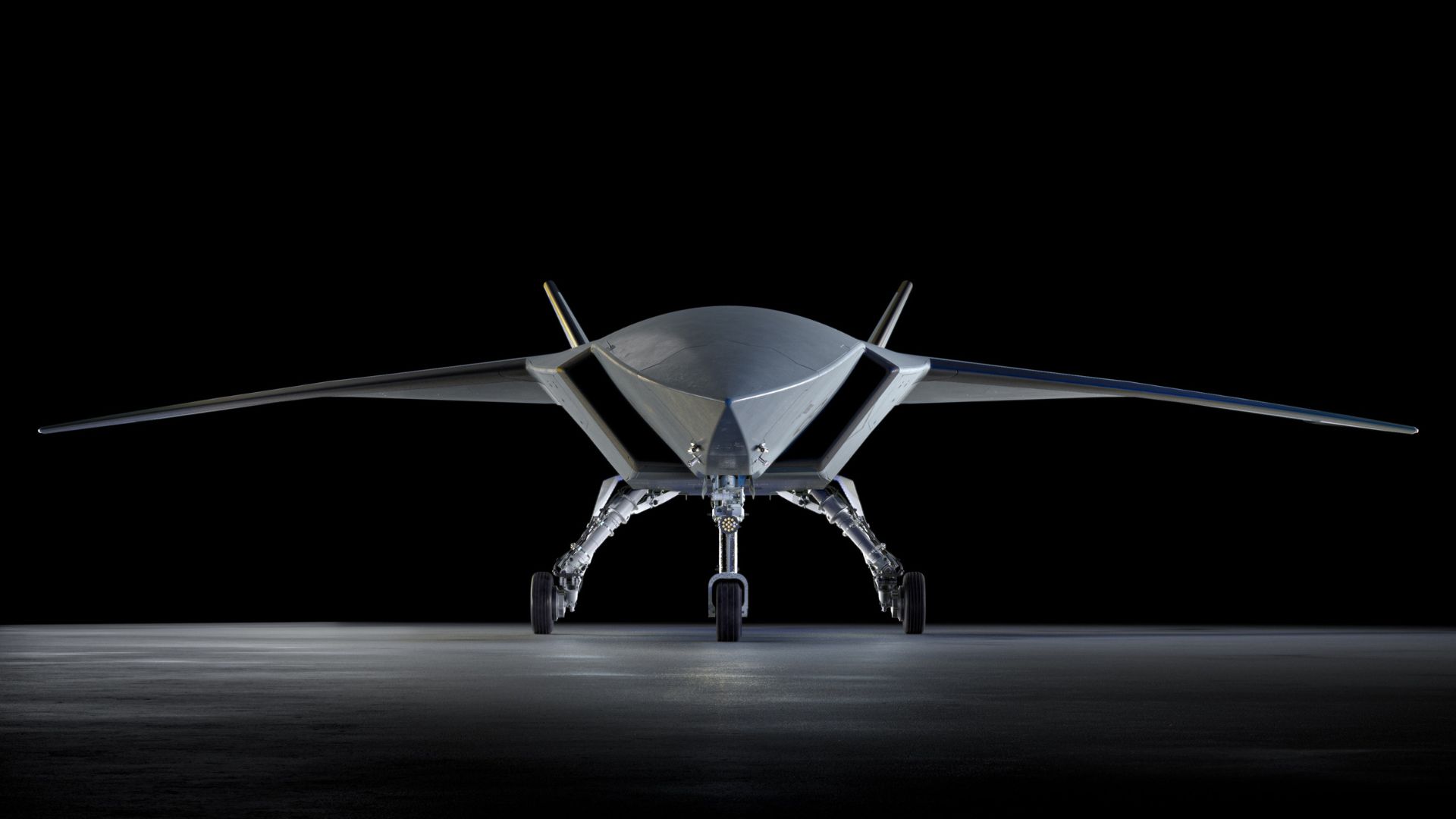
Boeing’s bigger Ghost Bat can carry missiles internally, carry more combat load
Boeing has introduced an upgraded version of its MQ-28 Ghost Bat drone, enhancing its capabilities with extended range and improved technology. The announcement was made during a recent defense expo in Australia, where the company showcased its commitment to advancing unmanned aerial systems. This new iteration aims to meet the growing demands for advanced surveillance and combat support in modern warfare. Boeing's development of the MQ-28 is driven by the need for more versatile and efficient military drones that can operate in complex environments. The enhancements include advanced sensors and artificial intelligence features, which allow for better decision-making and operational efficiency. This latest model is expected to play a crucial role in future defense strategies, particularly in the Indo-Pacific region, where military presence and technological superiority are increasingly prioritized.

World’s first: Rider-Bot sets record as first bike robot to perform unassisted front flip
In a groundbreaking development for robotics, researchers at the University of California have unveiled a bicycle-riding robot that has successfully completed the world's first unassisted ride. This remarkable feat took place on October 15, 2023, in a controlled environment at the university's robotics lab. The team aimed to demonstrate advancements in autonomous mobility and artificial intelligence, showcasing the robot's ability to balance, steer, and navigate without human intervention. The robot, equipped with sophisticated sensors and algorithms, mimics human cycling techniques, allowing it to adapt to varying terrains and obstacles. This achievement not only highlights the potential for robotics in everyday applications but also paves the way for future innovations in autonomous transportation. Researchers believe that this technology could eventually lead to safer and more efficient modes of travel, addressing challenges in urban mobility and logistics. The successful demonstration marks a significant milestone in the quest for fully autonomous machines capable of performing complex tasks in real-world environments.
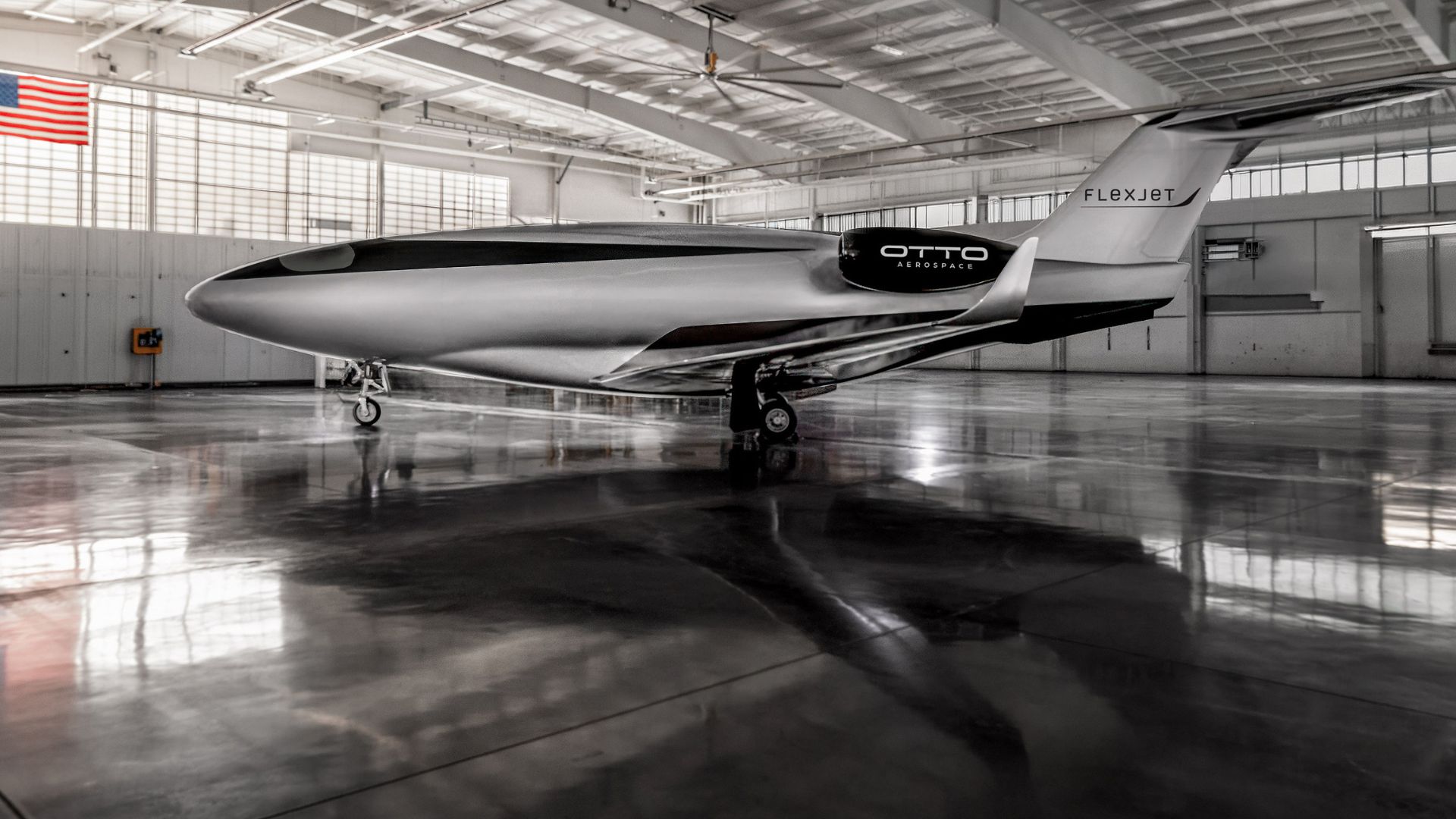
Windowless Phantom 3500 jet advances toward service with 90% lower emissions goal
Otto Aerospace has successfully navigated a significant regulatory milestone in its development of the innovative Phantom 3500 aircraft. This achievement comes as the company aims to revolutionize the aviation industry with its unique design and advanced technology. The approval was granted recently, marking a crucial step forward in the aircraft's production timeline. Located in the United States, Otto Aerospace is focused on enhancing the efficiency and sustainability of air travel. The regulatory clearance is a testament to the rigorous safety and performance standards the company has adhered to throughout the development process. With this progress, Otto Aerospace is poised to advance its plans for the Phantom 3500, which promises to offer a new level of performance in the aviation market.

MIT’s ultrasound wristband could teach humanoid robots human hand skills
Researchers have developed an innovative wearable device aimed at enhancing the dexterity of humanoid robots, potentially allowing them to perform tasks with greater human-like precision. This breakthrough was announced in October 2023, as scientists continue to explore ways to improve robotic functionality and interaction in various settings. The device integrates advanced sensors and actuators, enabling robots to mimic the intricate movements of human hands. The motivation behind this development stems from the increasing demand for robots in industries such as healthcare and manufacturing, where fine motor skills are essential for tasks like surgery or assembly. By equipping robots with this new technology, researchers hope to bridge the gap between human and robotic capabilities, leading to more effective collaboration in the workplace. The project highlights the ongoing advancements in robotics and the potential for these machines to take on more complex roles in society.
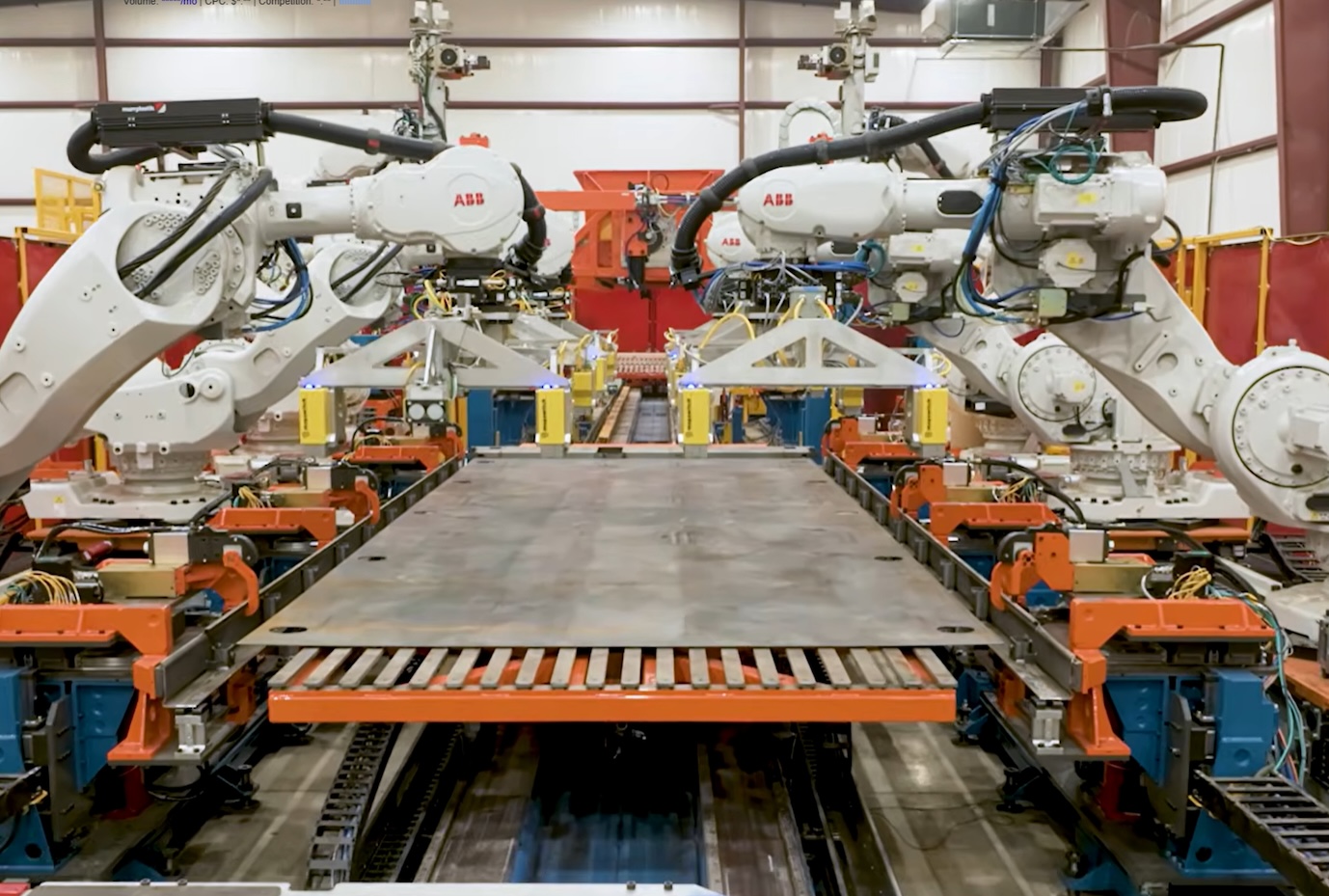
Lockheed pitches HIMARS for France, with 18-month timeline offer
France has announced a significant investment of around €600 million ($692 million) aimed at modernizing its military capabilities by replacing outdated LRU launchers. This funding decision reflects the country's commitment to enhancing its defense infrastructure in response to evolving security challenges. The initiative is part of a broader strategy to ensure that France maintains a competitive edge in military technology. The allocation is expected to facilitate the development and deployment of advanced systems that can better meet the demands of contemporary warfare. The modernization project is set to take place over the coming years, with the French government emphasizing the importance of maintaining robust defense capabilities in an increasingly complex global landscape.

Google’s DiffusionGemma delivers 4x faster text generation using parallel decoding
Google has introduced DiffusionGemma, an innovative experimental AI model designed to generate text through a diffusion-based approach. This announcement was made recently as part of the company's ongoing efforts to advance artificial intelligence technologies. The model aims to enhance the capabilities of AI in natural language processing by leveraging diffusion techniques, which have shown promise in generating high-quality text outputs. Google’s initiative reflects its commitment to pushing the boundaries of AI research and development, seeking to improve user interactions with technology. The unveiling of DiffusionGemma marks a significant step in the evolution of AI, showcasing how advanced methodologies can be applied to create more sophisticated and contextually aware text generation systems.
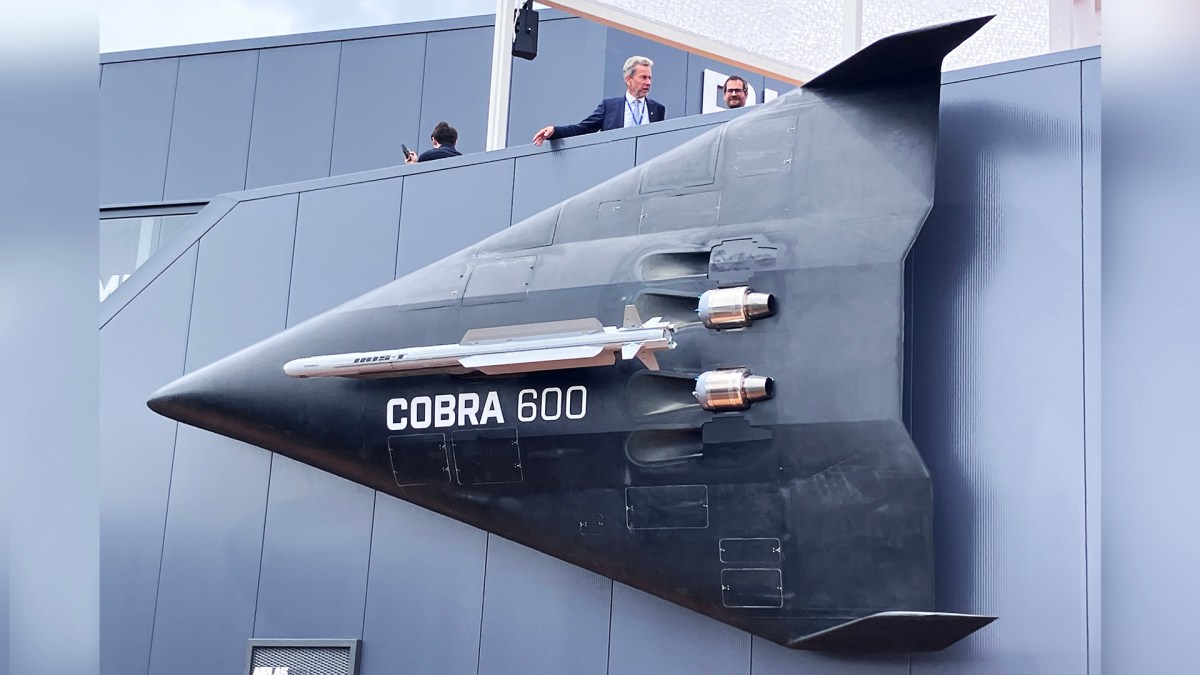
Germany’s Cobra 600 Is A Jet Powered Interceptor Drone That Slings An IRIS-T Missile
Germany has unveiled the Cobra 600, a jet-powered interceptor drone designed to enhance the capabilities of its surface-to-air missile systems. This innovative drone can transport the IRIS-T missile over hundreds of miles from its launch point, significantly extending the operational range of missile batteries. The development of the Cobra 600 reflects Germany's commitment to modernizing its defense technology and improving its aerial defense strategies. The introduction of this advanced drone is expected to bolster the country's military readiness and response capabilities in an increasingly complex security environment.
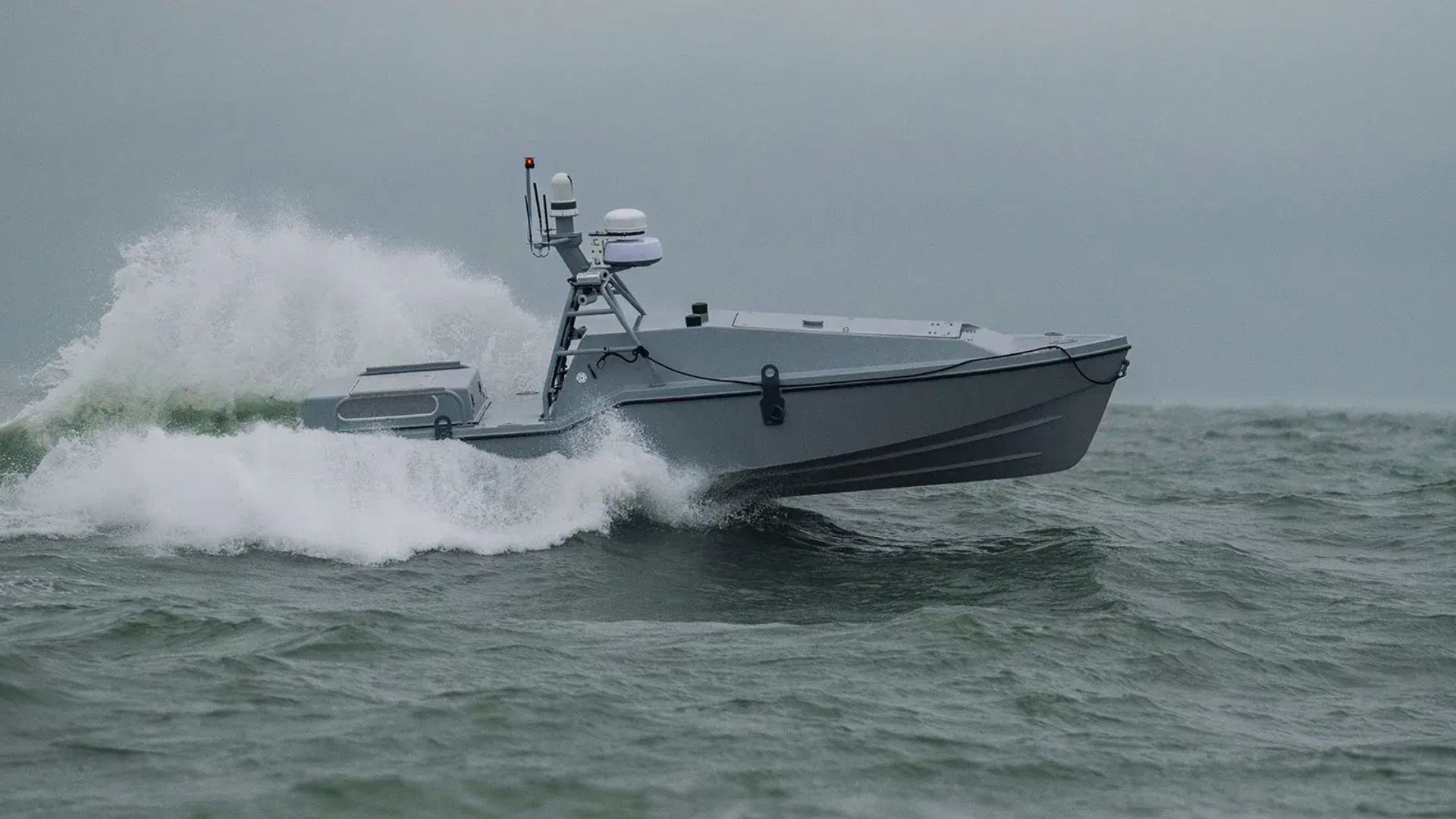
First-ever drone boat rescue: US Navy vessel pulls out two downed pilots from sea
A U.S. Navy unmanned surface vessel successfully conducted a rescue operation for two Army pilots whose AH-64 Apache helicopter had crashed. The incident occurred on a training mission off the coast of California on Tuesday. The unmanned vessel, equipped with advanced technology, was able to locate the pilots quickly and facilitate their safe retrieval from the water. This operation highlights the increasing role of unmanned systems in military rescue missions, showcasing their effectiveness in enhancing operational capabilities and ensuring the safety of personnel in distress. The successful rescue underscores the collaborative efforts between the Navy and Army in conducting joint operations and responding to emergencies in challenging environments.
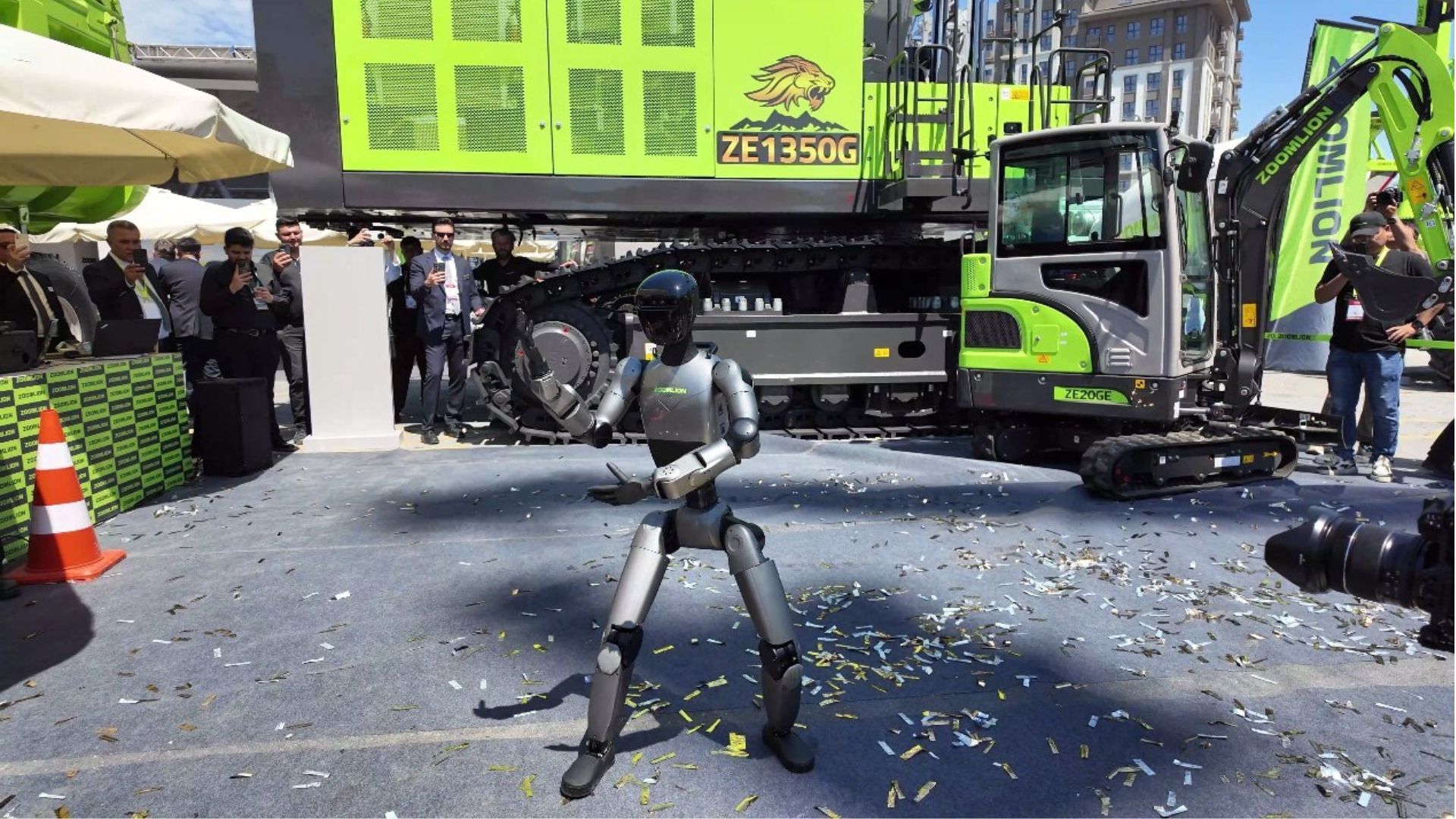
China’s Z01 humanoid robot masters Tai Chi moves with human-like balance and control
A new humanoid robot from China has emerged as a highlight at a prominent technology exhibition held in Shanghai this week. The robot, designed to mimic human movements and interactions, showcases advanced artificial intelligence capabilities that have captivated attendees and industry experts alike. This development reflects China's growing investment in robotics and AI technology, aiming to position itself as a leader in the global tech landscape. Demonstrations of the robot's abilities, including its capacity for conversation and physical tasks, have sparked discussions about the future of automation and human-robot collaboration. The exhibition serves as a platform for innovation, drawing significant attention to the potential applications of such technology in various sectors, including healthcare, education, and entertainment. As interest in robotics continues to rise, this humanoid robot stands as a testament to the rapid advancements being made in the field.
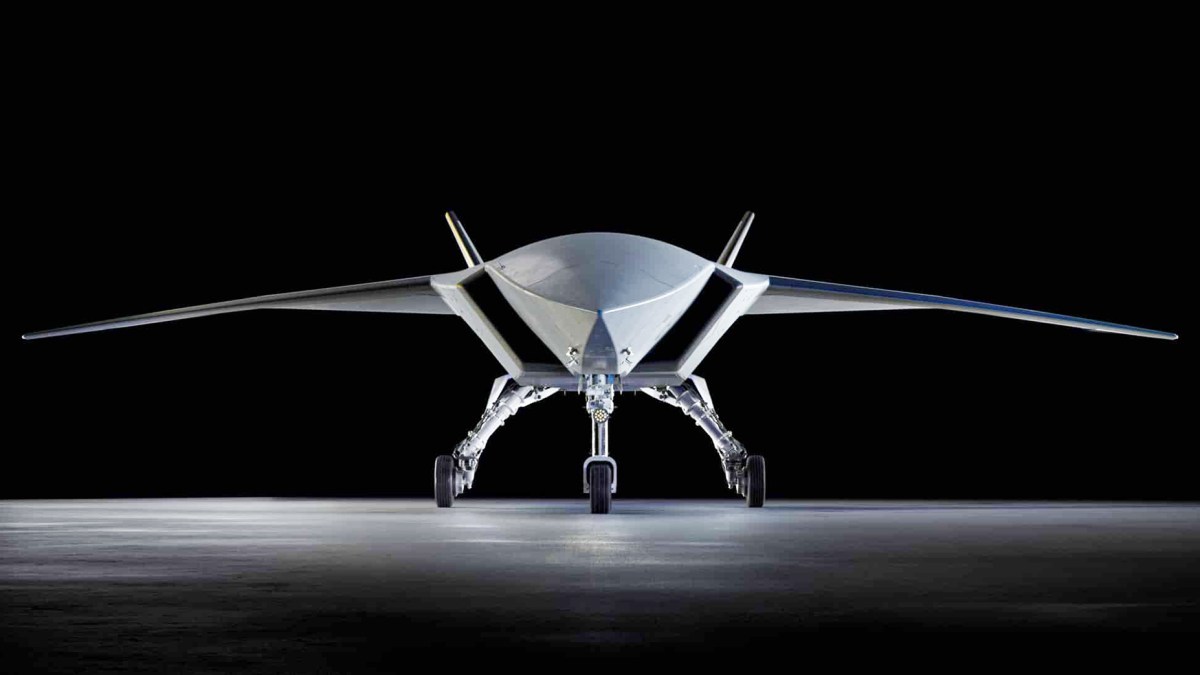
Boeing’s New Larger Ghost Bat Can Carry AIM-120 AMRAAMs Internally
Boeing is set to unveil the third iteration of its stealthy Ghost Bat, which features larger wings, increased power, and internal weapons bays. This upgraded version aims to enhance the aircraft's capabilities, allowing it to carry AIM-120 Advanced Medium-Range Air-to-Air Missiles (AMRAAMs) internally. The development reflects Boeing's commitment to advancing military aviation technology and improving the operational effectiveness of the Ghost Bat. As defense needs evolve, this new model is expected to play a crucial role in modern aerial combat scenarios.
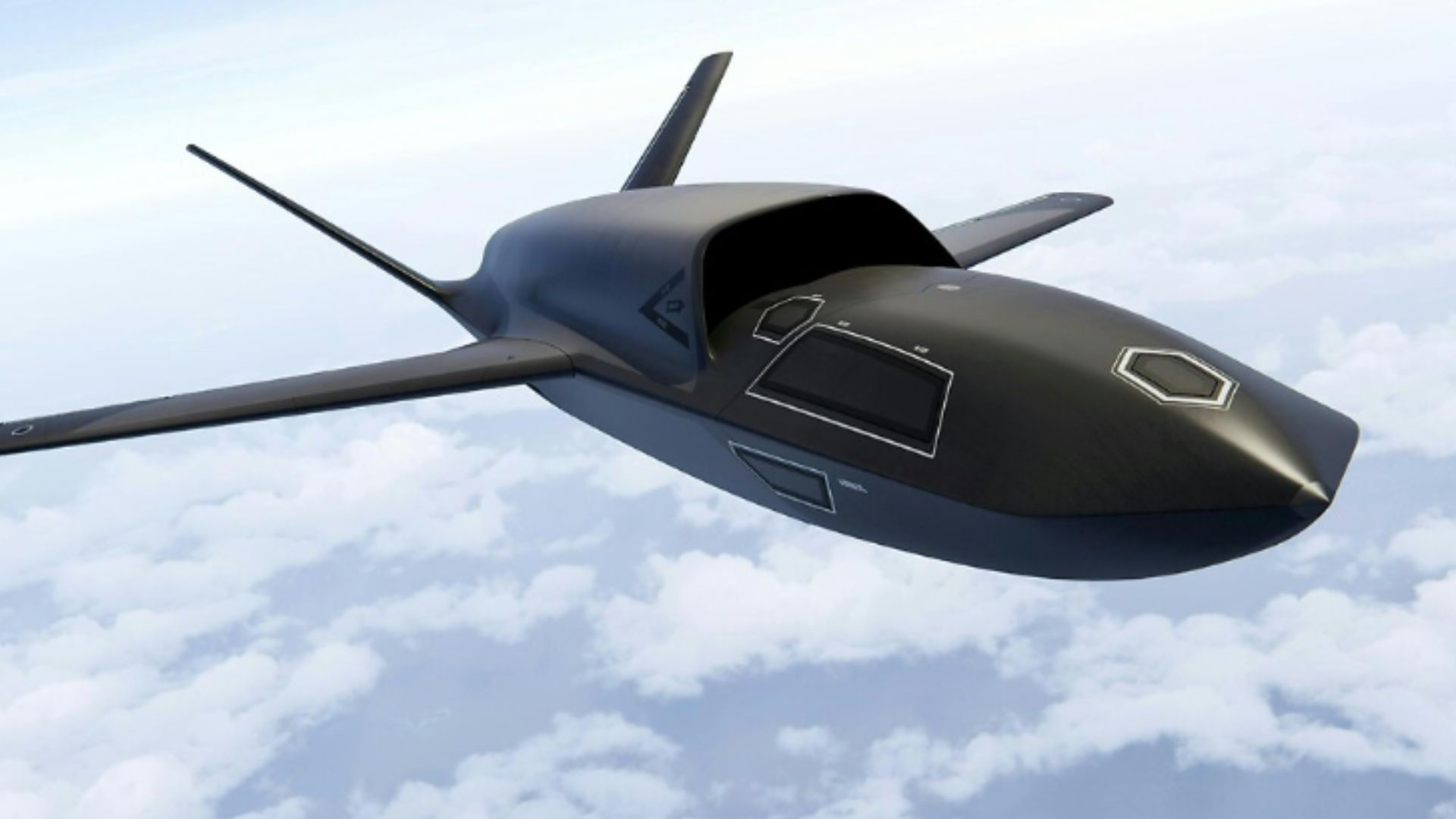
Airbus unveils Ravenstorm drone wingman for combat mission alongside other UAVs
European aerospace firm Airbus is set to unveil its latest drone wingman, the U760 Ravenstorm, at the upcoming Paris Air Show. Scheduled for June 19-25, 2023, this event will showcase the innovative capabilities of the U760 Ravenstorm, designed to enhance military operations by providing advanced support and reconnaissance. The introduction of this drone reflects Airbus's commitment to advancing defense technology and addressing the evolving needs of modern warfare. The U760 Ravenstorm is expected to demonstrate its versatility and effectiveness in various combat scenarios, marking a significant step forward in unmanned aerial systems.
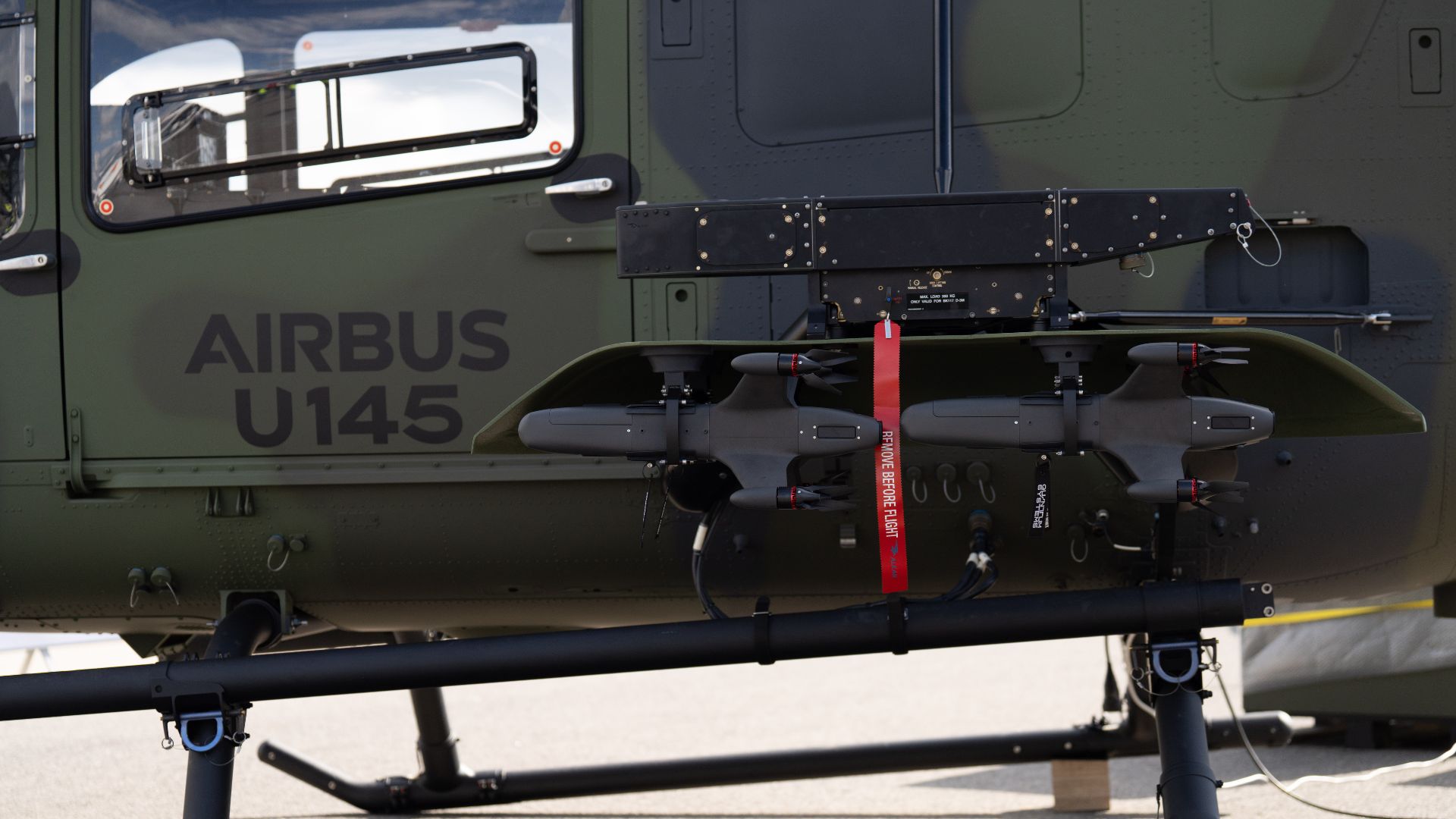
Airbus modifies H145M helicopter to deploy interceptors against tactical drone swarms
Airbus Helicopters, in collaboration with German defense officials, is responding to the increasing threats posed by small attack drones to military helicopters. This initiative comes amid heightened concerns regarding the vulnerability of aerial vehicles in modern combat scenarios. The partnership aims to enhance the defensive capabilities of helicopters, ensuring they can effectively counteract the risks associated with drone warfare. By integrating advanced technologies and innovative strategies, the companies seek to bolster the safety and operational effectiveness of military aviation. This development is particularly timely given the evolving landscape of aerial threats, which has prompted defense sectors worldwide to reassess their strategies and equipment. The collaboration highlights a proactive approach to addressing emerging challenges in military operations.
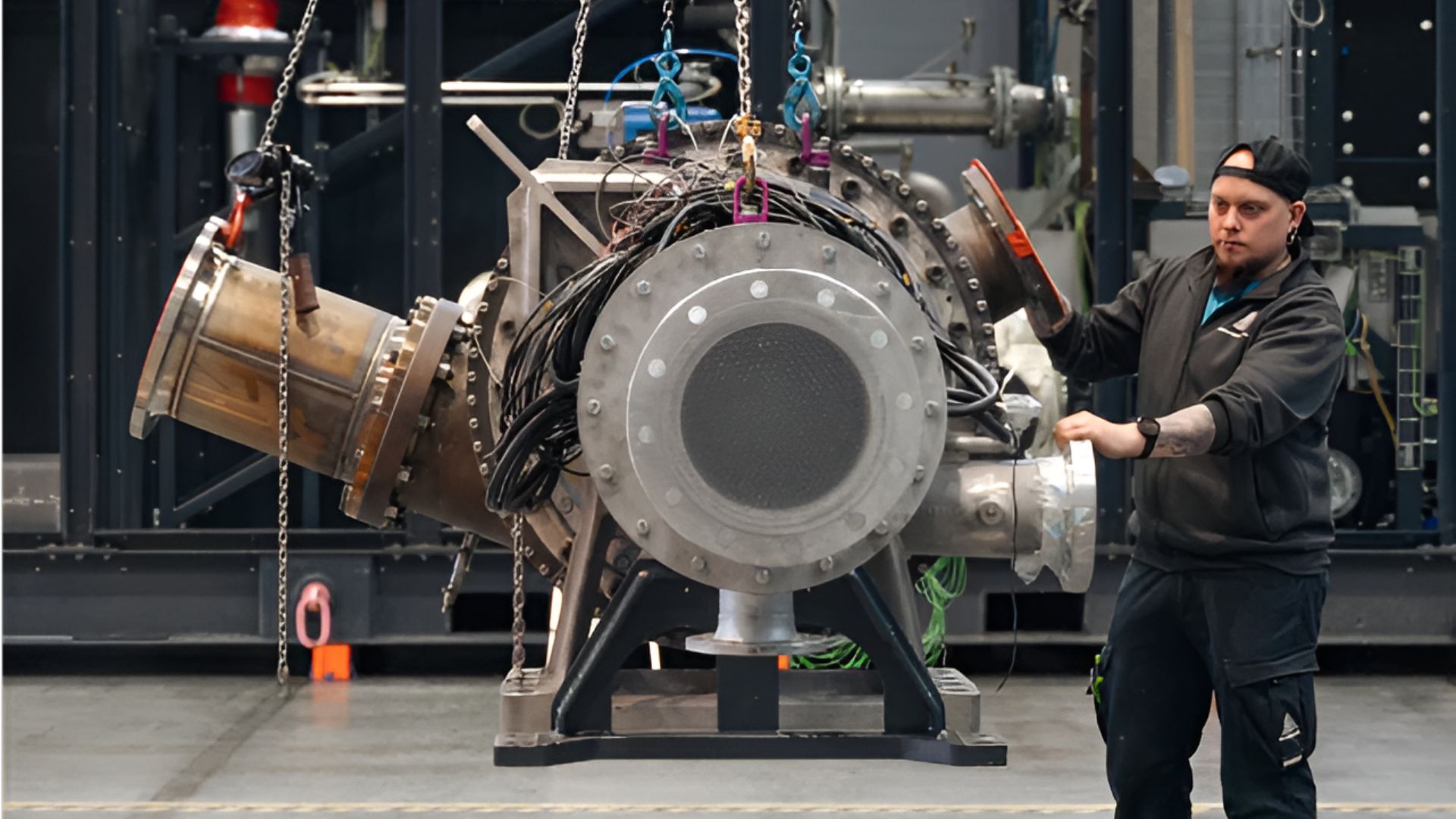
Advanced metal 3D printing minimizes failure points in complex gas turbine designs
Metal additive manufacturing is increasingly being adopted in production-focused energy systems, moving beyond its traditional use in aerospace prototypes. This shift reflects a growing recognition of the technology's potential to enhance efficiency and reduce costs in various sectors. As companies seek innovative solutions to meet rising energy demands, the integration of metal additive manufacturing offers a pathway to streamline production processes and improve the performance of energy systems. This trend is gaining momentum as industry leaders invest in research and development to harness the benefits of this advanced manufacturing technique, which allows for greater design flexibility and material optimization. The transition is expected to reshape the landscape of energy production, paving the way for more sustainable and efficient systems in the future.
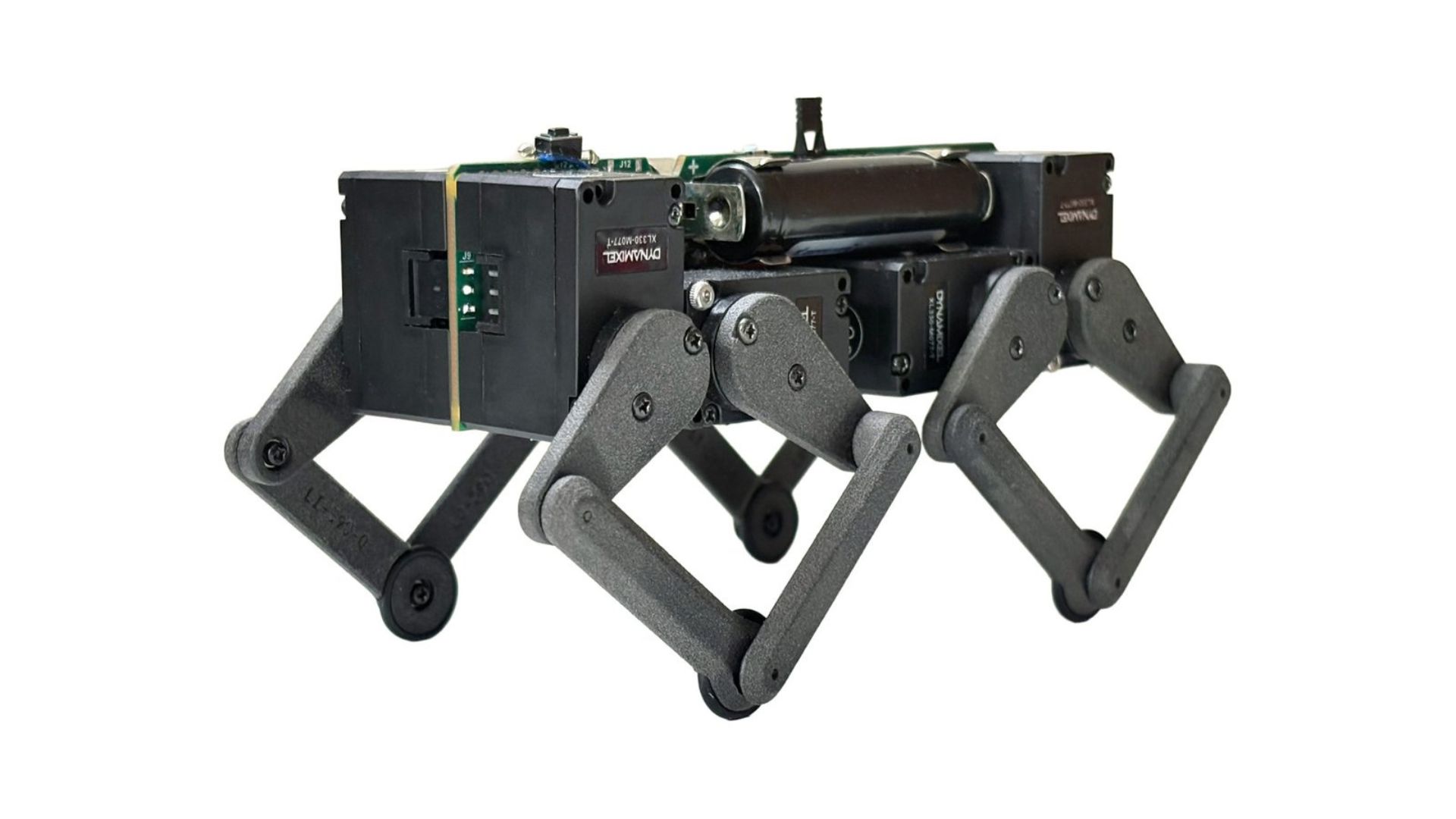
Video: New palm-sized robot with 8 smart actuators can walk, trot, and jump
A new open-source quadruped robot, Q8botOne, has been introduced to the market, designed to offer an affordable and fully assembled robotic platform for enthusiasts and developers. This innovative project was launched recently by a team of engineers and robotics enthusiasts who recognized the growing demand for accessible robotic solutions. The Q8botOne is intended to facilitate learning and experimentation in robotics, making it easier for users to engage with advanced technology without the high costs typically associated with such platforms. The robot is equipped with various features that allow for customization and adaptability, catering to a wide range of applications from education to research. By utilizing open-source software, the developers encourage a collaborative approach, inviting users to contribute to its ongoing improvement and functionality. The initiative aims to democratize access to robotics, fostering innovation and creativity in the field. With its launch, Q8botOne is set to make a significant impact on the robotics community, providing a practical tool for those looking to explore the capabilities of quadruped robots.
US engineers make ‘artificial eyes’ to improve vision in robots, self-driving cars
Researchers at Penn State University have developed an innovative device inspired by the human eye, aimed at enhancing the vision capabilities of self-driving cars. This groundbreaking technology was unveiled recently as part of ongoing efforts to improve the safety and reliability of autonomous vehicles. The device mimics the eye's ability to adapt to varying light conditions, which is crucial for navigating complex environments. The motivation behind this advancement stems from the challenges faced by self-driving cars in low-light situations, where traditional sensors often struggle to provide accurate data. By integrating this eye-inspired technology, the researchers hope to significantly reduce the risk of accidents and improve the overall performance of autonomous systems. This development is part of a broader initiative to advance automotive technology and ensure that self-driving cars can operate effectively in diverse conditions. The research team utilized a combination of advanced materials and optical engineering to create a device that can dynamically adjust its sensitivity, much like the human eye does when transitioning from bright to dim environments. As the automotive industry continues to push towards fully autonomous vehicles, innovations like this are essential for addressing safety concerns and building public trust in self-driving technology. The research findings are expected to contribute to future advancements in vehicle design and functionality, paving the way for safer roads.

US Military Invests $18 Million in Humanoid Robots While China Develops Alternative Strategies
The landscape of military technology is rapidly evolving, with the United States making significant investments in humanoid robots designed for combat and reconnaissance, notably the Phantom MK-1. This initiative reflects the US's commitment to integrating advanced robotics into its military operations. Meanwhile, China is discreetly enhancing its military robotics capabilities, emphasizing systematic development over public announcements. As both nations advance their military robotics programs, they are adapting to a new era of warfare where the role of robots is becoming increasingly pivotal on the battlefield. The competition between the US and China underscores the strategic importance of robotics in modern military engagements, as both countries seek to leverage technology to gain an advantage in future conflicts.
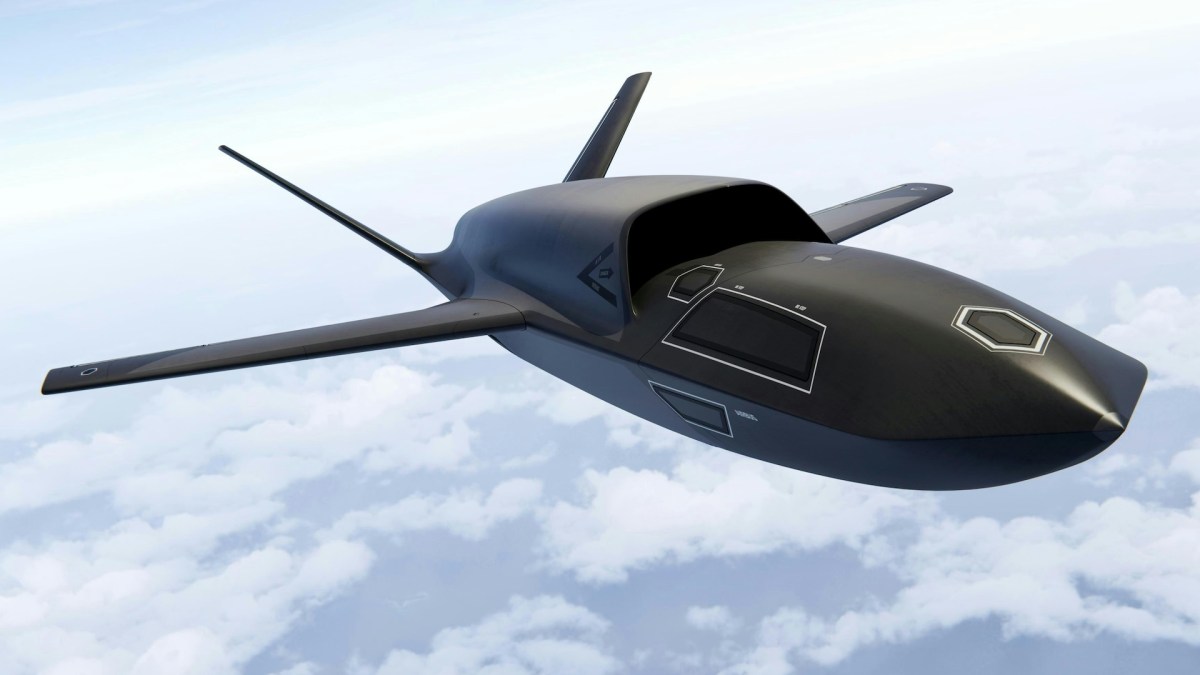
Ravenstorm At The Center Of Airbus’s New Combat Drone Portfolio
Airbus is shifting its focus towards uncrewed collaborative combat aircraft as challenges arise in Europe’s next-generation fighter program. The company is heavily investing in this new direction, highlighting its commitment to advancing drone technology in military applications. This strategic pivot comes in response to the complexities and setbacks faced by the existing fighter initiative, prompting Airbus to explore innovative solutions in aerial combat. The development of these combat drones is expected to play a crucial role in modernizing defense capabilities and enhancing operational efficiency in future military engagements.
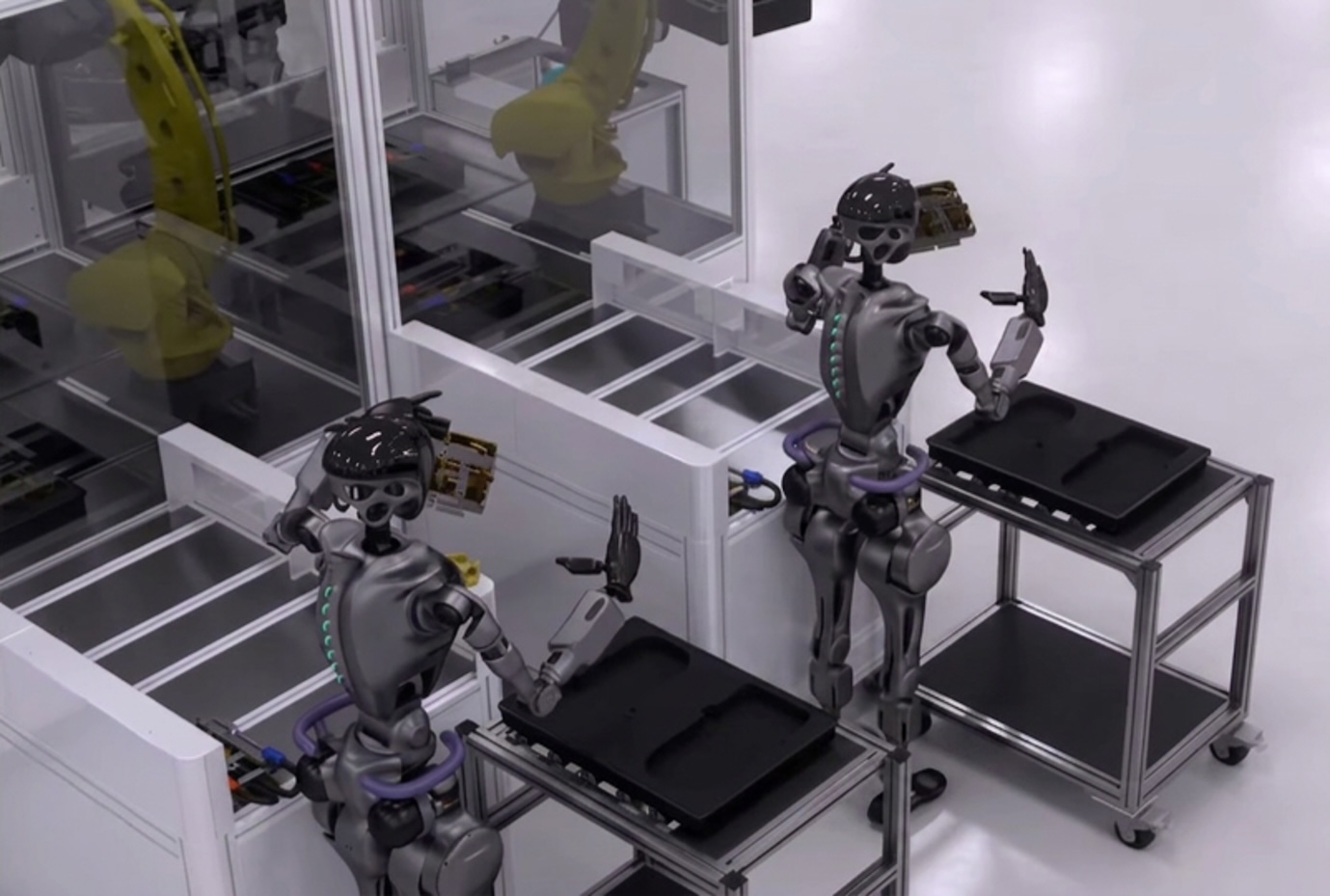
Palladyne AI gains US rights to IAI’s HARPY, HAROP, Mini HARPY systems
Palladyne AI, a US-based technology firm, has entered into a strategic partnership with Israel Aerospace Industries (IAI) to enhance military capabilities. Under this agreement, Palladyne AI will take on the responsibility of manufacturing, integrating, and marketing IAI’s loitering munition systems specifically for the US Department of War. This collaboration aims to bolster the US military's arsenal with advanced precision weaponry, reflecting a growing trend of international cooperation in defense technology. The partnership is expected to leverage Palladyne AI's expertise in artificial intelligence and IAI's established reputation in aerospace and defense, thereby enhancing operational effectiveness for US forces.

Octopus-inspired robotic arm uses distributed tactile sensors for adaptive grip
Engineers have successfully created a robotic arm inspired by the sensory capabilities of the octopus. This innovative development aims to enhance robotic dexterity and adaptability in various applications, including medical procedures and complex manufacturing tasks. The project, which has been in the works for several years, showcases the potential of biomimicry in advancing technology. Researchers conducted extensive studies on the octopus's unique nervous system and flexible limbs to replicate its remarkable ability to manipulate objects with precision. The robotic arm is designed to mimic these characteristics, allowing for greater flexibility and sensitivity compared to traditional robotic systems. This breakthrough, unveiled at a technology conference earlier this month, represents a significant step forward in robotics, potentially transforming how machines interact with their environment and perform intricate tasks.

New HySIL lens design makes high-resolution 3D brain and cancer imaging widely accessible
A team from Columbia University has unveiled a groundbreaking microscopy technology that promises to significantly enhance three-dimensional imaging capabilities. This innovative approach, announced in October 2023, aims to improve the visualization of biological structures at unprecedented resolutions. The development is driven by the need for more detailed imaging techniques in various scientific fields, including biology and materials science. By utilizing advanced optical methods, the researchers have created a system that allows for clearer and more accurate representations of complex samples. This advancement could lead to major breakthroughs in understanding cellular processes and developing new materials, ultimately transforming research methodologies across multiple disciplines.
Naval carrier set to deploy with a drone, while Marines say goodbye to the Harrier
This week, the U.S. Navy is enhancing its fleet capabilities as a Seahawk drone is scheduled to join the aircraft carrier USS Theodore Roosevelt. This integration reflects ongoing efforts to modernize naval operations and improve surveillance and reconnaissance missions. Additionally, the aviation community bids farewell to a legendary aircraft, which is making its final flight, marking the end of an era in military aviation history. The events highlight the Navy's commitment to advancing technology while honoring its storied past.
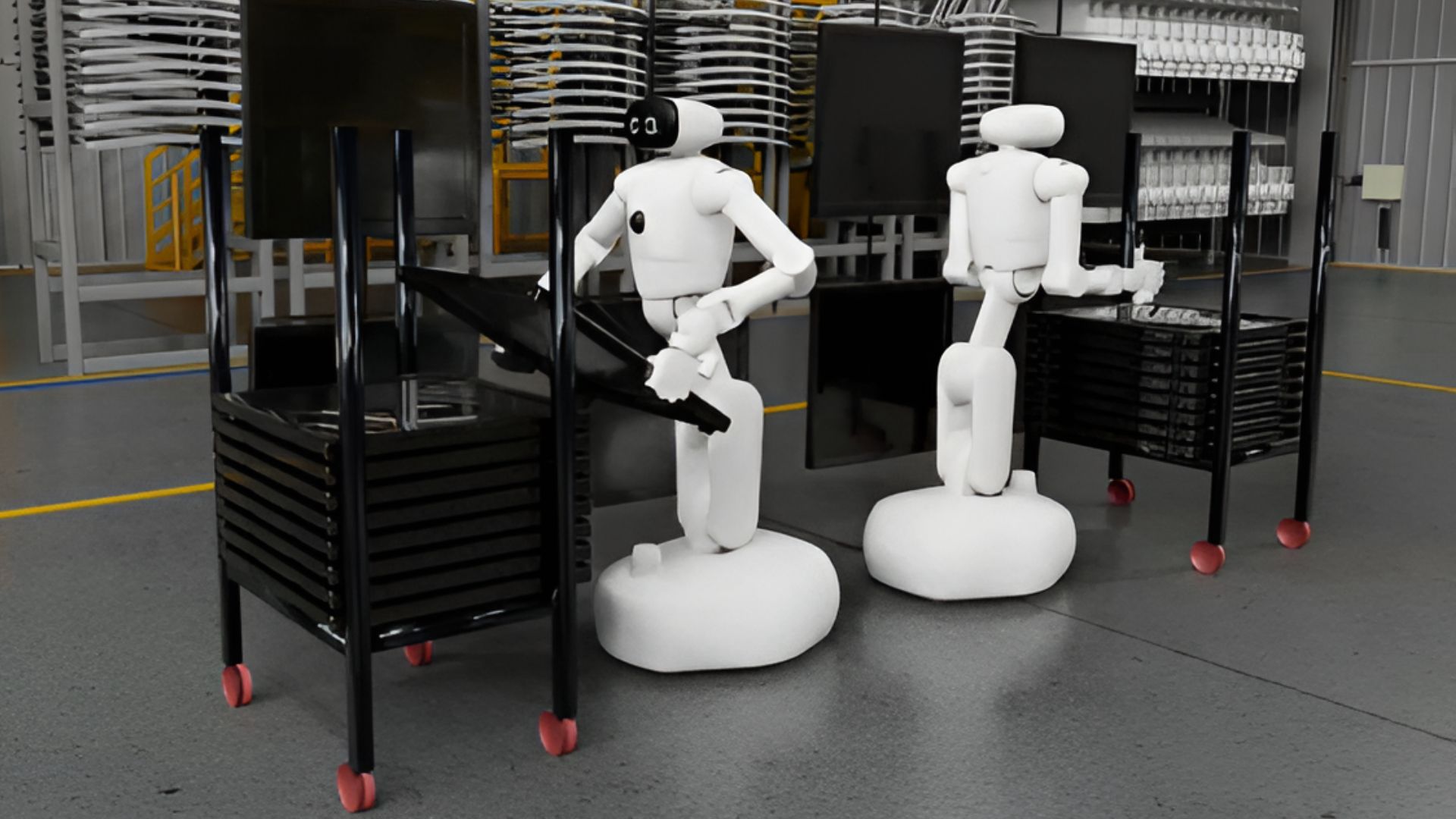
NVIDIA and LG Group build AI factory to train robots and power future mobility
Researchers and engineers are advancing the next frontier of artificial intelligence, focusing on the development of machines capable of movement, visual perception, and autonomous decision-making. This initiative, which has gained momentum in recent months, aims to enhance the functionality and adaptability of AI systems across various sectors, including healthcare, transportation, and robotics. The push for these advancements is driven by the increasing demand for intelligent systems that can operate in dynamic environments and perform complex tasks without human intervention. By integrating advanced sensors and machine learning algorithms, developers are working to create AI that not only processes information but also interacts with the physical world in real-time. This evolution in AI technology is taking place in research laboratories and tech hubs around the globe, with significant contributions from universities, private companies, and government agencies. As these entities collaborate, they are exploring innovative applications that could revolutionize industries and improve everyday life. The ongoing research is expected to culminate in prototypes and pilot programs by early 2024, showcasing the potential of these intelligent machines. As the field progresses, ethical considerations and safety measures are also being prioritized to ensure responsible deployment and integration into society. The ultimate goal is to create AI systems that enhance human capabilities and contribute positively to various aspects of life.
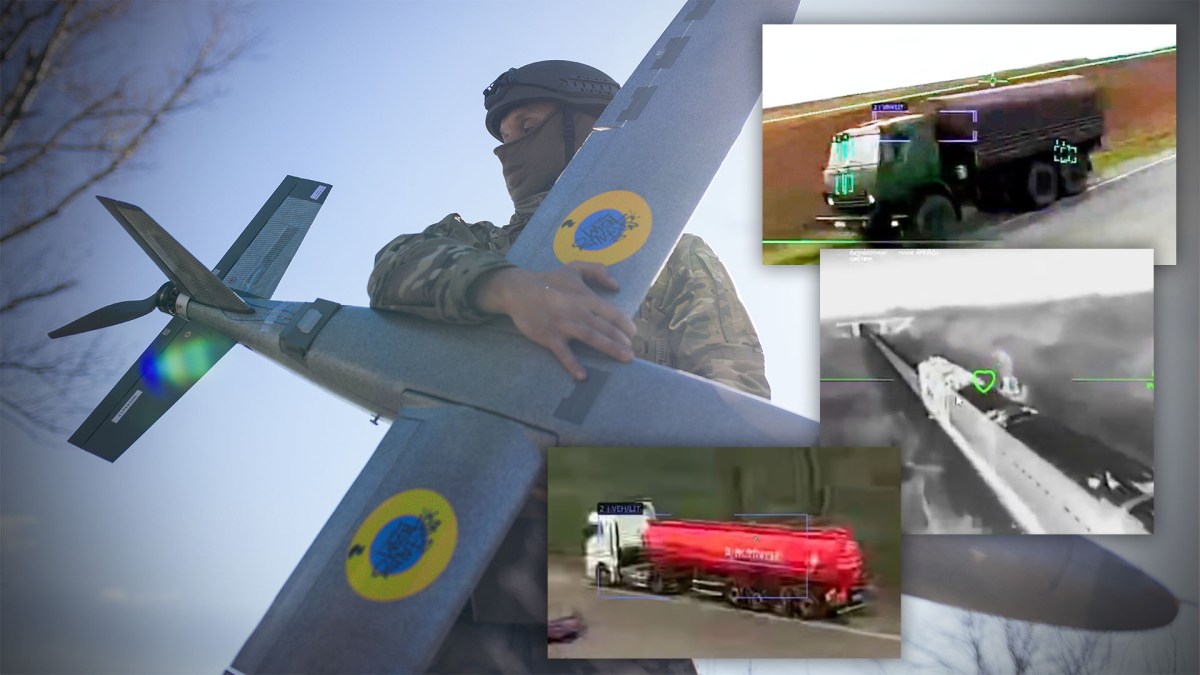
Inside Ukraine’s AI-Enabled Drone Campaign Targeting Russian Logistics Deep Behind The Lines
An officer involved in Ukraine's mid-range drone campaign has provided rare insights into the strategic strikes aimed at disrupting Russian logistics deep within enemy territory. This campaign, which leverages advanced artificial intelligence technology, is designed to enhance the effectiveness of drone operations against key supply routes and infrastructure supporting Russian military efforts. The officer's revelations shed light on the tactical planning and execution of these operations, highlighting their significance in the ongoing conflict. As Ukraine continues to adapt its military strategies, the use of AI-enabled drones represents a pivotal shift in modern warfare, allowing for more precise targeting and increased operational efficiency.

China’s UBTECH plans to send life-like humanoid robot companions in customer’s homes
Chinese robotics company UBTECH has introduced a new consumer-focused brand named UWORLD, alongside the launch of its innovative U1 robot. This announcement was made during a press event held on October 15, 2023, in Beijing, where company executives highlighted their commitment to advancing robotics technology for everyday use. The U1 robot is designed to enhance home automation and personal assistance, reflecting UBTECH's strategy to expand its market presence beyond industrial applications. By targeting consumers, UBTECH aims to meet the growing demand for smart home devices and improve the quality of life through advanced robotics. The U1 robot features user-friendly interfaces and connectivity options, making it accessible for a wide range of users. This launch marks a significant step for UBTECH as it seeks to establish itself as a leader in the consumer robotics sector.

Anthropic unveils Claude Fable 5, opening Mythos-class capabilities to all users
Anthropic has launched its most advanced artificial intelligence system to date, marking a significant milestone in the field of AI development. The unveiling took place recently, showcasing the company's commitment to pushing the boundaries of AI technology. This new system is designed to enhance various applications, reflecting the growing demand for sophisticated AI solutions across industries. The motivation behind this launch stems from the increasing need for more capable and reliable AI systems that can assist in complex tasks and decision-making processes. By leveraging extensive data and advanced algorithms, Anthropic aims to address these challenges and provide users with a powerful tool for innovation and efficiency. The rollout of this AI system is expected to impact sectors such as healthcare, finance, and education, where advanced analytics and automation can drive significant improvements. As the technology continues to evolve, Anthropic is positioning itself as a leader in the competitive AI landscape, striving to create systems that are not only advanced but also ethical and aligned with human values.
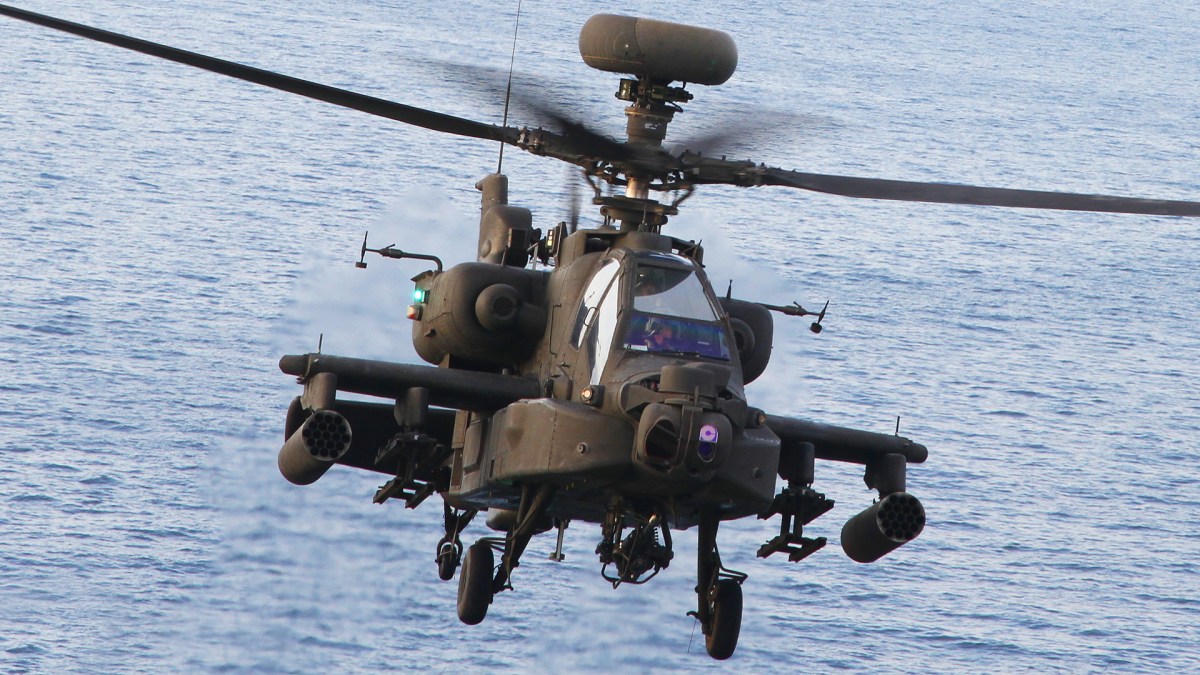
AH-64 Apache Shot Down By Iran, U.S. Will Retaliate: Trump
An AH-64 Apache helicopter crashed into the Gulf of Oman, prompting a rescue operation by a drone boat that successfully retrieved its crew. Former President Donald Trump has attributed the incident to enemy action, specifically implicating Iran in the downing of the aircraft. This assertion raises concerns about escalating tensions in the region, as Trump indicated that the United States would consider retaliatory measures in response to the attack. The incident underscores the ongoing volatility in U.S.-Iran relations and highlights the risks faced by military operations in contested areas.
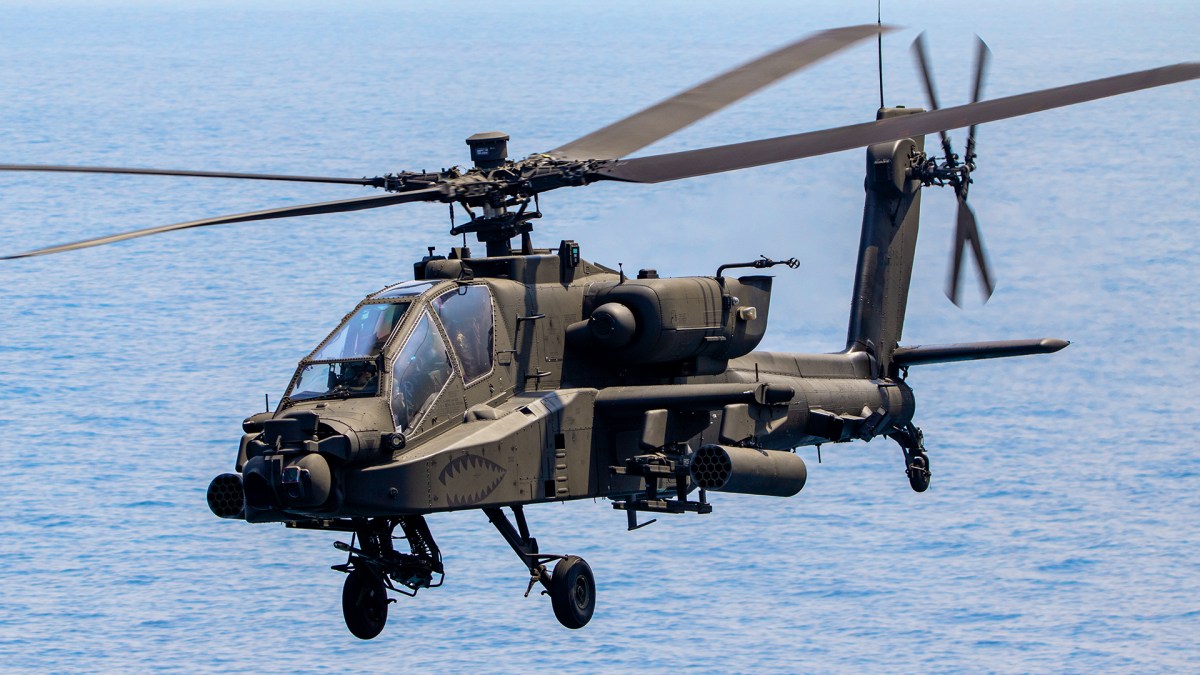
AH-64 Apache Crew Rescued By Drone Boat After Going Down Near Strait Of Hormuz
In a groundbreaking development, an uncrewed surface vessel successfully recovered the crew of an AH-64 Apache helicopter that had gone down near the Strait of Hormuz. This incident marks the first known instance of such a drone boat being utilized for aircrew recovery, signaling a significant advancement in military rescue operations. The event underscores the evolving role of autonomous technology in enhancing operational capabilities and safety for aircrews in challenging environments. As military forces increasingly integrate unmanned systems into their strategies, this successful recovery operation may pave the way for future applications of drone technology in various rescue and support missions.

‘World’s first’ shapeshifting soft robotic cells that adapt on demand unveiled
London-based startup Morph has unveiled an innovative soft robotics platform aimed at enhancing physical intelligence in various applications. The launch, which took place recently, showcases the company's commitment to advancing robotic technology that can adapt and interact more effectively with its environment. By leveraging cutting-edge materials and design, Morph's platform is designed to improve the functionality and versatility of robots, making them more capable of performing complex tasks in diverse settings. This development is particularly significant as the demand for intelligent robotic solutions continues to grow across industries, including healthcare, manufacturing, and logistics. Morph's approach integrates advanced engineering with user-friendly interfaces, allowing for seamless integration into existing systems. The startup aims to address the challenges faced by traditional robotics, which often struggle with flexibility and adaptability. Through this launch, Morph seeks to position itself as a leader in the soft robotics sector, driving innovation that could transform how robots are utilized in everyday applications.
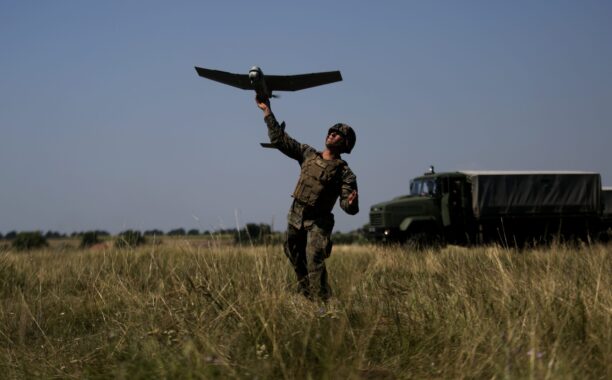
What Comes After China? Ukraine’s Growing Role in the U.S. Drone Industry
As the U.S. government emphasizes the need for secure drone supply chains, Ukraine is emerging as a key player in this evolving landscape. Recent reports reveal that Ukraine is seeking White House approval for a significant drone production agreement with the United States. Ukrainian President Volodymyr Zelensky has highlighted the potential of this partnership, which could reshape the dynamics of drone manufacturing and supply. This initiative comes amid increasing collaboration between U.S. and Ukrainian entities, suggesting a shift towards a new model of defense cooperation. The agreement aims to bolster both nations' capabilities in drone technology, reflecting a strategic response to global security challenges.

Video Captures Rafale Fighter’s Drone Kill Over Baltic
Recent footage has emerged capturing a Rafale fighter jet successfully engaging and destroying a drone over the Baltic Sea, marking a significant development in NATO's air policing efforts. This incident, believed to be the first of its kind in Europe, highlights the increasing challenges that unmanned aerial vehicles (UAVs) present to military operations in the region. The event underscores the evolving nature of aerial warfare and the necessity for NATO forces to adapt to the growing prevalence of drones in conflict scenarios. As tensions continue to rise in Eastern Europe, this engagement illustrates the strategic importance of maintaining air superiority and the ongoing efforts to counter emerging threats in the skies.

US firm’s next-gen aerospace composite set to deliver exceptional strength, durability
A Texas-based company has submitted a patent application for an innovative self-lubricating aerospace composite, designed to enhance the performance and longevity of aircraft components. The development, spearheaded by Carbon Fiber Max, aims to address the challenges of friction and wear in aerospace applications, which can lead to increased maintenance costs and reduced efficiency. By integrating advanced materials technology, the firm seeks to provide a solution that not only improves operational reliability but also contributes to overall safety in aviation. The patent application was filed recently, marking a significant step forward in aerospace material science. This breakthrough could potentially revolutionize the industry by offering a more sustainable and cost-effective alternative to traditional materials.

US approves possible $1.98bn counter-drone systems sale to Kuwait
The US Department of State has given the green light for a potential Foreign Military Sale to Kuwait, focusing on counter-uncrewed aerial systems (C-UAS) platforms. This decision, announced recently, aims to enhance Kuwait's defense capabilities amid growing concerns over aerial threats. The sale underscores the United States' commitment to supporting its allies in the region and addressing emerging security challenges. The approval reflects ongoing efforts to bolster military cooperation between the two nations, ensuring Kuwait is equipped to effectively counter potential drone threats. The specifics of the sale, including the value and number of systems involved, have not been disclosed, but it marks a significant step in strengthening Kuwait's defense infrastructure.

US approves $2B sale of Anduril counter-drone systems to Kuwait
In a significant escalation of regional tensions, Iran launched a missile and drone attack on Kuwait’s airport, resulting in one fatality and extensive damage to airport facilities, which subsequently led to a suspension of flights. This incident occurred just days before a potential announcement regarding a Foreign Military Sales (FMS) agreement, raising concerns about the implications for security in the area. The attack underscores the ongoing volatility in the region and highlights Iran's willingness to exert military pressure, prompting discussions on international responses and defense strategies. The situation remains fluid as authorities assess the damage and the broader ramifications of this aggressive act.

Thales’ new radio frequency weapon destroys 80 drones with zero ammo use in trials
A cutting-edge radio frequency weapon has demonstrated its effectiveness by successfully neutralizing 80 drones in recent tests. Developed by a leading defense technology company, this innovative system aims to address the growing threat posed by unmanned aerial vehicles. The tests were conducted in October 2023 at a designated military facility, showcasing the weapon's capabilities in real-world scenarios. The motivation behind this development stems from increasing concerns over drone usage in both military and civilian contexts, where they can be employed for surveillance or attacks. By disrupting the communication signals of these drones, the radio frequency weapon effectively renders them inoperable, providing a strategic advantage in airspace security. The successful deployment of this technology marks a significant advancement in counter-drone measures, as military forces around the world seek reliable solutions to mitigate potential risks associated with drone operations.
Royal Air Force introduces low-cost precision weapon to counter drones
The Royal Air Force (RAF) has officially rolled out the Advanced Precision Kill Weapon System (APKWS), a cutting-edge precision-guided munition designed to enhance its capabilities in addressing contemporary threats, particularly uncrewed aerial systems. This strategic introduction comes as military forces worldwide adapt to the evolving landscape of warfare, where drones and other unmanned technologies pose significant challenges. The deployment of APKWS is expected to improve the RAF's operational effectiveness and precision in combat scenarios. This initiative reflects the RAF's commitment to maintaining a technological edge and ensuring readiness against emerging threats in modern warfare.

Robots move beyond mapped worlds with advanced lidar sensing
A lidar technology company has partnered with a robotics AI developer to enhance the capabilities of autonomous systems. This collaboration, announced recently, aims to integrate advanced lidar sensing with cutting-edge artificial intelligence to improve navigation and object recognition in various applications, including autonomous vehicles and drones. The partnership is expected to leverage the strengths of both companies, combining precise environmental mapping with intelligent decision-making algorithms. This initiative comes in response to the growing demand for more reliable and efficient autonomous solutions in industries such as transportation and logistics. The companies plan to begin testing their integrated systems in the coming months, with the goal of launching a prototype by early next year.

Palladyne AI partners with IAI to bring Israeli Harpy, Harop drones to US
Palladyne is set to enhance its capabilities by integrating new AI swarming software into its Israeli drones, according to CEO Ben Wolff in an interview with Breaking Defense. This strategic move aims to position the company competitively for upcoming defense contracts, particularly the U.S. Army's Long-Range Precision Munition (LRPM) initiative. By leveraging advanced technology, Palladyne seeks to capitalize on the growing demand for innovative military solutions, thereby expanding its footprint in the defense sector. The implementation of this software is expected to improve the operational effectiveness of the drones, making them more appealing to military clients.

Palladyne AI and IAI Form Partnership to Manufacture and Sell Combat-Proven Loitering Munition Systems to the U.S. Department of War
Palladyne AI has secured exclusive rights for the production and marketing of loitering munition systems in the United States, a move aimed at enhancing military capabilities. This partnership is set to bolster the effectiveness of air defense suppression and long-range strike operations in various tactical environments. The agreement underscores the growing demand for advanced military technologies, particularly as nations seek to modernize their defense strategies. By leveraging innovative loitering munitions, Palladyne AI aims to provide armed forces with improved tools to address contemporary threats effectively.