Search Result for: https://interestingengineering.com/ai-robotics/fanuc-nvidia-sim-to-real-digital-twins

Watch: Humanoid robot dance crew capture spotlight on America’s Got Talent show
Chinese humanoid robots have captured the attention of a significant American television audience, underscoring an increasing cultural and technological divide between the two nations. This development comes as these advanced robots have been showcased in various entertainment formats, demonstrating their capabilities in tasks ranging from performance art to interactive engagement with viewers. The surge in interest was particularly notable during a recent televised competition, where the robots showcased their skills, impressing audiences and judges alike. The event took place in the United States, where the integration of robotics into mainstream entertainment is still in its nascent stages, contrasting sharply with China's rapid advancements in this field. The growing fascination with these humanoid robots reflects broader trends in technology and innovation, as well as shifting perceptions of artificial intelligence and automation in society. Experts suggest that this phenomenon is driven by a combination of curiosity and concern over the implications of robotics in everyday life. As American viewers become more exposed to the capabilities of these machines, discussions around their potential impact on jobs, social interaction, and ethical considerations are intensifying. The successful reception of Chinese humanoid robots on American television not only highlights their technological prowess but also raises questions about the future of human-robot relationships in a world increasingly influenced by artificial intelligence.

World’s first tower crane 3D printer can build concrete high-rise up to 328 feet tall
An Australian company specializing in robotics and 3D printing has made headlines by unveiling the world’s first fully automated tower crane. This groundbreaking innovation was presented at a technology expo held in Sydney on October 15, 2023. The crane aims to revolutionize the construction industry by enhancing efficiency and safety on job sites. Developed to address the growing demand for automation in construction, the crane operates independently, reducing the need for manual labor and minimizing human error. The technology behind the crane integrates advanced robotics with 3D printing capabilities, allowing for precise construction processes and the ability to adapt to various building designs. Industry experts believe this innovation could significantly lower construction costs and timelines while improving overall project outcomes. The company’s CEO emphasized that the automated tower crane represents a major step forward in modernizing construction practices, highlighting its potential to transform how structures are built in the future.
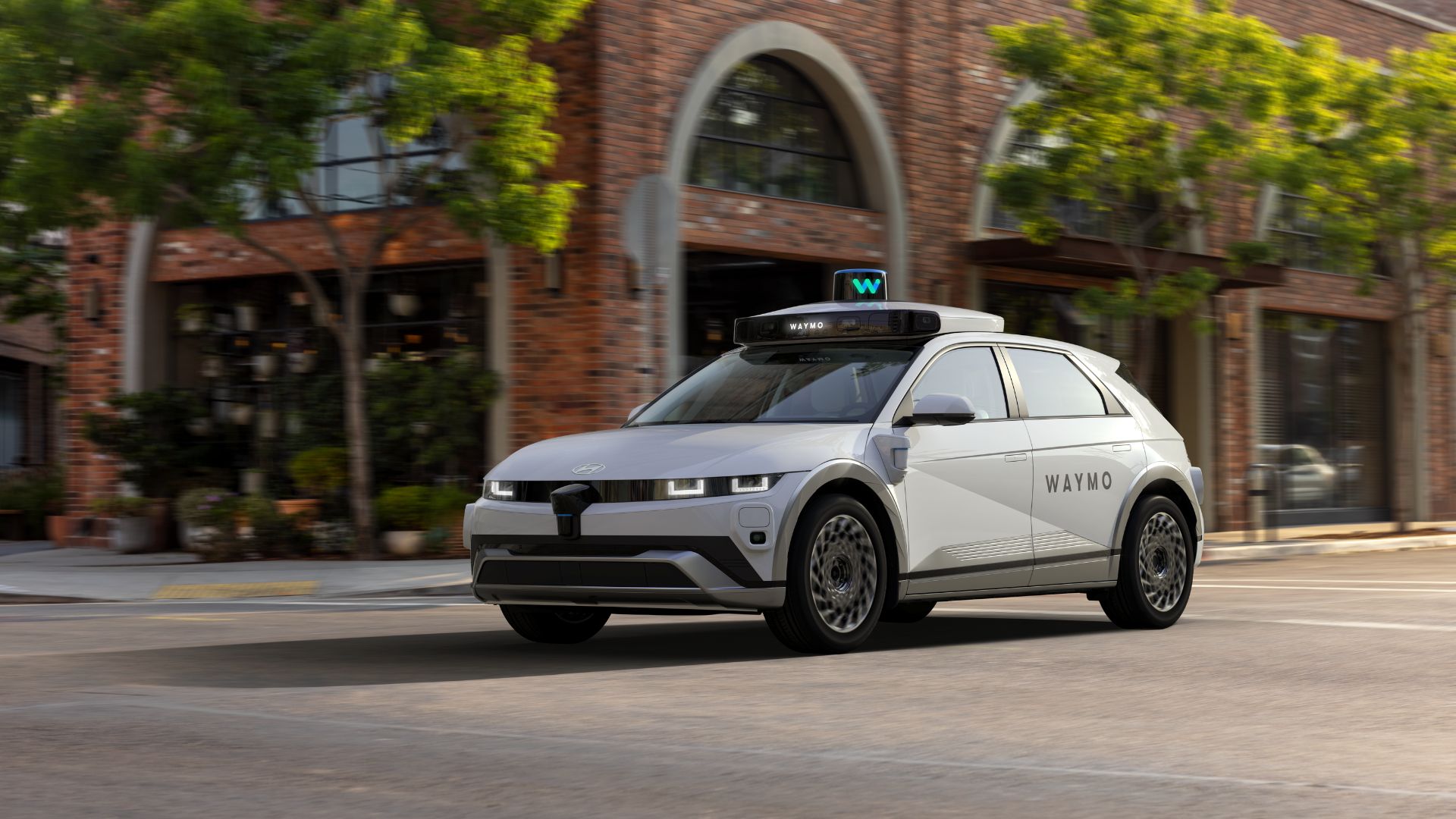
Waymo to turn retired robotaxi batteries into solar power storage systems
Waymo is repurposing the batteries from its autonomous vehicles to support energy storage solutions. This innovative approach, announced recently, aims to enhance sustainability by utilizing the batteries for grid storage, thereby contributing to renewable energy efforts. The initiative comes as part of Waymo's broader commitment to environmental responsibility and efficient resource management. By integrating these batteries into energy systems, the company hopes to extend their lifecycle and reduce waste, aligning with growing demands for sustainable practices in the tech industry. This development not only underscores Waymo's leadership in autonomous technology but also highlights its proactive stance in addressing climate change challenges.
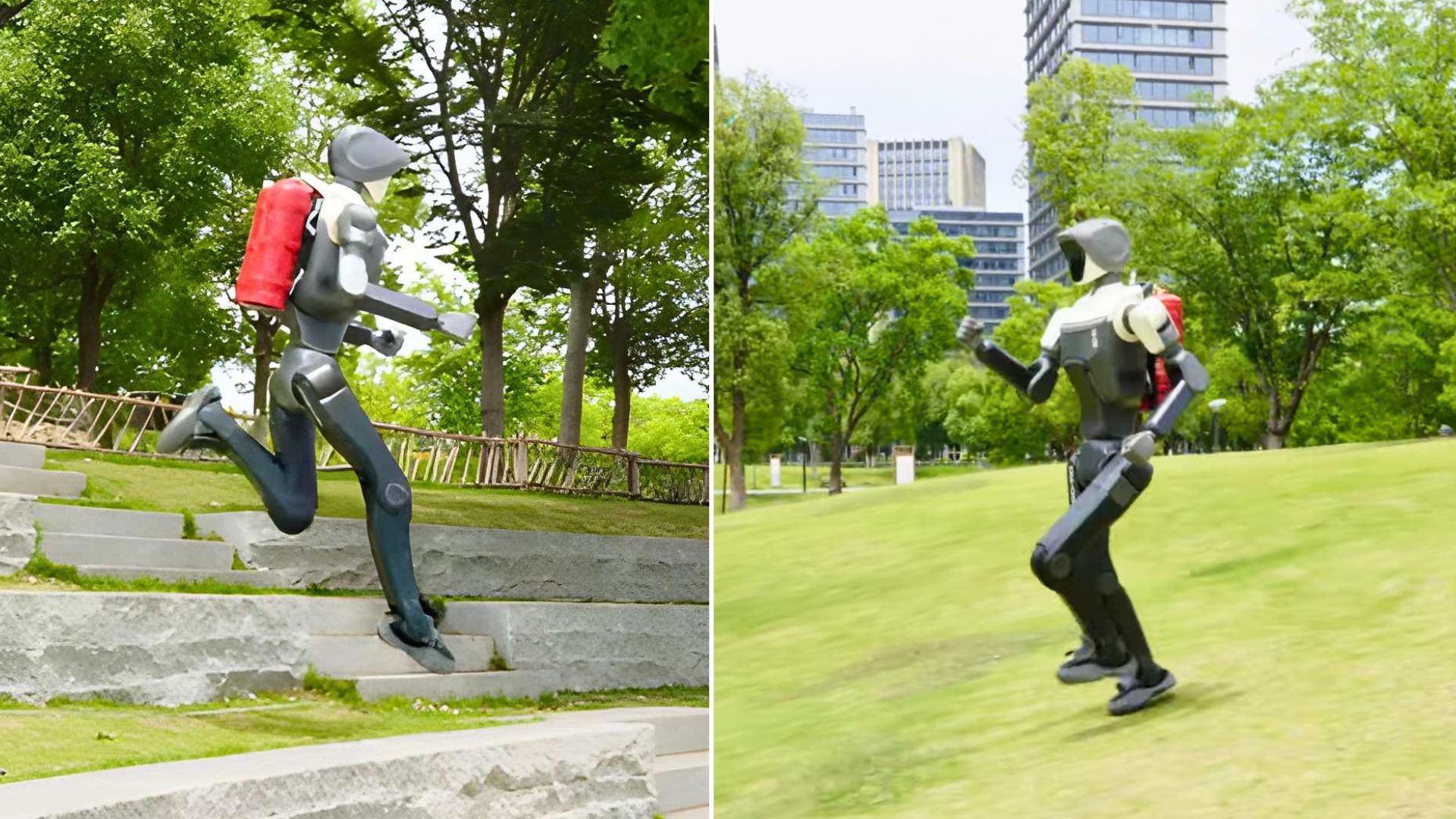
Video: New humanoid robot shows firefighting skills while tackling tough terrain
Deep Robotics, a Chinese robotics company, has unveiled a new video that highlights the advanced capabilities of its latest robotic innovations. The video, released recently, demonstrates the robots' enhanced functionalities and applications in various sectors. This showcase aims to illustrate the company's commitment to pushing the boundaries of robotics technology and to attract potential investors and partners. By presenting these advancements, Deep Robotics seeks to position itself as a leader in the rapidly evolving field of robotics, emphasizing its role in addressing complex challenges across industries.
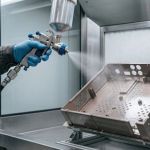
US firm launches hypersonic coating that holds up to 800°F in extreme heat zones
Cambium, a U.S. aerospace defense company, has unveiled its latest innovation, the ApexShield 3000, a high-temperature coating engineered to enhance the durability and performance of aerospace components. This announcement was made during a press conference held on October 15, 2023, at the company's headquarters in Arlington, Virginia. The ApexShield 3000 is designed to withstand extreme temperatures, addressing the growing demand for advanced materials in the aerospace sector. By improving resistance to heat and wear, this coating aims to extend the lifespan of critical components, thereby increasing safety and efficiency in aerospace operations. The development of ApexShield 3000 reflects Cambium's commitment to advancing aerospace technology and meeting the evolving needs of the industry.

Taiwan unveils AI drone navigation system that flies through GPS jamming
Taiwan’s Aerospace Industrial Development Corporation (AIDC), a state-backed entity, has introduced an innovative AI-powered navigation system aimed at enhancing the capabilities of its aerospace technology. This announcement was made during a press conference held on October 15, 2023, in Taichung, Taiwan. The new system is designed to improve the safety and efficiency of aircraft operations, reflecting AIDC's commitment to advancing the nation’s aerospace industry amid growing global competition. By integrating artificial intelligence into navigation processes, AIDC aims to streamline flight operations and reduce the risk of human error. The development of this technology comes as part of Taiwan's broader strategy to bolster its defense capabilities and maintain technological sovereignty in the face of regional tensions.

OpenAI partners with US govt for bio-weapons detection and threat preparedness
OpenAI has unveiled a new biodefense initiative that leverages its advanced AI model, GPT-Rosalind, designed for specialized frontier reasoning. This initiative aims to enhance the understanding and response to biological threats, reflecting a growing concern over global health security. The launch took place in October 2023, as part of OpenAI's commitment to applying cutting-edge technology to address pressing societal challenges. By utilizing GPT-Rosalind, researchers and policymakers will be able to analyze complex biological data more effectively, facilitating informed decision-making in biodefense strategies. This development underscores the importance of integrating artificial intelligence into public health efforts, particularly in an era marked by increasing biological risks.

New three-layered armor protects vehicles from mines, RPGs and drone attacks
Defense companies are innovating in armored vehicle protection, shifting away from traditional methods of using thicker steel and heavier plating. This evolution in military technology is driven by the need for enhanced safety and effectiveness in combat situations. As threats become more sophisticated, manufacturers are exploring advanced materials and designs that offer better protection while maintaining mobility and performance. The ongoing research and development efforts are taking place across various locations, with companies aiming to meet the demands of modern warfare. This transition reflects a broader trend in the defense industry, where adaptability and innovation are crucial in ensuring the safety of personnel and the success of missions.

New humanoid robot brings advanced perception and manipulation to industrial droids
A Vietnamese technology company has introduced its newest humanoid robot, the VR-H3, during the IEEE International Conference on Robotics and Automation held in Paris. The unveiling took place on May 23, 2023, showcasing the company's commitment to advancing robotics and artificial intelligence. The VR-H3 is designed to assist in various tasks, including healthcare support and customer service, reflecting the growing demand for automation in diverse sectors. This innovation aims to enhance efficiency and improve service delivery, addressing labor shortages and increasing productivity. The development of the VR-H3 involved extensive research and collaboration with experts in robotics, highlighting the company's dedication to integrating cutting-edge technology into practical applications.

Lockheed’s 10-foot containerized launcher shoots down 1,320-pound attack drone
Lockheed Martin has achieved a significant milestone by successfully intercepting a Group 3 one-way attack drone using its advanced Joint All-Domain Command and Control (JADC2) system. This event took place during a recent test, showcasing the effectiveness of the technology in enhancing defense capabilities. The demonstration was conducted to validate the system's ability to detect, track, and neutralize aerial threats, reflecting the growing importance of counter-drone measures in modern warfare. The successful interception underscores Lockheed Martin's commitment to advancing military technology and improving national security. This achievement not only highlights the company's innovative approach but also addresses the increasing challenges posed by unmanned aerial vehicles in conflict scenarios.
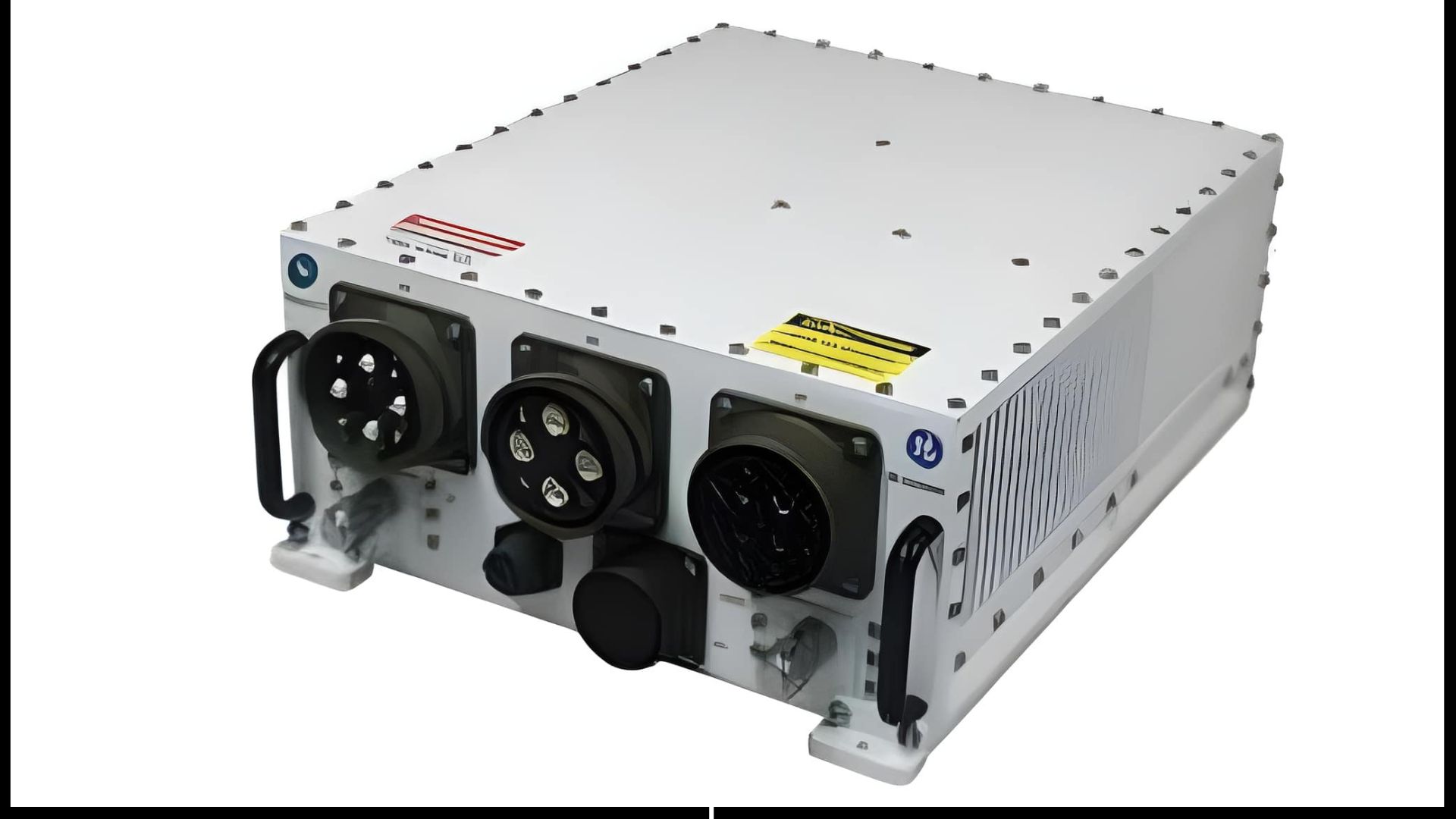
GE Aerospace qualifies 600-volt power systems for next-generation US Army vehicles
GE Aerospace has successfully qualified two high-voltage power electronics systems intended to enhance the capabilities of the U.S. Army. This significant development was announced recently, marking a crucial step in advancing military technology. The systems are designed to improve power management and efficiency for various applications within the Army's operations. By integrating these advanced power electronics, GE Aerospace aims to support the Army's mission to modernize its equipment and enhance operational readiness. The qualification process involved rigorous testing to ensure reliability and performance standards were met, demonstrating GE Aerospace's commitment to delivering innovative solutions for defense applications.

China’s robot therapy helps kids with neurological disorders stand up without assistance
A groundbreaking lightweight robotic device has enabled children suffering from spinal muscular atrophy (SMA) to reach significant developmental milestones. This innovative technology was introduced during a recent clinical trial conducted at a leading pediatric rehabilitation center. The device, designed to assist with mobility and physical therapy, aims to enhance the quality of life for these children by promoting movement and independence. The trial, which took place over several months, involved a group of young participants diagnosed with SMA. Researchers observed notable improvements in their physical capabilities, allowing them to engage in activities that were previously challenging or impossible. The motivation behind this initiative stems from the urgent need to provide effective therapeutic solutions for children affected by this debilitating condition. By integrating advanced robotics with tailored rehabilitation programs, the device not only supports physical movement but also encourages social interaction among peers. The positive outcomes from this trial highlight the potential for robotic technology to transform treatment approaches for SMA and similar neuromuscular disorders. As the research progresses, the team aims to refine the device further and explore its long-term benefits, with hopes of making it widely available to families in need.
Amazon’s Proteus warehouse robot now plans tasks directly from worker text prompts
Amazon has introduced an upgraded version of its autonomous Proteus robot, designed to enhance warehouse operations by interpreting plain-language commands. This announcement was made during a recent tech showcase, highlighting the company's commitment to advancing automation in its logistics processes. The new Proteus robot aims to streamline tasks such as inventory management and product transportation within Amazon's fulfillment centers, ultimately improving efficiency and reducing operational costs. The development comes as part of Amazon's broader strategy to leverage cutting-edge technology to meet the increasing demand for faster delivery services. By enabling the robot to understand natural language, Amazon hopes to simplify interactions between human workers and machines, making it easier for staff to deploy and manage robotic assistance in their daily tasks. The Proteus robot's enhanced capabilities are expected to play a crucial role in optimizing warehouse workflows, allowing for quicker response times and improved accuracy in handling inventory. As Amazon continues to invest in automation, this latest innovation reflects the company's ongoing efforts to stay at the forefront of the e-commerce industry and address the challenges posed by rising consumer expectations.

World’s first two-seat Gripen F jet can coordinate drone swarms for added lethality
Saab, the Swedish aerospace and defense company, has unveiled the world's first Gripen F fighter jet during a ceremony held at its facility in Linköping. This significant event took place recently, marking a milestone in the development of advanced military aircraft. The Gripen F, a twin-seat variant of the Gripen E, is designed to enhance operational capabilities and provide advanced training for pilots. Saab's decision to develop this model stems from the increasing demand for versatile and efficient fighter jets in modern air forces. The rollout of the Gripen F is expected to strengthen Sweden's defense capabilities and contribute to international military partnerships. The aircraft features cutting-edge technology and improved performance, positioning it as a competitive option in the global defense market.

Watch: Shanghai firm unveils 1.2m humanoid robot with dual brains and compact design
A Shanghai-based robotics company has introduced a new compact humanoid robot, signaling a significant expansion for the firm in the competitive robotics market. The unveiling took place during a technology expo in Shanghai on October 15, 2023. This innovative robot is designed to assist in various tasks, showcasing advanced artificial intelligence and mobility features aimed at enhancing productivity in both domestic and industrial settings. The company aims to address the growing demand for automation solutions, driven by an increasing labor shortage and the need for efficiency in operations. By leveraging cutting-edge technology, the firm hopes to position itself as a leader in the robotics industry, catering to a wide range of applications from personal assistance to complex industrial tasks.

US team combines digital twins, VR to boost lunar robot performance for future missions
Researchers at the University of Colorado Boulder are pioneering the use of digital twin technology to enhance environmental monitoring and management. This innovative approach involves creating virtual replicas of physical systems, allowing scientists to simulate and analyze real-world conditions in real time. The project, which commenced in late 2023, aims to address pressing environmental challenges by providing more accurate data and predictive insights. Located in Boulder, Colorado, the initiative seeks to improve understanding of climate change impacts and resource management by integrating advanced modeling techniques with real-time data collection. The motivation behind this research stems from the urgent need to develop effective strategies for sustainability and resilience in the face of environmental degradation. By employing sensors and data analytics, the researchers are able to create dynamic models that reflect current environmental conditions, enabling stakeholders to make informed decisions. This method not only enhances the accuracy of environmental assessments but also facilitates proactive responses to potential ecological threats. The team at CU Boulder is collaborating with various stakeholders, including government agencies and conservation organizations, to ensure that the findings are applicable and beneficial for real-world applications.
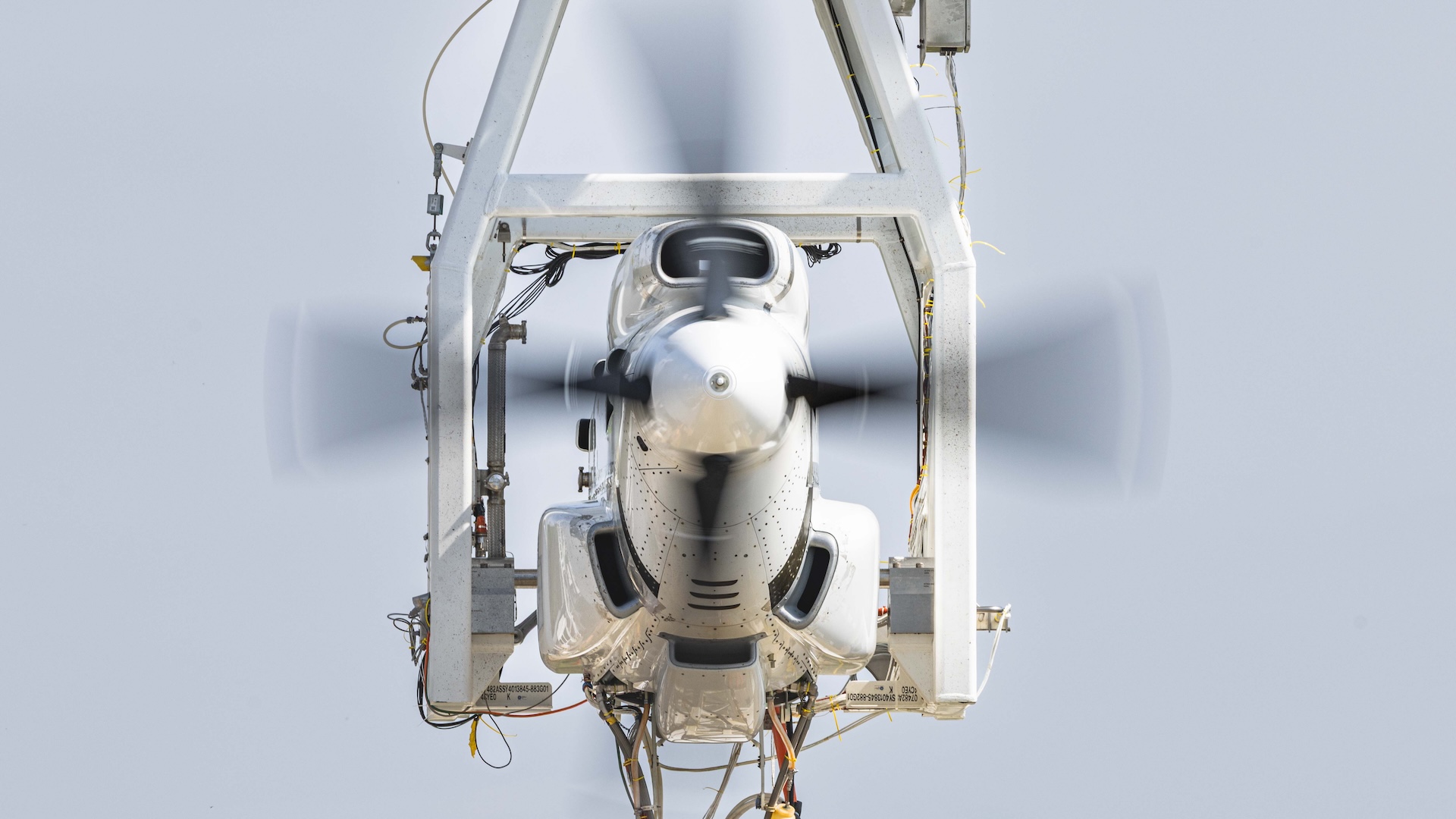
US firm uses megawatt-class hybrid-electric CT7 turboprop plane engine for tests
GE Aerospace is making significant strides in the realm of electrified flight, having recently achieved a crucial milestone in its development efforts. The company successfully completed a series of tests that demonstrate the viability of its electric propulsion systems. These tests took place in October 2023 at its state-of-the-art facility in Cincinnati, Ohio. The motivation behind this advancement is GE Aerospace's commitment to reducing carbon emissions in aviation and enhancing the efficiency of air travel. By investing in electric propulsion technology, the company aims to address the growing demand for sustainable aviation solutions while positioning itself as a leader in the industry. The testing process involved rigorous evaluations of the electric propulsion systems under various operational conditions, showcasing their reliability and performance. This achievement not only marks a pivotal moment for GE Aerospace but also contributes to the broader goal of transforming the aviation sector towards more environmentally friendly practices. As the company continues to refine its technology, it is poised to play a significant role in the future of air travel.
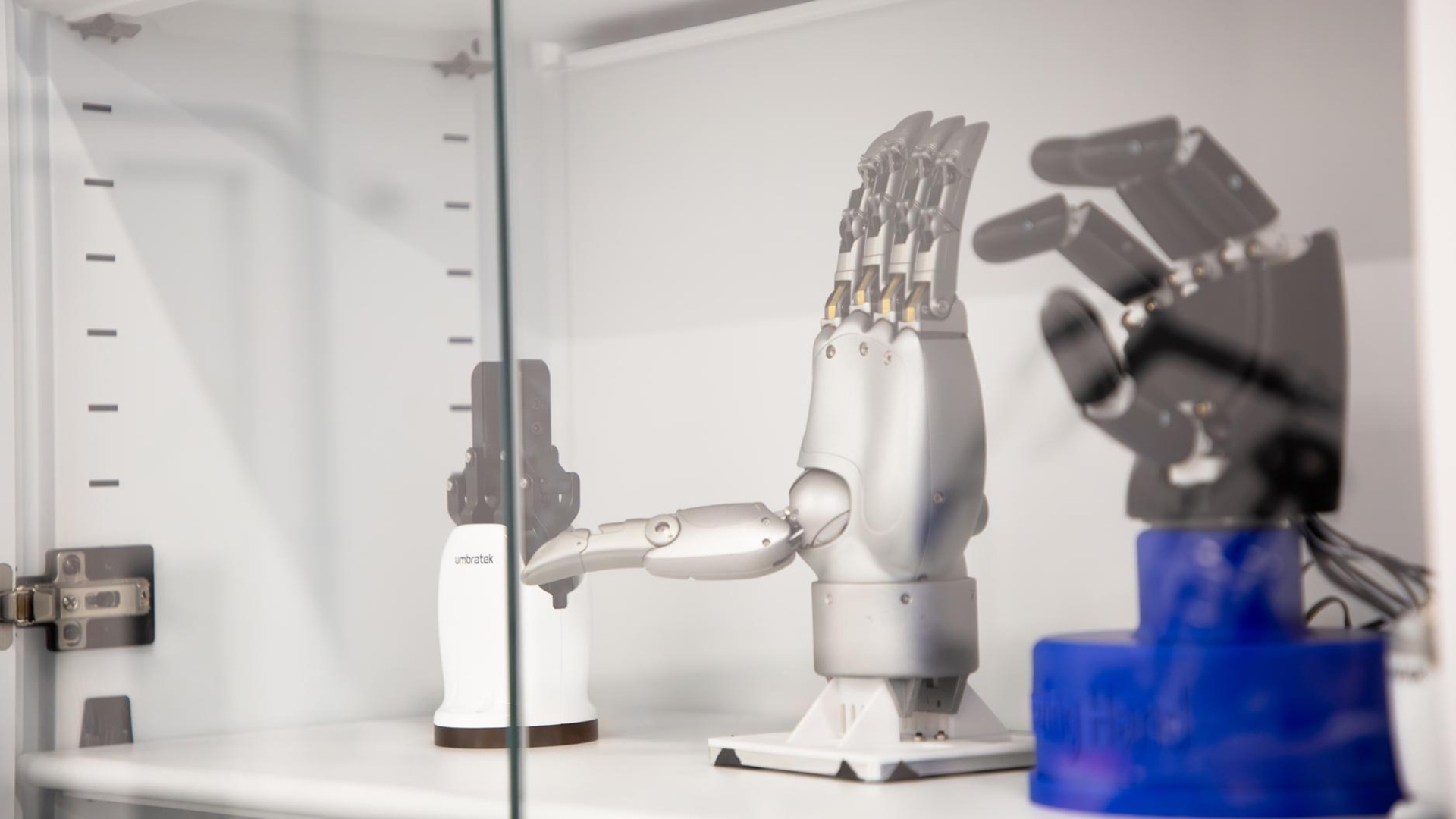
Scientists show predictable training can outperform complex robot learning data
Researchers are making significant strides in developing robots capable of manipulating objects with human-like dexterity, a challenge that has long posed difficulties in the field of robotics. This advancement is crucial as it could enhance the ability of robots to perform complex tasks in various settings, including homes, hospitals, and manufacturing plants. The ongoing work, which has gained momentum in recent months, is taking place in laboratories across the globe, where teams are experimenting with advanced algorithms and machine learning techniques. The motivation behind this research stems from the increasing demand for robots that can assist in everyday tasks, improve efficiency in industrial processes, and provide support in healthcare environments. By mimicking the intricate movements of the human hand, researchers aim to create robots that can handle delicate objects and perform tasks that require precision and adaptability. To achieve this, scientists are employing a combination of innovative hardware designs and sophisticated software programming. They are utilizing sensors and artificial intelligence to enable robots to learn from their interactions with various objects, refining their skills over time. This iterative learning process is essential for developing robots that can operate effectively in unpredictable environments. As the field progresses, the implications of these advancements could revolutionize how robots are integrated into daily life, making them more versatile and capable of performing a wider range of functions. The ongoing research highlights the potential for robots to not only assist but also enhance human capabilities in numerous domains.

Watch: Vietnam’s first humanoid robot Dyno targets security and household roles
Vietnamese technology company VinDynamics has introduced its inaugural humanoid robot, Dyno, signaling the nation's foray into advanced robotics. The unveiling took place during a press event in Hanoi, where the company showcased Dyno's capabilities, including interactive communication and assistance in various tasks. This launch is part of VinDynamics' broader strategy to innovate and contribute to the technological landscape in Vietnam, aiming to enhance productivity and improve quality of life through automation. The development of Dyno reflects the company's commitment to leveraging cutting-edge technology to meet the growing demands of the modern workforce and to position Vietnam as a competitive player in the global robotics market.

Microsoft reboots computing with Solara OS built for agent-first device ecosystem
Microsoft is positioning itself for a transformative shift in technology, focusing on the development of advanced artificial intelligence systems. The tech giant announced its strategic initiatives during a recent event held in Redmond, Washington, where executives outlined plans to integrate AI capabilities across its product offerings. This move is driven by the increasing demand for smarter, more efficient tools that can enhance productivity and streamline workflows for businesses and consumers alike. By leveraging its existing cloud infrastructure and AI research, Microsoft aims to create innovative solutions that address evolving market needs. The company is investing heavily in research and development, collaborating with industry leaders and academic institutions to push the boundaries of what AI can achieve. As Microsoft embarks on this ambitious journey, it seeks to redefine user experiences and establish itself as a leader in the next generation of technology.

Majorana 2 quantum chip unlocks 1,000x stability, keeps qubits alive 20 seconds
Microsoft has announced the launch of Majorana 2, its latest quantum chip, which boasts a remarkable 1,000-fold enhancement in qubit performance. This significant advancement in quantum computing technology was revealed during a press event held on October 25, 2023, at the company’s headquarters in Redmond, Washington. The development of Majorana 2 aims to address the growing demand for more powerful and efficient quantum processors, as researchers and businesses increasingly seek to harness the potential of quantum computing for complex problem-solving and data processing. By improving qubit stability and coherence times, Microsoft hopes to accelerate breakthroughs in various fields, including cryptography, materials science, and artificial intelligence. The Majorana 2 chip is expected to play a crucial role in advancing the company’s quantum computing initiatives, positioning Microsoft as a leader in this rapidly evolving technological landscape.

Custom-trained AI locks laser onto mosquitoes, eliminates pests in real time
A computer vision and robotics enthusiast has unveiled an innovative AI-powered laser system designed to detect and identify objects with remarkable precision. This groundbreaking technology, which was introduced during a tech conference in San Francisco on October 15, 2023, aims to enhance automation and safety in various industries, including manufacturing and security. The motivation behind this development stems from the increasing demand for advanced automation solutions that can improve operational efficiency and reduce human error. By integrating artificial intelligence with laser detection, the system can analyze its surroundings in real-time, allowing for swift and accurate responses to potential hazards or operational needs. The creator demonstrated the system's capabilities through a series of live tests, showcasing its ability to recognize different objects and respond accordingly. This innovative approach not only promises to streamline processes but also addresses safety concerns by minimizing the risk of accidents in environments where precision is critical. As industries continue to evolve with technology, this AI-powered laser system represents a significant step forward in the quest for smarter, safer operational tools. The developer hopes that this invention will inspire further advancements in robotics and computer vision, ultimately leading to a more automated and secure future.

China: Pudu unveils semi-humanoid learning robot built to transform factory automation
Chinese robotics company Pudu has introduced a next-generation industrial semi-humanoid robot aimed at enhancing manufacturing processes. The unveiling took place at a technology expo in Shanghai on October 15, 2023. This innovative robot is designed to improve efficiency and productivity in factories, addressing the growing demand for automation in the manufacturing sector. Pudu's latest development incorporates advanced AI and machine learning capabilities, allowing the robot to adapt to various tasks and environments seamlessly. By leveraging cutting-edge technology, the company aims to support manufacturers in overcoming labor shortages and increasing operational efficiency. The introduction of this semi-humanoid robot marks a significant step forward in the integration of robotics within industrial settings, reflecting Pudu's commitment to leading the way in automation solutions.

Cambridge’s new robot could help solve millions of years old evolution mystery
A team of scientists from Cambridge University has unveiled a groundbreaking robot designed to assist in unraveling complex biological processes. This innovative technology, introduced on October 15, 2023, aims to enhance research in the field of genetics and molecular biology. The robot operates by automating intricate laboratory tasks, which traditionally required significant human intervention, thereby increasing efficiency and accuracy in experiments. The motivation behind this development stems from the growing need for advanced tools that can accelerate scientific discovery and improve the understanding of genetic disorders. By streamlining repetitive tasks, the robot allows researchers to focus on more critical aspects of their studies, potentially leading to faster breakthroughs in medical research. The team utilized cutting-edge artificial intelligence and machine learning algorithms to program the robot, enabling it to adapt and learn from its environment. This adaptability is expected to make the robot a valuable asset in various research settings, paving the way for more innovative approaches to tackling biological challenges. As the scientific community continues to seek solutions to pressing health issues, this robot represents a significant step forward in leveraging technology to enhance research capabilities and outcomes.

Young children see meaning in human looks but not in robot gazes, new study finds
A recent study conducted by researchers has revealed that young children are highly adept at following the gaze of others, demonstrating a natural inclination to understand social cues. The research, which took place in various settings involving preschool-aged children, aimed to explore the developmental aspects of gaze-following behavior. The findings indicate that this ability emerges early in childhood, suggesting that children are instinctively tuned to the attention of those around them. This skill is crucial for social interaction and communication, as it helps children learn about their environment and the intentions of others. The study highlights the importance of social engagement in early childhood development, emphasizing that children benefit from observing and interpreting the actions and focus of adults and peers. By understanding where others are looking, children can enhance their learning experiences and navigate social situations more effectively. This research contributes to the broader understanding of cognitive development in young children and underscores the significance of social learning in early years. The implications of these findings could influence educational strategies and parenting approaches, fostering environments that encourage social interaction and engagement.

US military’s high-performing defense products could soon be built with next-gen ceramic
A Virginia-based company is poised to enhance research on ceramic materials specifically designed for extreme aerospace and defense applications. This initiative, which aims to improve the performance and durability of materials used in high-stress environments, is expected to significantly contribute to advancements in technology for military and aerospace sectors. The firm plans to leverage its expertise and innovative approaches to develop new ceramic composites that can withstand extreme temperatures and pressures. This research is part of a broader effort to address the increasing demands for advanced materials in defense and aerospace, where reliability and resilience are critical. The project is anticipated to unfold over the coming months, with the potential to reshape material science in these high-stakes industries.

Stanford’s new iISM microscope images living cells at 120-nanometer resolution
Researchers at Stanford University have developed an innovative microscope that can image nanostructures within living cells, marking a significant advancement in cellular imaging technology. This breakthrough was announced in October 2023 and aims to enhance our understanding of cellular processes at the nanoscale. By enabling scientists to observe these structures in real-time, the new microscope offers insights into cellular functions and interactions that were previously difficult to study. The motivation behind this development is to provide a more detailed view of cellular mechanisms, which could lead to advancements in medical research and treatments. The microscope employs advanced imaging techniques that allow for high-resolution visualization of nanostructures, paving the way for new discoveries in biology and medicine.

Royal Navy deploys Defender mine-hunting robot for Strait of Hormuz operations
The Royal Navy is set to deploy the Video Ray Defender, an advanced autonomous underwater robot, as part of its ongoing efforts to enhance maritime security. This deployment is scheduled for later this month, with operations taking place in various strategic locations to bolster surveillance and reconnaissance capabilities. The initiative aims to address increasing concerns over underwater threats and improve response times in maritime operations. By utilizing cutting-edge technology, the Royal Navy intends to streamline underwater missions, allowing for more efficient data collection and analysis. The introduction of the Video Ray Defender marks a significant step in the Royal Navy's modernization efforts, reflecting a commitment to incorporating innovative solutions in national defense strategies.

New wearable ground station shrinks FPV drone control system by over 50%
A defense technology company based in Los Angeles has introduced an innovative wearable ground control station designed for first-person-view (FPV) drone operations. This cutting-edge device was unveiled during a recent technology expo, showcasing its potential to enhance the capabilities of drone operators in various fields, including military and emergency response. The wearable station aims to provide users with a more immersive and intuitive control experience, allowing for improved situational awareness and operational efficiency. By integrating advanced technology into a portable format, the company seeks to address the growing demand for effective drone management solutions in dynamic environments. The launch reflects the company's commitment to advancing defense technology and meeting the evolving needs of its clients.

New plasma-powered rocket design could make solid motors restartable
The Aerospace Corporation is making significant strides in the development of a restartable solid rocket motor (RSRM), a technology that could enhance the flexibility and efficiency of space missions. This innovative motor design allows for multiple ignitions, which could be crucial for various applications, including satellite deployment and deep-space exploration. The advancements come as part of ongoing efforts to improve propulsion systems in the aerospace industry. The research and testing phases are currently taking place at the company’s facilities in California, with the aim of addressing the growing demand for more adaptable and reliable rocket systems. By enabling rockets to be restarted in-flight, the RSRM could revolutionize mission planning and execution, ultimately contributing to more cost-effective and sustainable space operations. The Aerospace Corporation's work in this area reflects a broader trend in the aerospace sector, where the need for versatile and efficient technologies is becoming increasingly critical as space exploration continues to expand.

New 10-watt antenna helps underwater robots communicate across 2,296 feet
Researchers have developed an innovative antenna system aimed at enhancing communication between underwater robots, particularly in challenging environments such as murky waters. This advancement comes as part of ongoing efforts to improve the efficiency and effectiveness of robotic operations in marine settings. The new system was unveiled during a technology conference held in San Diego on October 15, 2023. The motivation behind this development stems from the increasing reliance on underwater robots for various applications, including environmental monitoring, search and rescue missions, and marine research. Traditional communication methods often struggle in low-visibility conditions, which can hinder the performance of these robots. The newly designed antenna system utilizes advanced signal processing techniques to facilitate clearer and more reliable communication between multiple robots operating simultaneously. By overcoming the limitations posed by murky water, this technology promises to enhance collaborative efforts among underwater robots, leading to improved outcomes in their respective missions. As the demand for autonomous underwater vehicles continues to grow, this breakthrough could play a crucial role in advancing the capabilities of marine robotics, ultimately contributing to better data collection and exploration of underwater environments.

NVIDIA unveils full-stack platform for humanoid robots, robotaxis and smart factories
NVIDIA has introduced a comprehensive range of technologies designed to enhance the development of physical artificial intelligence. The announcement was made during a recent event, showcasing the company's commitment to advancing AI capabilities. This initiative aims to address the growing demand for more efficient and powerful AI systems across various industries. By leveraging its cutting-edge hardware and software solutions, NVIDIA seeks to empower developers and researchers to create innovative applications that can operate in real-world environments. The unveiling of these technologies marks a significant step forward in the integration of AI into everyday life, highlighting NVIDIA's role as a leader in the tech industry.

GE propulsion selected for US Navy’s next-generation ocean surveillance vessels
GE Aerospace has announced a significant contract to supply propulsion systems for the U.S. Navy's next-generation aircraft. This order, which underscores the company's commitment to advancing military aviation technology, was finalized recently and marks a pivotal step in enhancing the Navy's operational capabilities. The propulsion systems are expected to improve performance and efficiency for the upcoming fleet of aircraft, contributing to national defense objectives. GE Aerospace will leverage its advanced engineering and manufacturing expertise to fulfill this contract, ensuring timely delivery and adherence to the Navy's stringent requirements. This partnership highlights the ongoing collaboration between the defense sector and aerospace manufacturers, aimed at modernizing military assets and maintaining technological superiority.

7 animal-inspired robots solving real-world engineering challenges
Engineers are increasingly looking to nature for inspiration in developing innovative solutions for movement, efficiency, and survival. This trend reflects a growing recognition of the intricate designs and systems that have evolved over millions of years. By studying various organisms and their adaptations, researchers aim to apply these natural principles to create advanced technologies in fields such as robotics, transportation, and energy efficiency. This biomimicry approach not only enhances performance but also promotes sustainability by utilizing nature's time-tested strategies. As this movement gains momentum, it is expected to lead to groundbreaking advancements that could significantly impact various industries and improve human life.

US firm validates quantum-secure communications over 1.2-mile free-space link
Xairos Systems, a US-based quantum technology company, has reached a significant milestone with the development of its Ares Quantum Optical system. This advancement, announced recently, positions the firm at the forefront of quantum computing innovation. The Ares system is designed to enhance the capabilities of quantum communication and computing, leveraging advanced optical technologies to improve data transmission and processing speeds. This breakthrough is expected to have far-reaching implications for various industries, including telecommunications and cybersecurity, as it promises to provide more secure and efficient methods of data handling. The achievement reflects Xairos Systems' commitment to pushing the boundaries of quantum technology and underscores the growing importance of quantum solutions in the digital age.
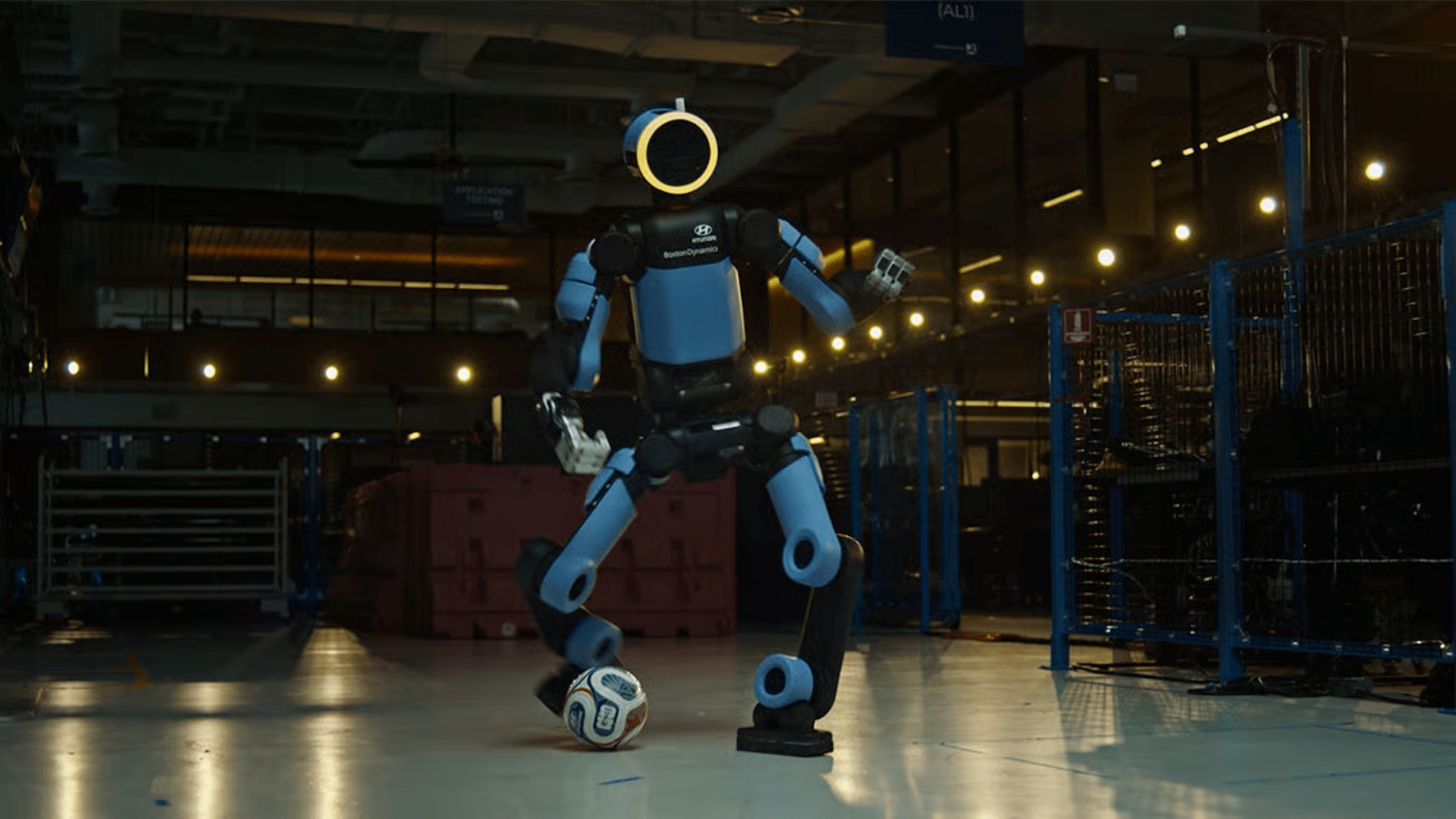
Hyundai showcases Atlas humanoid robot’s football skills in new World Cup-themed series
In preparation for the FIFA World Cup 2026, Hyundai Motor has launched the “School of Football,” an initiative aimed at promoting football education and skills development among young players. The program, which was announced recently, will take place in various locations across the United States, Canada, and Mexico, the three host countries for the upcoming tournament. Hyundai's initiative seeks to inspire the next generation of football talent and foster a deeper connection to the sport in the lead-up to the World Cup. By providing training sessions, workshops, and mentorship opportunities, the program aims to enhance the skills of young athletes while also promoting teamwork and sportsmanship. The “School of Football” aligns with Hyundai's commitment to supporting community engagement and youth development through sports. The company plans to collaborate with local football clubs and organizations to ensure the program reaches a wide audience, making football more accessible to aspiring players. This effort reflects Hyundai's broader strategy to leverage its partnership with FIFA and contribute positively to the global football community.

Humanoid robots join human models in rampwalk at futuristic Seoul fashion show
At a recent fashion show in Seoul, humanoid robots donned designer outfits, showcasing a unique blend of technology and haute couture. The event, which took place on [insert date], featured these advanced robots walking the runway alongside human models, highlighting the intersection of fashion and robotics. This innovative display aimed to captivate audiences and spark conversations about the future of fashion in an increasingly digital world. By integrating robotics into the fashion industry, designers are exploring new creative avenues and challenging traditional concepts of modeling and presentation. The show exemplified how technology can enhance artistic expression, leaving attendees intrigued by the possibilities that lie ahead in both fashion and robotics.
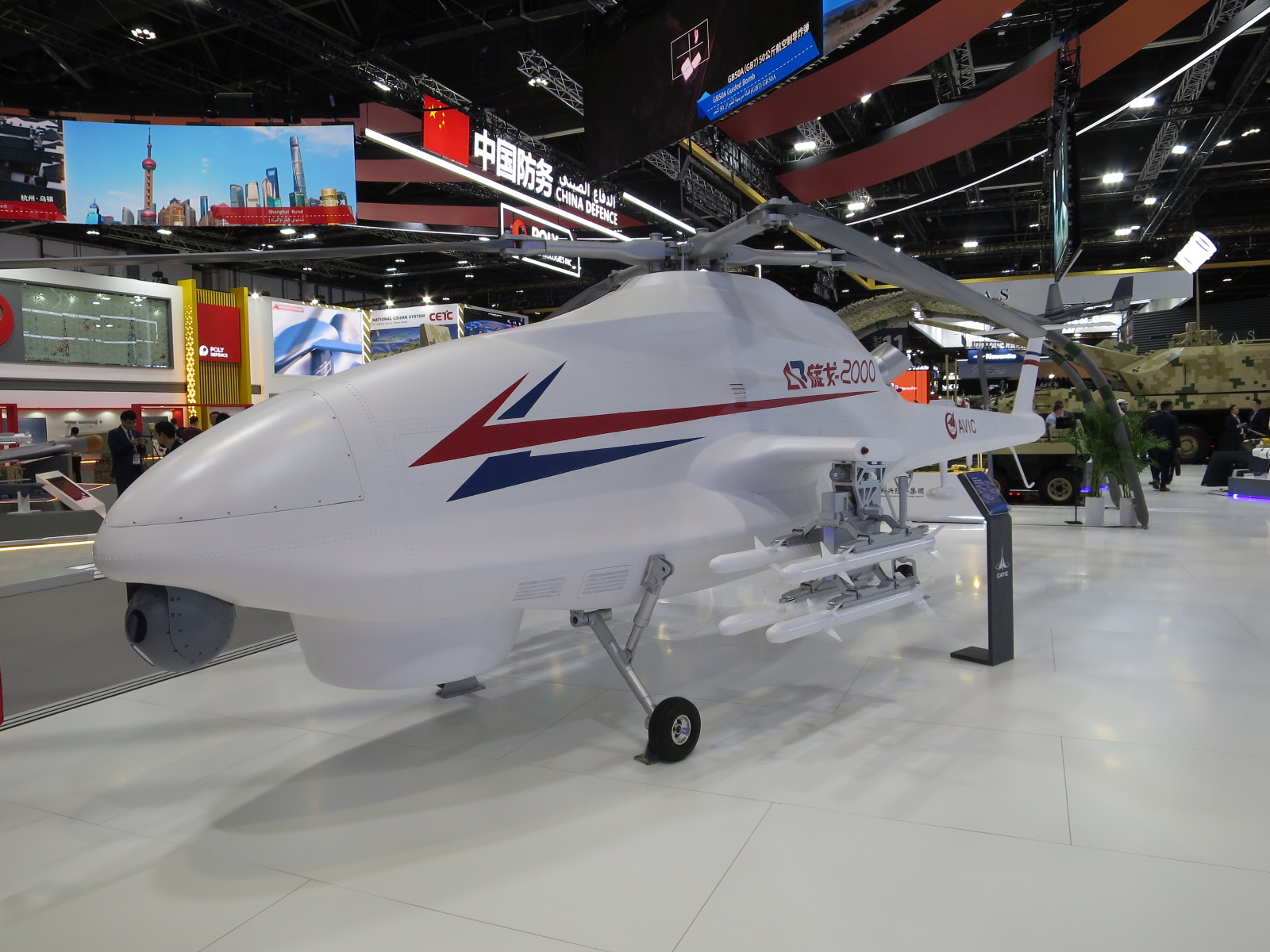
China’s autonomous drone swarm system claims to hunt targets despite network jamming, chaos
A Chinese research team has announced the development of a groundbreaking artificial intelligence algorithm that promises to enhance data processing efficiency significantly. This innovative technology, unveiled in a study published on October 15, 2023, aims to address the growing demand for faster and more accurate data analysis in various sectors, including healthcare, finance, and logistics. The researchers, based at a leading university in Beijing, designed the algorithm to improve machine learning capabilities by optimizing data handling and reducing processing time. The motivation behind this advancement stems from the increasing complexity of data sets that organizations face today, necessitating more sophisticated tools to extract meaningful insights. The team conducted extensive testing to validate the algorithm's performance against existing models, demonstrating superior accuracy and speed. This development is expected to have far-reaching implications, potentially transforming how industries leverage AI for decision-making and operational efficiency. As organizations continue to seek innovative solutions to manage vast amounts of data, this new algorithm could play a pivotal role in shaping the future of artificial intelligence applications.

China deploys humanoid robots to sort 1,200 parcels per hour in massive postal hub
China has introduced humanoid robots into its extensive postal network, aiming to enhance efficiency and streamline operations in one of the busiest logistics systems globally. This initiative, which began recently, is part of a broader effort to integrate advanced technology into everyday services, reflecting the country's commitment to innovation and modernization. The deployment of these robots is expected to address labor shortages and improve delivery times, ultimately benefiting consumers and businesses alike. By utilizing cutting-edge robotics, China seeks to maintain its competitive edge in the rapidly evolving logistics sector.
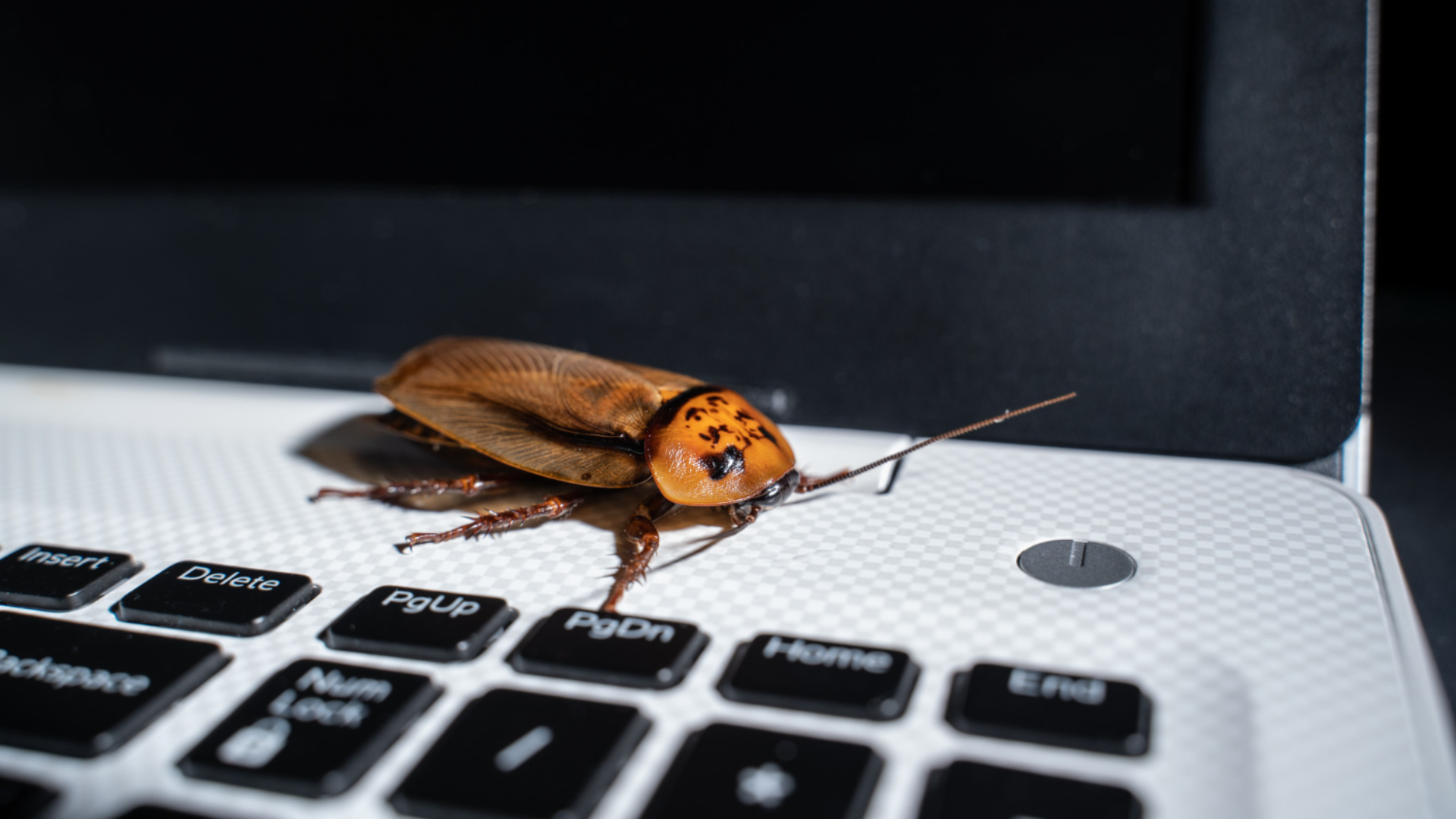
Bio-hybrid robotics system ‘listens’ to cyborg insects for collaborative control
Japanese researchers have unveiled an innovative method for controlling cyborg insects, aiming to enhance the understanding of their behavior and capabilities. This groundbreaking development was announced during a recent conference held in Tokyo, where scientists discussed advancements in bioengineering and robotics. The motivation behind this research stems from the potential applications in environmental monitoring and disaster response, where these engineered insects could play a crucial role in collecting data from hard-to-reach areas. The researchers have integrated electronic components into the insects, allowing for remote control and manipulation of their movements. This process involves sophisticated techniques that blend biology with technology, enabling the insects to be guided through various environments. The team believes that by mastering this control, they can create a new class of biohybrid systems that could revolutionize how we interact with the natural world. As the project progresses, the researchers are optimistic about the implications of their work, which could lead to significant advancements in both ecological research and practical applications in urban planning and emergency management. The findings from this study are expected to be published in a leading scientific journal, further contributing to the growing field of cyborg biology.
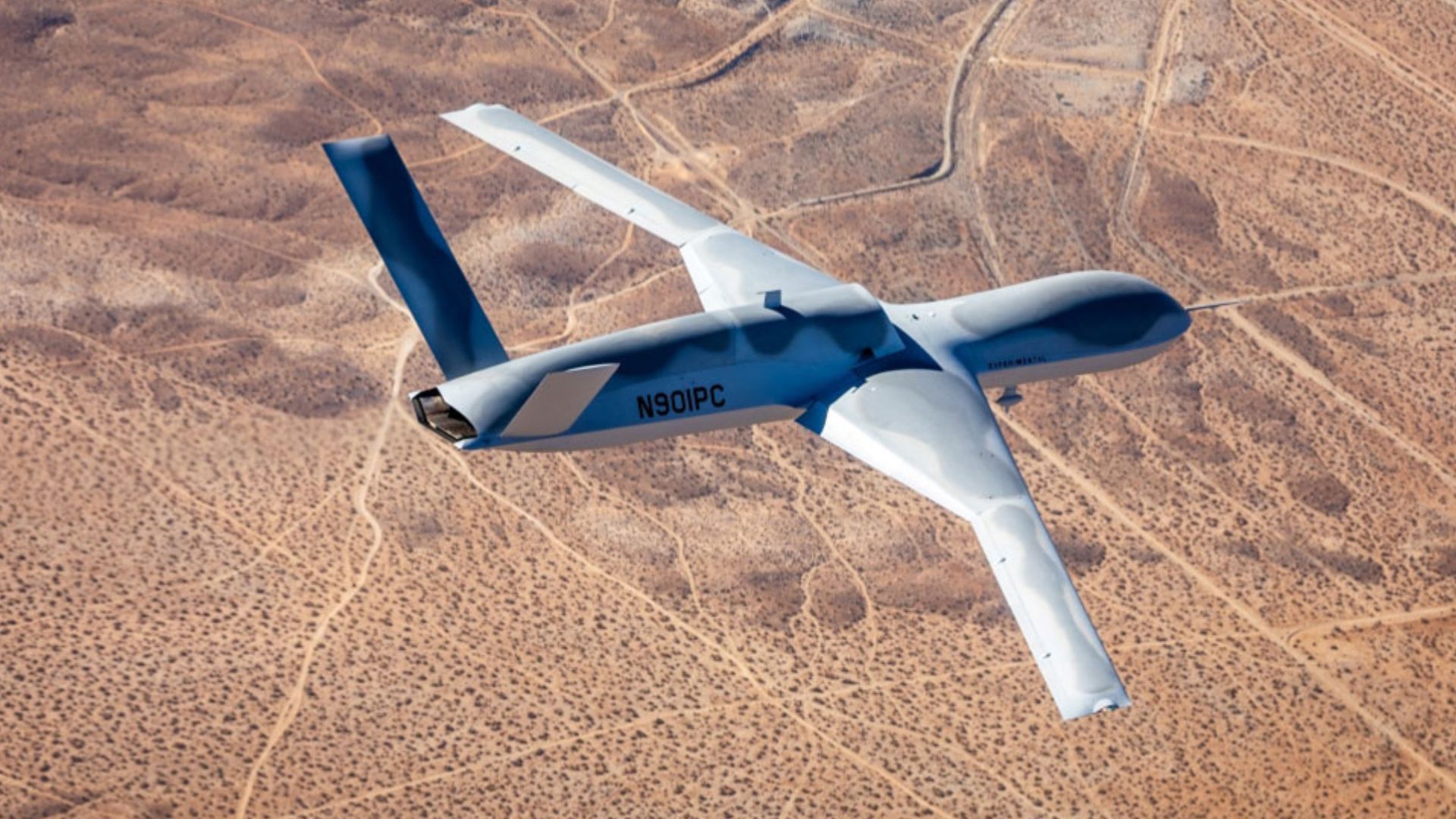
‘Loyal wingman’ test: F-35 fighter jet and MQ-20 drone display manned-unmanned teaming
General Atomics has successfully demonstrated interoperability between the F-35 fighter jet and its advanced drone systems. This achievement, announced recently, marks a significant milestone in enhancing military capabilities and operational efficiency. The demonstration took place at a military testing facility, showcasing how the F-35 can seamlessly integrate with unmanned aerial vehicles (UAVs) to improve mission effectiveness. The motivation behind this development stems from the growing need for advanced warfare strategies that leverage both manned and unmanned systems. By ensuring that the F-35 can communicate and coordinate with drones, General Atomics aims to provide military forces with a more versatile and responsive combat platform. This interoperability is expected to enhance situational awareness and decision-making during complex missions. The successful integration was achieved through rigorous testing and validation processes, which involved real-time data sharing and tactical coordination between the aircraft and drones. This advancement not only underscores General Atomics' commitment to innovation in defense technology but also positions the F-35 as a pivotal asset in future military operations.

US Army tests TRV-150 resupply drone as rocket launcher in groundbreaking demo
The US Army recently conducted a test involving the TRV-150 drone, which was originally designed for surveillance and reconnaissance missions. This test took place at a military facility in California, showcasing the drone's advanced capabilities in real-world scenarios. The Army aims to enhance its operational efficiency and effectiveness by integrating cutting-edge technology into its arsenal. The TRV-150 is expected to play a crucial role in future military operations, providing critical data and support to ground troops. The successful demonstration of the drone's features underscores the Army's commitment to modernizing its equipment and adapting to evolving battlefield demands.
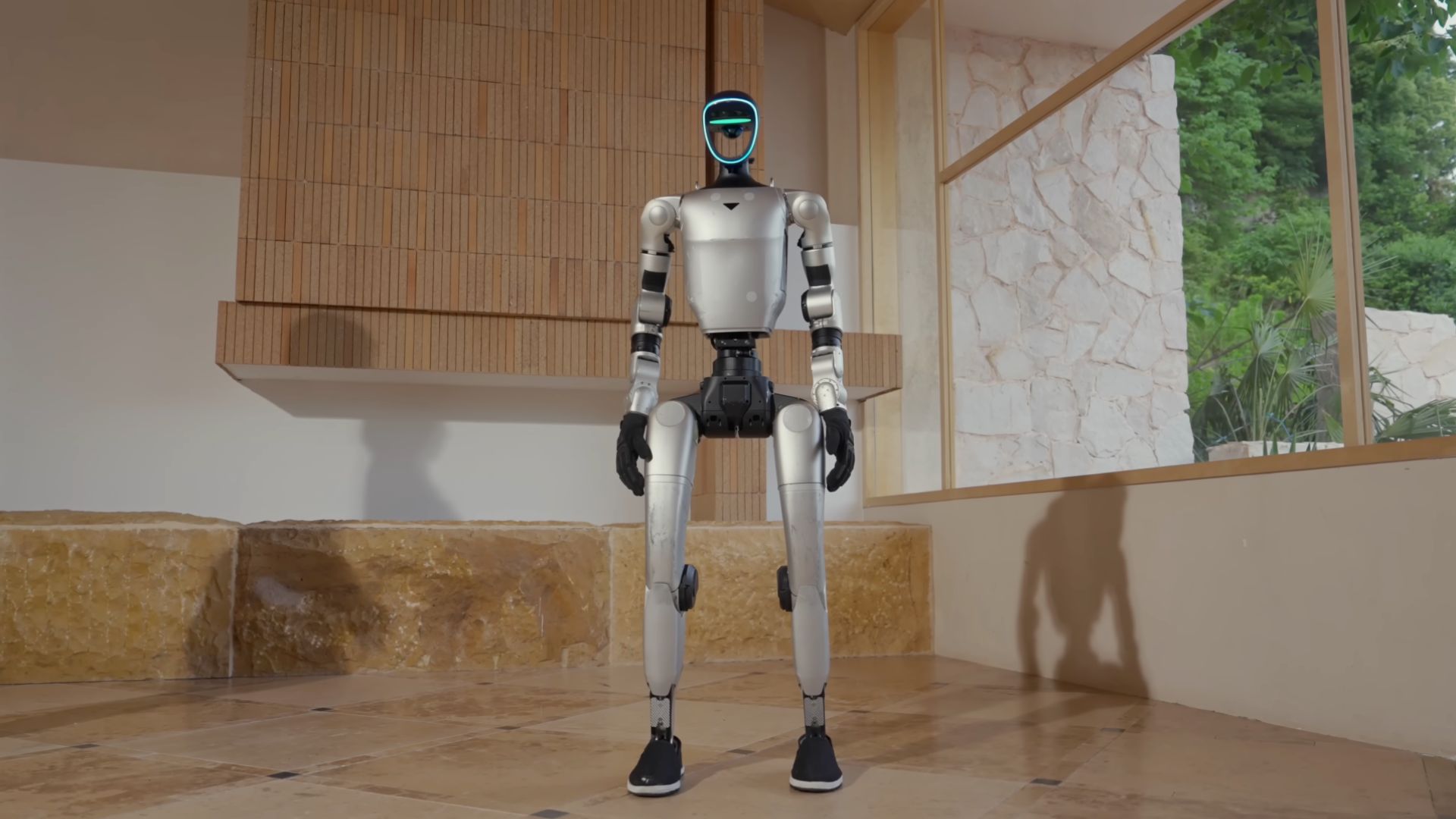
Tokyo summit wows audience with humanoids and robotic hands that can thread a needle
In Japan, robotics developers are unveiling cutting-edge humanoid robots designed to execute intricate tasks, such as assembling delicate components and assisting in healthcare settings. This showcase, taking place at the annual International Robot Exhibition in Tokyo, highlights the rapid advancements in robotics technology and its potential applications in various industries. The event, which runs from November 15 to 18, aims to demonstrate how these sophisticated machines can enhance productivity and support human workers. By integrating artificial intelligence and advanced sensors, these robots are not only improving efficiency but also addressing labor shortages in sectors like manufacturing and elder care. As the demand for automation continues to rise, developers are eager to illustrate the capabilities of their innovations and explore partnerships that could further advance the field of robotics.
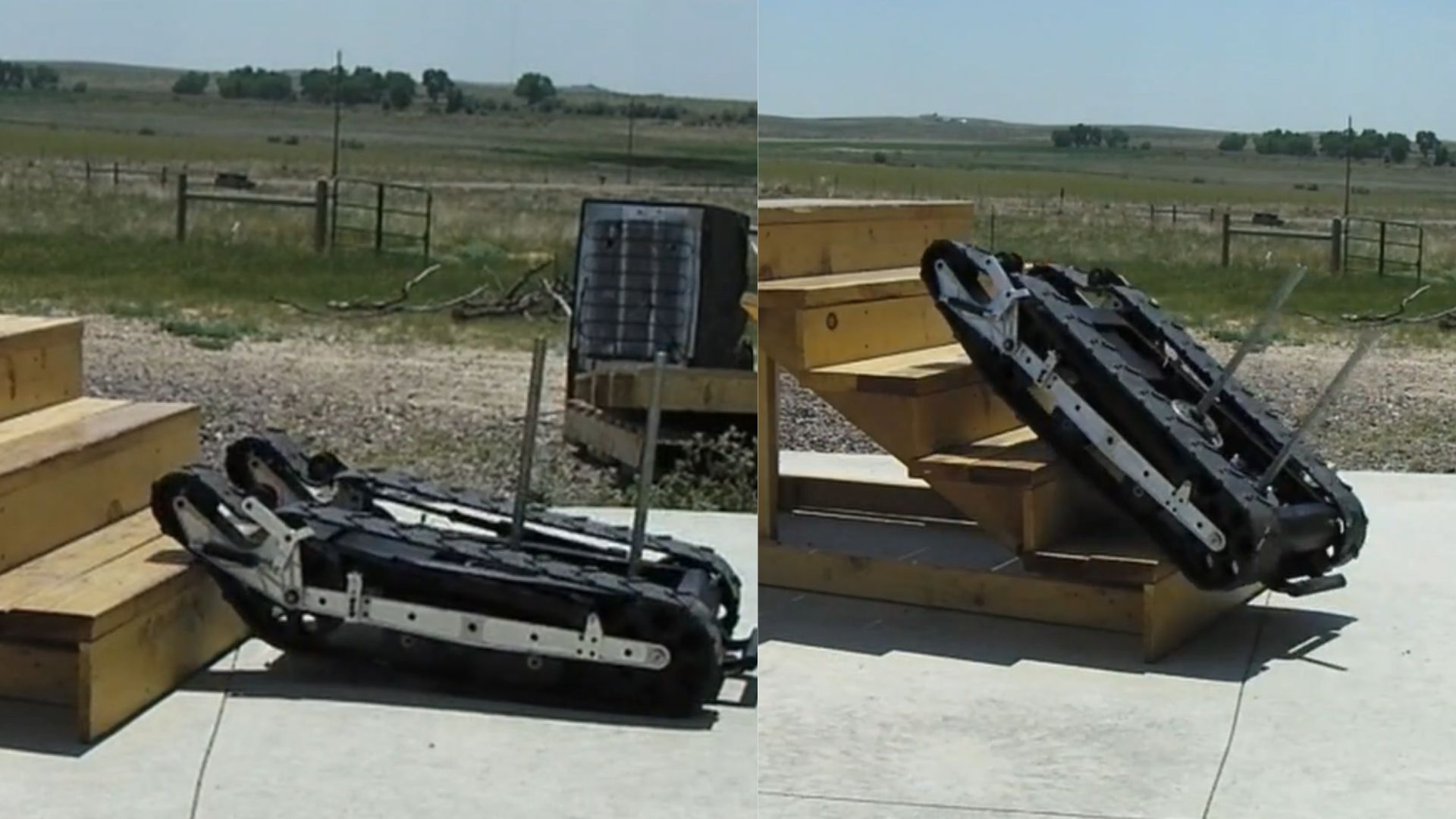
Robots learn to recover from dangerous stair falls using smart stabilising system
Researchers are addressing a significant safety issue faced by robots designed to navigate staircases, as their tendency to lose balance can lead to dangerous falls. This challenge has become increasingly relevant as the development of robotic technology progresses, particularly for applications in environments like homes and public spaces where stairs are common. The issue has been highlighted in recent studies, prompting engineers to explore innovative solutions to enhance the stability and reliability of these robots. By incorporating advanced sensors and algorithms, developers aim to improve the robots' ability to assess their surroundings and maintain balance while traversing stairs. The ongoing research is crucial for ensuring that robotic systems can operate safely and effectively in real-world scenarios, ultimately paving the way for broader adoption of robotics in everyday life.
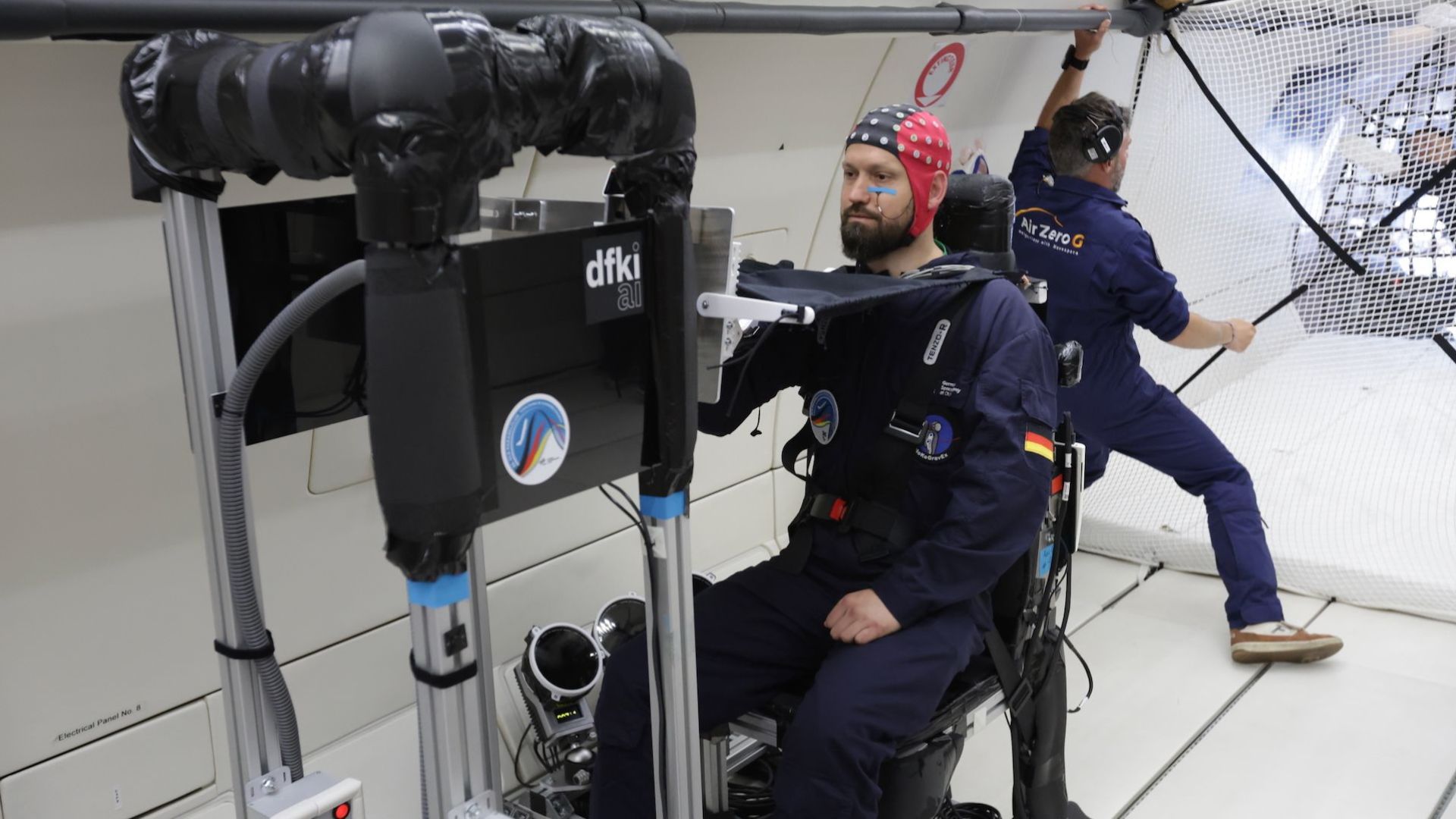
Robotic suit simulates weightlessness on Earth to improve astronaut motor skills
Researchers from the German Research Center for Artificial Intelligence (DFKI) and the University of Duisburg-Essen have unveiled a groundbreaking study that explores the potential of artificial intelligence in enhancing urban planning. This research, published on October 15, 2023, aims to address the growing challenges of urbanization by integrating AI technologies into city development strategies. The study focuses on how AI can analyze vast amounts of data related to traffic patterns, environmental impacts, and population growth to create more efficient and sustainable urban environments. By employing advanced algorithms, the researchers demonstrate that AI can predict future urban needs and optimize resource allocation, ultimately leading to improved quality of life for residents. The motivation behind this initiative stems from the increasing pressure on cities worldwide to adapt to rapid population growth and climate change. As urban areas expand, traditional planning methods often fall short, necessitating innovative solutions that AI can provide. Through a series of simulations and case studies, the researchers illustrate the practical applications of their findings, showcasing how AI-driven insights can inform decision-making processes for city planners and policymakers. This collaborative effort highlights the importance of interdisciplinary approaches in tackling complex urban issues, paving the way for smarter, more resilient cities in the future.

Robotic 3D printers complete Europe’s largest 12-apartment building in just 34 days
In a significant advancement for construction technology, a 12-apartment residential building has been completed in France utilizing 3D concrete printing. This innovative project, which showcases the potential of additive manufacturing in the housing sector, was finalized in a remarkably short timeframe, demonstrating the efficiency of this modern building technique. The initiative aims to address the ongoing housing crisis by providing affordable and sustainable living options. By employing 3D printing, the project not only reduces construction time but also minimizes waste and lowers overall costs, making it an attractive solution for future developments. This landmark achievement highlights the growing trend of integrating technology into traditional construction methods, paving the way for more rapid and environmentally friendly building practices.
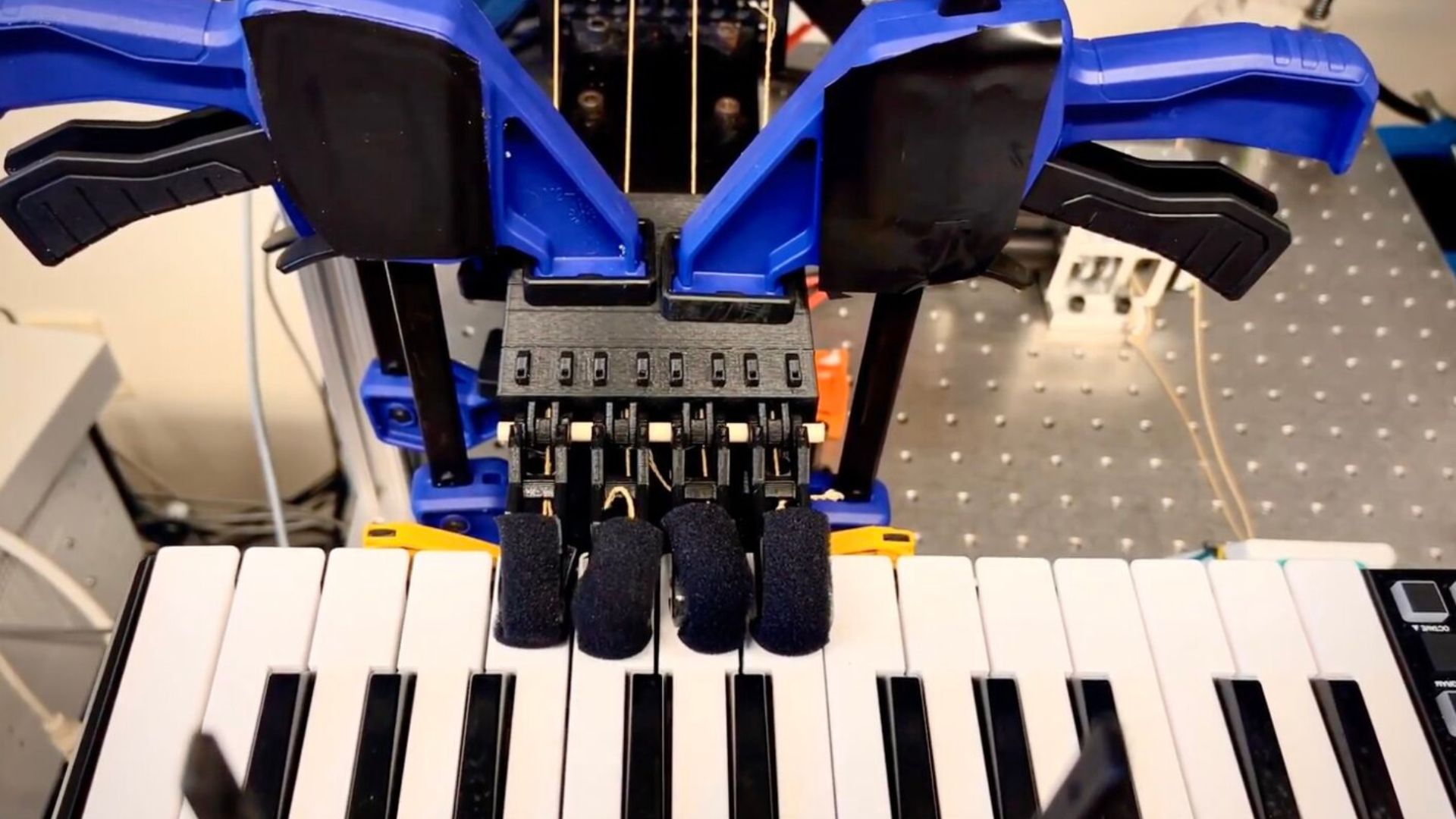
New piano-playing robotic hand learns notes after just two minutes of practice
A team of researchers has introduced an innovative robotic system known as the “Musician Hand,” capable of listening to and interpreting music in real-time. This groundbreaking technology was revealed during a recent conference focused on advancements in robotics and artificial intelligence. The unveiling took place in October 2023, showcasing the system's ability to analyze musical compositions and respond with precise movements that mimic human musicians. The motivation behind developing the “Musician Hand” stems from a desire to enhance the interaction between humans and machines in creative fields, particularly in music. By integrating advanced auditory processing capabilities, the robotic hand can not only play instruments but also adapt its performance based on the nuances of the music it hears. This innovation aims to bridge the gap between technology and artistry, providing new opportunities for collaboration between musicians and robots. The researchers demonstrated the system's functionality by having it perform alongside live musicians, illustrating its potential to revolutionize music education and performance. The “Musician Hand” represents a significant step forward in the field of robotics, highlighting the increasing role of artificial intelligence in creative endeavors. As the technology continues to evolve, it may pave the way for more sophisticated applications in various artistic domains, fostering a deeper connection between human creativity and robotic assistance.
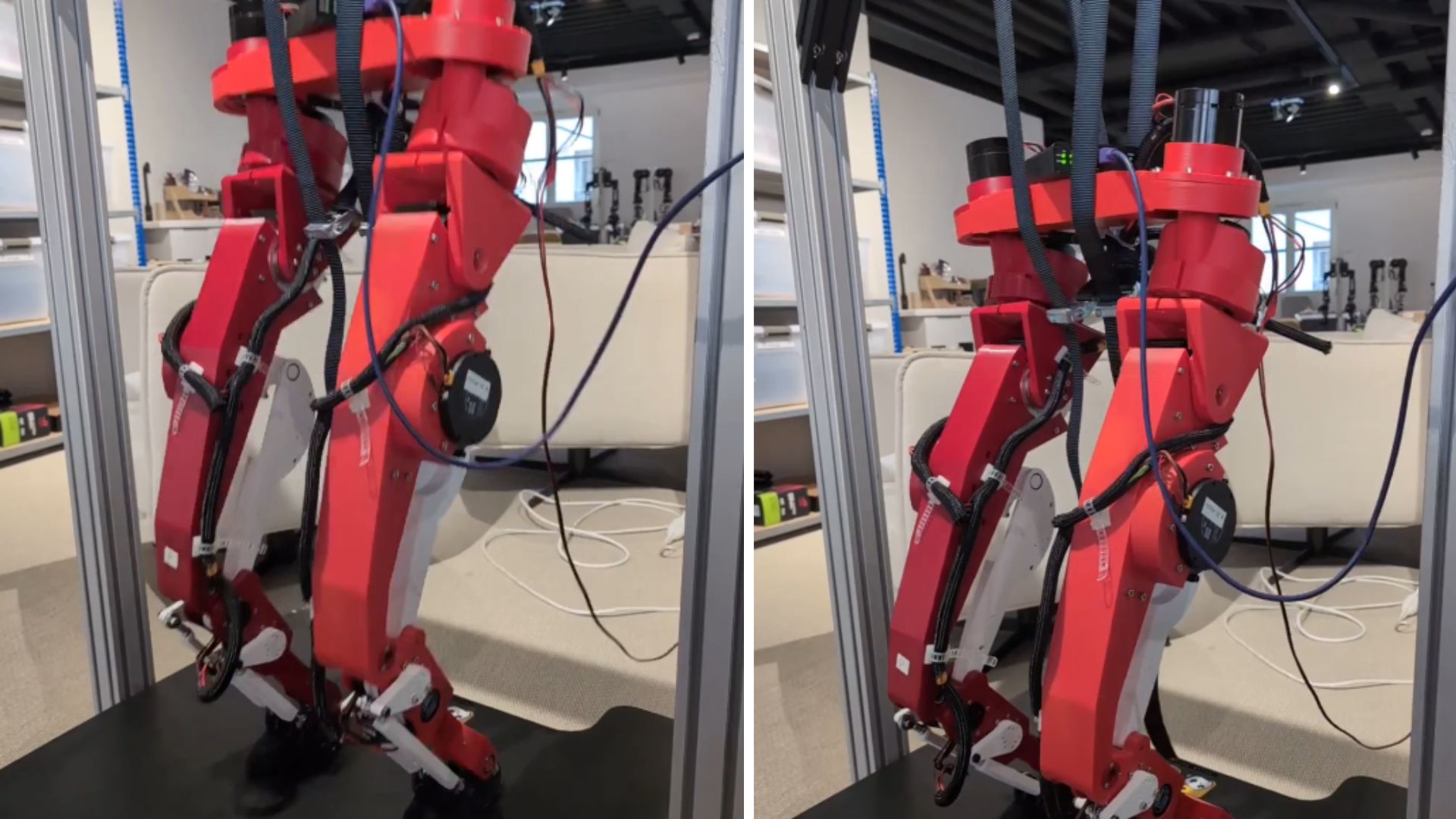
Hugging Face’s new $2.5k LeRobot Humanoid brings 3D-printed robotics within reach
Humanoid robots continue to be largely inaccessible to the general public due to their prohibitively high costs. As of October 2023, advancements in robotics have not yet translated into affordable options for consumers, leaving many interested in the technology unable to purchase or utilize these sophisticated machines. The ongoing research and development in the field aim to enhance the capabilities of humanoid robots, but the financial barriers remain a significant hurdle. Experts suggest that until production costs decrease and more efficient manufacturing processes are developed, widespread adoption of humanoid robots will remain unlikely. The situation highlights the need for innovation in both technology and economic models to make these advanced robots available to a broader audience.

China’s new LLM-powered ‘AI brain’ automates satellite surveillance
Chinese aerospace researchers have unveiled an innovative system that utilizes Large Language Models (LLMs) to enhance various aspects of aerospace engineering. This development was announced during a recent conference focused on advancements in aerospace technology, held in Beijing. The researchers aim to improve design processes, streamline communication, and facilitate problem-solving in the aerospace sector through the application of artificial intelligence. The motivation behind this initiative stems from the increasing complexity of aerospace projects, which demand efficient and effective solutions. By integrating LLMs, the researchers hope to harness the power of AI to analyze vast amounts of data and generate insights that can lead to more innovative designs and improved operational efficiency. The system operates by processing extensive datasets related to aerospace engineering, enabling it to assist engineers in generating design concepts, optimizing workflows, and predicting potential challenges. This approach not only aims to reduce the time and resources required for development but also seeks to foster collaboration among engineers by providing a common platform for communication. As the aerospace industry continues to evolve, the introduction of such advanced technologies is expected to play a crucial role in shaping the future of aerospace engineering, making it more adaptive and responsive to the challenges ahead.

‘World-first’ robot theme park with humanoid K-pop dancers for wooing audience
Galaxy Corporation, a leading entertainment technology firm known for managing prominent artists including G-Dragon, has officially launched its new headquarters in Seoul. The opening ceremony took place on October 15, 2023, and was attended by industry leaders, media representatives, and fans. This strategic move aims to enhance the company’s operations and expand its influence in the entertainment sector, particularly in music and digital content. The new facility is designed to foster creativity and innovation, providing state-of-the-art resources for artists and production teams. By establishing a central hub in Seoul, Galaxy Corporation seeks to strengthen its position in the competitive entertainment landscape and better support its roster of talent. The decision to open this headquarters reflects the company’s commitment to advancing the industry through cutting-edge technology and collaborative opportunities. In addition to serving as a workspace, the headquarters will host various events and initiatives aimed at engaging fans and promoting new projects. Galaxy Corporation's leadership expressed optimism about the potential for growth and the ability to create more impactful experiences for both artists and audiences.