


Verdant Robotics
US agricultural robotics company founded 2018, makes the SharpShooter autonomous sprayer that cuts herbicide use by up to 99% for specialty crop growers.
Contact Verdant Robotics
WEBSITE
https://www.verdantrobotics.comPHONE
+1 (650) 834-9962HEADQUARTERS
United States

Company Facts
Founded
2018
Primary Role
Manufacturer
Company Size
-
Primary Region
North America
Annual Sales
-
Funding Stage
-
Funding Total
-

Allied Vision Launches Alecs VSWIR Smart Camera with Sony's SenSWIR Technology
Allied Vision has introduced the Alecs VSWIR smart camera, which now incorporates Sony's SenSWIR sensor technology. This advancement allows the camera to operate within a spectral range of 400 to 1700 nm, enhancing its imaging capabilities significantly. The integration of SenSWIR technology is crucial as it expands the operational spectrum of the smart camera, making it suitable for various applications that require infrared imaging. This development is expected to attract interest from industries that rely on advanced imaging solutions. Looking ahead, it will be important to monitor how the Alecs VSWIR is adopted in different sectors and whether it meets the evolving needs of users in infrared imaging. No further timeline was disclosed at the time of publication.
Allgemein
OpenAI's GPT-6 Astra Dominates SuperCLUE's Robot-Brain Benchmark with Planning Superiority
OpenAI's GPT-6 Astra achieved the highest overall score in SuperCLUE's September 2026 EmbodiedCLUE-VLA evaluation, leading with a score of 85.71 in interaction and planning. This score significantly surpasses the runner-up, Gemini-3.8-Flash, which scored 64.29, highlighting Astra's notable advantage in planning capabilities. The importance of this evaluation lies in its comprehensive assessment of ten models, which includes basic perception, visual reasoning, interaction, planning, and embodied safety. SuperCLUE's report indicates that while Astra leads in overall performance, the evaluation's fixed input/output protocol may limit the generalization of results across different tasks and protocols, making it a useful but narrow comparison of each model's capabilities. Looking ahead, the next critical aspect to observe is how these models perform in real-world scenarios, particularly in executing plans and adapting to unforeseen circumstances. The results from physical trials will be essential to determine the practical applications of these models in robotics, beyond the theoretical scores presented in this benchmark.
OpenAI China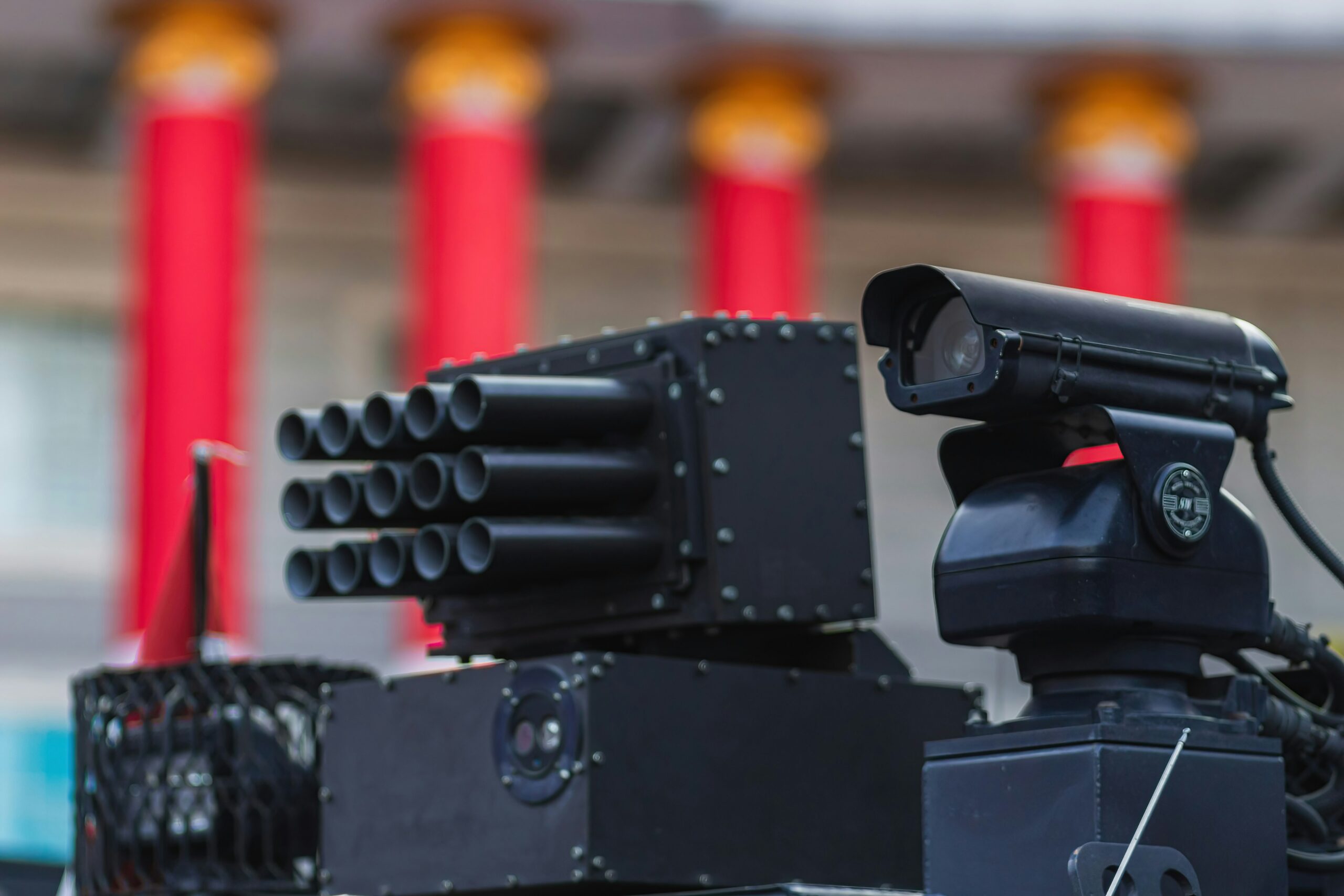
Robotics and Physical AI Addressing Key Physical Security Challenges in 2026
In 2026, over $23 billion has been invested in enhancing the integration of robotics and artificial intelligence for physical security. This investment aims to address the increasing complexity of threats against critical infrastructure, such as data centers and manufacturing plants. The adaptive capabilities of these technologies are essential for organizations to protect their assets effectively. The intersection of cybersecurity and physical protection presents new challenges, as demonstrated by the Jaguar Land Rover incident, where cyber breaches led to significant operational disruptions. Organizations must adapt to a rapidly changing security landscape, where legacy systems can exacerbate vulnerabilities. The need for proactive security measures is more pressing than ever, particularly in critical industries. At GTC Taipei 2025, companies like Foxlink showcased innovations such as the “robot dog,” designed to enhance physical security through adaptive functions and smart sensors. This technology represents a shift towards a more proactive security environment, enabling organizations to respond to complex threats effectively. No further timeline was disclosed at the time of publication.
Artificial Intelligence Artificial Intelligence / Cognition Automotive Autonomous Mobile Robots (AMRs) Cameras / Imaging / Vision Manufacturing
Safety Considerations Will Shape the Future of Humanoid Robots
In a recent discussion, Rick Balzano, Vice President of Go-to-Market for AI Services, Safety and Robotics at TaskUs, highlighted the critical work required to make humanoid robots reliable. He emphasized that unlike large language models, which operate on digital data, humanoid robots must navigate and interact with the physical world, necessitating extensive real-world data collection and validation. Balzano pointed out that while humanoid robots are often marketed as versatile workers, they currently remain highly specialized machines disguised in human-like forms. He noted that significant advancements have been made in areas such as locomotion and perception, but the gap between demonstration and real-world application is substantial, often involving controlled environments and remote assistance. Looking ahead, the industry must focus on bridging this gap to enhance the reliability of humanoid robots. Balzano's insights underscore the importance of safety and data integrity in developing robots that can operate effectively in diverse environments. No further timeline was disclosed at the time of publication.
AI and Robotics Innovation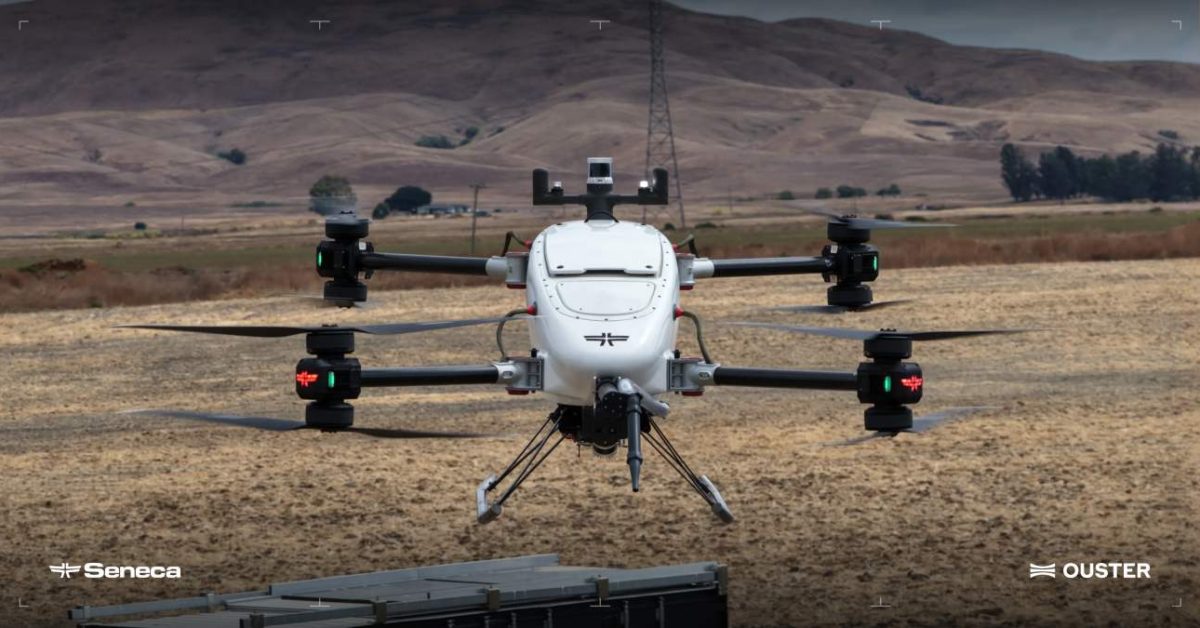
Ouster and Seneca Enhance Wildfire Drones with Advanced 3D LiDAR Technology
Ouster and Seneca have partnered to integrate Ouster’s Rev8 OS1 Max digital LiDAR into Seneca’s autonomous wildfire-response drones. This collaboration aims to enhance the drones' ability to perceive and navigate challenging environments, particularly during wildfires where visibility is often compromised. The integration of LiDAR technology allows Seneca's drones to create detailed 3D representations of their surroundings, improving their operational capabilities in various missions such as cargo delivery, terrain mapping, and infrastructure inspection. The Rev8 OS1 Max sensor, known for its high resolution and range, provides critical information for obstacle detection and flight path adjustments, essential for safe autonomous operations. As the demand for autonomous aircraft in emergency response grows, the partnership underscores the importance of advanced perception systems in ensuring safety and efficiency. No further timeline was disclosed at the time of publication.
News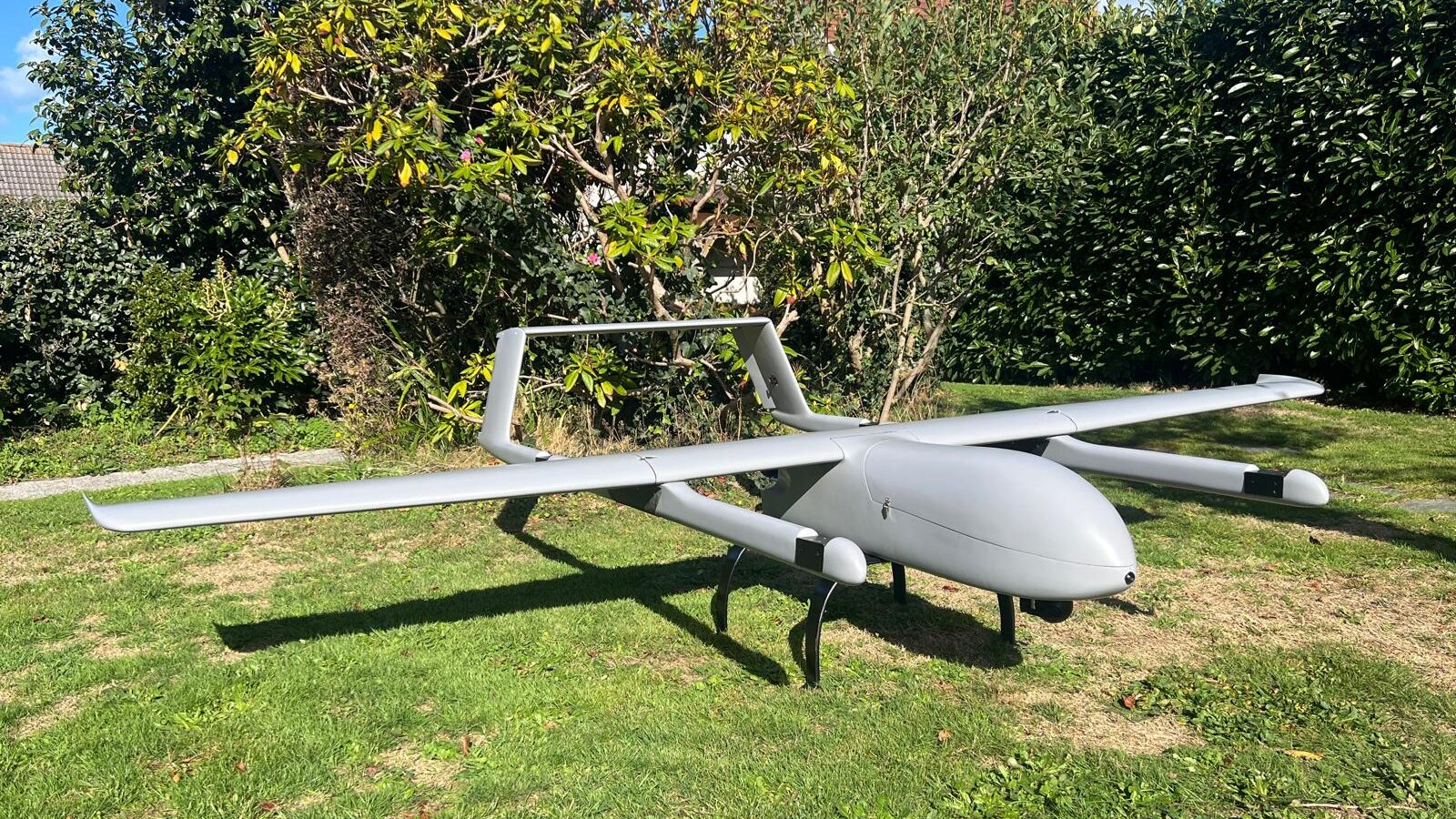
Ballistic Defense System Develops GPS-Free UAV Prototype Matador for Precision Operations
Moroccan startup Ballistic Defense System has unveiled its prototype unmanned aerial vehicle (UAV), named Matador, which operates without GPS. Instead, it utilizes cameras and advanced algorithms for navigation, enhancing its effectiveness in regions where GPS signals may be compromised. Co-founder Fahd Laamoumi emphasized the importance of the software layer, which includes visual inertial odometry and map matching agents, all coordinated by a Kalman filter for decision-making. The development of Matador, which began in December 2023, was completed in 18 months with an investment of $1.15 million from its founders. This UAV is designed as a one-way attack drone, offering advantages in sovereignty and precision, particularly in conflict zones where GPS jamming is prevalent. The prototype features a four-meter wingspan and a range of 250 km, with plans for a larger airframe to extend its range to 2,000 km. Ballistic Defense System is currently testing the Matador and is in discussions with the Moroccan army for potential procurement. The company has also received interest from two Gulf nations for demonstrations, which may include technology transfer and production collaboration. No further timeline was disclosed at the time of publication.
Air Warfare Global Land Warfare Agentic AI Air Force algorithms
Exploring the Impact of Manipulated Inputs on Robot Safety Functions
VicOne LAB R7 investigates how manipulated inputs can affect robot behavior and safety. Mobile robots, collaborative arms, and humanoids rely on accurate environmental data to function safely. When inputs are incorrect, whether due to faults or deliberate manipulation, robots may respond inappropriately, raising concerns about safety protocols. Understanding the implications of these findings is crucial for safety and security teams. Research indicates that adversarial inputs can lead to unintended robot actions, as demonstrated in various tests involving vision-language-action models and audio manipulation. These studies highlight the need for robust safety assessments that account for both accidental faults and deliberate cyber threats. Looking ahead, organizations must evaluate their safety measures to ensure they can detect manipulated inputs effectively. The potential for attackers to exploit vulnerabilities in robot systems necessitates a reevaluation of risk assessments and safety protocols. No further timeline was disclosed at the time of publication.
Sponsored Content VicOne
WRC 2026 Robot Systems: 149 Companies That Build Robots
149 of the 248 classified WRC 2026 exhibitors build finished robots. 93 build humanoid or legged machines. The audited humanoid sales number is one unit.

ROBOTTODAY Weekly July 20 – 24, 2026
Your weekly robotics briefing: AGIBOT unveils four new robots at WAIC 2026, the NDAA bars Chinese humanoids from the U.S. military, SoftBank eyes Gravis Robotics for its Roze vehicle, and Anduril reveals its Thunder autonomous attack tiltrotor at Farnborough.
Leaps By Bayer Invests in Sabanto to Enhance Agricultural Autonomy Solutions
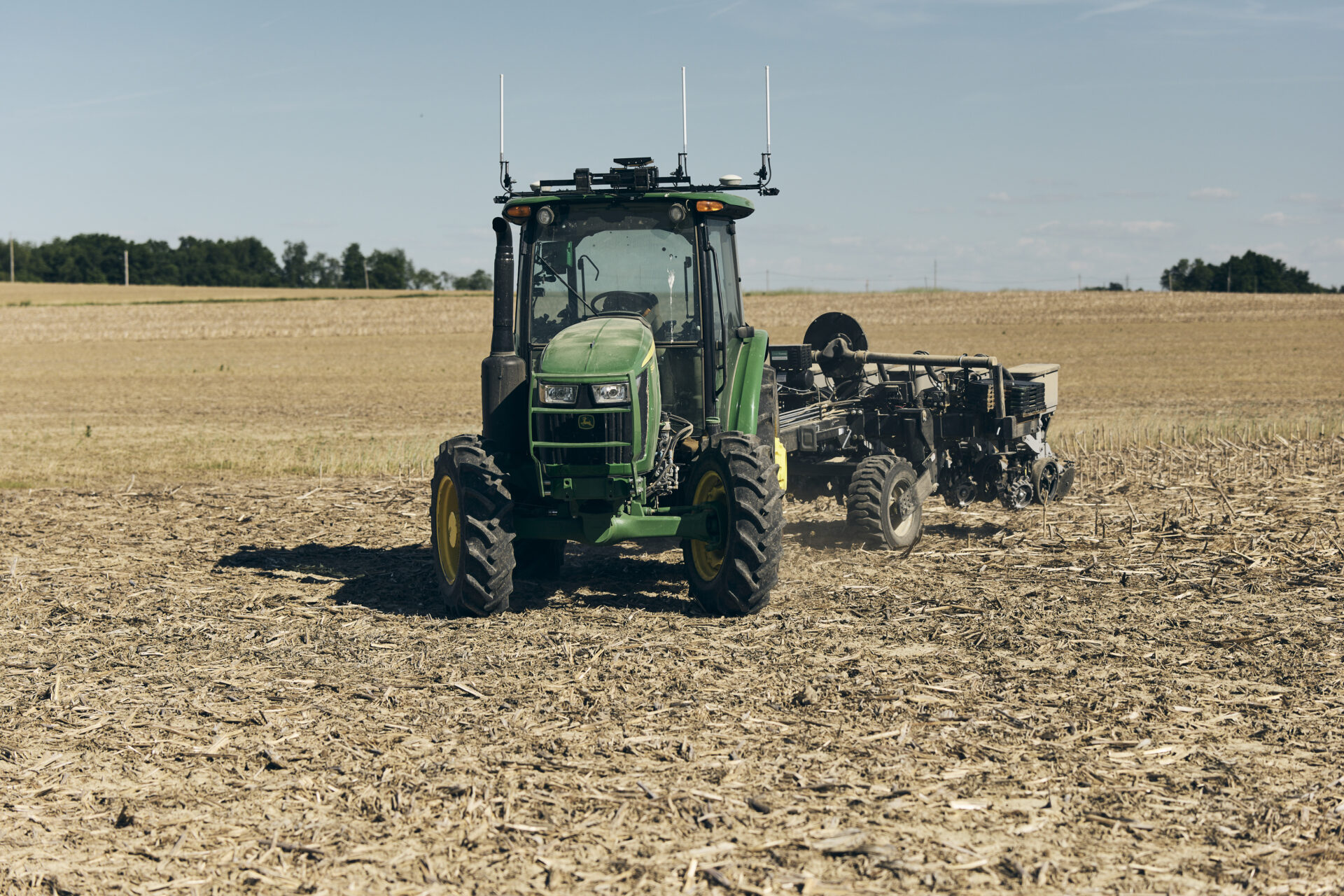
Sabanto, known for its autonomy retrofit system for agriculture, has successfully completed an oversubscribed Series B funding round aimed at expanding practical autonomy in farming. Founder and CEO Craig Rupp emphasized that their approach focuses on reducing capital investment by enabling farmers to utilize smaller, lower-cost autonomous tractors instead of investing in larger machinery. The significance of this funding round, led by Leaps by Bayer, lies in its potential to transform agricultural practices by making autonomy more accessible to farmers. By retrofitting existing tractors with advanced technology, Sabanto aims to lower the costs associated with adopting autonomous systems while enhancing productivity through continuous operation. This approach addresses the financial constraints many farmers face, as highlighted by Rupp and Paimun Amini from Leaps By Bayer. Looking ahead, Sabanto's partnership with Verdant Robotics to integrate precision agriculture applications could further streamline farming operations. The company has already established deployments in the United States and Australia, indicating a solid understanding of market needs. No further timeline was disclosed at the time of publication.
Agtech Artificial intelligence Deeptech Investing Precision agriculture Startups & funding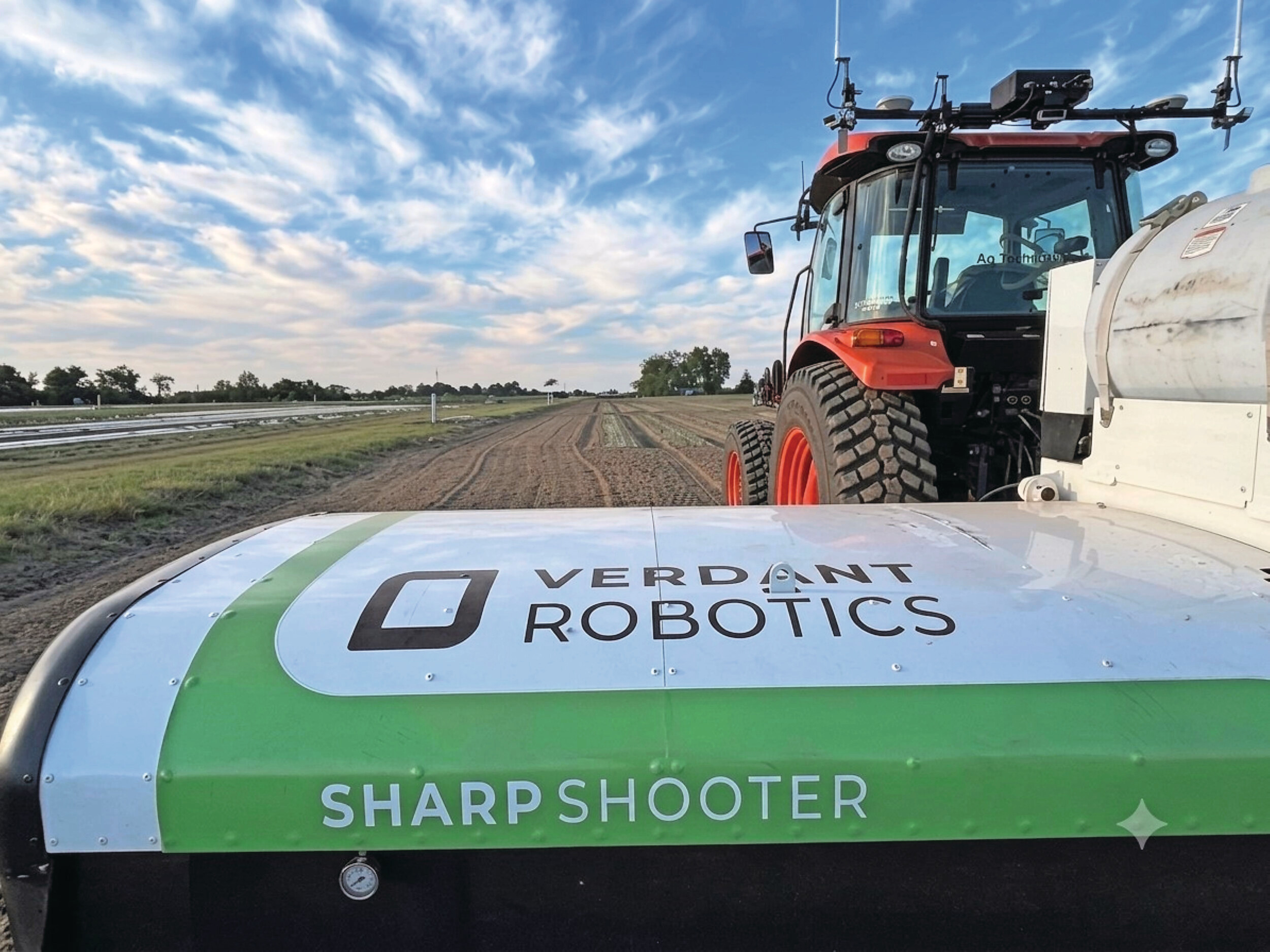
Sabanto and Verdant Robotics integrate autonomy and precision application systems
U.S. companies Sabanto Inc. and Verdant Robotics have announced a groundbreaking integration of their systems, marking a significant advancement in agricultural automation. This collaboration allows producers to automate various fieldwork tasks, including navigation and plant-level input application, without the need for an operator present in the cab. The integration aims to enhance efficiency and productivity in farming operations, responding to the growing demand for innovative agricultural solutions. By leveraging advanced technology, both companies are paving the way for a new era of autonomous farming, which could transform traditional practices and address labor shortages in the industry.
Autonomous/semi-autosteering systems autonomous farm equipment autonomous tractors crop management systems retrofit kits
Sabanto Inc. and Verdant Robotics Announce Technical Integration of Autonomous Tractor Operation with SharpShooter Plant-Level Precision Application
A new integrated solution has been developed that combines two systems, allowing for fully autonomous field work in agriculture. This innovation enables tasks ranging from navigation to plant-level application to be performed without the need for an operator in the cab. The advancement represents a significant leap in agricultural technology, streamlining operations and enhancing efficiency in the field. The system is designed to operate seamlessly, reflecting the latest advancements in automation and data integration. This development is expected to transform farming practices, reducing labor costs and increasing productivity.

FUTURE WARFARE | The Geopolitical Competitive Landscape
Military robotics is no longer a U.S.-centric story. Global defence spending crossed $2.75 trillion in 2026; defence-tech VC hit a record $49.1 billion in 2025; and a multipolar robotics order is crystallising in real time — with China’s 15th Five-Year Plan institutionalising civil-military fusion, Europe’s €381 billion defence budget financing its own AI champions, and Turkey and Israel reshaping the export market with affordable, combat-proven systems. Part Five of the Future Warfare Series maps the country-by-country competitive landscape, the collapsing regulation race, and the investment forces reshaping who builds — and who controls — the autonomous weapons of the next decade.
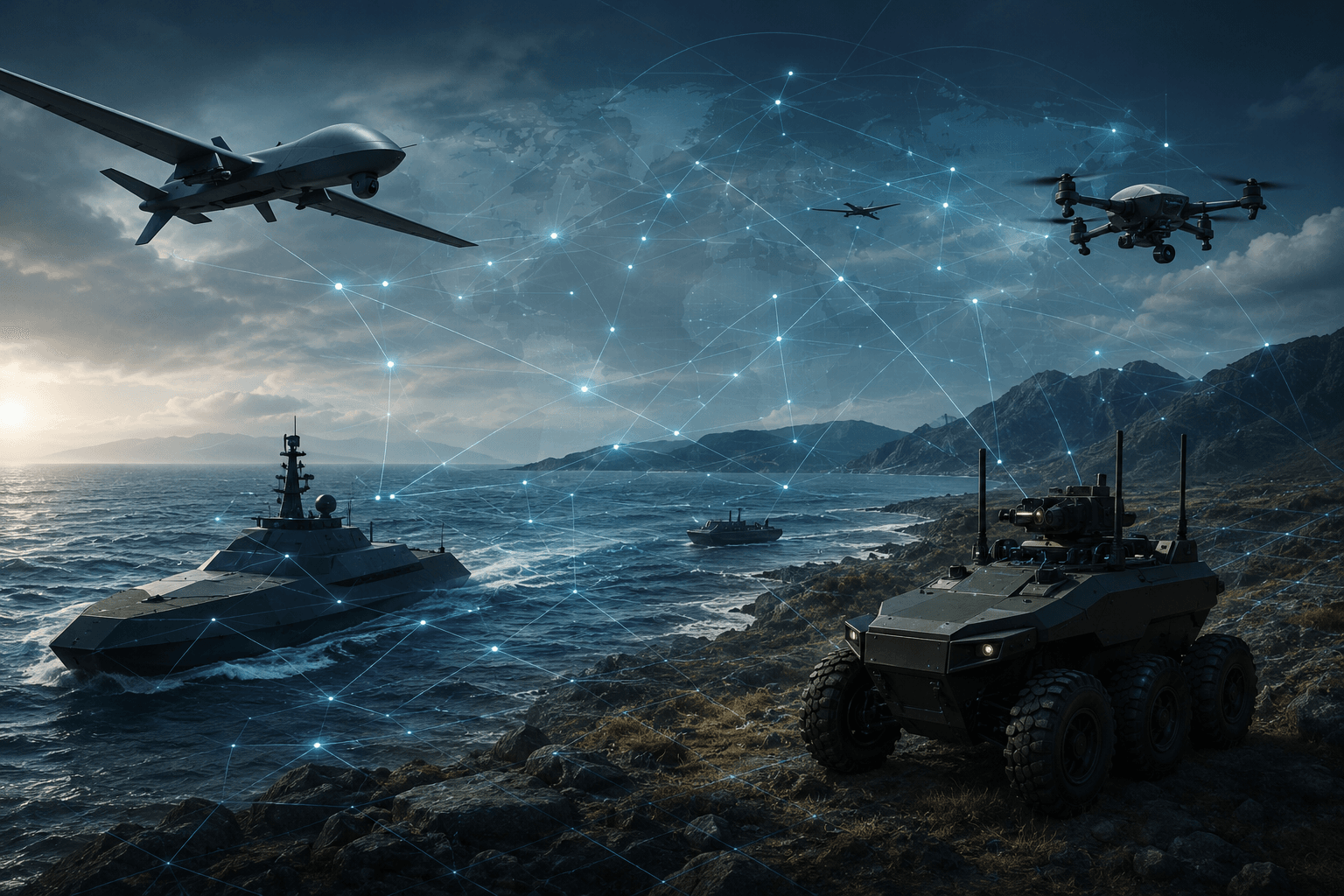
FUTURE WARFARE | Cross-Domain Integration - Integration How Land, Sea, Air and Software Are Converging Into a Single Kill Chain
Cross-domain robotics is reshaping modern warfare as drones, UGVs, AI targeting systems, and autonomous logistics converge into a single networked kill chain across land, sea, air, and software.
AGRICULTURAL ROBOTICS SERIES — Company Directory 2026
Access the definitive 2026 directory of 150+ agricultural robotics companies. A comprehensive reference guide covering autonomous tractors, harvest automation, precision weeding, and AI data platforms across the global agtech ecosystem.

GLOBAL ROBOTICS INDUSTRY Comprehensive Sector Overview
A comprehensive global robotics industry overview for 2025, analyzing 14 key market segments — from industrial and humanoid robots to logistics AMRs, military systems, and service robots — with expert market sizing, US case studies, five-year forecasts, and bilingual English-Chinese analysis for executives and investors.
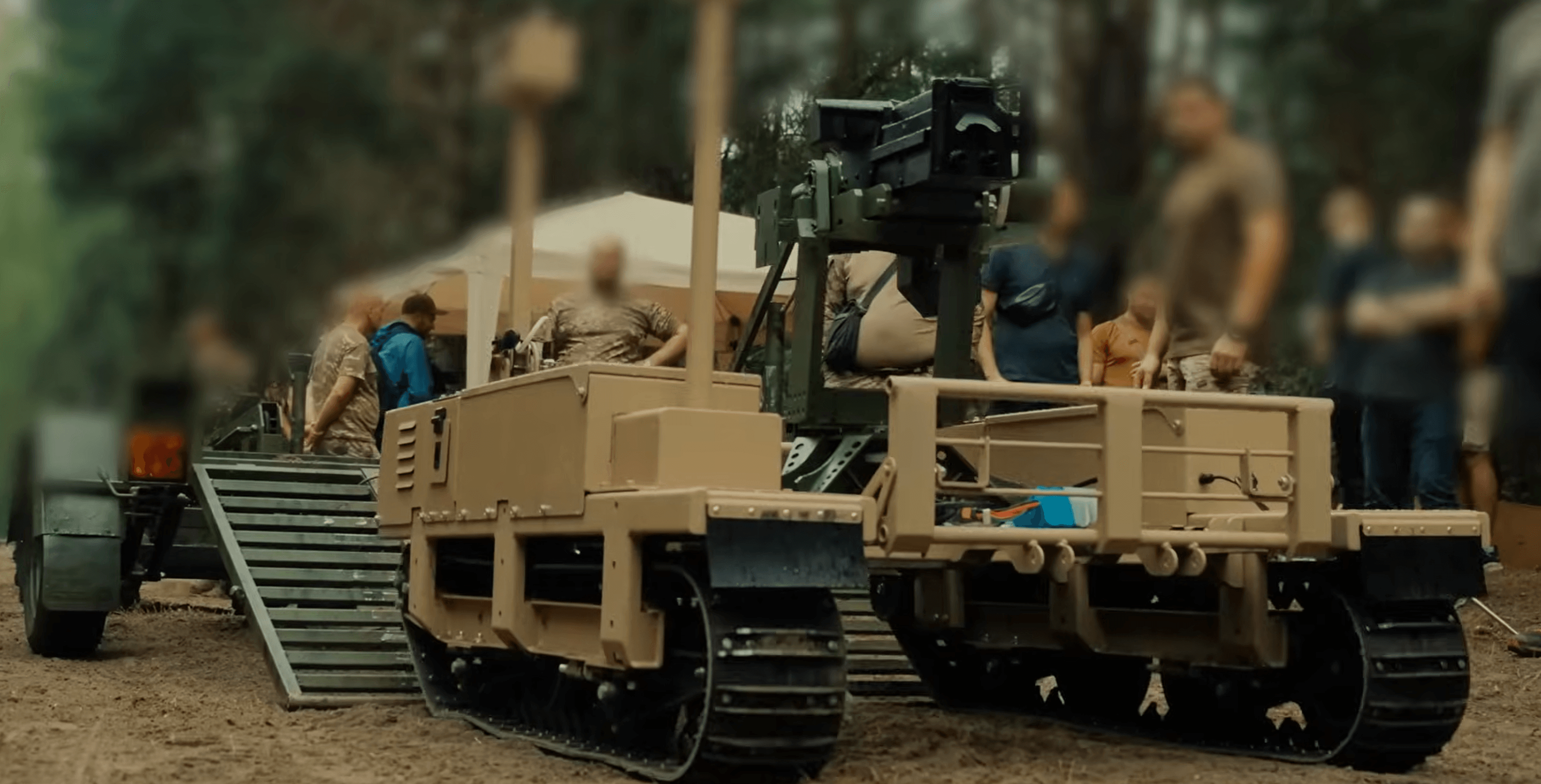
FUTURE WARFARE | Land - Unmanned Ground Vehicles — From Logistics Mules to Front-Line Robots
Ukraine fielded 15,000 unmanned ground vehicles in 2025 — surpassing its own procurement targets by over 100 percent. A single UGV held a front-line position for 45 days. Up to 90 percent of supplies to Pokrovsk now move by robot, not truck. The U.S. Army cancelled its $3 million Robotic Combat Vehicle and is starting over. China is deploying $3,000 robot dogs in PLA urban-warfare exercises. This article maps the emerging UGV battlefield — from Ukraine’s garage-built logistics fleet to the Pentagon’s stalled combat-vehicle ambitions, and from Ghost Robotics’ Vision 60 to the quadruped proliferation problem no treaty has yet addressed.

EU Bets €1.5B on Drones and AI: Inside EDIP's 2026–2027 Defence Industry Programme
The EU's €1.47 billion European Defence Industry Programme (EDIP) 2026–2027 targets drones, counter-UxS systems, AI-enabled autonomy, and loitering munitions across six major funding calls — allocating over €232 million directly to unmanned systems and related electronics supply chains.
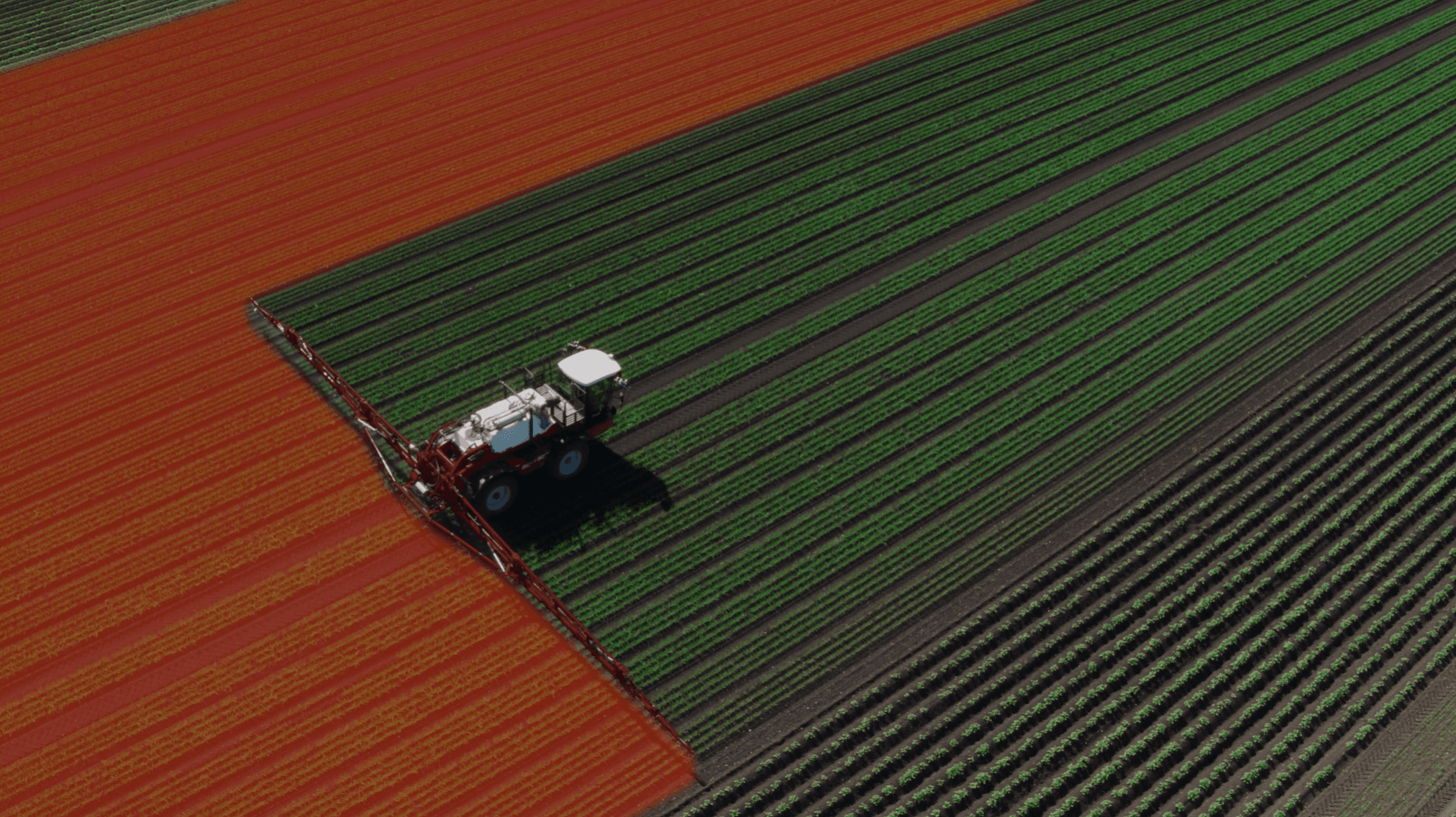
AGRICULTURAL ROBOTICS | $34B Weeding Robot Market
Weeding & crop management robots target a $34–42B herbicide market. Deep-dive on Carbon Robotics, Ecorobotix, Verdant, FarmWise, and the four tech platforms reshaping chemical-free farming by 2030.

Robotics Innovator Lens Unveils Ambitious Production Goals Amid AI Surge
LENS sets bold production targets as AI-augmented robotics demand soars, promising high-volume manufacturing and next-gen automation tech.


