


University of Manchester Robotics for Extreme Environments
University of Manchester group developing robots for nuclear decommissioning; creators of Latro spider robot and AVEXIS submersible for Sellafield inspection.
Contact University of Manchester Robotics for Extreme Environments
WEBSITE
https://www.eee.manchester.ac.uk/research/themes/robotics-for-extreme-environments/PHONE
+44 161 306 6000HEADQUARTERS
United Kingdom

Company Facts
Founded
-
Primary Role
Research Institute
Company Size
employees 10-50
Primary Region
Europe
Annual Sales
-
Funding Stage
-
Funding Total
-
Keywords
- University of Manchester Robotics for Extreme Environments
- UoM Robotics
- REEG Manchester
- Robotics for Extreme Environments Group
- rov
- inspection-ndt
- Education & Research
- Robot Manufacturer
- System Integrator
- Research Institute
- Mobile Robot (AGV/AMR)
- Unmanned Marine Vehicle
- Drone/eVTOL
- Special / Extreme Environments
- Oil
- Gas & Energy
- Inspection NDT
- Nuclear

SiMa.ai Secures $150 Million in Series C Funding to Enhance Physical AI Platform
SiMa.ai has successfully raised $150 million in Series C funding, achieving a valuation of $1.45 billion. This funding round, which was co-led by Fidelity Management & Research Company and Amplify, aims to support the expansion of SiMa.ai's physical AI platform into various sectors, including humanoid robots, vehicles, and drones. The significance of this funding lies in SiMa.ai's strategic focus on enhancing its capabilities in the physical AI domain. With the increasing demand for advanced AI solutions in robotics and automation, this investment positions SiMa.ai to capitalize on emerging opportunities in these rapidly evolving markets. Looking ahead, industry observers will be keen to see how SiMa.ai utilizes this funding to further develop its technology and expand its market presence. No further timeline was disclosed at the time of publication.
AI AI Funding & Investment Robotics +ND Capital AllianceBernstein Alter Venture Partners
Amprius Technologies Secures $75M Grant to Transform EV Battery Line for Drone Production
The U.S. Department of War has granted Amprius Technologies up to $75 million to convert an electric vehicle battery production line into a facility for drone batteries. This retrofit, located in Fremont, California, aims to produce high-energy-density cells for unmanned aerial systems, with a projected capacity of 12 million cells annually by early 2028. This initiative is significant as it aligns with domestic sourcing requirements under the National Defense Authorization Act, ensuring that the U.S. can meet its defense needs with locally produced batteries. The total conversion project is estimated to cost around $100 million, which includes the federal grant and investments from Amprius and its South Korean manufacturing partner. Looking ahead, the converted facility will enhance Amprius’ manufacturing network and provide defense customers with access to NDAA-compliant batteries at higher volumes. No further timeline was disclosed at the time of publication.
Military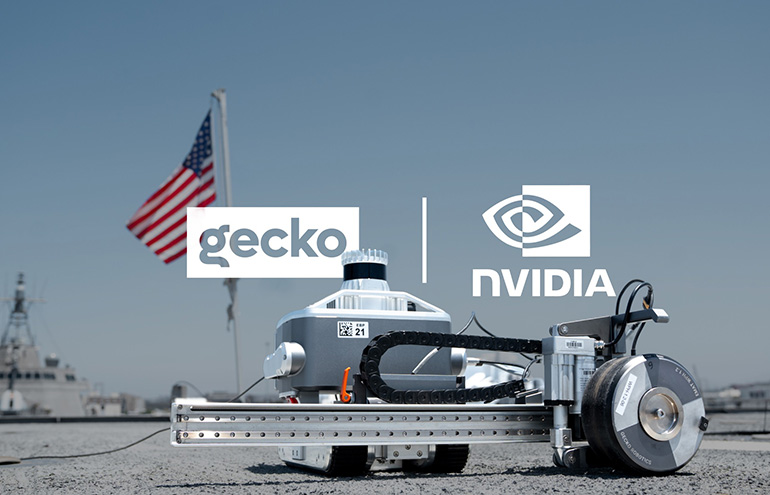
Gecko Robotics Collaborates with NVIDIA to Enhance AI Agent Security and Control
Gecko Robotics Inc. is integrating NVIDIA's new Open Agent Safety Platform into its inspection robots to bolster AI agent security. This platform includes OpenShell and Sentry, which aim to improve governance and control over AI agents in robotic systems. Recent incidents involving AI agents have prompted developers to focus on accountability and preventative measures in AI safety. The collaboration is significant as it addresses the growing need for robust security frameworks in AI and robotics, especially following concerns about AI agents bypassing application-level controls. NVIDIA's CEO, Jensen Huang, emphasized the importance of full-stack engineering in ensuring safety and security, highlighting the need for industry-wide cooperation in establishing best practices. Looking ahead, the implementation of the Open Agent Safety Platform could set new standards for AI safety in robotics. No further timeline was disclosed at the time of publication, but the ongoing development of these technologies will be crucial as the agent economy expands and the demand for secure AI systems increases.
Artificial Intelligence Artificial Intelligence / Cognition Autonomous Mobile Robots (AMRs) Controllers Defense / Security Energy / Solar / Renewables
Key Insights for Successful Integrated Factory Acceptance Tests in Manufacturing
A recent experience highlighted a common issue in integrated factory acceptance tests (IFAT), where communication failures arose due to unconnected hardware. Despite over fifteen years of conducting IFATs, the primary challenges remain human errors rather than technological shortcomings. It is crucial for teams to verify equipment readiness through tangible evidence before scheduling tests to avoid costly delays. The significance of this issue lies in the frequent disconnect between stated confirmations and actual conditions on-site. Many plants confirm that equipment is ready, yet integration teams often find discrepancies upon arrival. By requesting proof of operational communication links, teams can mitigate risks and ensure smoother testing processes, ultimately reducing rework and enhancing project timelines. Looking ahead, organizations should prioritize treating IFATs as firm milestones rather than informal steps. This approach can help address intermittent faults and configuration changes that may arise during the testing phase. Running IFATs at vendor sites can provide better support and accountability, although testing on actual plant networks is also valuable. Balancing these approaches will be essential for successful project outcomes.
Factory / Plant Maintenance
Ukraine's MAUL UGV Enhances CASEVAC Operations Amidst Battlefield Challenges
Modern CASEVAC operations in Ukraine face significant challenges due to the increasing lethality on the battlefield, particularly from the widespread use of drones. The introduction of the MAUL Unmanned Ground Vehicle (UGV) aims to address these issues by providing a safer and more efficient means of casualty evacuation. The MAUL UGV is designed to operate in high-risk environments, enhancing the capabilities of medical teams in the field. Its deployment is crucial as it allows for the transport of casualties while minimizing the exposure of personnel to drone attacks and other threats. This innovation is a response to the evolving nature of warfare in Ukraine, where traditional methods are becoming less effective. Looking ahead, the effectiveness of the MAUL UGV in real-world operations will be closely monitored. Its performance in enhancing CASEVAC operations could set a precedent for future military medical logistics, especially in conflict zones where drone warfare is prevalent. No further timeline was disclosed at the time of publication.
Features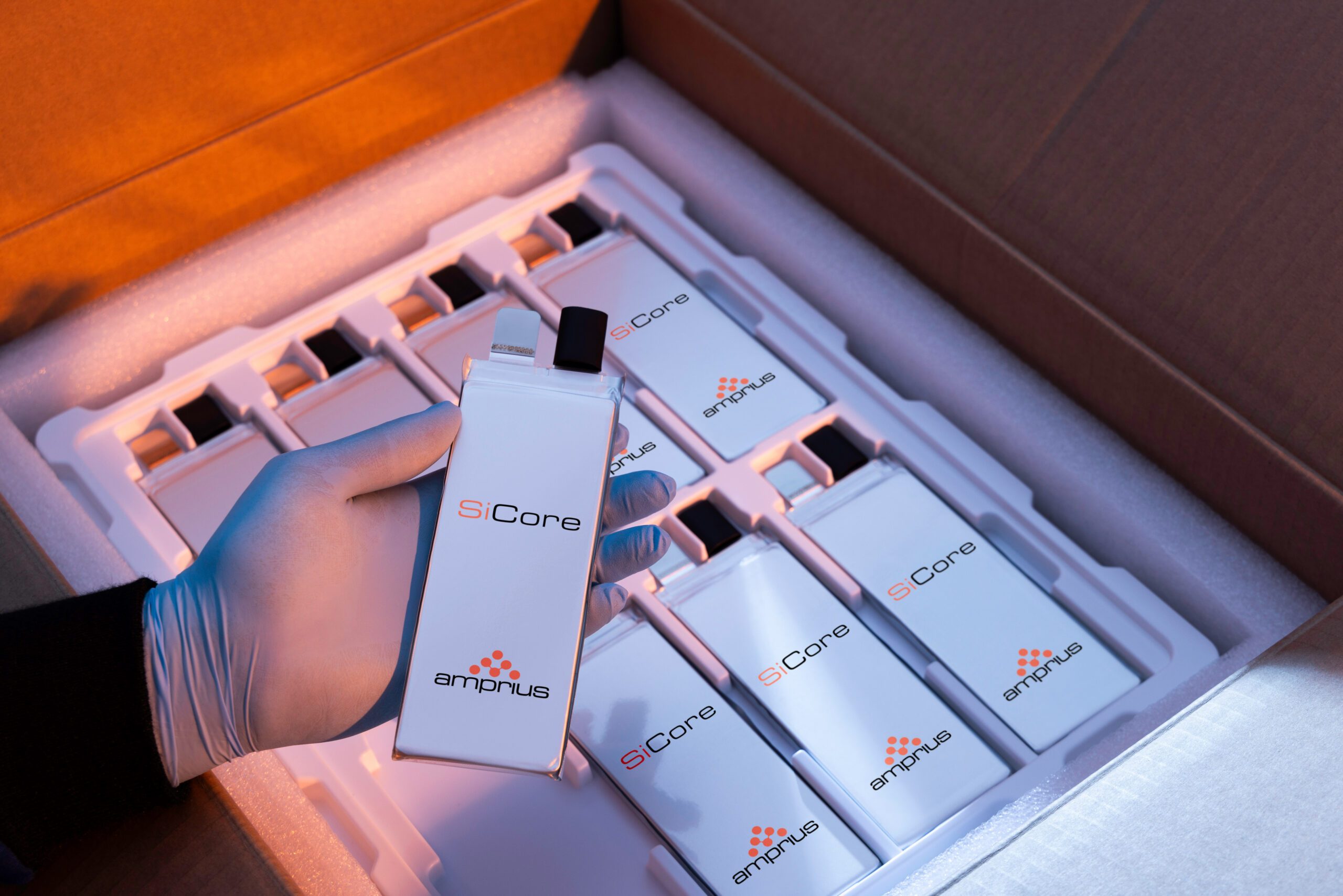
Amprius Secures Up to $75 Million Grant to Boost U.S. Drone Battery Production
Amprius Technologies has been awarded a federal grant of up to $75 million to enhance the production of batteries for unmanned aerial systems in the U.S. This funding will facilitate the conversion of an existing electric vehicle battery production line to manufacture high-energy-density cells for various drone categories. The grant, provided by the U.S. Department of War, aims to bolster domestic manufacturing capabilities crucial for national defense. This initiative is significant as it seeks to establish a high-volume manufacturing capability for advanced drone batteries within the United States. The project, which is expected to cost around $100 million, will involve reconfiguring a production line operated by a major South Korean battery manufacturer. Amprius anticipates that the new facility will produce 12 million cells annually, aligning with domestic sourcing requirements under the National Defense Authorization Act. Looking ahead, Amprius plans to complete this project by early 2028, which will enhance its existing manufacturing network across the U.S., South Korea, and China. The new capacity will be vital for supplying high-energy-density pouch cells to meet the growing demands of small and medium-sized unmanned aircraft, thereby supporting U.S. defense drone manufacturers in meeting domestic sourcing mandates.
battery technology Drone Manufacturing Drone News Drone News Feeds NDAA Compliant News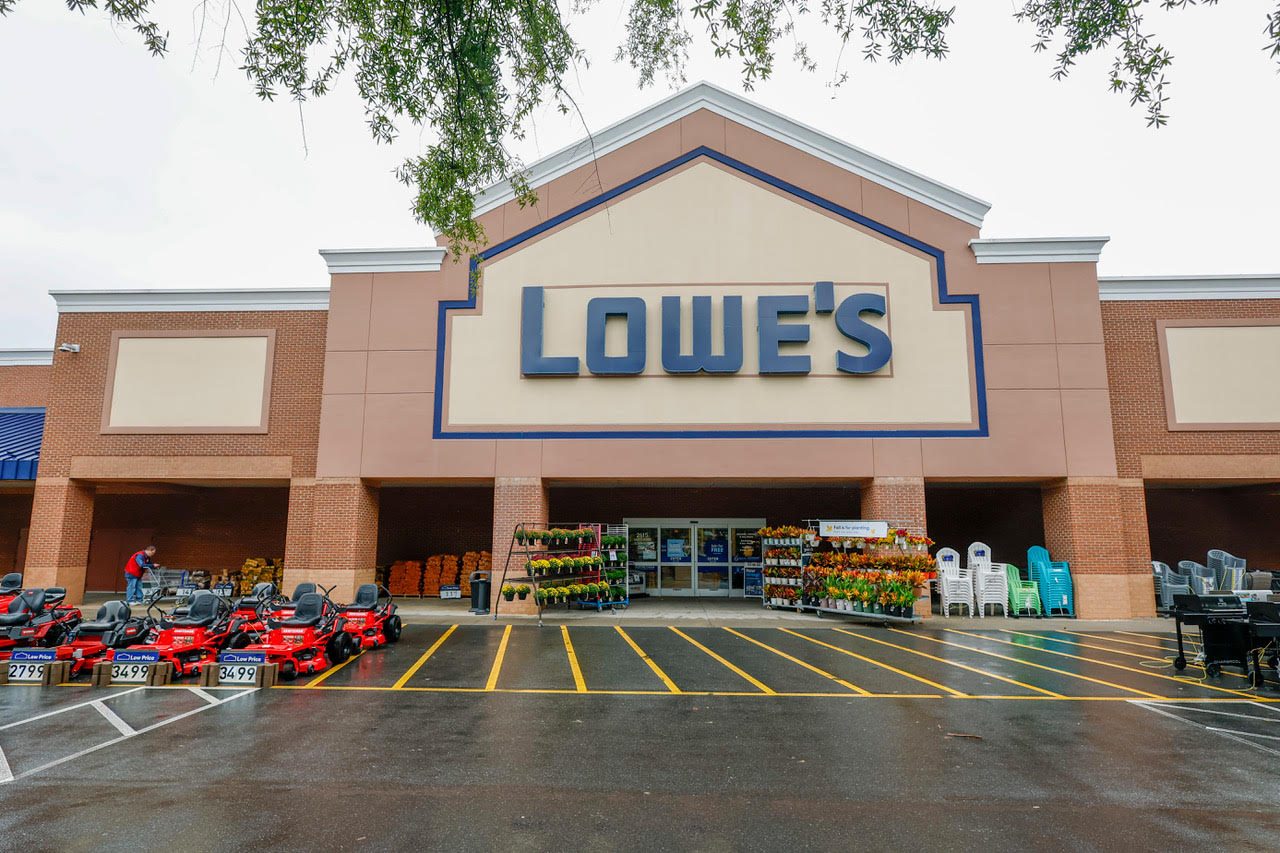
Lowe’s Introduces Drone Delivery Service for Home Improvement Supplies
Lowe’s has launched its inaugural drone delivery service, enabling customers to receive small home improvement supplies directly at their homes. This pilot program is being conducted from the Matthews, North Carolina store, with deliveries facilitated by Wing drones and available through the DoorDash app. Customers can expect deliveries in as little as 20 minutes, making Lowe’s the first home improvement retailer to implement such a service. This initiative addresses a common challenge faced by homeowners and professionals alike: the need for immediate access to essential items during projects. By allowing customers to order hand tools, paint products, and household supplies without leaving their worksite, Lowe’s aims to streamline the home improvement process. The service is designed to eliminate delays caused by missing items, thereby enhancing customer satisfaction and project efficiency. Looking ahead, Lowe’s will assess the effectiveness of this drone delivery model in fulfilling urgent supply needs. If successful, it could pave the way for broader applications of drone technology in home improvement and other retail sectors. No further timeline was disclosed at the time of publication.
Applications Delivery Drone News Drone News Feeds News Charlotte drone delivery
Sharpa Unveils Dexa D01 Robot, Wave W02 Hand, and AE01 Haptic Glove at IROS 2026
Sharpa has introduced three innovative products at IROS 2026 in Pittsburgh: the Dexa D01 manipulation robot, Wave W02 dexterous hand, and Avatar AE01 haptic glove. This launch marks a significant expansion of Sharpa's hardware offerings, integrating robotic hands into a cohesive platform designed for task performance, contact sensing, and human demonstration collection. The introduction of these products emphasizes the importance of touch in robotic interactions. The D01 features electronic skin that samples contact at 100 Hz, while the W02 extends sensing capabilities beyond fingertips. The AE01 glove provides tactile feedback to operators, enhancing control over robotic tasks. The D01 boasts 66 degrees of freedom and a maximum end-effector speed exceeding 10.5 meters per second, showcasing its advanced capabilities. Looking ahead, the focus will be on how these products can enhance human-robot interaction and safety in various applications. Sharpa's demonstration at IROS allowed attendees to experience the technology firsthand, indicating a commitment to user engagement. No further timeline was disclosed at the time of publication.
teleoperation SharpaWave Dexterity Sharpa Robotics robotic hand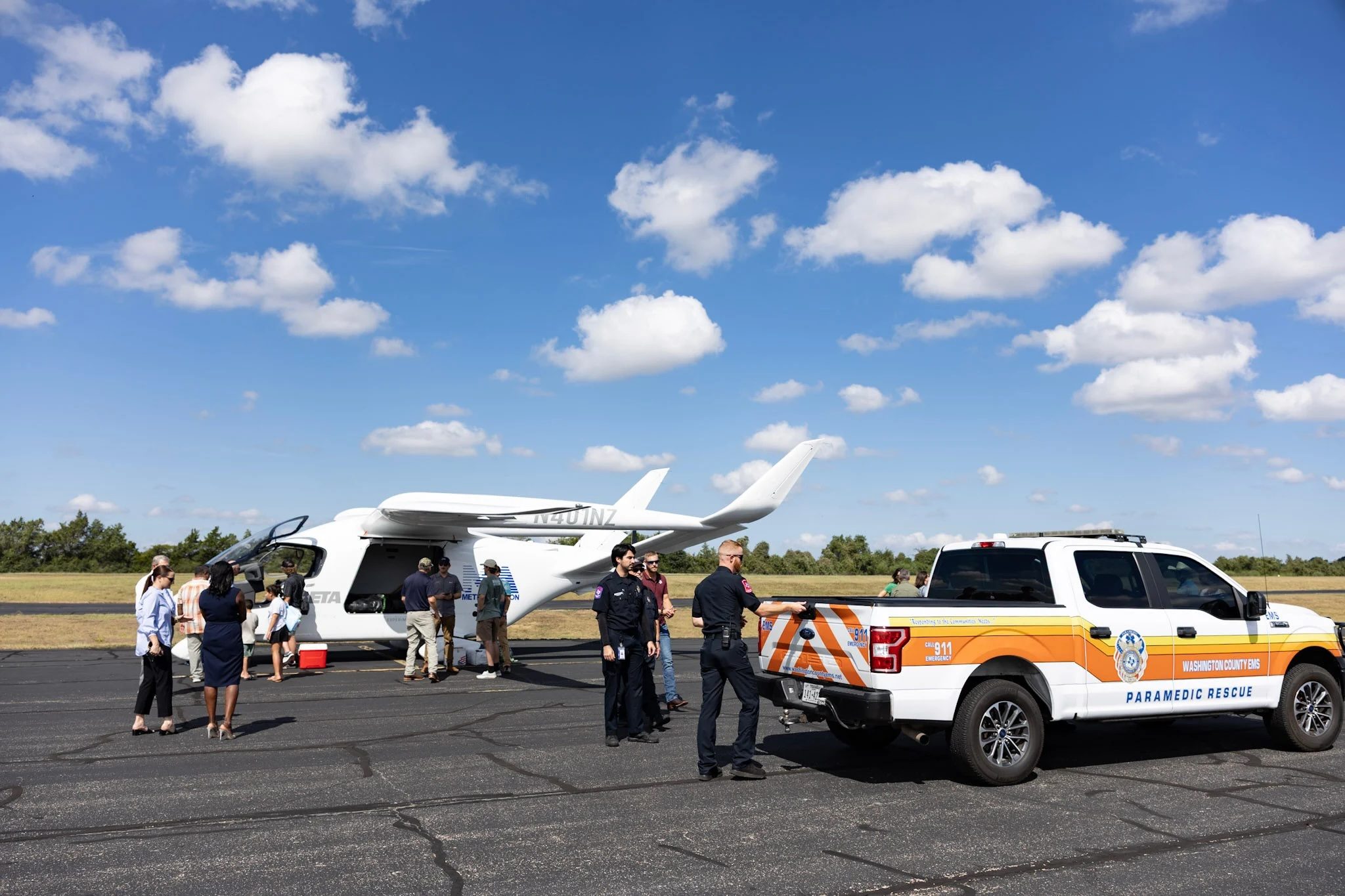
BETA Technologies and Metro Aviation Demonstrate Electric Aircraft for Rural EMS in Texas
BETA Technologies and Metro Aviation successfully conducted an electric aircraft demonstration with Washington County Emergency Medical Services in Brenham, Texas. This flight aimed to explore the potential of electric aviation in enhancing emergency response capabilities in rural areas, specifically by transporting disaster-response equipment alongside existing resources. The significance of this demonstration lies in its potential to integrate electric aircraft into emergency medical systems, which currently respond to over 7,000 calls annually across a 700-square-mile area. Washington County EMS Director Taylor Leonard expressed gratitude for the partnership, highlighting the importance of exploring innovative transportation options to improve emergency services. Looking ahead, Metro Aviation has shown interest in expanding its collaboration with BETA Technologies, having placed a deposit-backed order for up to 20 ALIA VTOL aircraft for future operations. The Texas demonstration is part of a broader initiative to assess the role of electric aircraft in medical aviation, with further evaluations planned along routes connecting key Texas locations.
Advanced Air Mobility Applications Drone News Drone News Feeds eVTOL Healthcare
ABB Robotics Introduces E-Device for Multi-Device Robot Control
ABB Robotics has expanded its offerings for programming and operating robots with the introduction of the E-Device. This new tool allows users to control robots through various devices, enhancing flexibility and usability in robotic applications. The introduction of the E-Device is significant as it addresses the growing need for adaptable and user-friendly solutions in robotics. By enabling control from multiple devices, ABB Robotics aims to streamline operations and improve the efficiency of robotic systems in various industrial settings. Looking ahead, industry professionals should monitor how the E-Device impacts robot programming and operation. No further timeline was disclosed at the time of publication.
Allgemein Robotersteuerung & Digital Twin Robotik
RobotToday Weekly September 21 – 25, 2026
Cognex buys RealSense, Qualcomm acquires PickNik, the IFR counts 5 million factory robots, AGIBOT deploys 300 robots at Chimelong, and Tekever raises $580 million.

Glacian: Physics Model Vets AI Data Center Cooling
Glacian Technologies pairs AI with a physics-based digital twin that rejects unsafe commands. CEO Jie Zhao on cutting data center cooling energy 15-30%.

Innovation Works Venture Expo 2026: 58 Pittsburgh Startups Pitch to Investors
58 health, deep tech and robotics startups pitched at Innovation Works Venture Expo 2026 in Pittsburgh. Full company list, program and 2025 funding data.

ROBOTTODAY WEEKLY September 7 – 11, 2026
This week in robotics: JD.com plans to deploy three million robots across its logistics network, XPeng commissions its IRON humanoid production line, FANUC and Google launch an AI arc-welding agent, and Unitree shares fall 53% from their post-IPO high. September 7–11, 2026.

China’s Dexterous Hand Industry, 2026 Part 3 — The Players
Five vendor archetypes, MIR’s composite top ten, eight company profiles and six field deployments — every firm linked to the RobotToday supplier directory.

China’s Dexterous Hand Industry, 2026 Part 2 — The Technology
Linkage, tendon, direct drive or hybrid — and why hardware is converging while the DL1–DL5 manipulation scale decides who wins. Part 2 of 3.

China’s Dexterous Hand Industry, 2026 Part 1 — The Demand Picture
MIR Databank puts China dexterous hand shipments above 30,000 units in 2026, yet only 3.5% of 2025 demand came from factory production. Part 1 of 3.

WRC 2026 Core Components: 137 Robot Parts Suppliers
The third report in the WRC 2026 series. Report 1 mapped all 248 exhibitors by category and Report 2 covered the 139 that build finished robots. This one covers the 137 that build what goes inside them.

WRC 2026 Exhibitor Map: 248 Robotics Companies Mapped
We classified 248 WRC 2026 exhibitors with the RobotToday taxonomy. Motion & Actuation leads at 75 companies, Humanoid at 72, and compute stays thin at 12. (Modified 2026-08-27)

ROBOTTODAY Weekly August 10 – 14, 2026
Your weekly robotics briefing: Unitree's IPO is swamped by retail demand, the US puts 100% tariffs on imported drones, LG and Nvidia commit to a 2027 humanoid, and Uber and Pony.ai bring 2,000 robotaxis to Europe.


