

The Mobile Robot Company
"The Future Drives Itself"
Danish startup founded by ex-MiR and Geekplus veterans, won a 2026 IFOY AWARD for its J1600 self-driving pallet jack.
Contact The Mobile Robot Company
WEBSITE
https://www.mobilerobot.com/PHONE
+45 88 10 90 12HEADQUARTERS
Denmark


Company Facts
Founded
-
Primary Role
Manufacturer
Company Size
employees 10-50
Primary Region
Europe
Annual Sales
-
Funding Stage
Subsidiary / Acquired
Funding Total
-
Certifications & Memberships

Supplier of Robot Vision Systems Goes Public; BYD Subsidiary Invests 100 Million HKD
A supplier of vision systems for sweeping robots has recently gone public, marking a significant milestone in the robotics industry. This development is noteworthy as it highlights the increasing demand for advanced robotic technologies, particularly in automation and cleaning applications. The investment from a BYD subsidiary, amounting to 100 million Hong Kong dollars, underscores the confidence in the growth potential of this sector. The public offering is expected to enhance the supplier's capabilities in developing innovative vision systems, which are critical for the functionality of sweeping robots. This move is significant as it reflects the broader trend of investment in robotics and automation technologies, which are becoming essential in various industries. The partnership with BYD, a major player in the automotive and technology sectors, could lead to further advancements in robotic applications. Looking ahead, industry stakeholders should monitor the supplier's progress post-IPO and the impact of the BYD investment on its growth trajectory. No further timeline was disclosed at the time of publication.
Robotics Automation AI
KargoBot Expands AI Freight Network in Ordos with Cabless Transport Robots
KargoBot is expanding its AI-driven freight network in Qipanjing, Ordos, incorporating a combination of manned trucks, cabbed autonomous trucks, and cabless robots. The company aims for a target gain exceeding 30 percent as it scales its operations. This initiative is significant as it represents KargoBot's commitment to integrating advanced technologies in freight transportation, enhancing efficiency and potentially reducing costs. The mixed fleet approach allows for greater flexibility in logistics, catering to varying freight demands. Looking ahead, industry observers will be keen to see how KargoBot's mixed freight network performs and whether it achieves its ambitious gain target. No further timeline was disclosed at the time of publication.

UBTECH Partners with FAW-Volkswagen to Enhance Humanoid Robots for Factory Logistics
UBTECH has announced a collaboration with FAW-Volkswagen to develop humanoid robots aimed at improving factory logistics. This partnership signifies a shift from traditional quality inspection roles to more dynamic applications within manufacturing environments. The collaboration is significant as it highlights the growing trend of integrating advanced robotics into factory operations, enhancing efficiency and productivity. By focusing on logistics, UBTECH and FAW-Volkswagen are addressing the evolving needs of the manufacturing sector, which increasingly relies on automation to streamline processes. Looking ahead, industry watchers should monitor the outcomes of this partnership, particularly how these humanoid robots will be integrated into existing workflows. No further timeline was disclosed at the time of publication.
Robotics Automation AI
Automotive Supply Chain and Robotics Share 60-70% Overlap, Yet Key Components Remain Fixed
Recent insights reveal that the automotive supply chain and robotics sectors overlap by 60-70%. This significant intersection highlights the potential for innovation and efficiency in both fields. However, it is noted that the most expensive components within these sectors cannot be easily relocated, posing challenges for integration. The overlap between automotive and robotics is crucial as it suggests opportunities for collaboration and technological advancements. Understanding this relationship can lead to improved supply chain strategies and enhanced robotic applications in automotive manufacturing. The inability to move costly components, however, raises concerns about flexibility and adaptability in these industries. Looking ahead, stakeholders should monitor developments in both sectors to identify potential synergies and innovations. No further timeline was disclosed at the time of publication, but ongoing research and advancements may provide insights into overcoming the challenges posed by immovable components in the automotive supply chain and robotics integration.
Robotics Automation AI
UBTECH and FAW-Volkswagen Collaborate on Humanoid Robots for Factory Logistics
UBTECH and FAW-Volkswagen have entered into a partnership to develop and test humanoid robots specifically for logistics applications. This initiative builds upon the successful deployment of the Walker S Lite robots, which were previously utilized for quality inspection at the Qingdao plant. The collaboration is significant as it marks a shift in the application of humanoid robotics from quality control to logistics, potentially enhancing operational efficiency within the manufacturing sector. By leveraging the capabilities of humanoid robots, both companies aim to streamline processes and improve productivity in factory environments. Looking ahead, industry observers will be keen to see how this partnership evolves and the impact of humanoid robots on logistics operations. No further timeline was disclosed at the time of publication.

IROS 2026 Best Paper Finalists: South Korea Leads
Ten papers made the IROS 2026 Best Paper and Best Student Paper shortlist, four from South Korea. What each one does and what it means for industry.
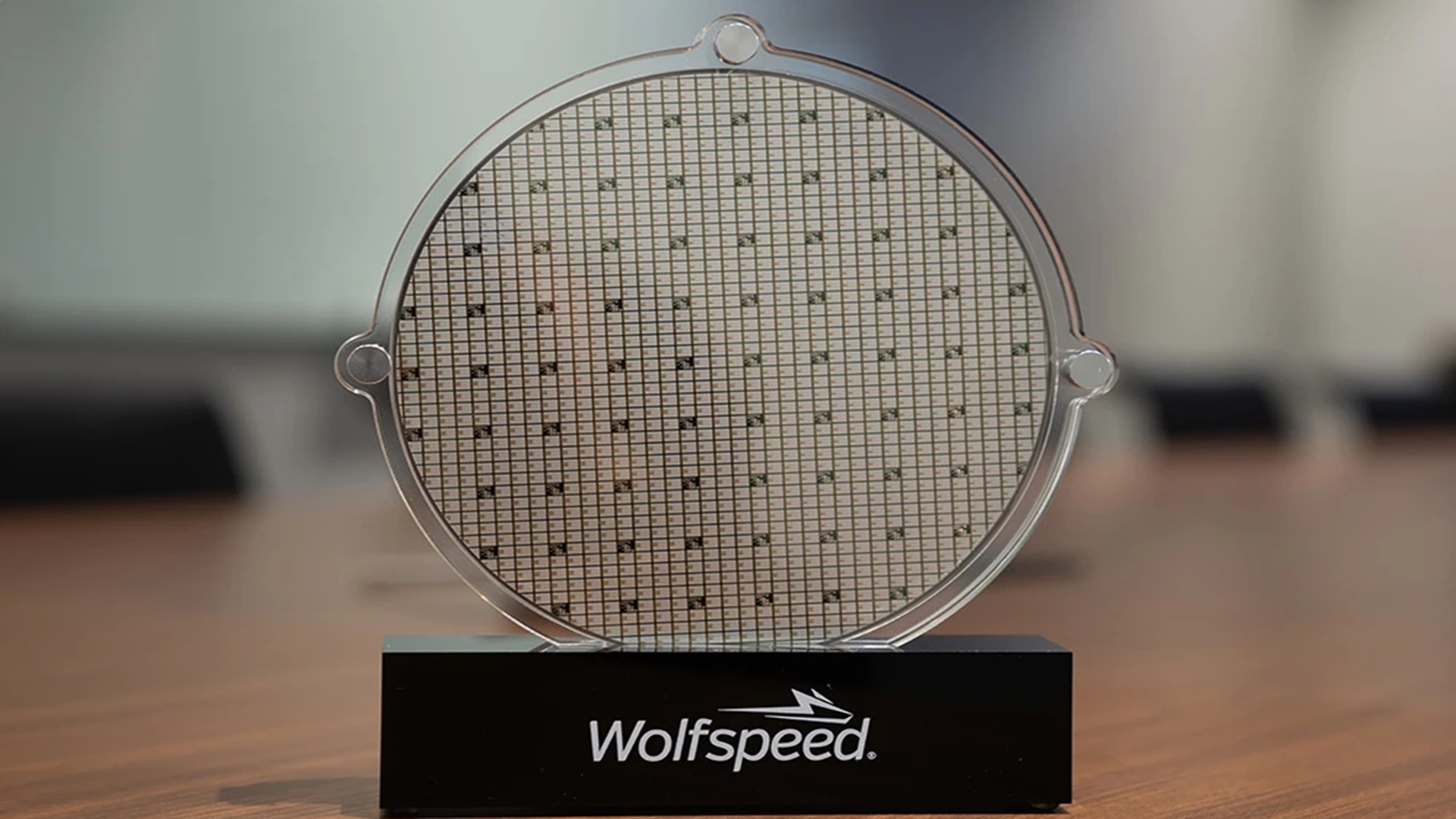
US Department of War Proposes $1.5 Billion Loan for Wolfspeed's Semiconductor Expansion
The US Department of War has proposed a conditional loan of up to $1.5 billion to Wolfspeed, a semiconductor manufacturer, to enhance domestic production of advanced chips utilized in drones, radar, and missile defense systems. This 30-year loan aims to support the development of silicon carbide (SiC) and gallium nitride (GaN) technologies, which are essential for high-performance power systems and radio-frequency electronics. This financing is significant as it will bolster domestic access to critical semiconductor materials, enhancing capabilities in propulsion systems, directed-energy weapons, and electronic warfare. Wolfspeed plans to upgrade its GaN manufacturing capabilities and develop radiation-resistant SiC products, which are crucial for defense and aerospace applications, particularly in harsh environments. Looking ahead, Wolfspeed's advancements in GaN-on-SiC wafer technology will be pivotal for powerful radar and communications systems. The proposed financing includes a potential equity component, allowing the Department of War to acquire up to 7.5 percent of Wolfspeed’s equity, structured as a senior secured loan facility to be drawn in stages. No further timeline was disclosed at the time of publication.
Military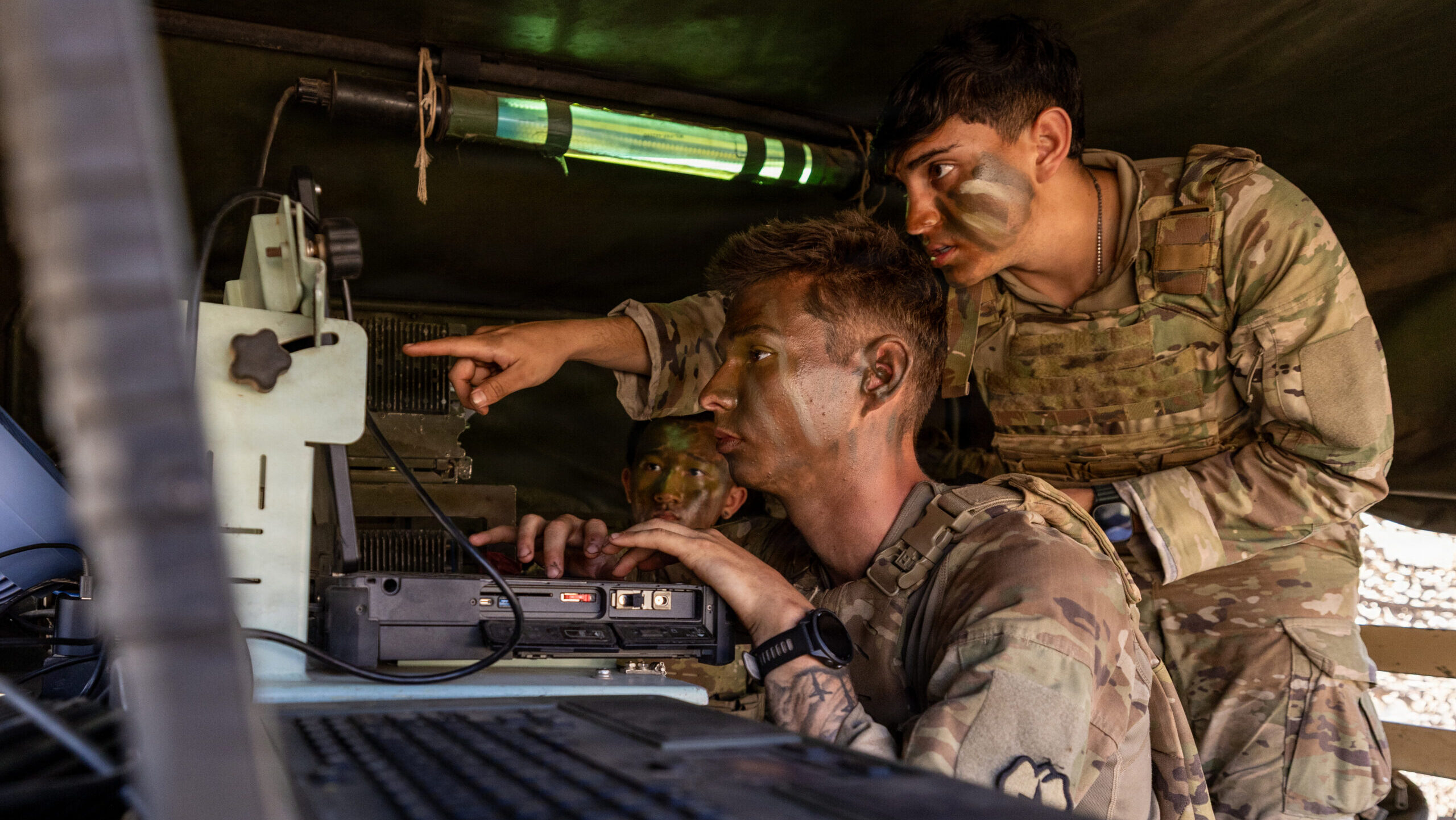
Army Awards Nearly $100M in Contracts for Next Generation Command and Control Applications
The Army has awarded contracts totaling approximately $93.6 million to nine companies for applications supporting the Next Generation Command and Control (NGC2) initiative. This effort aims to enhance technology deployment at the corps level, with General Dynamics Mission Systems, Air Space Intelligence Federal, and others among the recipients. These applications are designed to provide critical software capabilities to I Corps in the Pacific, the first organization to implement NGC2. They will facilitate functions across six warfighting areas, including C2, Fires, and Intelligence, enabling faster planning and operational modeling for soldiers and commanders. Looking ahead, the Army continues to explore partnerships and technologies to enhance the NGC2 architecture. Notably, Anduril and Striveworks have also secured significant contracts related to the initiative, indicating a growing investment in advanced command and control capabilities. No further timeline was disclosed at the time of publication.
Land Warfare Networks & Digital Warfare Army AUSA 2026 cyber security networks
Understanding Ownership of Data in Industrial Automation Contracts
In the realm of industrial automation, contracts typically grant operators ownership of their operational data, while vendors retain the right to utilize this data for training their models. This creates a complex situation where the influence of an operator's data becomes inseparable from the trained model, akin to how gas is consumed and becomes part of the power grid. The implications of this arrangement are significant, as there is currently no standardized method to measure the contributions of individual sites to the overall performance of a shared model. Once data is used for training, it cannot be retrieved or quantified separately, making it challenging for operators to assess the value of their contributions. Looking ahead, the proposed FTC John Deere settlement and the EU Data Act highlight the ongoing debate over data ownership and access rights in industrial automation. While these regulations aim to provide operators with more control over their data, the complexities surrounding model ownership remain unresolved. No further timeline was disclosed at the time of publication.
Factory / Robotics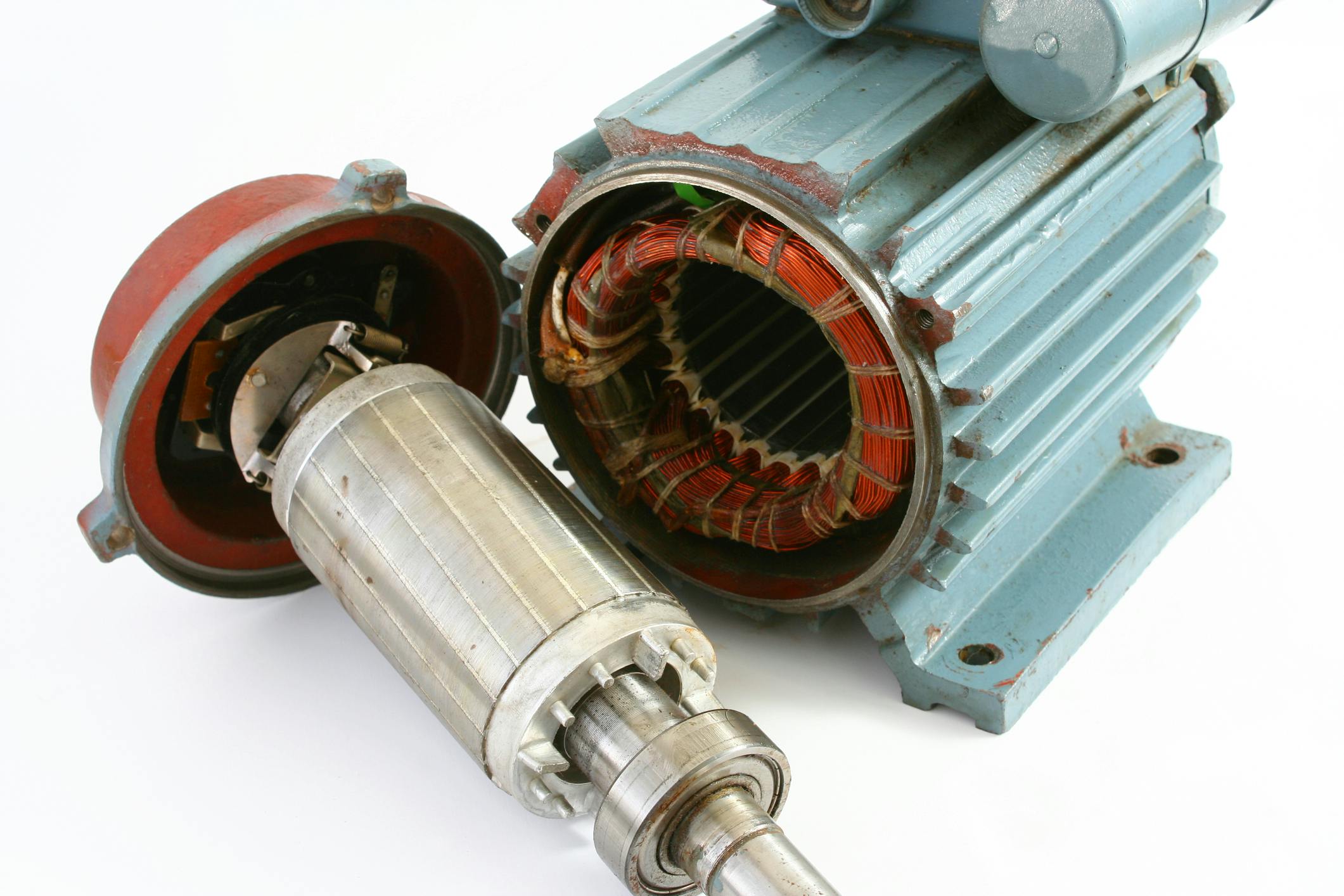
Electric Motors Drive Automation Growth in Manufacturing Sector
The International Manufacturing Technology Show highlighted the increasing importance of electric motors in the evolving landscape of manufacturing. The global electric motor market is projected to reach approximately $176.5 billion by 2026, emphasizing its critical role in automation, transportation, and energy sectors. As automation technologies advance, the demand for compact, efficient, and reliable electric motors is growing. These motors are essential for the operation of industrial robots and other automated systems, which are becoming more prevalent in various industries, including automotive and food production. Looking ahead, the U.S. robotics market, valued at around $11.4 billion, is expected to expand further. However, the U.S. still lags behind China in industrial robot installations, highlighting the need for strategic advancements in electric motor technology to enhance competitiveness in the global market. No further timeline was disclosed at the time of publication.
Factory / Digital Transformation
RobotToday Weekly September 28 – October 2, 2026
AMD buys World Labs for $8.2 billion, Tesla lines up $30 billion in credit, Boston Dynamics reveals a new Atlas hand, Figure melts its F.02 fleet, and IDC counts 25,000 humanoids shipped in H1.

IROS 2026 Closing Briefing — Pittsburgh, Sep 27–Oct 1
IROS 2026 closes in Pittsburgh with 1,900+ papers and 186 exhibitor listings. Humanoids, dexterous hands, tactile sensing and robot data led the show.

Innovation Works Venture Expo 2026: 58 Pittsburgh Startups Pitch to Investors
58 health, deep tech and robotics startups pitched at Innovation Works Venture Expo 2026 in Pittsburgh. Full company list, program and 2025 funding data.

The Missing Price: What Non-Disclosure Reveals About the Humanoid Market
Of 131 announced robot models, 33 publish no price. US makers withhold at twice the rate of Chinese ones — and the reason is stage, not strategy.

China’s Dexterous Hand Industry, 2026 Part 3 — The Players
Five vendor archetypes, MIR’s composite top ten, eight company profiles and six field deployments — every firm linked to the RobotToday supplier directory.

RobotToday Weekly Briefing August 31 – September 4, 2026
This week in robotics: NVIDIA agrees to buy Hugging Face for $12.93 billion, Figure signs a $3.5 billion compute deal with Nscale for up to 100,000 GPUs, Tesla launches steering-wheel-free Cybercabs in Austin under NHTSA scrutiny, and Uber and Wayve bring the UK its first autonomous rides. August 31 – September 4, 2026.
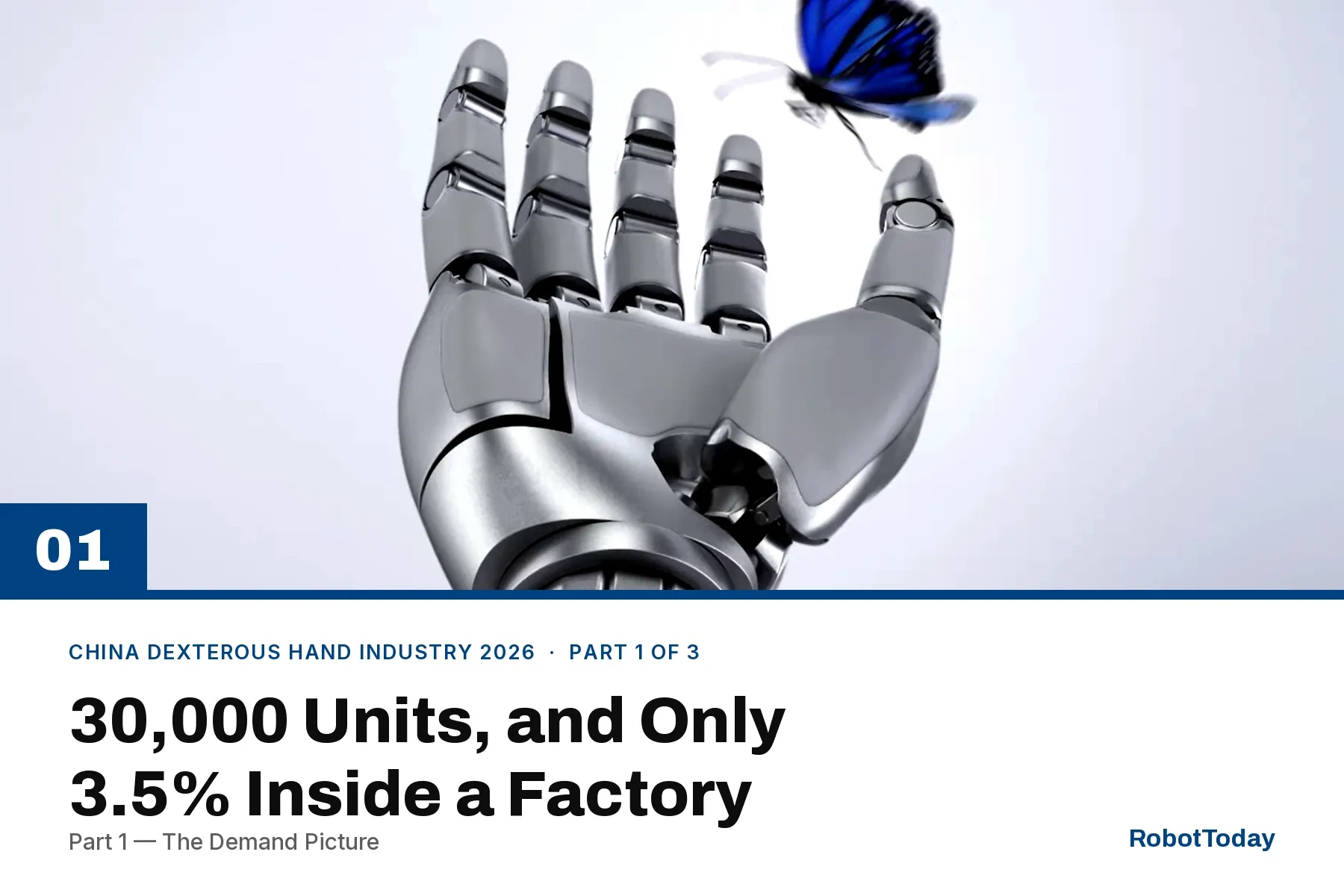
China’s Dexterous Hand Industry, 2026 Part 1 — The Demand Picture
MIR Databank puts China dexterous hand shipments above 30,000 units in 2026, yet only 3.5% of 2025 demand came from factory production. Part 1 of 3.
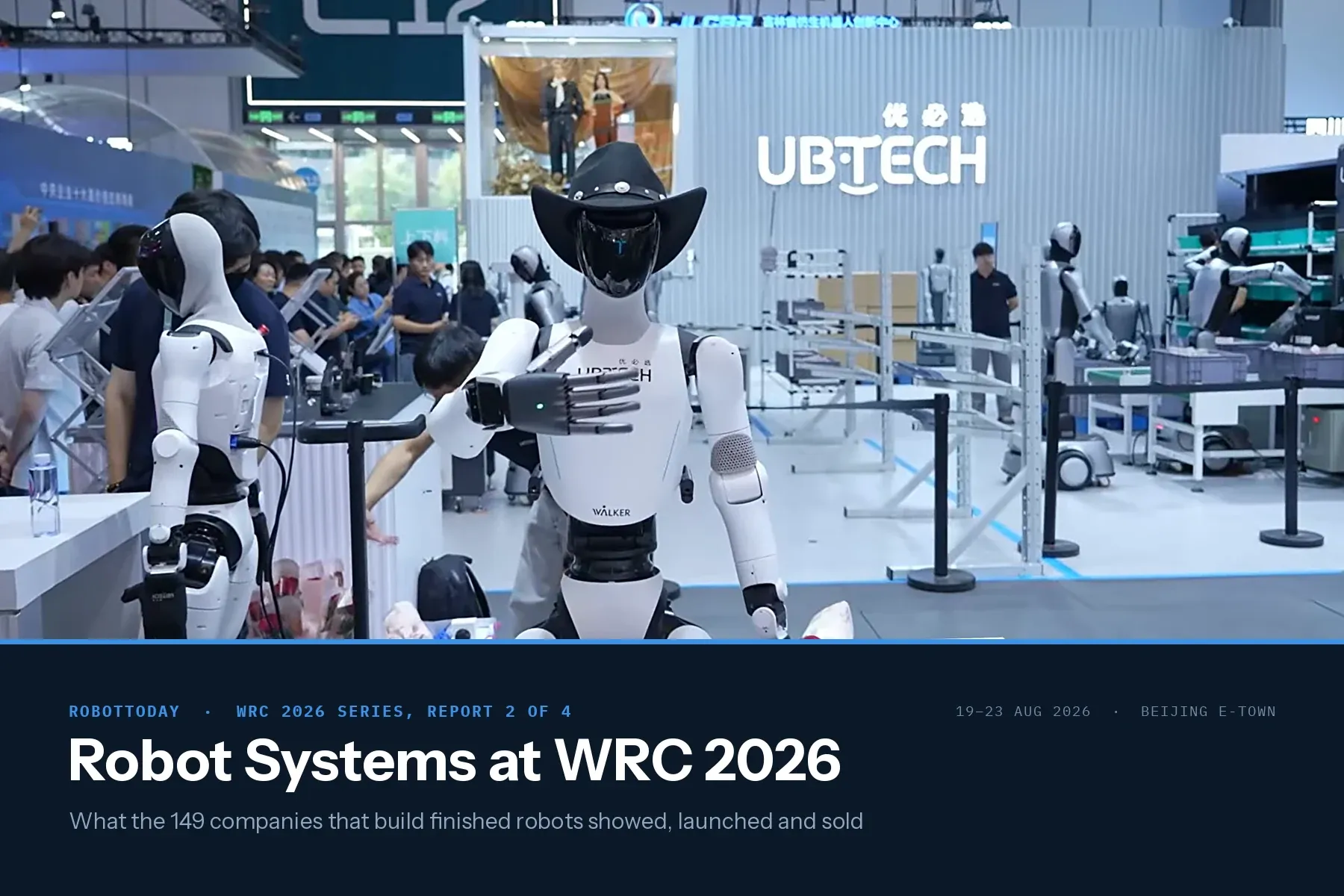
WRC 2026 Robot Systems: 149 Companies That Build Robots
149 of the 248 classified WRC 2026 exhibitors build finished robots. 93 build humanoid or legged machines. The audited humanoid sales number is one unit.

ROBOTTODAY Weekly July 20 – 24, 2026
Your weekly robotics briefing: AGIBOT unveils four new robots at WAIC 2026, the NDAA bars Chinese humanoids from the U.S. military, SoftBank eyes Gravis Robotics for its Roze vehicle, and Anduril reveals its Thunder autonomous attack tiltrotor at Farnborough.

Danish robotics startup enters the industrial truck market already crowned a winner
The Mobile Robot Company has been awarded the prestigious IFOY Industrial Truck of the Year Award for 2026, recognizing its innovative self-driving pallet jack. This advanced technology is designed to enhance operational efficiency in warehouses by automating repetitive transport tasks while allowing operators to maintain control over the process. The award highlights the company's commitment to improving logistics and warehouse management through automation. The recognition comes as the industry increasingly seeks solutions that balance automation with human oversight, addressing the growing demand for efficiency in supply chain operations.

