

Teledyne FLIR Defense
U.S. defense unit of Teledyne FLIR supplying thermal sensors and small UAS like Black Hornet and SkyRanger, tracing back to FLIR Systems (founded 1978).

Company Facts
Founded
1978
Primary Role
Manufacturer
Company Size
-
Primary Region
North America
Annual Sales
-
Funding Stage
Subsidiary / Acquired
Funding Total
-

IROS 2026 Category Award Finalists: All 22 Papers
From humanoid tennis to bin picking and farm robots: the 22 finalists for IROS 2026's eight category awards, and what each one means for industry.

IROS 2026 by the Numbers: Papers, Countries, Topics
RobotToday analyzed all 1,933 IROS 2026 papers: acceptance fell to 36.5%, the U.S. overtook China, and VLA titles jumped from 4 to 65.

IROS 2026 Best Paper Finalists: South Korea Leads
Ten papers made the IROS 2026 Best Paper and Best Student Paper shortlist, four from South Korea. What each one does and what it means for industry.

New 'SANDO' System Keeps UAVs Safe from Collisions in Wildfire Areas
The 'SANDO' system enhances the safety of uncrewed aerial vehicles (UAVs) by ensuring their flight paths remain collision-free, particularly in hazardous environments like wildfires. This technology is crucial as UAVs are often deployed to gather vital information in such dangerous situations, where they face risks from sudden flare-ups and falling debris. The importance of the 'SANDO' system lies in its ability to protect UAVs from potential damage during operations in uncharted territories. By avoiding collisions with obstacles such as tree branches, the system allows for safer data collection, which is essential for rescuers responding to wildfires. This advancement could significantly improve the effectiveness of UAVs in emergency response scenarios. Looking ahead, the implementation of the 'SANDO' system could lead to broader applications of UAVs in various challenging environments. As the technology develops, stakeholders will be keen to observe its impact on UAV operational safety and efficiency in disaster response efforts. No further timeline was disclosed at the time of publication.
Robotics
RobotToday Weekly September 21 – 25, 2026
Cognex buys RealSense, Qualcomm acquires PickNik, the IFR counts 5 million factory robots, AGIBOT deploys 300 robots at Chimelong, and Tekever raises $580 million.

China’s Dexterous Hand Industry, 2026 Part 1 — The Demand Picture
MIR Databank puts China dexterous hand shipments above 30,000 units in 2026, yet only 3.5% of 2025 demand came from factory production. Part 1 of 3.

China’s Dexterous Hand Industry, 2026 Part 2 — The Technology
Linkage, tendon, direct drive or hybrid — and why hardware is converging while the DL1–DL5 manipulation scale decides who wins. Part 2 of 3.

ROBOTTODAY WEEKLY BRIEFING August 24 – 28, 2026
This week in robotics: XPeng's Dogotix raises over $900 million at a $6.3 billion valuation, Unitree's post-IPO slump revives bubble talk, Beijing's World Humanoid Robot Games close with a shift to real-world tasks, and Teradyne sues JAKA at Europe's Unified Patent Court. August 24–28, 2026.

WRC 2026 Core Components: 137 Robot Parts Suppliers
The third report in the WRC 2026 series. Report 1 mapped all 248 exhibitors by category and Report 2 covered the 139 that build finished robots. This one covers the 137 that build what goes inside them.

WRC 2026 Exhibitor Map: 248 Robotics Companies Mapped
We classified 248 WRC 2026 exhibitors with the RobotToday taxonomy. Motion & Actuation leads at 75 companies, Humanoid at 72, and compute stays thin at 12. (Modified 2026-08-27)

U.S. Air Force Enhances $500M Counter-Drone Shield with New Multi-Sensor Technology
The U.S. Air Force is enhancing its counter-drone capabilities by integrating Teledyne FLIR Defense’s Argus XL platform into AeroVironment’s Titan Multi-Sensor system. This initiative is part of a three-year, $500 million contract under the Domestic Shield Program, aimed at protecting military installations from aerial threats. This expansion is significant as it strengthens the layered counter-unmanned aircraft system (UAS) coverage across domestic sites, addressing the growing concern of small unmanned aircraft that pose risks to sensitive locations. The Argus XL platform enhances detection and tracking capabilities, allowing operators to respond more effectively to potential threats. Looking ahead, the integration of Argus XL is expected to improve operational efficiency and situational awareness for military users. The system's ability to incorporate third-party sensors and adapt to emerging threats will be crucial as drone technology continues to evolve. No further timeline was disclosed at the time of publication.
Military
Royal Navy Tests Robotic Boat for Autonomous Drone Launching in Maritime Surveillance
The Royal Navy is conducting trials of a robotic boat designed to autonomously launch and recover drones at sea, enhancing uncrewed maritime surveillance capabilities. This initiative, in collaboration with ACUA Ocean and Teledyne FLIR Defense, aims to improve persistent aerial reconnaissance while minimizing risks to personnel. The system integrates an uncrewed surface vessel (USV) with a tethered uncrewed aerial system (T-UAS), allowing for extended surveillance operations. This development is significant as it represents a new approach to maritime surveillance, combining aerial and surface capabilities into a single autonomous system. The SkyCarrier and SkyRanger R70 drones, utilized during the trials, are equipped with advanced AI and imaging technologies, enabling them to perform demanding surveillance missions. The ability to maintain a stable tether connection allows for longer operational durations and continuous power supply, which is crucial for effective surveillance in challenging sea conditions. Looking ahead, the Royal Navy's exploration of this technology could lead to enhanced capabilities in anti-submarine warfare, mine countermeasures, and the protection of critical maritime infrastructure. No further timeline was disclosed at the time of publication.
AI and Robotics
ACUA Ocean and Teledyne FLIR Defense Complete UKDI Funded Demonstration of Integrated Tethered UAS and USV
ACUA Ocean and Teledyne FLIR Defense have successfully conducted a two-day demonstration funded by UK Defence Innovation (UKDI). This event showcased the integration of a tethered uncrewed aerial system (T-UAS) and an uncrewed surface vessel (USV) capability, specifically using Teledyne FLIR’s SkyCarrier™ UAS platform and the USV Pioneer. The demonstration validated the operational performance of the combined system in open-ocean conditions, addressing a critical operational gap for the Royal Navy and UK defence. The USV Pioneer, which has already completed multiple ISR contracts, exhibited superior seakeeping capabilities, significantly enhancing maritime intelligence, surveillance, and reconnaissance. Looking ahead, the successful integration of the T-UAS with the USV Pioneer opens avenues for further development and potential commercial deployment. No further timeline was disclosed at the time of publication.
acua ocean teledyne flir defense ukdi funding demonstration tethered uas uncrewed surface vessel (usv)
US Army orders $11.2-million drone kits to detect battlefield chemical, biological threats
Teledyne Technologies Incorporated has announced that its subsidiary, Teledyne FLIR Defense, has been awarded an $11.2 million contract. This contract, which was secured recently, will enhance the company's capabilities in providing advanced defense and security solutions. The deal underscores Teledyne FLIR Defense's commitment to supporting military and governmental operations with cutting-edge technology. The funding will be utilized to develop and deliver innovative systems that meet the evolving needs of defense agencies. This strategic move reflects the growing demand for sophisticated defense technologies in an increasingly complex global security environment.
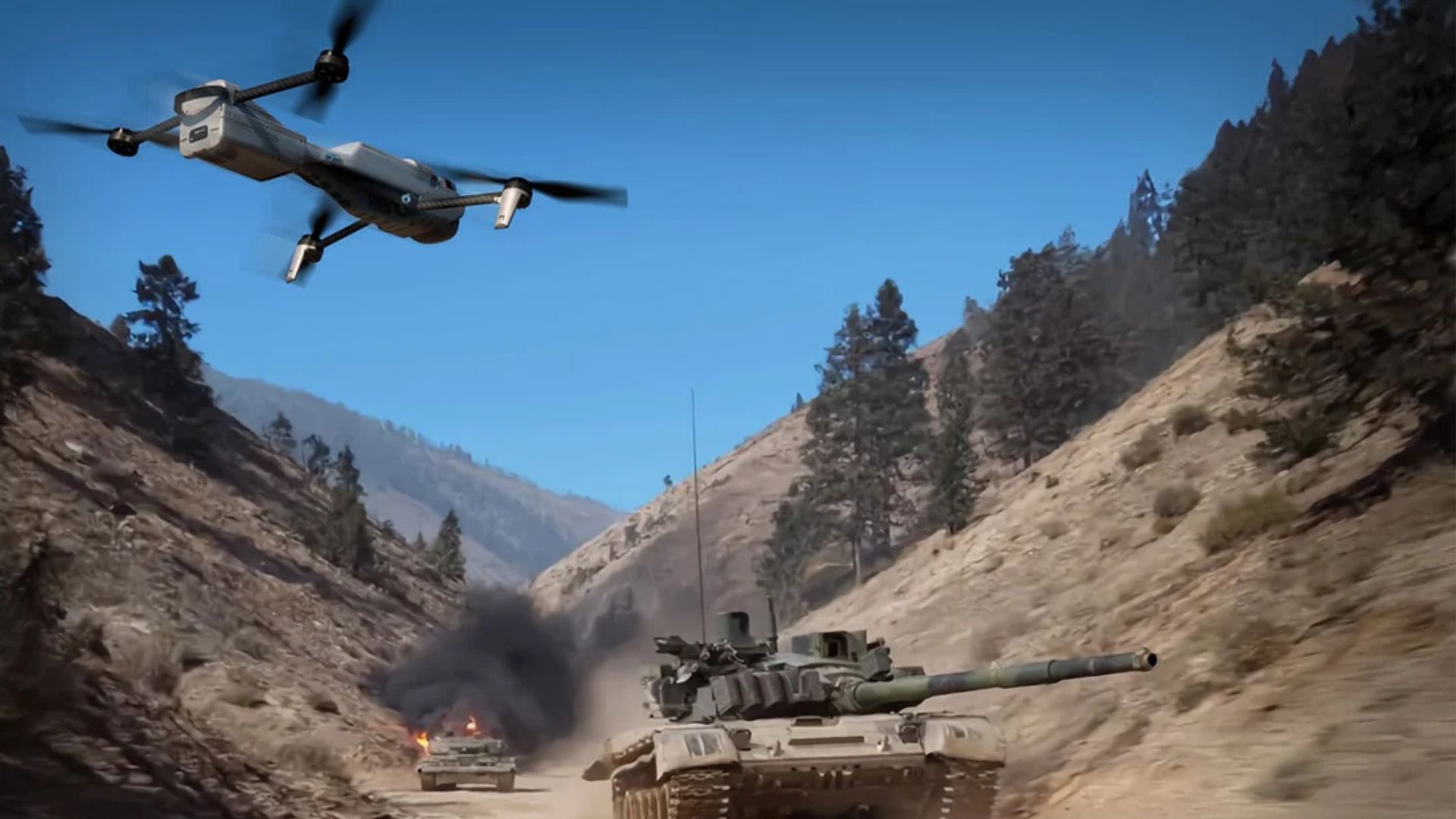
Upgraded Rogue 1 kamikaze drone boosts range, autonomy and 12-mile strike capability
Teledyne FLIR Defense has unveiled the Rogue 1 Block 2, a significantly enhanced iteration of its advanced unmanned aerial vehicle (UAV). This latest model was introduced during a recent defense technology exhibition, showcasing its capabilities to meet evolving military requirements. The upgrades aim to improve operational efficiency and effectiveness in various defense scenarios, responding to the increasing demand for sophisticated aerial surveillance and reconnaissance tools. The Rogue 1 Block 2 features advanced sensors and enhanced flight performance, allowing for greater versatility in missions. Teledyne FLIR Defense continues to prioritize innovation in defense technology, ensuring that their products remain at the forefront of military applications.
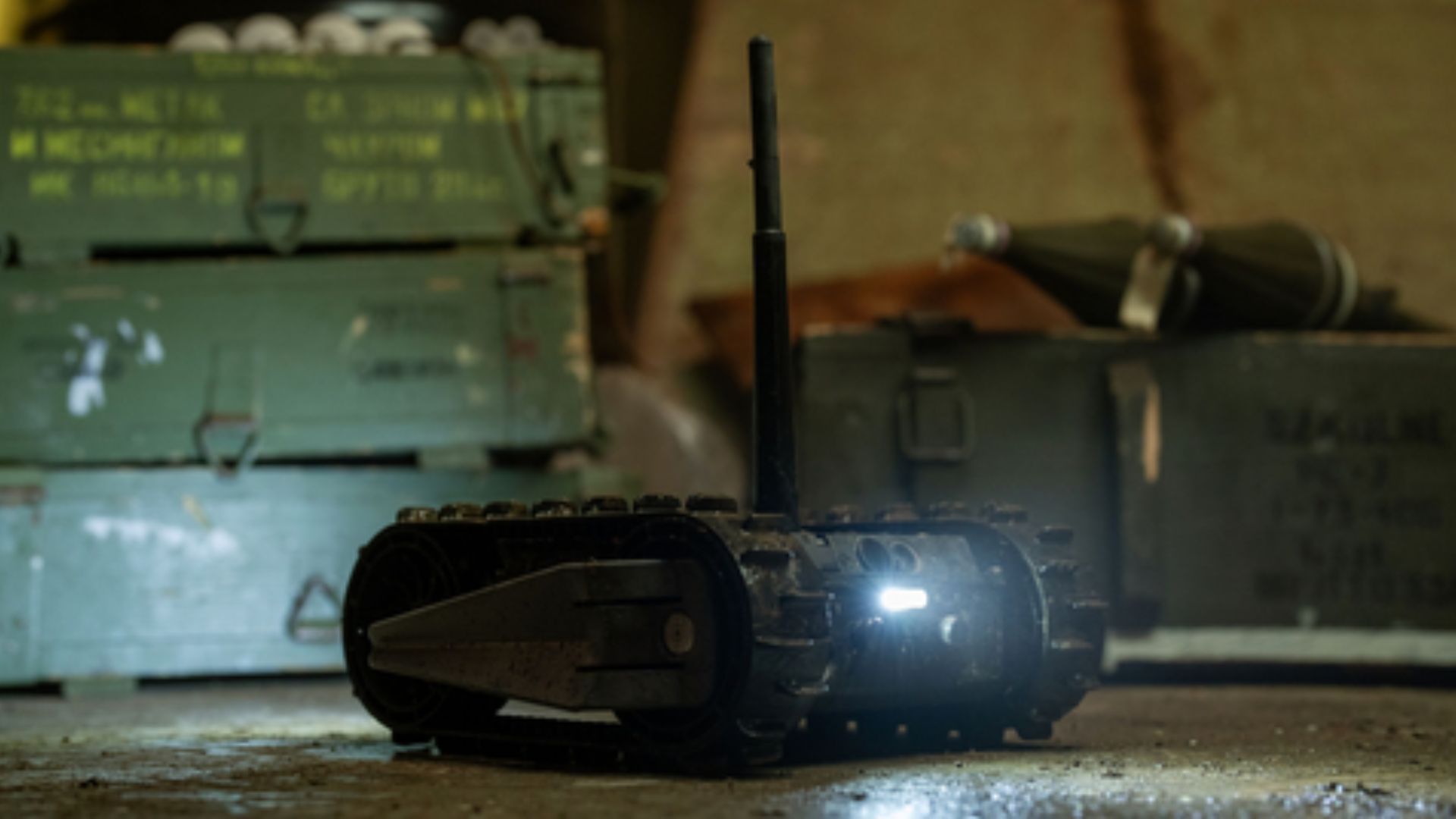
Video: US firm debuts 5.7-pound throwable recon robot with live thermal vision
Teledyne FLIR Defense unveiled its latest throwable reconnaissance robot during SOF Week in Florida, showcasing innovative technology designed for tactical operations. The event, which took place recently, gathered defense professionals and industry leaders to discuss advancements in special operations forces. The new robot aims to enhance situational awareness and provide critical intelligence in challenging environments, addressing the growing need for advanced reconnaissance tools in military and security operations. By enabling operators to deploy the device quickly and efficiently, Teledyne FLIR Defense is responding to the evolving demands of modern warfare, emphasizing the importance of agility and real-time data in mission success.

GLOBAL ROBOTICS INDUSTRY Comprehensive Sector Overview
A comprehensive global robotics industry overview for 2025, analyzing 14 key market segments — from industrial and humanoid robots to logistics AMRs, military systems, and service robots — with expert market sizing, US case studies, five-year forecasts, and bilingual English-Chinese analysis for executives and investors.

Teledyne FLIR adds Emesent Hovermap to third-party payload programme
Teledyne FLIR Defense has announced the certification of Emesent’s Hovermap LiDAR payload for integration with its uncrewed aerial systems (UAS), ground robots, and radiation detection platforms. This development, which took place in October 2023, enhances the capabilities of Teledyne FLIR's technology by allowing for advanced mapping and navigation in various environments. The certification aims to improve operational efficiency and data collection accuracy in defense and industrial applications. By incorporating the Hovermap LiDAR payload, Teledyne FLIR Defense is positioned to offer more robust solutions for complex missions, leveraging Emesent's innovative technology to enhance situational awareness and safety.
News
Teledyne FLIR Defense Expands Payload Program with Emesent Hovermap for GPS-Denied Operations
Teledyne FLIR Defense has announced an expansion of its Third-Party Payload Integration Program by incorporating Emesent’s Hovermap LiDAR payload, a development unveiled at the Modern Day Marine 2026 event. This integration enables the Hovermap system to function seamlessly across Teledyne FLIR’s unmanned aerial systems (UAS) and ground robots, enhancing capabilities in GPS-denied environments. The collaboration aims to improve operational efficiency and data accuracy in various defense applications, allowing for advanced mapping and radiation detection across both air and ground platforms.
Applications Defense Drone News Drone News Feeds Dual Use LiDAR
Teledyne FLIR Defense Grows Third-Party Payload Integration Program, Adds Emesent Hovermap LiDAR for Unmanned Air, Ground, and Detection Platforms
A newly certified payload is set to enhance the capabilities of drones, robots, and radiation detection systems, facilitating faster deployment of mapping in environments where GPS signals are unavailable. This innovative technology aims to improve the efficiency of fused Chemical, Biological, Radiological, and Nuclear (CBRN) visualizations, which are critical for various applications, including emergency response and environmental monitoring. The certification, achieved in October 2023, underscores the growing importance of advanced technological solutions in navigating complex and hazardous situations. By integrating these systems, operators can obtain real-time data and insights, significantly improving situational awareness and decision-making in challenging scenarios.


