

Perceptual Robotics
Bristol university spin-out building fully autonomous inspection drones and AI software for wind-turbine blade inspection.
Contact Perceptual Robotics
WEBSITE
https://www.perceptual-robotics.com/PHONE
+44 117 230 9745HEADQUARTERS
United Kingdom


Company Facts
Founded
2016
Primary Role
Manufacturer
Company Size
-
Primary Region
Europe
Annual Sales
-
Funding Stage
-
Funding Total
-
Certifications & Memberships

Company Explores Robot Socialization Through Interactive Scenarios Like Autism
A company is focusing on developing robot socialization by creating strong interactive scenarios, particularly for individuals with autism. This initiative aims to enhance the engagement and interaction capabilities of robots in social contexts, which is crucial for their acceptance and utility in everyday life. The importance of this development lies in its potential to bridge the gap between robotic technology and human emotional understanding. By targeting specific scenarios such as autism, the company is addressing a significant need for social robots that can effectively communicate and interact with users, thereby improving their quality of life. Looking ahead, the company is expected to continue its research and development in this area, although no specific timeline for future milestones was disclosed at the time of publication.
Robotics Automation AI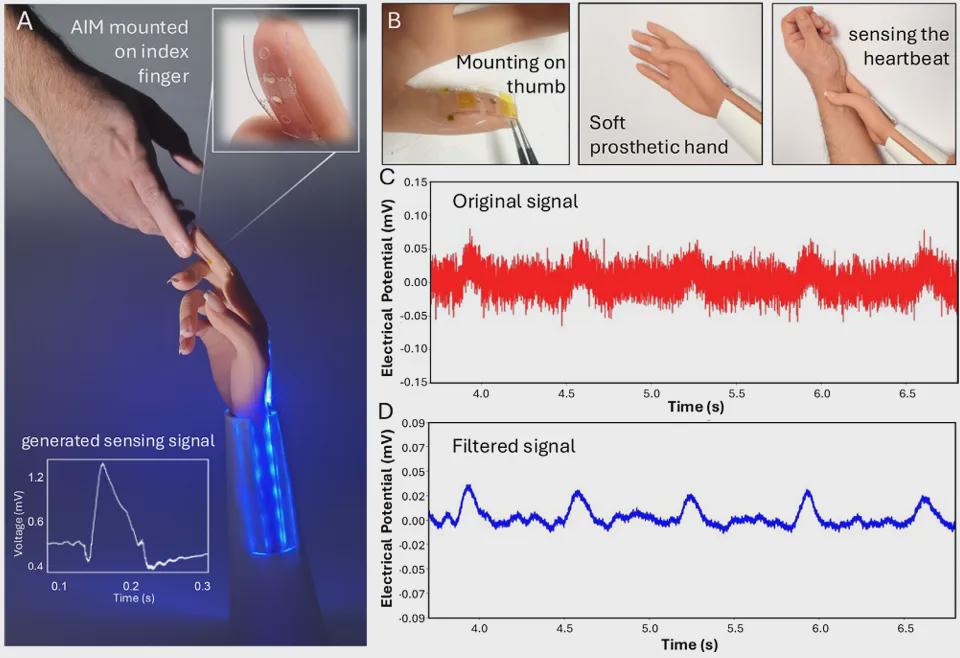
Danish Team Develops Tactile Sensor That Generates Electricity Through Pressure Without Signals
A Danish research team has developed a novel tactile sensor that generates electricity when pressed, eliminating the need for electronic signal transmission. This innovation could significantly enhance the functionality of robots and other devices that rely on touch sensitivity. The importance of this development lies in its potential applications across various sectors, including robotics and automation. By creating a sensor that operates without traditional electronic signals, the team is paving the way for more efficient and responsive robotic systems. Looking ahead, the industry will be keen to observe how this technology is integrated into existing robotic platforms and whether it can lead to advancements in human-robot interaction. No further timeline was disclosed at the time of publication.
Robotics Automation AI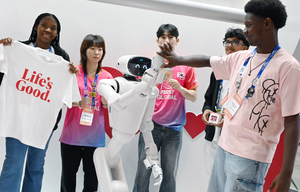
LG Electronics Showcases Robotics at 2026 First Global Challenge in Incheon
LG Electronics is actively participating in the 2026 First Global Challenge, an international youth robotics competition taking place at Songdo Convensia in Incheon. The event, which runs from Wednesday to Saturday, gathers youth teams from 185 countries to design and build robots aimed at addressing global challenges, particularly focusing on wildfire prevention and recovery due to climate change. This year's competition, themed “Igniting Innovation,” emphasizes the importance of robotics in tackling pressing issues like wildfires. LG's involvement includes sponsoring the event and showcasing its latest robotics technologies at an exhibition booth. The company also features its humanoid robot, LG CLOiD, allowing visitors to engage with the technology and learn about the innovative solutions being developed by young participants. As LG increases its investment in robotics as a key growth area, it aims to integrate physical AI into its strategy. The company recently launched LG Data Factory to enhance data management for robotics training. No further timeline was disclosed at the time of publication.
All News
North Carolina State University Develops Feather Star-Inspired Underwater Robot with Two Actuators
Researchers at North Carolina State University have created a soft underwater robot inspired by feather stars, capable of three-dimensional movement using only two actuators. This innovative design significantly reduces mechanical complexity, as traditional systems typically require six actuators for similar maneuverability. The robot employs a principle known as 'mechanical intelligence,' allowing its structure and water interactions to minimize control input from operators. With four elastic wings arranged around a central disk, the robot can achieve various motions, including upward movement, hovering, and rotation, all while maintaining a streamlined design. Future developments to watch include the robot's application in underwater exploration and object manipulation, as demonstrated by its ability to lift items and navigate environments using a camera. No further timeline was disclosed at the time of publication.
AI and Robotics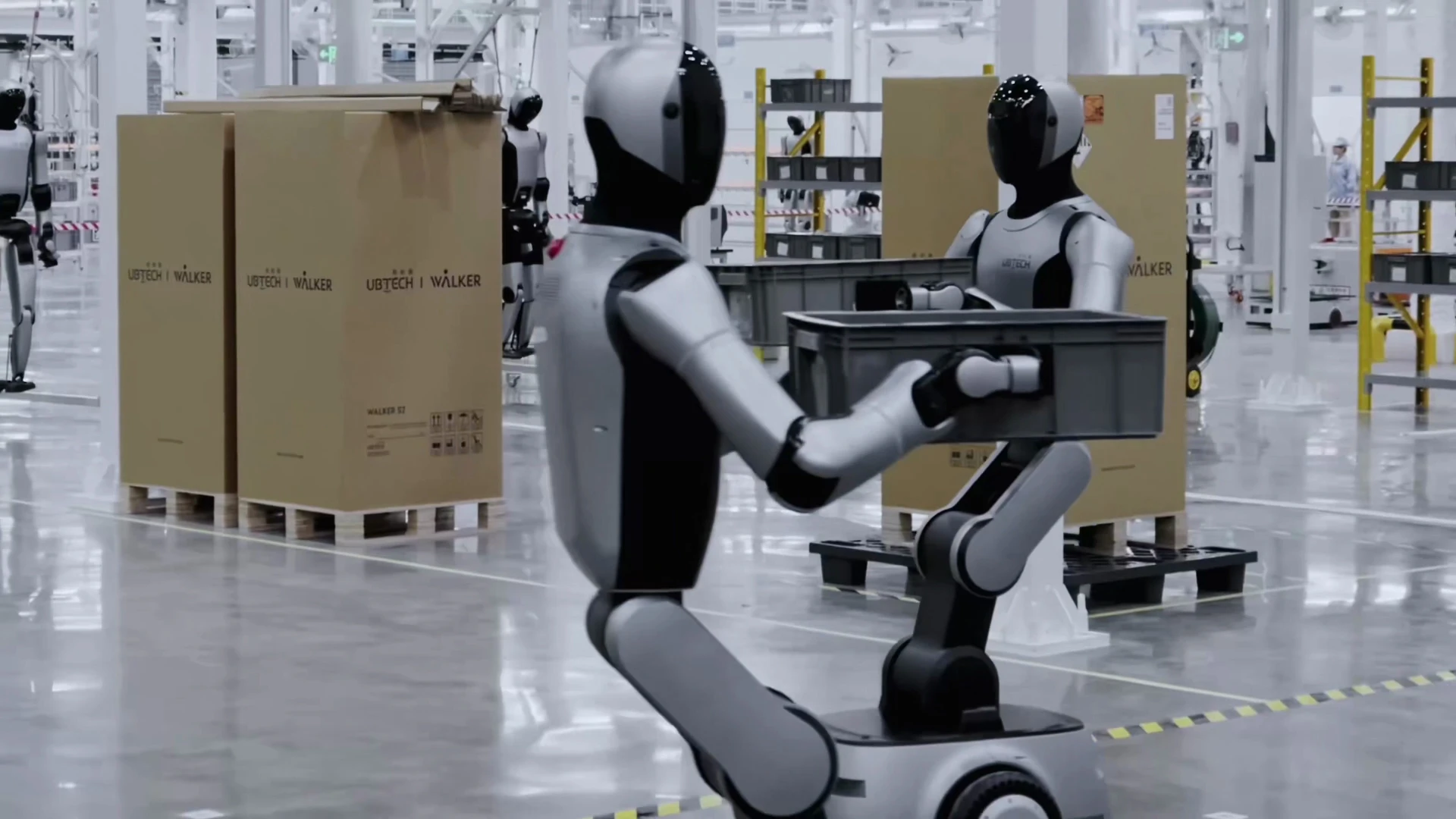
UBTECH and FAW-Volkswagen Enhance Partnership to Develop Humanoid Robots for Logistics
UBTECH and FAW-Volkswagen have announced a partnership to develop and test humanoid robot applications for logistics, building on their existing collaboration in manufacturing. This strategic cooperation, revealed on October 8, aims to create demonstration applications that promote humanoid solutions for smart manufacturing, addressing the increasing demand for personalized vehicles. The significance of this partnership lies in its potential to enhance flexibility in manufacturing processes. As automakers like FAW-Volkswagen adapt to changing consumer preferences, the integration of humanoid robots could streamline logistics operations, thereby improving efficiency and productivity on the factory floor. UBTECH's previous work with FAW-Volkswagen at the Qingdao plant, where the Walker S Lite was used for quality inspections, showcases the practical applications of their technology. Looking ahead, the partnership raises questions about the specific logistics tasks that humanoid robots will be able to perform reliably. While the agreement focuses on joint development and testing, it does not disclose details about the robot models or the facilities involved. No further timeline was disclosed at the time of publication.
China UBTECH Robotics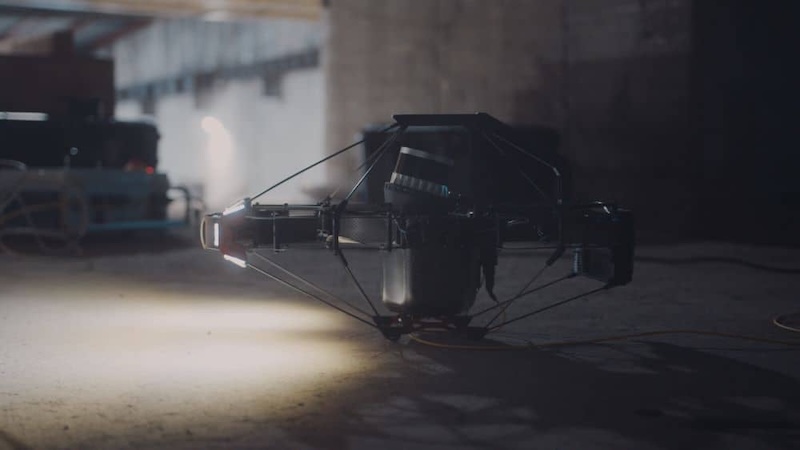
Beam Global to Acquire ScoutDI for $24 Million, Plans US Drone Manufacturing
Beam Global has entered into a definitive agreement to acquire ScoutDI, a Norwegian industrial drone company, for approximately $24 million. This acquisition aims to enhance Beam's capabilities in manufacturing inspection drones in the United States, leveraging ScoutDI's advanced drone systems and AI-enhanced software designed for inspecting confined spaces and hazardous environments. The acquisition is significant as it allows Beam to expand its existing activities in robotics infrastructure and tap into ScoutDI's established global customer base, which includes major companies like ExxonMobil and Chevron. The deal is expected to close in November 2026, contingent on customary closing conditions, and will enable Beam to manufacture ScoutDI's drone systems for the US market while serving Europe and the Middle East from its European facilities. Looking ahead, Beam intends to leverage ScoutDI's technology for various applications beyond its current markets in maritime, oil and gas, and energy. The acquisition also positions Beam to explore opportunities in sectors such as mining, public safety, and security, indicating a strategic expansion of its operational footprint in the drone industry.

Aetina Enhances Edge AI with Support for NVIDIA Jetson Orin Nano 2 Platform
Aetina Corporation has announced its support for the NVIDIA Jetson Orin Nano 2, enhancing its edge AI capabilities. This new platform allows for higher-performance generative AI and multimodal inference, which are crucial for compact Physical AI systems. The introduction of the Jetson Orin Nano 2 marks a significant advancement in entry-level edge AI robotics computers. It enables developers to create sophisticated applications such as delivery and inspection drones, robots, and vision AI systems that can perceive their environment and respond in real time. Looking ahead, the integration of the Jetson Orin Nano 2 into Aetina's offerings is expected to drive innovation in the edge AI sector. No further timeline was disclosed at the time of publication.

ROBOTTODAY Weekly July 20 – 24, 2026
Your weekly robotics briefing: AGIBOT unveils four new robots at WAIC 2026, the NDAA bars Chinese humanoids from the U.S. military, SoftBank eyes Gravis Robotics for its Roze vehicle, and Anduril reveals its Thunder autonomous attack tiltrotor at Farnborough.

Perceptual Robotics Secures Over £4 Million for Wind Turbine Inspection Drone Expansion
Perceptual Robotics, a Bristol-based drone company, has successfully raised over £4 million (approximately $5.3 million) as of July 28, 2026. This funding, which includes investment from Innovate UK, Loggerhead Ventures, One Planet Capital, and new investor Investing for Purpose, will be used to enhance its wind turbine inspection platform. The significance of this funding lies in its potential to bolster the company's capabilities in both onshore and offshore wind turbine inspections. Matthew Jellicoe from One Planet Capital highlighted the strong investor support and the company's momentum, indicating that Perceptual Robotics is well-positioned for expansion into various verticals over the next two years. Looking ahead, Perceptual Robotics aims to accelerate product development and deepen its offshore support. The company plans to leverage this funding to enhance its autonomous drones and AI services, which are crucial for managing wind turbine blade inspections and extending service life for operators. No further timeline was disclosed at the time of publication.
Drone News Drone News Feeds Inspection News UK Drone Industry UK Drone Space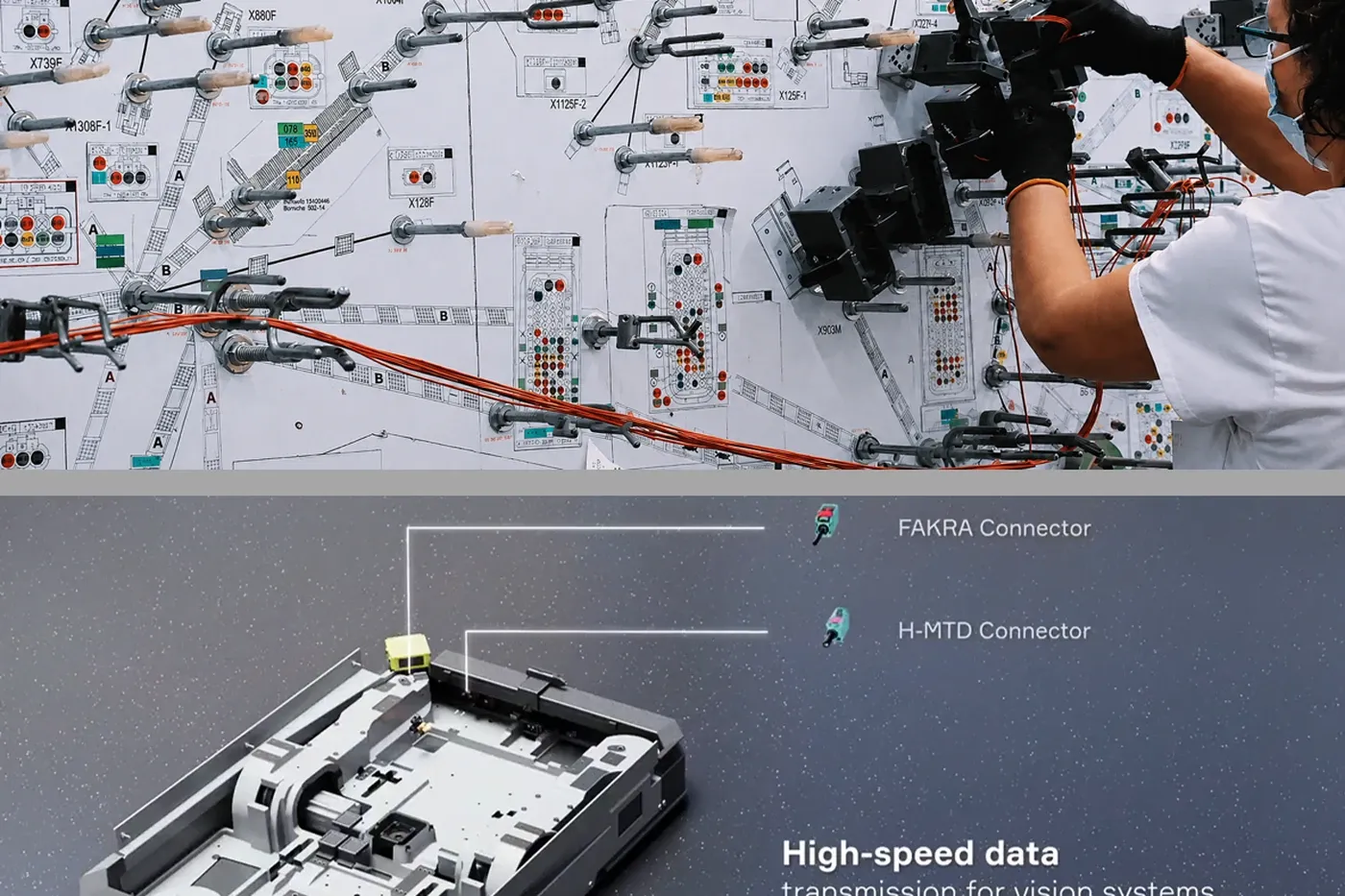
Humanoid Robot Wire Harnesses Emerge as a Critical System Technology
A RobotToday engineering deep dive into humanoid robot wire harnesses: 3D dynamic fatigue, 10-100 Gbps EMI shielding, FPC cost reduction, and global standards.
Automate 2026 | Amprius SiCore SA88 Competes for Innovation Award in Robotics Battery Category
At Automate 2026 in Chicago, Amprius Technologies exhibited its SiCore SA88 silicon-anode pouch cell — 358 Wh/kg, 750 Wh/L — as a finalist in the Components, Hardware & Enabling Technologies category. Analysis of implications for AMR, UAV, and aerial mobility platforms.

Digital Twin, Physical AI & Robot OEM Readiness 2026: Platforms, VLA Models, LLM Programming
A balanced analysis of the robot intelligence revolution: multi-vendor digital twin platforms (NVIDIA, Siemens, Dassault, ABB, Rockwell, Hexagon), Physical AI VLA models (RT-2, pi0, GR00T N1, AgiBot), current Physical AI limitations, LLM robot programming, and the OEM readiness matrix across US, European, and Chinese manufacturers.
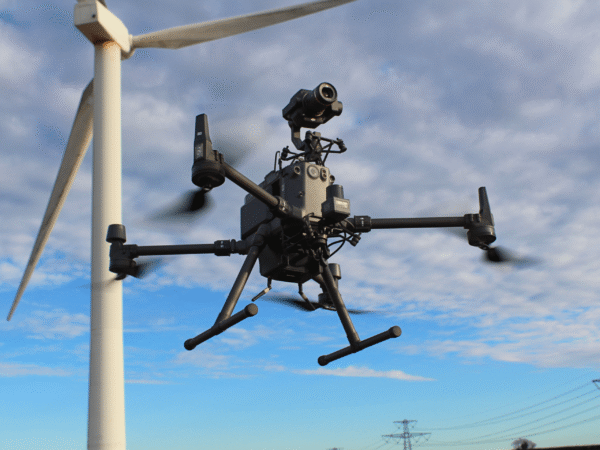
Perceptual Robotics Raises Funding to Automate Wind Turbine Inspection Drones
Perceptual Robotics, a Thessaloniki-based company, has successfully secured new funding to enhance its autonomous wind turbine inspection platform. The investment round, announced on May 5, 2026, was led by Loggerhead Ventures, with additional support from One Planet Capital. This financial backing aims to advance the development of AI-powered drones designed for wind farm maintenance, reflecting the growing demand for innovative solutions in renewable energy infrastructure. The funding will enable Perceptual Robotics to scale its operations and improve the efficiency of wind turbine inspections, ultimately contributing to the sustainability of wind energy production.
Drone News Drone News Feeds Europe Drone Industry European Union infrastructure Inspection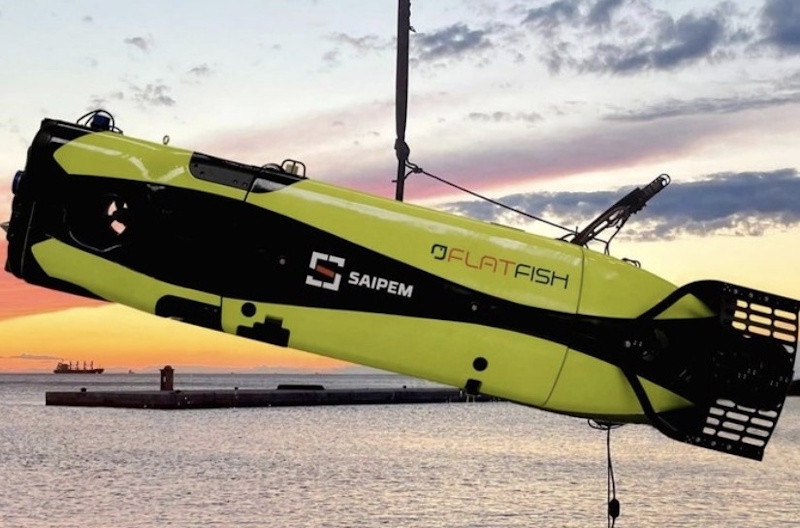
Saipem’s Subsea Drone Clears Tests with Petrobras Ahead of Offshore Deployment
Saipem's advanced underwater inspection drone, FlatFish, has successfully completed a significant milestone in its contract with Petrobras, awarded in 2023. The recent Functional Acceptance Tests were conducted in a controlled environment to ensure that the drone meets the technical and operational standards required for its autonomous robotic solution. These tests focused on verifying mission autonomy and data quality, essential components before the drone's deployment in the field. This achievement marks a critical step in the development and testing process, demonstrating Saipem's commitment to delivering innovative underwater inspection technology.
saipem subsea drone tests petrobras offshore deployment flatfish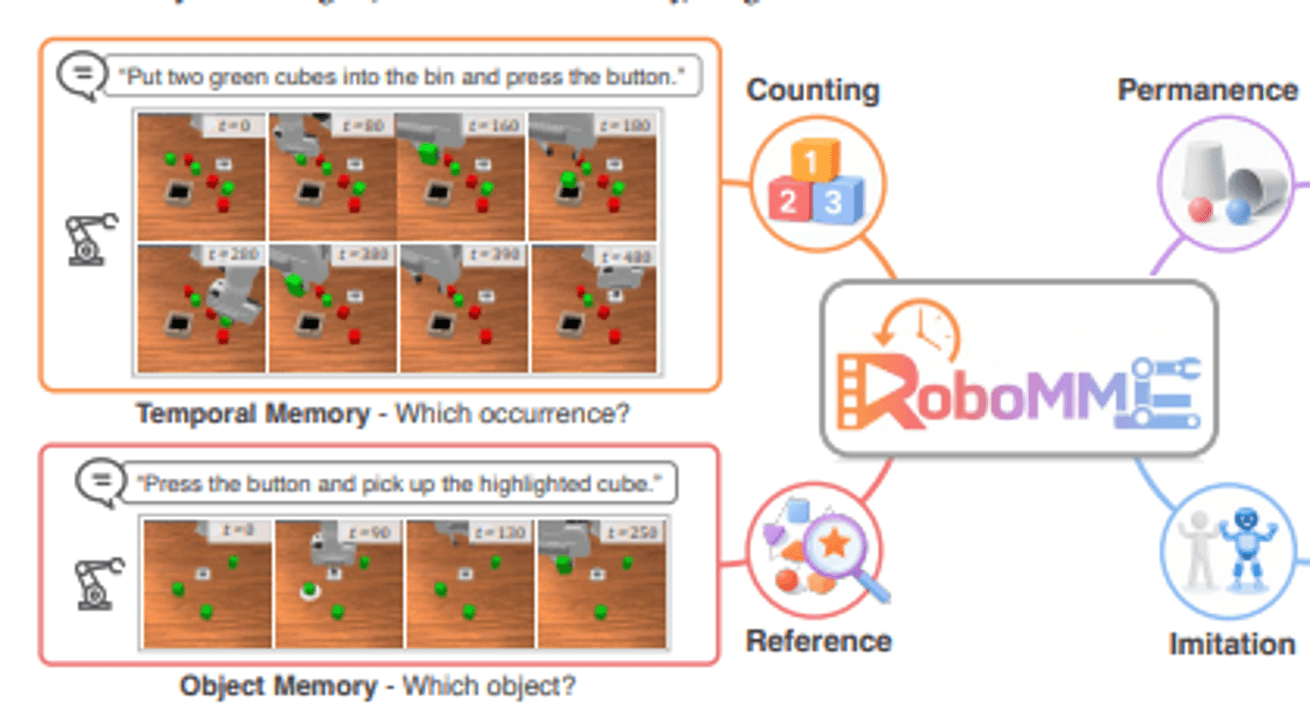
RoboMME Benchmark Reveals a Critical Weakness in Robot AI: Memory
A new RoboMME benchmark study reveals that modern robot AI still struggles with memory — an emerging bottleneck for generalist and humanoid robotics.

FUTURE WARFARE | The Autonomy Spectrum
How modern weapons shattered the concept of human control — from kill-switch confirmation to AI systems that select targets independently.
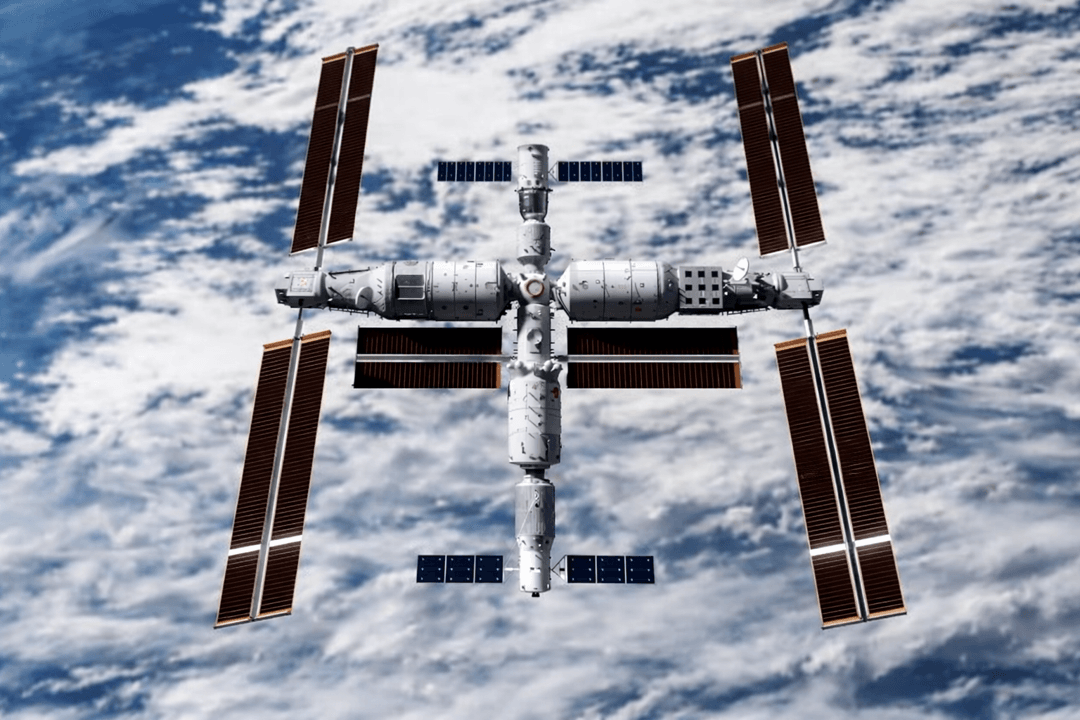
China's 15th Five-Year Plan and the Space Robotics Imperative
China's 15th Five-Year Plan names aerospace a strategic pillar industry alongside semiconductors and sets hard mission schedules — Chang'e-7, Chang'e-8, crewed lunar landing — that make space robotics one of the most consequential engineering battlegrounds of the late 2020s.
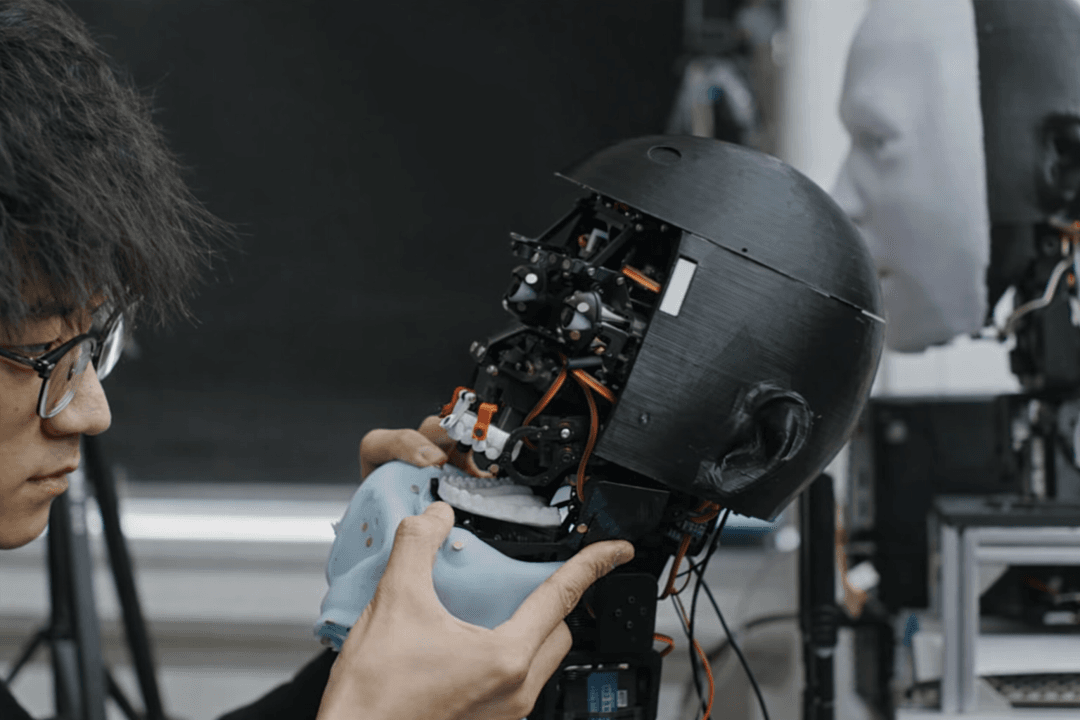
Columbia's Emo: Solving Robot Face Problem
Columbia's Emo robot breakthrough reveals why facial biomimicry is robotics' second hardest challenge. Analysis of tech barriers and 2028-2030 timeline.
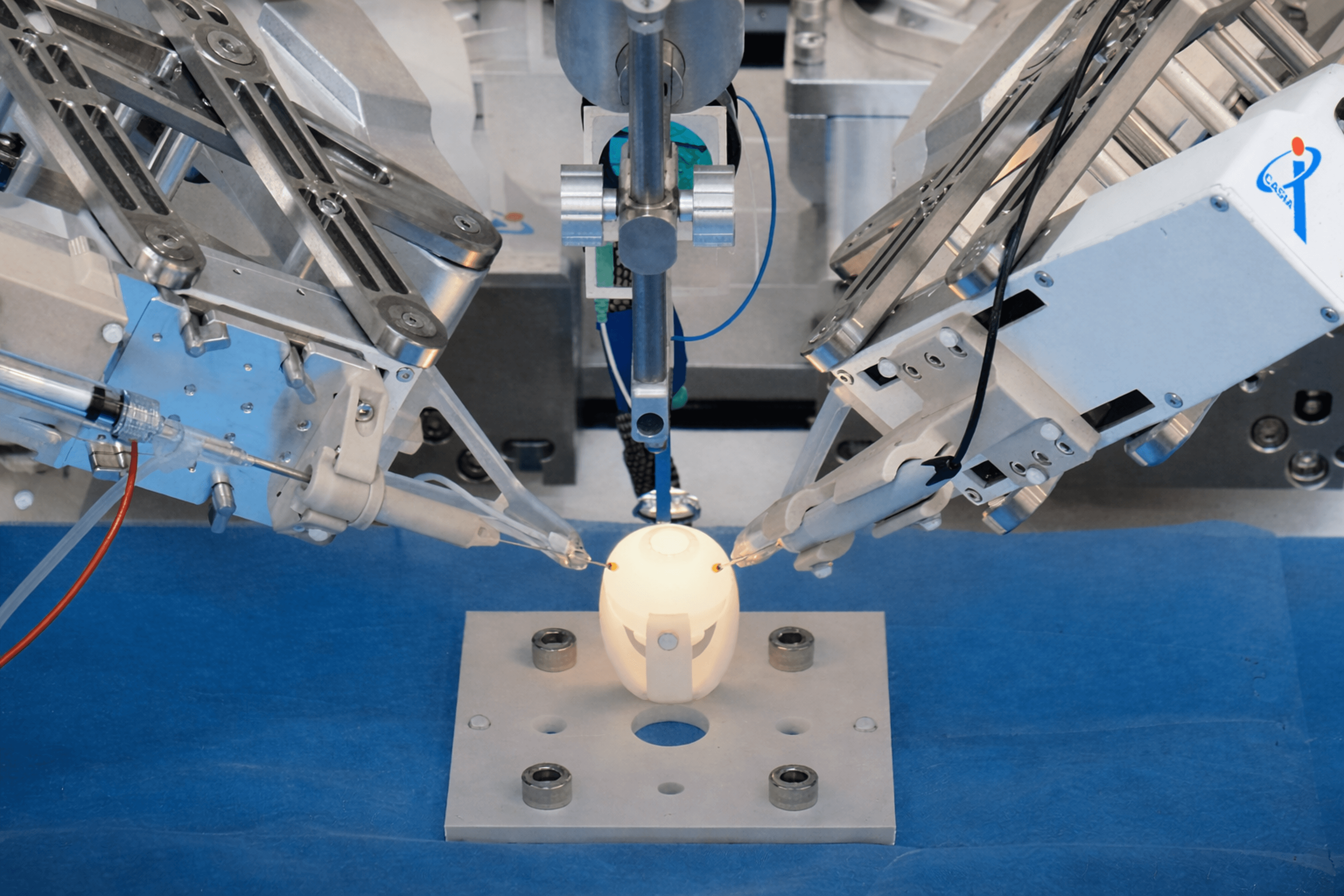
Eye Surgery Robot Achieves 100% Success Without AI Training
Ophthalmic surgical robots are diverging from general-purpose Physical AI. ARISE reveals why engineered autonomy fits clinical reality better than end-to-end learning.
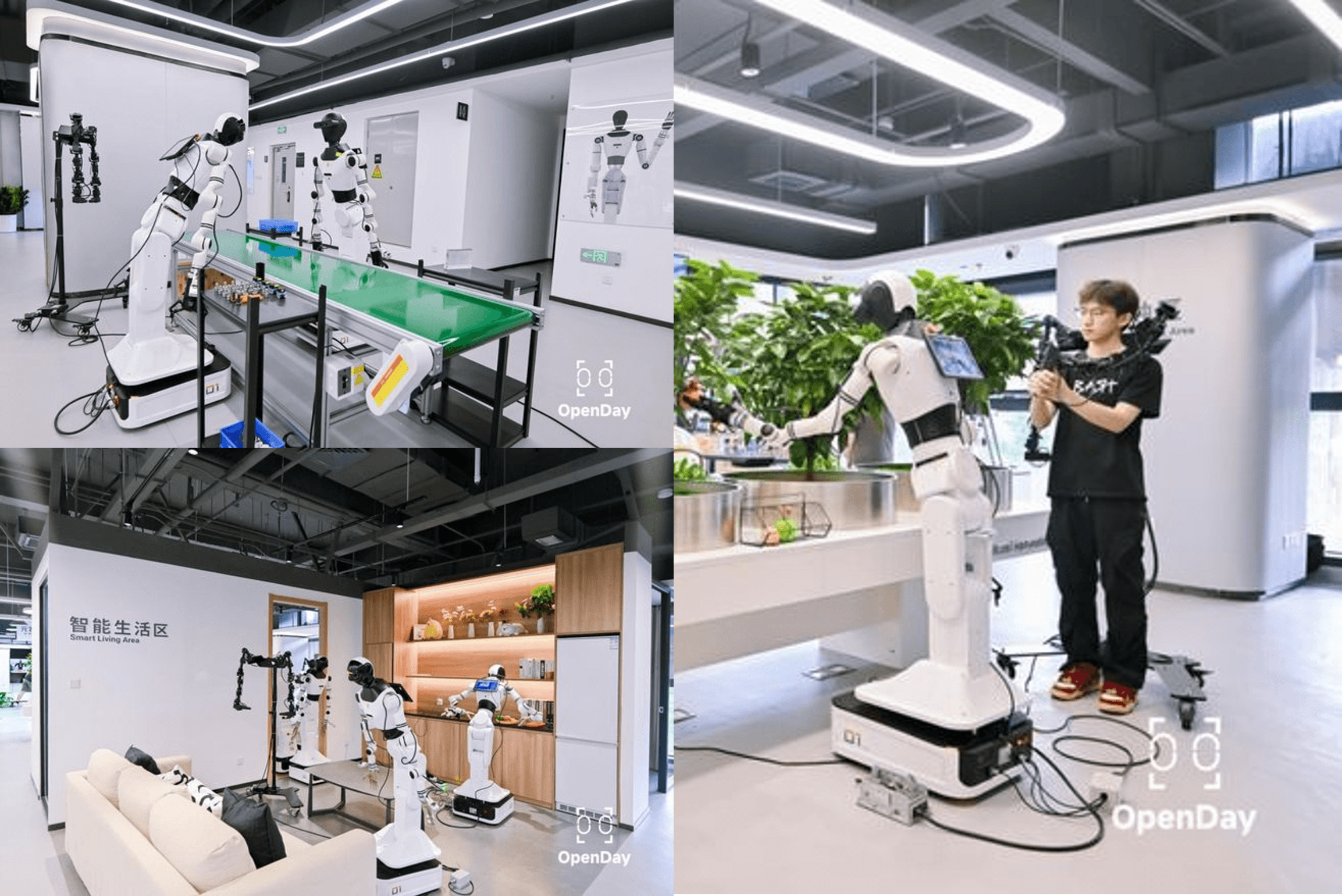
Realman Robotics Open-Sources World's First High-Quality Multimodal Real-Robot Dataset
Realman Robotics has open-sourced the world's first high-quality, multimodal real-robot dataset, collected across ten real-world application scenarios at Beijing's humanoid robot data training center. The dataset features hardware-level temporal synchronization, sub-0.5% frame drop rate, and complete modality coverage including joint kinematics, six-axis end-effector force/torque, and calibrated multi-camera imagery.


