


Ottonomy
US developer of Level-4 autonomous delivery robots (Ottobot) powered by Contextual AI for indoor and outdoor last-mile logistics.
Contact Ottonomy
WEBSITE
https://ottonomy.io/PHONE
+1 408 806 5001HEADQUARTERS
United States


Company Facts
Founded
2020
Primary Role
Manufacturer
Company Size
-
Primary Region
North America
Annual Sales
-
Funding Stage
Early-Stage VC
Funding Total
-
Certifications & Memberships

Autonomous Vehicle Companies Explore Nighttime Delivery Opportunities for Robots
Autonomous vehicle companies are focusing on the potential of delivery robots operating during nighttime hours. They believe that overcoming technical challenges could unlock a significant market opportunity in this area. The ability to deliver goods after dark could enhance logistics efficiency and meet consumer demand for faster delivery times. As urban areas continue to grow, the need for innovative solutions in last-mile delivery becomes increasingly important. Industry stakeholders are encouraged to monitor advancements in technology that facilitate nighttime operations for delivery robots. No further timeline was disclosed at the time of publication.

Manufacturers Anticipate Price Increases Amid Sourcing Challenges and Tariff Changes
A significant 94 percent of manufacturers are planning to increase prices in 2027, with two-thirds indicating that forecasting pricing has become more challenging compared to the previous year. Factors such as raw materials, labor, and fluctuating tariffs are contributing to this uncertainty, pushing procurement teams to rethink their sourcing strategies. The ongoing tariff debate often centers on the location of part production, yet the real bottleneck lies in the assembly and testing processes that follow manufacturing. With approximately 44 percent of small manufacturers operating below 70 percent capacity, there is an opportunity to enhance domestic production capabilities, particularly in robotics, where demand is surging. Looking ahead, the focus should shift towards financing small and midsize manufacturers to develop subassembly and testing capabilities. This would ensure that domestic parts can be transformed into fully operational machines, rather than merely reshoring components without addressing the underlying bottlenecks. No further timeline was disclosed at the time of publication.
Business Intelligence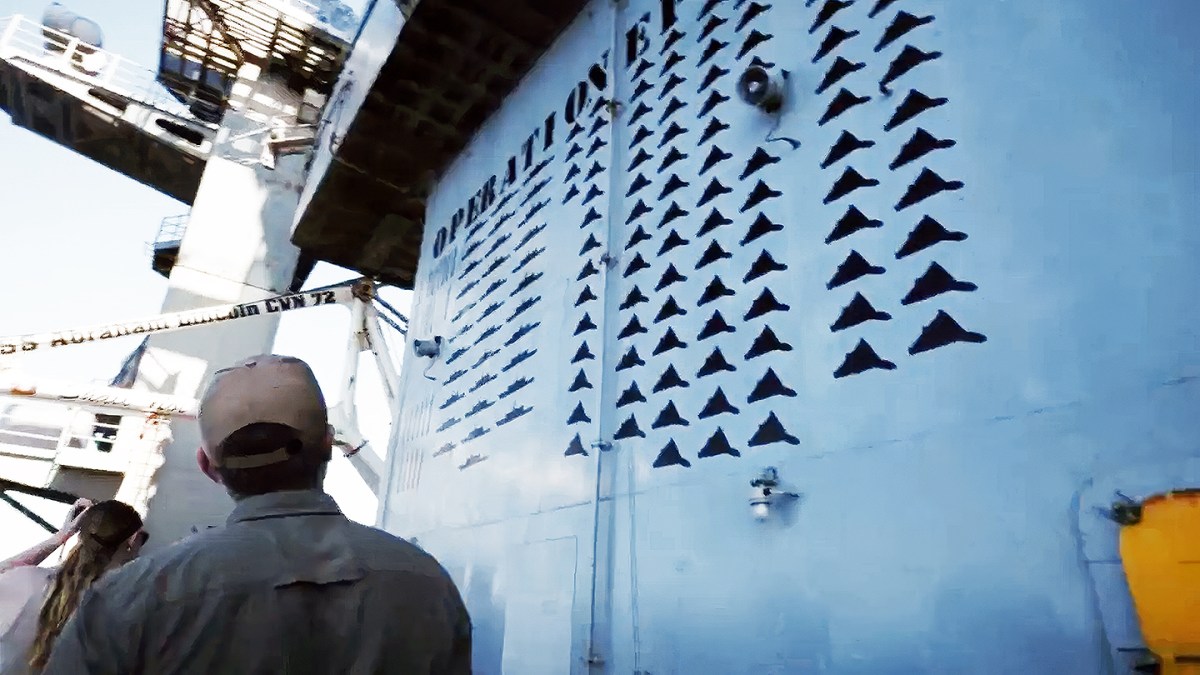
USS Abraham Lincoln Returns Home After Successful Six-Month Deployment with Notable Kill Marks
The USS Abraham Lincoln has returned to its home port in San Diego after a six-month deployment, during which it engaged in significant military operations against Iran. Secretary Pete Hegseth highlighted the carrier's accomplishments, including 103 drone kill marks and 34 ship kill marks displayed on its superstructure, indicating the targets destroyed by the Lincoln Carrier Strike Group (CSG). This deployment, known as Epic Fury, saw the USS Abraham Lincoln shoot down 77 one-way unmanned attack drones and sink 64 Iranian vessels, as noted in the Presidential Unit Citation awarded to the strike group. The CSG also conducted 3,693 combat sorties, delivered 1.37 million pounds of ordnance, and launched 450 Tomahawk Land Attack Cruise Missiles (TLAMs), showcasing its operational effectiveness in the region. Questions remain regarding the discrepancies between the kill marks and the official counts of destroyed drones and ships. The Pentagon has referred inquiries to the Navy, and further clarification is awaited. Observers will be keen to learn more about the total impact of the Lincoln CSG's operations and any additional unreported engagements during its deployment.
Sea Around The Globe Carriers Iran Middle East Navies
Stuut Raises $52.5 Million Series B to Enhance AI Agents for Order-to-Cash Processes
Stuut, an AI platform based in New York, has successfully raised $52.5 million in a Series B funding round led by Insight Partners. This investment, which also saw participation from Andreessen Horowitz, M12, Microsoft’s Venture Fund, and Activant, brings Stuut's total funding to $93 million, following a previous Series A round ten months prior. The significance of this funding lies in Stuut's innovative approach to automating the order-to-cash process for large enterprises. With 81.7% of outbound collections now automated and 95% of incoming payments matched without human intervention, Stuut's platform is designed to enhance customer experience and financial performance. Major clients include Honeywell, ZoomInfo, and Verifone, with the platform having processed over $3 billion in transactions. Looking ahead, Stuut plans to utilize the new funding to expand its services into credit, lending, and funds movement, as it continues to grow at a remarkable rate of over 90% quarter over quarter. No further timeline was disclosed at the time of publication.
AI Funding & Investment Business & Markets AI AI-driven platform capital markets funding
Helm.ai Secures $70 Million in Commercial Contracts for Foundation Models in AI
Helm.ai announced it has signed $70 million in commercial contracts for its foundation models focused on physical AI over the past year. These contracts involve global automotive OEMs, Tier 1 suppliers, and industrial automation companies, with a primary focus on the automotive sector. The significance of these contracts lies in Helm.ai's deep partnerships within the automotive industry, which are seen as flagship deployments. Additionally, the company has established collaborations in mining and construction, indicating a growing demand for its technology. CEO Vladislav Voroninski emphasized the company's path to break even, highlighting its capital efficiency in a competitive market. Looking ahead, Helm.ai's foundation models utilize an unsupervised “deep teaching” methodology to enhance data efficiency, crucial for both autonomous driving and robotics. Voroninski noted the importance of data efficiency in robotics, where large fleets for data collection are not yet available. No further timeline was disclosed at the time of publication.
Artificial Intelligence Artificial Intelligence / Cognition Automotive Construction Design / Development Earnings
WTO Revises Global Trade Forecast for 2026 Amid Rising Demand for AI Technologies
The World Trade Organization (WTO) has upgraded its global trade forecast for 2026, driven by an increase in cross-border trade of high-value chips and other technologies essential for artificial intelligence development. This revision is significant as it reflects the growing importance of advanced technologies in the global economy, particularly in the context of AI build-outs. The demand for these technologies is reshaping trade patterns and influencing economic strategies worldwide. Looking ahead, stakeholders should monitor how the evolving landscape of technology trade impacts global supply chains and economic growth. No further timeline was disclosed at the time of publication.
FCC to Vote on Opening 50 MHz of Spectrum for Commercial Drone Operations
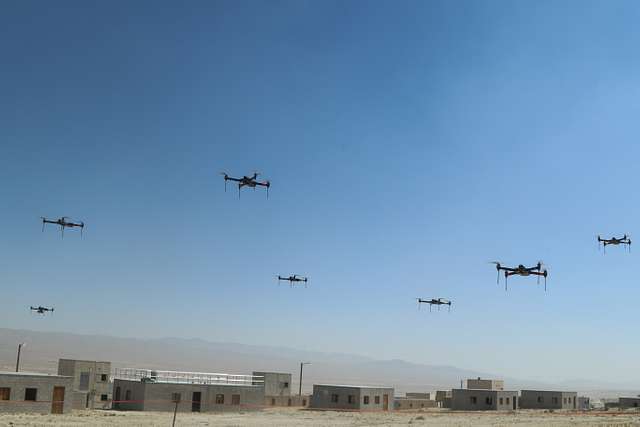
The Federal Communications Commission (FCC) is set to vote on new regulations that would open 50 MHz of low-band spectrum for commercial drone operations. This decision, announced by FCC Chairman Brendan Carr in a blog post on October 7, aims to remove existing restrictions that have hindered drone operations in the 800 MHz cellular band. The vote is scheduled for the FCC's open meeting on October 29. This move is significant as it seeks to enhance the operational capabilities of American drone companies by providing access to additional spectrum. Carr emphasized that the current restrictions have inadvertently created barriers for drone operations, and the proposed changes are intended to modernize regulations to support U.S. drone leadership. Access to lower-frequency spectrum is particularly beneficial for reliable communications, especially for advanced operations like flights beyond visual line of sight (BVLOS). Looking ahead, the FCC's actions will focus on spectrum regulations while ensuring that operators continue to comply with FAA flight requirements. No further timeline was disclosed at the time of publication. Additionally, the FCC will consider new restrictions on foreign electronics testing laboratories, which could impact the compliance landscape for manufacturers in the drone sector.
Drone News Drone News Feeds News Products US Government 800 MHz spectrum
Ambrosia Energy and Bloom Energy Discuss AI Infrastructure Opportunities at TechCrunch Disrupt 2026
At TechCrunch Disrupt 2026, Ben Longmier, CEO of Ambrosia Energy, and Bill Thayer, SVP at Bloom Energy, will discuss the growing need for AI infrastructure. As AI applications expand, the demand for physical infrastructure such as power generation and data centers is increasing, presenting new business opportunities. This session will explore the challenges of scaling AI, particularly when demand for computing resources outpaces the availability of power and infrastructure. Longmier and Thayer will analyze which constraints may lead to durable business categories and how founders can navigate this evolving landscape. Attendees can expect insights into the emerging markets driven by AI's physical demands, including energy and cooling solutions. The conversation aims to help founders, investors, and tech leaders identify where to focus their efforts as AI infrastructure continues to develop. No further timeline was disclosed at the time of publication.
Startups AI Bloom Energy TechCrunch Disrupt Ambrosia Energy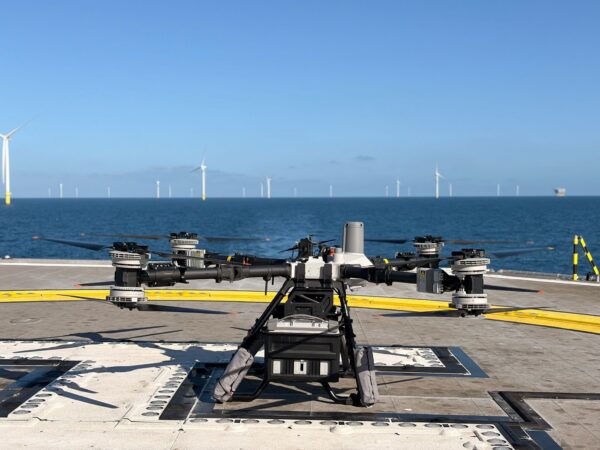
Ørsted and Skyports Complete Heavy Cargo Drone Trial for Wind Turbine Maintenance
Ørsted has successfully conducted a four-week cargo drone trial at its Hornsea 2 offshore wind farm in the North Sea, in collaboration with Skyports Drone Services. The trial involved transporting maintenance kits weighing up to 65 kilograms (143 pounds) between a service vessel and turbine tops, marking the first BVLOS delivery within the wind farm. This trial is significant as it demonstrates the potential of cargo drones to enhance operational efficiency in offshore wind turbine maintenance. By reducing the need for routine vessel trips, the drones can help maintain consistent electricity generation while minimizing operational risks and costs. The innovative load-collection method developed for the drones also increases safety and automation in the delivery process. Looking ahead, the successful execution of this trial paves the way for further integration of drone technology in offshore operations. The collaboration between Ørsted, Skyports, and the UK Civil Aviation Authority highlights the importance of industry partnerships in advancing drone capabilities and regulatory frameworks for BVLOS operations. No further timeline was disclosed at the time of publication.
Drone News Drone News Feeds News UK Drone Industry UK Drone Space aerospace news 2026
Gix Internet Makes $500K Investment in Ottonomy for Autonomous Delivery Robots
Gix Internet has announced a strategic investment of $500,000 in Ottonomy, a U.S. company specializing in autonomous delivery robots. This investment, made through a SAFE agreement, is expected to close during the week of September 16, 2026. Gix aims to integrate Ottonomy's Level 4 autonomous navigation technology with its Deliverz.ai software, enhancing the management of robots and autonomous systems. This investment is significant as it follows a nonbinding agreement from August that could lead to Gix acquiring a majority stake in Ottonomy. The collaboration is poised to leverage Ottonomy's experience in deploying its Ottobot delivery robots across various sectors, including healthcare and last-mile delivery, thereby expanding Gix's capabilities in the autonomous robotics market. Looking ahead, Gix's potential majority ownership of Ottonomy could reshape the landscape of autonomous delivery solutions. However, the proposed majority investment remains contingent on due diligence and regulatory approvals. No further timeline was disclosed at the time of publication.
AI AI Funding & Investment Robotics autonomous delivery investment Israel
WRC 2026 Robot Systems: 149 Companies That Build Robots
149 of the 248 classified WRC 2026 exhibitors build finished robots. 93 build humanoid or legged machines. The audited humanoid sales number is one unit.

ROBOTTODAY Weekly July 20 – 24, 2026
Your weekly robotics briefing: AGIBOT unveils four new robots at WAIC 2026, the NDAA bars Chinese humanoids from the U.S. military, SoftBank eyes Gravis Robotics for its Roze vehicle, and Anduril reveals its Thunder autonomous attack tiltrotor at Farnborough.

US Restrictions on Chinese Humanoid Robots: The Full Map
Every US restriction on Chinese humanoid robots — NDAA Sec. 163, GUARD Act, the 1260H list — plus the supply-chain math and a 4-tier map of decoupling.

FUTURE WARFARE | The Geopolitical Competitive Landscape
Military robotics is no longer a U.S.-centric story. Global defence spending crossed $2.75 trillion in 2026; defence-tech VC hit a record $49.1 billion in 2025; and a multipolar robotics order is crystallising in real time — with China’s 15th Five-Year Plan institutionalising civil-military fusion, Europe’s €381 billion defence budget financing its own AI champions, and Turkey and Israel reshaping the export market with affordable, combat-proven systems. Part Five of the Future Warfare Series maps the country-by-country competitive landscape, the collapsing regulation race, and the investment forces reshaping who builds — and who controls — the autonomous weapons of the next decade.

FUTURE WARFARE | Cross-Domain Integration - Integration How Land, Sea, Air and Software Are Converging Into a Single Kill Chain
Cross-domain robotics is reshaping modern warfare as drones, UGVs, AI targeting systems, and autonomous logistics converge into a single networked kill chain across land, sea, air, and software.

GLOBAL ROBOTICS INDUSTRY Comprehensive Sector Overview
A comprehensive global robotics industry overview for 2025, analyzing 14 key market segments — from industrial and humanoid robots to logistics AMRs, military systems, and service robots — with expert market sizing, US case studies, five-year forecasts, and bilingual English-Chinese analysis for executives and investors.
FUTURE WARFARE | Land - Unmanned Ground Vehicles — From Logistics Mules to Front-Line Robots
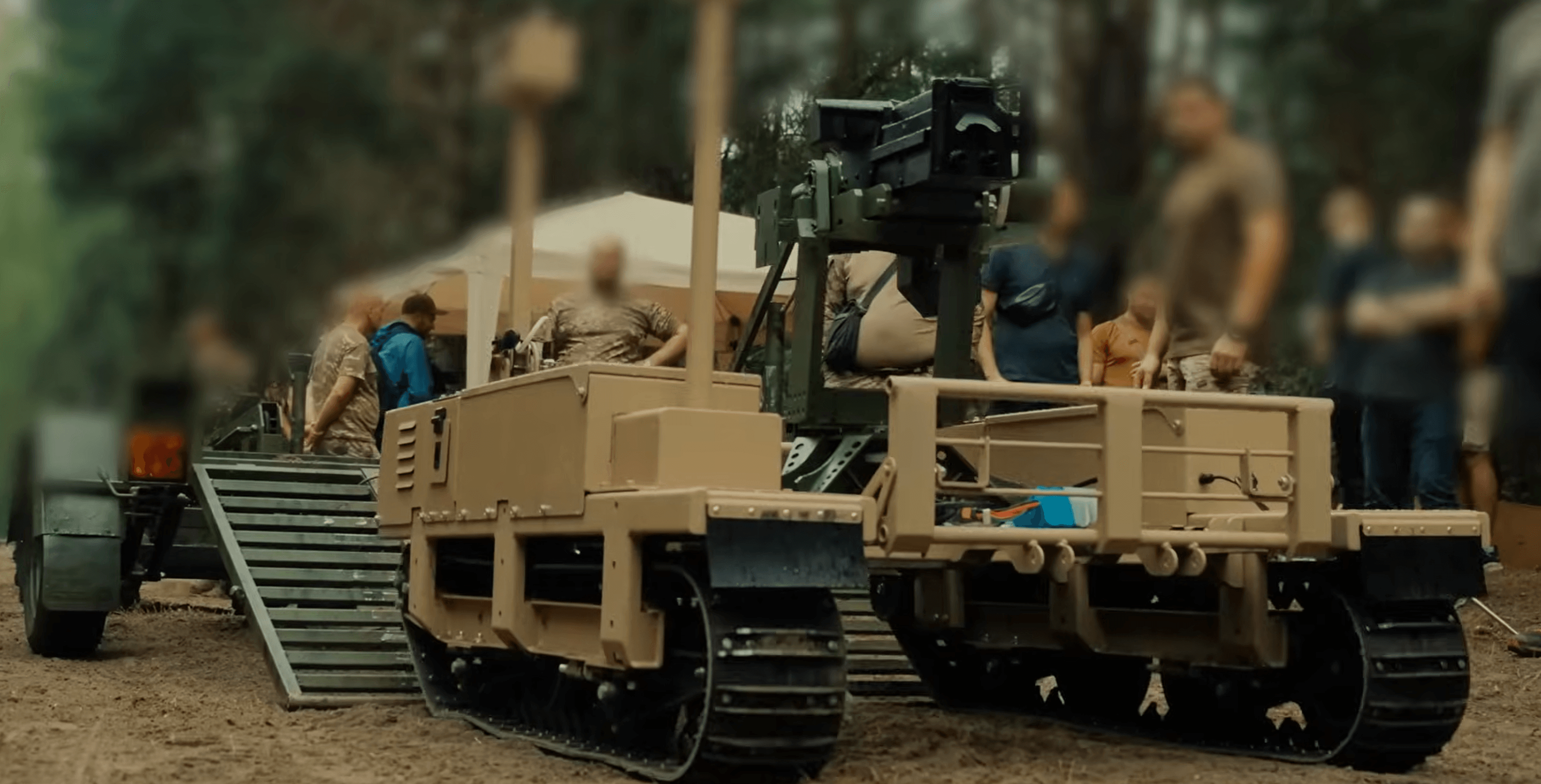
Ukraine fielded 15,000 unmanned ground vehicles in 2025 — surpassing its own procurement targets by over 100 percent. A single UGV held a front-line position for 45 days. Up to 90 percent of supplies to Pokrovsk now move by robot, not truck. The U.S. Army cancelled its $3 million Robotic Combat Vehicle and is starting over. China is deploying $3,000 robot dogs in PLA urban-warfare exercises. This article maps the emerging UGV battlefield — from Ukraine’s garage-built logistics fleet to the Pentagon’s stalled combat-vehicle ambitions, and from Ghost Robotics’ Vision 60 to the quadruped proliferation problem no treaty has yet addressed.

EU Bets €1.5B on Drones and AI: Inside EDIP's 2026–2027 Defence Industry Programme
The EU's €1.47 billion European Defence Industry Programme (EDIP) 2026–2027 targets drones, counter-UxS systems, AI-enabled autonomy, and loitering munitions across six major funding calls — allocating over €232 million directly to unmanned systems and related electronics supply chains.
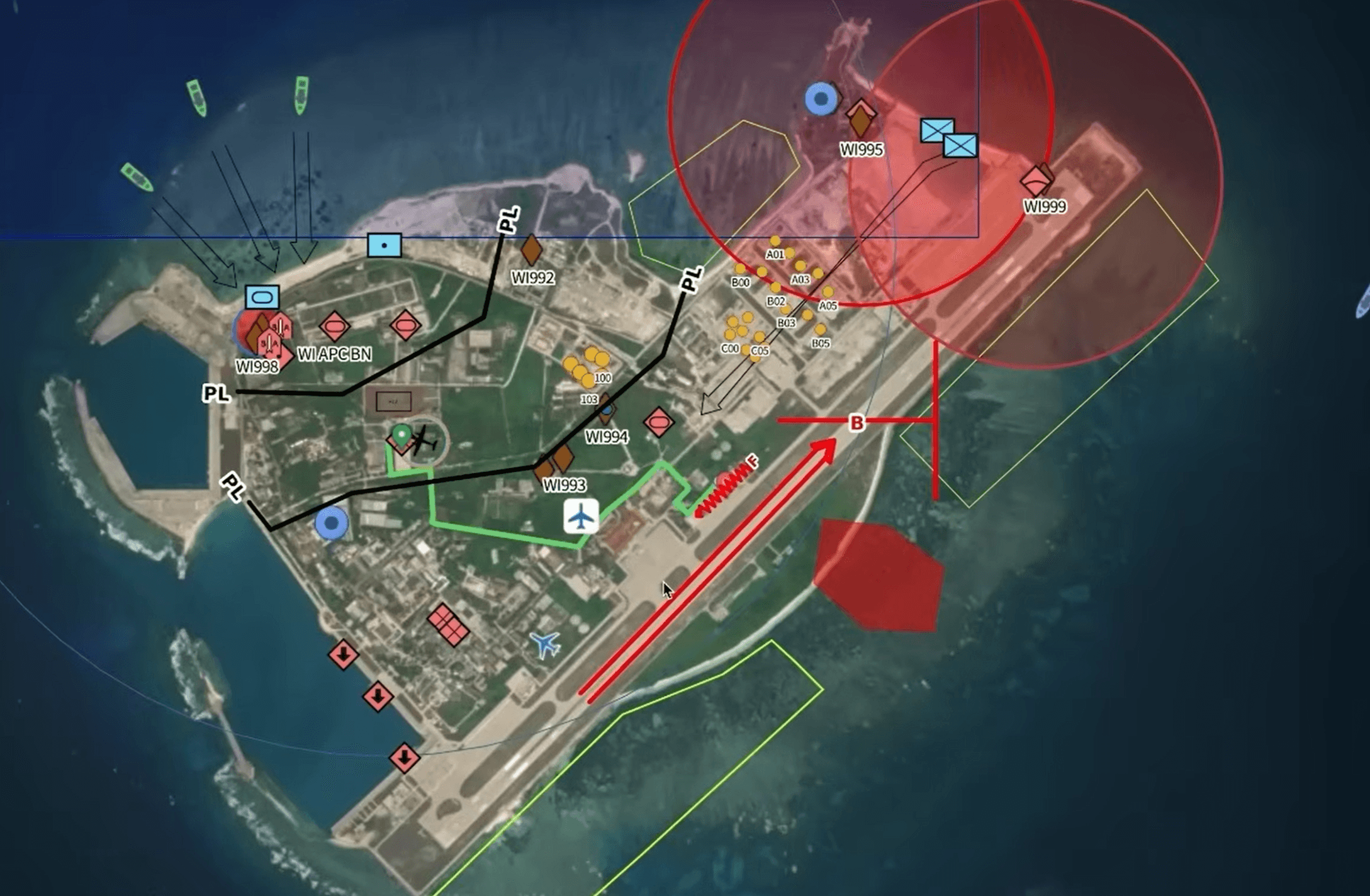
FUTURE WARFARE | The Autonomy Spectrum
How modern weapons shattered the concept of human control — from kill-switch confirmation to AI systems that select targets independently.

EKA Mobility Secures $57 Million from NIIF’s India-Japan Fund to Drive Leadership in Electric Commercial Vehicles
EKA Mobility raises $57 M from the India-Japan Fund (NIIF) to accelerate electric commercial vehicle growth and electrification leadership in key markets.


