Luminar Technology

Bangladeshi software development and IT consultancy providing custom software, AI solutions, web applications, and digital transformation services. No direct robotics product involvement.

Share
Luminar Technology
2603 Discovery Dr
Orlando, FL 32826
RobotToday Initiative

Robotics needs a service framework.

RSF defines a common language for robot service capability, lifecycle operations, certification pathways, and service-provider networks.

Share

Related Content

Grid Intelligence: How an AI Brain Fills the Gap in Underforest Scenarios

Grid Intelligence: How an AI Brain Fills the Gap in Underforest Scenarios

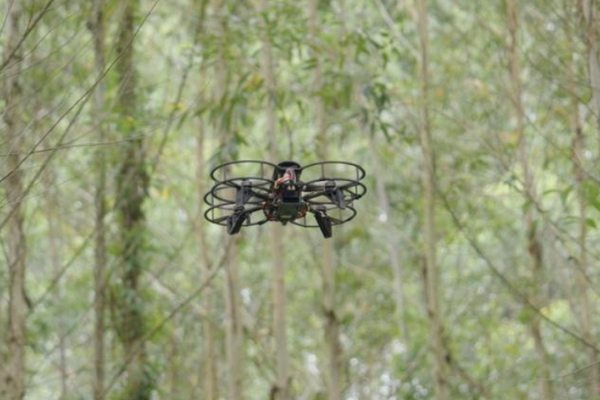
Grid Intelligence has launched its GridAI brain, enabling drones to operate autonomously in underforest environments without GNSS. This innovation addresses significant automation needs in forestry, where traditional methods are costly and inefficient. The technology allows for real-time spatial understanding and obstacle avoidance, marking a breakthrough in drone capabilities. The underforest sector presents a substantial market opportunity, with China's forest stock expected to reach 20.988 billion cubic meters by 2025. Despite the demand, automation solutions have struggled to penetrate this complex environment due to navigation challenges. GridAI's unique approach to spatial perception and control functions aims to revolutionize operations in this previously neglected area. Looking ahead, Grid Intelligence plans to expand the application of its GridAI brain beyond forestry to various sectors, including logistics and robotics. Collaborations with leading forestry companies and strategic partnerships in logistics indicate a broader vision for integrating intelligent solutions across industries. No further timeline was disclosed at the time of publication.

Guo Lie Discusses Product Development in the AI Era After Success with FaceU and CapCut

Guo Lie Discusses Product Development in the AI Era After Success with FaceU and CapCut

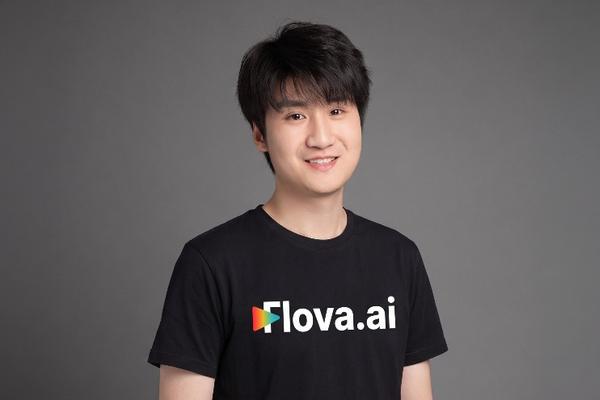
Guo Lie, founder of Flova.ai, has emerged as a key figure in AI-driven video creation tools after previously leading successful products like FaceU and CapCut. His latest venture, Flova.ai, launched globally in October 2025, aims to simplify video production through an innovative Agent system that enhances user creativity while maintaining structured workflows. The significance of Guo's work lies in his ability to blend user experience with AI capabilities, addressing the evolving demands of content creators. With a funding total of $80 million from investors including Sequoia China and IDG, Guo emphasizes the importance of product quality and growth over sheer financial metrics, reflecting a strategic approach in a competitive landscape. Looking ahead, Guo's focus on creating a versatile video Agent that caters to various user needs positions Flova.ai as a potential leader in the AI content creation market. As AI technology continues to evolve, the interplay between human creativity and Agent functionality will be crucial for future developments in this space. No further timeline was disclosed at the time of publication.

GE Aerospace and Magellan Aerospace Partner for F414 Engine Sustainment in Canada

GE Aerospace and Magellan Aerospace Partner for F414 Engine Sustainment in Canada

GE Aerospace has entered into a Memorandum of Understanding (MoU) with Magellan Aerospace to support the sustainment of the F414-GE-39E engine. This engine is integral to the Saab JAS 39 Gripen E fighter program, highlighting the collaboration between the two companies in the aerospace sector. This partnership is significant as it ensures the ongoing maintenance and support of the F414 engine, which is critical for the operational readiness of the Gripen E fighter. The collaboration reflects a commitment to enhancing aerospace capabilities in Canada and supporting defense initiatives. Looking ahead, stakeholders will be keen to observe how this MoU will impact the operational efficiency of the Gripen program and the broader implications for defense procurement in Canada. No further timeline was disclosed at the time of publication.

News
Samsung Display and LG Display Introduce OLED Panels for Humanoid Robot Faces

Samsung Display and LG Display Introduce OLED Panels for Humanoid Robot Faces

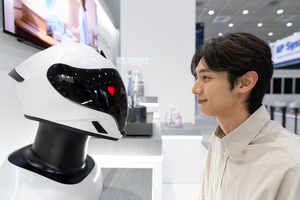
Samsung Display and LG Display launched OLED panels for humanoid robot faces at K-Display 2026 in Seoul. Samsung showcased a 6.9-inch curved OLED capable of displaying expressions and tracking gaze, alongside a 1.3-inch circular OLED integrated into AI toys. LG Display presented a plastic OLED (P-OLED) with a resolution of 1,080-by-520, designed for extreme temperatures, enhancing its suitability for industrial environments. This development is significant as it opens new applications for OLED technology, traditionally used in smartphones and vehicles. The humanoid panels could enhance user interaction in various settings, particularly in guidance, care, and education, where visual communication is crucial. Samsung Display's existing collaboration with Tesla for the Optimus robot highlights the potential market for these innovations. Looking ahead, neither company has disclosed specific customers, pricing, or production timelines for the humanoid panels. However, the technology's adaptability and the established platforms of both companies suggest a promising future in the robotics sector. No further timeline was disclosed at the time of publication.

All News
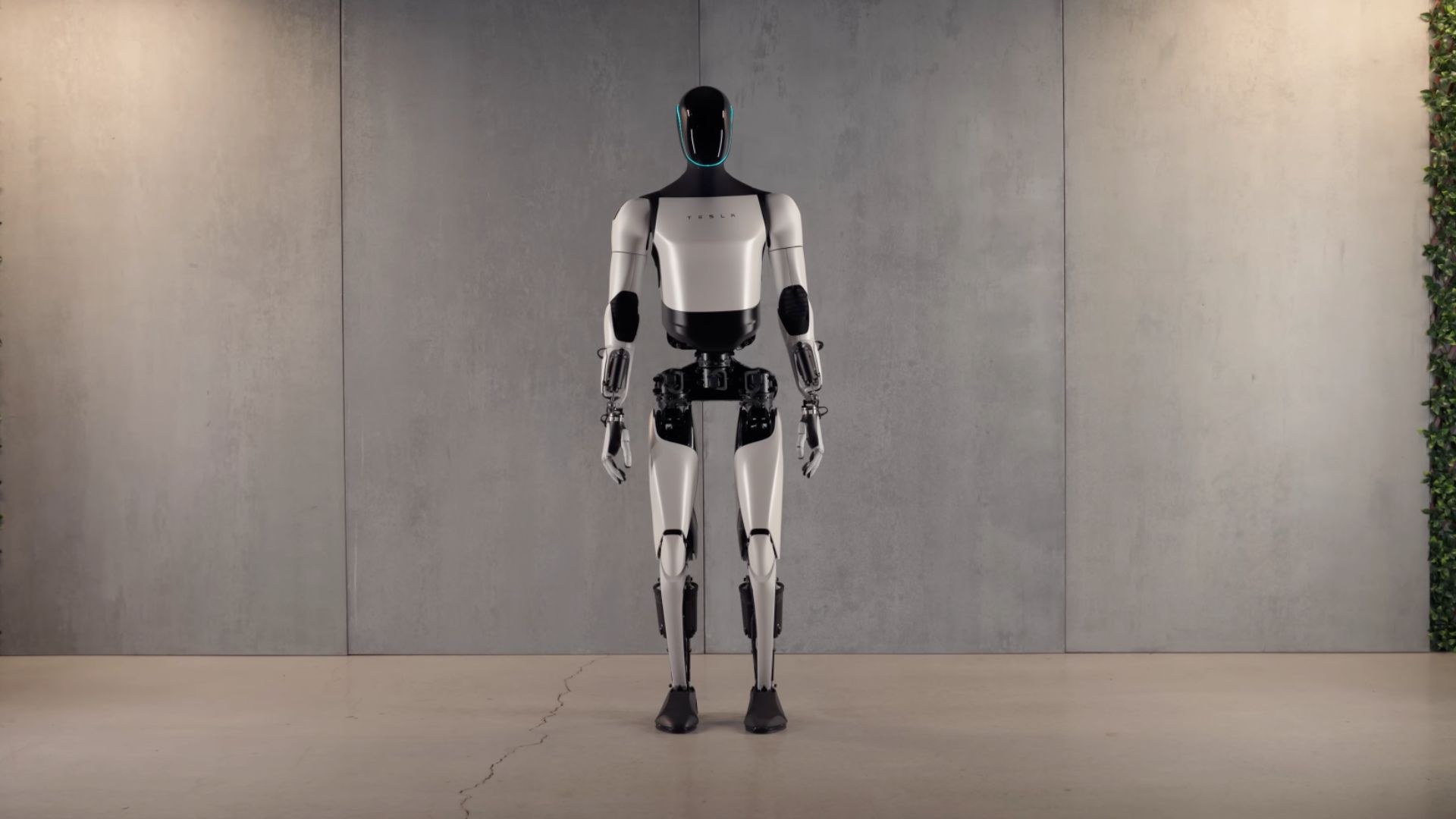
Tesla to Train Optimus Humanoid Robot Using Employee Movements at Gigafactory

Tesla to Train Optimus Humanoid Robot Using Employee Movements at Gigafactory

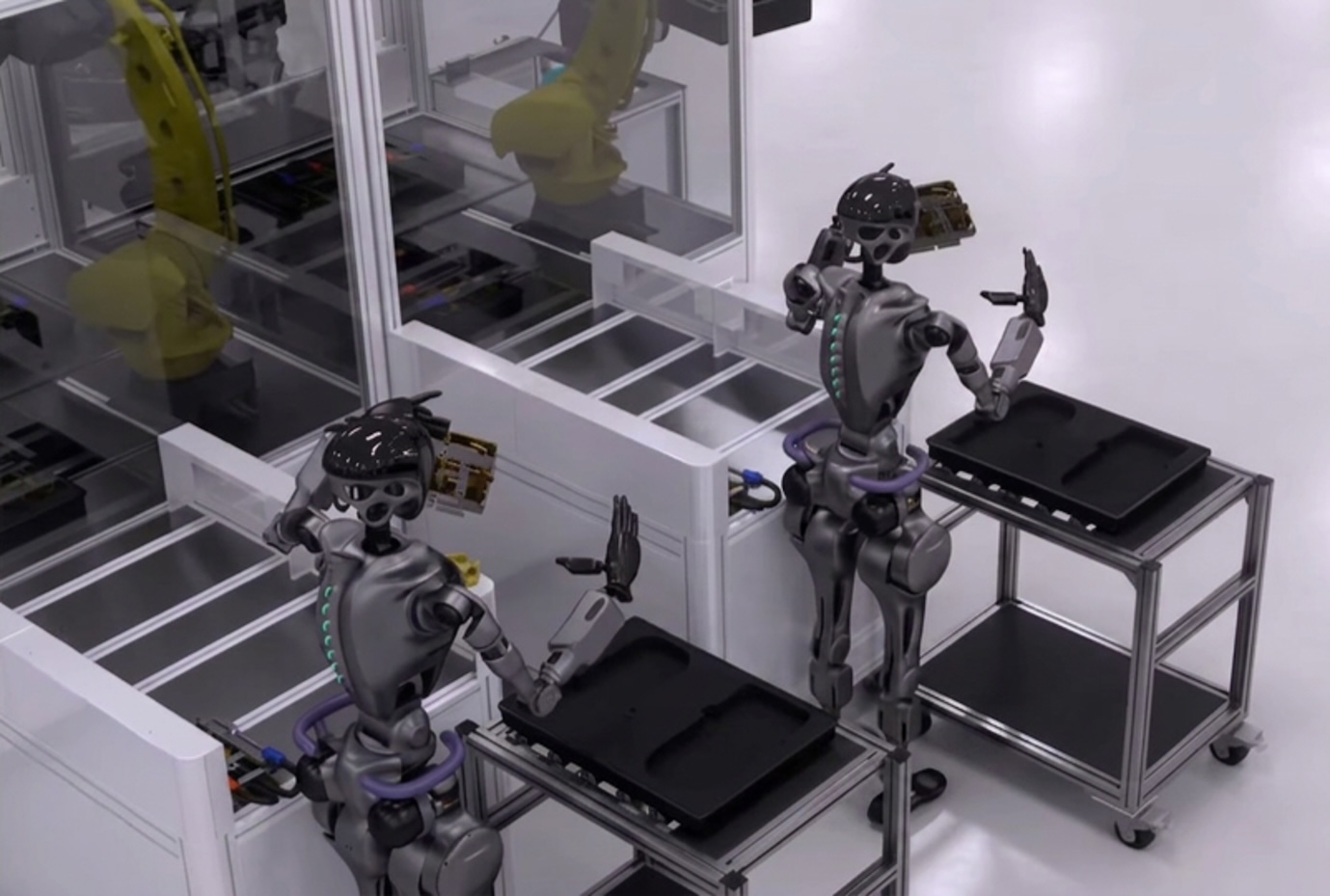
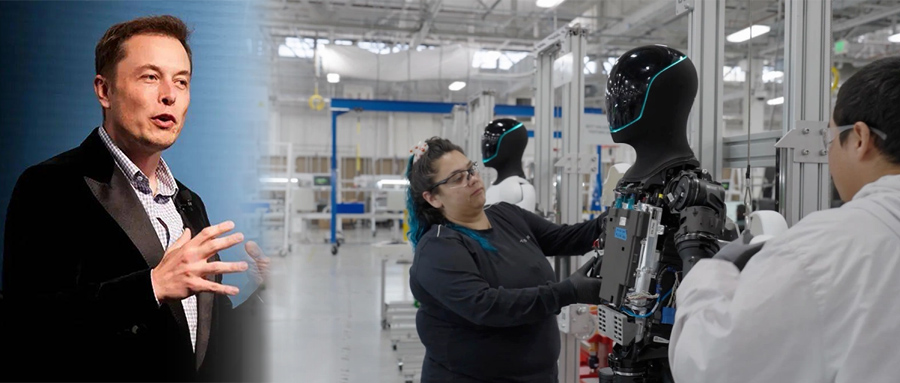
Tesla plans to utilize its employees at the Gigafactory in Grünheide, Germany, to train the Optimus humanoid robot by capturing their movements during vehicle assembly. Selected workers will wear backpack-mounted cameras to record their actions, which will help teach Optimus to replicate these tasks autonomously. This initiative is significant as it mirrors Tesla's existing training program in the United States and aims to accelerate the development and production of the humanoid robot. However, the specific role of Optimus at the Grünheide factory and the management of employee participation in data collection remain unclear, especially considering German labor laws regarding monitoring employee behavior. Looking ahead, Tesla is also expanding its robotics operations in Reutlingen, Germany, where it is developing components for Optimus manufacturing. CEO Elon Musk has indicated that scaling production of the humanoid robot will be a major challenge, as it requires building nearly every component from scratch, unlike electric vehicles that benefit from established supply chains. No further timeline was disclosed at the time of publication.

AI and Robotics
NASA Demonstrates Google’s Gemma Large Language Model in Space with NAVI-Orbital

NASA Demonstrates Google’s Gemma Large Language Model in Space with NAVI-Orbital

NASA's Jet Propulsion Laboratory has successfully sent Google's Gemma 3 to space, marking the first in-orbit demonstration of a vision-language model analyzing satellite imagery. The NAVI-Orbital system utilized Gemma 3 to interpret images from Loft Orbital's YAM-9 satellite, showcasing a new method for scientists to interact with spacecraft through natural language prompts. This advancement is significant as it allows researchers to bypass traditional structured commands, enabling more intuitive communication with satellites. Juan M. Delfa from NASA highlighted that this shift could enhance how scientists engage with space missions, potentially streamlining operations and improving data analysis. Looking ahead, the implications of NAVI-Orbital extend beyond image analysis. The system could revolutionize satellite operations by enabling real-time data interpretation and reporting, which is crucial for applications like wildfire detection. No further timeline was disclosed at the time of publication.

Nasa Image-analysis Llms Satellite-imagery Google
Tesla Transitions Fremont Factory from Model S/X Production to Optimus Robot Development

Tesla Transitions Fremont Factory from Model S/X Production to Optimus Robot Development

On July 22, 2026, Tesla announced in its Q2 shareholder update that the Model S/X production line at the Fremont factory has been decommissioned to make way for the installation of the first-generation Optimus production line, which is expected to begin operations soon. The first batch of robots will enter the Optimus Academy for data collection training, while construction at the Texas Gigafactory is progressing. This shift signifies Tesla's strategic pivot towards robotics, despite initial perceptions that it indicates a withdrawal from high-end vehicle production. The Model S/X line had a low output, with only 8,822 units produced in Q2, representing less than 3% of total deliveries. The transformation is seen as a cost-effective way to utilize existing facilities, as the Fremont site has the necessary infrastructure for rapid conversion. Looking ahead, the Fremont line's focus will be on validating assembly processes rather than achieving mass production. The Texas facility is still under construction, with production expected to ramp up by summer 2027. As Tesla invests heavily in its robotics initiative, the financial implications are significant, with a reported operating profit decline and increased capital expenditures aimed at expanding capabilities across various projects, including Optimus.

Robotics AI Manufacturing Electric Vehicles
Google Fined $1 Billion Under EU Digital Markets Act for Preferential Treatment

Google Fined $1 Billion Under EU Digital Markets Act for Preferential Treatment

The European Commission has imposed a fine of 890 million euros ($1 billion) on Google, marking the company's first penalty under the EU's Digital Markets Act (DMA). The Commission found that Google favored its own services, such as shopping and hotels, in search results, disadvantaging third-party offerings. This ruling is significant as it underscores the EU's commitment to regulating Big Tech and ensuring fair competition in the digital marketplace. The DMA aims to prevent anti-competitive practices and promote a level playing field for all service providers, which is crucial for consumer choice and innovation. Looking ahead, Google has 60 days to comply with the Commission's directives or face additional fines of up to 5% of its global revenue. The company is currently reviewing the decision and considering an appeal, while also testing changes to its search presentation to align with the DMA requirements. No further timeline was disclosed at the time of publication.

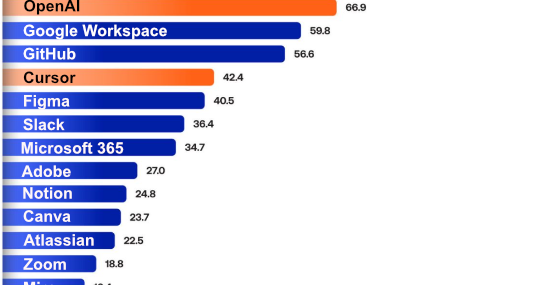
Anthropic Leads Growth Rate in AI Tools, Microsoft 365 Tops Account Numbers According to Okta Survey

Anthropic Leads Growth Rate in AI Tools, Microsoft 365 Tops Account Numbers According to Okta Survey

Okta, a U.S.-based identity management service provider, released findings based on anonymized access data from over 20,000 companies regarding the usage of AI tools in enterprises. The survey revealed that Anthropic achieved the highest growth rate among AI tools from June 2022 to June 2026, with a growth score of 100, while OpenAI and Google Workspace followed with scores of 66.9 and 59.8, respectively. The significance of this growth is underscored by the fact that over half (approximately 57%) of companies are utilizing two or more AI platforms simultaneously, indicating a trend towards a tailored approach in selecting optimal AI tools for various applications. This shift highlights the increasing reliance on AI technologies in enterprise settings. Looking ahead, it is noted that from January 2026, Anthropic's enterprise account numbers are expected to grow rapidly, while the growth rates for OpenAI and Cursor may stabilize. No further timeline was disclosed at the time of publication.

Microsoft Tests Moonshot AI's Kimi K3 for Potential Copilot Integration

Microsoft Tests Moonshot AI's Kimi K3 for Potential Copilot Integration

Microsoft is currently evaluating Moonshot AI's Kimi K3 for potential integration into its Copilot system, as reported by The Information. The company is assessing whether Kimi K3 could handle some inference requests currently managed by OpenAI and Anthropic models, although no final decision has been made regarding any model replacements. This evaluation is significant as it aligns with Microsoft's strategy to diversify its AI model usage and reduce reliance on a single supplier. The company estimates that transitioning part of Copilot's workload to Kimi K3 could lead to annual cloud infrastructure savings of up to $600 million, highlighting the financial implications of this potential shift. Looking ahead, Microsoft will need to address various challenges related to technical integration, data sovereignty, security, and export control before any deployment can occur. Initial implementations may focus on less sensitive workloads, and no further timeline was disclosed at the time of publication.

News Feed
ROBOTTODAY WEEKLY May 4 - 8, 2026

ROBOTTODAY WEEKLY May 4 - 8, 2026

RobotToday Weekly covers the week's top robotics developments: Meta acquires humanoid robotics startup ARI, Genesis AI unveils GENE-26.5 foundation model, Hugging Face launches Reachy Mini robot app store, and 1X begins NEO humanoid production in California. Plus SoftBank's $100B robotics spinoff plans, $200M+ funding for humanoid robots, and 20 curated product launches across foundation models, robotaxi, surgical robotics, drone policy, and more. Curated for industry executives, investors, and robotics engineers.

Robotics Exits: Why 2026 May Define Founder Leverage for Years

Robotics Exits: Why 2026 May Define Founder Leverage for Years

Robotics M&A is entering a critical window. Historical data from LiDAR, 3D printing, and warehouse robotics shows early exits capture premiums—late exits face distressed valuations.