


Liquid Robotics
Liquid Robotics, a Boeing subsidiary, manufactures the Wave Glider unmanned surface vehicle for long-endurance ocean data collection and maritime surveillance.
Contact Liquid Robotics
WEBSITE
https://www.liquid-robotics.comPHONE
+1 703 376 9300HEADQUARTERS
United States

Company Facts
Founded
2007
Primary Role
Manufacturer
Company Size
-
Primary Region
North America
Annual Sales
-
Funding Stage
-
Funding Total
-
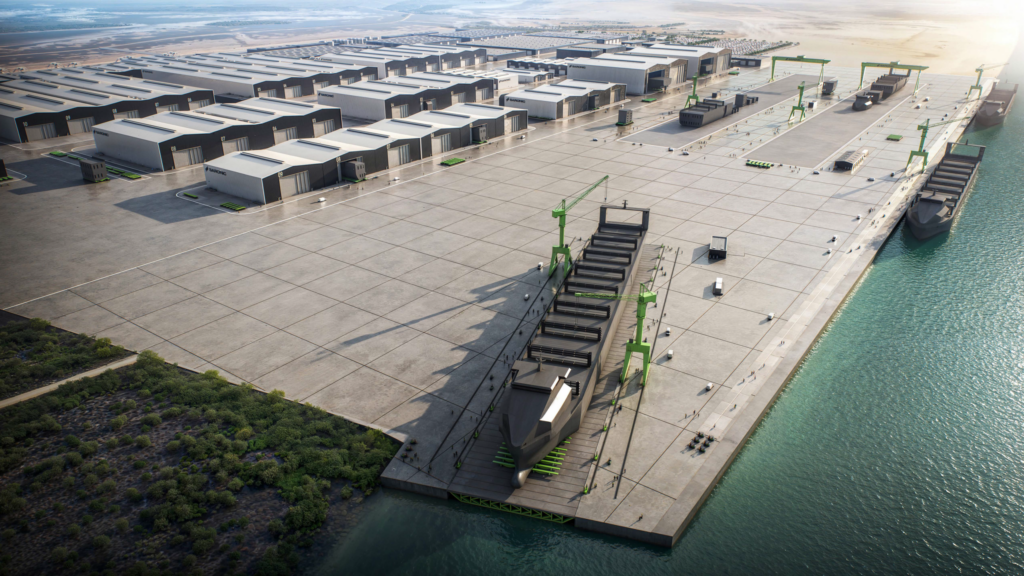
Saronic Commences Construction of Port Alpha Shipyard in Texas for Defense Vessels
Saronic has officially broken ground on its new shipyard, Port Alpha, located in Brownsville, Texas. This facility will initially cover 800 acres, with plans to expand to 4,000 acres. The shipyard aims to create approximately 10,000 jobs in various fields, including robotics and naval architecture, to support the production of both autonomous and manned vessels. The establishment of Port Alpha is significant as it addresses a capacity issue within the U.S. maritime defense sector. Saronic has already secured a contract to build Landing Craft Utility vessels for the Navy, valued at around $280 million, with deliveries expected to begin in late 2028. This project reflects Saronic's commitment to enhancing U.S. naval capabilities and meeting the growing demand for advanced maritime technology. Looking ahead, Saronic's investment in Port Alpha and its existing operations in Franklin, Louisiana, position the company to play a crucial role in the defense industry. The shipyard's capacity to produce 20 Marauder vessels annually starting in 2027 further emphasizes its strategic importance. No further timeline was disclosed at the time of publication.
Naval Warfare Business & Industry Drones Navy saronic USVs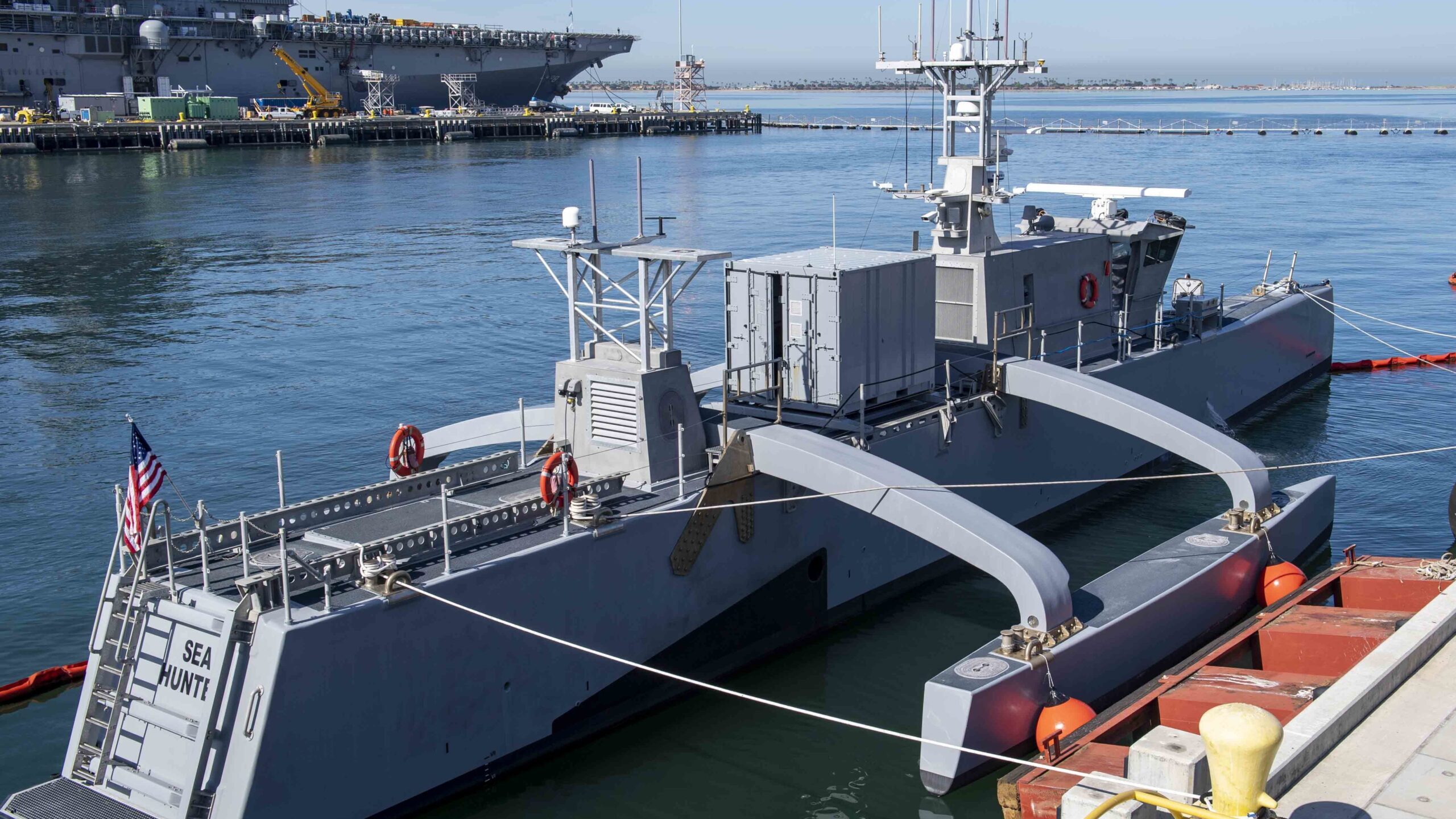
Navy to Acquire 30 Medium Unmanned Surface Vessels After Successful Testing
The Navy has announced plans to purchase 30 medium unmanned surface vessels (MUSVs) from Galliano Marine Services, Huntington Ingalls Industries, and Saronic Technologies. This decision follows successful at-sea testing and is part of the Navy's new MUSV marketplace initiative. Each MUSV is estimated to cost around $40 million, with deliveries expected by the end of fiscal 2027. This acquisition is significant as it reflects the Navy's commitment to streamlining procurement processes to enhance operational capabilities for its personnel. Acting Secretary of the Navy Hung Cao emphasized the urgency of delivering these systems to ensure that warfighters are equipped to meet emerging threats. The MUSV marketplace aims to facilitate the procurement of production-ready platforms, showcasing a shift in how the Navy approaches defense acquisitions. Looking ahead, the Navy is entering Phase II of the MUSV program, which will involve integrating and testing additional options for the vessels. The service has published a solicitation for this phase, indicating a desire for vessels that can operate unmanned for at least 10 days and carry a payload of two standard 20-foot shipping containers. No further timeline was disclosed at the time of publication.
Naval Warfare Drones HII Hung Cao Leidos Navy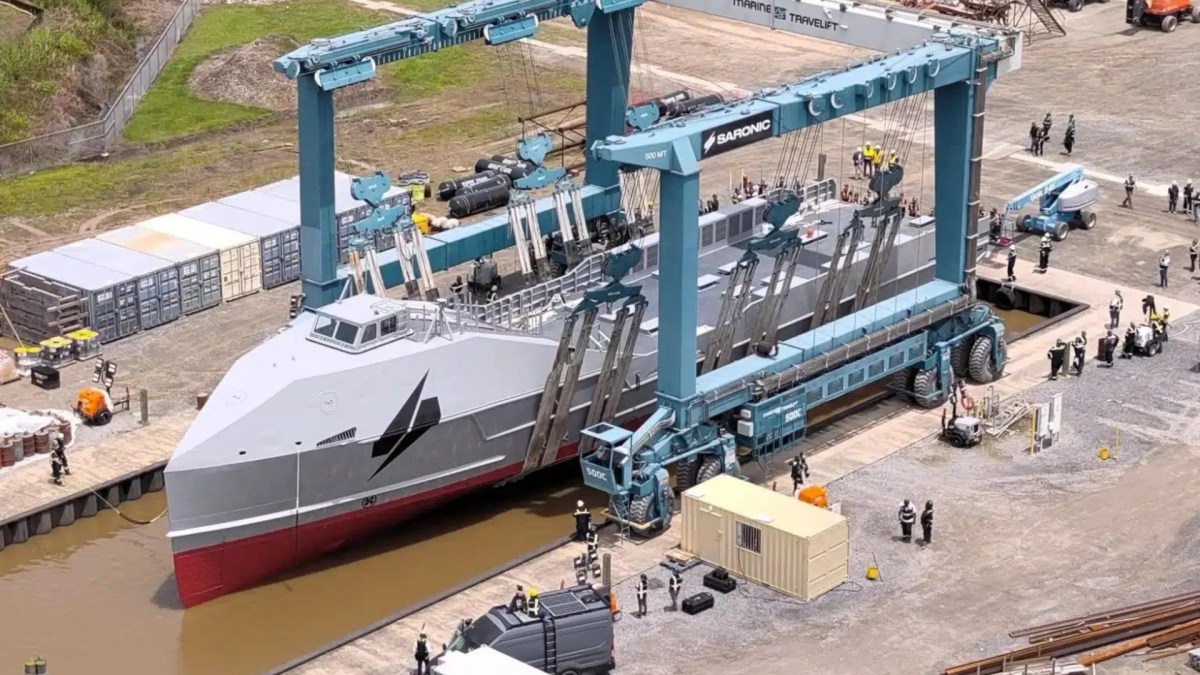
Navy Announces Order for 30 Medium Unmanned Surface Vessels from Three Companies
The Navy has revealed plans to procure 30 new drone ships, allocating 10 units each to Galliano Marine Services, Huntington Ingalls Industries, and Saronic Technologies under its Medium Unmanned Surface Vessel (MUSV) program. This initiative marks a significant advancement in the Navy's efforts to deploy larger unmanned surface vessels after facing numerous challenges in the past. These contracts, awarded through Other Transaction Authority agreements, aim to accelerate the development of these vessels, with an average cost of $40 million each, totaling $1.2 billion for the entire order. Chris Miller, the Navy’s Acting Direct Reporting Portfolio Manager for Robotic and Autonomous Systems, emphasized the importance of these agreements in transforming strategic visions into operational capabilities. Production is set to commence immediately at shipyards in Louisiana, with deliveries expected to start in the fourth quarter of Fiscal Year 2027. As the Navy continues to refine its definition of medium USVs, the operational capabilities and requirements for these vessels will be critical to their success in various maritime missions.
Sea Navies News & Features U.S. Navy Unmanned Surface Vessels (USVs)
RobotToday Weekly September 21 – 25, 2026
Cognex buys RealSense, Qualcomm acquires PickNik, the IFR counts 5 million factory robots, AGIBOT deploys 300 robots at Chimelong, and Tekever raises $580 million.
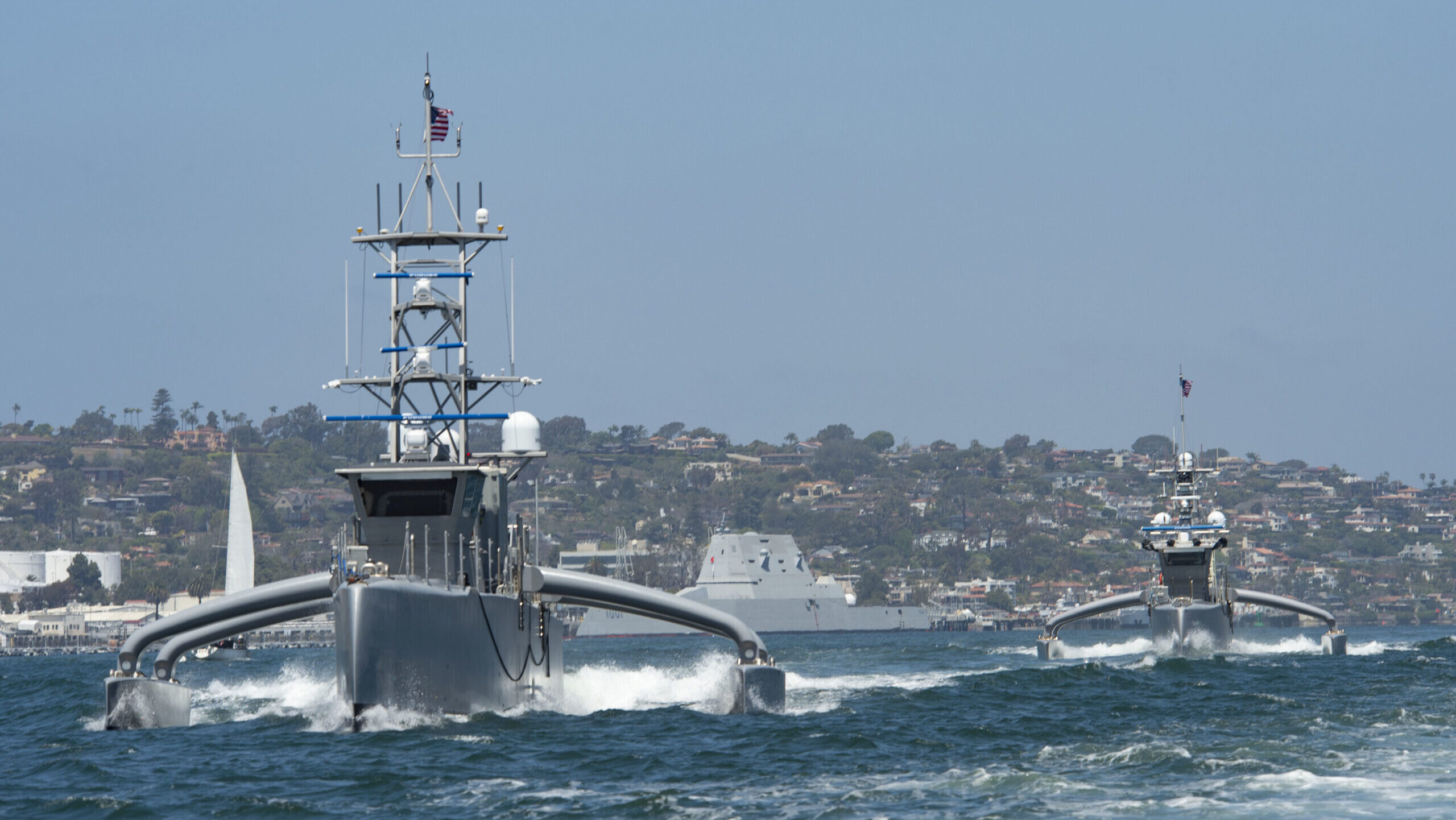
Navy Initiates Phase II for Medium Unmanned Surface Vessel Project, Seeks Innovative Solutions
The Navy has launched Phase II of its medium unmanned surface vessel (MUSV) project, inviting innovative solutions for integration and testing. The solicitation notice, released on September 23, emphasizes the need for adaptable and resilient designs that can address evolving maritime threats. This initiative is significant as it aims to enhance the Navy's capabilities in unmanned operations, with specific requirements for vessels to operate unmanned for at least 10 days and accommodate a payload of two standard 20-foot shipping containers. The focus on open-architecture autonomy and rapid production scalability reflects the Navy's commitment to modernizing its fleet. Looking ahead, vendors with successful proposals will demonstrate their vessels at sea, evaluated on criteria such as speed and fuel efficiency. The Navy's MUSV Marketplace, announced earlier this year, aims to streamline procurement processes for maritime autonomous systems, allowing both new and existing vendors to participate in this evolving landscape.
Naval Warfare Drones MUSV Navy Unmanned
MARTAC Increases Devil Ray Drone Boat Production by 100 Units Annually
MARTAC has partnered with SŌLACE Boats to boost production of its Devil Ray autonomous vessels by 100 units per year, responding to rising demand from U.S. and allied governments. This partnership, announced on September 15, will leverage SŌLACE's 200,000-square-foot production facility in Edgewater, Florida, enhancing MARTAC's manufacturing capabilities. The collaboration is significant as it allows MARTAC to scale production without the need for additional manufacturing facilities, utilizing SŌLACE's expertise in high-performance boat construction. The Devil Ray T24, launched in 2023, is designed for multi-role missions and can deploy smaller MANTAS T12 USVs, showcasing its versatility in various maritime environments. Looking ahead, MARTAC's agreement with SŌLACE is part of a broader strategy to expand its production through partnerships with established marine manufacturers. The company had previously announced a co-production agreement with Mystic Powerboats, indicating a commitment to increasing domestic production capacity for its autonomous vessels. No further timeline was disclosed at the time of publication.
Military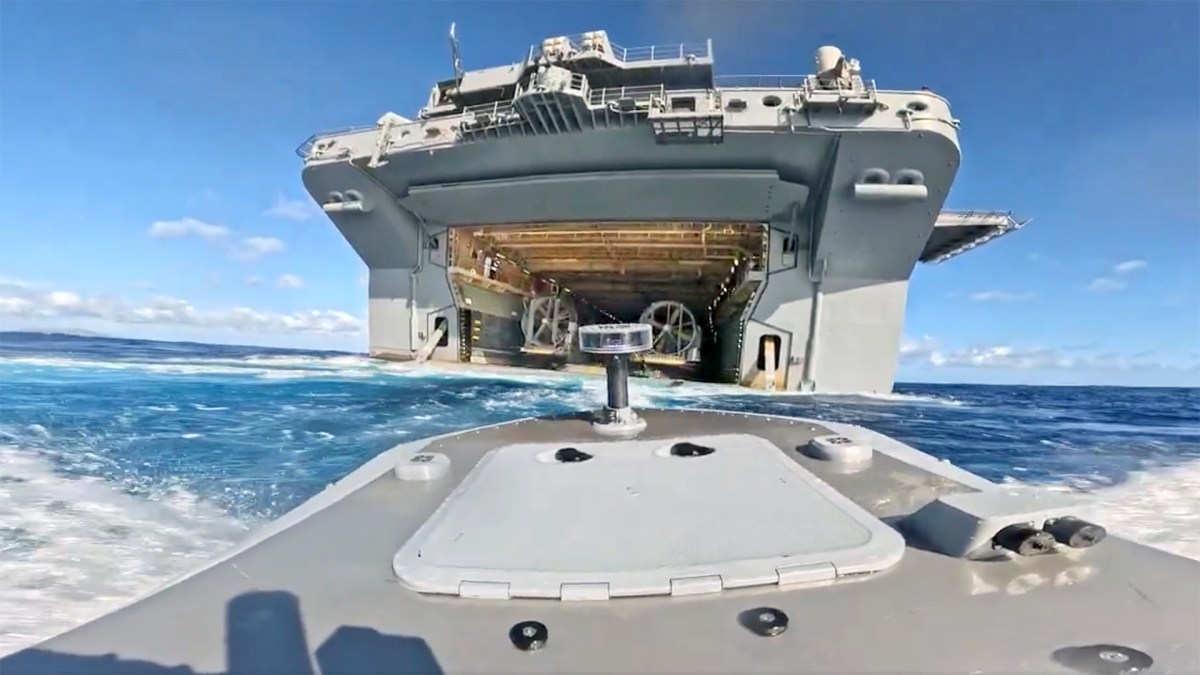
Marine Colonel Advocates for Uncrewed Surface Vessels in Future Deployments
Colonel Chris P. Niedziocha, who led the 31st Marine Expeditionary Unit during its recent Middle East deployment, emphasized the need for uncrewed surface vessels (USVs) in future operations. He noted that the Marines are currently lagging in operationalizing USVs, which are crucial for reconnaissance of contested beach landing areas, a task traditionally handled by the Navy. The increasing global military use of USVs highlights their importance, as demonstrated by Ukraine's effective use of sea drones against Russian naval forces. The U.S. has also employed USVs in combat, including during Operation Epic Fury, where they were used for various missions, including surveillance and search and rescue operations. Niedziocha pointed out that the integration of robotics and autonomy in combat is essential for future military strategies. Looking ahead, Niedziocha sees significant potential for USVs in amphibious operations, particularly for assessing underwater conditions before deploying Marines. The Marines are actively working on developing their own USV capabilities, including counter-mine systems, to enhance their operational effectiveness and safety in contested environments. No further timeline was disclosed at the time of publication.
Sea U.S. Marine Corps Unmanned Surface Vessels (USVs)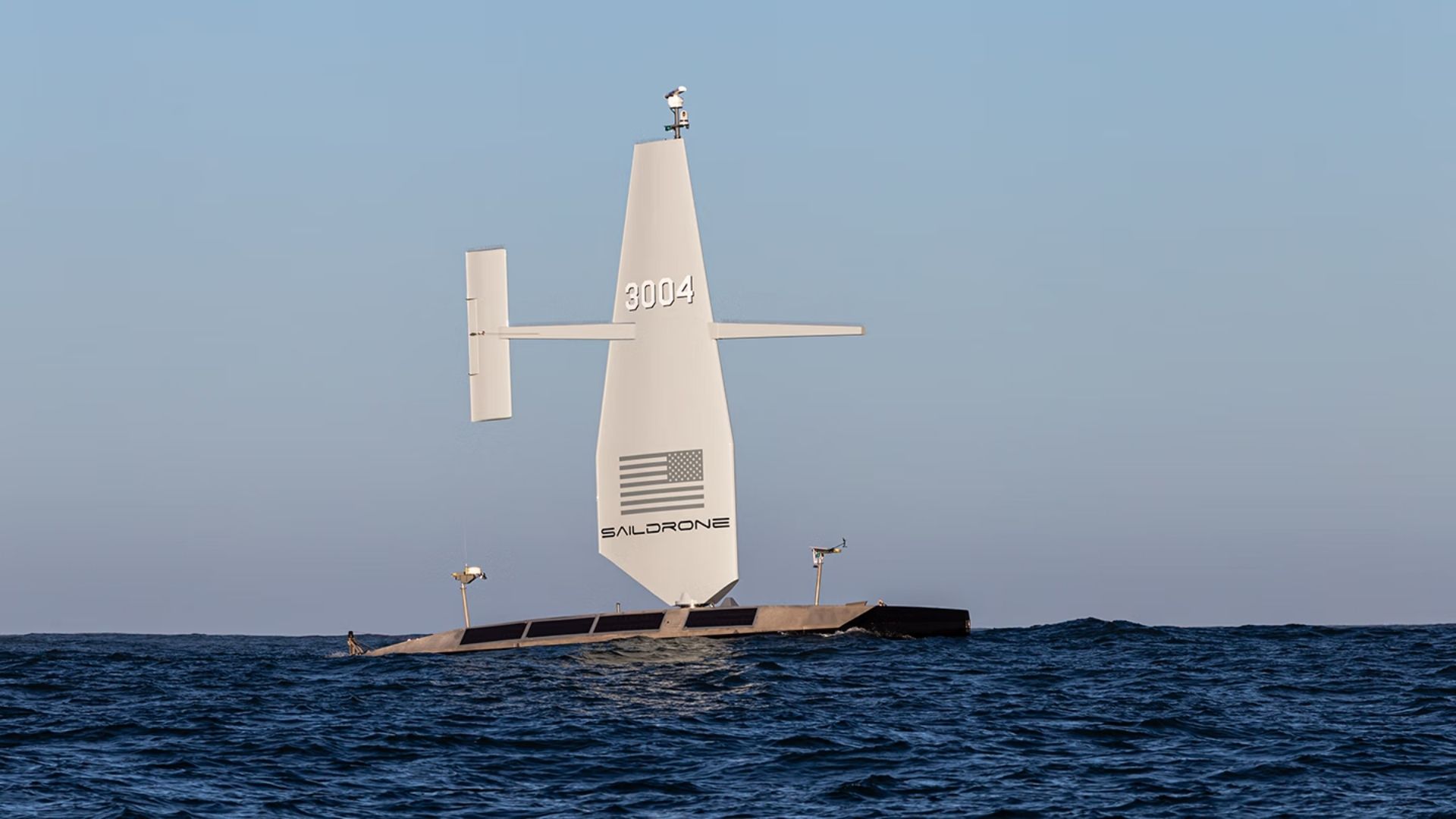
US Navy Awards $10 Million to Saildrone for Atlantic Seabed Mapping with USVs
The US Navy has awarded a $10 million contract to Saildrone to utilize autonomous vessels for mapping the Atlantic Ocean floor. This initiative, assigned by the Naval Oceanographic Office, is set to commence in 2026 and will continue through most of 2027, enhancing military knowledge of critical underwater terrain. This project is significant as it aims to improve safe navigation and support submarine missions, anti-submarine warfare, and critical infrastructure protection. Currently, only 28.7 percent of the world's oceans have been mapped to modern standards, leaving substantial knowledge gaps that can pose operational risks for naval operations. Looking ahead, the deployment of Saildrone's Surveyor unmanned surface vessels will not only provide high-resolution bathymetric data but also measure ocean currents, aiding search-and-recovery operations. No further timeline was disclosed at the time of publication.
Military
Innovation Works Venture Expo 2026: 58 Pittsburgh Startups Pitch to Investors
58 health, deep tech and robotics startups pitched at Innovation Works Venture Expo 2026 in Pittsburgh. Full company list, program and 2025 funding data.

Hanwha and Magnet Defense to Begin Construction of New MUSV This Fall
Hanwha and Magnet Defense have announced plans to commence construction on a new Medium Unmanned Surface Vehicle (MUSV) this fall. The two companies formalized their collaboration through a memorandum of understanding signed in April, which outlines their commitment to developing this advanced maritime technology. The development of the MUSV is significant as it represents a strategic partnership aimed at enhancing capabilities in unmanned maritime operations. This initiative is expected to contribute to advancements in naval defense technology, reflecting the growing importance of unmanned systems in modern military applications. Looking ahead, testing of the MUSV is scheduled for next year, marking a critical phase in the project. Stakeholders will be keen to monitor the progress of this collaboration and its implications for the defense sector, particularly in the context of increasing investments in unmanned vehicle technologies.
Naval Warfare Drones Hanwha Hanwha Defense USA Magnet Defense MUSV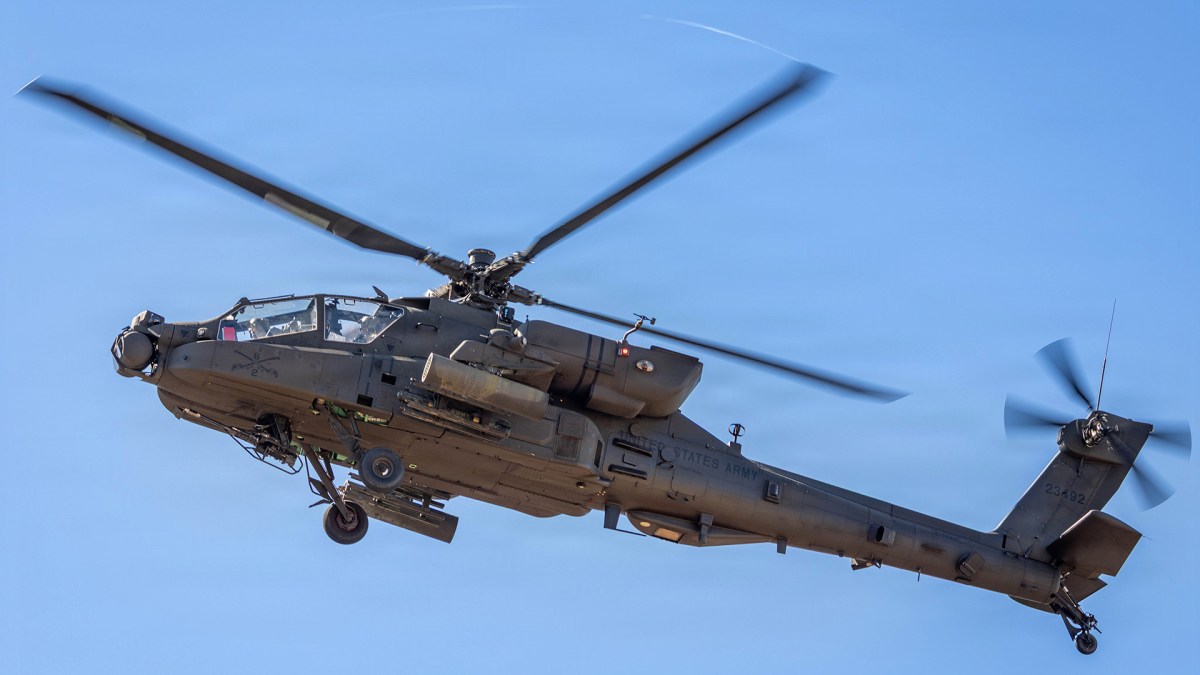
Joint Chiefs Chairman Discusses AI's Role in Modern Warfare After Apache Rescue
The U.S. military's top officer, Air Force Gen. Dan Caine, highlighted the transformative impact of artificial intelligence (AI) on warfare during a recent conference. He shared insights from the rescue of two U.S. Army Apache crew members shot down by an Iranian drone near Oman, marking the first use of an uncrewed surface vessel (USV) in a personnel recovery operation. Caine emphasized that the rapid evolution of AI is compressing decision-making timelines in military operations, with the advantage going to those who can quickly gather and analyze information. The successful recovery mission on June 8 involved a coordinated effort by U.S. CENTCOM and the deployment of a U.S. Navy Corsair USV, showcasing the integration of unmanned systems and AI in complex environments. Looking ahead, Caine warned that while AI enhances military capabilities, it also accelerates the evolution of threats, as seen in Ukraine with AI-enabled drones. He noted the stark implications of low-cost precision warfare, urging the joint force to adapt swiftly to these technological changes to maintain operational effectiveness.
Air AH-64 Air Forces Armies Helicopters Land
ROBOTTODAY WEEKLY BRIEFING August 24 – 28, 2026
This week in robotics: XPeng's Dogotix raises over $900 million at a $6.3 billion valuation, Unitree's post-IPO slump revives bubble talk, Beijing's World Humanoid Robot Games close with a shift to real-world tasks, and Teradyne sues JAKA at Europe's Unified Patent Court. August 24–28, 2026.

Physical AI Landscape: From Digital Intelligence to the Embodied Physical World
A comprehensive industry analysis of Physical AI — covering Embodied AI, Field AI, Factory AI, VLM, World Model, VLA, and the VLA vs WAM architecture debate. Includes 20+ companies, 28 references, and the RobotToday Physical AI Landscape diagram. July 2026.
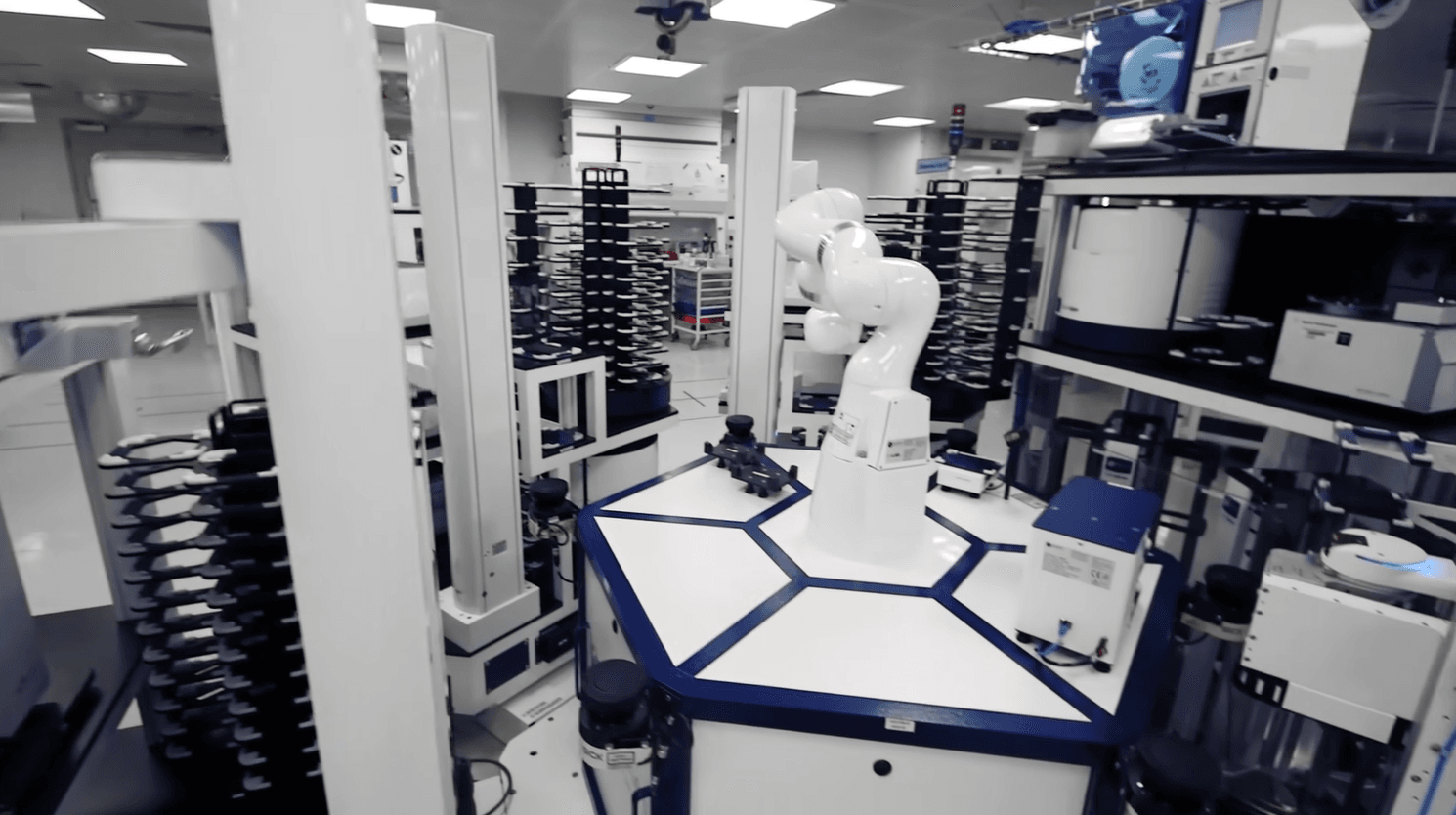
Laboratory Robotics in 2026: Technology, Companies & Vertical Maturity
From clinical diagnostics to self-driving labs: a deep analysis of laboratory robotics technologies, mass-production maturity timelines across 12 vertical sectors, 26 key companies, and the investment landscape shaping lab automation through 2030.

AGRICULTURAL ROBOTICS | $34B Weeding Robot Market
Weeding & crop management robots target a $34–42B herbicide market. Deep-dive on Carbon Robotics, Ecorobotix, Verdant, FarmWise, and the four tech platforms reshaping chemical-free farming by 2030.

Space Robot- Building Skyscrapers in Space: ISMA's Industrial Revolution
ISAM technology breaks rocket fairing limits through robotic space manufacturing. Market grows from $3.5B to $14.5B by 2032. See how 3D printing, autonomous assembly, and orbital fabrication are creating off-Earth factories.
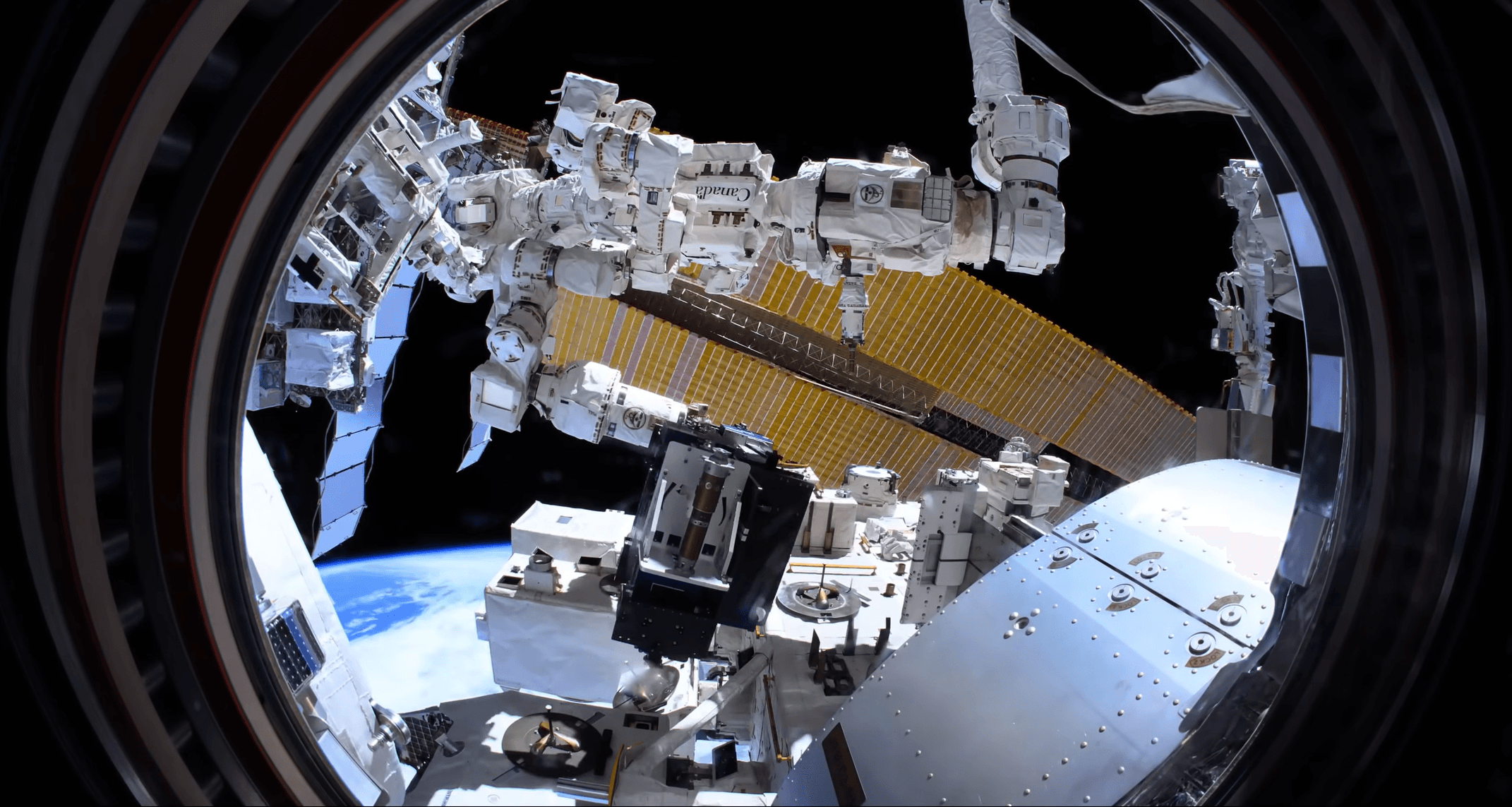
Space Robotics: The 2026 Breakout
Space robotics transforms in 2026 as Starship cuts launch costs 96%, AI enables autonomy, and satellite servicing demand explodes. The breakout year explained.

Robotics Innovator Lens Unveils Ambitious Production Goals Amid AI Surge
LENS sets bold production targets as AI-augmented robotics demand soars, promising high-volume manufacturing and next-gen automation tech.

Revolutionizing Robotics: LCE-Integrated Soft Skin for Enhanced Medical Applications
Discover a new class of millimeter-scale, fully soft everting robots featuring LCE-integrated skins for high-dexterity steering. This Science Advances study details how Liquid Crystal Elastomer actuators enable large bending angles and multi-point control for advanced surgical and industrial navigation.
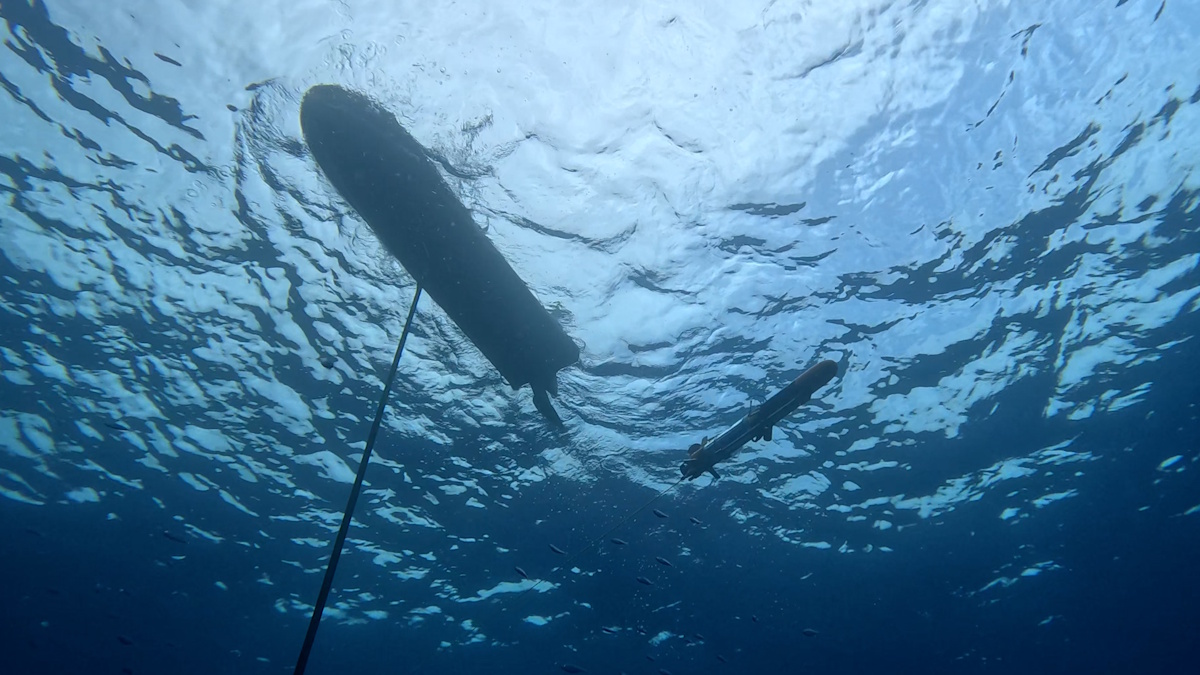
Liquid Robotics and Hydronet Sign MOU to Advance Undersea Mesh Networking for Maritime and Underwater Autonomous Vehicles
Liquid Robotics, a subsidiary of Boeing, has partnered with Massachusetts-based deep tech start-up Hydronet to enhance and commercialize underwater mesh networking technologies. This collaboration aims to improve connectivity for maritime and underwater autonomous vehicles. The two companies have formalized their commitment through a Memorandum of Understanding (MOU), signaling a strategic move to leverage their respective expertise in advancing this innovative technology. The partnership is expected to facilitate more efficient communication and data sharing among autonomous systems operating in underwater environments, ultimately enhancing operational capabilities in various maritime applications.
liquid robotics hydronet mou undersea mesh networking underwater autonomous vehicles auv

