

Land Systems Corp.
California maker of autonomous ground vehicles and electric drive systems, including the Geodrone autonomous UGV for infrastructure inspection and security.
Contact Land Systems Corp.
WEBSITE
http://www.landsystemscorp.com/HEADQUARTERS
United States


Company Facts
Founded
2013
Primary Role
Manufacturer
Company Size
-
Primary Region
North America
Annual Sales
-
Funding Stage
-
Funding Total
-

Company Explores Robot Socialization Through Interactive Scenarios Like Autism
A company is focusing on developing robot socialization by creating strong interactive scenarios, particularly for individuals with autism. This initiative aims to enhance the engagement and interaction capabilities of robots in social contexts, which is crucial for their acceptance and utility in everyday life. The importance of this development lies in its potential to bridge the gap between robotic technology and human emotional understanding. By targeting specific scenarios such as autism, the company is addressing a significant need for social robots that can effectively communicate and interact with users, thereby improving their quality of life. Looking ahead, the company is expected to continue its research and development in this area, although no specific timeline for future milestones was disclosed at the time of publication.
Robotics Automation AI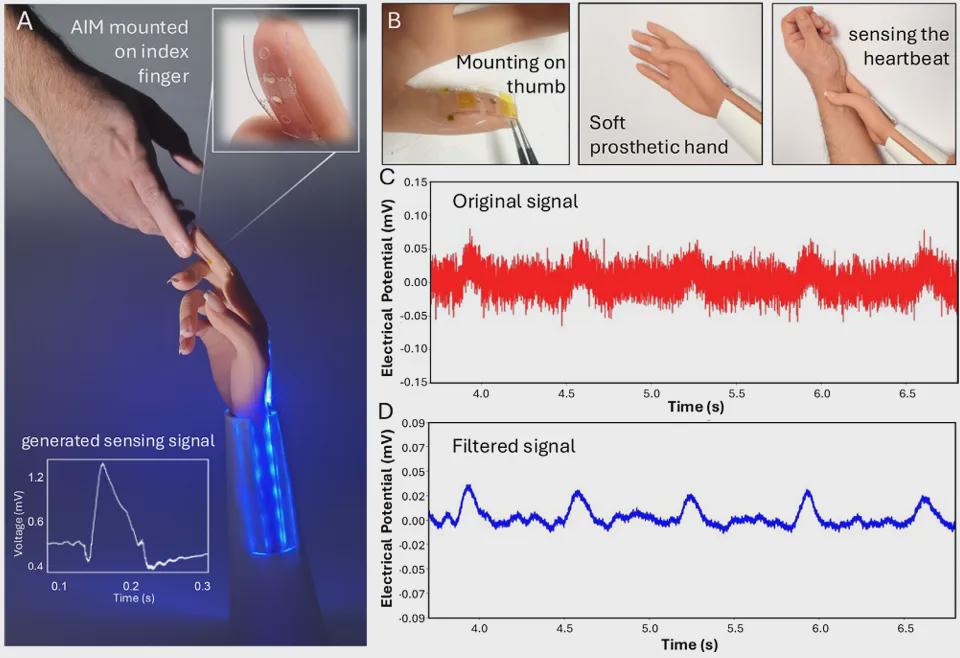
Danish Team Develops Tactile Sensor That Generates Electricity Through Pressure Without Signals
A Danish research team has developed a novel tactile sensor that generates electricity when pressed, eliminating the need for electronic signal transmission. This innovation could significantly enhance the functionality of robots and other devices that rely on touch sensitivity. The importance of this development lies in its potential applications across various sectors, including robotics and automation. By creating a sensor that operates without traditional electronic signals, the team is paving the way for more efficient and responsive robotic systems. Looking ahead, the industry will be keen to observe how this technology is integrated into existing robotic platforms and whether it can lead to advancements in human-robot interaction. No further timeline was disclosed at the time of publication.
Robotics Automation AI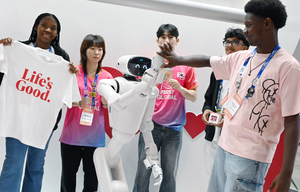
LG Electronics Showcases Robotics at 2026 First Global Challenge in Incheon
LG Electronics is actively participating in the 2026 First Global Challenge, an international youth robotics competition taking place at Songdo Convensia in Incheon. The event, which runs from Wednesday to Saturday, gathers youth teams from 185 countries to design and build robots aimed at addressing global challenges, particularly focusing on wildfire prevention and recovery due to climate change. This year's competition, themed “Igniting Innovation,” emphasizes the importance of robotics in tackling pressing issues like wildfires. LG's involvement includes sponsoring the event and showcasing its latest robotics technologies at an exhibition booth. The company also features its humanoid robot, LG CLOiD, allowing visitors to engage with the technology and learn about the innovative solutions being developed by young participants. As LG increases its investment in robotics as a key growth area, it aims to integrate physical AI into its strategy. The company recently launched LG Data Factory to enhance data management for robotics training. No further timeline was disclosed at the time of publication.
All News
North Carolina State University Develops Feather Star-Inspired Underwater Robot with Two Actuators
Researchers at North Carolina State University have created a soft underwater robot inspired by feather stars, capable of three-dimensional movement using only two actuators. This innovative design significantly reduces mechanical complexity, as traditional systems typically require six actuators for similar maneuverability. The robot employs a principle known as 'mechanical intelligence,' allowing its structure and water interactions to minimize control input from operators. With four elastic wings arranged around a central disk, the robot can achieve various motions, including upward movement, hovering, and rotation, all while maintaining a streamlined design. Future developments to watch include the robot's application in underwater exploration and object manipulation, as demonstrated by its ability to lift items and navigate environments using a camera. No further timeline was disclosed at the time of publication.
AI and Robotics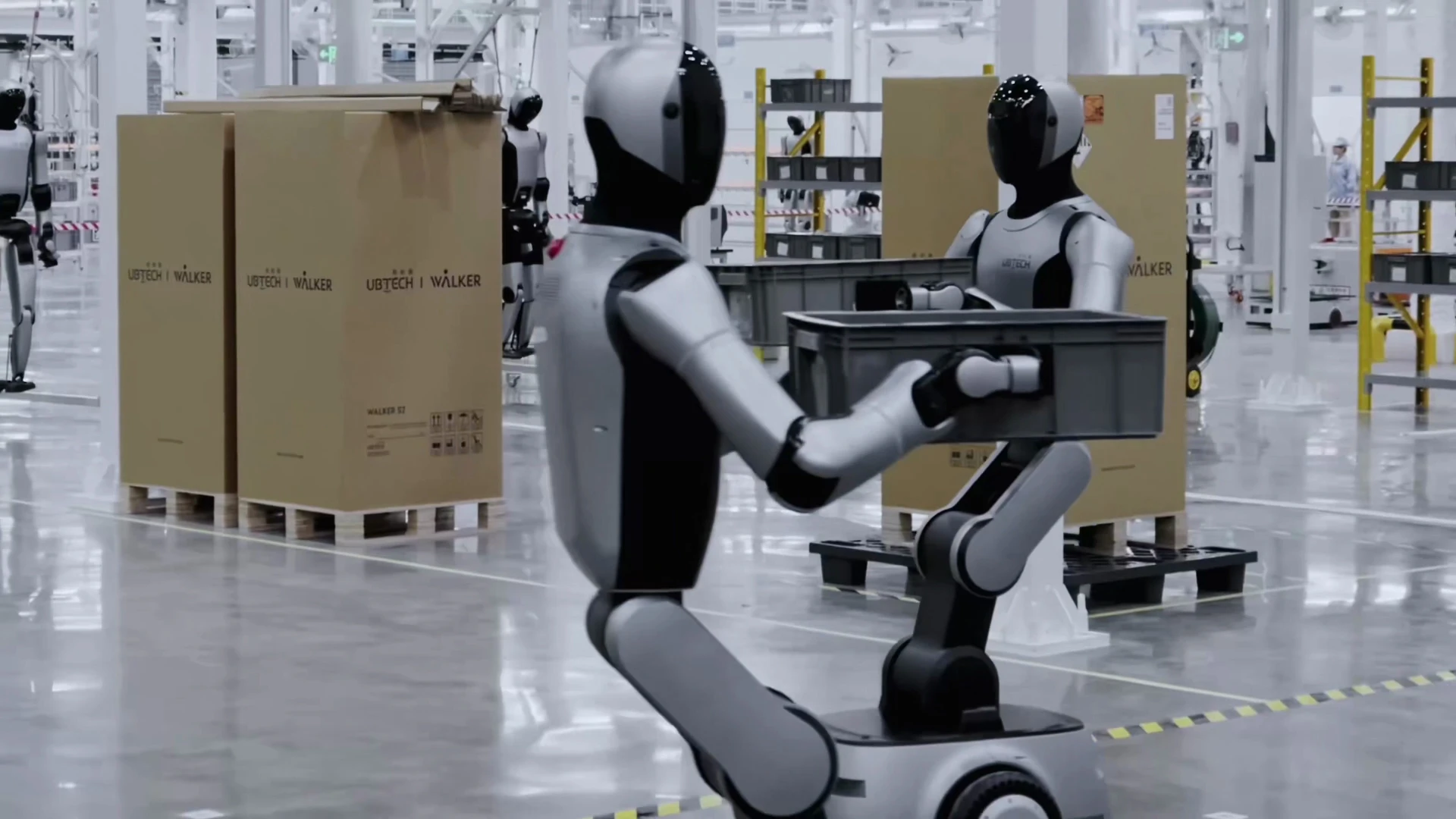
UBTECH and FAW-Volkswagen Enhance Partnership to Develop Humanoid Robots for Logistics
UBTECH and FAW-Volkswagen have announced a partnership to develop and test humanoid robot applications for logistics, building on their existing collaboration in manufacturing. This strategic cooperation, revealed on October 8, aims to create demonstration applications that promote humanoid solutions for smart manufacturing, addressing the increasing demand for personalized vehicles. The significance of this partnership lies in its potential to enhance flexibility in manufacturing processes. As automakers like FAW-Volkswagen adapt to changing consumer preferences, the integration of humanoid robots could streamline logistics operations, thereby improving efficiency and productivity on the factory floor. UBTECH's previous work with FAW-Volkswagen at the Qingdao plant, where the Walker S Lite was used for quality inspections, showcases the practical applications of their technology. Looking ahead, the partnership raises questions about the specific logistics tasks that humanoid robots will be able to perform reliably. While the agreement focuses on joint development and testing, it does not disclose details about the robot models or the facilities involved. No further timeline was disclosed at the time of publication.
China UBTECH Robotics
Zhiyuan's Data Business Struggles to Support Robotics at $20 Per Hour
Zhiyuan's data business is facing challenges as it operates at a rate of $20 per hour, which is insufficient to sustain the robotics industry. The company is exploring new avenues to enhance its offerings and address the growing demand for data in robotics. This situation highlights the broader issue within the robotics sector, where the cost of data collection and processing is becoming a critical factor. As companies seek to innovate and improve their robotic systems, the financial viability of data services like those offered by Zhiyuan is under scrutiny. Looking ahead, industry stakeholders should monitor how Zhiyuan adapts its business model to better serve the robotics market. No further timeline was disclosed at the time of publication.
Robotics Automation AI
First Coordinated Drilling Robot Achieves 10x Speed and 99% Accuracy
A groundbreaking drilling robot has been developed, showcasing the ability to perform coordinated operations with a speed ten times greater than traditional methods and an accuracy rate exceeding 99%. This innovation marks a significant advancement in drilling technology, potentially transforming various industrial applications. The introduction of this robot is crucial as it addresses the limitations of conventional drilling techniques, which often suffer from slower speeds and lower precision. By enhancing operational efficiency, this technology could lead to cost savings and improved outcomes in sectors that rely on drilling processes. Looking ahead, industry stakeholders should monitor the deployment and performance of this drilling robot in real-world scenarios. No further timeline was disclosed at the time of publication.
Robotics Automation AI
MIT Develops Paper-Thin Robot Powered by Live Muscle Cells and Light Control
MIT has successfully created a paper-thin robot that utilizes live muscle cells for swimming and is controlled by light. This innovative design showcases the potential of biohybrid robotics, merging biological materials with robotic systems to enhance functionality. The significance of this development lies in its implications for future robotics applications, particularly in environments where traditional motors may not be suitable. By employing live muscle cells, the robot can achieve more natural movements and adaptability, which could lead to advancements in soft robotics and bioengineering. Looking ahead, the ongoing research at MIT may pave the way for further innovations in biohybrid robots. As the technology matures, it will be interesting to observe how these robots can be integrated into various fields, including medicine and environmental monitoring. No further timeline was disclosed at the time of publication.
Robotics Automation AI
Israeli Company Develops Flexible Picking Robots Targeting 95% Fruit Coverage on Trees
An Israeli company has developed innovative flexible picking robots designed to harvest up to 95% of the fruit from trees. This advancement in agricultural robotics aims to enhance efficiency in fruit picking, addressing labor shortages and increasing productivity in the sector. The significance of this technology lies in its potential to transform the fruit harvesting process, making it more efficient and less reliant on human labor. As the agricultural industry faces challenges such as labor shortages, these robots could provide a viable solution, ensuring that fruit is harvested at optimal times and reducing waste. Looking ahead, the adoption of these flexible picking robots could reshape agricultural practices, particularly in fruit production. Stakeholders in the agriculture sector should monitor developments in this technology and its implementation in various regions. No further timeline was disclosed at the time of publication.
Robotics Automation AI
ZTE Unveils Self-Developed Multi-Form Humanoid Robot Matrix Featuring Xingzai, Xingqing, and Xingwang
ZTE has introduced its self-developed multi-form humanoid robot matrix, which includes models named Xingzai, Xingqing, and Xingwang. This showcase highlights ZTE's advancements in humanoid robotics and its commitment to innovation in this field. The introduction of these humanoid robots is significant as it marks ZTE's entry into a competitive market where robotics technology is rapidly evolving. The models aim to bridge the gap between physical and semantic knowledge, addressing challenges in the robotics sector. Looking ahead, industry observers will be keen to see how ZTE's humanoid robots perform in real-world applications and whether they can establish a foothold in the market. No further timeline was disclosed at the time of publication.
Robotics Automation AI
RobotToday Weekly September 14 – 18, 2026
Toyota weighs 400,000 factory robots, SoftBank buys Hyundai's Robotics and AI Institute, Agility unveils Digit 5, Figure's Helix 2.5 generalises to 30 homes, and August robotics funding hits $4.87 billion.
FUTURE WARFARE | Cross-Domain Integration - Integration How Land, Sea, Air and Software Are Converging Into a Single Kill Chain
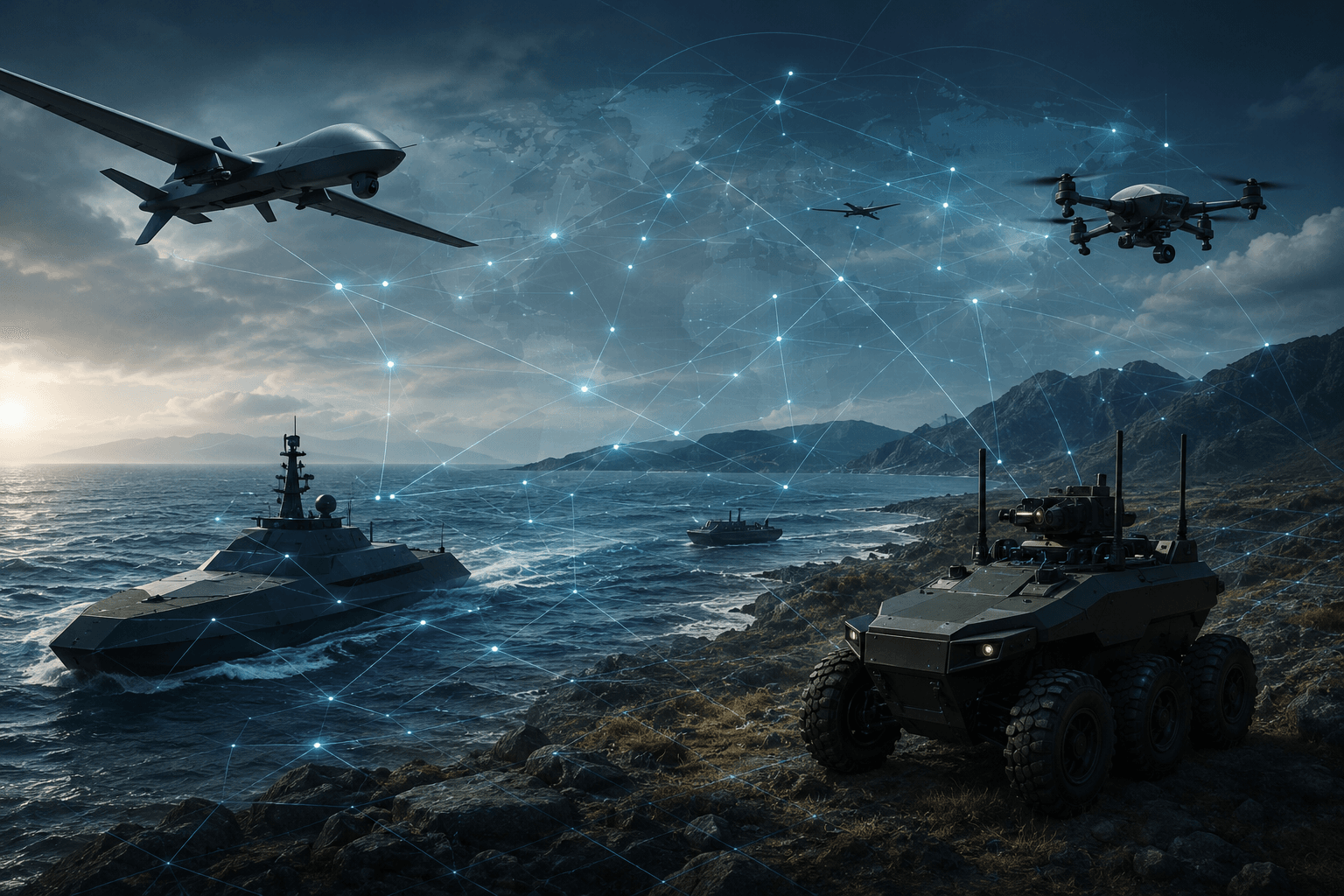
Cross-domain robotics is reshaping modern warfare as drones, UGVs, AI targeting systems, and autonomous logistics converge into a single networked kill chain across land, sea, air, and software.

GLOBAL ROBOTICS INDUSTRY Comprehensive Sector Overview
A comprehensive global robotics industry overview for 2025, analyzing 14 key market segments — from industrial and humanoid robots to logistics AMRs, military systems, and service robots — with expert market sizing, US case studies, five-year forecasts, and bilingual English-Chinese analysis for executives and investors.
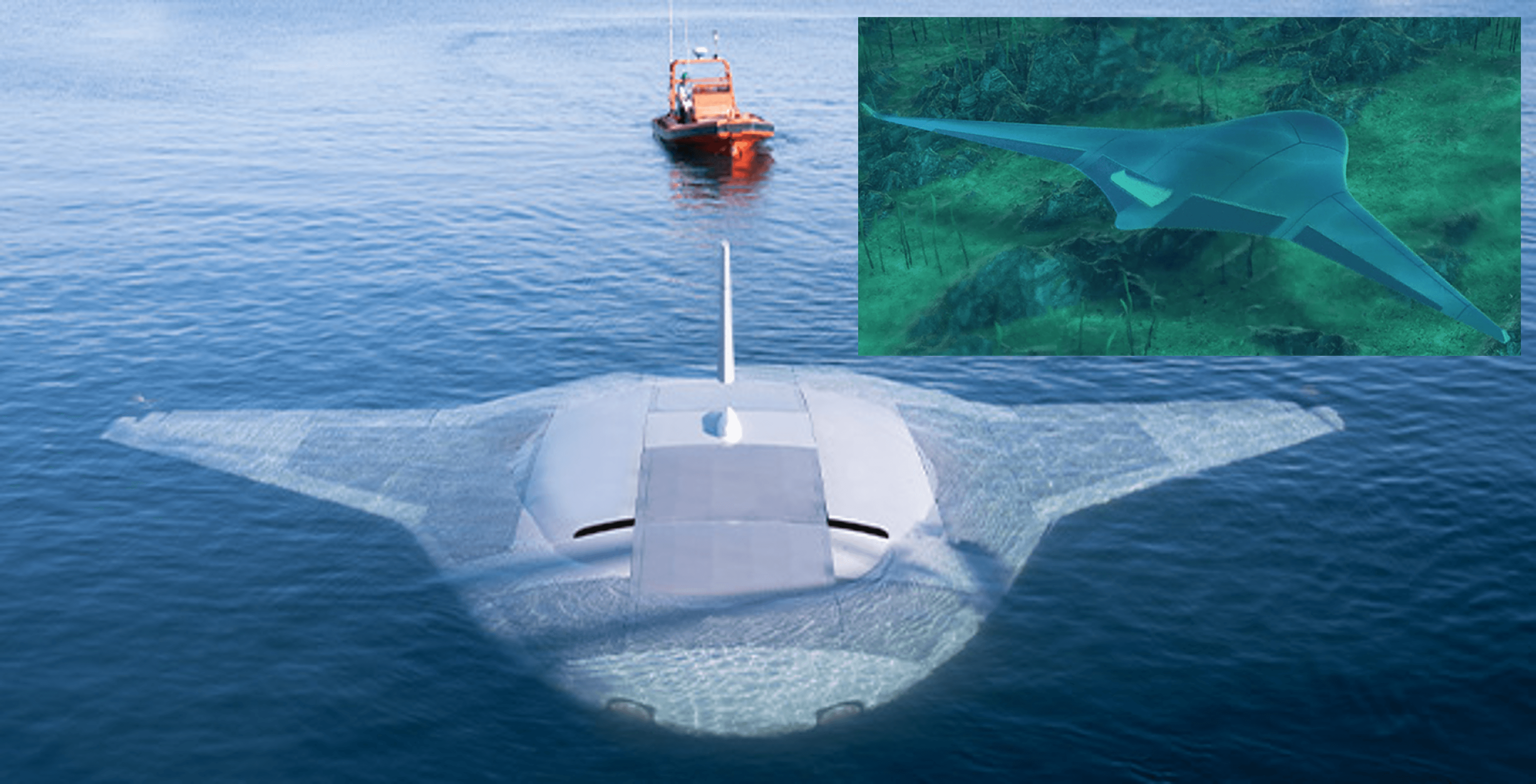
FUTURE WARFARE | Sea - Autonomous Surface Vessels & Unmanned Underwater Vehicles — The Hybrid Fleet Takes Shape
Ukraine’s ‘Sub Sea Baby’ autonomous torpedo struck a Russian Kilo-class submarine inside Novorossiysk harbour in December 2025 — the first confirmed underwater drone attack on a submarine in history. The U.S. Navy is requesting $5.3 billion for unmanned maritime systems in FY2026, a 70 percent year-on-year increase. Saronic Technologies went from prototype to $392 million production contract in under 12 months. And DARPA’s Manta Ray XL-UUV completed full-scale sea trials. This article maps the maritime autonomous systems revolution — from Ukraine’s improvised Black Sea fleet to the Pentagon’s hybrid manned–unmanned force of the 2030s, and from Saronic’s Franklin, Louisiana shipyard to Boeing’s 85-tonne robot submarine.
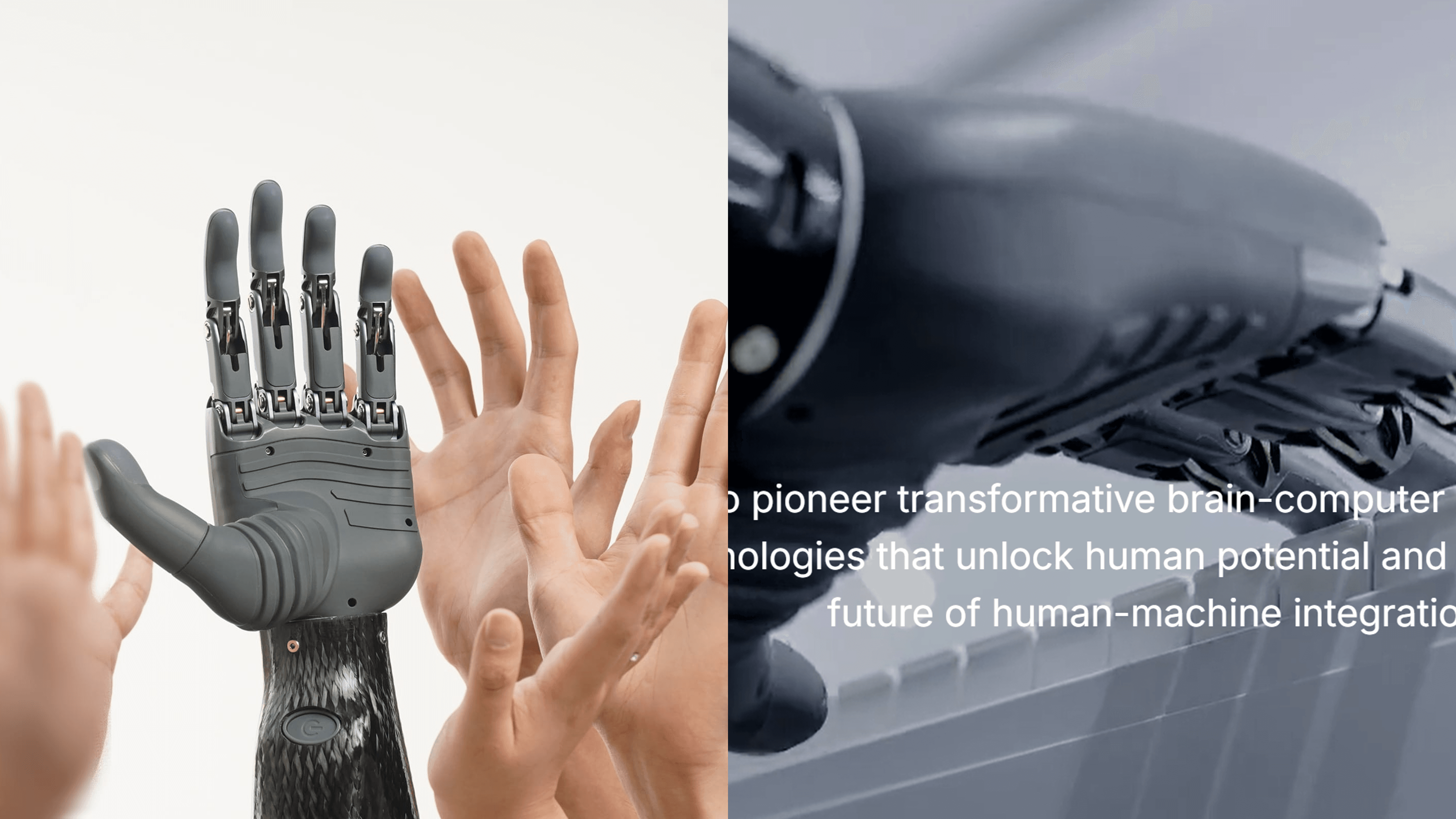
BrainCo Unveils Revo 3: A 21-DOF Dexterous Hand Built to Feel
BrainCo has launched Revo 3, a 21-DOF dexterous robot hand with full-palm tactile sensing and visuotactile fingertips. Read the full product briefing on RobotToday.
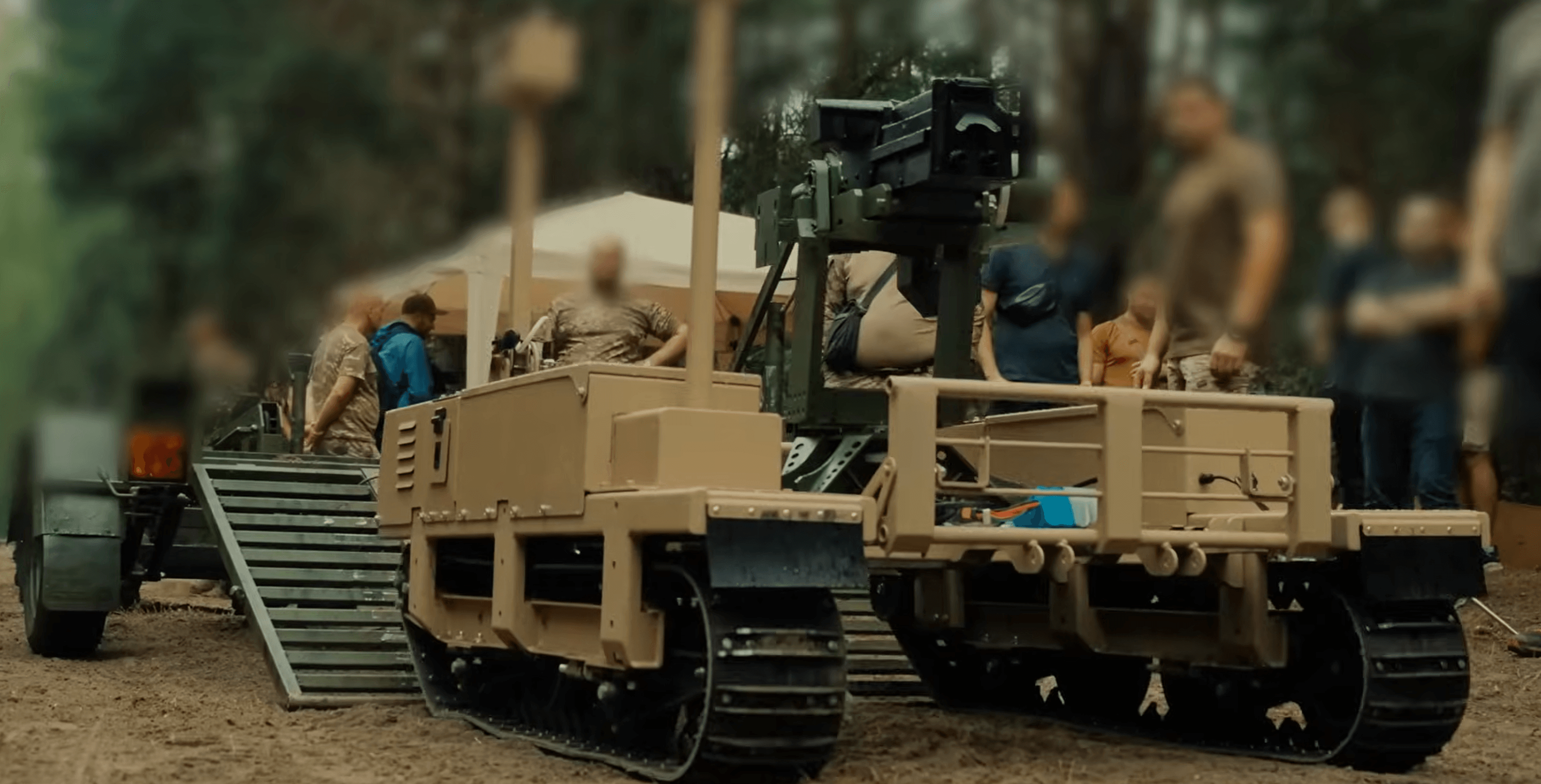
FUTURE WARFARE | Land - Unmanned Ground Vehicles — From Logistics Mules to Front-Line Robots
Ukraine fielded 15,000 unmanned ground vehicles in 2025 — surpassing its own procurement targets by over 100 percent. A single UGV held a front-line position for 45 days. Up to 90 percent of supplies to Pokrovsk now move by robot, not truck. The U.S. Army cancelled its $3 million Robotic Combat Vehicle and is starting over. China is deploying $3,000 robot dogs in PLA urban-warfare exercises. This article maps the emerging UGV battlefield — from Ukraine’s garage-built logistics fleet to the Pentagon’s stalled combat-vehicle ambitions, and from Ghost Robotics’ Vision 60 to the quadruped proliferation problem no treaty has yet addressed.
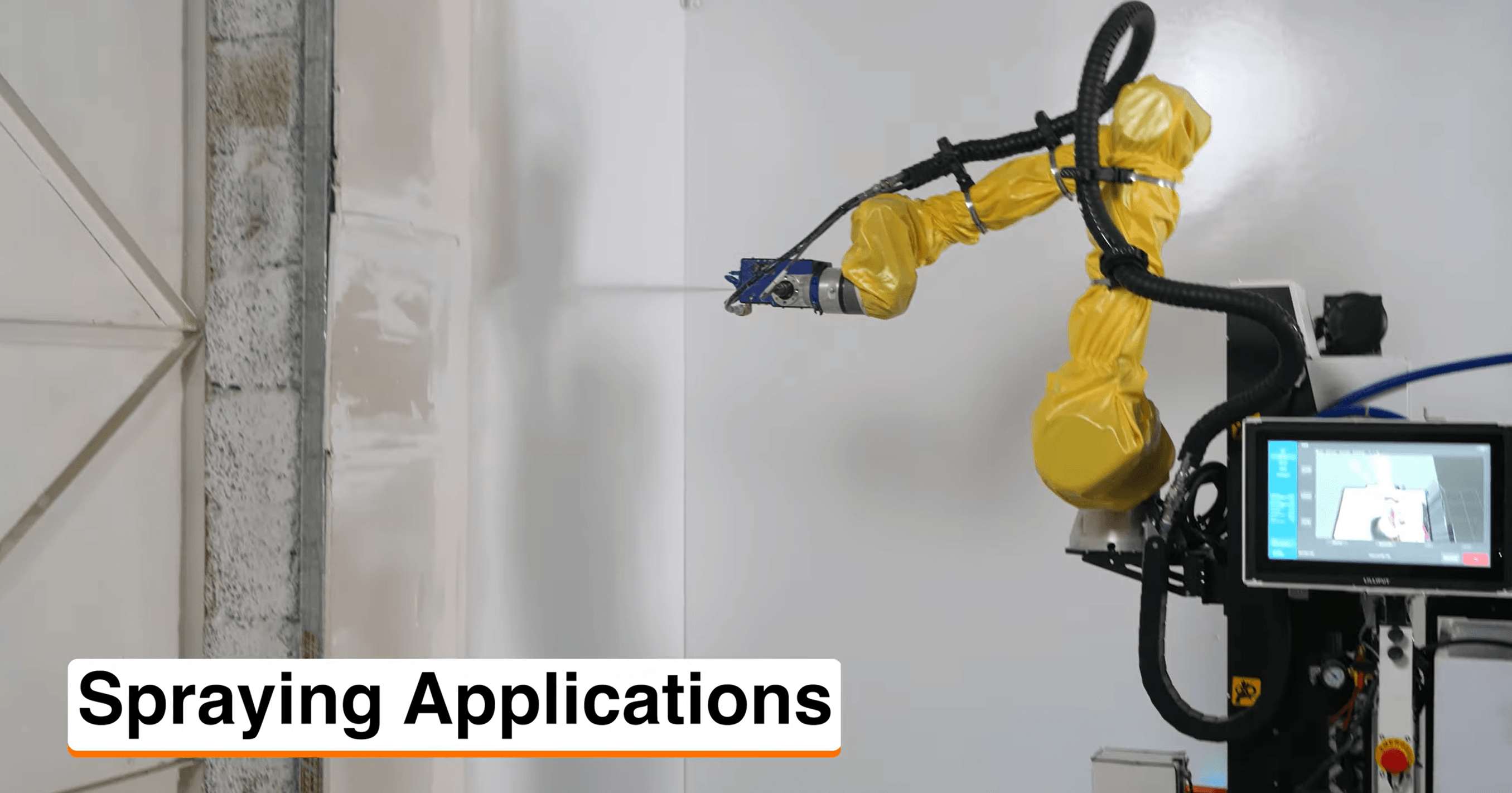
CONSTRUCTION ROBOTICS | Surface Finishing & Painting
Surface finishing robots are construction's hottest automation segment. Okibo, Canvas, Dusty Robotics, Pictobot, and Brightrobot are rewriting the economics of painting, drywall, and tile-setting. Key stat: Okibo's EG7+ cuts finishing labor costs 50% and operates 10x faster than manual crews.
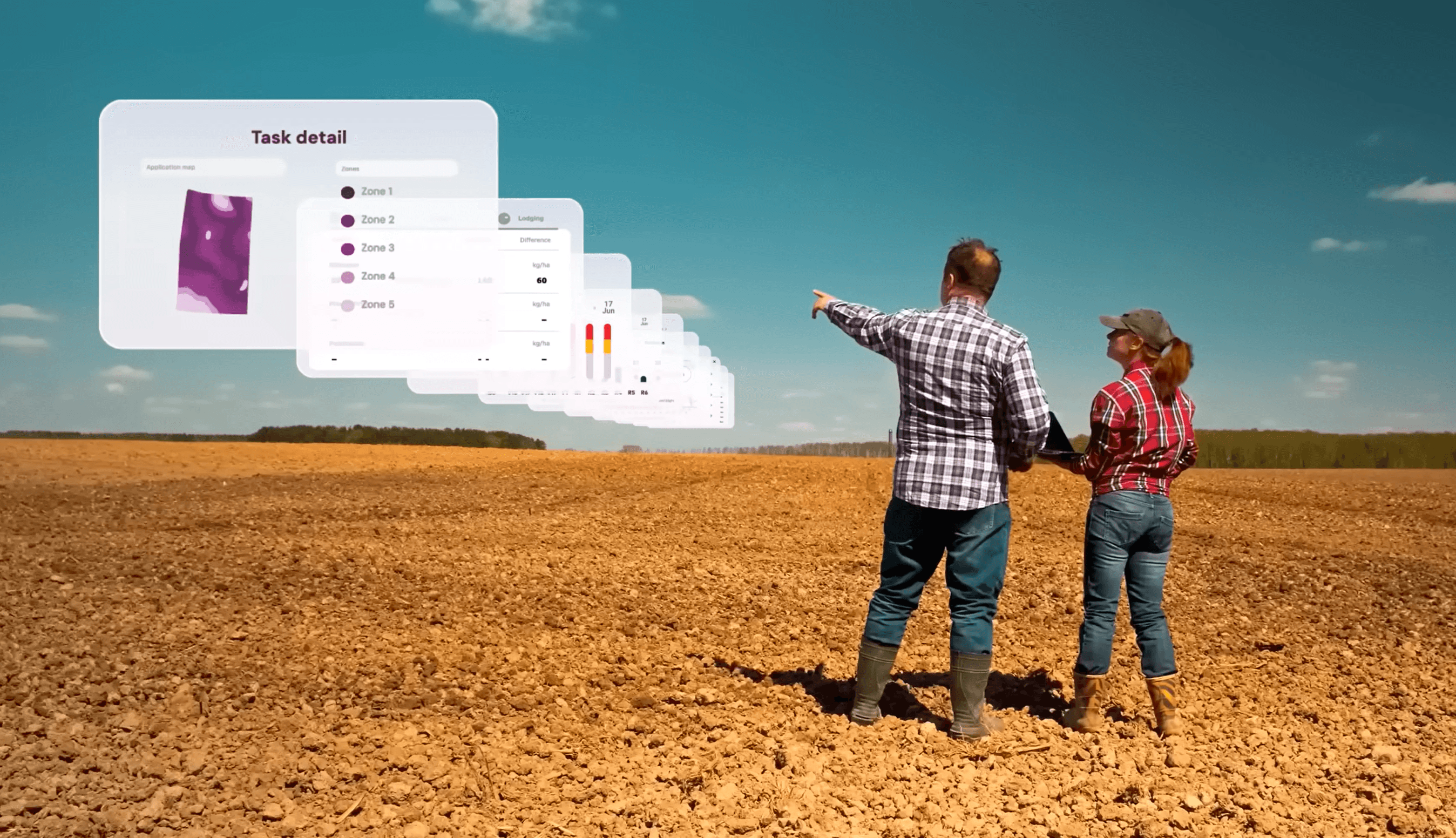
Agricultural Robotics: Crop Monitoring and Aerial Scouting
An evidence-based deep dive into the crop monitoring and aerial scouting segment of agricultural robotics. Covers the market opportunity (ex-China) across North America, EU, Japan, and Israel; key players including Taranis, BASF xarvio, and DJI; emerging technologies such as edge AI, hyperspectral imaging, and satellite–drone fusion; and the structural challenges limiting wider adoption — connectivity gaps, false positives, data fragmentation, and small-farm exclusion.
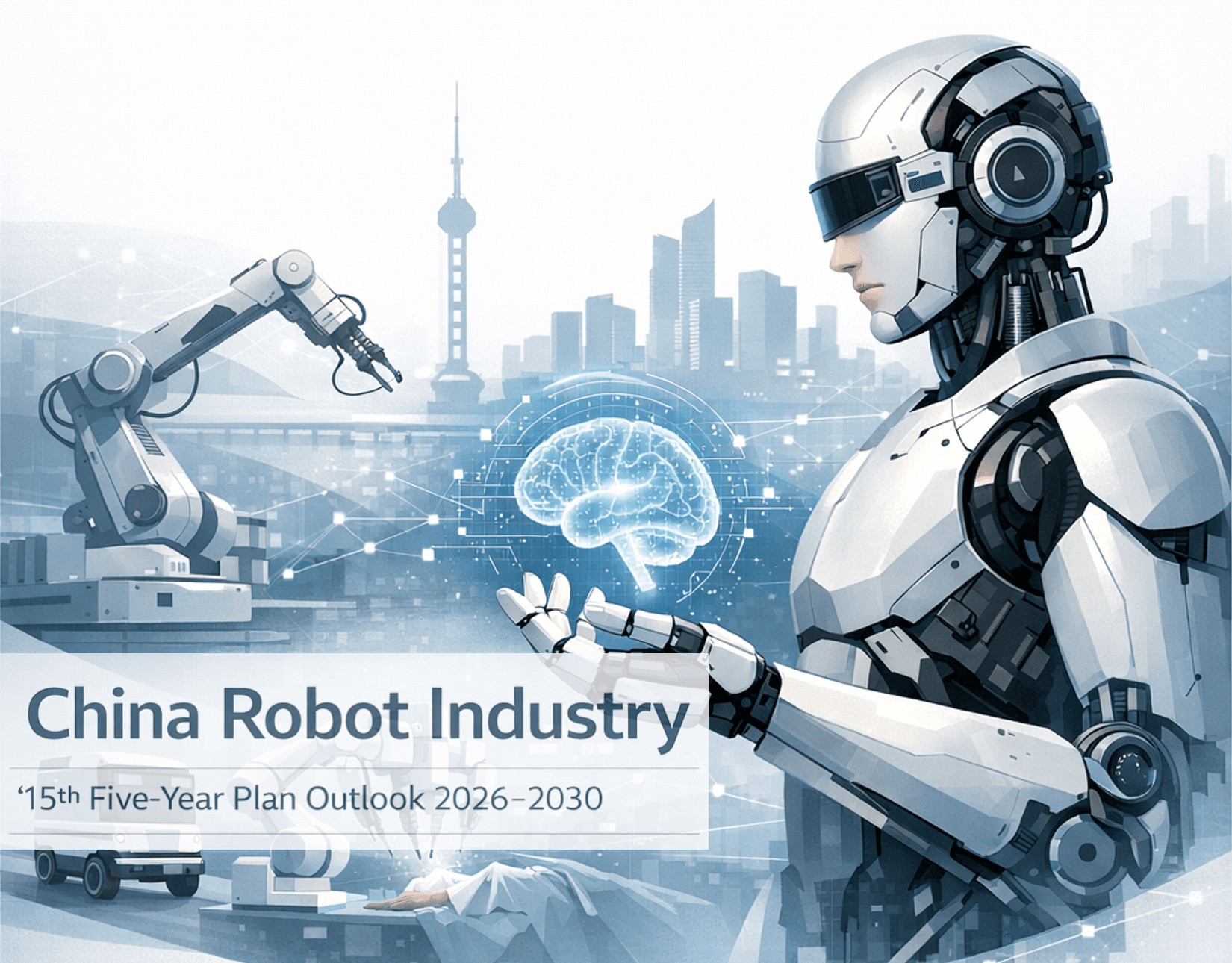
China's 15th Five-Year Plan (2026–2030): Embodied Intelligence as National Industrial Strategy
China's 15th Five-Year Plan (2026–2030) elevates embodied intelligence to a national industrial priority for the first time. This RobotToday briefing analyses the plan's robotics directives, new standards framework, and competitive implications for European and North American industry.

The World's Top 10 Universities in Robotics — And Why CMU Leads the Field
A strategic briefing on the world’s top 10 robotics universities, led by Carnegie Mellon University, examining institutional history, DARPA-era field deployment, commercialization models, and next-generation embodied AI infrastructure across MIT, Stanford, Berkeley, ETH Zurich, and others.


