Kawasaki Robotics GmbH

European distributor and support provider for Kawasaki industrial robots including articulated, SCARA, delta, and collaborative models for welding, assembly, material handling, and palletizing applications.

Share
Kawasaki Robotics GmbH
Im Taubental 32
Neuss 41468
RobotToday Initiative

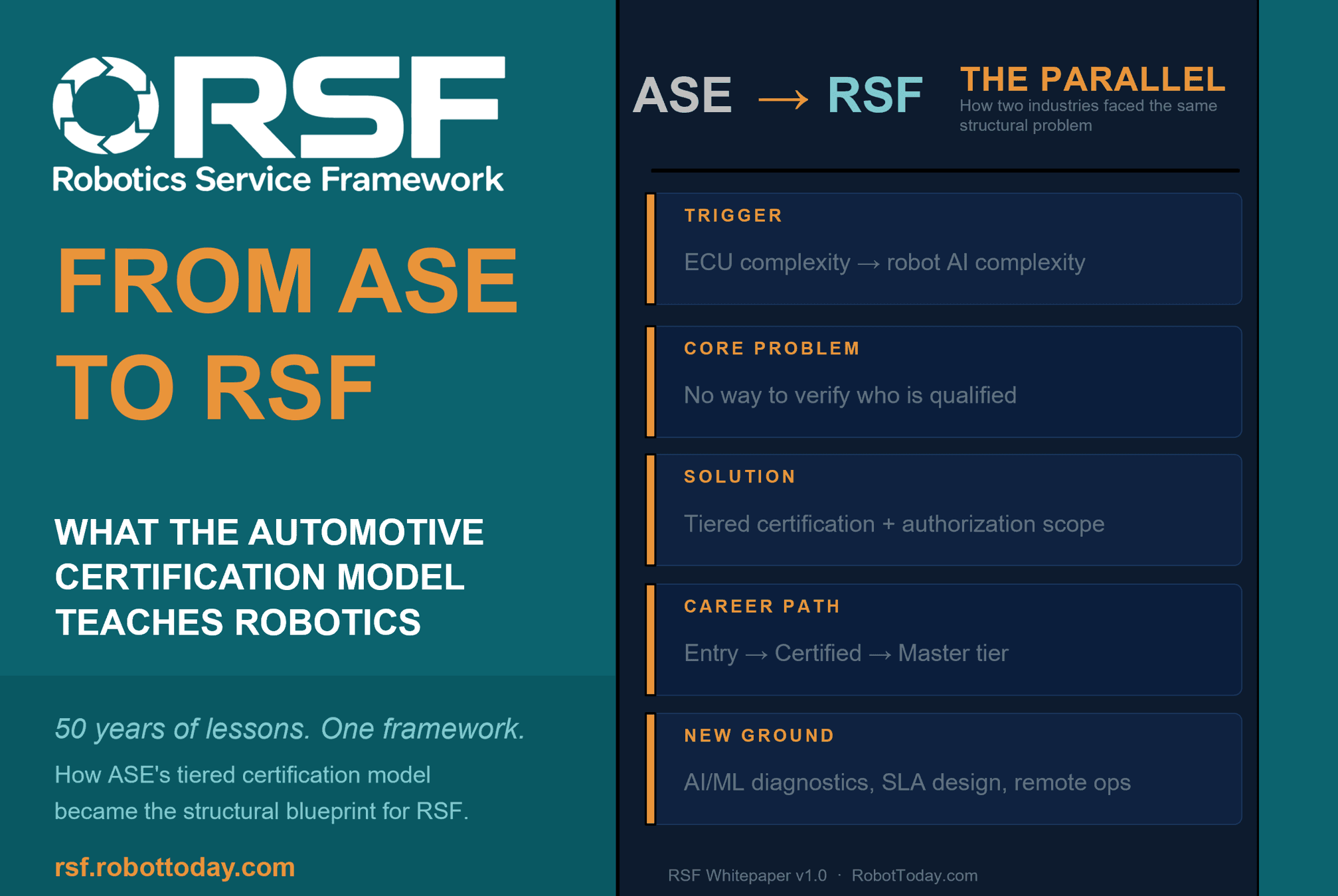
Robotics needs a service framework.

RSF defines a common language for robot service capability, lifecycle operations, certification pathways, and service-provider networks.

Share

Related Content

LG Energy to Supply Batteries for Google's Largest Solar and Storage Project

LG Energy to Supply Batteries for Google's Largest Solar and Storage Project

LG Energy has been confirmed to supply batteries for Google's largest solar and energy storage project, marking a significant expansion in energy infrastructure related to the rising power demands of AI data centers. This project, known as the Steel River Energy Center, is a collaboration between Google and Cypress Creek Energy in Arkansas. The initial phase of the project will feature 1.6 gigawatts (GW) of solar power generation capacity and approximately 2 gigawatt-hours (GWh) of battery storage, with plans to expand to 2.5 GW of solar and 2.9 GWh of storage by 2029. LG Energy is expected to provide its JF2 DC Link system, utilizing lithium iron phosphate battery technology, with the order valued at several hundred billion Korean won. As the demand for renewable energy solutions grows, this partnership highlights the increasing importance of energy storage systems in supporting sustainable infrastructure. No further timeline was disclosed at the time of publication.

Agility Robotics Proposes Six Key Recommendations for U.S. Humanoid Robot Policies

Agility Robotics Proposes Six Key Recommendations for U.S. Humanoid Robot Policies

Agility Robotics has outlined six recommendations aimed at establishing a robust policy framework for humanoid robots in the U.S. According to CEO Peggy Johnson, these recommendations are essential for enhancing the regulatory environment and ensuring the successful integration of humanoids into the workforce. She emphasizes the need for domestic production of key components, as current reliance on international sources, particularly from China, poses risks to the U.S. industry. The importance of these recommendations lies in their potential to strengthen the U.S. humanoid robot market, which is currently challenged by foreign competition. Johnson highlights that China dominates the manufacturing of critical components, such as permanent magnets used in motors, which are vital for humanoid robots. By fostering domestic capabilities, the U.S. can reduce dependence on foreign suppliers and bolster its technological leadership in the sector. Looking ahead, the U.S. must develop a coordinated national strategy that unites federal agencies and industry stakeholders to support the humanoid robotics sector. Johnson warns that without proactive measures, the U.S. risks losing its technological edge and compromising national security. No further timeline was disclosed at the time of publication.

China Defense / Security Humanoids Logistics Manufacturing Markets / Industries
Vicarious Surgical Board Proposes Company Dissolution Amid Financial Struggles

Vicarious Surgical Board Proposes Company Dissolution Amid Financial Struggles

The board of directors at Vicarious Surgical is seeking to dissolve the company, with a special meeting for shareholders scheduled for July 21. They are requesting approval to liquidate the business, but cannot predict any recovery for investors. The board holds 55% of the voting power, and the proposal requires a majority vote. This decision comes as Vicarious Surgical has reported ongoing operating losses and insufficient cash reserves, with nearly $3.7 million in cash and equivalents as of March 31. The company has struggled to secure additional financing or attract a buyer, leading to the current proposal for liquidation. The board warned that it is unlikely shareholders will receive any distribution based on current liabilities. If approved, the board plans to cease all business operations immediately and appoint an assignee to liquidate assets. The results of the shareholder vote may be announced on the same day, marking a significant turning point for the soft-tissue robotics developer. No further timeline was disclosed at the time of publication.

Healthcare Robotics Markets / Industries News Vicarious Surgical
Icarus Robotics Selects KULR Technology for JOY Space Robot's Power System

Icarus Robotics Selects KULR Technology for JOY Space Robot's Power System

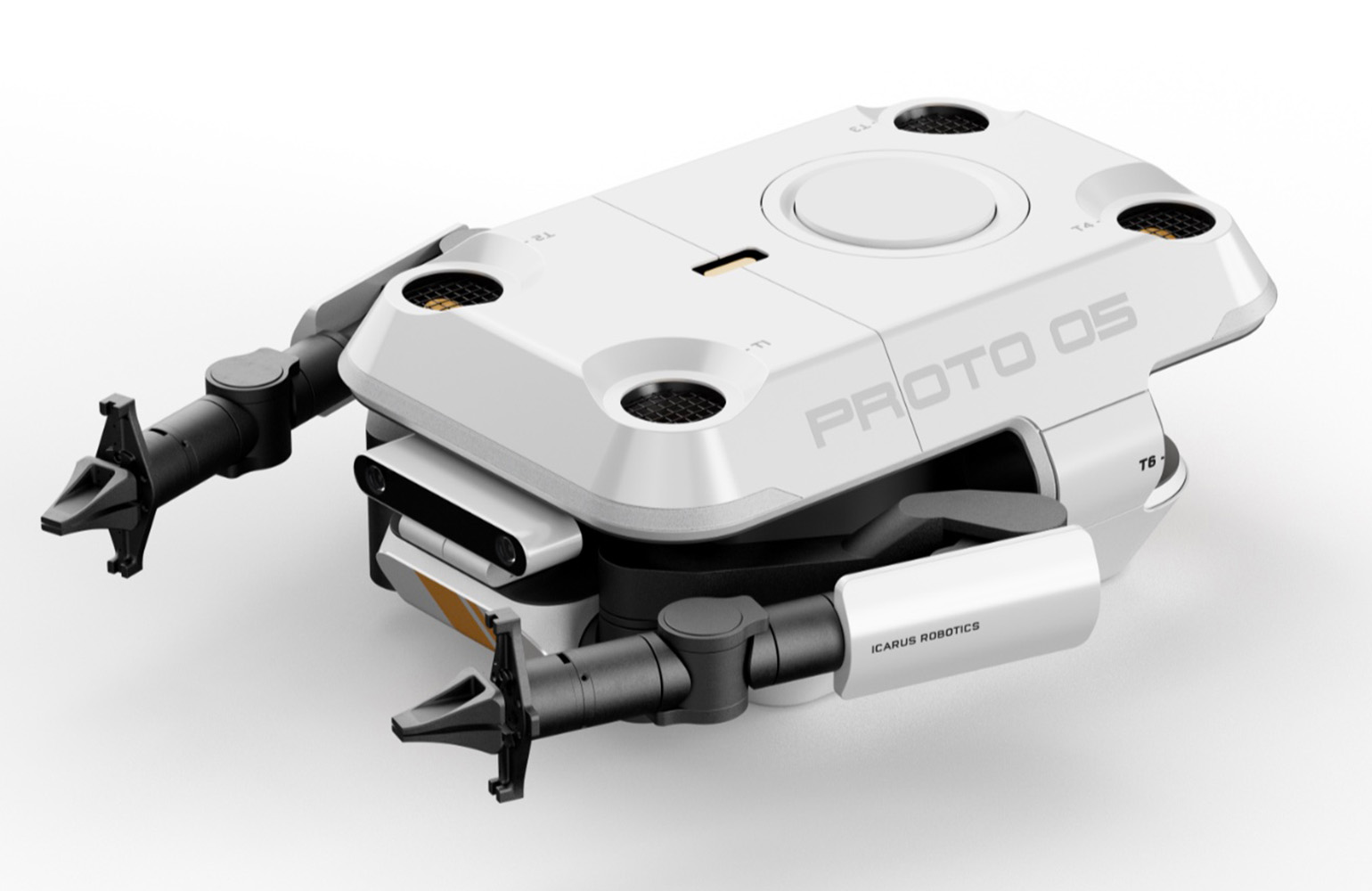
Icarus Robotics has announced KULR Technology Group as the battery supplier for its autonomous free-flying robot, JOY, which is set to launch to the International Space Station (ISS) in early 2027. KULR will provide its KULR ONE Space (K1S) battery systems, engineered to NASA safety standards, ensuring reliable operation aboard the ISS. The partnership is significant as KULR’s battery technology has already been validated during the Artemis II lunar mission, which enhances the approval process with NASA. Icarus co-founder Ethan Barajas emphasized the importance of flight heritage in the space sector, stating that proven components expedite the approval process, crucial for a startup like Icarus. Looking ahead, JOY, powered by embodied AI, aims to assist astronauts with routine tasks and infrastructure maintenance, allowing them to concentrate on more critical research objectives. No further timeline was disclosed at the time of publication.

Aerospace Batteries / Power Supplies Markets / Industries News Technologies Icarus
U.S. Navy Awards Ursa Major $10 Million for Mk 104 Rocket Motor Development

U.S. Navy Awards Ursa Major $10 Million for Mk 104 Rocket Motor Development

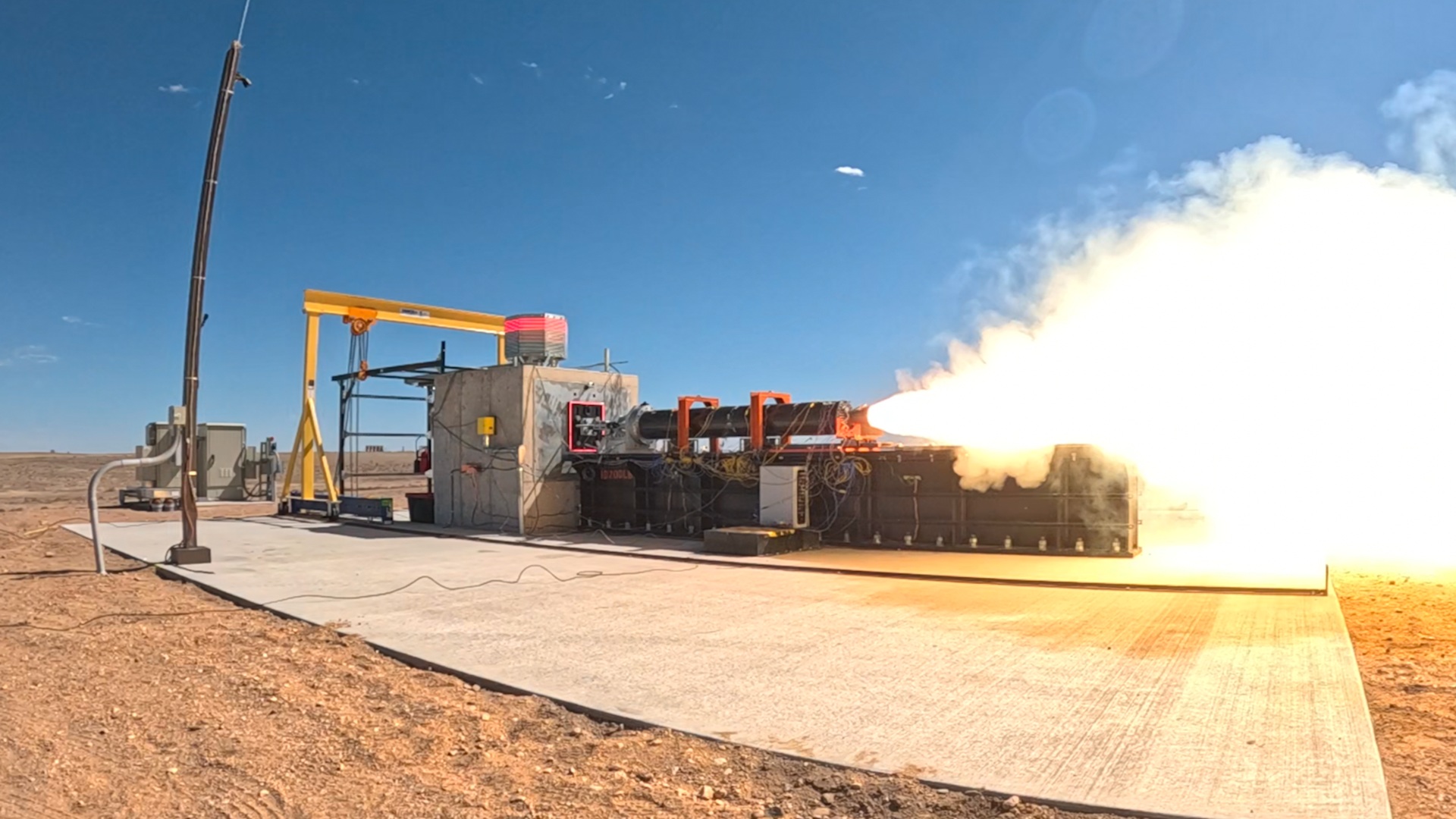
The U.S. Navy has awarded a $10 million contract to Ursa Major to enhance the Mk 104 solid rocket motor through critical design review and static-fire testing. This initiative is part of the Navy's ongoing efforts to expand U.S. missile propulsion manufacturing capabilities. This contract builds on Ursa Major's previous collaboration with the Navy, which included a $25 million investment in solid rocket motor prototyping. The Mk 104 is integral to the Navy's Standard Missile family, powering variants like the SM-2, SM-3, and SM-6, essential for both offensive and defensive operations. Looking ahead, Ursa Major's innovative Lynx manufacturing approach aims to produce solid rocket motors efficiently, addressing production bottlenecks. The Navy's investment signifies a commitment to diversifying the supply chain for solid rocket motors, enhancing production capacity as demand for advanced missile systems continues to rise. No further timeline was disclosed at the time of publication.

Military
ROBOTS Secures Seed Funding for Integrated Control Platform Development with NTT Docomo and Incubate Fund

ROBOTS Secures Seed Funding for Integrated Control Platform Development with NTT Docomo and Incubate Fund

ROBOTS has announced the completion of a seed funding round through third-party allocation from Incubate Fund and NTT Docomo. The startup focuses on developing an integrated control platform for robots that become smarter through on-site operations. The funding will accelerate research and development of this platform and physical AI, particularly for implementation in the security sector. The significance of this development lies in addressing the severe labor shortages in the security industry, where high turnover rates and an aging workforce pose challenges. By integrating various robots and sensors into a cohesive system, ROBOTS aims to enhance operational efficiency and reduce the burden on security personnel. This approach allows for a flexible response to diverse on-site tasks, which is crucial given the unique demands of different environments. Looking ahead, ROBOTS plans to leverage insights gained from security applications to expand into other sectors such as equipment inspection and construction. CEO Koki Kawauchi emphasized the importance of robotics in addressing real-world challenges, aiming for a future where diverse robots work alongside humans seamlessly.

Carnegie Foundry and CMU Collaborate with U.S. Drone Makers to Enhance Drone Manufacturing

Carnegie Foundry and CMU Collaborate with U.S. Drone Makers to Enhance Drone Manufacturing

Carnegie Foundry, in collaboration with Carnegie Mellon University (CMU) and several prominent U.S. drone manufacturers, has launched a new initiative aimed at bolstering America's drone manufacturing capabilities. This initiative leverages over $50 million in CMU investments focused on robotics, advanced manufacturing, and commercialization infrastructure to establish an Autonomous Systems Manufacturing Platform (ASMP). The significance of this initiative lies in its potential to strengthen the U.S. drone manufacturing sector, which is crucial for various applications including logistics, surveillance, and agriculture. By uniting CMU’s National Robotics Engineering Center (NREC) with leading drone manufacturers, the initiative aims to foster innovation and enhance the competitiveness of American-made drones in the global market. Looking ahead, stakeholders will be monitoring the development of the Autonomous Systems Manufacturing Platform and its impact on the drone industry. No further timeline was disclosed at the time of publication.

Announcements
Tesla Supplier New Sword Seeks 2.822 Billion Yuan in IPO for Robotics Expansion

Tesla Supplier New Sword Seeks 2.822 Billion Yuan in IPO for Robotics Expansion

Hangzhou New Sword Electromechanical Transmission Co., Ltd. has submitted its IPO application to the Shenzhen Stock Exchange, aiming to raise 2.822 billion yuan by issuing up to 27.99 million shares. Established in 1999, the Zhejiang-based company is recognized as one of the three major players in Tesla's humanoid robot supply chain, primarily supplying planetary roller screws for the Tesla Optimus robot. The significance of this IPO lies in New Sword's projected revenue growth, which is expected to rise from 263 million yuan in 2023 to 383 million yuan by 2025. The company anticipates a dramatic increase in revenue from the embodied intelligent robotics sector, with projections of 31.11 million yuan by 2025, marking a 346% year-on-year growth. The funds raised will primarily support the industrialization project for producing 1 million humanoid robots and automotive planetary roller screws, with a total planned investment of 2.6 billion yuan. Looking ahead, New Sword's business model is shifting as it evolves from a single screw supplier to a comprehensive assembly supplier, including sensors and motors, for Tesla. The company aims to capitalize on the anticipated demand for Tesla's Optimus robots, with CEO Elon Musk indicating a target of 1 million units annually by the end of 2026. However, the timeline for mass production has faced multiple adjustments since the project's announcement in 2021, leaving uncertainty in the market.

Humanoid Robots IPO Supply Chain Electromechanical Components
RoboParty Launches Open Source Framework for Next-Gen Humanoid Robot Development

RoboParty Launches Open Source Framework for Next-Gen Humanoid Robot Development

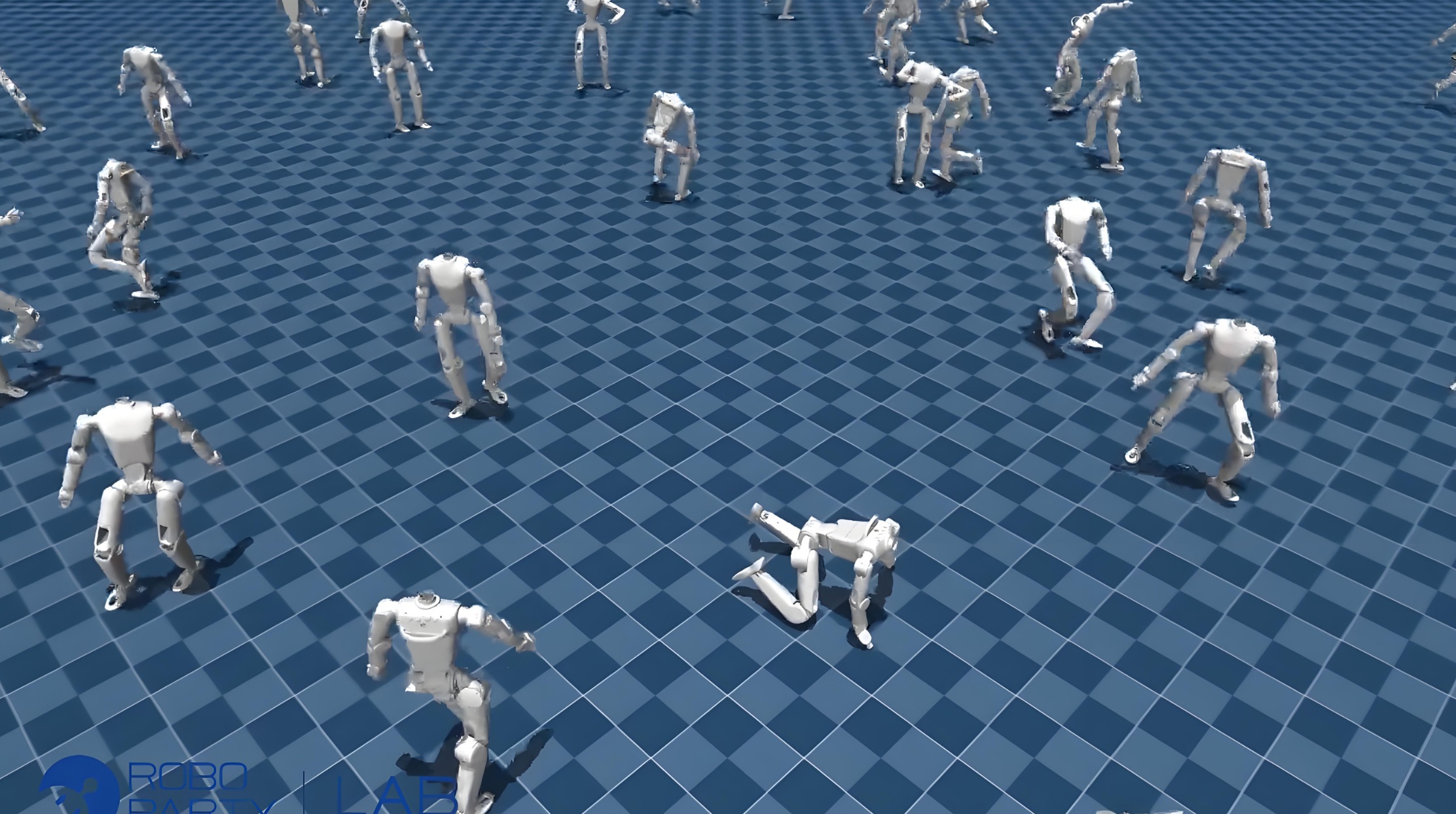
In the past two years, the humanoid robot industry has seen numerous impressive demonstrations, but a shift is emerging in the second half of 2026. Companies are now focusing on developing training frameworks, development platforms, data tools, open-source models, and various R&D infrastructures. The competition is evolving from showcasing superior robots to enabling more developers to create robots faster. Recently, RoboParty established RoboParty Lab (RPLab) and introduced Party OS, an open-source embodied intelligence R&D foundation for next-generation humanoid robots. Alongside this, they released three R&D infrastructures: MimicLite, UFO, and hhtools. This move signifies a transition from merely demonstrating capabilities to building a robust R&D ecosystem that fosters collaboration and scalability within the developer community. As humanoid robots move from laboratories to practical applications in factories, warehouses, and homes, the industry is shifting its focus toward creating a reproducible, collaborative, and scalable R&D system. The emphasis is now on sustaining and accelerating development capabilities, marking a significant change in industry dynamics over the past year.

Humanoid Robots R&D Infrastructure Open Source Embodied AI Robot Development Tools
Ibaraki Prefecture Launches Consortium for Physical AI Industry with IBARAKI PHYSICAL AI SUMMIT 2026

Ibaraki Prefecture Launches Consortium for Physical AI Industry with IBARAKI PHYSICAL AI SUMMIT 2026

Ibaraki Prefecture has established the 'Ibaraki Physical AI Industry Creation Consortium' to promote business development and utilization of physical AI by local companies. The kickoff event, 'IBARAKI PHYSICAL AI SUMMIT 2026', is scheduled for July 28, 2026, at the Mito Plaza Hotel in Mito City, Ibaraki Prefecture. This initiative is significant as physical AI, which integrates AI into physical devices like robots and autonomous vehicles, is expected to see substantial market growth globally. The consortium aims to create an environment that facilitates local companies in adopting physical AI technologies, aligning with current industry trends. The kickoff event will feature participation from related companies such as Hitachi and Unitree Robotics, along with robot demonstrations. A seminar discussing the evolution of RoboCup in the context of humanoid robots and physical AI will also take place, highlighting the challenges and advancements in the field as it prepares for the RoboCup 2026 World Championship in South Korea.

ROBOTTODAY Weekly June 30 – July 4, 2026

ROBOTTODAY Weekly June 30 – July 4, 2026

Unitree wins CSRC approval for China’s first humanoid IPO, Korea unveils ₩312T AI investment, RoboCup 2026 opens in Incheon, and Paris launches Europe’s inaugural Physical AI summit.

ROBOTTODAY Weekly June 23 – 27, 2026

ROBOTTODAY Weekly June 23 – 27, 2026

This week in robotics: Agility Robotics $2.5B SPAC deal for first humanoid IPO, BMW Figure 03 logistics deployment, Morgan Stanley doubles China humanoid forecast, ON Semiconductor acquires Synaptics for $7B, Sony halts aibo in Japan. June 23–27, 2026.

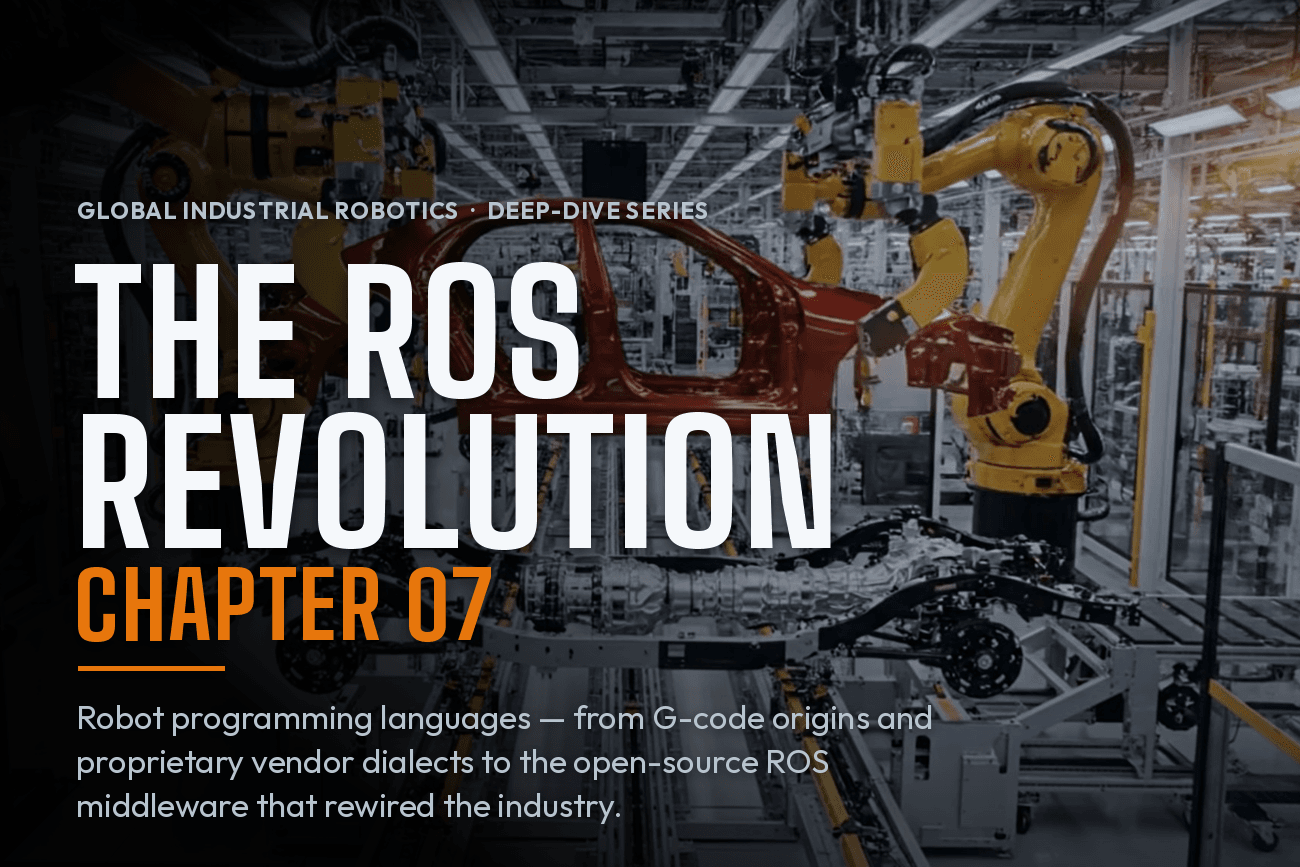
Robot Programming Languages 2026: From G-Code & FANUC KAREL to ROS2 — Complete History & Industrial Guide

Robot Programming Languages 2026: From G-Code & FANUC KAREL to ROS2 — Complete History & Industrial Guide

A comprehensive guide to industrial robot programming language evolution: G-code and NC origins, FANUC KAREL/TP, ABB RAPID, KUKA KRL, Yaskawa INFORM, the ROS open-source revolution, ROS2 architecture, ROS-Industrial consortium, OPC-UA, TSN, and real-time Linux — how six decades of software history define today's factory floor.

ROBOTTODAY Weekly May 18 – 22, 2026

ROBOTTODAY Weekly May 18 – 22, 2026

This week in robotics: Hyundai plans 25,000 Atlas robots for its factories, XPENG rolls off China’s first mass-produced L4 robotaxi, Singapore launches its first multi-operator physical AI testbed, and Kawasaki Heavy opens a Silicon Valley physical AI center with NVIDIA. May 18–22, 2026.

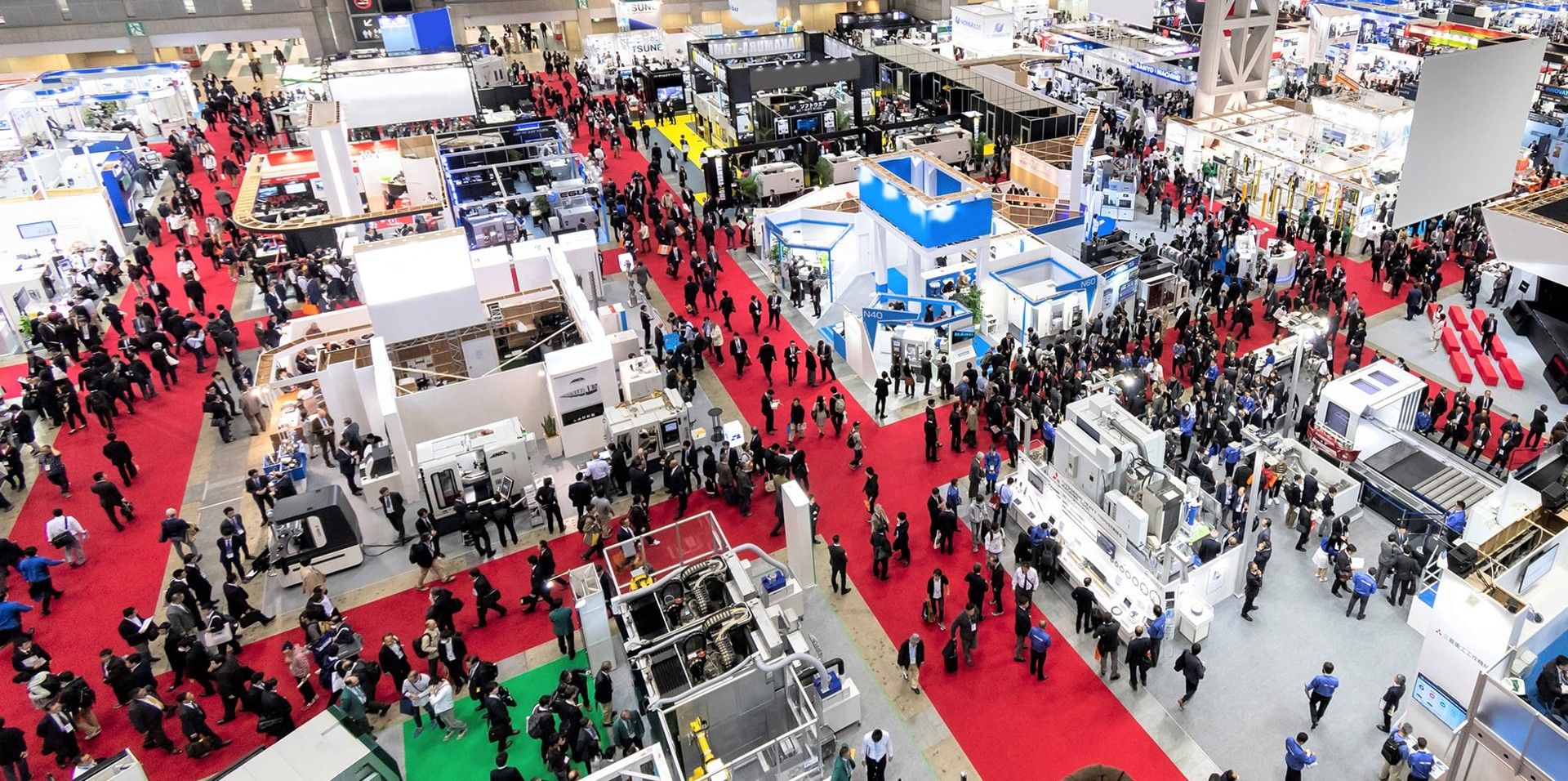
iREX 2025: Asia’s Industrial Robotics Engine Shows Its Real Strength—Far Beyond the Humanoid Hype

iREX 2025: Asia’s Industrial Robotics Engine Shows Its Real Strength—Far Beyond the Humanoid Hype

iREX 2025 revealed Asia’s dominance in industrial robotics, with Japan, China, Korea, and Taiwan shaping the global automation supply chain far beyond humanoid hype.

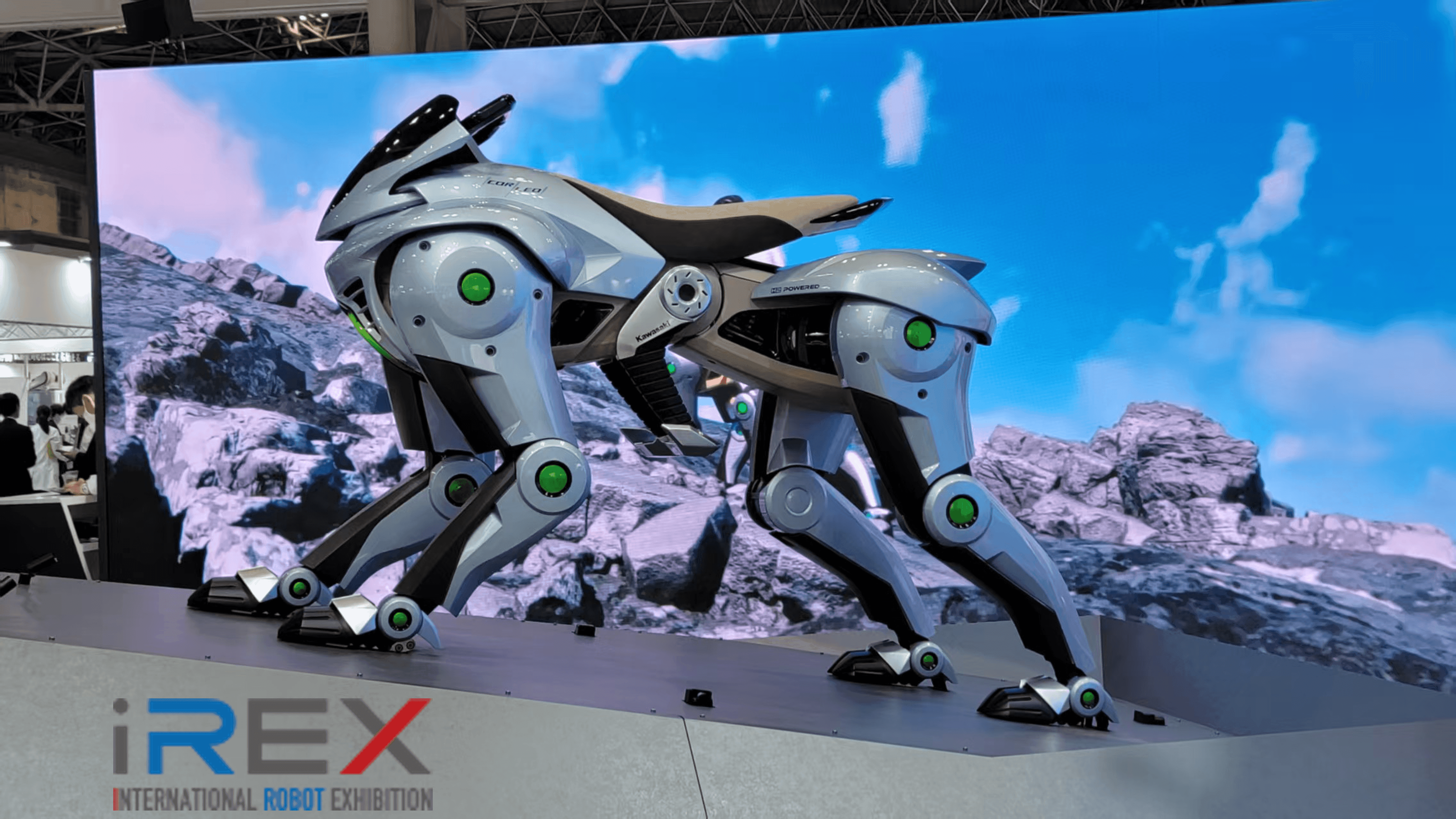
iRex 2025: Asia Leads Industrial Robotics as Japan and China Reinvent Automantion

iRex 2025: Asia Leads Industrial Robotics as Japan and China Reinvent Automantion

iREX 2025 revealed Asia’s dominance in industrial robotics, with Japan, China, Korea, and Taiwan shaping the global automation supply chain far beyond humanoid hype.

How Japan, Korea, Singapore and Vietnam Are Shaping the Next Global Automation Era

How Japan, Korea, Singapore and Vietnam Are Shaping the Next Global Automation Era

Japan, Korea, Singapore, and Vietnam are driving the next wave of global automation with strategic robotics innovation, manufacturing excellence, and policy support.

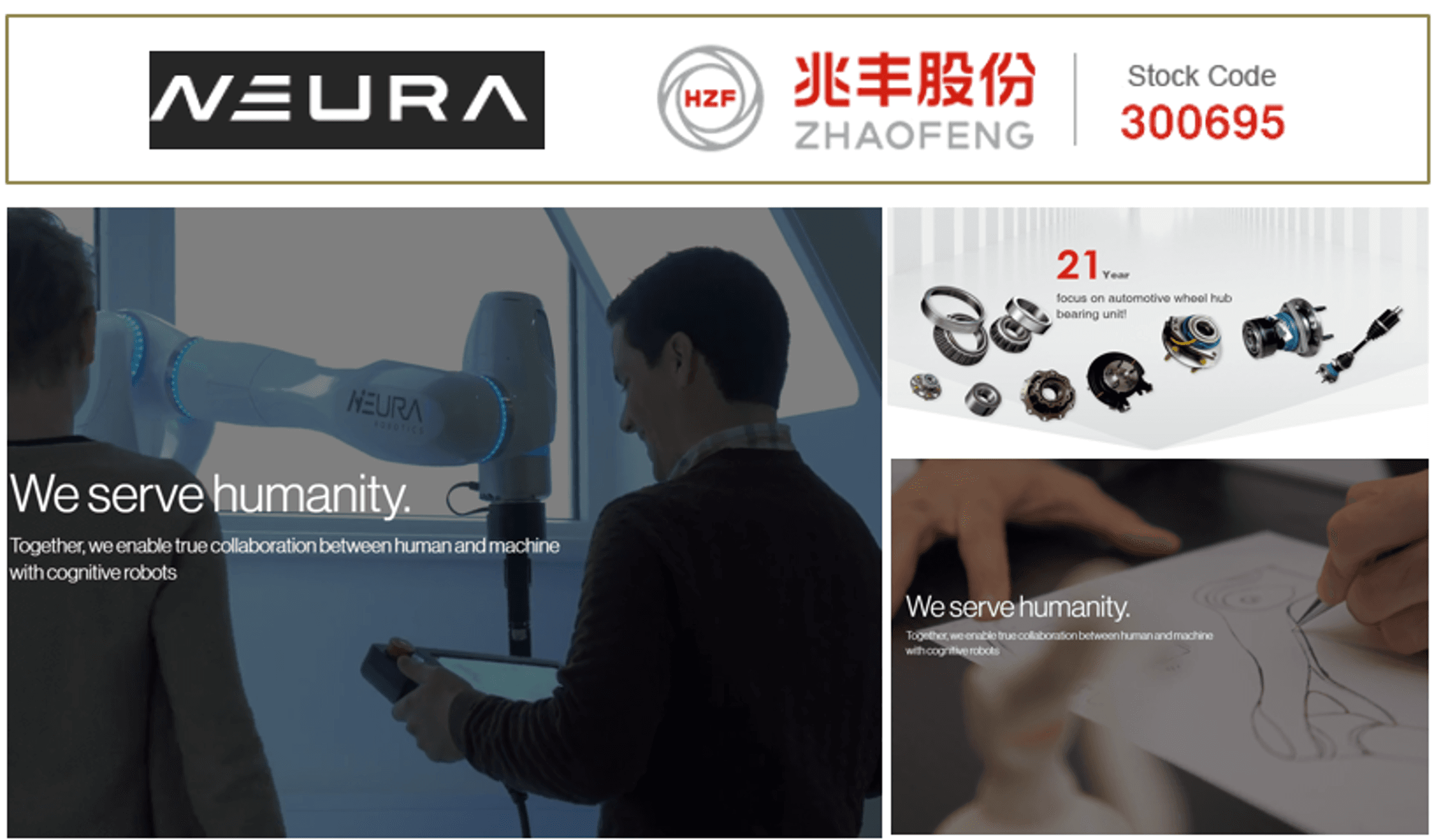
German Humanoid Robotics Pioneer Neura Robotics Teams Up with Chinese Mechatronics Giant HZF — A Cross-Border Alliance Redefines the Global Robotics Landscape

German Humanoid Robotics Pioneer Neura Robotics Teams Up with Chinese Mechatronics Giant HZF — A Cross-Border Alliance Redefines the Global Robotics Landscape

Neura Robotics and HZF form a cross-border alliance to accelerate global robotics innovation, combining strengths in hardware, AI, and market reach.