


Hydronalix
"The leading supplier of man-portable unmanned surface vessels for the U.S. Military"
US maker of man-portable unmanned surface vessels (USVs) including the EMILY rescue robot, serving military, defense, and emergency response since 2009.
Contact Hydronalix
WEBSITE
https://www.hydronalix.comPHONE
(520) 360-3486HEADQUARTERS
United States


Company Facts
Founded
2009
Primary Role
Manufacturer
Company Size
-
Primary Region
North America
Annual Sales
-
Funding Stage
-
Funding Total
-
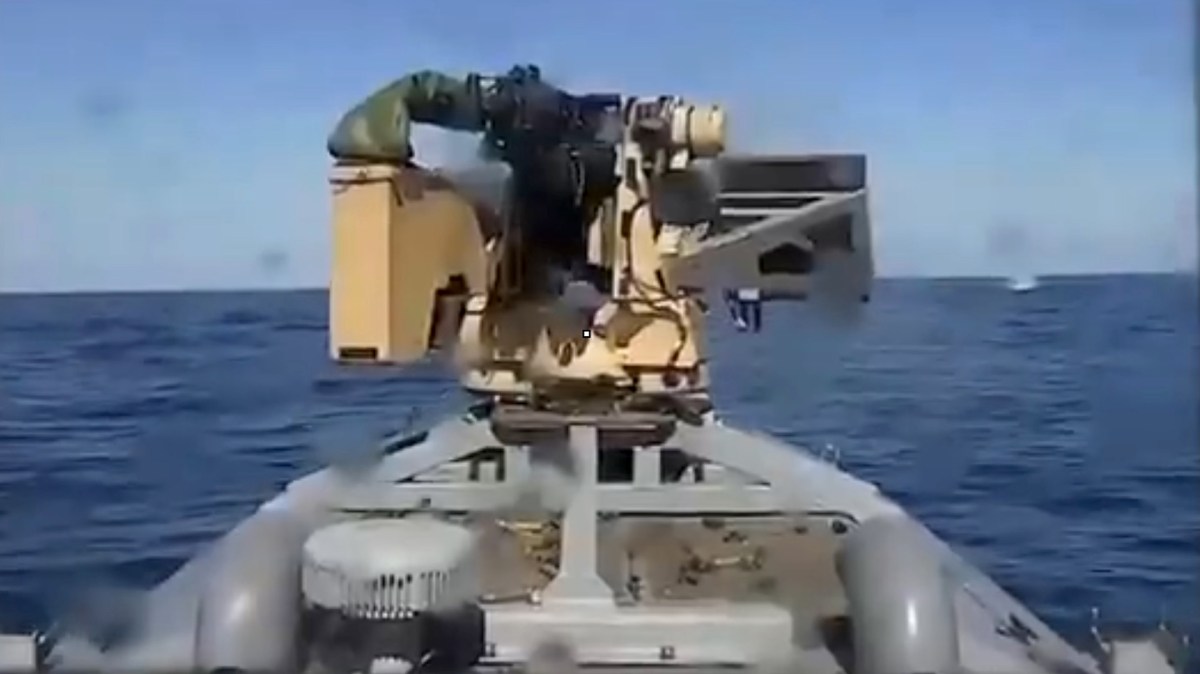
Ukraine Claims Historic First Kill of Russian Drone Boat by Its Own Uncrewed Vessel
The Ukrainian Navy has reported that its uncrewed surface vessel (USV) successfully sank a Russian USV, marking a historic first in naval warfare between unmanned boats. This engagement highlights the increasing effectiveness of Ukraine's combat drone boats against Russia's Black Sea Fleet, prompting a significant evacuation of Russian naval assets from Crimea. This incident underscores the growing proliferation of weaponized USVs globally, as nations explore advanced maritime combat capabilities. The Ukrainian Navy's Sargan 3000, equipped with a Protector 12.7 mm remotely operated weapon station, played a crucial role in this engagement, demonstrating the potential of unmanned vessels in modern warfare. As the use of drone boats expands, industry observers will be keen to monitor further developments in unmanned naval combat. No further timeline was disclosed at the time of publication.
Sea Around The Globe Europe Navies News & Features Russia
Pentagon Plans to Expand Tech Testing at US-Mexico Border with Unmanned Systems
The Pentagon is utilizing the US-Mexico border as a testing ground for advanced technologies, including high-energy lasers and unmanned systems. Mark Ditlevson, the assistant secretary of defense for Homeland Defense, expressed a desire to expand these projects, contingent on future funding from Congress. Current negotiations on the fiscal 2027 budget could impact the extent of these initiatives. The significance of this testing lies in its potential to enhance border security and combat narco-trafficking. The Pentagon has already deployed 10 Lightfish unmanned surface vessels (USVs) along the Rio Grande, receiving positive feedback on their sensor capabilities. Ditlevson indicated plans to extend the use of USVs into the Gulf of Mexico to further support anti-trafficking efforts. Looking ahead, the Pentagon is also exploring the automation of aerial drones to reduce reliance on manned aircraft and operators. Challenges remain, particularly regarding obstacle avoidance in US airspace. The timeline for deploying additional unmanned vessels and ground vehicles is uncertain, as the Pentagon continues to evaluate existing technologies and their effectiveness in enhancing operational capabilities.
Air Warfare Land Warfare Naval Warfare Pentagon Air Force Army
Leidos Autonomy Achieves Key Milestones at RIMPAC and with USS Theodore Roosevelt
Leidos has reached significant milestones in maritime autonomy by deploying Sea Hunter at RIMPAC 2026 and Seahawk with the USS Theodore Roosevelt Carrier Strike Group. Sea Hunter, the only Medium Unmanned Surface Vessel (MUSV) at RIMPAC, successfully operated autonomously over 2,000 nautical miles, showcasing its capabilities in surveillance and manned-unmanned teaming. These achievements highlight the increasing importance of autonomous vessels in U.S. Navy operations, transitioning from experimental phases to integration within the fleet. Seahawk, the first MUSV to operate with a carrier strike group, demonstrated advanced features such as autonomous navigation, collision avoidance, and GPS-denied navigation, reinforcing the operational framework of the strike group. Looking ahead, Leidos plans to leverage its extensive experience in autonomous maritime technology, which includes over 200,000 nautical miles of operation and 14,000 hours of safe autonomous operation. No further timeline was disclosed at the time of publication.
leidos autonomy rimpac carrier strike group
A Multilevel Path Planning Framework for Unmanned Surface Vehicles in Environmental Monitoring
A new multilevel path planning framework has been developed for unmanned surface vehicles (USVs) aimed at enhancing environmental monitoring of uninhabited islands and reefs. This framework utilizes information-driven techniques to optimize navigation and data collection processes in challenging marine environments. The significance of this development lies in its potential to improve the efficiency and effectiveness of environmental monitoring efforts. By employing advanced path planning strategies, USVs can navigate complex terrains and gather critical data, which is essential for conservation and research initiatives in remote areas. Looking ahead, the implementation of this framework could lead to more widespread use of USVs in environmental studies. As researchers and organizations seek innovative solutions for monitoring ecosystems, the advancements in path planning technology will be crucial in facilitating these efforts. No further timeline was disclosed at the time of publication.
RESEARCH ARTICLE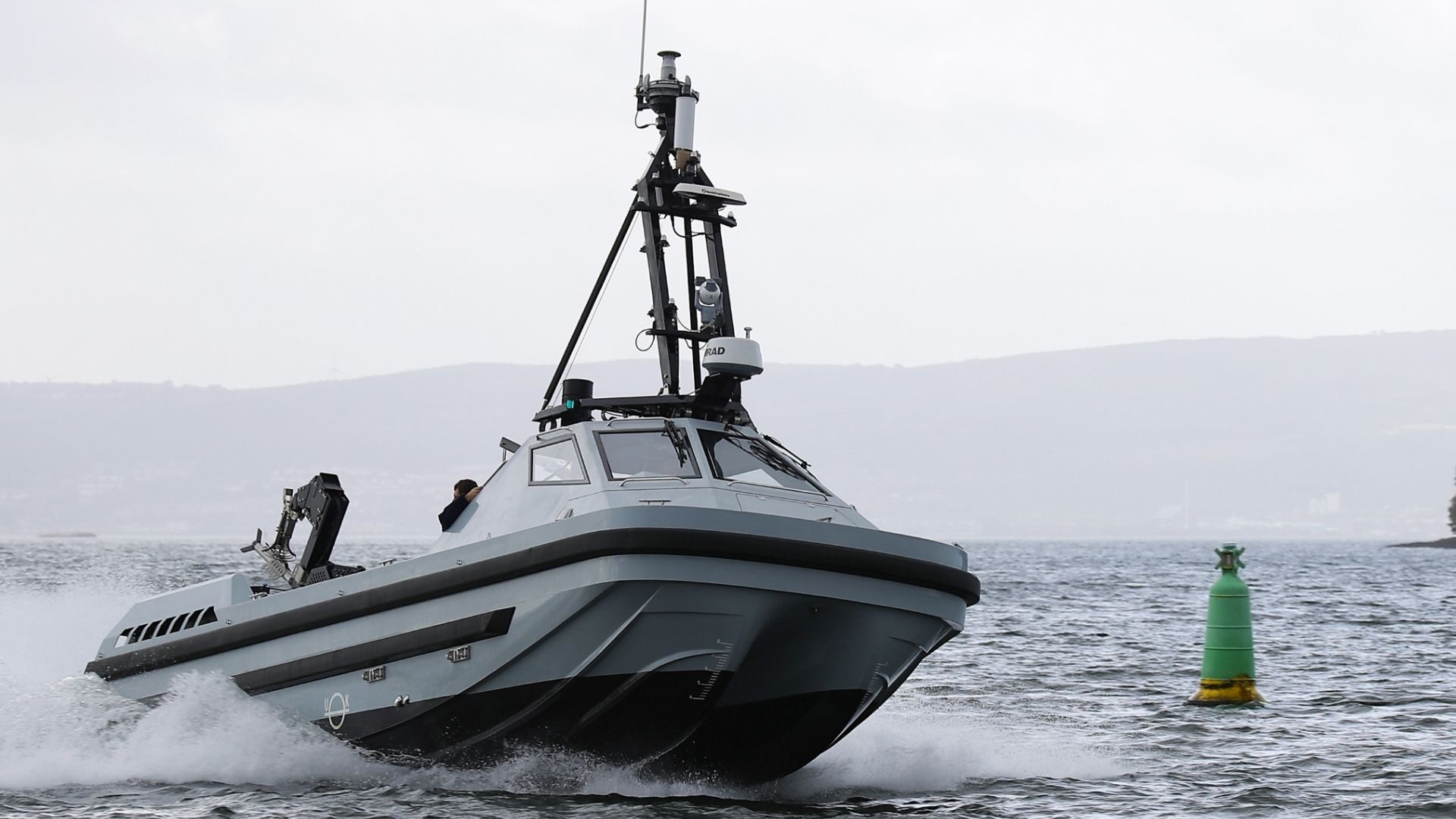
US Navy Demonstrates Robotic Refueling System for Unmanned Vessels at Sea
The US Navy has successfully showcased a robotic system capable of capturing, refueling, and releasing an unmanned surface vessel (USV) at sea. This demonstration, led by the Naval Air Warfare Center Weapons Division, took place off Joint Expeditionary Base Little Creek-Fort Story, Virginia, and involved the T38 USV and a towable refueling system. This innovative capability is significant as it allows USVs to remain deployed for extended missions without the need to return to port for fuel. By reducing the frequency of refueling stops, the Navy can enhance sensor coverage during operations and decrease reliance on crewed support vessels, which is crucial for ongoing testing and operational efficiency. Looking ahead, the robotic refueling system is expected to support the Blue Water Instrumentation program, particularly in trials related to hypersonic systems and precision long-range fires. No further timeline was disclosed at the time of publication.
Innovation Military Science
Seasats Secures $24 Million in Orders for Lightfish USVs to Enhance Military Surveillance
Seasats, based in New Zealand, has reported securing $24 million in funded orders for its Lightfish unmanned surface vessel (USV) in August and early September. These orders include boats for the US Navy and Marine Corps, indicating a rising demand for small, long-endurance USVs among military users. The Lightfish, an 11-foot solar-powered drone boat, is designed for Intelligence, Surveillance, and Reconnaissance (ISR) missions. Its ability to operate autonomously for extended periods allows military forces to monitor vast maritime areas without deploying crewed vessels, thus providing a cost-effective solution for persistent maritime awareness. Looking ahead, Seasats aims to expand its offerings through its robot-as-a-service (RaaS) model, which allows military customers to utilize the USVs without the need for extensive maintenance and training infrastructure. No further timeline was disclosed at the time of publication.
Innovation Military
NAWCWD Demonstrates Robotic Towed Connector for Refueling Unmanned Surface Vessel at Sea
The Naval Air Warfare Center Weapons Division (NAWCWD) has successfully demonstrated a robotic towed connector that enables the refueling of unmanned surface vessels (USVs) at sea. This innovation is part of the Blue Water Instrumentation program, aimed at enhancing the operational capabilities of USVs during long-range weapons testing. This advancement is significant as it addresses the challenge of maintaining USVs on station for extended periods without the need for crewed support ships. According to Spencer Holloway, director of BWI’s Future Capabilities Office, the ability to refuel USVs at sea increases mission persistence and coverage, which is crucial for testing hypersonic and precision long-range capabilities. Looking ahead, the successful demonstration, which included the transfer of 400 gallons of fuel during multiple connection cycles, highlights the potential for unmanned refueling to enhance fleet readiness. As noted by Ronald Raymer from U.S. Fleet Forces Command, this capability allows for greater reliance on unmanned vessels in high-threat areas, reducing risks to personnel and enabling more efficient operations.
us navy
Ukraine Launches First Uncrewed Surface Vessel Attack on Sochi, Russia
Ukraine executed a significant uncrewed surface vessel (USV) attack on the Nefrit, a multipurpose offshore vessel, in Sochi, Russia. This operation marks the first known USV strike on the resort city, located approximately 350 miles from Ukrainian-held territory, highlighting the expanding reach of Ukraine's naval capabilities. The Ukrainian Navy stated that the attack was part of its ongoing campaign against Russia's energy infrastructure, claiming that the Nefrit directly supported the enemy's war economy. The strike is seen as a strategic move to disrupt Russian logistics and military capabilities, emphasizing that even Russian territory is vulnerable to Ukrainian operations. As the situation develops, observers will be keen to assess the extent of the damage to the Nefrit and its implications for Russia's maritime operations. The Ukrainian Navy's continued focus on targeting enemy resources suggests that further actions may be anticipated in the ongoing conflict.
News & Features Around The Globe Europe Russia Sea Ukraine
Ocius Technology Integrates ThayerMahan and Thales Australia Sonar Systems for BlueBottle USVs
Ocius Technology has finalized agreements to incorporate advanced sonar systems from ThayerMahan and Thales Australia into its fleet of Bluebottle uncrewed surface vessels (USVs). The integration includes retractable thin-line acoustic arrays aimed at enhancing intelligence, surveillance, and reconnaissance (ISR) capabilities for the Royal Australian Navy's AUD$176 million Program of Record. This collaboration is significant as it combines Australian maritime technology with advanced acoustic sensing capabilities from the United States, demonstrating a practical application of the AUKUS Pillar II initiative. The deployment of these systems will support ongoing operations for the Australian Maritime Border Command, enhancing maritime surveillance and border protection. Looking ahead, Ocius plans to leverage the adaptable design of the Bluebottle platform to meet diverse mission requirements. No further timeline was disclosed at the time of publication.
ocius thayermahan thales bluebottle usv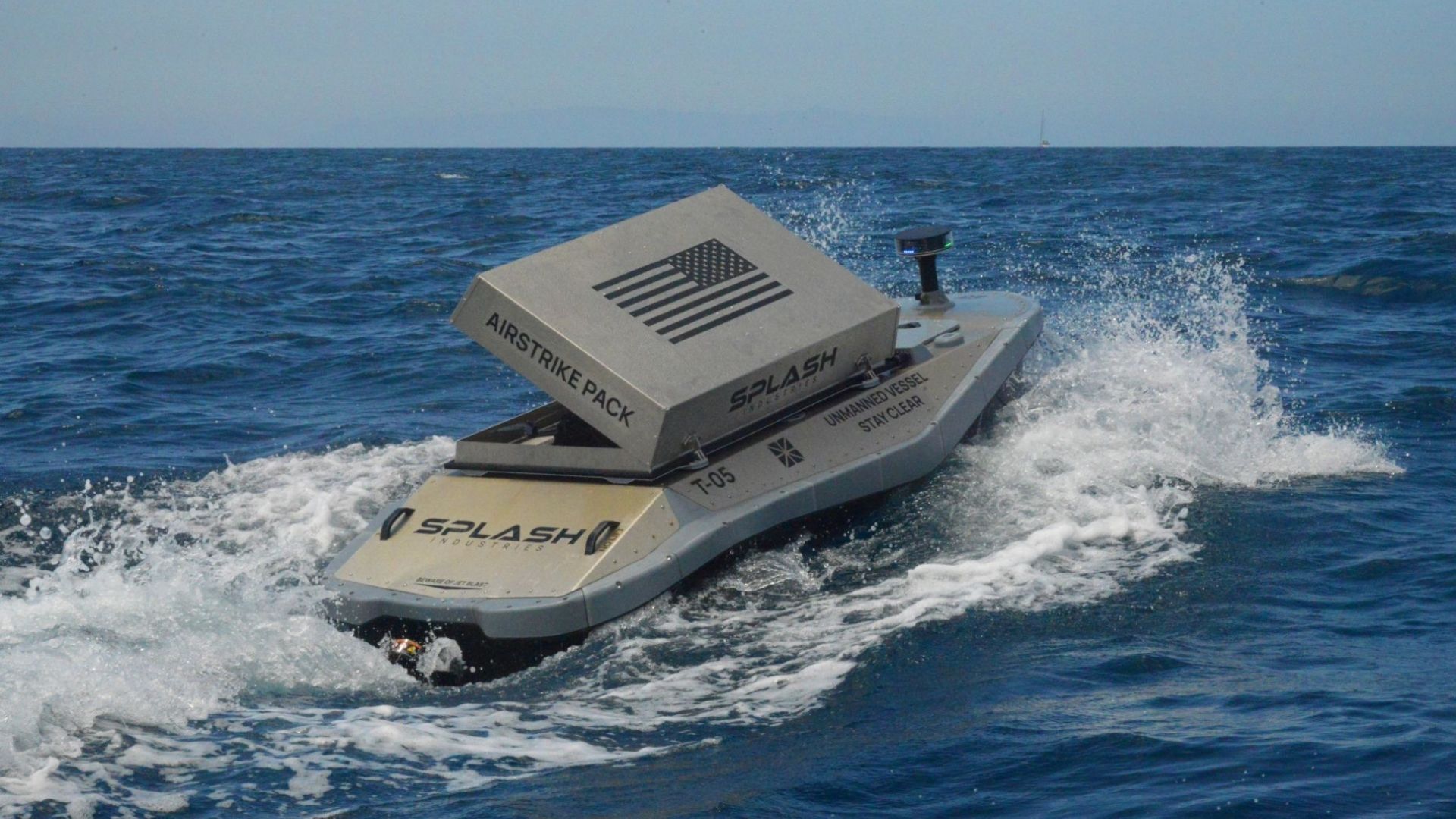
Splash Industries Enhances Typhoon USV with Airstrike Pack for Drone Launching
Splash Industries has introduced the Airstrike Pack, a modular payload for its Typhoon uncrewed surface vessel (USV), enabling the launch of one-way aerial drones from the sea. This innovation enhances the vessel's capabilities for missions such as maritime surveillance and cargo delivery, allowing drones to be deployed closer to operational areas. The significance of this development lies in its potential to streamline drone operations, as the Typhoon USV can carry aerial drones and launch them at the press of a button using Splash's proprietary Splash C2 command-and-control software. The Airstrike Pack exemplifies the trend of integrating autonomous systems across different domains, providing a cost-effective UAV deployment solution. Looking ahead, the Typhoon's operational range exceeds 600 nautical miles, and its speed capabilities make it suitable for various missions. The recent demonstration of the Typhoon's autonomous resupply of a US Navy warship further showcases its versatility. No further timeline was disclosed at the time of publication.
Military
WRC 2026 Robot Systems: 149 Companies That Build Robots
149 of the 248 classified WRC 2026 exhibitors build finished robots. 93 build humanoid or legged machines. The audited humanoid sales number is one unit.

WRC 2026 Exhibitor Map: 248 Robotics Companies Mapped
We classified 248 WRC 2026 exhibitors with the RobotToday taxonomy. Motion & Actuation leads at 75 companies, Humanoid at 72, and compute stays thin at 12. (Modified 2026-08-27)
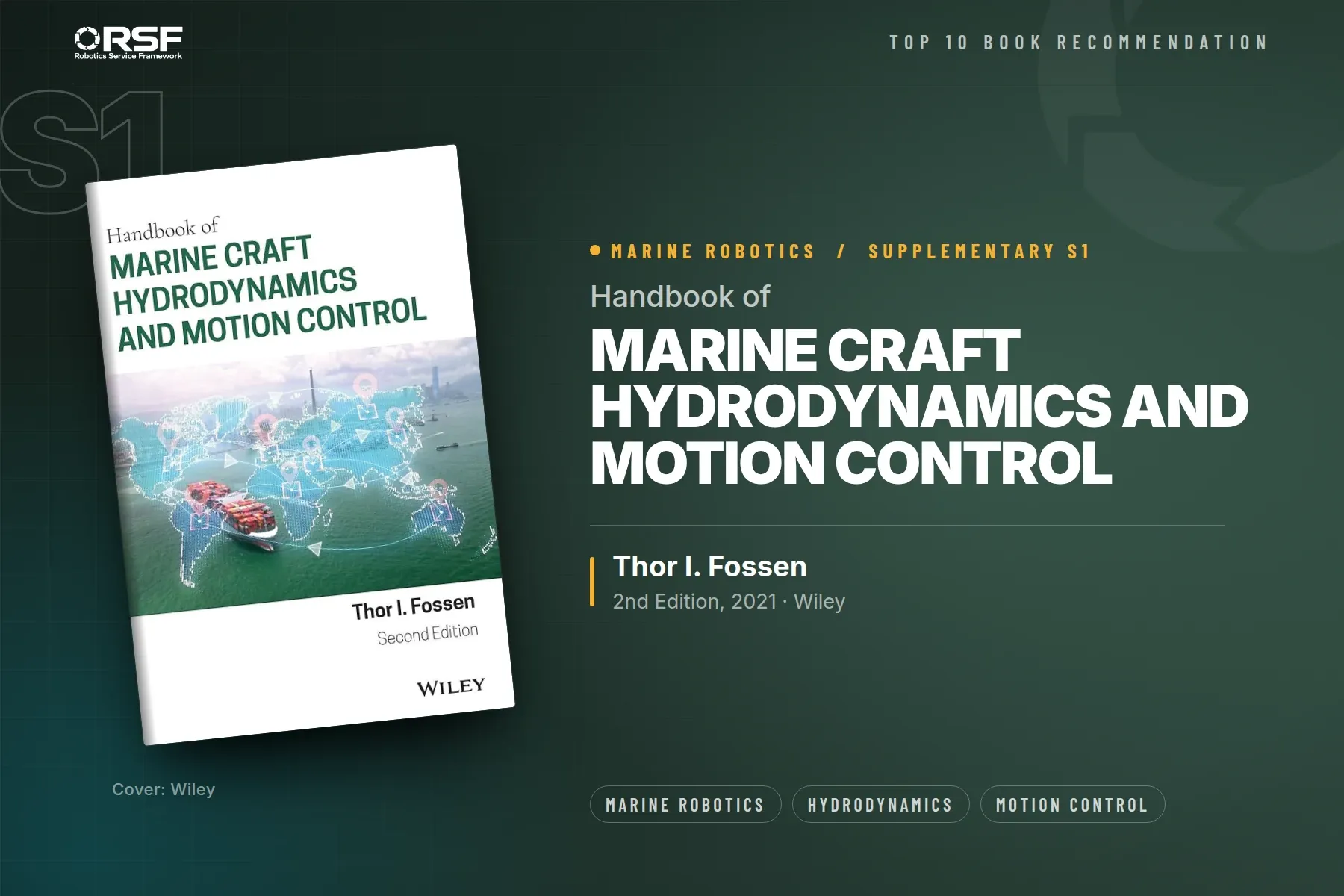
Handbook of Marine Craft Hydrodynamics and Motion Control Thor I. Fossen — RSF Specialist Shelf · Book S1 of 6
Added mass, wave loading, DVL navigation: the marine GNC reference for USV, ROV and AUV service engineers. The hardest book on the RSF list, 5/5.

Small Unmanned Aircraft: Theory and Practice Beard & McLain — RSF Specialist Shelf · Book S2 of 6
Beard & McLain derive the fixed-wing autopilot the RSF Top 10 never does: successive loop closure on roll, pitch, altitude and airspeed. 4/5.
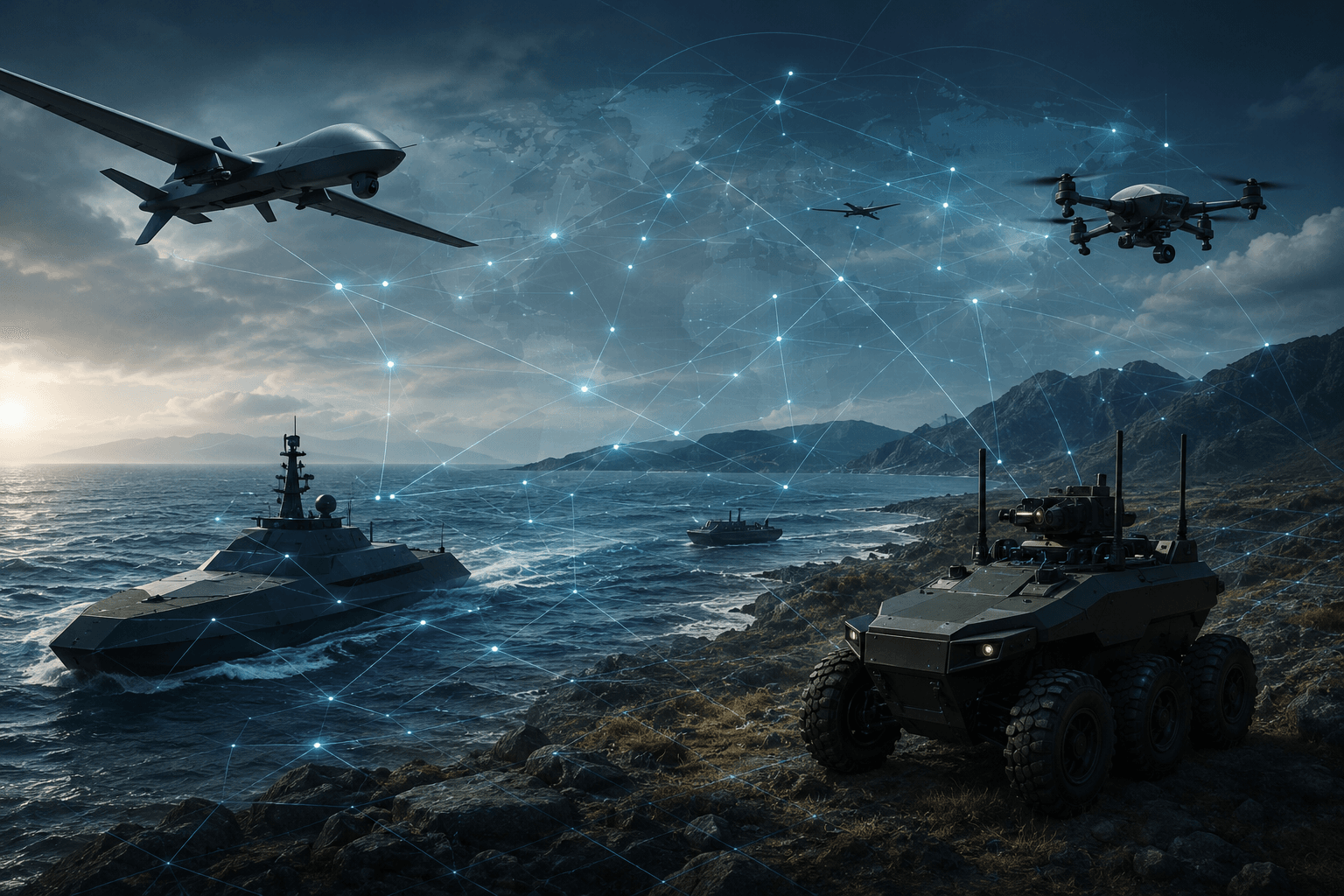
FUTURE WARFARE | Cross-Domain Integration - Integration How Land, Sea, Air and Software Are Converging Into a Single Kill Chain
Cross-domain robotics is reshaping modern warfare as drones, UGVs, AI targeting systems, and autonomous logistics converge into a single networked kill chain across land, sea, air, and software.

GLOBAL ROBOTICS INDUSTRY Comprehensive Sector Overview
A comprehensive global robotics industry overview for 2025, analyzing 14 key market segments — from industrial and humanoid robots to logistics AMRs, military systems, and service robots — with expert market sizing, US case studies, five-year forecasts, and bilingual English-Chinese analysis for executives and investors.
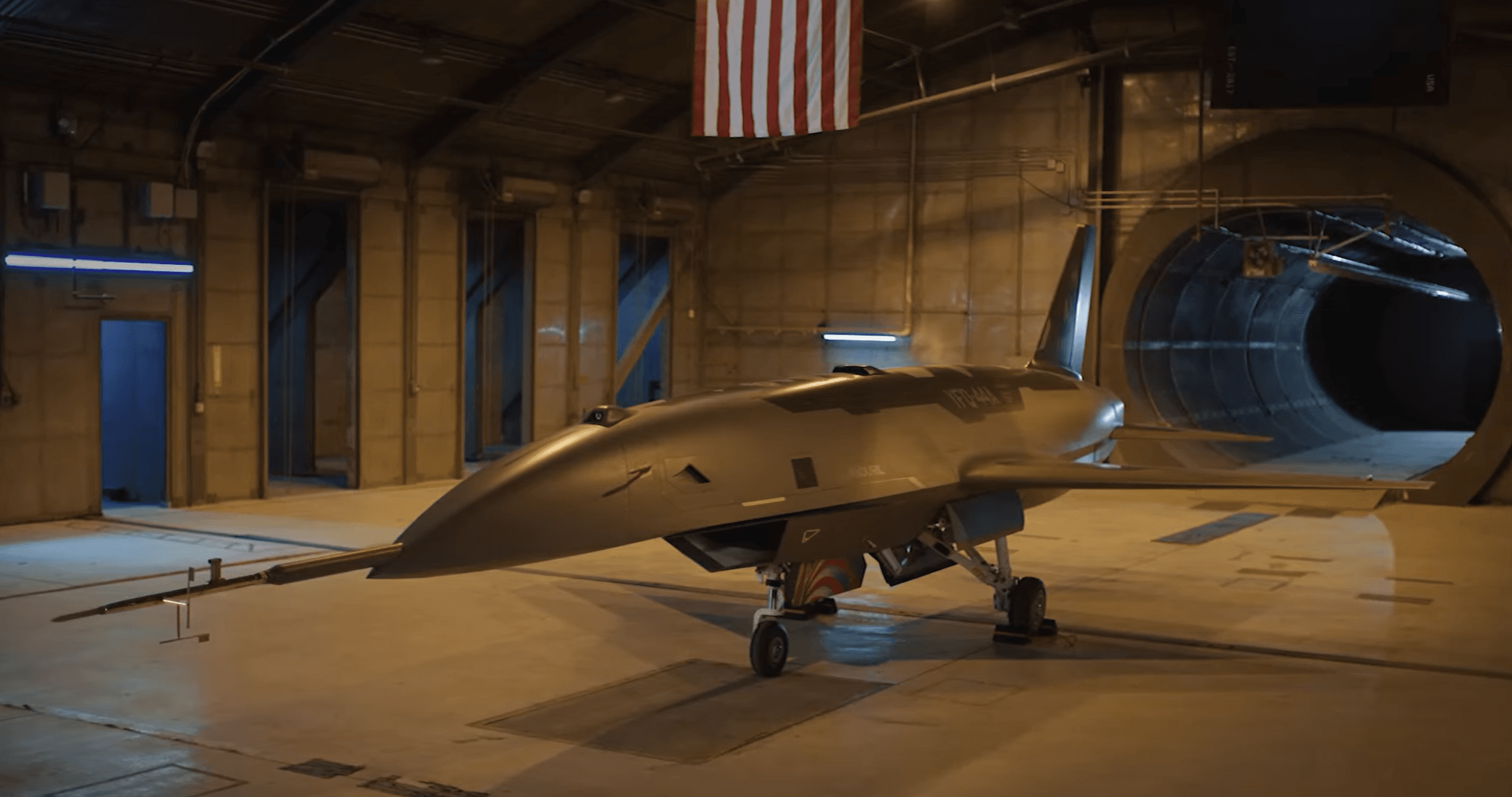
FUTURE WARFARE | Air - Collaborative Combat Aircraft, Drone Motherships & the Autonomy Race Above the Battlefield
Anduril’s YFQ-44A Fury flew its first semi-autonomous mission on 31 October 2025 — 556 days from contract to flight. By February 2026 it was carrying live missiles and swapping autonomy software mid-flight. China’s Jiutian drone mothership flew on 11 December 2025, capable of releasing over 100 loitering munitions from its internal bay at 15,000 metres. And the U.S. Air Force is standing up its second experimental one-way attack drone unit for mid-2026. This article maps the most consequential aerial autonomous systems competition in history: the CCA programme that will determine U.S. air dominance in the 2030s, the Valkyrie’s surprising rebirth, the A-GRA open-architecture breakthrough, and the Chinese drone mothership that has no Western equivalent.
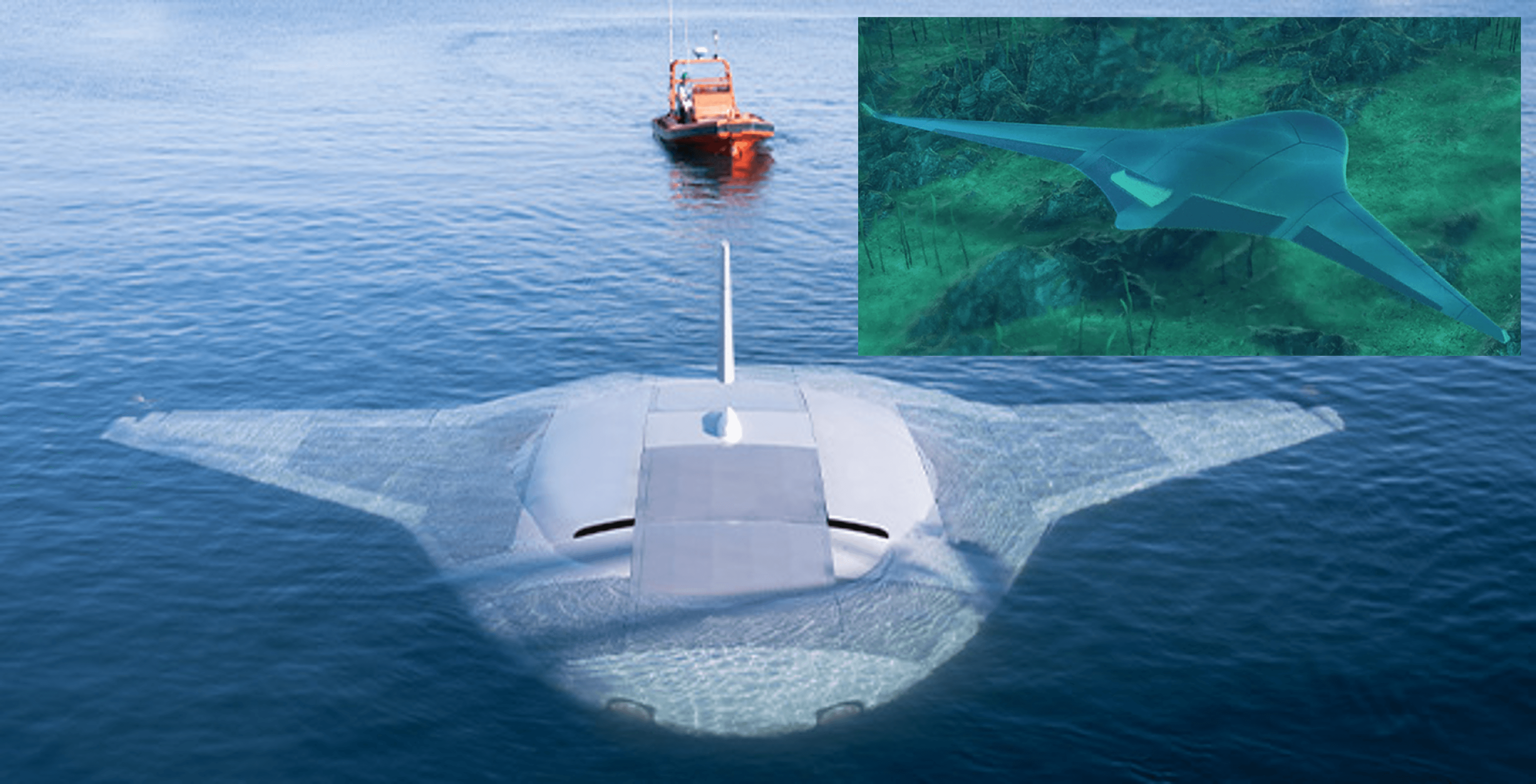
FUTURE WARFARE | Sea - Autonomous Surface Vessels & Unmanned Underwater Vehicles — The Hybrid Fleet Takes Shape
Ukraine’s ‘Sub Sea Baby’ autonomous torpedo struck a Russian Kilo-class submarine inside Novorossiysk harbour in December 2025 — the first confirmed underwater drone attack on a submarine in history. The U.S. Navy is requesting $5.3 billion for unmanned maritime systems in FY2026, a 70 percent year-on-year increase. Saronic Technologies went from prototype to $392 million production contract in under 12 months. And DARPA’s Manta Ray XL-UUV completed full-scale sea trials. This article maps the maritime autonomous systems revolution — from Ukraine’s improvised Black Sea fleet to the Pentagon’s hybrid manned–unmanned force of the 2030s, and from Saronic’s Franklin, Louisiana shipyard to Boeing’s 85-tonne robot submarine.
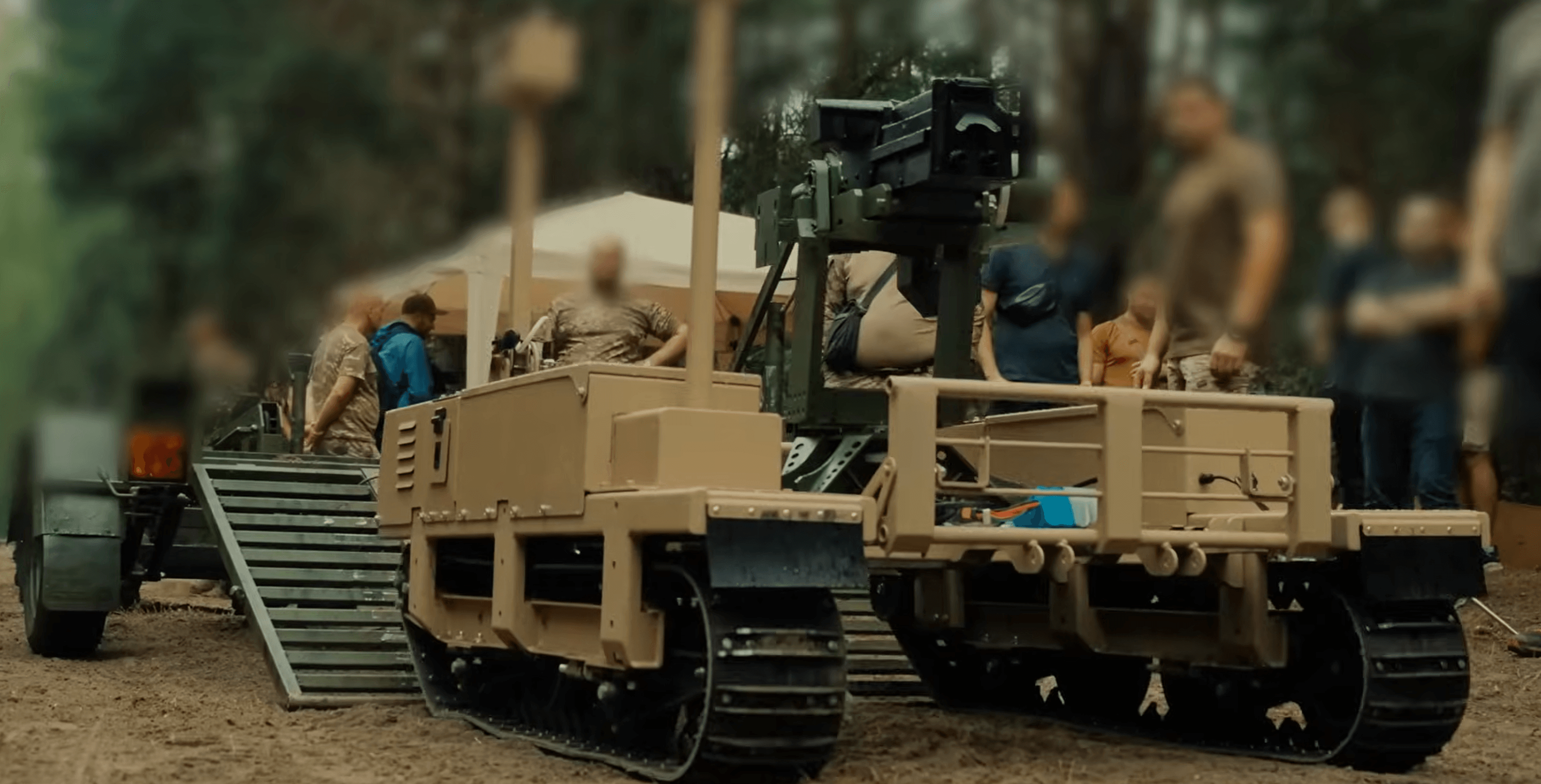
FUTURE WARFARE | Land - Unmanned Ground Vehicles — From Logistics Mules to Front-Line Robots
Ukraine fielded 15,000 unmanned ground vehicles in 2025 — surpassing its own procurement targets by over 100 percent. A single UGV held a front-line position for 45 days. Up to 90 percent of supplies to Pokrovsk now move by robot, not truck. The U.S. Army cancelled its $3 million Robotic Combat Vehicle and is starting over. China is deploying $3,000 robot dogs in PLA urban-warfare exercises. This article maps the emerging UGV battlefield — from Ukraine’s garage-built logistics fleet to the Pentagon’s stalled combat-vehicle ambitions, and from Ghost Robotics’ Vision 60 to the quadruped proliferation problem no treaty has yet addressed.
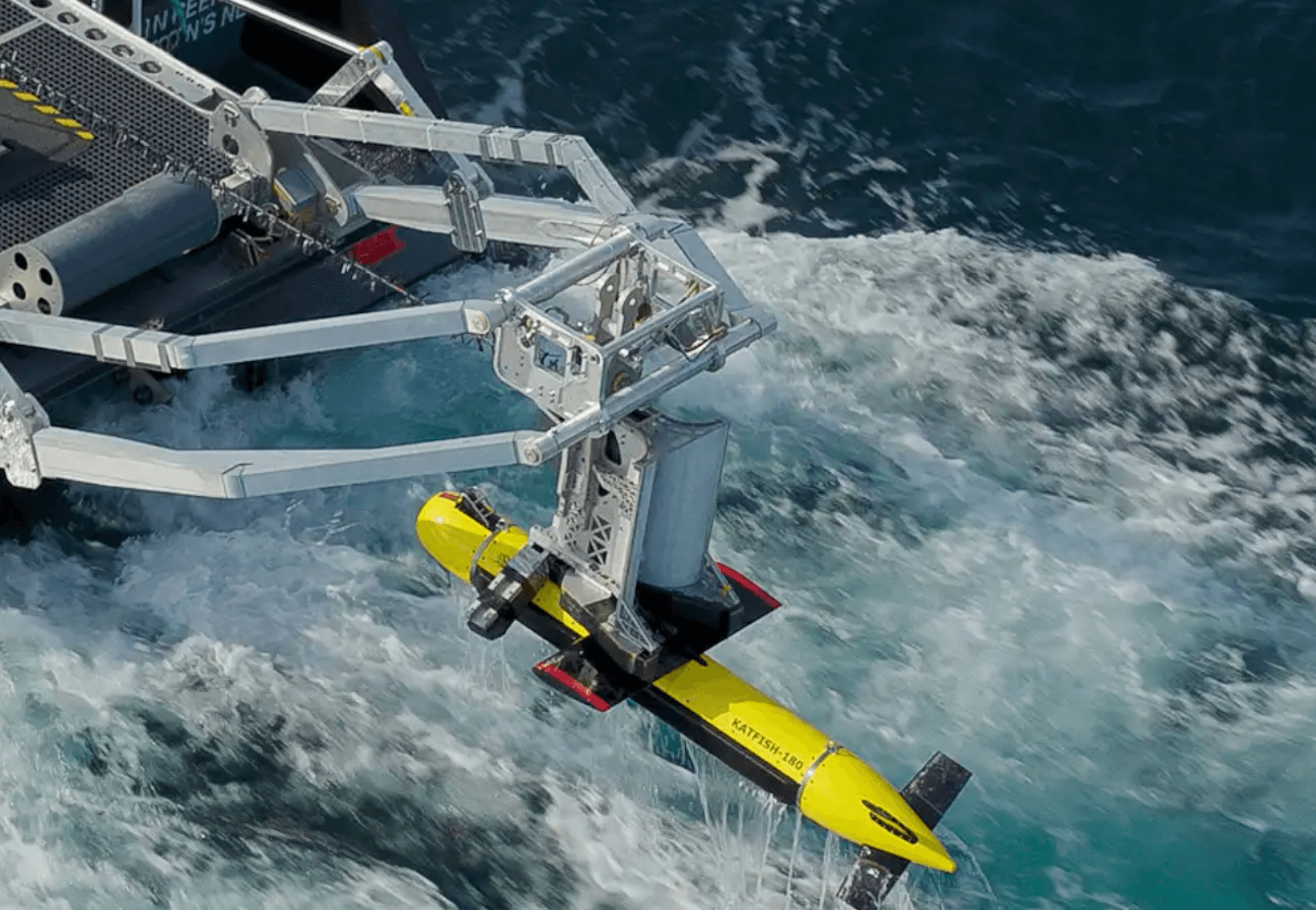
Kraken Robotics Revenue Surges as the Global USV Market Accelerates
Kraken Robotics posts record revenue growth as subsea sensing and autonomy demand surges, highlighting strong momentum in the global USV market.


