

German Bionic Systems GmbH
German exoskeleton maker founded in 2016, producing the Cray X and Exia AI-powered wearable power suits for industrial workers in logistics and manufacturing.
Contact German Bionic Systems GmbH
WEBSITE
https://www.germanbionic.comPHONE
+49 821 907 497 80HEADQUARTERS
Germany

Company Facts
Founded
2016
Primary Role
Manufacturer
Company Size
-
Primary Region
Europe
Annual Sales
-
Funding Stage
-
Funding Total
-
Certifications & Memberships

ROBOTTODAY WEEKLY August 17 – 21, 2026
This week in robotics: Unitree surges 629% in its Shanghai STAR Market debut at a $66 billion valuation, Nevada approves 7,000 robotaxis, Amazon Prime Air expands to nearly 500 US cities, and Beijing's World Robot Conference marks the industry's pivot from spectacle to scale. August 17–21, 2026.

ROBOTTODAY Weekly July 20 – 24, 2026
Your weekly robotics briefing: AGIBOT unveils four new robots at WAIC 2026, the NDAA bars Chinese humanoids from the U.S. military, SoftBank eyes Gravis Robotics for its Roze vehicle, and Anduril reveals its Thunder autonomous attack tiltrotor at Farnborough.
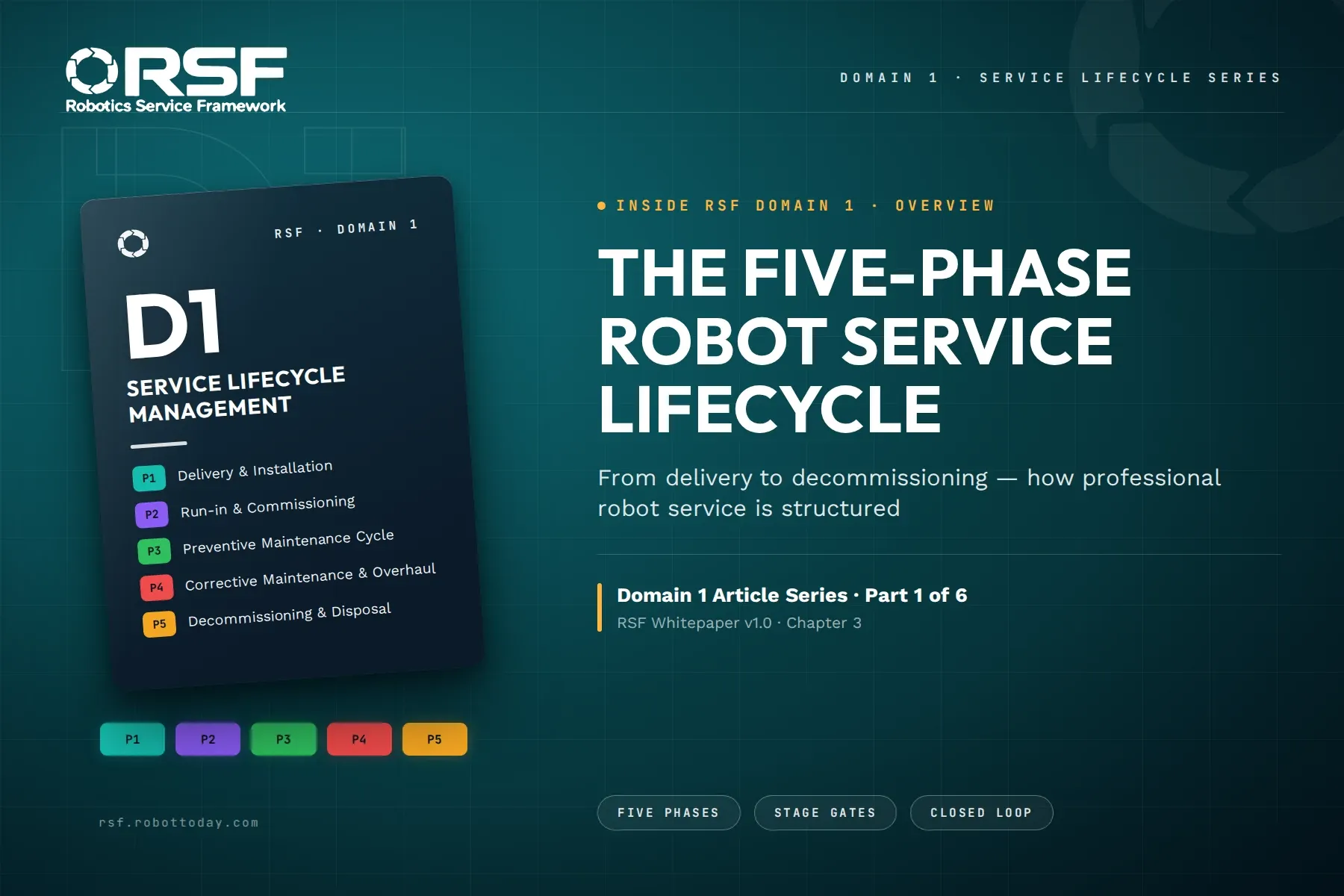
Inside RSF Domain 1: The Five-Phase Robot Service Lifecycle
RSF Whitepaper v1.0 defines the first five-phase service lifecycle for industrial robots. How Domain 1 relates to ISO 55001, ANSI/A3, Japan's law & GB standards.

ROBOTTODAY Weekly July 13 – 17, 2026
This week in robotics: Hyundai takes full ownership of Boston Dynamics, Xpeng targets 1,000 Iron humanoids a month, LimX Dynamics raises $200M pre-IPO, and Agility opens a Silicon Valley physical-AI hub. July 13–17, 2026.

ROBOTTODAY Weekly June 30 – July 4, 2026
Unitree wins CSRC approval for China’s first humanoid IPO, Korea unveils ₩312T AI investment, RoboCup 2026 opens in Incheon, and Paris launches Europe’s inaugural Physical AI summit.
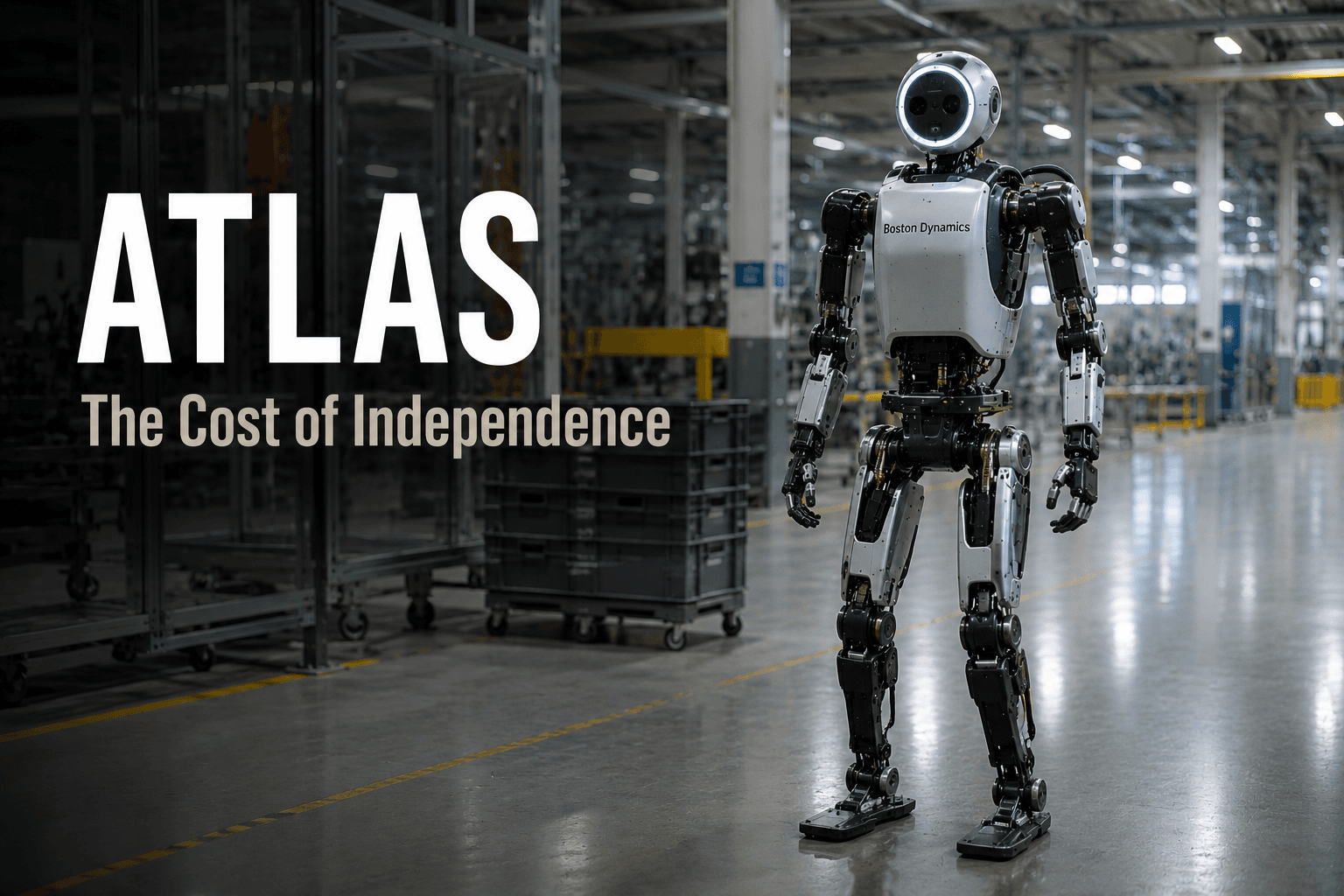
Supply Chain Reckoning: Can Boston Dynamics Avoid Becoming the Next iRobot?
A data-driven analysis comparing Boston Dynamics Atlas and Tesla Optimus supply chain strategies in 2026. Examines actuator costs, production ramp speeds, and how Boston Dynamics can avoid iRobot's bankruptcy by adopting a tiered supply chain approach. Includes component cost tables, risk heat maps, and strategic frameworks.

ROBOTTODAY Weekly, June 8 – 12, 2026
This week in robotics: Bezos’ Prometheus raises $12B for physical AI, NEURA Robotics closes $1.4B Series C, NVIDIA deepens partnerships with Hyundai and LG in Seoul, and Hyundai’s Boston Dynamics robot dogs debut at FIFA World Cup 2026. June 8–12, 2026.

ROBOTTODAY Weekly June 1 – 5, 2026
This week in robotics: NVIDIA’s Jensen Huang visits Seoul to deepen physical AI ties, Generalist AI raises $400M at $2B valuation, Amazon upgrades Proteus with natural-language control, and UBTECH humanoid attracts 1,200 pre-orders. June 1–5, 2026.
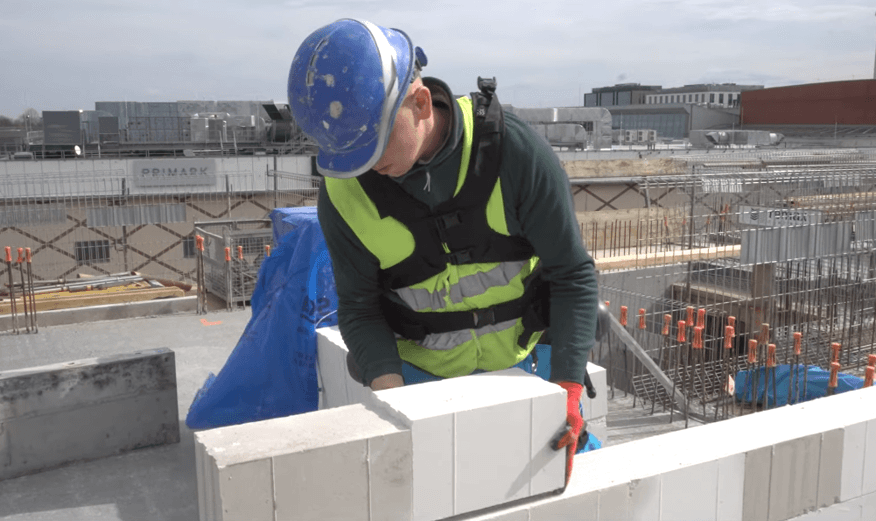
CONSTRUCTION ROBOTICS | EXOSKELETONS & HUMAN AUGMENTATION
Construction musculoskeletal injuries cost US employers over $2 billion annually. Exoskeletons are moving from pilots to standard practice. Ottobock, German Bionic, Hyundai, and Innophys launched major products in 2024–2025. Korea and Japan lead adoption. AI is turning passive suits into connected safety platforms.
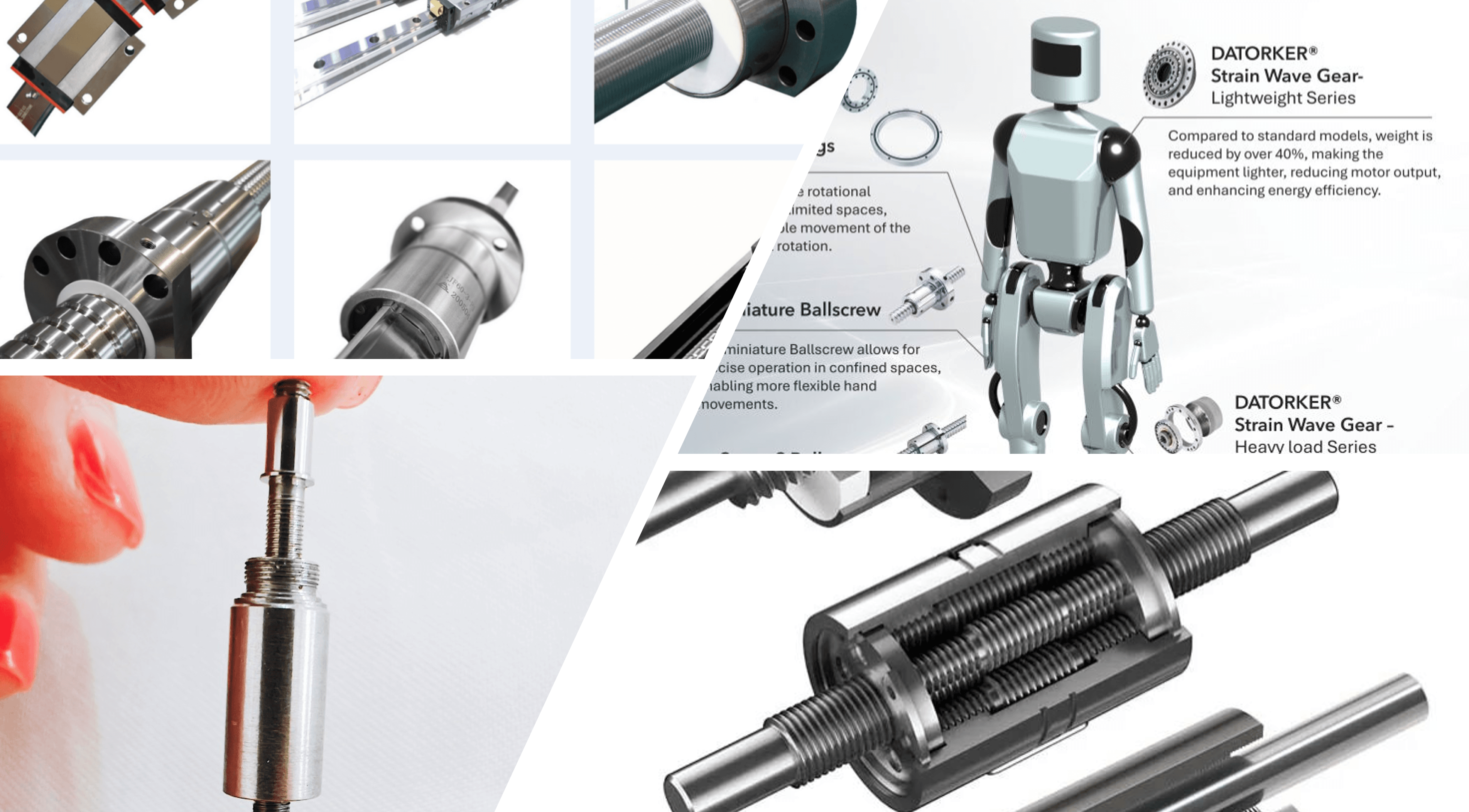
Humanoid Robotics Race Among China Vendors — The Multi-Billion-Dollar Competition for Actuator Screws
China’s humanoid robotics vendors are battling over actuator screw tech, fueling a multi-billion-dollar race for precision components that power robot motion.


