

Euler Navigation
"Safe sensing and navigation for air taxis and delivery drones"
Miniature inertial and GNSS navigation sensors for urban air mobility, flying taxis, and delivery drones.
Contact Euler Navigation
WEBSITE
https://euler-nav.comHEADQUARTERS
Germany

Company Facts
Founded
2023
Primary Role
Component Supplier
Company Size
-
Primary Region
Europe
Annual Sales
-
Funding Stage
-
Funding Total
-
Agility Robotics and Fort Robotics Enhance Partnership for Digit 5 Safety Systems
Agility Robotics and Fort Robotics have expanded their multiyear partnership to develop a comprehensive safety architecture for Digit 5, Agility's next-generation humanoid robot. This collaboration includes a safety pendant, onboard communications, and an off-robot interface designed to enhance safety measures as Digit 5 prepares for broader commercial deployment. The significance of this partnership lies in Fort Robotics transitioning from a component supplier to a key collaborator in hardware development, regulatory compliance, and deployment support. This strategic move is crucial as Digit 5 aims to operate safely in environments such as warehouses and manufacturing sites, where human interaction is prevalent. Looking ahead, the partnership is expected to support current and future deployments of Digit 5, which will feature advanced safety systems including human detection and motion controls. No further timeline was disclosed at the time of publication.
Business & Markets Enterprise Humanoids Agility Robotics AI FORT Robotics
Tesla Initiates Procurement of Chinese Components for US-Made Humanoid Robots
Tesla has begun sourcing components from China for its humanoid robots produced in the United States. This move is expected to enhance production capacity at Tesla's Fremont factory in California, leveraging China's status as the largest supplier of humanoid robot parts globally. In mid-September, Tesla's robotics division started factory audits of three automotive component suppliers located in Ningbo, China: Joyson Electronics, Top Group, and Sanhua Automotive. These suppliers had already received orders for parts such as joint modules, actuators, and precision components prior to the audits, which will assess production line performance and compliance with regulations. The focus will be on whether these suppliers can meet mass production requirements for robot components. Given their existing relationships with Tesla in the automotive sector, the suppliers are expected to have the necessary capabilities. The upcoming months will reveal if these suppliers can scale production in line with Tesla's ambitious output targets for its Optimus humanoid robots.
Humanoid Robots Supply Chain Robotics Components Automotive Parts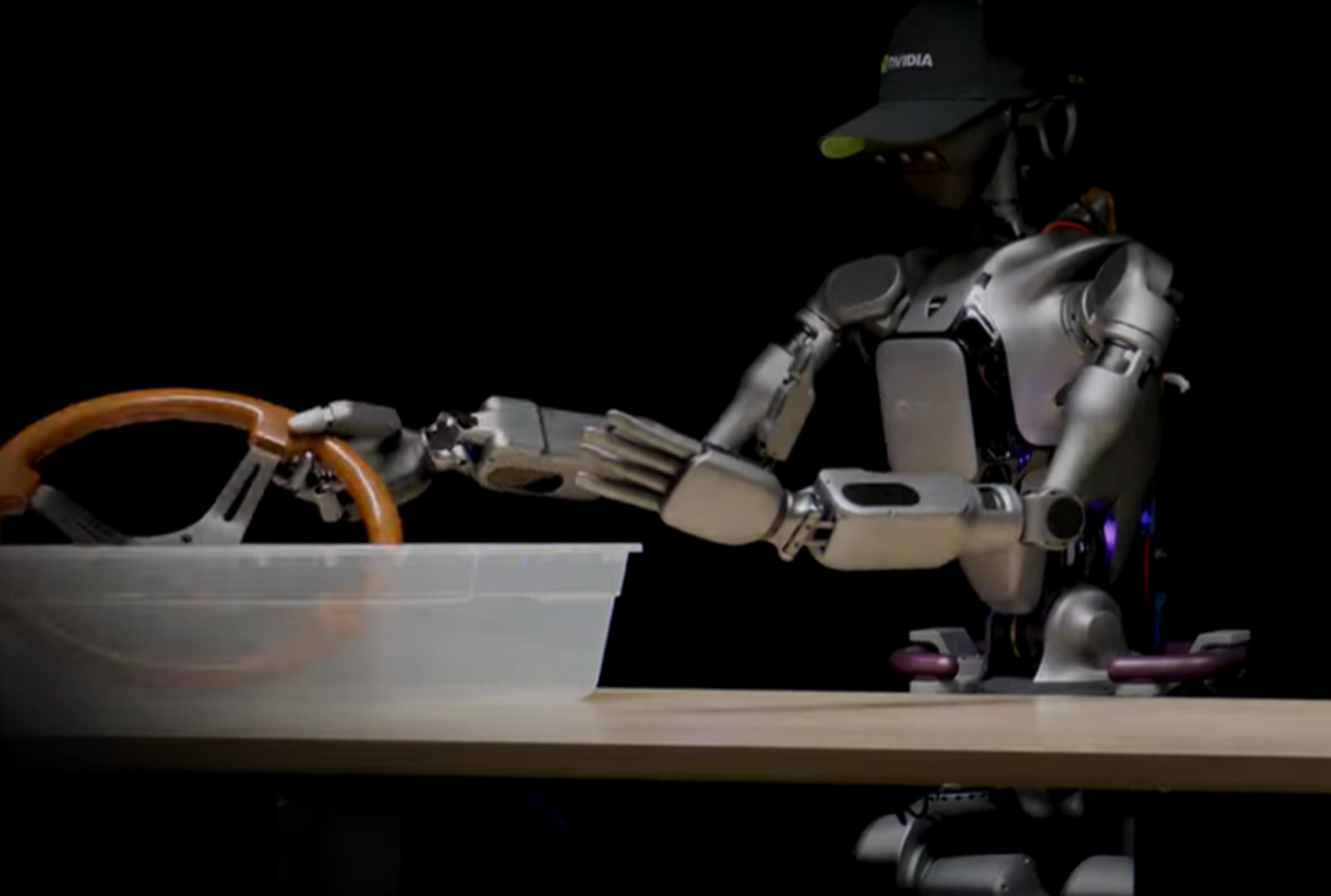
Humanoid Robotics Industry Presents Competitive Landscape for European Chemical Companies
The humanoid robotics sector is increasingly dependent on a crucial chemical component utilized in the joints and limbs of robots. This reliance has sparked a competitive struggle for market supremacy between established European firms and their Chinese counterparts. The significance of this competition lies in the potential for innovation and market share growth within the chemical industry, particularly for those companies that can effectively supply this essential material. As humanoid robots gain traction, the demand for high-quality chemical components is expected to rise, further intensifying the rivalry. Looking ahead, stakeholders should monitor developments in the humanoid robotics market and the strategies employed by both European and Chinese companies. The outcome of this competition could reshape supply chains and influence technological advancements in the industry. No further timeline was disclosed at the time of publication.

XPENG Hosts Inaugural Robotics Supply Chain Partner Conference on September 22
On September 22, XPENG conducted its inaugural Robotics Supply Chain Partner Conference, gathering top supply chain firms specializing in essential components such as robot joint modules, actuators, and precision structural parts. This conference is significant as it marks XPENG's commitment to strengthening its robotics business through strategic partnerships with leading suppliers in the industry. The designation agreements signed with these partners indicate a proactive approach to enhance production capabilities. Looking ahead, XPENG is currently organizing production schedules on its manufacturing lines, which suggests a focus on ramping up robotics production. No further timeline was disclosed at the time of publication.

KSB Highlights Stability and Safety as Key to Humanoid Robot Commercialization Success
Matthias Sckuhr, CTO of KSB Group, emphasized that the next phase of humanoid robot development hinges not only on artificial intelligence but also on engineering challenges. The year 2026 is anticipated to mark the beginning of mass production for humanoid robots, yet KSB points out that the physical systems—such as joints, dexterous hands, and mobile chassis—must demonstrate long-term reliability, efficiency, and safety in real industrial environments to determine commercialization success. KSB, a global technology group with a 177-year history, breaks down the reliability issues of humanoid robots to their fundamental components. The performance and lifespan of seals, lubricants, and vibration control parts directly impact the overall reliability and performance limits of the robots. Continuous operation in factories for hours can lead to wear and tear on seals, lubricant failure, and loosening of fasteners due to vibrations, which may not surface during short laboratory tests but become apparent after thousands of hours in real production lines. KSB has established its first co-creation center in Shanghai's Zhangjiang Robot Valley, focusing on three core industry challenges: the reliability bottlenecks of high-dynamic, high-load joints; the lack of standardized testing protocols for transitioning laboratory results to industrial applications; and the need for improved collaborative innovation mechanisms across the supply chain. By collaborating with manufacturers, component suppliers, and research institutions, KSB aims to support industry standard development in sealing, lubrication, shock absorption, and noise reduction.
Humanoid Robots Engineering Reliability Robotics Components Industrial AutomationChinese Robotics Component Suppliers See Share Increase Following Tesla Optimus Audit
Shares of Chinese robotics-component suppliers experienced a rise after a report indicated that Tesla Inc. teams had visited China. The purpose of this visit was to audit local suppliers and place additional orders aimed at enhancing the production of the Optimus humanoid model. This development is significant as it highlights Tesla's commitment to scaling up its production capabilities for the Optimus model. By auditing suppliers and increasing orders, Tesla aims to ensure a steady supply chain and improve the efficiency of its manufacturing processes, which is crucial for meeting market demand. Looking ahead, stakeholders will be keen to monitor how these audits and subsequent orders impact the production timeline for the Optimus humanoid model. No further timeline was disclosed at the time of publication.
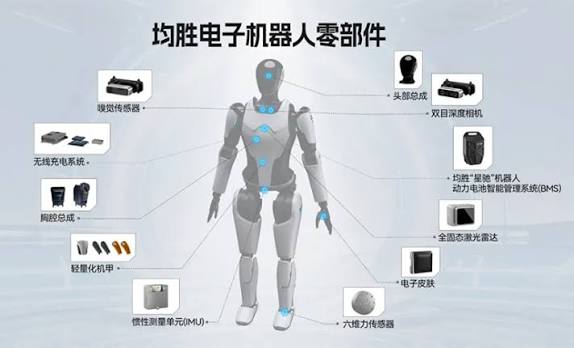
Jiangsu Jusheng Electronics Stock Rises Over 9% Following Progress in Embodied Intelligence Controllers
On September 17, Jiangsu Jusheng Electronics saw its stock price increase by over 9%, closing at HKD 12.23 with a trading volume of HKD 66.34 million. This surge is attributed to the company's advancements in its embodied intelligence business. The significance of this development lies in Jiangsu Jusheng's recent showcase at the 2026 World Artificial Intelligence Conference, where it unveiled several core components, including dexterous hands, hybrid batteries, third-generation AI head assemblies, electronic skin, and embodied intelligence brains. The company has announced that its embodied intelligence products, including controllers, are now being mass-produced for leading robotics companies. Looking ahead, it will be crucial to monitor whether the scale of mass production can continue to grow and if products like dexterous hands and electronic skin can transition from the sample phase to bulk delivery. No further timeline was disclosed at the time of publication.
Embodied Intelligence Robotics Components AI Technology Automation Electronic Systems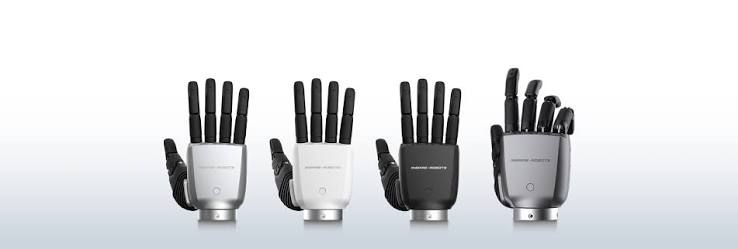
China Launches First Insurance for Intelligent Robotic Components at 2026 Service Trade Fair
On September 11, China Pacific Insurance and Beijing Daqi Yuequan Biomimetic Technology signed a collaboration for insurance covering intelligent robotic components, marking the first such insurance in the country. The policy protects against accidents, natural disasters, design defects, and operational errors, while also covering third-party injuries and property damage caused by equipment use. This insurance product addresses significant concerns for manufacturers and end-users of dexterous hands, which are costly and require high precision. With this coverage, procurement decisions may become easier as risks associated with equipment loss and third-party liabilities are mitigated. The collaboration aims to bolster confidence in the intelligent robotics sector by establishing a risk barrier for core components. The launch of this insurance indicates a shift in the industry, suggesting that key components have moved beyond experimental phases to a stage where tangible investments are necessary. Future developments to watch include the alignment of insurance rates with actual fault data and the potential introduction of similar insurance products for other critical components like joint modules and sensors.
Robotic Components Insurance Embodied Intelligence Risk Management
Elon Musk's Vision for 10 Million Robots: Supply Chain Implications and Profitability
Tesla's Fremont factory has shifted its focus from producing 40,000 luxury electric vehicles annually to a target of 1 million Optimus humanoid robots. This significant increase in production capacity raises questions about the supply chain and who will benefit financially from Musk's ambitious plan to produce 10 million robots. Analysts suggest that the real profit opportunities may lie with Chinese suppliers who are scaling up to meet Tesla's demands. The supply chain for humanoid robots involves complex components such as actuators, reducers, and screws, which have high technical barriers and long validation periods. Major suppliers like Sanyuan and Top Group are positioned as core players in the Optimus supply chain, making it difficult for new entrants to compete. Tesla's procurement strategy involves framework orders based on production capacity, incentivizing suppliers to expand their operations. While substantial revenue from the robot production is not expected until 2027, the current market dynamics are already influencing stock prices. The robot industry is at a critical juncture, and established suppliers in Tesla's automotive business are leveraging their relationships to transition into the robotics sector. Musk's assertion that the global humanoid robot count could reach 1 billion in the next decade underscores the potential for significant market disruption.
Humanoid Robots Supply Chain Automation Tesla Robotics
LG Electronics Advances Humanoid Robot Actuator Production Plans Amid Industry Shift
As artificial intelligence technology progresses, the humanoid robot industry is transitioning from proof-of-concept to commercialization. The focus of competition is shifting from showcasing complete robots to the core components that drive scalability. Actuators, which connect the robot's control system to its mechanical structure, are becoming a key area of investment. Recently, LG Electronics announced its commercialization plan for humanoid robot actuators at the IFA 2026 exhibition, revealing plans to establish an automated production line in Changwon, South Korea, to supply its AXIUM series integrated actuators globally. This move indicates LG's transition from a consumer electronics company to a core supplier in the robotics sector, aiming to secure a critical position in the future humanoid robot supply chain. The actuator's performance and cost significantly impact the robot's mobility, stability, and commercialization costs, as a standard humanoid robot typically requires around 30 actuators, which can account for 60% to 70% of the total cost. The competition in the humanoid robot industry will not only revolve around mechanical structures but also the integration of hardware and software capabilities, necessitating industry collaboration to address challenges in power, perception, computation, and algorithms.
Humanoid Robots Actuators AI Technology Robotics Supply Chain
China’s Dexterous Hand Industry, 2026 Part 3 — The Players
Five vendor archetypes, MIR’s composite top ten, eight company profiles and six field deployments — every firm linked to the RobotToday supplier directory.
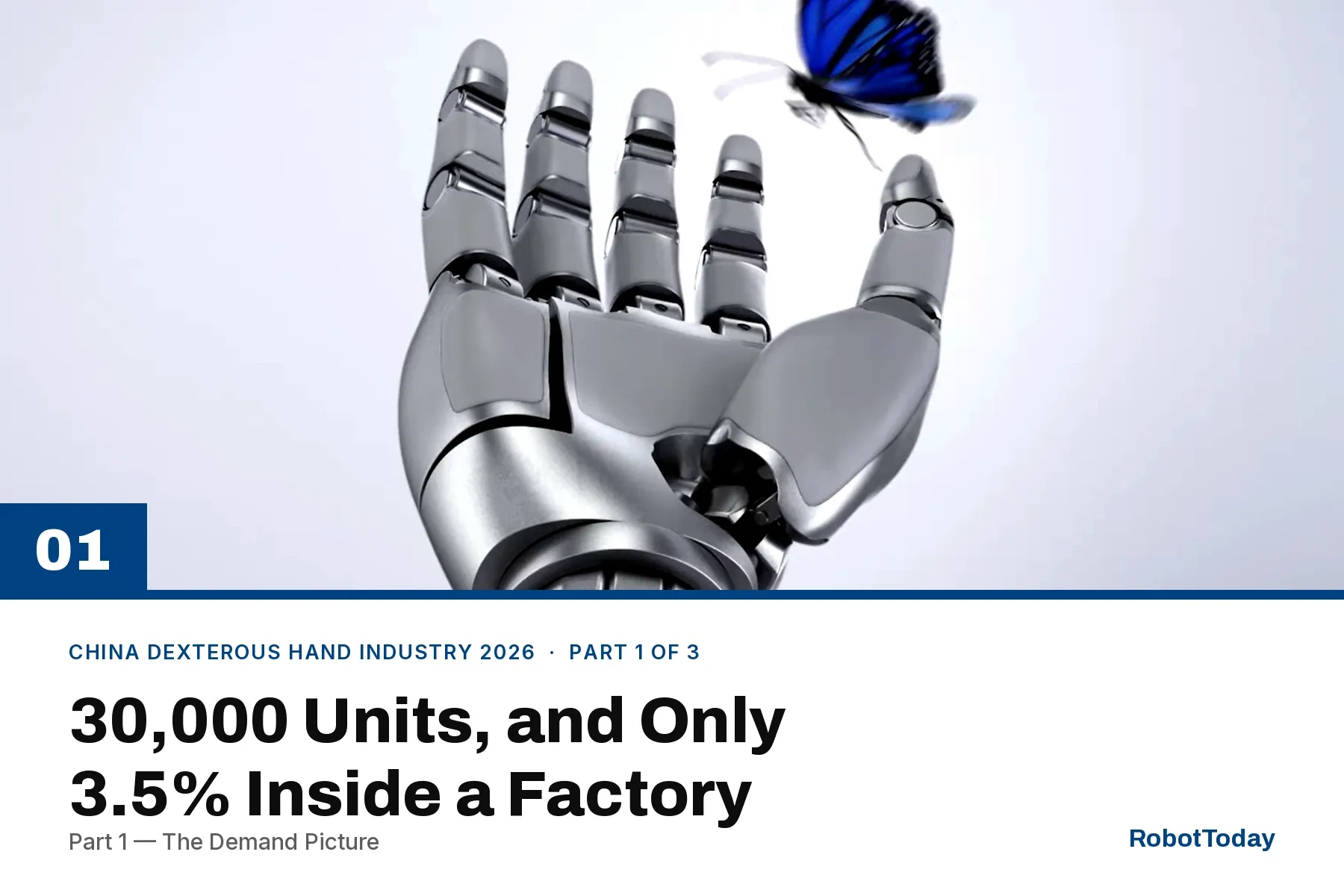
China’s Dexterous Hand Industry, 2026 Part 1 — The Demand Picture
MIR Databank puts China dexterous hand shipments above 30,000 units in 2026, yet only 3.5% of 2025 demand came from factory production. Part 1 of 3.
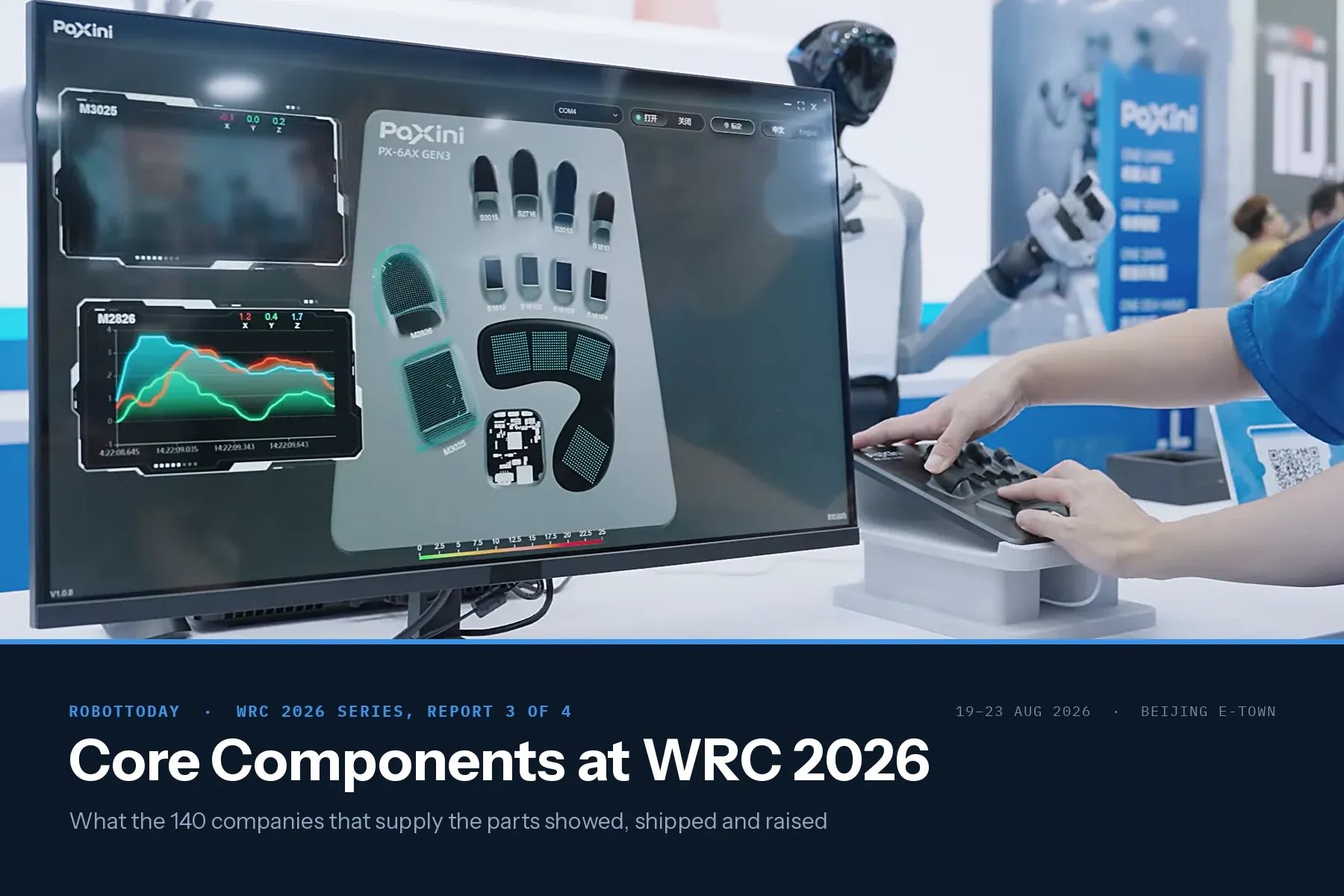
WRC 2026 Core Components: 137 Robot Parts Suppliers
The third report in the WRC 2026 series. Report 1 mapped all 248 exhibitors by category and Report 2 covered the 139 that build finished robots. This one covers the 137 that build what goes inside them.
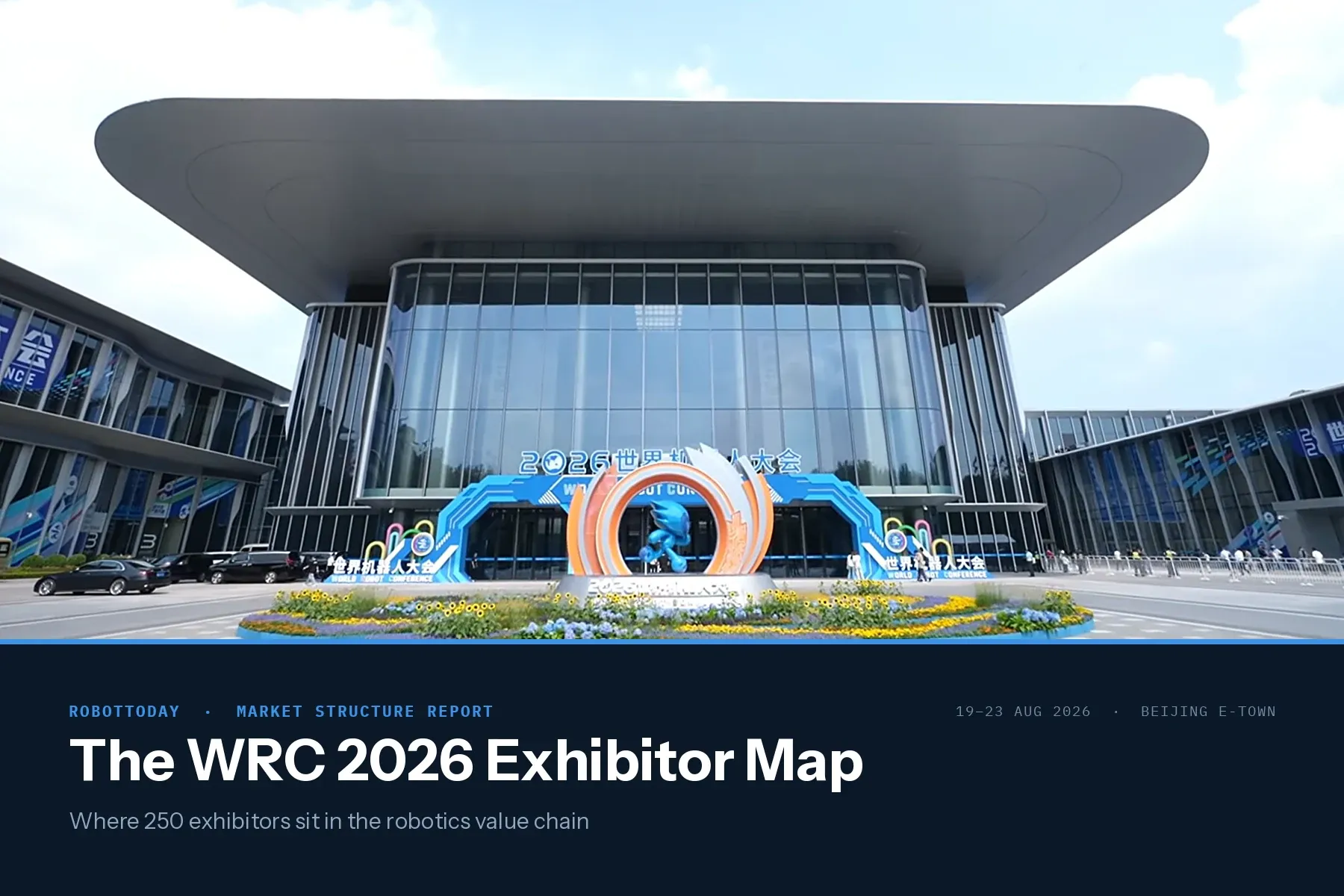
WRC 2026 Exhibitor Map: 248 Robotics Companies Mapped
We classified 248 WRC 2026 exhibitors with the RobotToday taxonomy. Motion & Actuation leads at 75 companies, Humanoid at 72, and compute stays thin at 12. (Modified 2026-08-27)
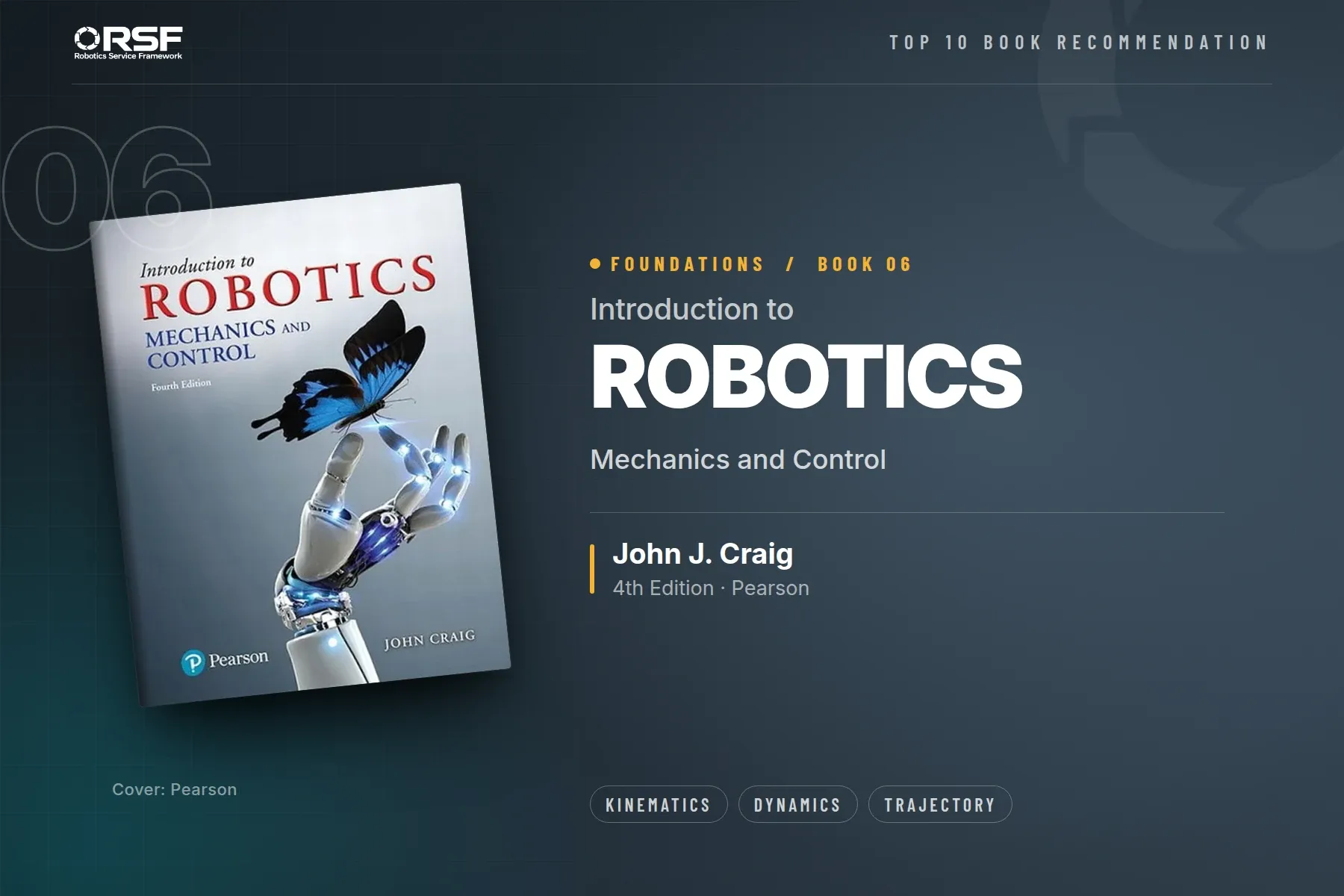
Introduction to Robotics J. J. Craig — RSF Top 10 Robot Education Textbooks · No. 6
Six of ten benchmark universities teach kinematics from Craig. Frames, transforms and D-H parameters: the language vendor manuals already speak.
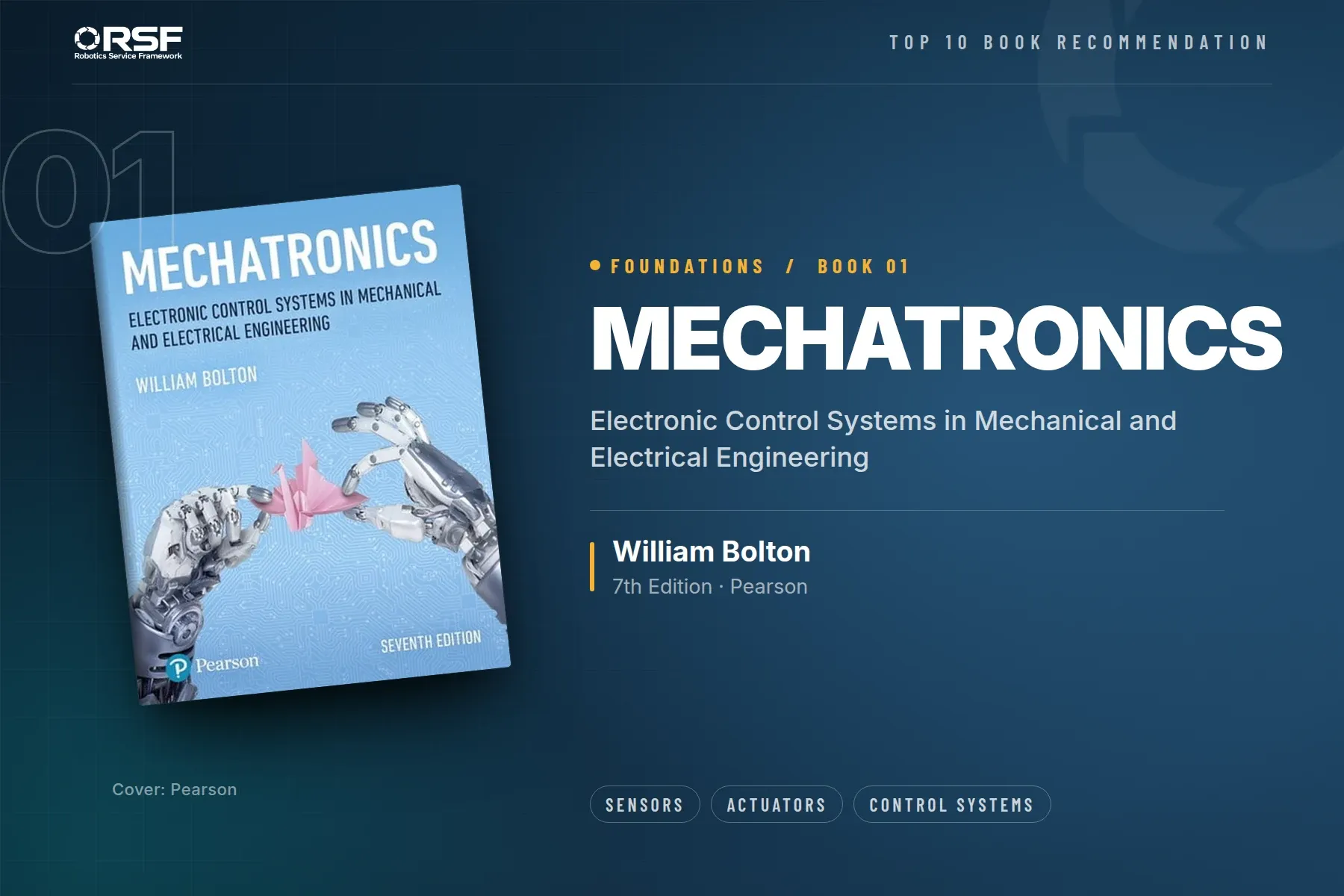
Mechatronics W. Bolton — RSF Top 10 Robot Education Textbooks · No. 1
Bolton's Mechatronics ranks No.1 for robot service engineers: encoders, drives, sensors and the Layer 2 faults most textbooks skip. Difficulty 2/5.
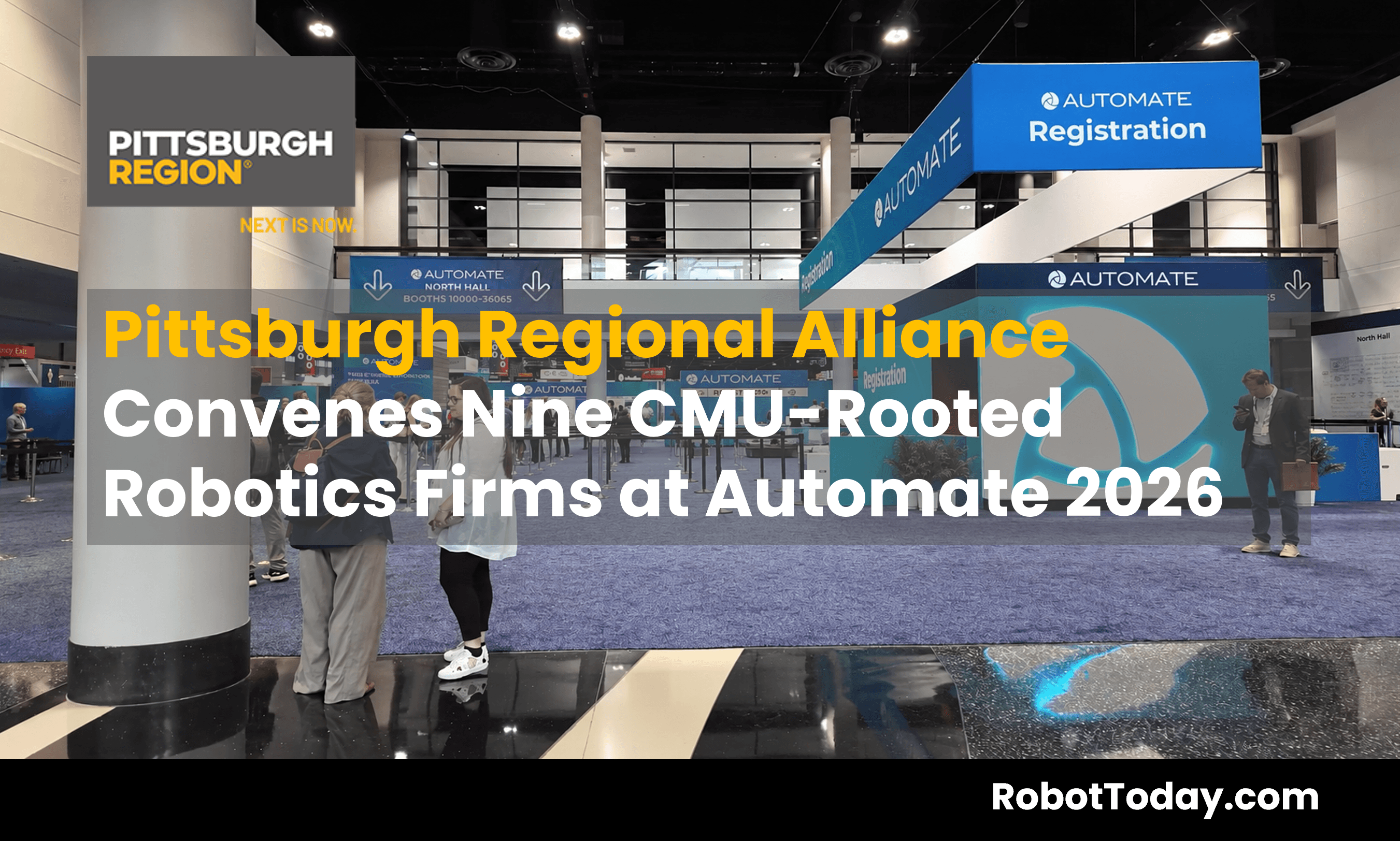
Pittsburgh Regional Alliance Convenes Nine CMU-Rooted Robotics Firms at Automate 2026
At Automate 2026, the Pittsburgh Regional Alliance convened nine robotics firms — most spun out of Carnegie Mellon — spanning materials, perception and AMRs.
CONSTRUCTION ROBOTICS | BUSINESS MODELS & INVESTMENT LANDSCAPE
Construction robotics attracted $4.4 billion in built environment tech funding through Q3 2025. SoftBank acquired ABB Robotics for $5.375 billion. RaaS is displacing capex models. AI-native platforms command 39x revenue multiples. This is where money meets machines.
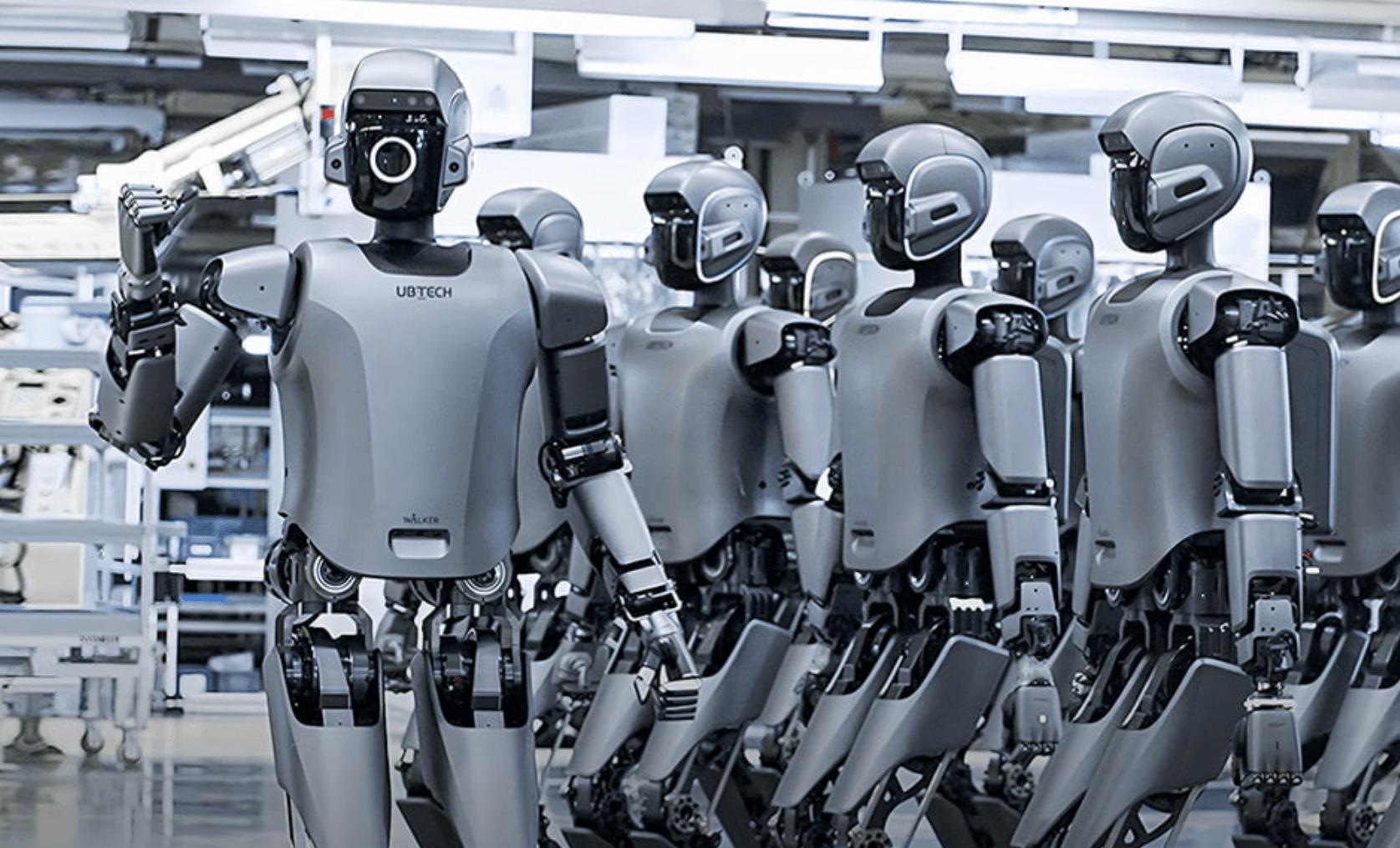
U.S. Moves to Ban Chinese Robots: Supply Chain Shock or Strategic Decoupling?
A bipartisan U.S. bill targets Chinese humanoid and autonomous robots in federal procurement. We analyse the supply chain, investor, and geopolitical implications for both China and U.S. robotics markets.

RobotToday Weekly Industry Briefing: March 23 – March 27, 2026
RobotToday's weekly industry briefing for March 21–28, 2026 covers Physical Intelligence's $1B raise, Amazon's Fauna Robotics acquisition, Agile Robots' DeepMind partnership, the launch of Europe's first robotaxi service, DJI's Avata 360 drone, Skydio's $52M Army order, and the latest in humanoid, AMR, and drone technology.


