


CropX Technologies
"Digital Agronomy Platform"
Global agtech company offering a digital agronomy platform with proprietary soil sensors and AI recommendations to optimize irrigation and crop health.
Contact CropX Technologies
WEBSITE
https://www.cropx.comPHONE
+1 (888) 832-2767HEADQUARTERS
United States

Company Facts
Founded
2013
Primary Role
Software/Algorithm
Company Size
-
Primary Region
North America
Annual Sales
-
Funding Stage
-
Funding Total
-

Google Enhances AI Strategy with Faster Chrome Updates and Accenture Partnership
Google is intensifying its efforts in the AI sector by accelerating the Chrome browser's update cycle from four weeks to two weeks, with the launch of Chrome 153. This change is part of a broader security strategy aimed at addressing the increasing volume of patches and AI-related threats, allowing for quicker feature rollouts, including AI enhancements. The accelerated release schedule is significant as it positions Google to better compete against emerging browser rivals and aligns with industry trends, as competitors like Mozilla and Microsoft adopt similar strategies. Additionally, Google is deepening its collaboration with Accenture through the establishment of the Accenture Gemini Enterprise Business Group, which will focus on integrating Google’s AI tools into enterprise environments. Looking ahead, Google plans to train up to 1,000 Accenture engineers to develop custom applications on its Gemini Enterprise platform. This initiative comes amid Google Cloud's substantial revenue generation, highlighting its commitment to enhancing enterprise AI capabilities. No further timeline was disclosed at the time of publication.
AI AI Funding & Investment Business Enterprise AI Accenture business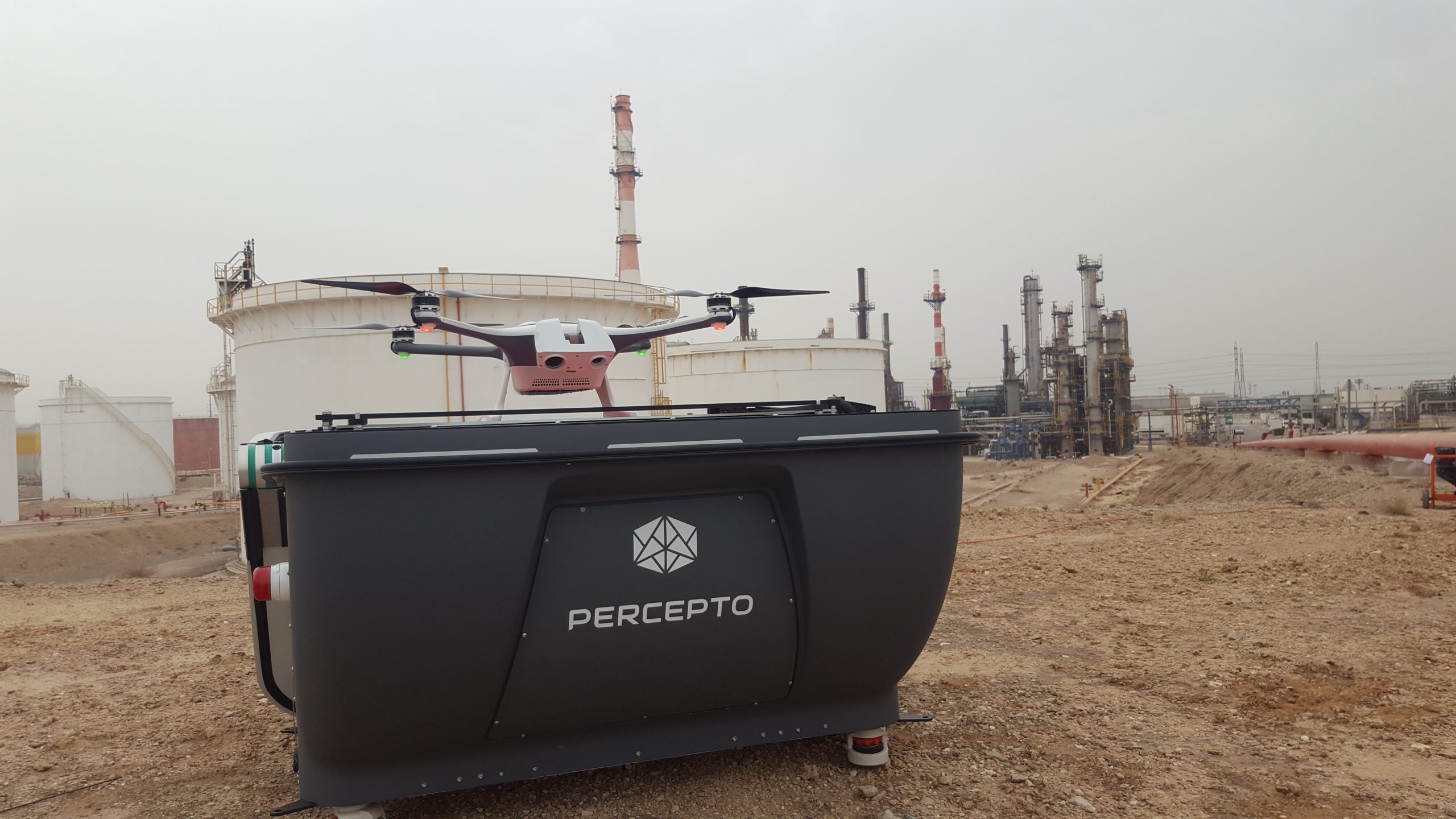
AI's Role in Managing Data Overload from Commercial Drone Operations
As commercial drone programs expand, artificial intelligence is addressing the challenge of data overload created by drones. This was highlighted during a session at the Commercial UAV Expo in Las Vegas, where industry experts discussed AI's practical applications in analyzing vast amounts of data generated by drones. Ismar Avdic from Stratus Autonomous noted that AI can efficiently process thousands of images, a task that would overwhelm human operators. The significance of AI in drone operations is underscored by the shift towards more autonomous systems, which generate exponentially more data. Vikhyat Chaudhry of Buzz Solutions explained that utility customers utilizing drone-in-a-dock systems can produce 10 to 20 times more data through frequent inspections. This increase necessitates efficient data analysis to derive actionable insights, making AI's role critical in identifying patterns and standardizing processes in infrastructure inspections. Looking ahead, the integration of AI in commercial drone operations will continue to evolve. While AI can enhance data processing and contextual understanding, experts emphasize the importance of human oversight. Chaudhry pointed out that organizations must justify AI conclusions, ensuring that results are not merely derived from opaque algorithms. The ongoing need for subject matter experts to validate AI outputs remains crucial for mission-critical applications.
Digital Twins DL Exclusive Drone News Drone News Feeds Inspection News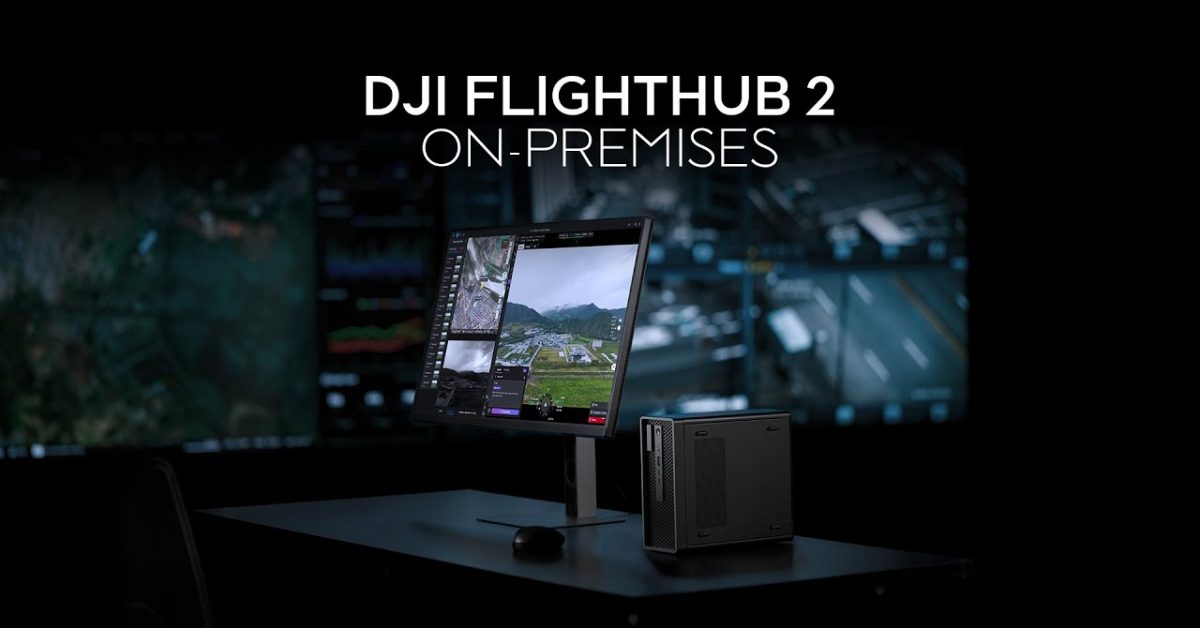
DJI FlightHub 2 On-Premises Receives Significant Upgrade for Enterprise Drone Operations
DJI has launched a major update to its FlightHub 2 On-Premises software, version 1.7, aimed at enhancing enterprise drone operations. This self-hosted platform allows organizations to manage their drone data securely on their own servers, addressing the growing demand for data sovereignty and cybersecurity among government and utility sectors. The update focuses on improving livestream performance, simplifying software deployments, and providing deeper integration options for developers. With the introduction of multi-core livestream processing, organizations can now support up to three times the concurrent livestream capacity, which is crucial for operations involving multiple drones transmitting data simultaneously. As enterprises increasingly rely on automated drone missions, the enhancements in version 1.7 are expected to significantly reduce downtime and streamline large-scale deployments. No further timeline was disclosed at the time of publication.
News
Google Announces $15 Billion Investment in AI Infrastructure in Finland
Google has announced a significant investment of 13 billion euros ($15.1 billion) into AI infrastructure in Finland, marking its largest single investment in Europe. This move highlights Finland's growing importance as a prime location for data centers, particularly amid the ongoing AI boom. The investment is crucial as Finland offers abundant land and power resources, which are increasingly scarce in other parts of Europe. This strategic decision by Google reflects the tech giant's commitment to expanding its AI capabilities and infrastructure in a region that is becoming a hub for data center development. Looking ahead, industry watchers will be keen to see how this investment influences the competitive landscape in Europe’s tech sector. No further timeline was disclosed at the time of publication.

JD Cloud to Establish 100,000-GPU Computing Cluster Utilizing Moore Threads Technology
JD Cloud has announced plans to construct a computing cluster featuring 100,000 general-purpose GPUs from Moore Threads. This initiative was unveiled during JD's 2026 Global Technology Explorers Conference and aims to enhance capabilities in large-model training, inference, and embodied AI, making computing resources accessible to various industries. The significance of this project lies in its potential to establish a robust computing infrastructure leveraging Chinese hardware, marking a pivotal step towards integrating physical AI into commercial applications. JD Cloud emphasizes that this will be the first instance of deploying Chinese GPUs in a 100,000-GPU core computing cluster by a major domestic AI cloud provider. Looking ahead, industry stakeholders should monitor the development of this ambitious project, as it could reshape the landscape of AI computing in China. No further timeline was disclosed at the time of publication.
News Feed
DeepSeek Expands Engineering Team by 150 as ByteDance Accelerates Video Generation
DeepSeek has announced a significant expansion of its engineering team, adding 150 new engineers to enhance its capabilities in AI and robotics. This move reflects the growing demand for advanced AI solutions in various sectors, particularly in the development of large models that go beyond traditional parameter counts. The expansion is crucial as it positions DeepSeek to better compete in the rapidly evolving AI landscape, where companies are increasingly focusing on innovative applications of technology. By bolstering its workforce, DeepSeek aims to accelerate the development of its products and services, particularly in the realm of video generation, where ByteDance is also making strides. Looking ahead, industry observers will be keen to see how this recruitment drive impacts DeepSeek's product offerings and market position. No further timeline was disclosed at the time of publication.
Robotics Automation AI
Shenzhen's Embodied Intelligence Port Launches to Enhance AI Functionality and Data Services
In 2026, Shenzhen's Bao'an Qianhai Kexing Science Park will officially launch the first 'data service + incubation empowerment' embodied AI ecosystem community, known as 'Jubaopen.' This initiative aims to address the critical challenge in the embodied intelligence industry: bridging the gap between prototype development and functional deployment. The 'Jubaopen' community will focus on data services, creating a closed-loop system for data collection, cleaning, labeling, training, and iteration. It will support over 100 terminals simultaneously, covering 50 to 100 tasks, and is expected to reduce R&D costs for enterprises by 30% to 50%. The efficiency of this model is exemplified by the case of Zhenjue Wanxiang, which has successfully supplied wearable data collection devices to North American robotics giant Figure. The embodied intelligence port spans 23 square kilometers and hosts over 139 upstream and downstream companies, including Tencent and VIVO. Bao'an's strategy includes providing open testing environments across various industries, facilitating rapid development and market entry for companies. As the competition in embodied intelligence shifts towards scalable applications, this port aims to offer systematic solutions for the industry.
Embodied AI Robotics Development Data Services Automation Industry Innovation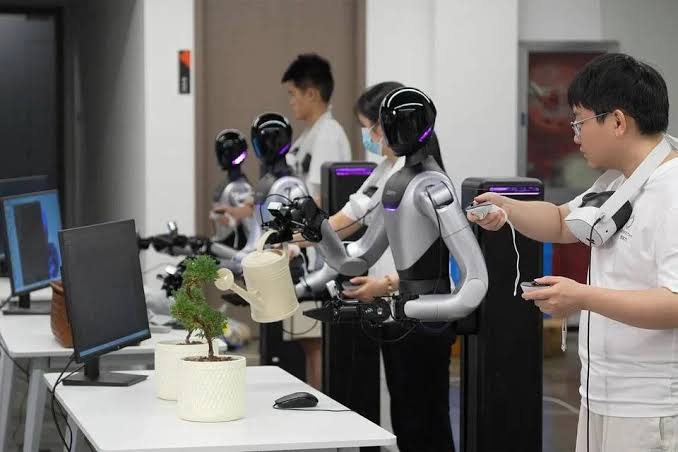
Antioch Raises $32 Million to Enhance Cloud-Based Robot Testing Capabilities
Antioch, a New York-based startup, has secured $32 million in Series A funding led by Greylock to advance its cloud-based robot testing platform. This funding will enable Antioch to bridge the gap between simulation and real-world testing, which has been a significant bottleneck for robotics developers. The company aims to shift robot development from physical trial-and-error to cloud validation, allowing for more efficient testing processes. The importance of this development lies in its potential to revolutionize how robotics teams validate new capabilities and hardware changes. By utilizing high-fidelity simulations, Antioch's platform enables engineering teams to create digital twins of hardware and conduct thousands of parallel simulations, identifying weaknesses before deployment. This approach significantly reduces the need for costly physical testing, which has traditionally slowed down development cycles. Looking ahead, Antioch's technology, which integrates NVIDIA's Omniverse and Isaac frameworks, is expected to play a crucial role in the future of physical AI and robotics. With early clients like Amazon's Ring, the company is poised to accelerate engineering cycles and enhance the reliability of robotic systems in real-world applications. No further timeline was disclosed at the time of publication.
Robot Development Cloud Simulation AI Testing Automation Technology
BitLyft Cybersecurity Unveils Agentic Managed Detection and Response Platform with AIR Engine
BitLyft Cybersecurity has officially launched the BitLyft Agentic Managed Detection and Response (AMDR) platform, which is powered by the company's autonomous security operations platform, BitLyft AIR®. This new offering enhances traditional security measures by not only providing quicker alert summaries but also by actively investigating, resolving, and documenting routine cases. The introduction of AMDR is significant as it allows experienced analysts to maintain control over critical decisions that require human judgment and contextual understanding. This approach aims to streamline security operations while ensuring that complex issues are handled by skilled professionals, thereby improving overall cybersecurity effectiveness. Looking ahead, the focus will be on how AMDR integrates with existing security frameworks and the impact it has on operational efficiency. No further timeline was disclosed at the time of publication.

CropX Acquires SCIO to Integrate Agronomy with Crop Quality Insights
CropX Technologies has acquired SCIO, a company specializing in portable near-infrared spectroscopy technology. This acquisition aims to enhance CropX's ability to connect agronomic recommendations with actual crop quality and composition data at harvest. SCIO's technology will allow for rapid, non-destructive measurements of various crops, including grains and oilseeds. The integration of SCIO's systems is expected to create a feedback loop between field management practices and harvest outcomes. By linking crop quality data with information from soil sensors, weather conditions, and satellite imagery, CropX intends to refine its agronomic recommendations. This strategic move marks CropX's eighth acquisition since 2020 and highlights its commitment to advancing digital agronomy. No financial details were disclosed regarding the acquisition. CropX has raised a total of $64 million since its inception and operates its digital agronomy platform in over 70 countries. As the company continues to expand its technology portfolio, industry stakeholders should monitor how this acquisition influences CropX's offerings and its impact on agricultural practices.
Industry updates Smart farming industry updates
AGRICULTURAL ROBOTICS SERIES — Company Directory 2026
Access the definitive 2026 directory of 150+ agricultural robotics companies. A comprehensive reference guide covering autonomous tractors, harvest automation, precision weeding, and AI data platforms across the global agtech ecosystem.

Agricultural Robotics | 2025–2030 Outlook: The Labor Cost Reckoning
Agricultural robotics is projecting a $28–48 billion market by 2030 outside China, driven purely by labor cost replacement. Part 10 synthesizes the series: forecasting penetration ceilings, emerging technologies, and regional winners in the most consequential farming transformation since mechanization.
GLOBAL ROBOTICS INDUSTRY Comprehensive Sector Overview
A comprehensive global robotics industry overview for 2025, analyzing 14 key market segments — from industrial and humanoid robots to logistics AMRs, military systems, and service robots — with expert market sizing, US case studies, five-year forecasts, and bilingual English-Chinese analysis for executives and investors.

Agricultural Robotics | Post-Harvest Automation: The $7.5B System Shaping the Food Supply
Post-harvest robotics automate sorting, grading, packing, and cold storage across the $7.5B equipment market. Deep-dive on TOMRA, Unitec, MAF Roda, Greefa, JBT, Bühler, and the AI-driven platforms replacing 450,000+ packhouse workers by 2030.
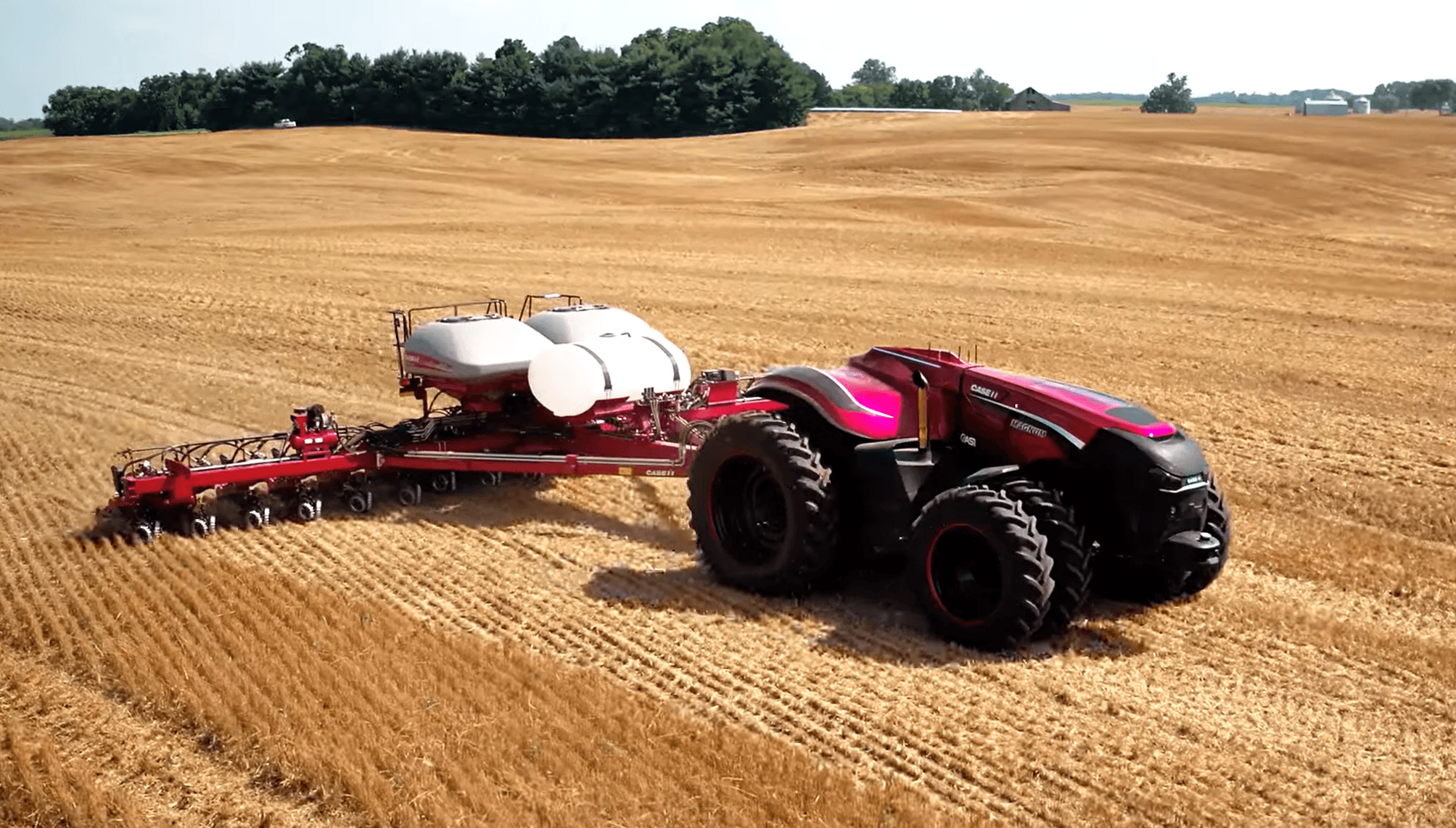
Agricultural Robotics | Autonomous Tractors: The $13B Platform Battle in Plain Sight
Autonomous tractors target a $2.7B market growing at 22% CAGR to 2032. Deep-dive on John Deere 8R, AGCO Fendt, CNH Industrial, Kubota AgriRobo, and Monarch MK-V — and why the platform war matters more than the hardware.
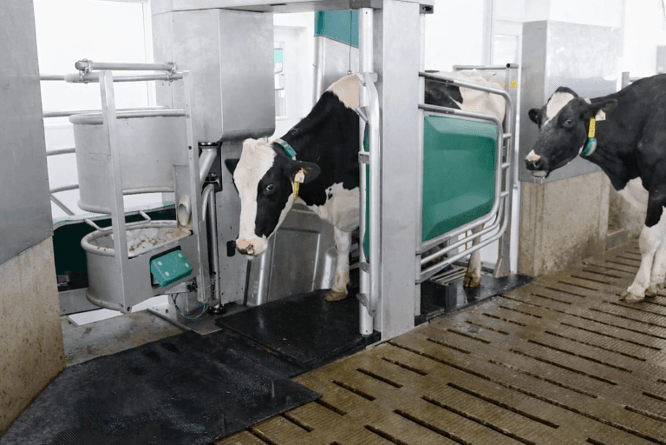
Agricultural Robotics | Dairy & Livestock Automation: Where Robots Already Lead
Dairy robots hold 37% of the global agricultural robotics market — yet US farm penetration is just 5%. This deep-dive covers the $3.2B milking robot market, ROI economics, competitive profiles of Lely, DeLaval, GEA, and Afimilk, and why EU, North America, Japan, and Israel each follow a different adoption path to 2030.
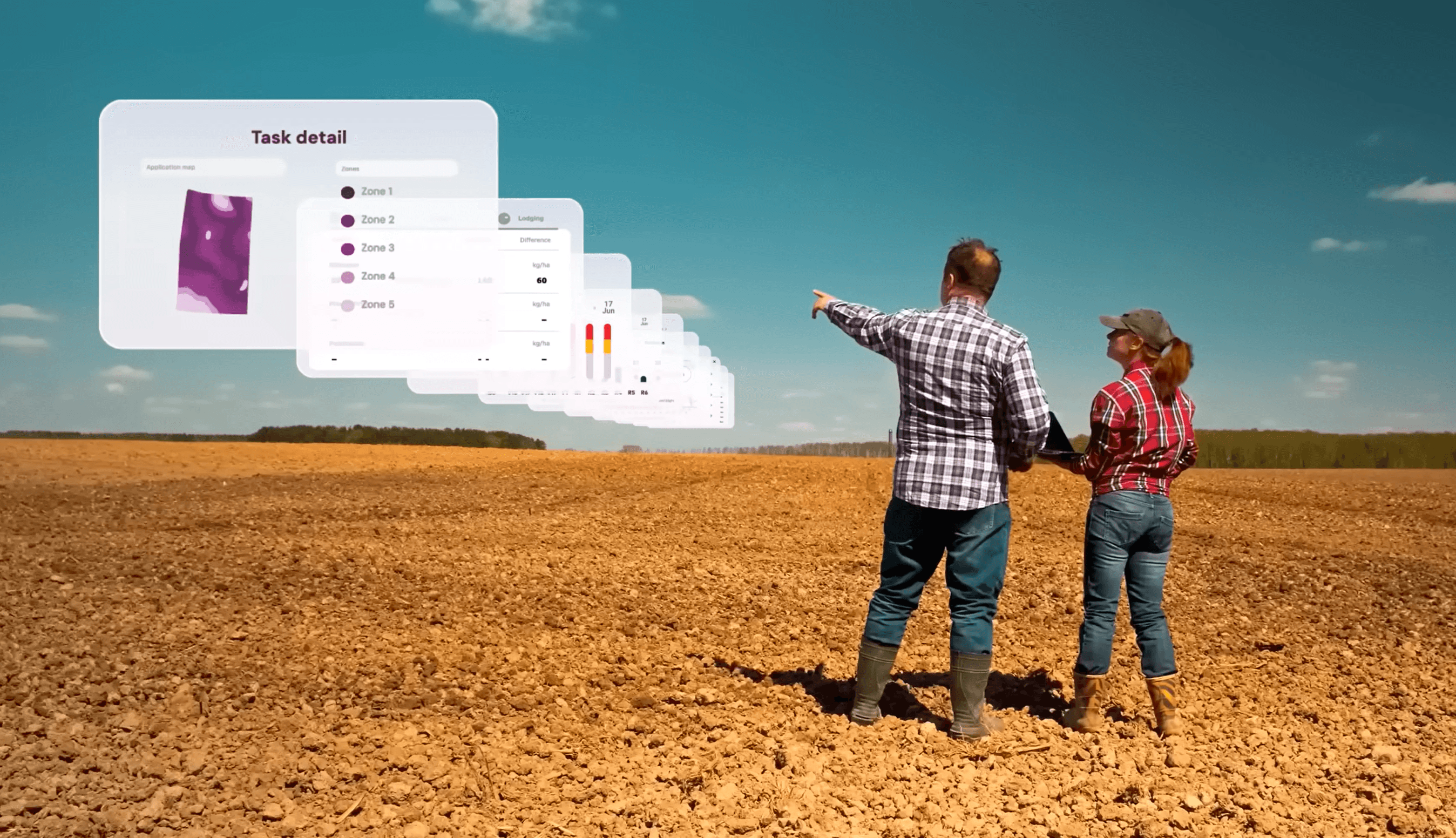
Agricultural Robotics: Crop Monitoring and Aerial Scouting
An evidence-based deep dive into the crop monitoring and aerial scouting segment of agricultural robotics. Covers the market opportunity (ex-China) across North America, EU, Japan, and Israel; key players including Taranis, BASF xarvio, and DJI; emerging technologies such as edge AI, hyperspectral imaging, and satellite–drone fusion; and the structural challenges limiting wider adoption — connectivity gaps, false positives, data fragmentation, and small-farm exclusion.
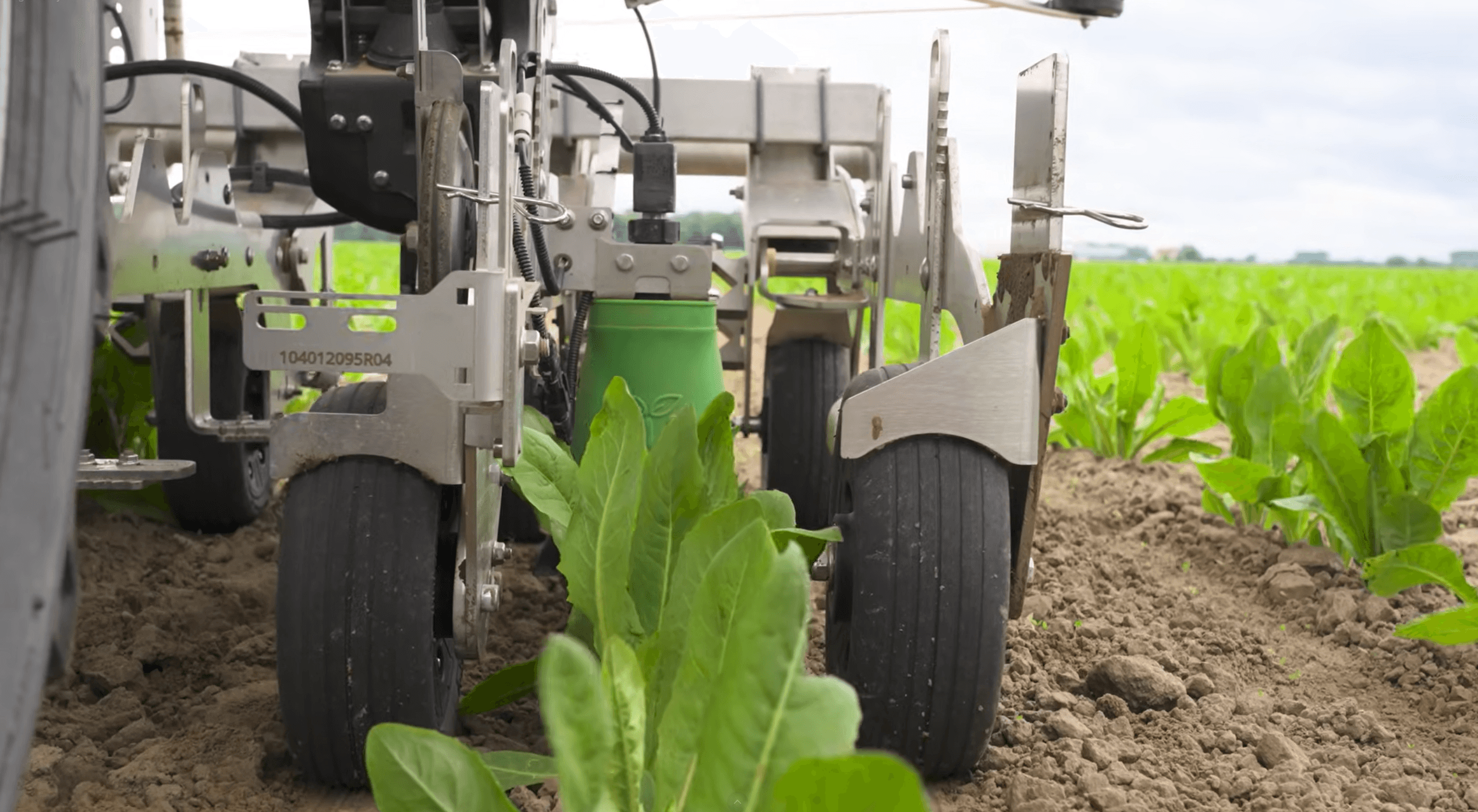
AGRICULTURAL ROBOTICS | Precision Planting & Seeding
Precision planting and seeding robots are emerging as one of the fastest-ROI segments in agricultural robotics. This deep dive examines market size, key technologies, and leading players across North America, Europe, Japan, and Israel, including RTK-GPS planters, autonomous tractors, and swarm seeding systems.
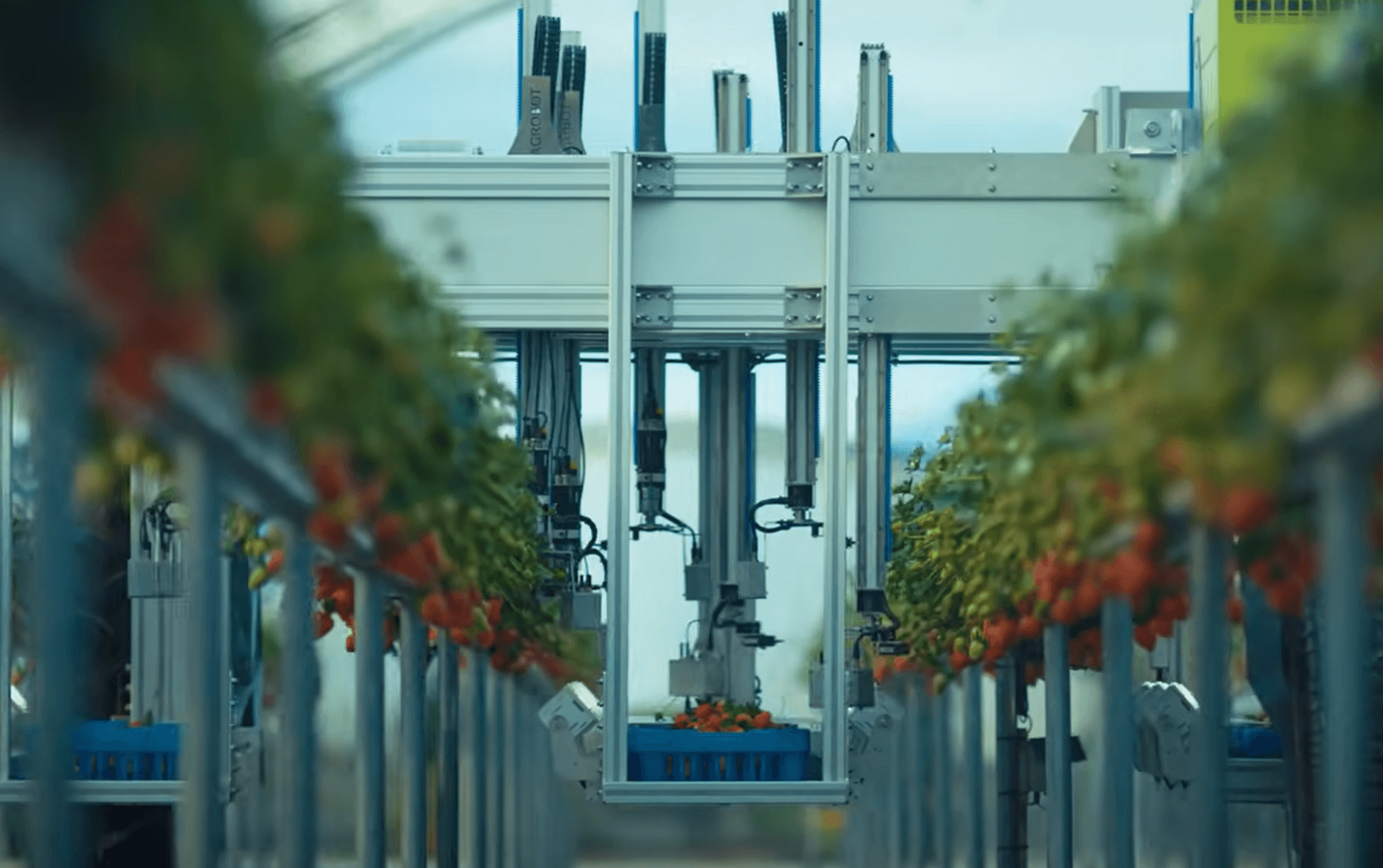
AGRICULTURAL ROBOTICS | Harvesting Robots: $6.9B Market
Harvesting robots hit $2.24B in 2024 and are targeting a $50B labor market at less than 5% penetration. Deep-dive: market data, 14 companies, economics, and 2030 outlook.
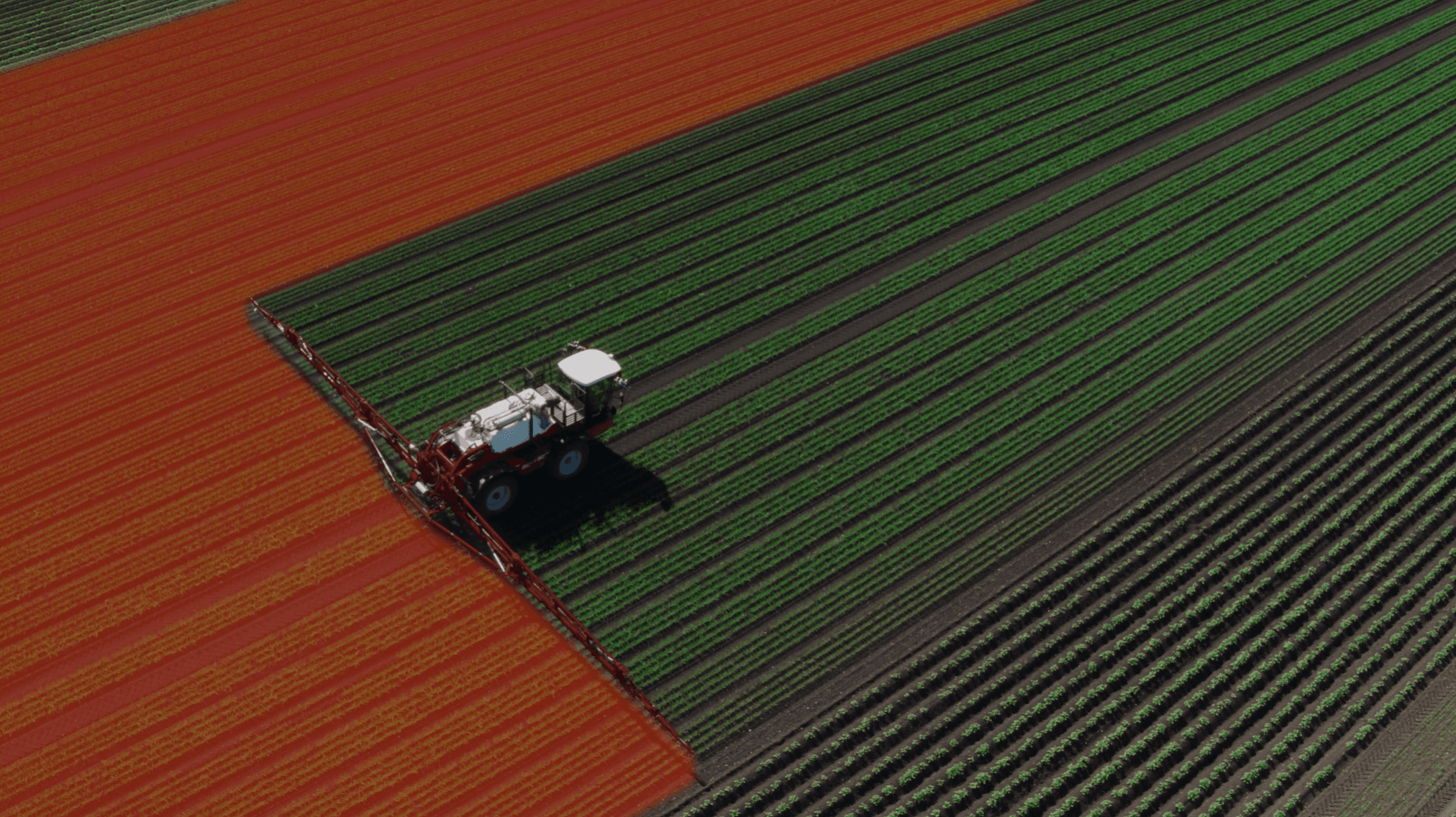
AGRICULTURAL ROBOTICS | $34B Weeding Robot Market
Weeding & crop management robots target a $34–42B herbicide market. Deep-dive on Carbon Robotics, Ecorobotix, Verdant, FarmWise, and the four tech platforms reshaping chemical-free farming by 2030.


