Critical Systems Analysis
US functional safety consulting firm specializing in robotics, autonomous systems, and safety-critical industries.
Contact Critical Systems Analysis
WEBSITE
https://www.criticalsystemsanalysis.com/PHONE
19419004047HEADQUARTERS
United States

Company Facts
Founded
2022
Primary Role
Software/Algorithm
Company Size
-
Primary Region
North America
Annual Sales
-
Funding Stage
-
Funding Total
-
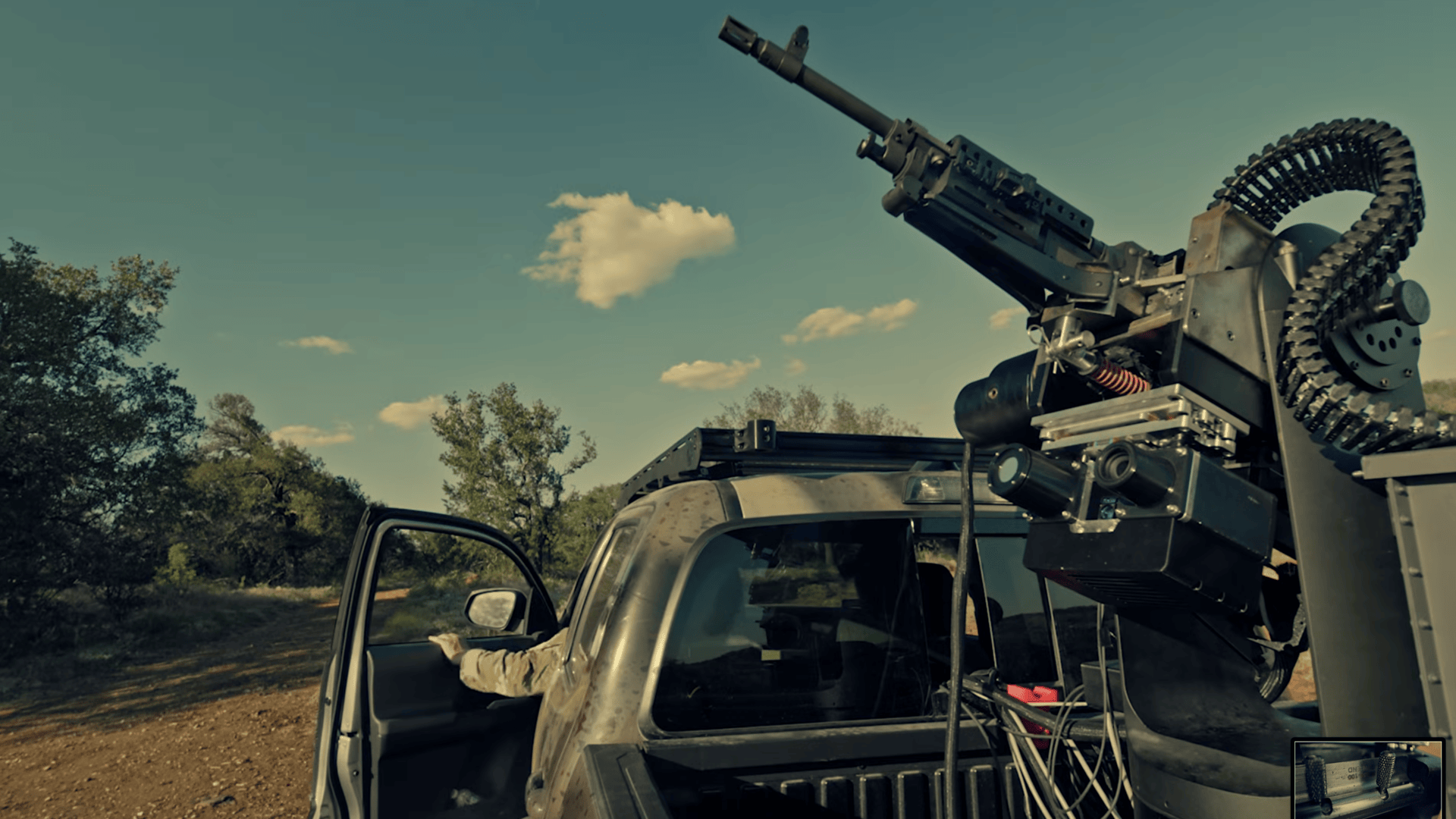
Alien Control Systems Opens 191,000-Square-Foot Facility for Bullfrog Counter-Drone Production
Alien Control Systems (ACS) is launching a new 191,000-square-foot manufacturing facility in Austin, Texas, to enhance production of its Bullfrog counter-drone system. This expansion is a direct response to increased demand from the U.S. and allied nations for effective countermeasures against weaponized drones. The new facility will allow ACS to rapidly scale production of Bullfrog, which integrates computer vision, autonomous control, and precision robotics. The system has already been deployed by the U.S. Army and Navy, and it has contracts with Joint Interagency Task Force 401 and several allied militaries, underscoring its significance in safeguarding critical infrastructure. Looking ahead, ACS aims to further expand Bullfrog's deployment across U.S. military services, following its recent selection by the U.S. Marine Corps for the Ground Based Air Defense program. No further timeline was disclosed at the time of publication.
Military
Selecting the Optimal Rack and Pinion System for Precision Linear Motion Applications
GAM has developed rack, pinion, and gearbox systems designed for high performance across all components. A rack and pinion system operates by converting rotational motion from the pinion into linear motion via the rack. Choosing the correct system is crucial, as improper selection can lead to performance issues and increased costs. According to Matt Ruggles, senior design engineer at GAM, selecting the right size for the rack and pinion is essential to avoid breakage or space constraints. The size of the pinion must match the rack to achieve the desired speed and feed force. Additionally, the overall dimensions influence inertia matching between the motor and load, impacting system smoothness. The selection process typically begins with either speed or feed force requirements. If feed force is prioritized, the rack must be adequately sized to transmit the necessary force. Conversely, if speed is the focus, the system must be configured to meet the target speed. Higher precision applications may require specific tooth sizes and shapes, with helical teeth providing smoother motion compared to straight teeth.
Actuators / Motors / Servos Motion Control News Sponsored Content GAM sponsored
Exploring Everyday Automation: Insights from Siemens on Market Trends and Use Cases
In a recent Automation World podcast, Raj Rajendra, a product portfolio sales specialist at Siemens, discussed the concept of 'everyday automation' and its relevance in today's market. The conversation focused on how trends such as digitalization, networking, and heightened cybersecurity needs are influencing small automation systems. This discussion is significant as it addresses the practical applications of everyday automation for various stakeholders, including OEMs, machine builders, system integrators, and end users. By emphasizing efficiency, the podcast aims to provide insights on how to navigate the complexities and costs associated with larger control systems. Listeners should pay attention to the emerging use cases presented in the podcast, which highlight the potential for increased efficiency in automation. No further timeline was disclosed at the time of publication.
Factory / Control
Maven Robotics Secures $100 Million in Series A Funding to Innovate Industrial Automation
Maven Robotics has officially launched with $100 million in Series A funding, taking a unique technological approach by utilizing a wheeled chassis combined with dual arms to tackle monotonous palletizing tasks in warehouse logistics. CEO Hamza Derbas stated that bipedal robots are 'meaningless' in industrial scenarios due to their complexity, unreliability, and added costs. The company's wheeled robots can achieve a speed of 10 miles per hour and lift loads of up to 30 kilograms, maintaining a 99% operational rate for 16 hours a day in customer warehouses. This design prioritizes stability, efficiency, and maintainability over biomimetic forms, aligning with the core demands of industrial environments. Maven's understanding of 'task closure' positions it not merely as a robot supplier but as a provider of end-to-end automation solutions. Looking ahead, Maven aims to accumulate over 100,000 hours of autonomous operation data by the end of the year, with a goal of surpassing 1 million hours by 2027. This pragmatic approach underscores the belief that the evolution of industrial intelligence relies on consistent performance in real production lines rather than the allure of impressive demonstration videos.
Warehouse Automation Robotics Industrial Automation Logistics Technology
Addressing Workflow Gaps in Automation Projects for Improved Efficiency
In manufacturing plants, workflows often diverge between documented procedures and actual practices on the floor. This discrepancy leads to automation projects stalling, as the systems implemented follow the documented version, while undocumented exceptions continue to operate as usual. For instance, a scheduling or pricing call may rely on a single trusted individual, with no formal documentation outlining the approval process. The significance of addressing these gaps cannot be overstated. When automation is applied without considering these exceptions, they simply shift to informal channels like email or spreadsheets, creating new bypasses that undermine the intended efficiency. To mitigate this issue, it is crucial to identify and document these exceptions before scoping automation projects. To effectively capture these gaps, conducting a tabletop walkthrough can be beneficial. By having an employee unfamiliar with the workflow explain the process step by step, it becomes easier to identify points of confusion or undocumented approvals. These insights should be incorporated into the requirements document to ensure that automation is aligned with the actual workflow, thereby enhancing operational efficiency.
Process / Digital Transformation
Manufacturers Shift Focus from Data Visibility to Actionable Insights
Manufacturers have invested years in enhancing operational visibility through connected machines and advanced analytics. Despite this, the plant floor continues to struggle with problem resolution due to a disconnect between identifying issues and taking corrective action. For instance, when a machine malfunctions, delays in communication and decision-making can lead to significant downtime and financial losses. This challenge is particularly pressing as manufacturers face tighter profit margins and labor shortages, necessitating more efficient use of existing assets. The traditional approach of merely collecting data is insufficient; manufacturers require technology that translates information into actionable steps. Current manufacturing software primarily records historical data, which does not meet the immediate needs of technicians on the floor. Looking ahead, there is a critical need for manufacturing operations software to evolve beyond data storage and visualization. It should facilitate operational coordination by linking equipment signals with the necessary workflows and resources for timely responses. The focus must shift from visibility alone to enabling decisive action in real-time.
Factory / Digital Transformation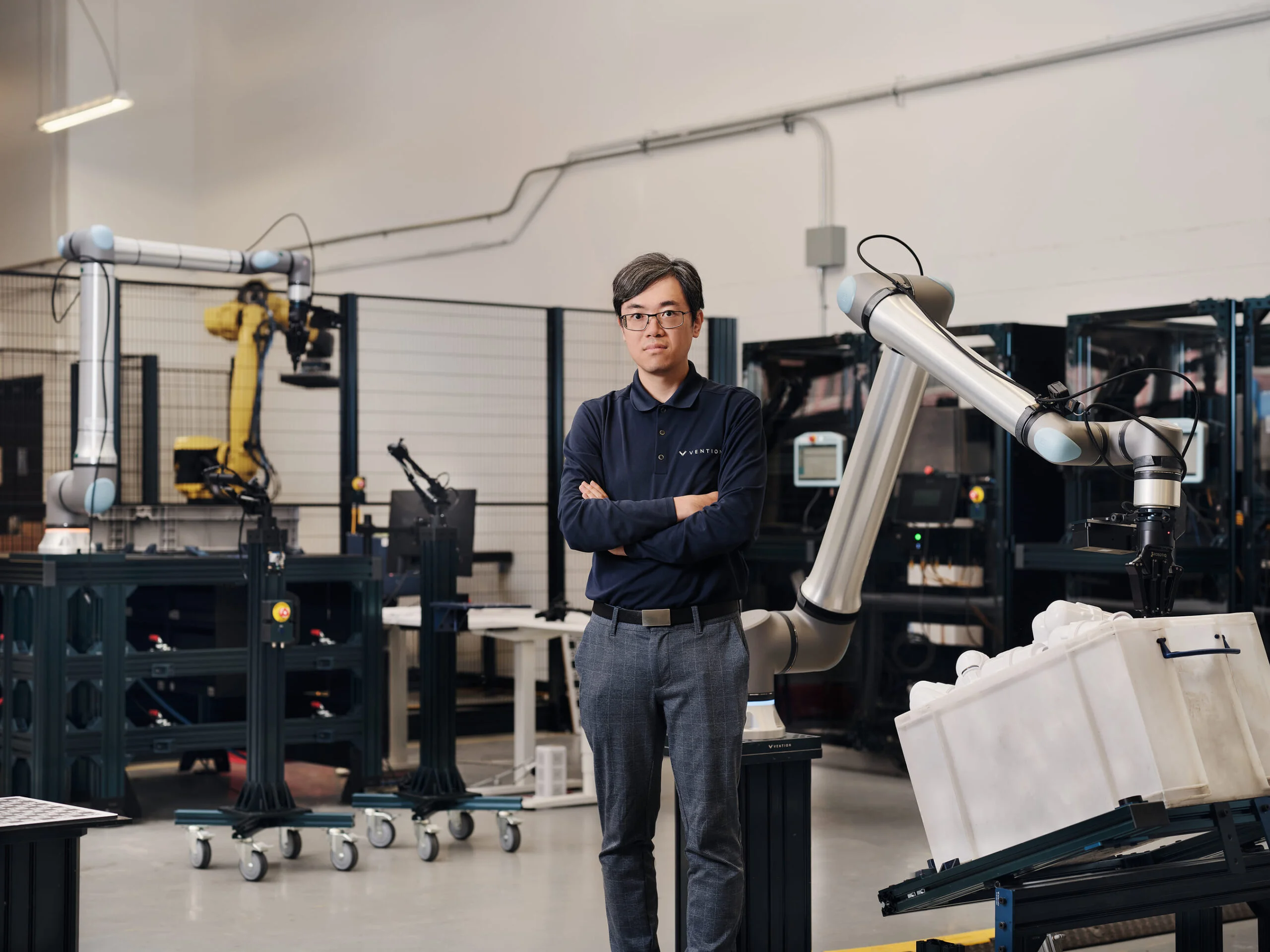
Vention Launches Montreal AI Lab to Enhance Industrial Robotics Capabilities
Vention has inaugurated a physical AI research lab in Montreal aimed at advancing robotic manipulation for manufacturing applications. The lab, directed by Jimmy Li and advised by Joelle Pineau, will leverage industrial data and customer insights to develop scalable robotic systems. With a focus on real-world production challenges, the lab aims to create technologies that enhance reliability and reduce costs in automation. This initiative is significant as Vention's physical AI segment has seen a remarkable 400% revenue increase over the past year, indicating a growing demand for advanced automation solutions. The lab's unique approach integrates academic research with practical production feedback, allowing for rapid development and testing of new robotic systems. This model positions Vention to address complex manufacturing tasks that have traditionally been difficult to automate. Looking ahead, Vention's Montreal lab is expected to expand its team and generate new intellectual property. The company plans to release a public software development kit for its GRIIP manipulation pipeline, which breaks down robotic tasks into manageable stages. No further timeline was disclosed at the time of publication.
AI AI Funding & Investment Robotics Canada.Montreal computer vision industrial robotics
Tactile Sensing Technology Sees Significant Growth in Robotics Sector
Tactile sensing technology is gaining prominence in the robotics industry as humanoid robots transition from exhibition spaces to factory floors. Since 2026, funding in the tactile sensing sector has exceeded 7 billion yuan, with the penetration rate of tactile sensors in commercial humanoid dexterous hands rising from 20% to over 60% this year. This rapid growth is notable within the robotics components sector, highlighting a shift in robotic applications. While visual-language-action models have enhanced robots' environmental understanding and task planning, precision assembly and flexible grasping require tactile feedback for effective force control and slip detection. According to Qianjue Robotics founder Ma Daolin, tactile sensing is essential for high-precision industrial operations. The evolution of technology supports this need, as Qianjue Robotics' VTLA model integrates tactile modalities into traditional frameworks, enabling real-time perception of deformation, texture, and force distribution during contact. Their comprehensive tactile solution expands sensing from fingertips to palms, achieving a sensor density of 125 points per square centimeter and a force accuracy of 0.03 Newtons. As hardware costs decrease and data accumulation accelerates, tactile sensing is becoming a necessary capability in real-world operational scenarios.
Tactile Sensors Humanoid Robots Robotics Technology Industrial Automation
Fanuc and Google Collaborate on AI-Driven Welding Robots for Enhanced Automation
Japanese industrial automation firm Fanuc has partnered with Google to create an AI-automated welding system. This innovative solution utilizes robots equipped with artificial intelligence that can interpret blueprints directly, thus removing the need for manual programming. Deliveries of this advanced system are expected to commence in December 2026. This collaboration is significant as it represents a leap forward in automation technology, potentially streamlining manufacturing processes and improving efficiency in welding tasks. By enabling robots to read blueprints autonomously, Fanuc and Google aim to reduce labor costs and enhance productivity in industrial settings, which is crucial for maintaining competitiveness in the global market. Looking ahead, industry stakeholders should monitor the rollout of this AI-driven welding system, particularly its impact on manufacturing workflows and labor dynamics. The anticipated deliveries in December will be a key milestone, and the performance of these robots in real-world applications will be critical to assessing their effectiveness and adoption in various sectors.

The Need for New Automation Architecture in AI Factories
The rise of AI factories is transforming the landscape of industrial automation, necessitating a new architectural approach. Unlike traditional enterprise data centers, AI factories feature significantly higher rack densities, dynamic workloads, and increased power consumption, with rack-scale systems drawing over 120 kW. This shift requires integrated process control and automation strategies to manage complex cooling and power demands effectively. As AI workloads are highly dynamic, the operational challenges faced by AI factories are distinct from those of conventional data centers. Traditional control architectures are inadequate for the rapid fluctuations in power and cooling needs, leading to alarm flooding and maintenance difficulties. Organizations that adapt to these challenges through innovative strategies will gain a competitive edge in the evolving market. Looking ahead, the execution of AI projects is accelerating, with high investments and the urgency to be first to market. This environment compels project teams to finalize designs concurrently with construction, adapting to ongoing changes in equipment availability and supply chain issues. The successful navigation of these complexities will define the future of AI factory operations.

WAIC Review 3/4: What Scientists and Skeptics Really Think About Embodied AI: The Sober Voices at WAIC 2026
UCL and HKUST researchers, plus robotics CEOs, challenged embodied AI hype at WAIC 2026, citing generalization limits and no third-party evaluation standard.

WAIC 2026: Embodied Intelligence Enters Industrial Deployment Era
WAIC 2026 in Shanghai (July 17–20) saw 200+ embodied intelligence companies, 300+ live robots, and first confirmed humanoid deployments in logistics and pharmacy. RobotToday engineering analysis.

Physical AI Landscape: From Digital Intelligence to the Embodied Physical World
A comprehensive industry analysis of Physical AI — covering Embodied AI, Field AI, Factory AI, VLM, World Model, VLA, and the VLA vs WAM architecture debate. Includes 20+ companies, 28 references, and the RobotToday Physical AI Landscape diagram. July 2026.
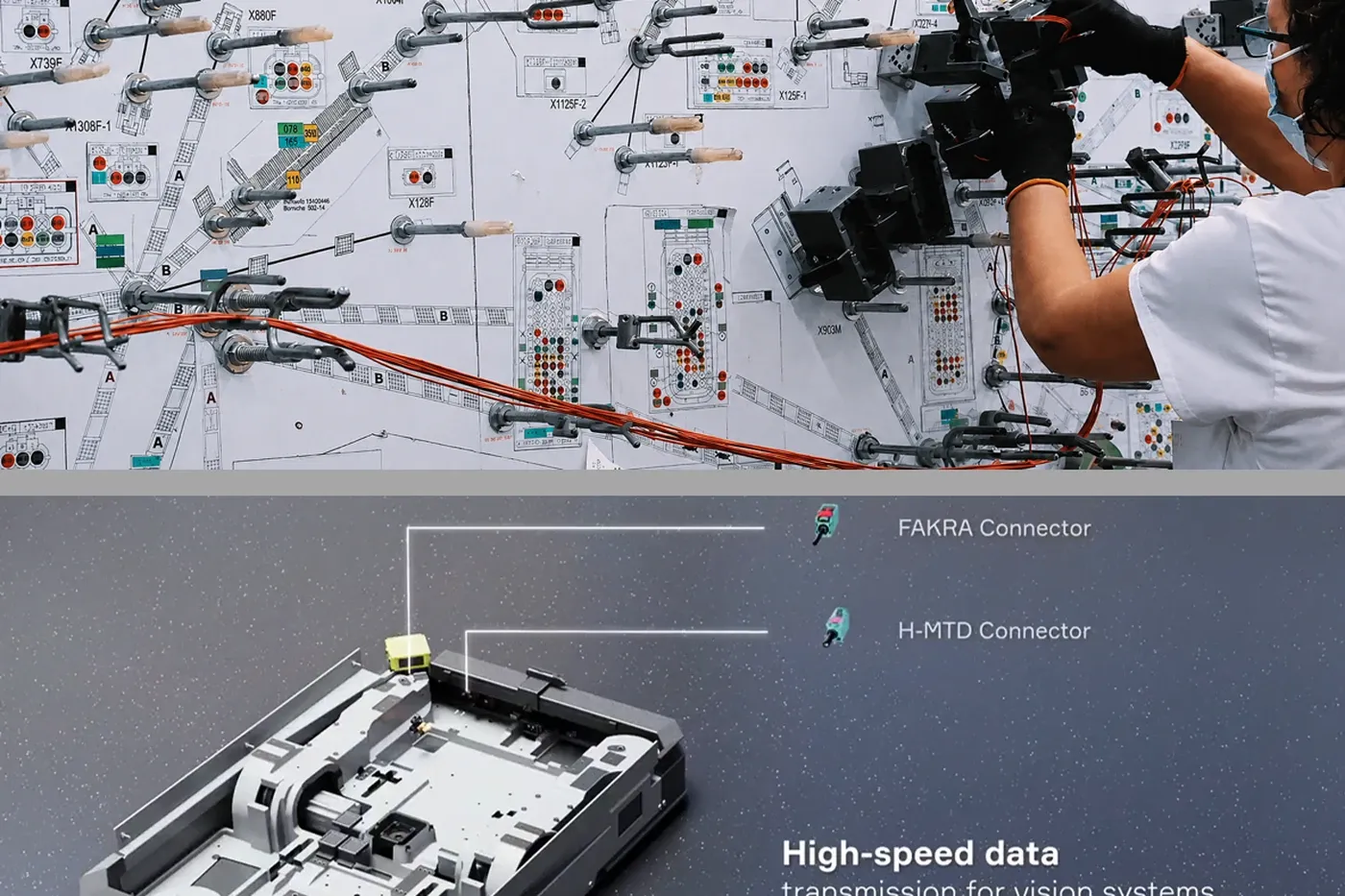
Humanoid Robot Wire Harnesses Emerge as a Critical System Technology
A RobotToday engineering deep dive into humanoid robot wire harnesses: 3D dynamic fatigue, 10-100 Gbps EMI shielding, FPC cost reduction, and global standards.

Automate 2026 | Ubicept Explores Photon-Level Machine Vision
Ubicept demonstrated single-photon SPAD imaging at Automate 2026, achieving 140 dB HDR and >10 dB SNR gains for industrial robotics edge AI.
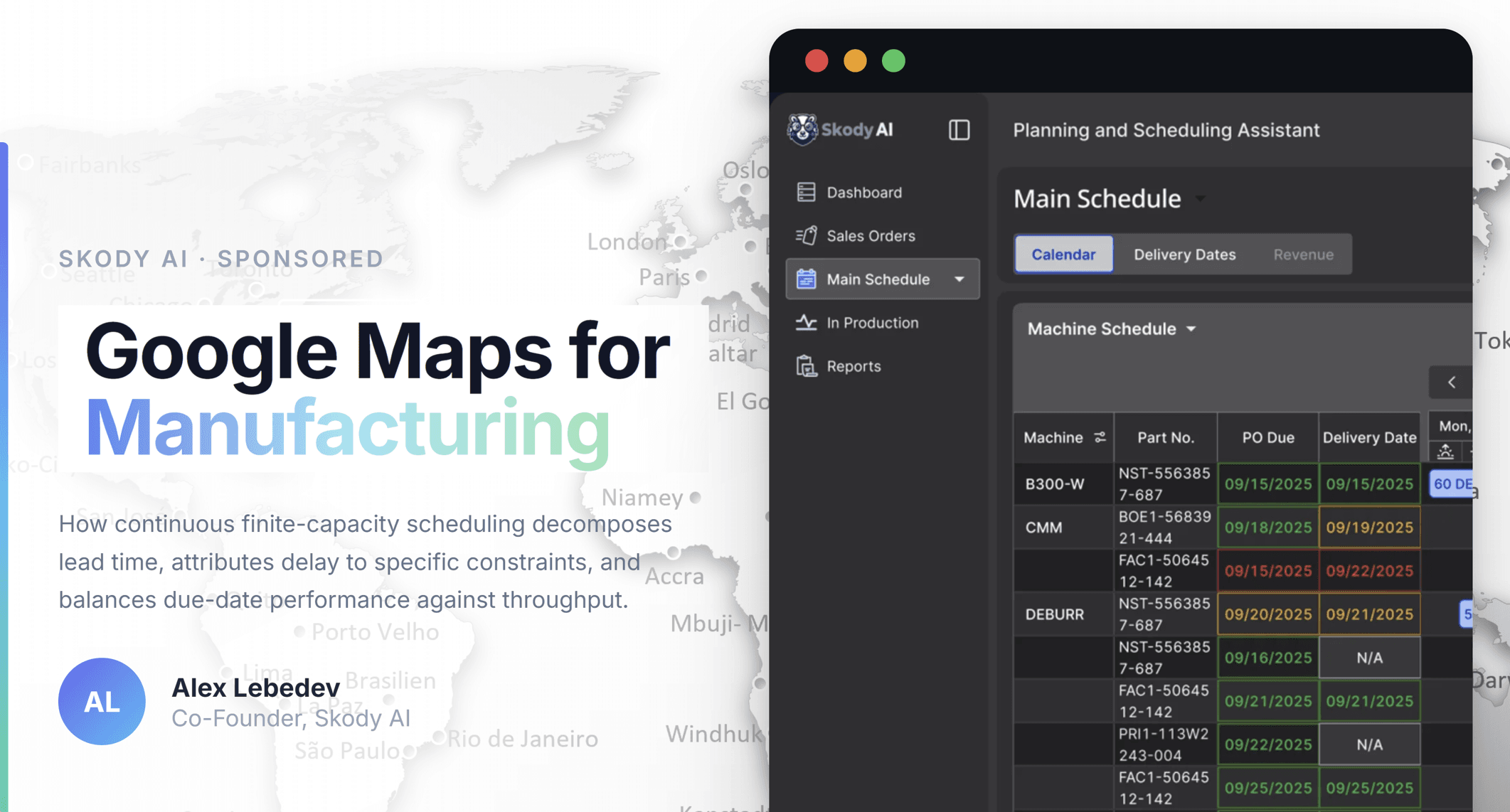
Beyond the Gantt Chart: How Skody AI Explains Why Orders Are Late
Skody AI goes beyond traditional APS by decomposing job lead times into specific delay causes — material waits, bottleneck queues, and off-shift gaps — giving discrete manufacturers a continuous, explainable finite-capacity schedule.
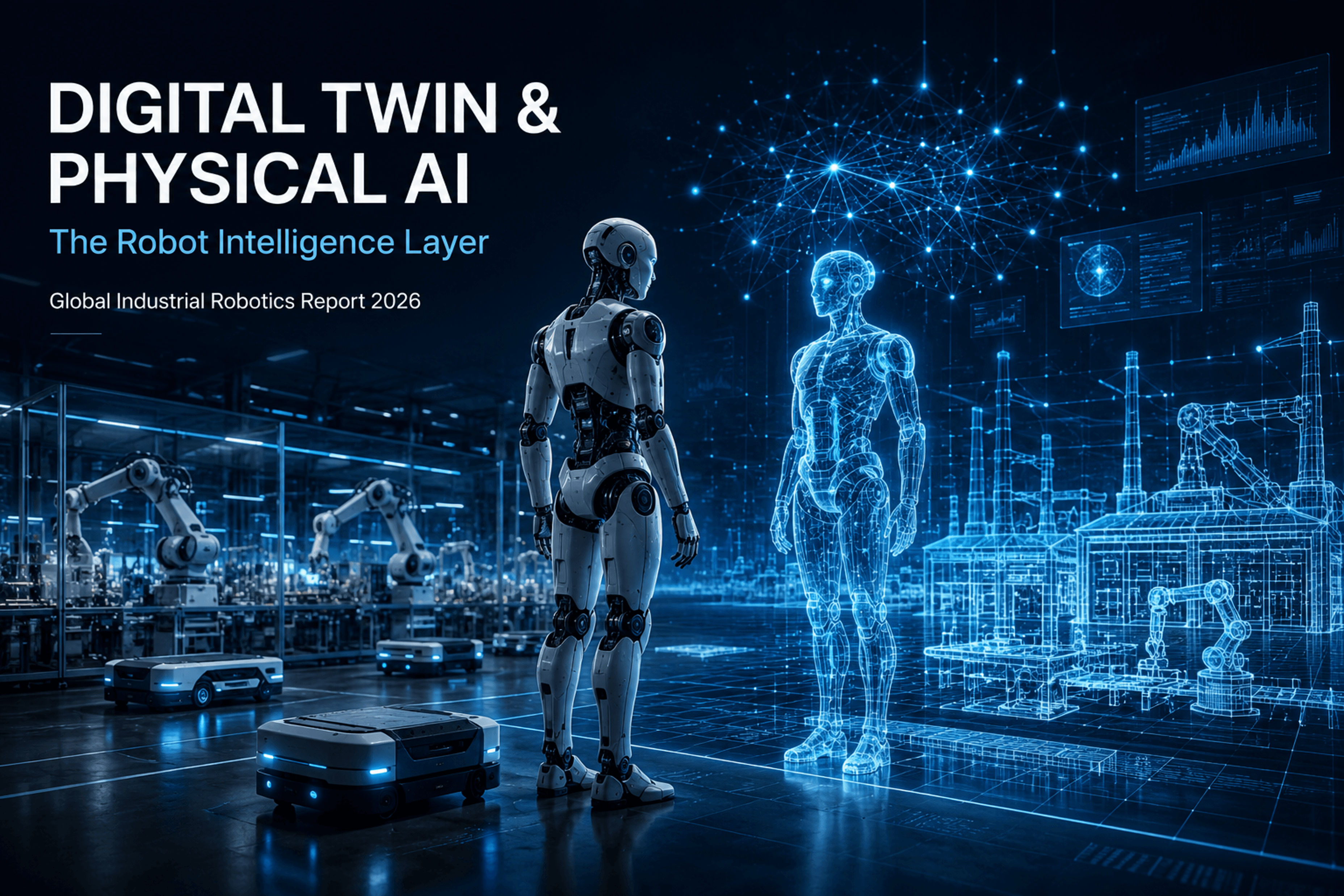
Digital Twin, Physical AI & Robot OEM Readiness 2026: Platforms, VLA Models, LLM Programming
A balanced analysis of the robot intelligence revolution: multi-vendor digital twin platforms (NVIDIA, Siemens, Dassault, ABB, Rockwell, Hexagon), Physical AI VLA models (RT-2, pi0, GR00T N1, AgiBot), current Physical AI limitations, LLM robot programming, and the OEM readiness matrix across US, European, and Chinese manufacturers.
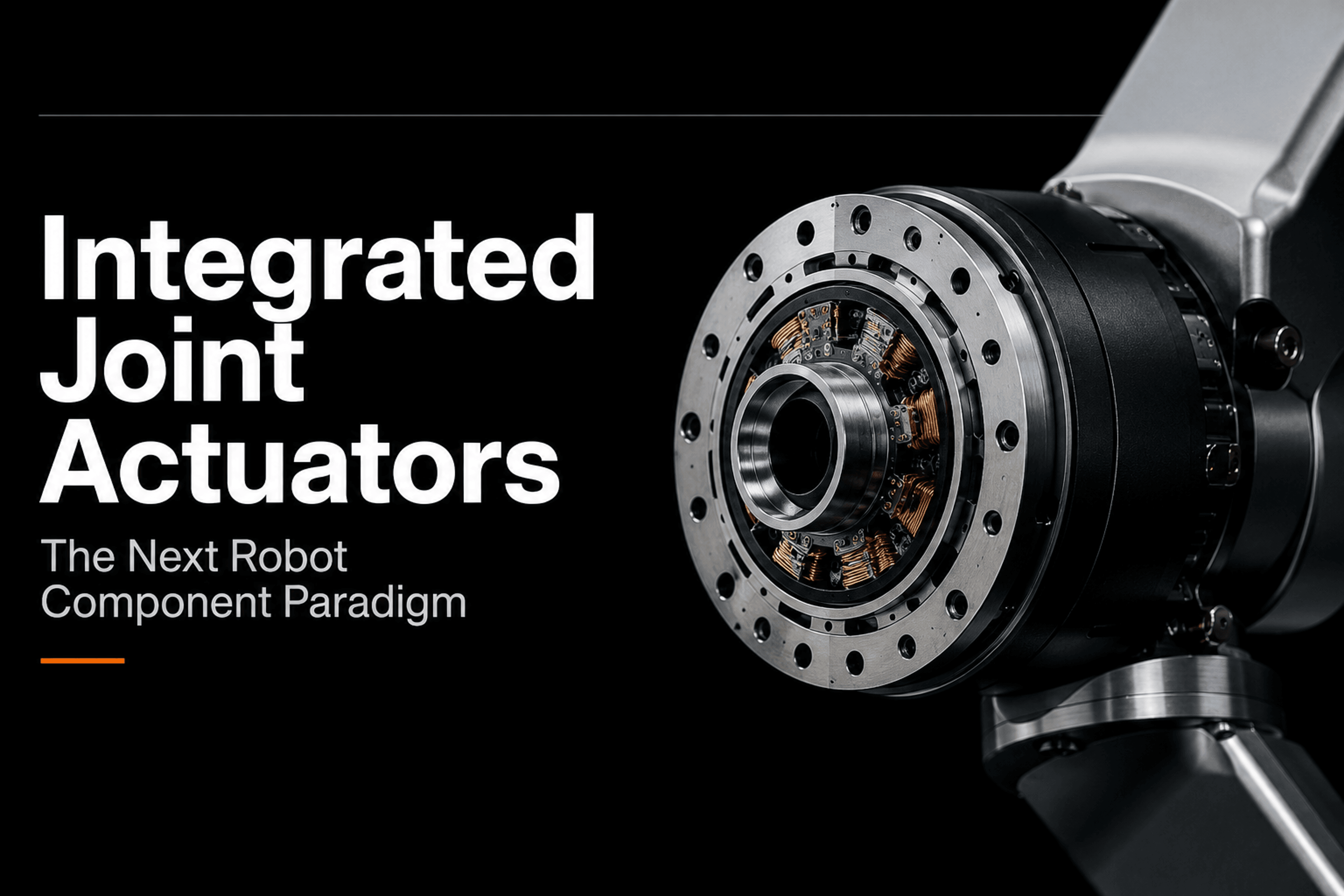
Integrated Joint Actuators 2026: Technology, Global Suppliers & China's Leap Forward
From rotary joints hitting 530 N·m+ to linear joints with planetary roller screws, integrated actuators are replacing the three-part drivetrain. Full supplier map: Tihu, PhyArc, RobStride, Schaeffler, maxon — and China's path from 1,000-RMB modules to global standard-setter.
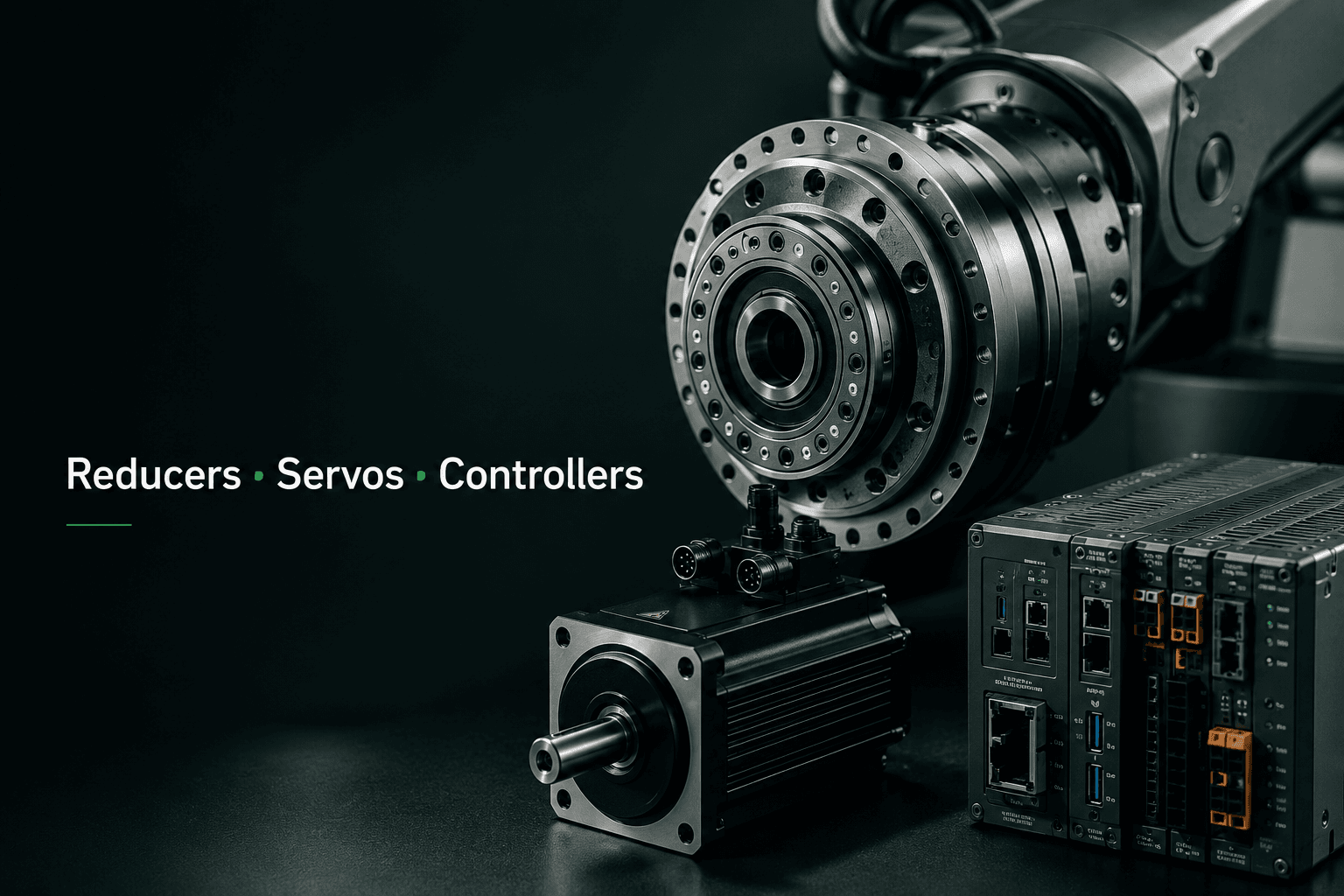
The Core Components Battle of Indutrial Robot, Reducers, Servo Systems & Controllers
A technology-first analysis of the three pillars driving industrial robot capability: precision reducers, servo systems, and motion controllers. Maps the full global supplier ecosystem — Japan, Europe, and China — from component specs to product generations and integration architectures.
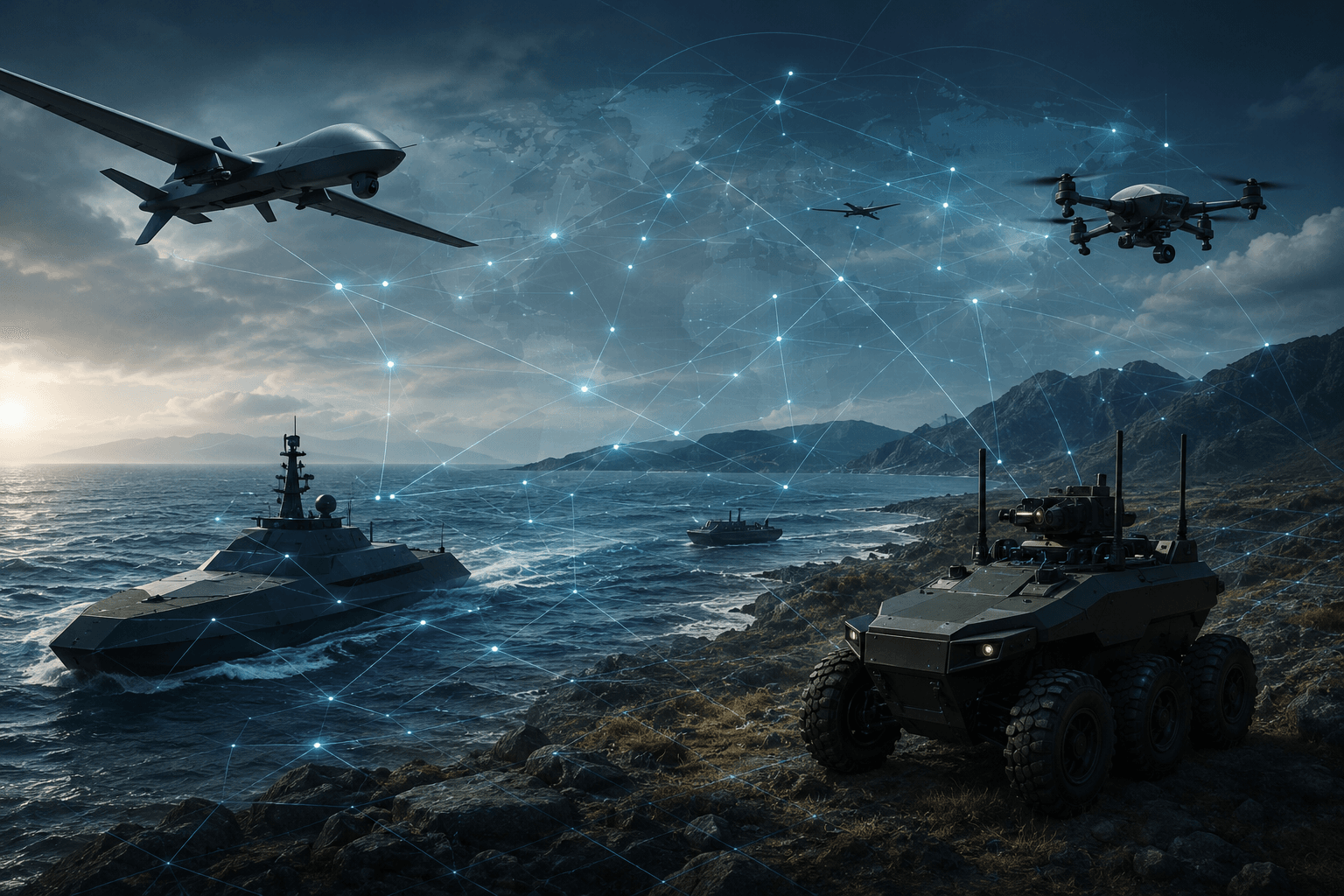
FUTURE WARFARE | Cross-Domain Integration - Integration How Land, Sea, Air and Software Are Converging Into a Single Kill Chain
Cross-domain robotics is reshaping modern warfare as drones, UGVs, AI targeting systems, and autonomous logistics converge into a single networked kill chain across land, sea, air, and software.