


Boost Robotics
"Digital Infra. Physical Agents."
US startup building autonomous mobile manipulation robots for data center inspection, maintenance, and security monitoring; YC X25 company.
Contact Boost Robotics
WEBSITE
https://boostrobotics.aiHEADQUARTERS
United States


Company Facts
Founded
2025
Primary Role
Manufacturer
Company Size
-
Primary Region
North America
Annual Sales
-
Funding Stage
-
Funding Total
-
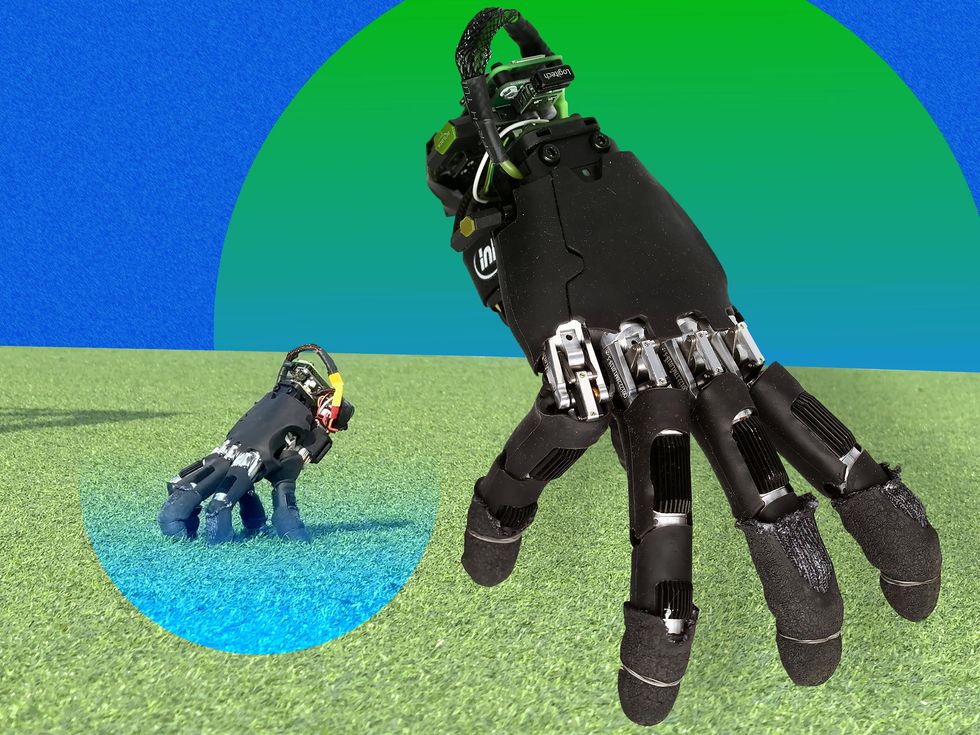
ETH Zurich Researchers Develop Self-Contained Robotic Hand That Walks on Its Fingers
Researchers from ETH Zurich have transformed a standard robotic hand into a self-sufficient robot capable of walking on its fingertips while manipulating objects. This innovation could enhance operations in confined spaces, such as during maintenance tasks or search and rescue missions, where traditional robotic arms may struggle to reach. The project, led by Ph.D. candidate Amirhossein Kazemipour, utilizes off-the-shelf hardware from Wuji Technology, augmented with a lightweight backpack containing essential components. The hand's unique design allows it to perform tasks beyond traditional robotic capabilities, marking a significant step toward versatile robotics. Future developments may focus on improving the hand's perception and navigation capabilities for practical applications. Kazemipour envisions a future where robotic parts can dynamically transition between roles, enhancing their utility in various environments and tasks, thus redefining the potential of robotic systems.
Robotics Manipulation Eth-zurich Robot-grippers
North Carolina State University Develops Feather Star-Inspired Underwater Robot with Two Actuators
Researchers at North Carolina State University have created a soft underwater robot inspired by feather stars, capable of three-dimensional movement using only two actuators. This innovative design significantly reduces mechanical complexity, as traditional systems typically require six actuators for similar maneuverability. The robot employs a principle known as 'mechanical intelligence,' allowing its structure and water interactions to minimize control input from operators. With four elastic wings arranged around a central disk, the robot can achieve various motions, including upward movement, hovering, and rotation, all while maintaining a streamlined design. Future developments to watch include the robot's application in underwater exploration and object manipulation, as demonstrated by its ability to lift items and navigate environments using a camera. No further timeline was disclosed at the time of publication.
AI and Robotics
Aquatic Soft Robot Inspired by Feather Stars Achieves 3D Movement with Two Actuators
Researchers have developed an innovative aquatic soft robot modeled after feather stars, capable of navigating through water in three dimensions using just two actuators. This breakthrough was detailed in the paper titled "Minimal-Actuation Feather Star–Inspired Soft Swimmers for Multimodal 3D Maneuverability," published in Science Advances. The significance of this research lies in its potential applications in underwater exploration and robotics, showcasing how minimal actuation can lead to complex movement capabilities. The feather star robot exemplifies how biomimicry can inspire advancements in soft robotics, providing a new perspective on design efficiency and functionality. Looking ahead, the implications of this research could influence the development of future underwater robots, particularly in environments where agility and maneuverability are crucial. No further timeline was disclosed at the time of publication.
Robotics
EPFL Researchers Unveil World's First Fiber Pump for Flexible Robotic Devices
In 2023, researchers from the Soft Transducers Laboratory at EPFL's School of Engineering introduced an innovative pump designed as a fiber. This groundbreaking technology features flexible tubing capable of generating its own fluid pressure and flow rate. The significance of this development lies in its potential applications in smart textiles, where it can facilitate fluid circulation for thermoregulation and haptic feedback. Additionally, the fiber pump can be integrated into wearable assistive devices, enhancing their functionality and user experience. Looking ahead, the integration of this fiber pump technology into various applications could revolutionize the design of flexible robotic devices. No further timeline was disclosed at the time of publication.
Robotics
AGILINK's OmniHand 3 Ultra Robot Hand Excels in Silk Embroidery Techniques
Chinese robotics startup AGILINK has showcased its OmniHand 3 Ultra robot hand executing intricate embroidery techniques with silk thread. The demonstration included tasks such as separating a silk thread into 16 finer strands, threading a needle, and making initial stitches, all requiring precise finger control. The robot's ability to maintain tension while manipulating delicate materials highlights the challenges faced in robotic embroidery. This advancement is significant as it demonstrates the potential of robotic hands to perform tasks traditionally reliant on human dexterity, particularly in the realm of Suzhou embroidery, which demands meticulous handling of silk. The training process involved teleoperation data and reinforcement learning, allowing the robot to adapt its movements dynamically, essential for dealing with the unpredictable nature of silk. Looking ahead, AGILINK's OmniHand 3 Ultra, equipped with 21 active degrees of freedom and advanced tactile sensors, represents a leap in robotic manipulation capabilities. No further timeline was disclosed at the time of publication.
AI and Robotics
Picker AgRobotics Innovates with Flexible Arms for Autonomous Fruit Harvesting
Israeli startup Picker AgRobotics is developing a novel approach to autonomous fruit harvesting using flexible, hollow robotic arms. Unlike traditional rigid arms that pick and place fruit, these innovative arms can navigate through branches, cut fruit from the stem, and funnel it directly into a bin, a method they call 'Snip-N-Roll.' Co-founder Yossi Rosenblum emphasized the inefficiencies of conventional pick-and-place systems, which are costly and labor-intensive. This new technology addresses the significant labor challenges faced by orchard growers, as highlighted by Rosenblum. He noted that existing robotic harvesters have struggled to solve the labor problem effectively, primarily due to their rigid designs. Picker AgRobotics aims to revolutionize the sector by introducing flexible robotics, which have yet to be utilized in agriculture despite their growing prevalence in other fields. Looking ahead, Picker AgRobotics plans to initiate customer pilots in 2027, marking a significant step towards practical application of their technology. The company believes that their unique approach could lead to more efficient harvesting solutions, potentially transforming the economics of fruit harvesting in orchards.
Agtech Artificial intelligence Deeptech EMEA Precision agriculture Startups & funding
Shibaura Machine Expands THE Range of SCARA Robots with High Payload and Speed
Shibaura Machine has introduced the THE range of SCARA robots, featuring models with arm lengths of 400mm, 600mm, 800mm, and 1000mm. The latest model, THE1000, offers a payload capacity of 20kg and a cycle time of just 0.44 seconds, making it suitable for various industrial applications including assembly and pick and place processes. This range is recognized as a price-to-performance leader among SCARA robots, providing impressive speed and payload capacity that enhances operational efficiency. The ability to handle large components quickly is crucial for industries requiring high-speed automation solutions. Looking ahead, the modular and configurable architecture of the robots allows for easy integration into existing systems, whether in new or established facilities. No further timeline was disclosed at the time of publication.
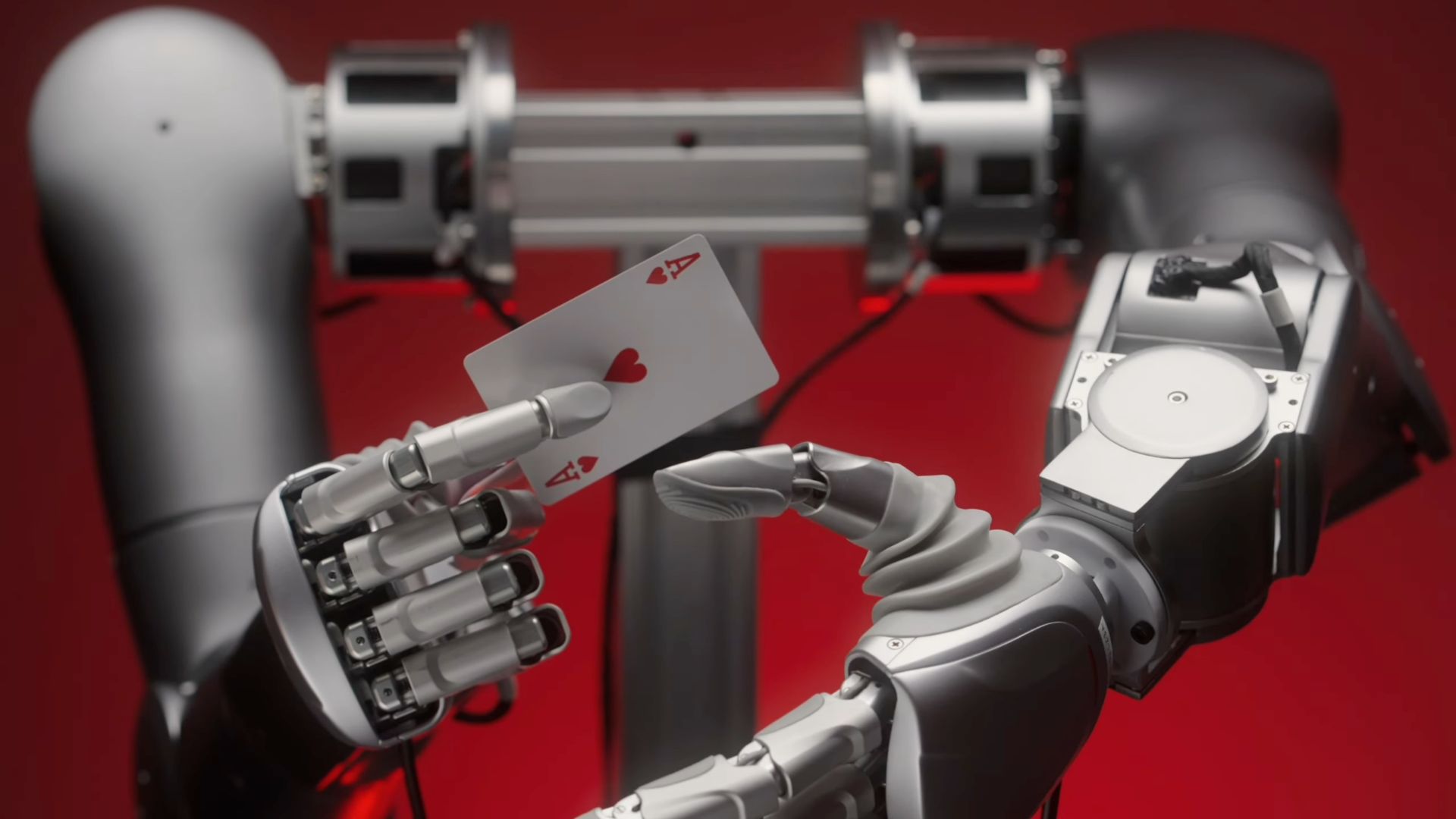
LinkerBot's Robotic Hand O30 Demonstrates Precision with 20 Independent Joints
Chinese robotics startup LinkerBot has showcased its LinkerHand O30, a robotic hand capable of performing magic tricks with remarkable dexterity. The hand features a direct-drive architecture with 20 active degrees of freedom, enabling independent control of its joints for human-like movements. During demonstrations, the O30 successfully executed tricks such as a card change and coin disappearance, highlighting its fine motor control and ability to handle delicate objects. The significance of the LinkerHand O30 lies in its advanced design, which combines brushless motors and a precision transmission system to achieve high power density while maintaining a lightweight structure of 1.6 pounds (730 grams). This robotic hand is not only intended for entertainment but also serves as a versatile platform for advanced robotics research and practical applications in industrial settings. Its ability to communicate with other systems and execute commands at high frequencies enhances its functionality. Looking ahead, LinkerBot's O30 is poised to impact various sectors requiring dexterous manipulation, thanks to its impressive specifications, including a maximum load capacity of 66 pounds (30 kilograms) and precise control capabilities. No further timeline was disclosed at the time of publication.
AI and Robotics
IMTS 2026 Preview: Record Orders and the Automation Story
IMTS 2026 opens in Chicago with 1,788 exhibitors and record H1 machine tool orders. What the USMTO data says about automation, and the booths to see.

ROBOTTODAY WEEKLY September 7 – 11, 2026
This week in robotics: JD.com plans to deploy three million robots across its logistics network, XPeng commissions its IRON humanoid production line, FANUC and Google launch an AI arc-welding agent, and Unitree shares fall 53% from their post-IPO high. September 7–11, 2026.

Renesas Opens Physical AI & Robotics Lab in Beijing to Boost Robotics Development
Renesas Electronics Corporation has officially launched its Physical AI & Robotics Lab in Beijing, China. This new facility is designed to support customers in demonstrating, validating, and co-developing next-generation robotic systems. The establishment of this lab is significant as it will serve as a central hub for executing Renesas' physical AI strategy, facilitating the transition from proof-of-concept to large-scale deployment of advanced robotics solutions. Looking ahead, the lab is expected to play a crucial role in advancing robotics innovation and physical AI applications. No further timeline was disclosed at the time of publication.

ROBOTTODAY Weekly July 27 – 31, 2026
Your weekly robotics briefing: the US bans imports of Chinese humanoid robots, Google DeepMind unveils Gemini Robotics 2, Unitree pushes toward its Shanghai IPO, and Amazon's Zoox wins approval for paid robotaxi rides.
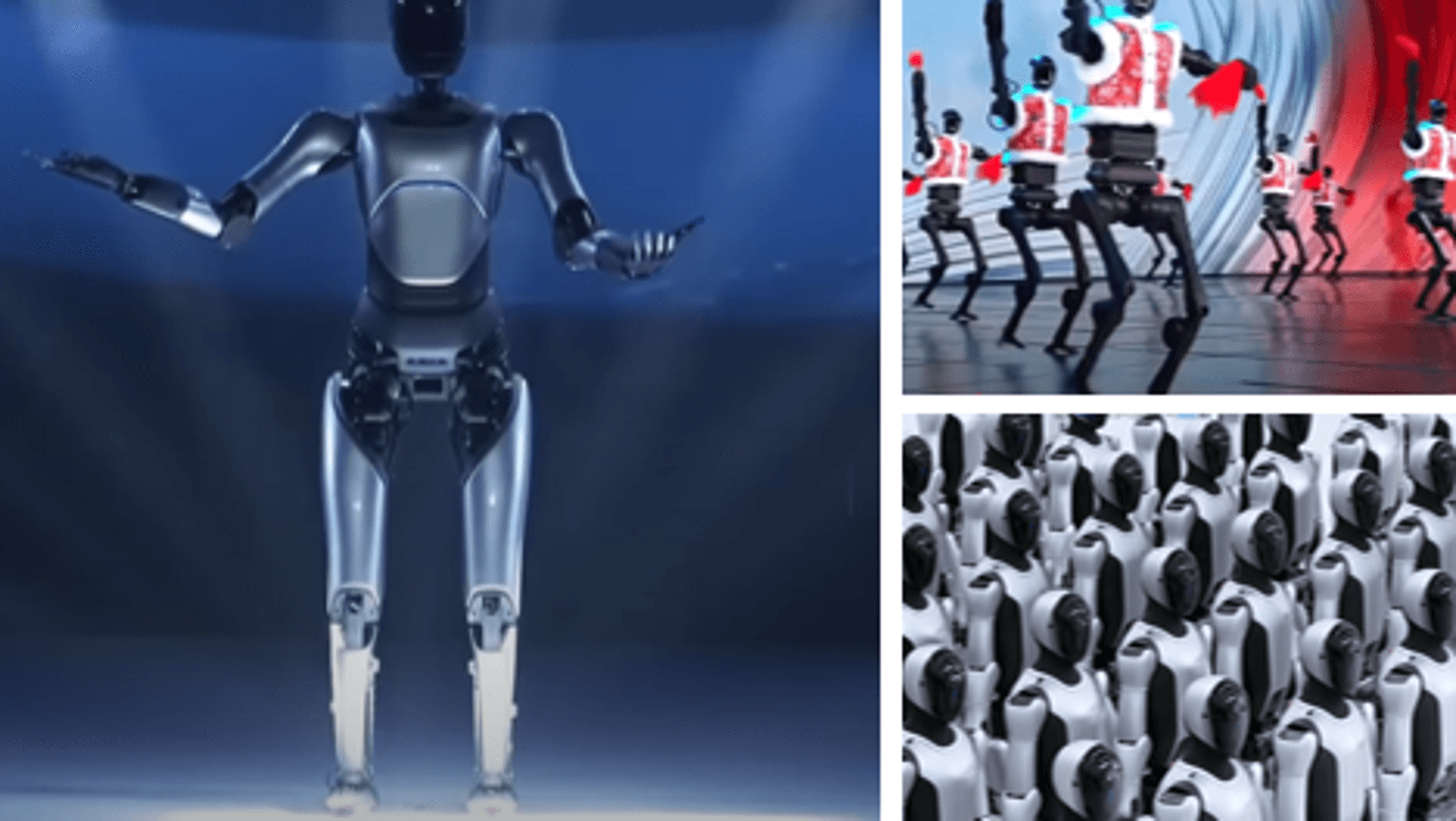
Can China’s Humanoid Startups Lose ¥1B Like Yunji and Still IPO?
China’s humanoid robotics boom has over 300 startups—but with high costs and uncertain markets, only a few may survive, absorb huge losses, and reach IPO-ready scale.

Hypershell Launches Next Gen Exoskeleton for Everyday Mobility
Hypershell unveils its next-gen X series exoskeleton for everyday mobility, boosting human endurance and reducing effort for walking, hiking, and cycling.

Korea Launches First Anti-Dumping Probe on Industrial Robots in 20 Years - A New regulatory Era for Robotics
South Korea launches its first anti-dumping investigation in 20 years as the U.S. Section 232 review puts robotics imports under national-security scrutiny.

Market Position of Automakers Humanoids
Automakers like Tesla and XPENG are transforming humanoid robotics with industrial scale, cost advantages, and automated factory deployment shaping the 2030 market.
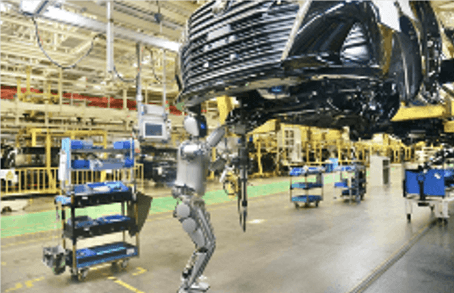
China's Robot Boom $1.3 Billion in Orders in 3 Months as Unicorn Valuations Climb but Still Trail the U.S.
A deep dive into China’s rapid robotics growth: skyrocketing orders, rising unicorn startups, and the valuation gap with U.S. robotics companies.

EKA Mobility Secures $57 Million from NIIF’s India-Japan Fund to Drive Leadership in Electric Commercial Vehicles
EKA Mobility raises $57 M from the India-Japan Fund (NIIF) to accelerate electric commercial vehicle growth and electrification leadership in key markets.

KUKA Unveils Five AI-Powered Agents to Accelerate Embodied Intelligence in Manufacturing
KUKA introduces five AI-powered agents to advance embodied intelligence in manufacturing, enabling adaptive automation, autonomy, and smarter factory operations.
Dassault Systèmes and KUKA Partner to Boost Robotics and Automation Efficiency for Manufacturers
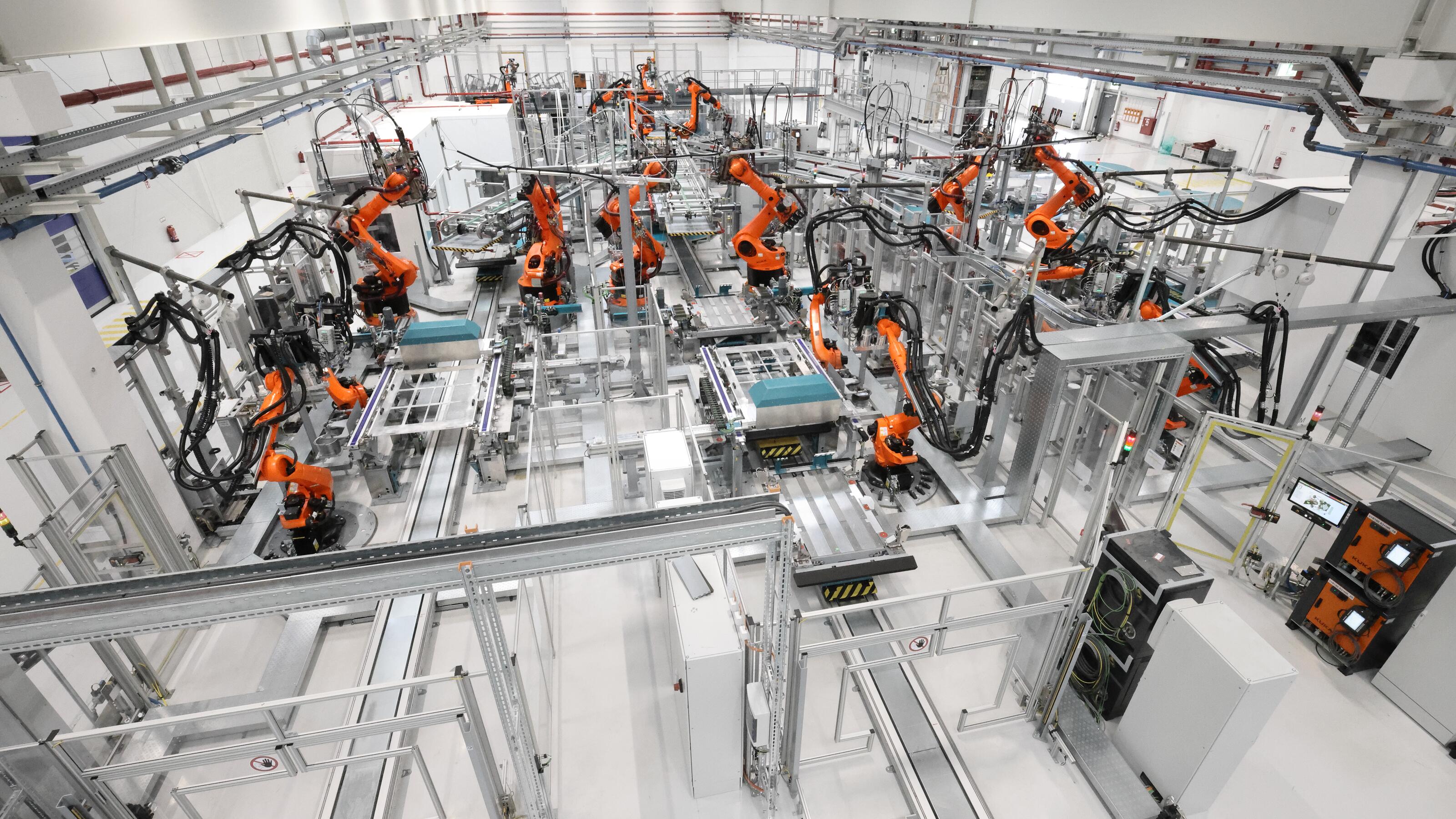
Dassault Systèmes has entered into a partnership with KUKA, a leading global player in industrial automation and robotics, to deliver advanced solutions tailored for the manufacturing sector. This collaboration aims to address the increasing demands for enhanced robotics and automation capabilities within the industry. The announcement was made today, highlighting both companies' commitment to innovation and efficiency in manufacturing processes. By leveraging their respective expertise, Dassault Systèmes and KUKA plan to develop comprehensive solutions that will help manufacturers optimize operations and improve productivity in a rapidly evolving technological landscape.


