


ALLWARE LTDA
Chilean industrial automation and IT solutions provider with over 20 years of market experience.
Contact ALLWARE LTDA
WEBSITE
https://www.allware.clPHONE
+56 9 8429 4911HEADQUARTERS
Chile

Company Facts
Founded
2000
Primary Role
System Integrator
Company Size
-
Primary Region
Latin America
Annual Sales
-
Funding Stage
-
Funding Total
-
First Domestic Humanoid Robot Showcases Fully Localized Electronic Architecture
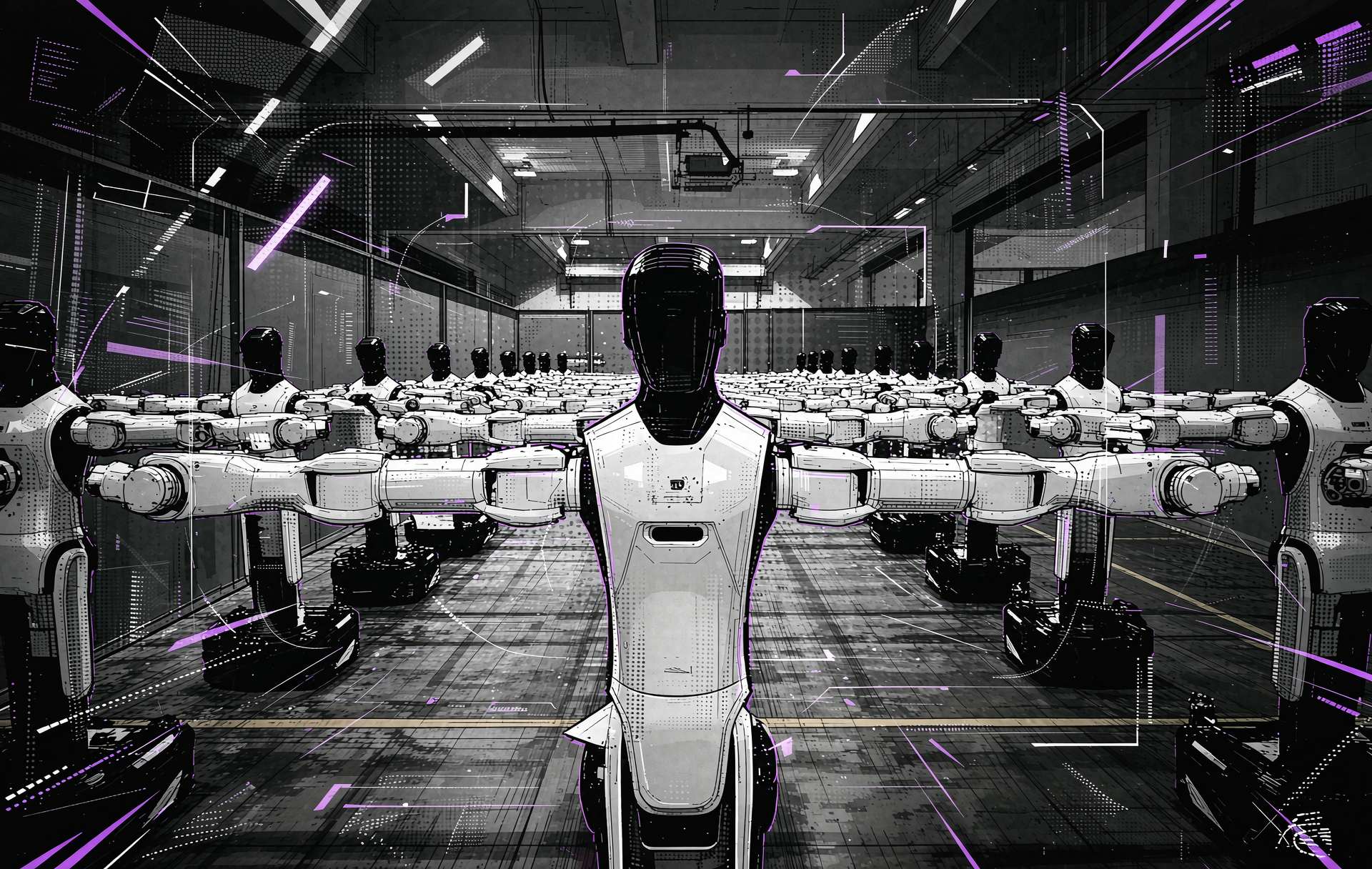
On September 28, the first humanoid robot featuring a fully localized electronic architecture was unveiled in Yichang, Hubei. This innovative architecture, developed by Dongtu Technology, serves as the robot's intelligent nervous system, integrating an operating system, network, software tools, and AI computing chips. The localized architecture is designed to enhance performance and security, offering advantages over traditional foreign solutions. The significance of this development lies in its potential to ensure data transmission and control security within robotics. The fully localized architecture aims to provide a robust safety framework for autonomous robot behavior, preventing disruptions in production and ensuring personnel safety. This initiative reflects a broader industry trend towards self-sufficiency and sovereignty in technology. Looking ahead, the key focus will be on the architecture's adaptability across various robotic platforms and its ability to meet commercial performance, power consumption, and development toolchain requirements. No further timeline was disclosed at the time of publication.
Humanoid Robots AI Robotics Safety Industrial Automation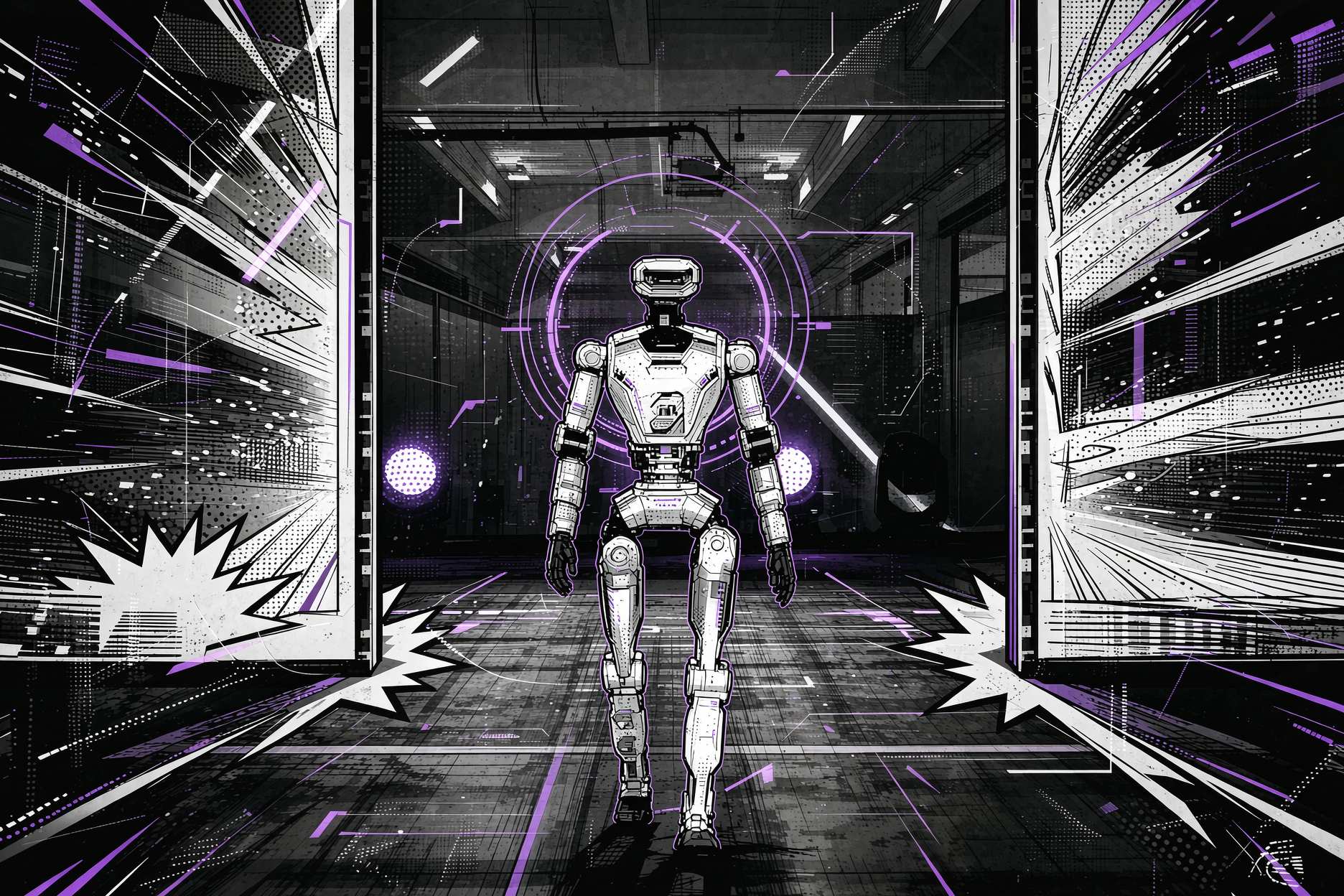
Zhuji Power and Dongtu Technology Unveil China's First Humanoid Robot with Domestic Electronics
On September 28, 2026, Zhuji Power and Dongtu Technology launched China's first humanoid robot equipped with domestic electronic architecture in Yichang, Hubei. This robot marks a significant advancement in integrating domestic industrial-grade real-time communication capabilities within complex humanoid robotic systems. The importance of this development lies in its potential to enhance the robot's ability to operate autonomously in complex real-world scenarios. Effective communication within the robot's system is crucial for processing the vast amounts of information generated by perception, decision-making, and motion control, directly impacting control precision and task safety. Looking ahead, the focus will be on whether this domestic electronic architecture can be effectively implemented across more robotic platforms, and whether its performance, power consumption, and development toolchain can meet commercial requirements. No further timeline was disclosed at the time of publication.
Humanoid Robots Domestic Electronic Architecture Industrial Automation AI Technology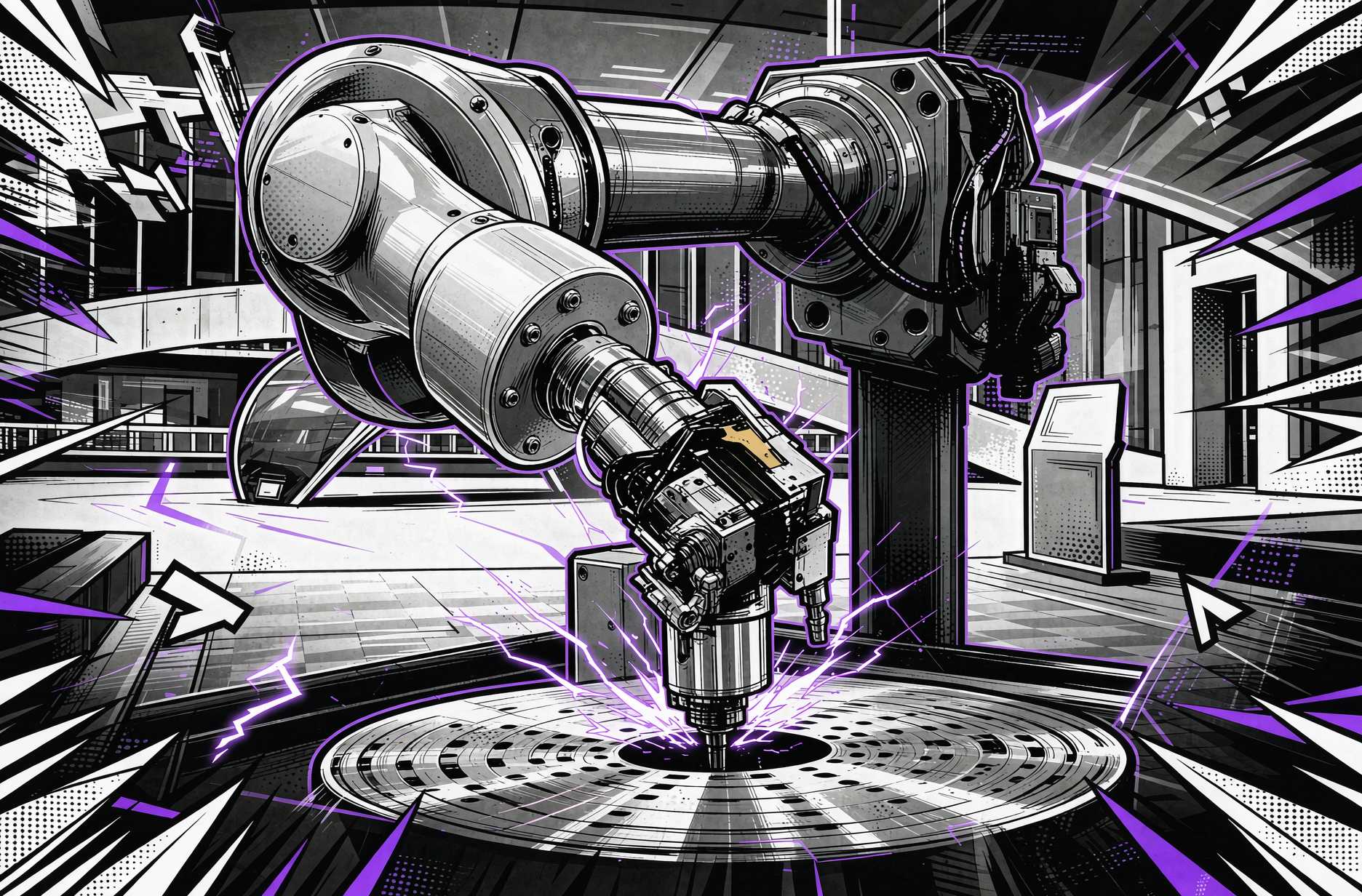
Sanctuary AI and Skild Collaborate to Enhance Industrial Robots with Physical AI
In September, the robotics industry witnessed contrasting developments. On September 10, Skild, a U.S. robotics modeling company, announced its collaboration with NVIDIA and Foxconn to deploy models on dual-arm robotic arms for precise assembly in the Blackwell system. Four days later, Danish collaborative robot manufacturer Universal Robots unveiled a new generation platform designed to facilitate the integration of cameras, sensors, and AI applications into robotic arms. This evolution is significant as it highlights the shift towards enhancing existing robotic systems with advanced AI capabilities rather than waiting for humanoid robots to achieve commercial viability. Sanctuary AI, a Canadian company developing the Phoenix humanoid robot, revealed its strategy to implement Physical AI on current and next-generation industrial robot platforms, achieving a task success rate exceeding 99.5% in a proof of concept with an automotive supplier. Looking ahead, companies like Sumitomo Electric and Yaskawa are exploring the integration of AI into traditional robotic systems to handle complex tasks that still require human judgment. The focus is on adapting control systems and interfaces to improve the robots' ability to interact with variable components, such as soft wire harnesses, which present unique challenges in manufacturing processes. No further timeline was disclosed at the time of publication.
Physical AI Industrial Robotics Automation Technology Robotic Arms
LimX Dynamics and Kyland Technology Launch First Humanoid with Domestic Electronic Architecture
On September 28, 2026, LimX Dynamics and Kyland Technology introduced a humanoid robot in Yichang, featuring a fully domestic electronic architecture. This architecture integrates Kyland Intewell, AUTBUS, and MaVIEW, boasting microsecond motion control capabilities. The launch of this humanoid is significant as it represents a step forward in domestic robotics technology, showcasing the potential for advanced motion control in humanoid applications. The integration of these technologies aims to enhance the performance and responsiveness of robotic systems in various sectors. Looking ahead, industry observers will be keen to see how this humanoid performs in real-world applications and whether it can meet the ambitious claims of microsecond motion control. No further timeline was disclosed at the time of publication.
Nvidia Unveils Isaac ROS 5.0 Featuring AI Agents for Enhanced Robotics Development
Nvidia has launched Isaac ROS 5.0, which introduces AI agent capabilities aimed at accelerating the development, customization, and deployment of robotics applications within the open-source Robot Operating System ecosystem. This release, announced at ROSCon in Toronto, Canada, enhances support for Nvidia’s Jetson computing platform and includes new workflows for AI agents. The significance of Isaac ROS 5.0 lies in its ability to streamline robotics development for a community of nearly 1.3 million users. The introduction of AI agents is a major advancement, providing developers with reusable workflows for setup and manipulation tasks. Notably, the FoundationStereo fine-tuning skill allows AI agents to adapt stereo perception models to specific environments and applications, enhancing the overall efficiency of robotics projects. Looking ahead, Nvidia's collaboration with the Open Source Robotics Alliance to create a standard data-handling interface is expected to improve software interoperability across various computing hardware. Several robotics companies are already integrating Isaac ROS into their systems, indicating a growing trend towards AI-enhanced robotics solutions. No further timeline was disclosed at the time of publication.

ABB Robotics Introduces E-Device for Multi-Device Robot Control
ABB Robotics has expanded its offerings for programming and operating robots with the introduction of the E-Device. This new tool allows users to control robots through various devices, enhancing flexibility and usability in robotic applications. The introduction of the E-Device is significant as it addresses the growing need for adaptable and user-friendly solutions in robotics. By enabling control from multiple devices, ABB Robotics aims to streamline operations and improve the efficiency of robotic systems in various industrial settings. Looking ahead, industry professionals should monitor how the E-Device impacts robot programming and operation. No further timeline was disclosed at the time of publication.
Allgemein Robotersteuerung & Digital Twin Robotik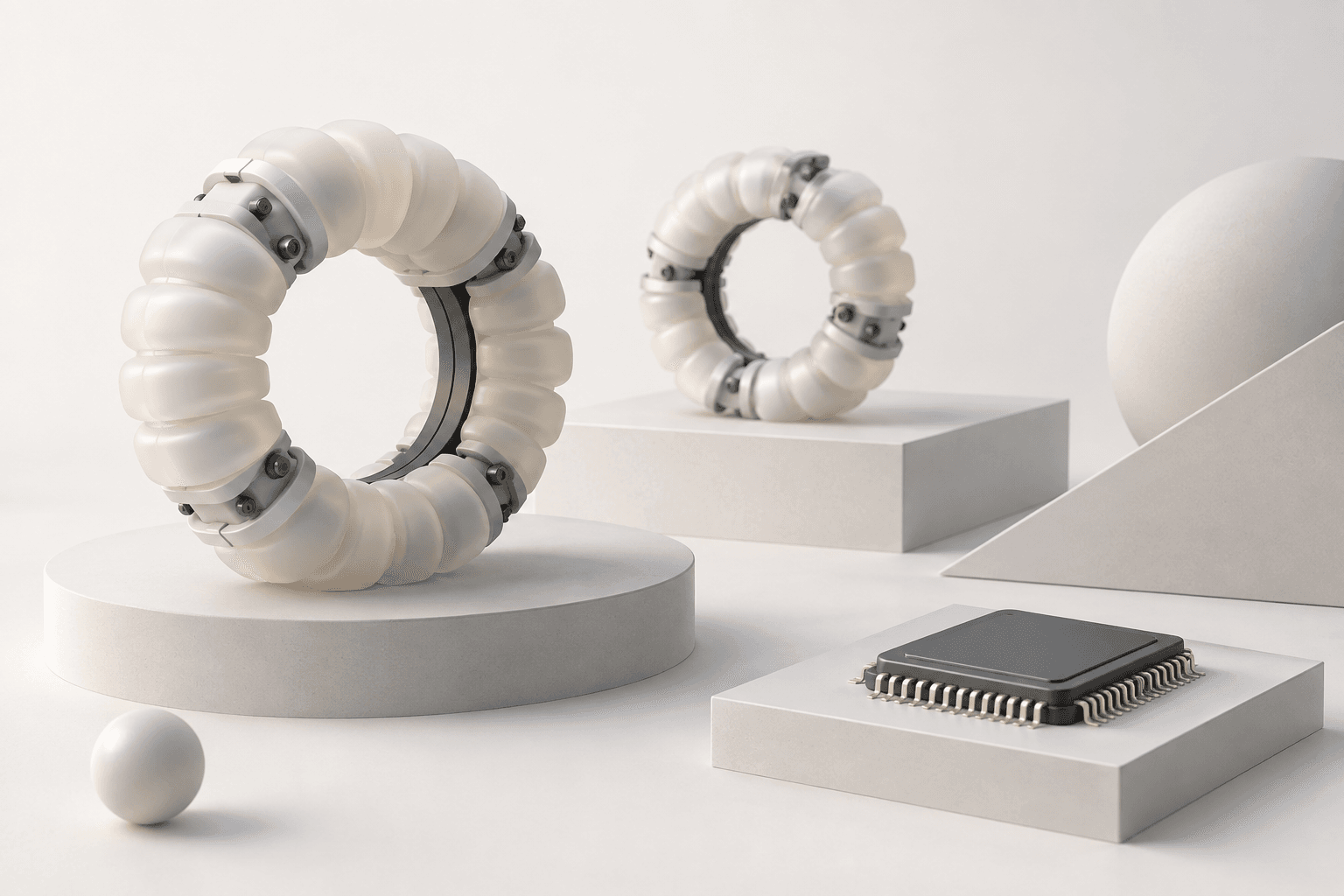
Nations Technologies and SIAT Launch N32H785 Dual-Core MCU for Humanoid Joint Motors
On September 23, 2026, Nations Technologies and SIAT introduced the N32H785, a dual-core MCU designed for joint-motor drives. This reference design boasts a rated torque of 20 N·m and a peak torque of 60 N·m, along with a current loop frequency of 20 kHz. The launch of the N32H785 is significant as it addresses the growing demand for advanced motor control solutions in robotics, particularly for humanoid applications. The specifications indicate a robust capability for handling complex movements, which is crucial for the development of more agile and responsive humanoid robots. Looking ahead, industry stakeholders should monitor the adoption of the N32H785 in various robotic applications. Its performance metrics could set a new standard for joint-motor control, influencing future designs and innovations in humanoid robotics. No further timeline was disclosed at the time of publication.

Otto Hofstetter Installs Robotic Cell for Efficient Component Handling in Automation
Otto Hofstetter, a manufacturer of injection molds and pressing tools, has implemented a robotic cell for the automatic loading and unloading of its turning-milling center as part of modernization efforts. This installation highlights the importance of flexibility in modern automation, enabling the company to efficiently manage a diverse range of components. The core of this efficient handling technology is the new CPB tool changer, featuring a robust locking mechanism that Schunk has utilized in stationary clamping technology for years. This advancement brings the tool changer from the machine table to the robot, enhancing the company's end-of-arm portfolio for robotic applications with a future-proof module for flexible automation. As the industry continues to evolve, the integration of such technologies will be crucial for manufacturers looking to optimize their processes. No further timeline was disclosed at the time of publication.
Allgemein Anwendungen & Lösungen Greifer & Werkzeuge Kunststoff & Gummi Robotik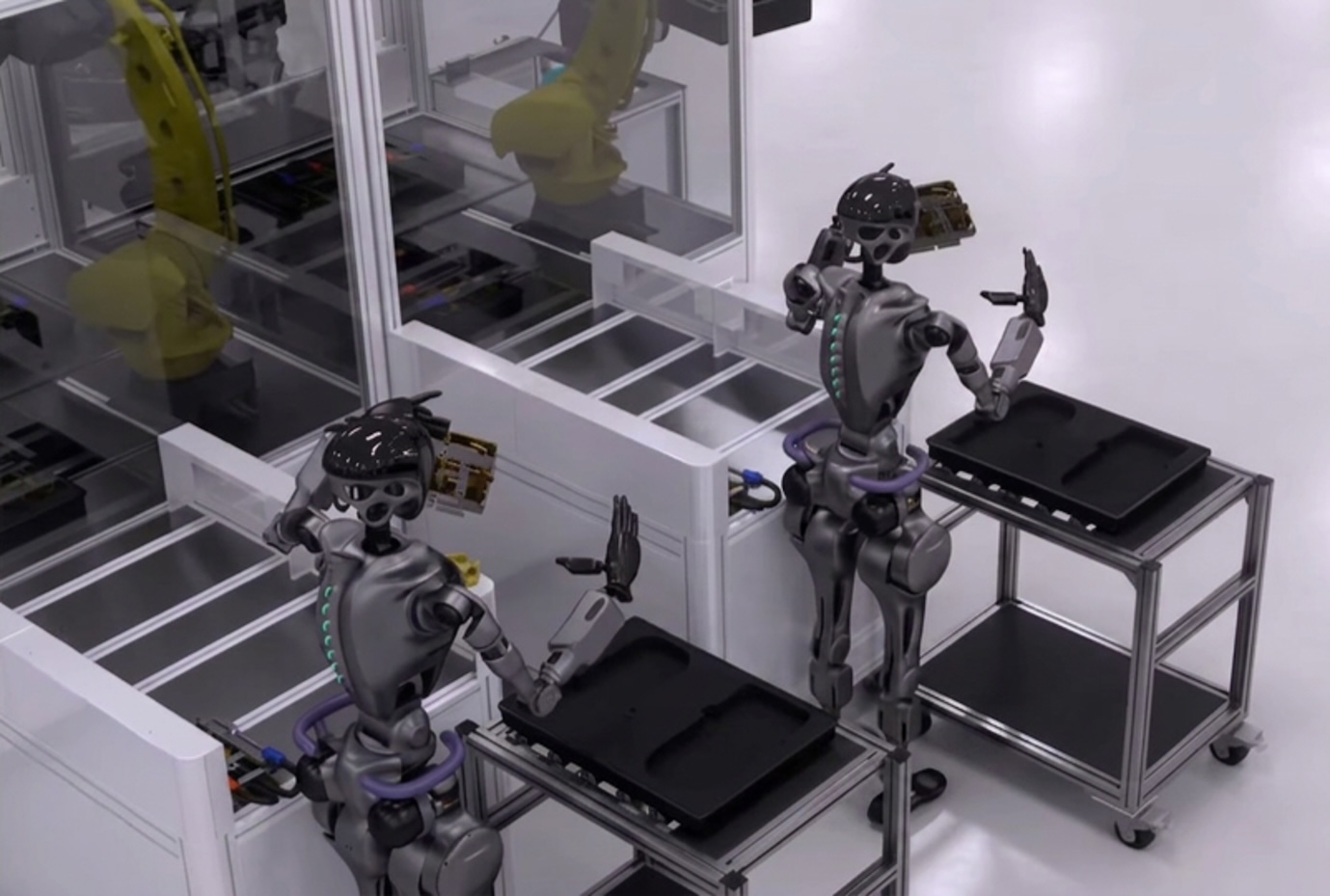
IBM Develops Patent for Autonomous Wireless Charging via Humanoid Robots' Feet
IBM has filed a patent application for a system that allows humanoid robots to autonomously recharge by standing on specially designed floor tiles. This innovative approach combines wireless power transmission, RFID positioning, and electromagnets in the robot's boots and the floor, enabling robots to recharge without manual intervention or docking stations. The significance of this technology lies in its potential to enhance the operational efficiency of humanoid robots in industrial settings. As companies increasingly deploy these robots in factories and warehouses, the ability to autonomously recharge addresses the critical issue of battery capacity, allowing robots to transition seamlessly between work and charging. Looking ahead, the implementation of this technology could revolutionize how humanoid robots are utilized in various sectors. The patent highlights the importance of precise alignment for effective wireless power transfer, suggesting that future developments will focus on refining this system to ensure reliability and efficiency in autonomous charging operations. No further timeline was disclosed at the time of publication.

RobotToday Weekly September 21 – 25, 2026
Cognex buys RealSense, Qualcomm acquires PickNik, the IFR counts 5 million factory robots, AGIBOT deploys 300 robots at Chimelong, and Tekever raises $580 million.
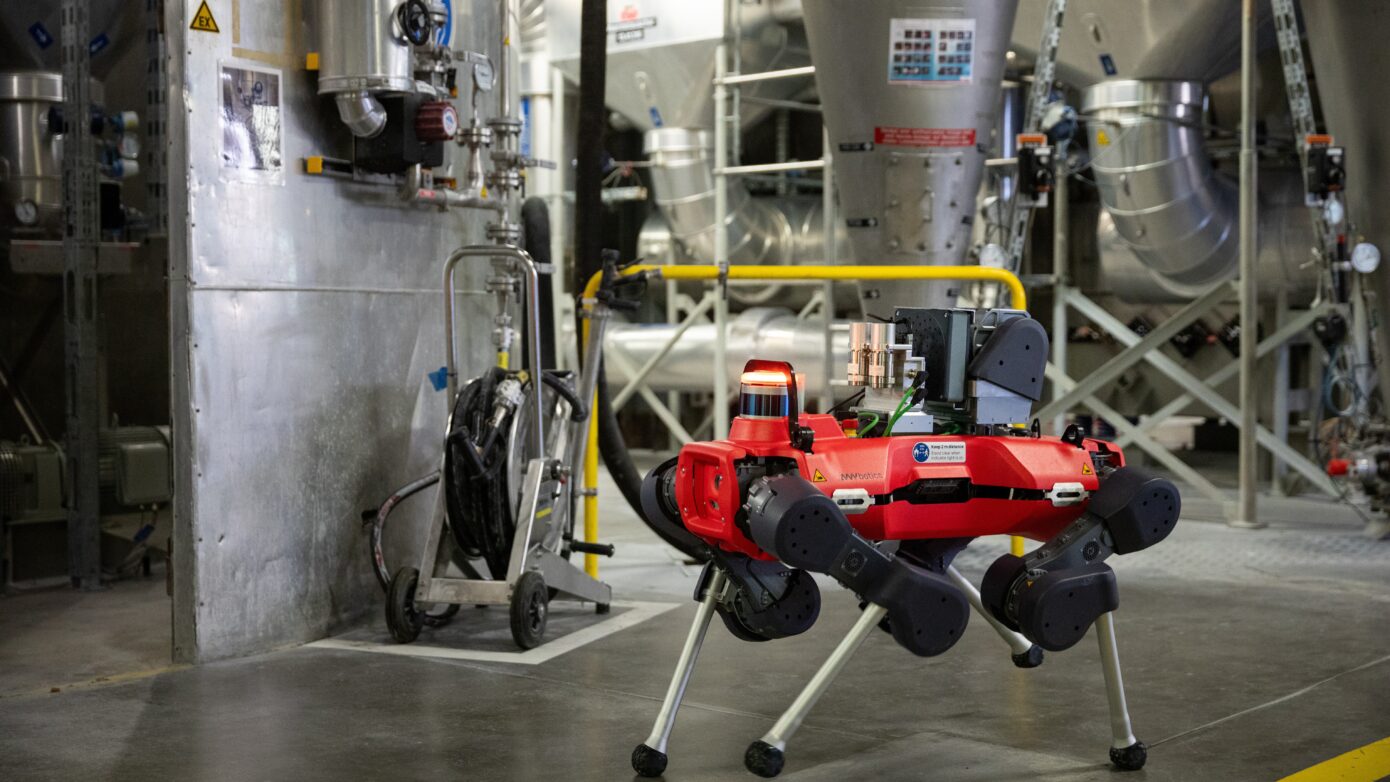
ANYbotics Enhances ANYmal Robots with Door Opening and Authentication Capabilities
ANYbotics has partnered with dormakaba and LEGIC Identsystems to enhance its ANYmal robots, enabling them to automatically open doors and authenticate at restricted areas. This innovation addresses the challenge of accessing equipment in large industrial facilities, such as energy and mining sectors, without requiring structural changes. The integration of door automation and secure authentication is crucial for expanding the autonomous inspection capabilities of ANYmal robots while maintaining existing access controls. The system utilizes radar sensors and retrofitted door operators to facilitate seamless movement through various environments, including fire-rated doors. Looking ahead, the collaboration aims to further integrate autonomous robots into industrial security frameworks, enhancing operational efficiency. The technology also includes a tele-assist feature, allowing remote operators to intervene when necessary. No further timeline was disclosed at the time of publication.
AI and Robotics
Glacian: Physics Model Vets AI Data Center Cooling
Glacian Technologies pairs AI with a physics-based digital twin that rejects unsafe commands. CEO Jie Zhao on cutting data center cooling energy 15-30%.

Siemens on Robots, Agentic AI and the "Last 3%" Problem
Siemens tells RobotToday at IMTS 2026 why AI robot demos are only the tip of the iceberg, and why agentic AI depends on PLM data and business context.

Innovation Works Venture Expo 2026: 58 Pittsburgh Startups Pitch to Investors
58 health, deep tech and robotics startups pitched at Innovation Works Venture Expo 2026 in Pittsburgh. Full company list, program and 2025 funding data.

SimScale Engineering AI Moves Physics Simulation to the Exact Moment a Design Decision Gets Made, Inside Onshape
SimScale’s Engineering AI Agent runs CFD, thermal, EMag and FEA from one prompt inside PTC’s Onshape, starting from CAD that isn’t simulation-ready.

China’s Dexterous Hand Industry, 2026 Part 3 — The Players
Five vendor archetypes, MIR’s composite top ten, eight company profiles and six field deployments — every firm linked to the RobotToday supplier directory.
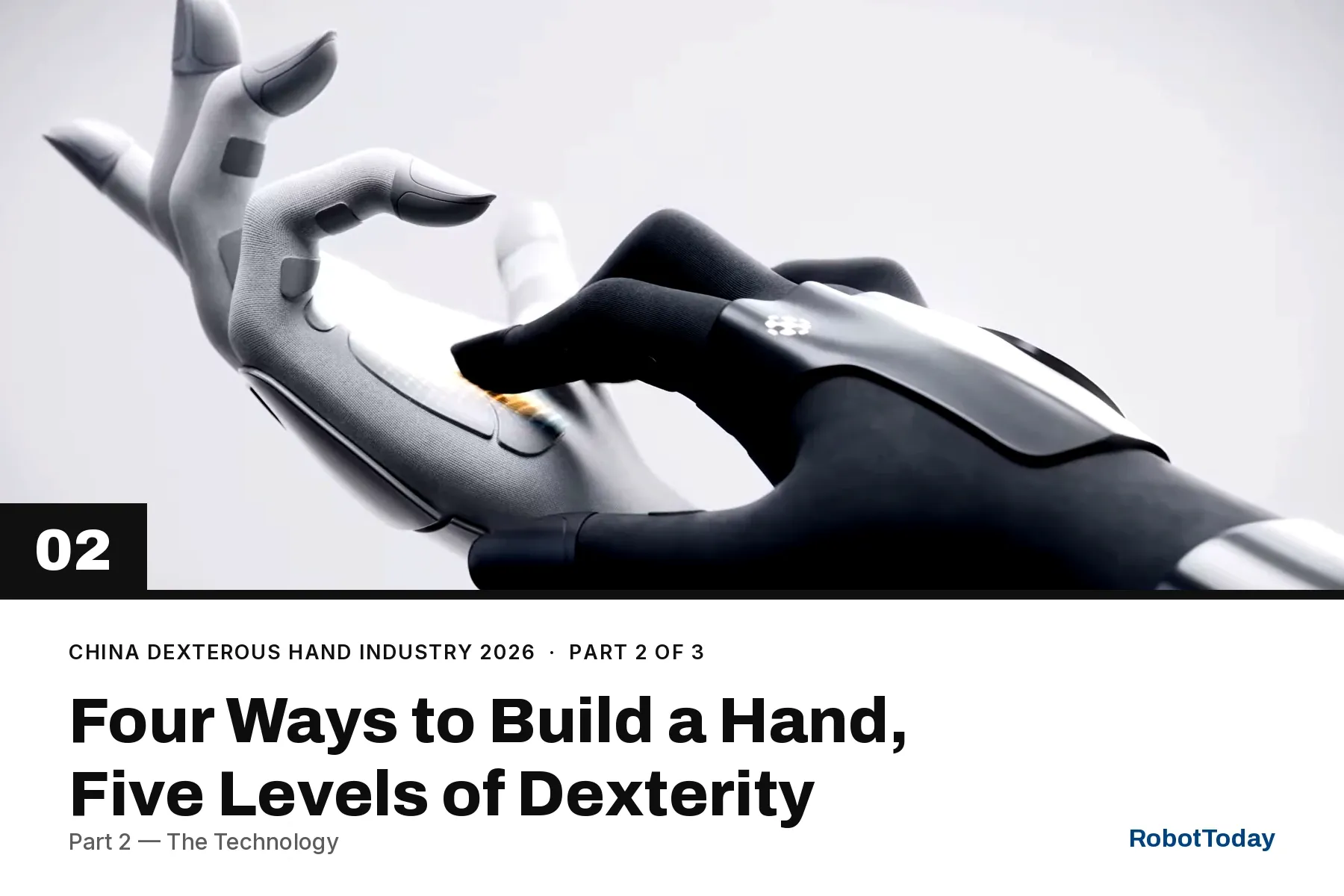
China’s Dexterous Hand Industry, 2026 Part 2 — The Technology
Linkage, tendon, direct drive or hybrid — and why hardware is converging while the DL1–DL5 manipulation scale decides who wins. Part 2 of 3.
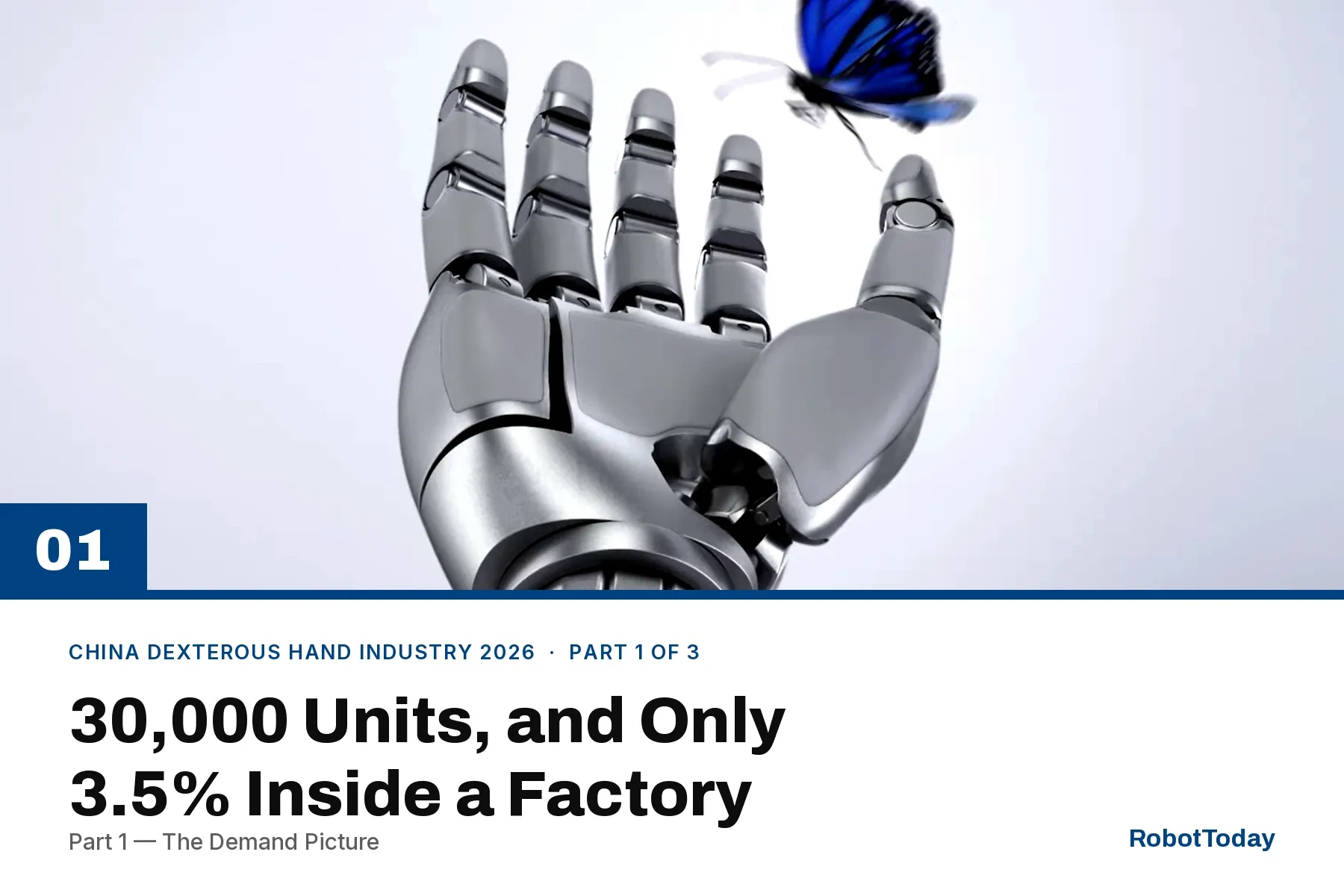
China’s Dexterous Hand Industry, 2026 Part 1 — The Demand Picture
MIR Databank puts China dexterous hand shipments above 30,000 units in 2026, yet only 3.5% of 2025 demand came from factory production. Part 1 of 3.
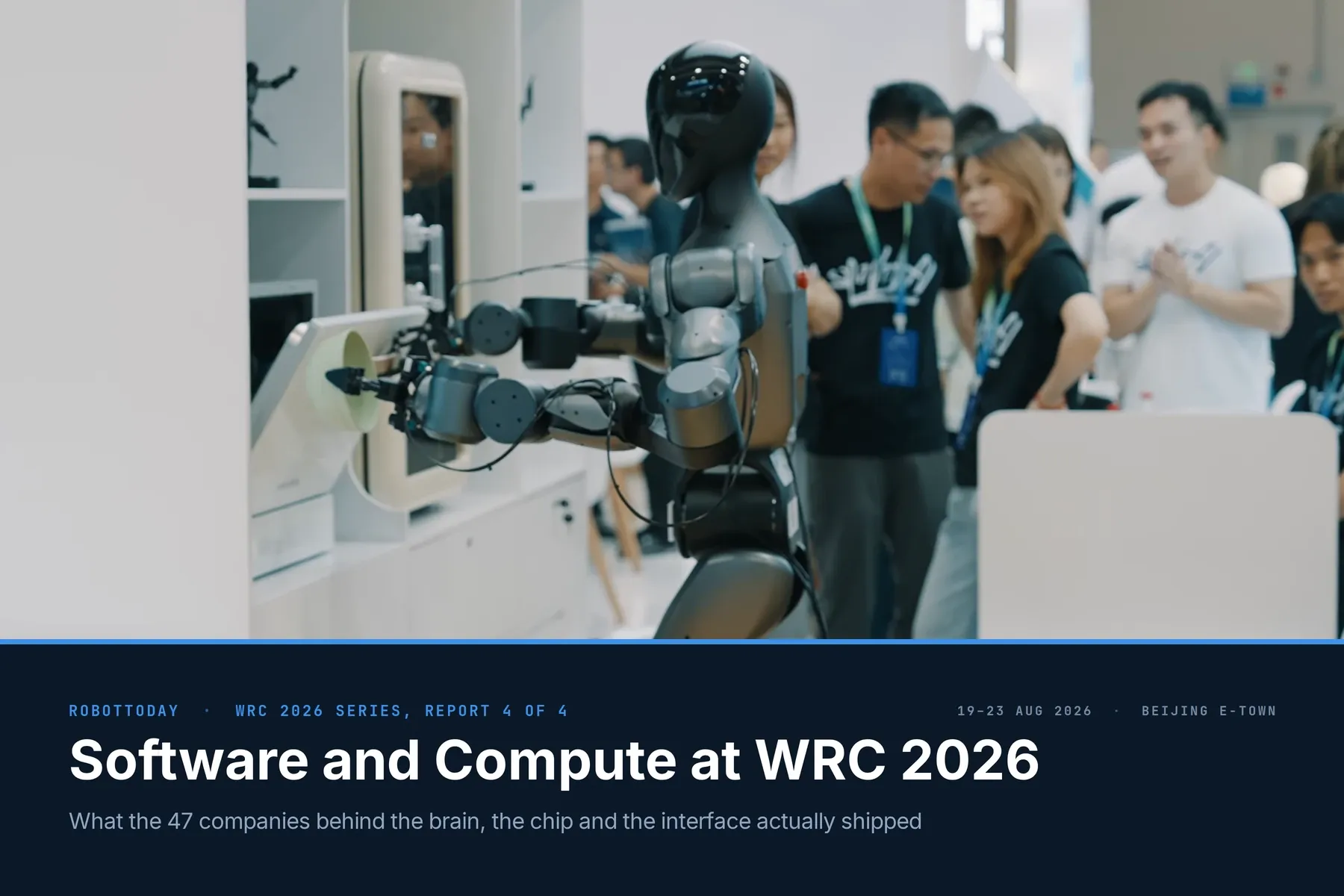
Software, Compute and Interaction at WRC 2026
47 WRC 2026 exhibitors supply robot software, compute or interaction — but only 19 call themselves software companies. Five open artefacts, licence-checked.
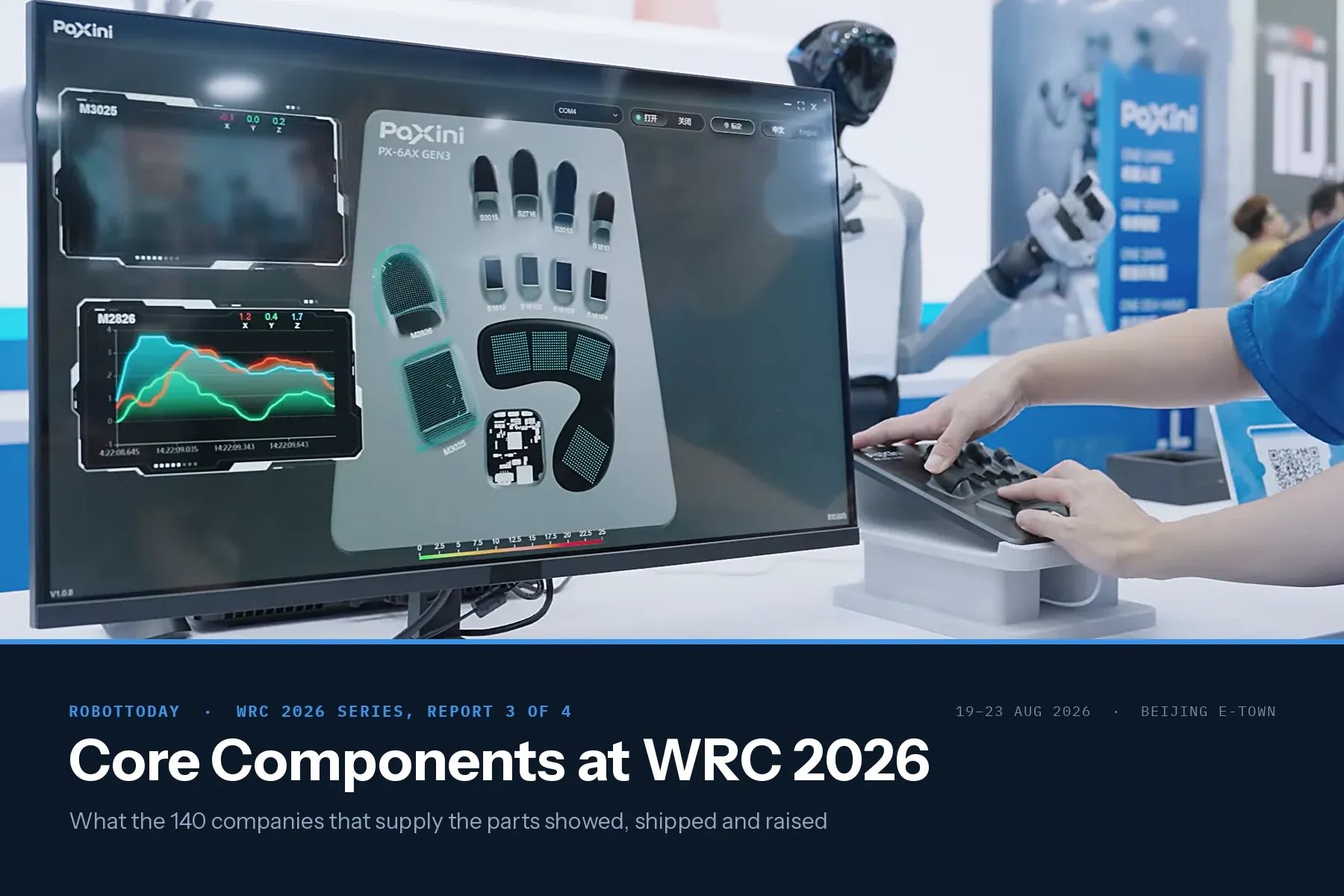
WRC 2026 Core Components: 137 Robot Parts Suppliers
The third report in the WRC 2026 series. Report 1 mapped all 248 exhibitors by category and Report 2 covered the 139 that build finished robots. This one covers the 137 that build what goes inside them.

