

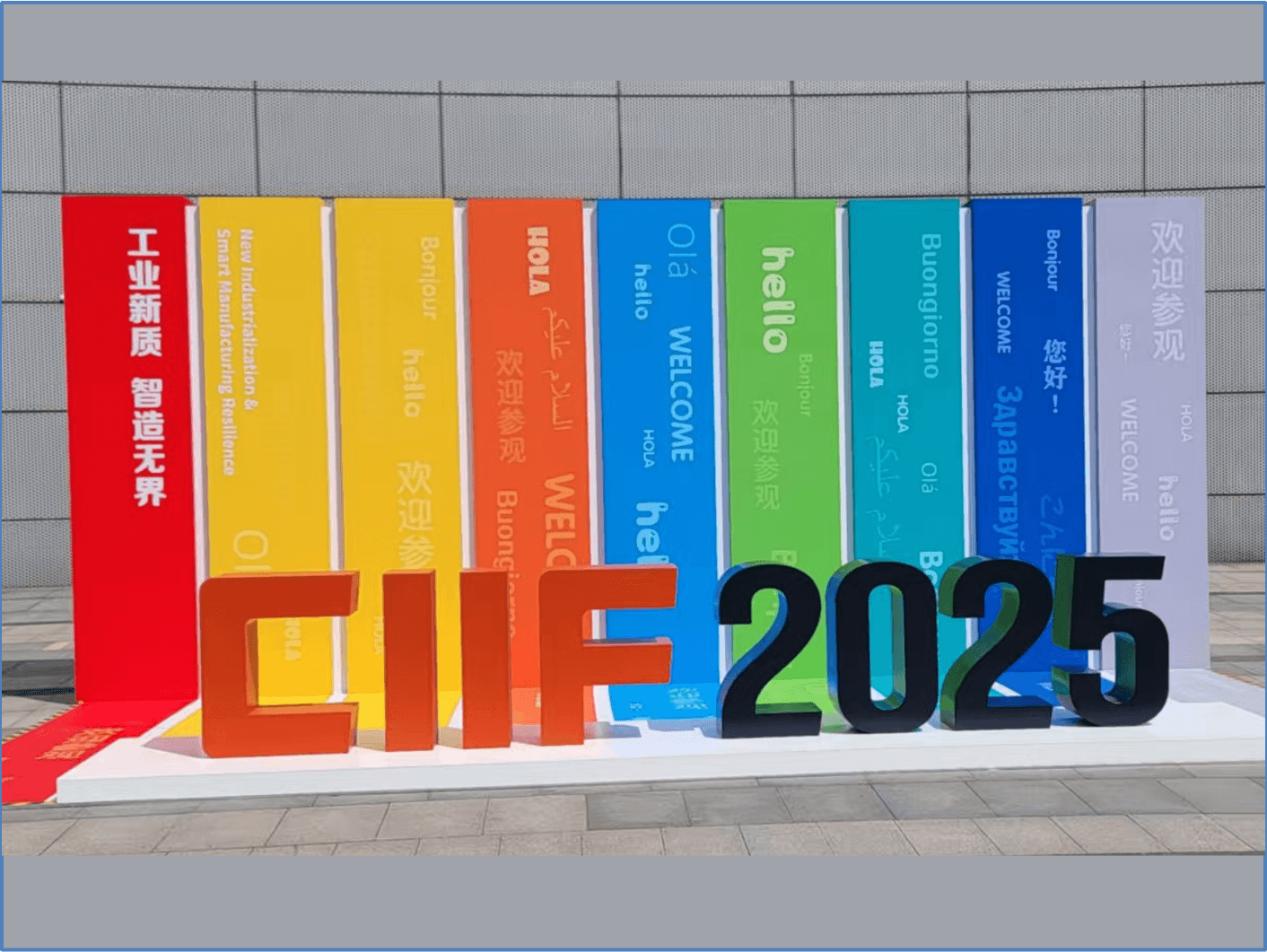
The 25th China International Industry Fair (CIIF) in Shanghai drew record crowds and thousands of new product launches, underscoring China’s ambition to lead the next wave of global manufacturing. On the show floor, the spotlight shifted away from raw hardware specs and price wars toward deployment-ready robots, embodied intelligence, and foreign brands tailoring products for China.
After two days of tours and interviews, three clear trends emerged.
1. From Price Wars to High-End Innovation
The long-running “involution” cycle—endless competition on parameters and costs—has given way to high-quality, innovation-driven growth. Exhibitors showcased robots designed for specific scenarios, green and low-carbon solutions, and cross-industry collaborations.
-
Estun debuted the ER1200-3300 heavy-payload industrial robot with dual-motor dynamic sync and proprietary IPM motors, targeting aerospace machining and full-line automotive welding.
-
Huayan Robotics unveiled the S60 collaborative robot, capable of handling 60kg payloads, optimized for AGV integration and mobile palletizing.
-
Chaifu Robotics set a global benchmark with a 5,000kg wrist-load industrial robot, lifting a Xiaomi car during its demo.
-
STEP (Xinsida) rolled out its STEP 2.0 strategy with Haier, highlighting AI-driven, full-stack capabilities across seven industries.
-
INVT showcased a digital framework spanning design, energy, and operations, simplifying complexity across mechatronics and AI.
The message: China’s robotics sector is moving from volume expansion to value creation, aiming to compete on advanced performance rather than low cost.
- Embodied Intelligence Becomes Core
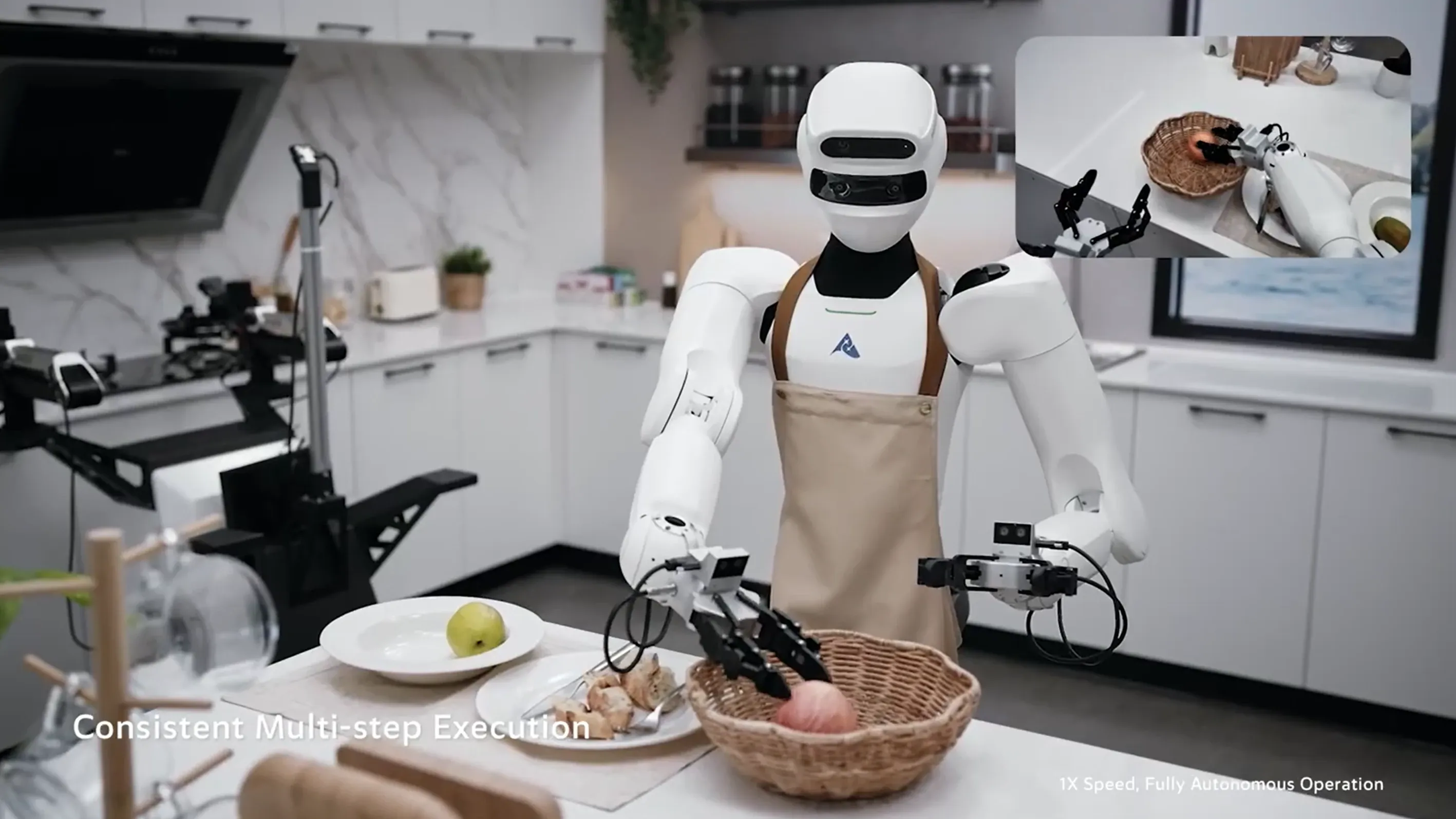
As manufacturers demand flexible production, embodied intelligence—robots that can perceive, decide, and act—has become the next frontier.
-
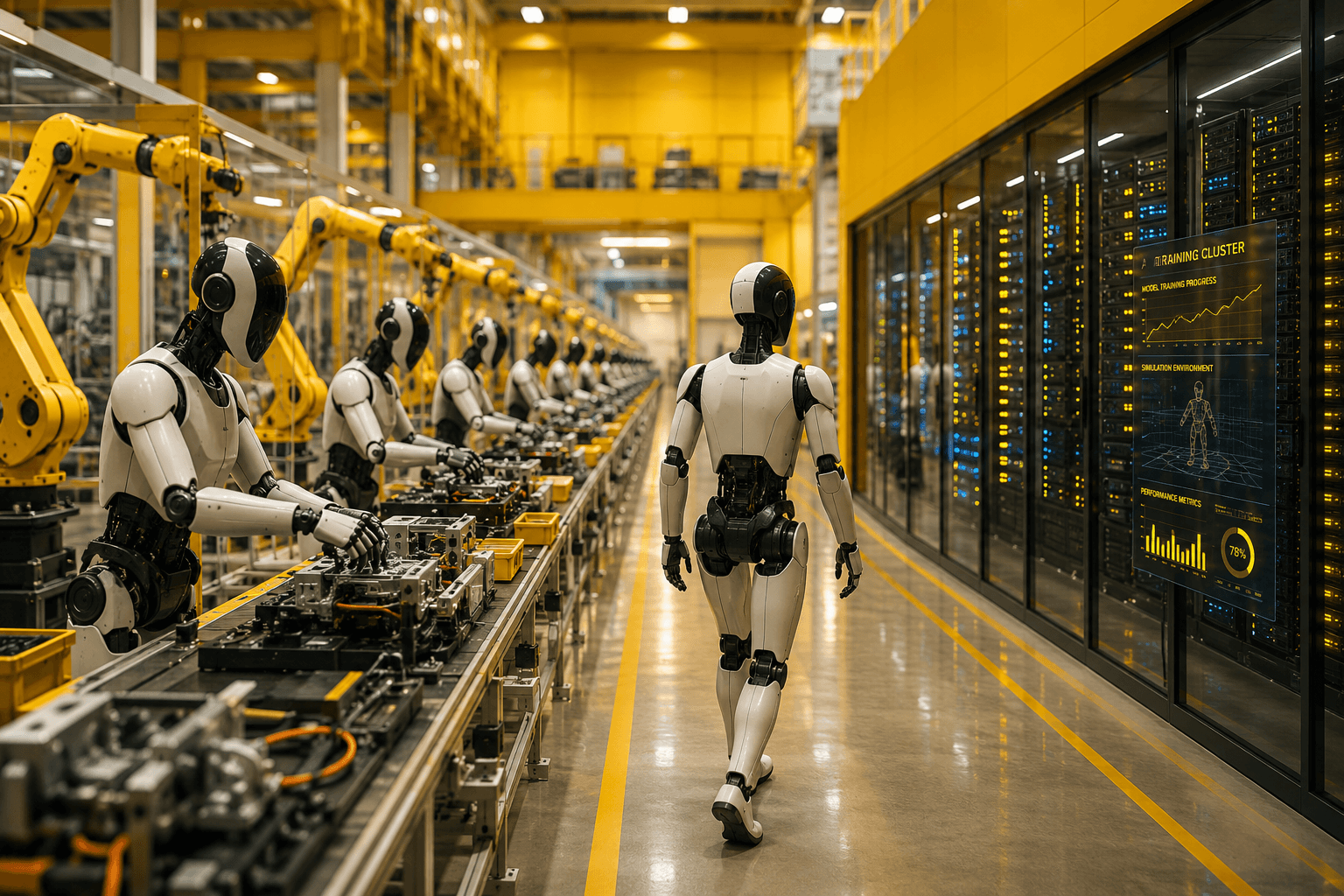
DOBOT presented a multi-form “Super Factory” where humanoids, wheeled robots, quadrupeds, and cobots collaborate under a central intelligence hub.
-
JAKA launched its EVO industrial embodied platform, integrating AI foundation models, vision, and controls into a standardized toolchain for data collection, training, and deployment.
-
Micro-Ease highlighted an end–edge–cloud architecture with a dual “fast/slow thinking” system for rapid line switching.
-
Huiling Technology unveiled HITBOT OS, with a two-tier “big brain + small brain” cognitive framework that integrates strategy generation with precision execution.
The shift is from robots as programmed executors to autonomous co-workers—a leap that could reshape the economics of automation.
- Global Brands Double Down on Localization
Foreign robotics giants are embedding more deeply in China, moving from selling into the market to co-developing with it.
-
Epson introduced the LA-A series, its first robots custom-built for China, balancing cost and performance for 3C, battery, auto parts, and food industries.
-
ABB demonstrated its OmniCore EyeMotion vision system, slashing commissioning time by up to 90% and enabling autonomous, collision-free path planning in real time.
This strategy—global technology, localized product—is helping foreign firms maintain relevance in a market increasingly defined by China’s standards and scenarios.
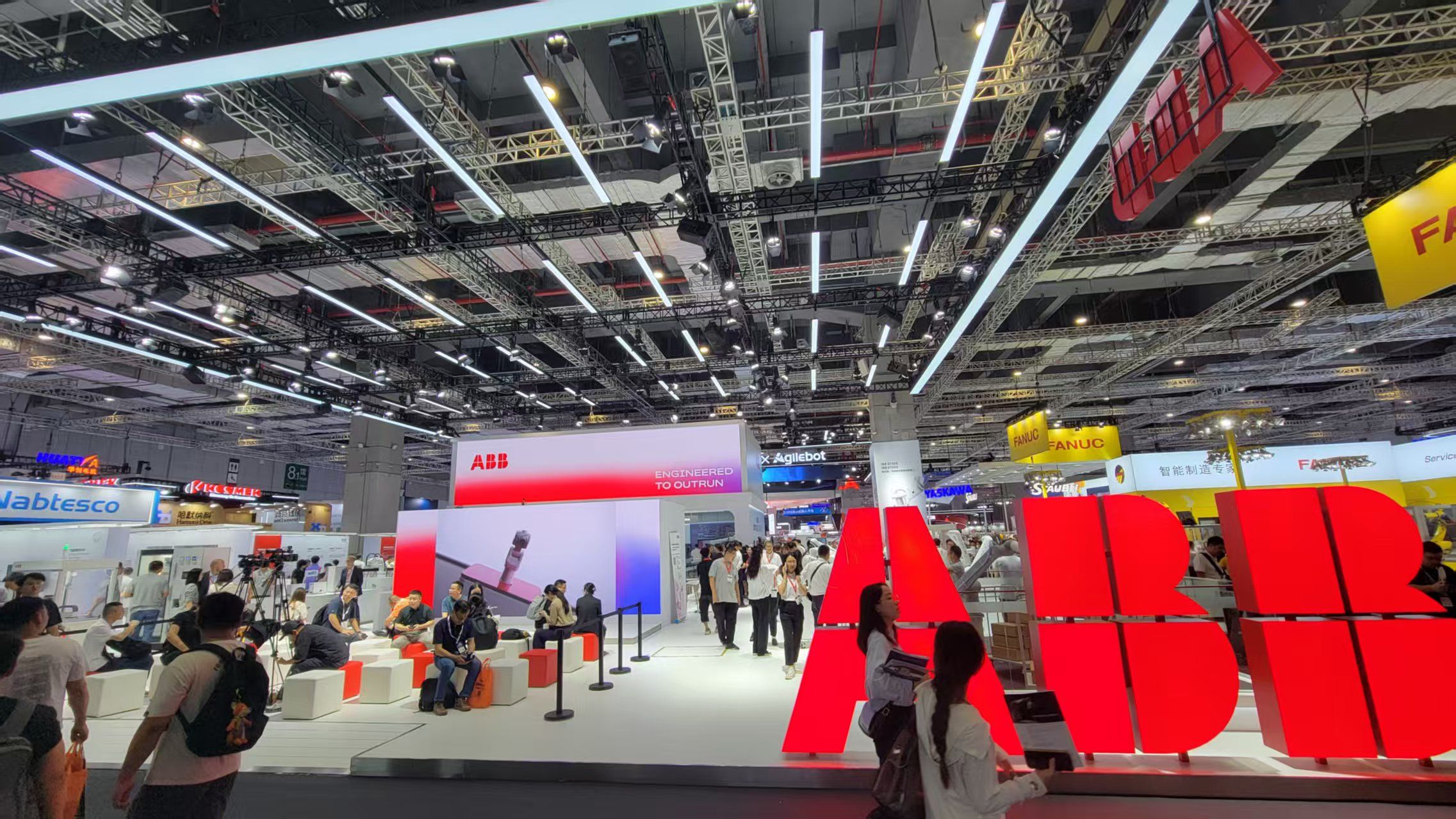
Outlook
From 1999 to 2025, CIIF’s 27-year journey reflects China’s evolution from follower to frontrunner in industrial automation. This year’s fair underscored three trajectories for the country’s robotics sector:
-
From single-product breakthroughs to full-stack systems, driven by embodied intelligence.
-
From coordination to symbiosis, as Chinese and global giants co-create ecosystems.
-
From competing on cost to shaping global standards, with heavy-payload breakthroughs and embodied platforms putting Chinese firms at the center of rulemaking.
The takeaway: China is no longer just the world’s largest robotics market—it is fast becoming a rule-setter in the global robotics industry.



Leave a comment