

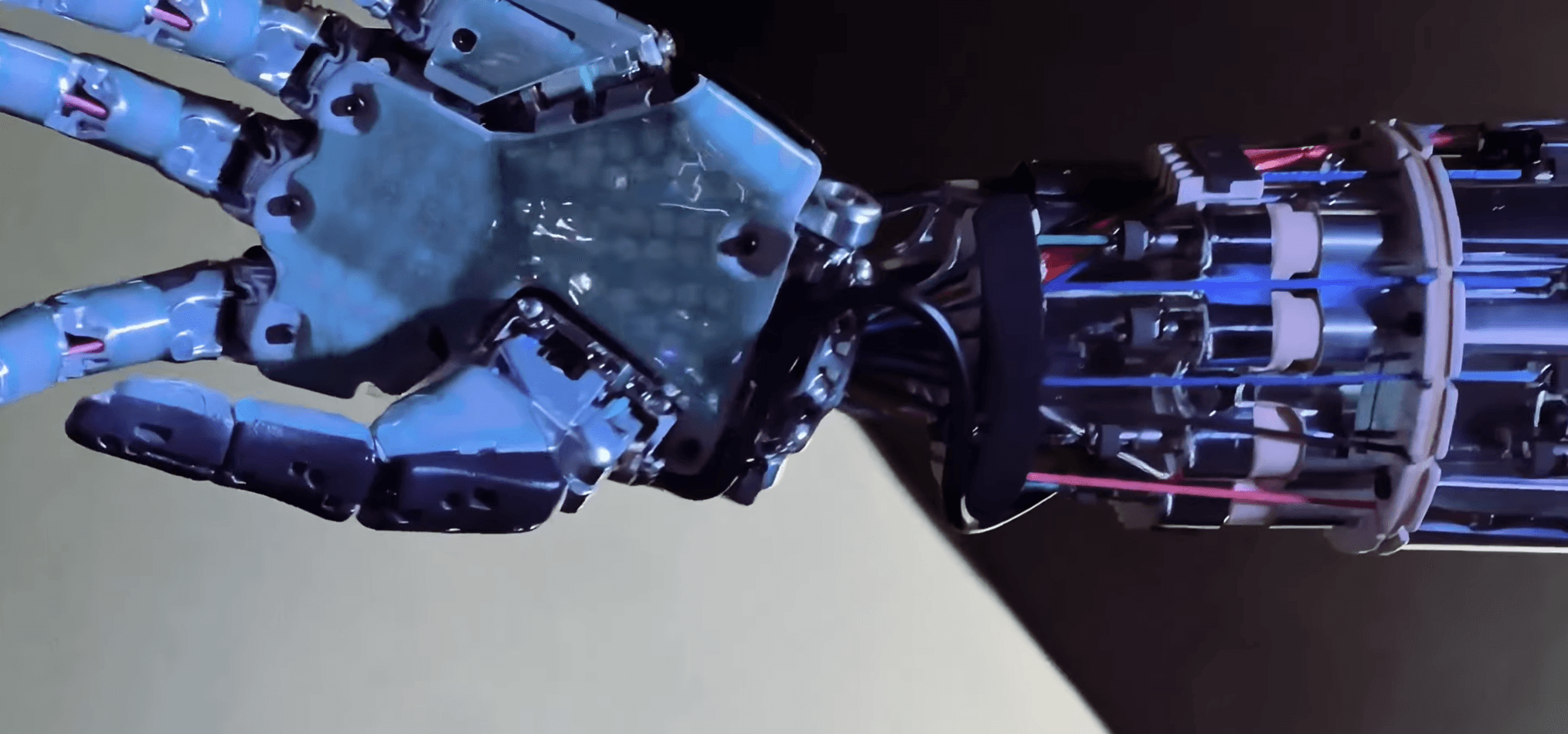
Tesla Inc.'s third-generation humanoid robot, Optimus Gen-3, is slated for a prototype finalization between late October and early November 2025. Sources suggest the latest version of the robot's dexterous hand, a critical and costly component, is testing fundamental assembly tasks—like "bolting car doors and parts gripping"—at the Fremont factory. The company is also in talks with logistics giants such as UPS to trial the robot for parcel sorting, underscoring the strategic importance of the robotic "hand" for real-world deployment.
The focus on the hand and forearm aligns with prior statements by CEO Elon Musk at the All-In Summit. The recently-released "golden Optimus" video highlights a sleeker, less bulky V3 design, where flexible materials shield most internal components, hinting at a convergence on core structural hardware. Industry speculation points to a "gearbox + lead screw + tendon drive" composite solution as the new direction.
Robot hardware expert Scott previously suggested the Tesla hand employs a hybrid approach, using tendons for flexion/extension and mechanical linkages for abduction/adduction, balancing strength, precision, and grip. This design is said to use smaller linear actuators to directly drive the "muscle tendon," avoiding the frequent bending that plagued the previous spool-and-bevel gear structure and its metal wire tendons. This transition has led analysts to confirm the continued use of metal wire for the Gen-3 tendon, now driven directly by a lead screw for linear motion, eliminating the high-frequency bending associated with a winding spool mechanism.
Further supporting a structural pivot, a recent Tesla patent on a "cable-driven, underactuated hand design" reveals algorithmic optimization of redundant degrees of freedom (DoF). The design allocates the 4 DoF in core fingers (index, middle) and 5 DoF in the thumb and pinky based on the task, preventing joint conflict. The forearms feature an integrated design utilizing a magnesium-aluminum alloy and PEEK composite material, aiming to reduce weight and address the trade-off between high DoF and battery life.
Early versions of the hand were hampered by the tendon-only transmission's responsiveness and efficiency issues. The Gen-3 is widely anticipated to fully embrace the tendon drive—mimicking the human biomechanical structure where tendons transmit force to finger bones for delicate movements. This design, valued for its high tensile strength and light weight, could enhance the robot's flexibility and natural movement.
However, supply chain reports indicate the Gen-3's work duration without failure is only about 500 hours, far short of the 2,000-hour industry standard for industrial-grade systems. The new design reportedly requires an increase in the number of miniature ball screw sets per hand from 13 to 17, suggesting a potential return to a rotary actuator solution.
Supply Chain Race and Cost Compression
The dexterous hand remains a high-value component, accounting for over 30% of a humanoid robot's cost. Optimizing its supply chain is crucial for mass production viability. Tesla's bill of materials (BOM) cost target for the hand is an aggressive drop from the initial $12,000 to under $3,000. While a site audit has been delayed until October, Tesla's next move will likely focus on accelerating domestic (China) replacement for core components, establishing a model of direct supply for core parts + general assembly integration. This strategy is essential for laying the groundwork for the 2026 mass production goal, which targets a total robot price of $20,000–$25,000.
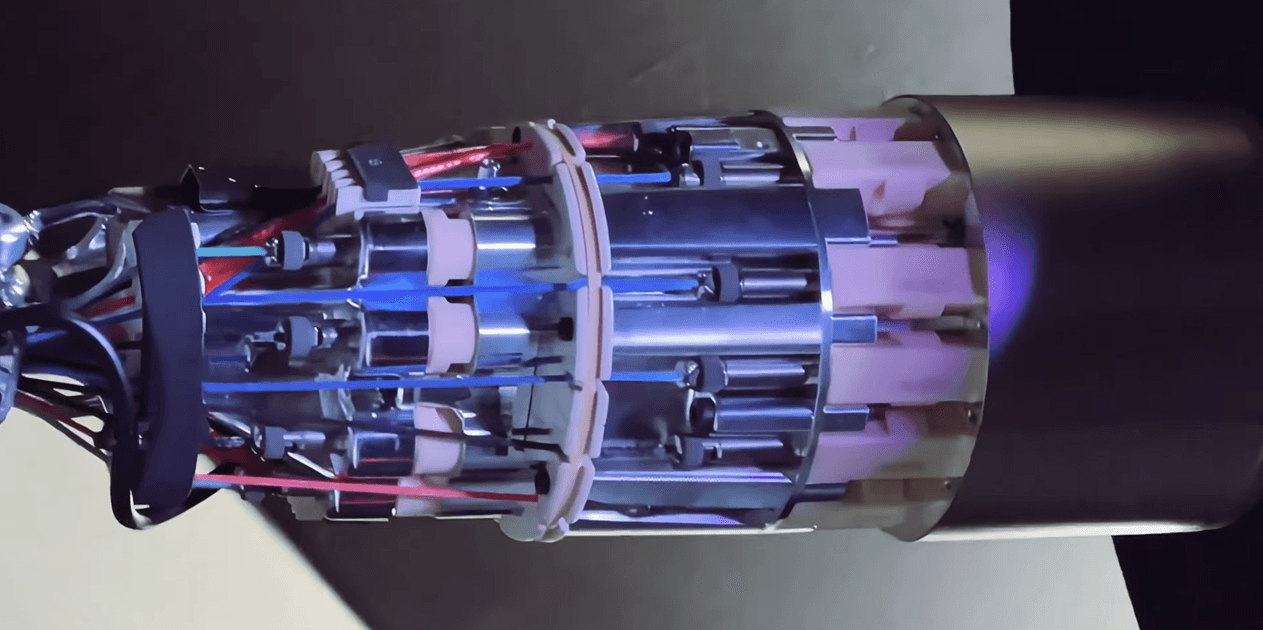
Below is a snapshot of companies poised to benefit from this technological and supply chain shift.
Key Potential Beneficiaries:
Tuopu Group
Tuopu is an exclusive Tier 1 supplier for Tesla’s linear actuator assembly and is rumored to be in line for an exclusive global contract for the robot's joint modules, providing linear actuators, frameless torque motors, and integrated joint modules. The company has reportedly secured a ¥3 billion ($410 million) rotating joint order for 2026 delivery. Tuopu's latest Gen-3 components are said to be smaller and lighter than their Gen-2 predecessors.
Despite a visa-related delay pushing Tesla's factory audit in China to late October, the Mexico audit is ongoing, with an expected production launch in Q3 2025 and a planned annual capacity of 1 million units. Tesla is tightening its strategic partnership with integrators like Tuopu, which is tasked with the final assembly and testing of the actuator modules, allowing Tesla to set the overall design standard while domestic suppliers focus on individual component production. The immediate priority is the "mass production certification" of these suppliers, focusing on product stability and capacity ramp-up.
Wuzhou New Spring Group
Wuzhou New Spring specializes in bearings and thermal management system parts. In its bearing division, the company has prioritized the research and development of planetary roller screws, having developed miniature screws for dexterous hands and linear actuators. The company entered Tesla's supply chain in 2022 as a designated supplier of drive motor bearing races for North American models. Market chatter suggests Wuzhou New Spring is indirectly supplying linear actuator components to Optimus through a partnership with Xinjian Electric Drive. A March 2024 strategic agreement with Hangzhou Xinjian Electric Drive aims to further advance the production of planetary and miniature ball screws, aligning the company with the rapidly growing AI hardware sector.
Jundingda
Jundingda specializes in modified polymer protective materials, supplying functional protective sleeves for harsh environments—like automotive, construction, and rail—that require extreme bending resistance and high abrasion and fatigue performance. The company’s core value lies in its potential to solve friction and interference issues critical to tendon drive systems. This makes its materials a strong candidate for protecting the internal wiring harness and tendon drive links within the humanoid robot. In September, the company acknowledged the potential for its products in the hands and wire harness systems of humanoid robots, though it did not name specific clients.
Zhaowei Machinery & Electronics
A domestic leader in miniature drive systems, Zhaowei has developed the ZWHAND series of dexterous hands as a core execution component for robotics and industrial automation. The company boasts a unique "joint-internal power unit" design, integrating the motor, gearbox, and sensor into the finger joint, reducing volume by 30% compared to conventional solutions to meet the robot's lightweighting requirements. Zhaowei has secured 57 patents in the dexterous hand space through September 2025, covering transmission and servo control. The company's July 2025 product launch introduced the 17-20 DoF DM series (direct drive) and the 6 DoF LM series (underactuated). The DM series utilizes self-developed hollow-cup motors at the finger base and stepper motors at the joints. The transmission employs a first-stage planetary gearbox with a ball screw and push rod to convert rotary motion to linear motion, a highly integrated, space-saving design.









Leave a comment