Search Result for: https://interestingengineering.com/culture/19th-century-dental-prosthetic-found

World’s first tower crane 3D printer can build concrete high-rise up to 328 feet tall
An Australian company specializing in robotics and 3D printing has made headlines by unveiling the world’s first fully automated tower crane. This groundbreaking innovation was presented at a technology expo held in Sydney on October 15, 2023. The crane aims to revolutionize the construction industry by enhancing efficiency and safety on job sites. Developed to address the growing demand for automation in construction, the crane operates independently, reducing the need for manual labor and minimizing human error. The technology behind the crane integrates advanced robotics with 3D printing capabilities, allowing for precise construction processes and the ability to adapt to various building designs. Industry experts believe this innovation could significantly lower construction costs and timelines while improving overall project outcomes. The company’s CEO emphasized that the automated tower crane represents a major step forward in modernizing construction practices, highlighting its potential to transform how structures are built in the future.

Video: New humanoid robot shows firefighting skills while tackling tough terrain
Deep Robotics, a Chinese robotics company, has unveiled a new video that highlights the advanced capabilities of its latest robotic innovations. The video, released recently, demonstrates the robots' enhanced functionalities and applications in various sectors. This showcase aims to illustrate the company's commitment to pushing the boundaries of robotics technology and to attract potential investors and partners. By presenting these advancements, Deep Robotics seeks to position itself as a leader in the rapidly evolving field of robotics, emphasizing its role in addressing complex challenges across industries.
US firm launches hypersonic coating that holds up to 800°F in extreme heat zones
Cambium, a U.S. aerospace defense company, has unveiled its latest innovation, the ApexShield 3000, a high-temperature coating engineered to enhance the durability and performance of aerospace components. This announcement was made during a press conference held on October 15, 2023, at the company's headquarters in Arlington, Virginia. The ApexShield 3000 is designed to withstand extreme temperatures, addressing the growing demand for advanced materials in the aerospace sector. By improving resistance to heat and wear, this coating aims to extend the lifespan of critical components, thereby increasing safety and efficiency in aerospace operations. The development of ApexShield 3000 reflects Cambium's commitment to advancing aerospace technology and meeting the evolving needs of the industry.

Taiwan unveils AI drone navigation system that flies through GPS jamming
Taiwan’s Aerospace Industrial Development Corporation (AIDC), a state-backed entity, has introduced an innovative AI-powered navigation system aimed at enhancing the capabilities of its aerospace technology. This announcement was made during a press conference held on October 15, 2023, in Taichung, Taiwan. The new system is designed to improve the safety and efficiency of aircraft operations, reflecting AIDC's commitment to advancing the nation’s aerospace industry amid growing global competition. By integrating artificial intelligence into navigation processes, AIDC aims to streamline flight operations and reduce the risk of human error. The development of this technology comes as part of Taiwan's broader strategy to bolster its defense capabilities and maintain technological sovereignty in the face of regional tensions.

Post-00s entrepreneurs take center stage at 36Kr offline event: "Go big or go home."
On the evening of May 29, 36Kr and Light Source Capital hosted the second offline gathering titled "TokenAge" in Beijing, focusing on the impact of AI on productivity rather than just token consumption metrics. The event featured four prominent guests from the AI startup scene: Huang Yi, founder of RoboParty, which specializes in open-source bipedal robots; Zheng Jiaxi, founder of Eup Robotics, developing underwater inspection robots for offshore energy platforms; Jin Ruofan, founder of Science Intelligence, exploring AI applications in scientific research; and Huang Xinxin, head of Light Source Capital's 3i Innovation Incubator. The gathering highlighted the challenges faced by young entrepreneurs in the AI sector, emphasizing the need for rapid product delivery and clear commercialization strategies. Attendees, including entrepreneurs and investors, engaged in discussions about how companies should reorganize in the AI era and why AI has yet to significantly enhance organizational efficiency. Light Source Capital's CEO, Zheng Xuanle, noted that AI represents a fundamental shift in productivity, akin to electricity, and is driving innovation across various sectors. The event underscored the importance of understanding AI's potential and the necessity for organizations to adapt to its rapid evolution. As AI becomes increasingly integrated into business processes, the focus will shift from merely adopting technology to fostering a culture of innovation and strategic thinking among teams. The evening concluded with each guest setting ambitious goals for the coming year, reflecting their commitment to advancing their respective fields within the AI landscape.

OpenAI partners with US govt for bio-weapons detection and threat preparedness
OpenAI has unveiled a new biodefense initiative that leverages its advanced AI model, GPT-Rosalind, designed for specialized frontier reasoning. This initiative aims to enhance the understanding and response to biological threats, reflecting a growing concern over global health security. The launch took place in October 2023, as part of OpenAI's commitment to applying cutting-edge technology to address pressing societal challenges. By utilizing GPT-Rosalind, researchers and policymakers will be able to analyze complex biological data more effectively, facilitating informed decision-making in biodefense strategies. This development underscores the importance of integrating artificial intelligence into public health efforts, particularly in an era marked by increasing biological risks.

New humanoid robot brings advanced perception and manipulation to industrial droids
A Vietnamese technology company has introduced its newest humanoid robot, the VR-H3, during the IEEE International Conference on Robotics and Automation held in Paris. The unveiling took place on May 23, 2023, showcasing the company's commitment to advancing robotics and artificial intelligence. The VR-H3 is designed to assist in various tasks, including healthcare support and customer service, reflecting the growing demand for automation in diverse sectors. This innovation aims to enhance efficiency and improve service delivery, addressing labor shortages and increasing productivity. The development of the VR-H3 involved extensive research and collaboration with experts in robotics, highlighting the company's dedication to integrating cutting-edge technology into practical applications.

Lockheed’s 10-foot containerized launcher shoots down 1,320-pound attack drone
Lockheed Martin has achieved a significant milestone by successfully intercepting a Group 3 one-way attack drone using its advanced Joint All-Domain Command and Control (JADC2) system. This event took place during a recent test, showcasing the effectiveness of the technology in enhancing defense capabilities. The demonstration was conducted to validate the system's ability to detect, track, and neutralize aerial threats, reflecting the growing importance of counter-drone measures in modern warfare. The successful interception underscores Lockheed Martin's commitment to advancing military technology and improving national security. This achievement not only highlights the company's innovative approach but also addresses the increasing challenges posed by unmanned aerial vehicles in conflict scenarios.
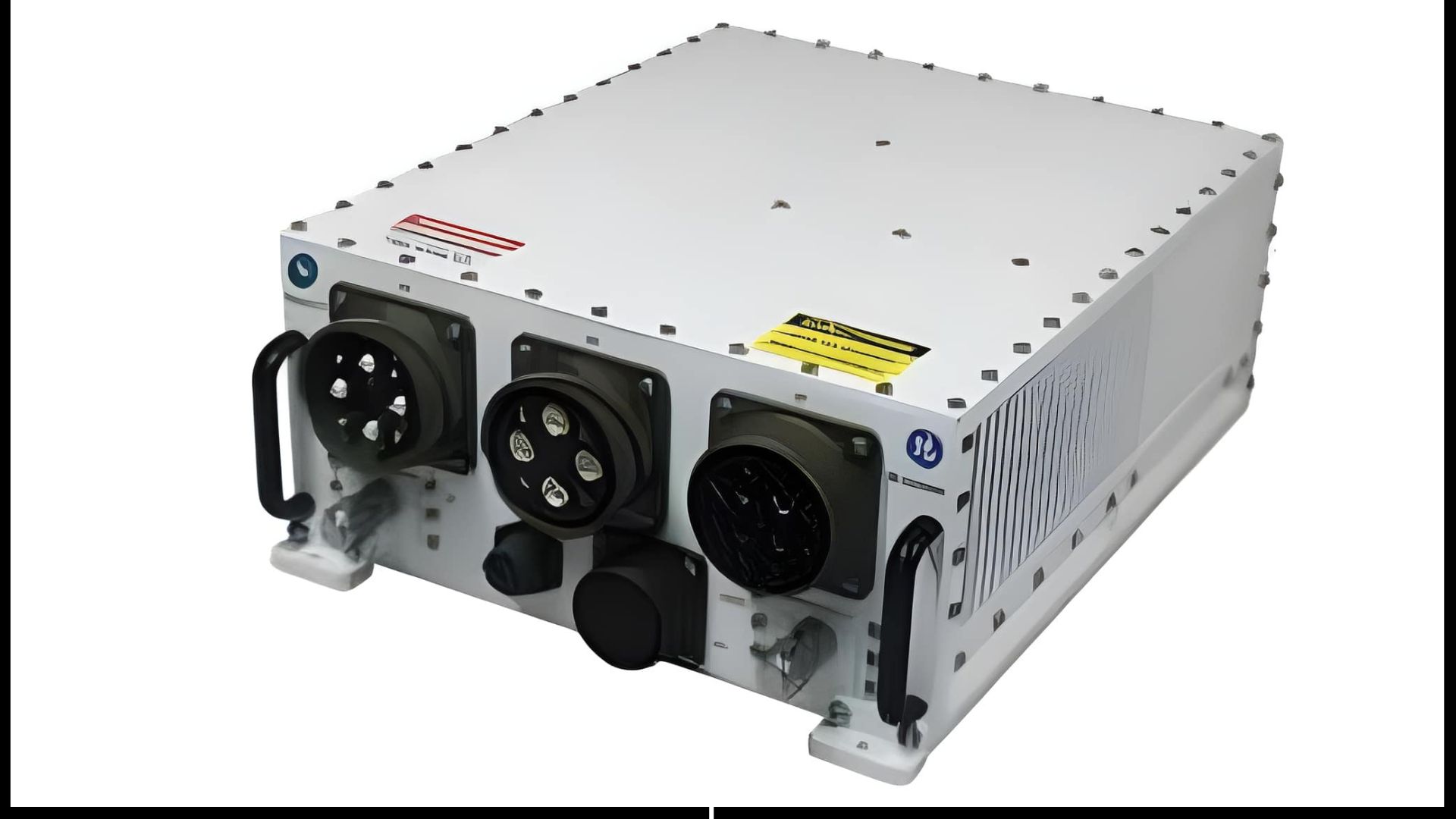
GE Aerospace qualifies 600-volt power systems for next-generation US Army vehicles
GE Aerospace has successfully qualified two high-voltage power electronics systems intended to enhance the capabilities of the U.S. Army. This significant development was announced recently, marking a crucial step in advancing military technology. The systems are designed to improve power management and efficiency for various applications within the Army's operations. By integrating these advanced power electronics, GE Aerospace aims to support the Army's mission to modernize its equipment and enhance operational readiness. The qualification process involved rigorous testing to ensure reliability and performance standards were met, demonstrating GE Aerospace's commitment to delivering innovative solutions for defense applications.

China’s robot therapy helps kids with neurological disorders stand up without assistance
A groundbreaking lightweight robotic device has enabled children suffering from spinal muscular atrophy (SMA) to reach significant developmental milestones. This innovative technology was introduced during a recent clinical trial conducted at a leading pediatric rehabilitation center. The device, designed to assist with mobility and physical therapy, aims to enhance the quality of life for these children by promoting movement and independence. The trial, which took place over several months, involved a group of young participants diagnosed with SMA. Researchers observed notable improvements in their physical capabilities, allowing them to engage in activities that were previously challenging or impossible. The motivation behind this initiative stems from the urgent need to provide effective therapeutic solutions for children affected by this debilitating condition. By integrating advanced robotics with tailored rehabilitation programs, the device not only supports physical movement but also encourages social interaction among peers. The positive outcomes from this trial highlight the potential for robotic technology to transform treatment approaches for SMA and similar neuromuscular disorders. As the research progresses, the team aims to refine the device further and explore its long-term benefits, with hopes of making it widely available to families in need.
Amazon’s Proteus warehouse robot now plans tasks directly from worker text prompts
Amazon has introduced an upgraded version of its autonomous Proteus robot, designed to enhance warehouse operations by interpreting plain-language commands. This announcement was made during a recent tech showcase, highlighting the company's commitment to advancing automation in its logistics processes. The new Proteus robot aims to streamline tasks such as inventory management and product transportation within Amazon's fulfillment centers, ultimately improving efficiency and reducing operational costs. The development comes as part of Amazon's broader strategy to leverage cutting-edge technology to meet the increasing demand for faster delivery services. By enabling the robot to understand natural language, Amazon hopes to simplify interactions between human workers and machines, making it easier for staff to deploy and manage robotic assistance in their daily tasks. The Proteus robot's enhanced capabilities are expected to play a crucial role in optimizing warehouse workflows, allowing for quicker response times and improved accuracy in handling inventory. As Amazon continues to invest in automation, this latest innovation reflects the company's ongoing efforts to stay at the forefront of the e-commerce industry and address the challenges posed by rising consumer expectations.

A rainbow patchwork quilt shows agriculture from space | Space photo of the day for June 4, 2026
A vibrant patchwork of colors now blankets South Africa, as revealed in a new composite image produced from data collected by NASA's latest Earth-observing mission. This innovative imagery showcases the diverse landscapes and ecosystems of the region, highlighting the advancements in satellite technology and Earth observation capabilities. The image serves not only as a stunning visual representation but also underscores the importance of monitoring environmental changes and natural resources. By utilizing cutting-edge technology, NASA aims to enhance our understanding of the Earth's systems and promote informed decision-making regarding environmental conservation and management.

ePropelled launches new integrated propulsion unit for agricultural drones
The agricultural drone market is experiencing rapid growth, prompting manufacturers to enhance their technology to secure a larger share of this expanding sector. Recently, a new drone unit featuring advanced propulsion and power technology has been introduced, aimed at significantly improving performance in agricultural applications. This innovation is expected to meet the increasing demand for efficient and effective farming solutions, as farmers seek to leverage UAVs for precision agriculture and crop management. The launch of this cutting-edge technology underscores the industry's commitment to advancing aerial capabilities in agriculture, ultimately enhancing productivity and sustainability in farming practices.

Yamaha expands autonomous farming platform with new weed-control system for orchards and vineyards
Yamaha Agriculture is enhancing its Prospr autonomous farming platform by introducing a new herbicide attachment aimed at automating weed control in orchards and vineyards. This innovative system, developed in collaboration with Croplands Equipment, expands the platform's capabilities to include precision herbicide application. The addition is designed to assist specialty crop growers in minimizing labor demands while improving the consistency of spraying operations. This advancement reflects a growing trend in agricultural technology, focusing on efficiency and sustainability in crop management.

Yamaha Agriculture adds herbicide spraying to Prospr robot
Yamaha Agriculture has unveiled a new herbicide spraying attachment designed for its Prospr autonomous hybrid vehicle platform, enhancing the machine's functionality to facilitate automated weed control in orchards and vineyards. This innovation aims to improve agricultural efficiency and reduce labor costs, addressing the growing need for effective weed management in the farming sector. By integrating this attachment, farmers can leverage advanced technology to streamline their operations and promote sustainable practices in crop production. The introduction of this feature marks a significant step forward in the application of automation within agriculture, reflecting Yamaha's commitment to supporting modern farming techniques.

World’s first two-seat Gripen F jet can coordinate drone swarms for added lethality
Saab, the Swedish aerospace and defense company, has unveiled the world's first Gripen F fighter jet during a ceremony held at its facility in Linköping. This significant event took place recently, marking a milestone in the development of advanced military aircraft. The Gripen F, a twin-seat variant of the Gripen E, is designed to enhance operational capabilities and provide advanced training for pilots. Saab's decision to develop this model stems from the increasing demand for versatile and efficient fighter jets in modern air forces. The rollout of the Gripen F is expected to strengthen Sweden's defense capabilities and contribute to international military partnerships. The aircraft features cutting-edge technology and improved performance, positioning it as a competitive option in the global defense market.

Watch: Shanghai firm unveils 1.2m humanoid robot with dual brains and compact design
A Shanghai-based robotics company has introduced a new compact humanoid robot, signaling a significant expansion for the firm in the competitive robotics market. The unveiling took place during a technology expo in Shanghai on October 15, 2023. This innovative robot is designed to assist in various tasks, showcasing advanced artificial intelligence and mobility features aimed at enhancing productivity in both domestic and industrial settings. The company aims to address the growing demand for automation solutions, driven by an increasing labor shortage and the need for efficiency in operations. By leveraging cutting-edge technology, the firm hopes to position itself as a leader in the robotics industry, catering to a wide range of applications from personal assistance to complex industrial tasks.

Watch: Blue Diamond Growers’ IBP Journey With SAP: A Case Study
Blue Diamond Growers has successfully consolidated and digitized its demand planning processes across two distinct business units to enhance alignment with its SAP ERP suite. This initiative, aimed at improving operational efficiency, was undertaken to streamline workflows and ensure better data integration. The project reflects the company's commitment to leveraging technology for improved decision-making and resource management. By implementing this system, Blue Diamond Growers seeks to optimize its supply chain and respond more effectively to market demands, ultimately driving growth and competitiveness in the industry.

US team combines digital twins, VR to boost lunar robot performance for future missions
Researchers at the University of Colorado Boulder are pioneering the use of digital twin technology to enhance environmental monitoring and management. This innovative approach involves creating virtual replicas of physical systems, allowing scientists to simulate and analyze real-world conditions in real time. The project, which commenced in late 2023, aims to address pressing environmental challenges by providing more accurate data and predictive insights. Located in Boulder, Colorado, the initiative seeks to improve understanding of climate change impacts and resource management by integrating advanced modeling techniques with real-time data collection. The motivation behind this research stems from the urgent need to develop effective strategies for sustainability and resilience in the face of environmental degradation. By employing sensors and data analytics, the researchers are able to create dynamic models that reflect current environmental conditions, enabling stakeholders to make informed decisions. This method not only enhances the accuracy of environmental assessments but also facilitates proactive responses to potential ecological threats. The team at CU Boulder is collaborating with various stakeholders, including government agencies and conservation organizations, to ensure that the findings are applicable and beneficial for real-world applications.
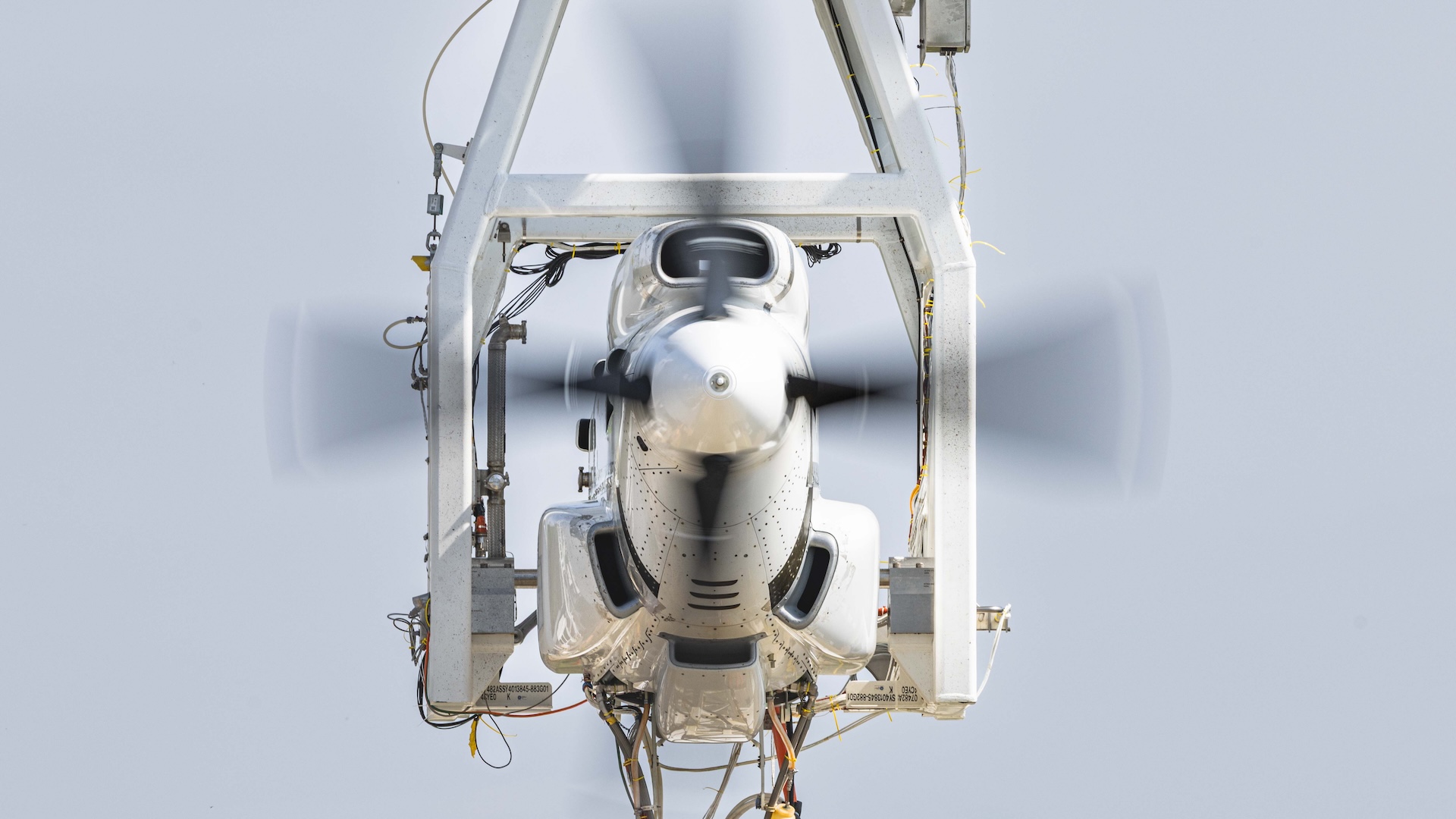
US firm uses megawatt-class hybrid-electric CT7 turboprop plane engine for tests
GE Aerospace is making significant strides in the realm of electrified flight, having recently achieved a crucial milestone in its development efforts. The company successfully completed a series of tests that demonstrate the viability of its electric propulsion systems. These tests took place in October 2023 at its state-of-the-art facility in Cincinnati, Ohio. The motivation behind this advancement is GE Aerospace's commitment to reducing carbon emissions in aviation and enhancing the efficiency of air travel. By investing in electric propulsion technology, the company aims to address the growing demand for sustainable aviation solutions while positioning itself as a leader in the industry. The testing process involved rigorous evaluations of the electric propulsion systems under various operational conditions, showcasing their reliability and performance. This achievement not only marks a pivotal moment for GE Aerospace but also contributes to the broader goal of transforming the aviation sector towards more environmentally friendly practices. As the company continues to refine its technology, it is poised to play a significant role in the future of air travel.
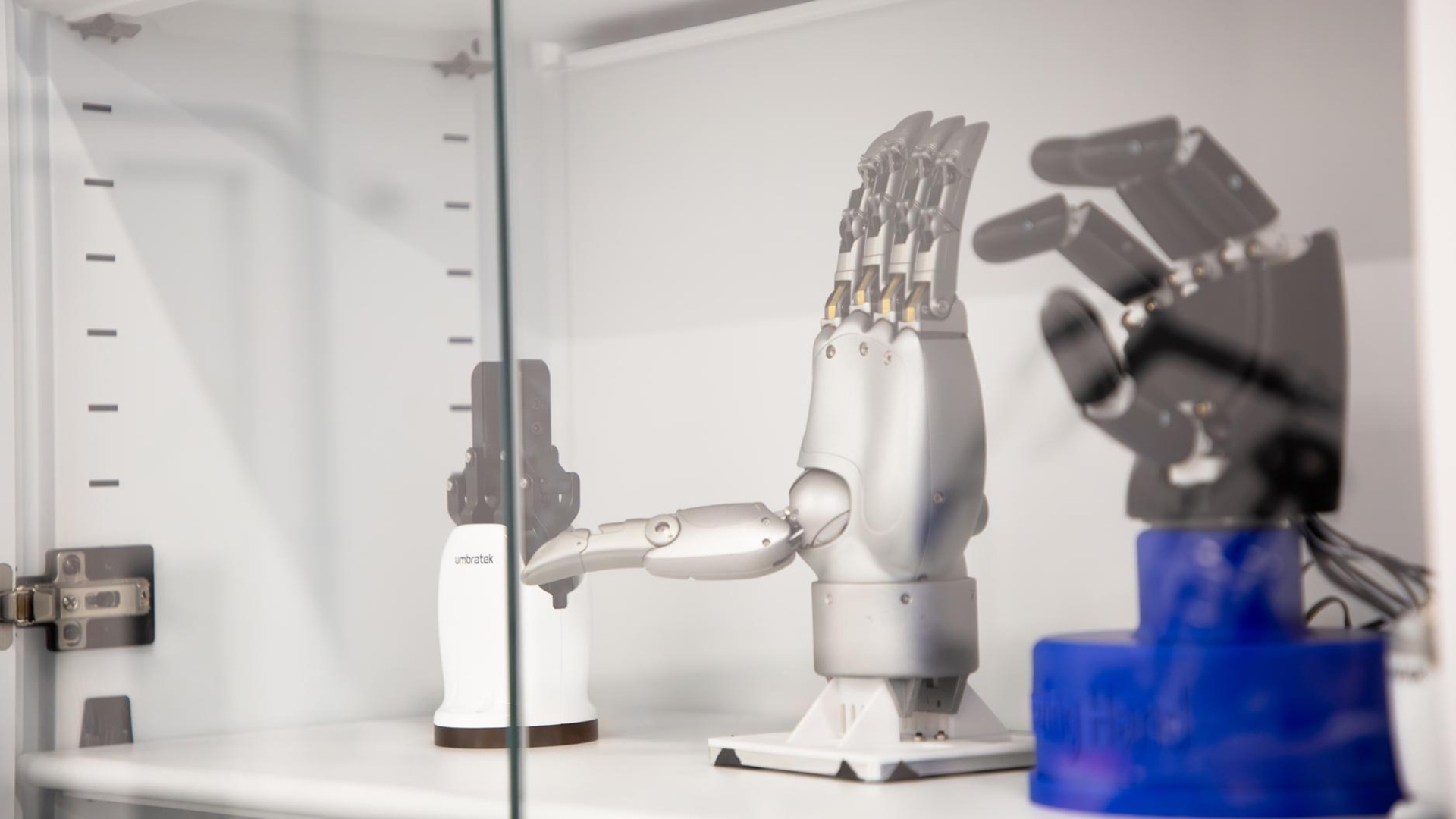
Scientists show predictable training can outperform complex robot learning data
Researchers are making significant strides in developing robots capable of manipulating objects with human-like dexterity, a challenge that has long posed difficulties in the field of robotics. This advancement is crucial as it could enhance the ability of robots to perform complex tasks in various settings, including homes, hospitals, and manufacturing plants. The ongoing work, which has gained momentum in recent months, is taking place in laboratories across the globe, where teams are experimenting with advanced algorithms and machine learning techniques. The motivation behind this research stems from the increasing demand for robots that can assist in everyday tasks, improve efficiency in industrial processes, and provide support in healthcare environments. By mimicking the intricate movements of the human hand, researchers aim to create robots that can handle delicate objects and perform tasks that require precision and adaptability. To achieve this, scientists are employing a combination of innovative hardware designs and sophisticated software programming. They are utilizing sensors and artificial intelligence to enable robots to learn from their interactions with various objects, refining their skills over time. This iterative learning process is essential for developing robots that can operate effectively in unpredictable environments. As the field progresses, the implications of these advancements could revolutionize how robots are integrated into daily life, making them more versatile and capable of performing a wider range of functions. The ongoing research highlights the potential for robots to not only assist but also enhance human capabilities in numerous domains.

Robotics firm Eternal and seed breeder Rijk Zwaan partner to optimize tomato varieties for greenhouse automation
Eternal.ag and Rijk Zwaan have announced a collaboration focused on identifying tomato varieties that can enhance robotic crop work in greenhouses. This initiative seeks to leverage the expertise of both companies to gain insights into plant characteristics that would facilitate the automation of greenhouse operations. The partnership aims to pave the way for a future where crop management is fully automated, thereby improving efficiency and productivity in agricultural practices. By combining Rijk Zwaan's extensive global experience in fruit cultivation with eternal.ag's innovative technologies, the two organizations are working together to explore the potential of various tomato strains in supporting advanced robotic systems.

From overlap to precision: How a retrofit autosteer system changed life on the farm
Frans van den Borne, an operator at the Dutch agricultural company Van den Borne Voerman based in Hooge Mierde, made a significant investment in agricultural technology three years ago by purchasing a CHCNAV NX510 retrofit autosteer system. Van den Borne had been considering the adoption of such technology for some time but was deterred by the high costs associated with other brands, specifically Trimble. The discovery of the more affordable CHCNAV system ultimately led to his decision to enhance the efficiency of his farming operations.

Boston University team wins MassRobotics Form & Function Challenge at Robotics Summit
MassRobotics recently recognized outstanding university teams and highlighted innovations in healthcare and physical AI at the Robotics Summit. Notably, a team from Boston University emerged victorious in the MassRobotics Form & Function Challenge, showcasing their exceptional skills and creativity in robotics. The event, which took place in Boston, served as a platform for startups and innovators to present their cutting-edge technologies, emphasizing the growing importance of robotics in various sectors. The initiative aims to foster collaboration and inspire future advancements in robotics, particularly in addressing healthcare challenges. Through competitions and showcases, MassRobotics continues to support and promote the development of innovative solutions in the field.

Watch: Vietnam’s first humanoid robot Dyno targets security and household roles
Vietnamese technology company VinDynamics has introduced its inaugural humanoid robot, Dyno, signaling the nation's foray into advanced robotics. The unveiling took place during a press event in Hanoi, where the company showcased Dyno's capabilities, including interactive communication and assistance in various tasks. This launch is part of VinDynamics' broader strategy to innovate and contribute to the technological landscape in Vietnam, aiming to enhance productivity and improve quality of life through automation. The development of Dyno reflects the company's commitment to leveraging cutting-edge technology to meet the growing demands of the modern workforce and to position Vietnam as a competitive player in the global robotics market.

Vantis BVLOS System Adds New Partner, FAA Waiver Across 5,000 Square Miles
Frontier Precision has received a new FAA waiver allowing it to operate any NDAA-compliant drone weighing under 55 pounds across more than 5,000 square miles of airspace managed by Vantis, North Dakota’s advanced beyond-visual-line-of-sight (BVLOS) system. This development marks Frontier Precision as the second champion operator to join the Vantis network, which aims to enhance drone operations in the region. The waiver facilitates expanded BVLOS operations within the four designated Vantis service volumes, significantly broadening the scope of drone activities in North Dakota. This partnership is expected to advance the integration of drone technology into various sectors, promoting innovation and efficiency in aerial operations.

Microsoft reboots computing with Solara OS built for agent-first device ecosystem
Microsoft is positioning itself for a transformative shift in technology, focusing on the development of advanced artificial intelligence systems. The tech giant announced its strategic initiatives during a recent event held in Redmond, Washington, where executives outlined plans to integrate AI capabilities across its product offerings. This move is driven by the increasing demand for smarter, more efficient tools that can enhance productivity and streamline workflows for businesses and consumers alike. By leveraging its existing cloud infrastructure and AI research, Microsoft aims to create innovative solutions that address evolving market needs. The company is investing heavily in research and development, collaborating with industry leaders and academic institutions to push the boundaries of what AI can achieve. As Microsoft embarks on this ambitious journey, it seeks to redefine user experiences and establish itself as a leader in the next generation of technology.

Majorana 2 quantum chip unlocks 1,000x stability, keeps qubits alive 20 seconds
Microsoft has announced the launch of Majorana 2, its latest quantum chip, which boasts a remarkable 1,000-fold enhancement in qubit performance. This significant advancement in quantum computing technology was revealed during a press event held on October 25, 2023, at the company’s headquarters in Redmond, Washington. The development of Majorana 2 aims to address the growing demand for more powerful and efficient quantum processors, as researchers and businesses increasingly seek to harness the potential of quantum computing for complex problem-solving and data processing. By improving qubit stability and coherence times, Microsoft hopes to accelerate breakthroughs in various fields, including cryptography, materials science, and artificial intelligence. The Majorana 2 chip is expected to play a crucial role in advancing the company’s quantum computing initiatives, positioning Microsoft as a leader in this rapidly evolving technological landscape.

Elbit Systems acquires Bluewhite: a new chapter for autonomous farming
Israeli defense and technology firm Elbit Systems has finalized its acquisition of Blue White Robotics, commonly referred to as Bluewhite, through its subsidiary FUSE. This strategic move, completed recently, positions Elbit to enhance its capabilities in the rapidly growing field of autonomous vehicle technology, particularly for agricultural applications. Founded in 2017 and based in Tel Aviv, Bluewhite has garnered recognition as a leading innovator in this sector, making the acquisition a significant step for Elbit in expanding its technological portfolio and market reach.

Design, Development, and Field Testing of a Tomato Bunch Harvesting Robot
The Journal of Field Robotics has recently published an early view article highlighting advancements in robotic technology. This publication, which emerged in October 2023, focuses on the innovative applications of robotics in various fields, including agriculture, search and rescue, and environmental monitoring. Researchers and engineers from leading institutions contributed to the study, aiming to address pressing challenges faced in these sectors. The article emphasizes the importance of integrating advanced algorithms and machine learning techniques to enhance the efficiency and effectiveness of robotic systems. By showcasing real-world applications, the authors illustrate how these technologies can improve productivity and safety, particularly in hazardous environments. The motivation behind this research stems from the increasing demand for automation and precision in industries that require high levels of accuracy and reliability. As global challenges such as climate change and food security become more pronounced, the role of robotics is becoming increasingly vital. Through a combination of theoretical analysis and practical experimentation, the study presents a comprehensive overview of the current state of robotic technology and its potential future developments. This early view article serves as a significant contribution to the ongoing discourse in the field of robotics, paving the way for further innovations that could transform multiple industries.

Custom-trained AI locks laser onto mosquitoes, eliminates pests in real time
A computer vision and robotics enthusiast has unveiled an innovative AI-powered laser system designed to detect and identify objects with remarkable precision. This groundbreaking technology, which was introduced during a tech conference in San Francisco on October 15, 2023, aims to enhance automation and safety in various industries, including manufacturing and security. The motivation behind this development stems from the increasing demand for advanced automation solutions that can improve operational efficiency and reduce human error. By integrating artificial intelligence with laser detection, the system can analyze its surroundings in real-time, allowing for swift and accurate responses to potential hazards or operational needs. The creator demonstrated the system's capabilities through a series of live tests, showcasing its ability to recognize different objects and respond accordingly. This innovative approach not only promises to streamline processes but also addresses safety concerns by minimizing the risk of accidents in environments where precision is critical. As industries continue to evolve with technology, this AI-powered laser system represents a significant step forward in the quest for smarter, safer operational tools. The developer hopes that this invention will inspire further advancements in robotics and computer vision, ultimately leading to a more automated and secure future.

China: Pudu unveils semi-humanoid learning robot built to transform factory automation
Chinese robotics company Pudu has introduced a next-generation industrial semi-humanoid robot aimed at enhancing manufacturing processes. The unveiling took place at a technology expo in Shanghai on October 15, 2023. This innovative robot is designed to improve efficiency and productivity in factories, addressing the growing demand for automation in the manufacturing sector. Pudu's latest development incorporates advanced AI and machine learning capabilities, allowing the robot to adapt to various tasks and environments seamlessly. By leveraging cutting-edge technology, the company aims to support manufacturers in overcoming labor shortages and increasing operational efficiency. The introduction of this semi-humanoid robot marks a significant step forward in the integration of robotics within industrial settings, reflecting Pudu's commitment to leading the way in automation solutions.

Cambridge’s new robot could help solve millions of years old evolution mystery
A team of scientists from Cambridge University has unveiled a groundbreaking robot designed to assist in unraveling complex biological processes. This innovative technology, introduced on October 15, 2023, aims to enhance research in the field of genetics and molecular biology. The robot operates by automating intricate laboratory tasks, which traditionally required significant human intervention, thereby increasing efficiency and accuracy in experiments. The motivation behind this development stems from the growing need for advanced tools that can accelerate scientific discovery and improve the understanding of genetic disorders. By streamlining repetitive tasks, the robot allows researchers to focus on more critical aspects of their studies, potentially leading to faster breakthroughs in medical research. The team utilized cutting-edge artificial intelligence and machine learning algorithms to program the robot, enabling it to adapt and learn from its environment. This adaptability is expected to make the robot a valuable asset in various research settings, paving the way for more innovative approaches to tackling biological challenges. As the scientific community continues to seek solutions to pressing health issues, this robot represents a significant step forward in leveraging technology to enhance research capabilities and outcomes.

Young children see meaning in human looks but not in robot gazes, new study finds
A recent study conducted by researchers has revealed that young children are highly adept at following the gaze of others, demonstrating a natural inclination to understand social cues. The research, which took place in various settings involving preschool-aged children, aimed to explore the developmental aspects of gaze-following behavior. The findings indicate that this ability emerges early in childhood, suggesting that children are instinctively tuned to the attention of those around them. This skill is crucial for social interaction and communication, as it helps children learn about their environment and the intentions of others. The study highlights the importance of social engagement in early childhood development, emphasizing that children benefit from observing and interpreting the actions and focus of adults and peers. By understanding where others are looking, children can enhance their learning experiences and navigate social situations more effectively. This research contributes to the broader understanding of cognitive development in young children and underscores the significance of social learning in early years. The implications of these findings could influence educational strategies and parenting approaches, fostering environments that encourage social interaction and engagement.

US military’s high-performing defense products could soon be built with next-gen ceramic
A Virginia-based company is poised to enhance research on ceramic materials specifically designed for extreme aerospace and defense applications. This initiative, which aims to improve the performance and durability of materials used in high-stress environments, is expected to significantly contribute to advancements in technology for military and aerospace sectors. The firm plans to leverage its expertise and innovative approaches to develop new ceramic composites that can withstand extreme temperatures and pressures. This research is part of a broader effort to address the increasing demands for advanced materials in defense and aerospace, where reliability and resilience are critical. The project is anticipated to unfold over the coming months, with the potential to reshape material science in these high-stakes industries.

Stanford’s new iISM microscope images living cells at 120-nanometer resolution
Researchers at Stanford University have developed an innovative microscope that can image nanostructures within living cells, marking a significant advancement in cellular imaging technology. This breakthrough was announced in October 2023 and aims to enhance our understanding of cellular processes at the nanoscale. By enabling scientists to observe these structures in real-time, the new microscope offers insights into cellular functions and interactions that were previously difficult to study. The motivation behind this development is to provide a more detailed view of cellular mechanisms, which could lead to advancements in medical research and treatments. The microscope employs advanced imaging techniques that allow for high-resolution visualization of nanostructures, paving the way for new discoveries in biology and medicine.

Royal Navy deploys Defender mine-hunting robot for Strait of Hormuz operations
The Royal Navy is set to deploy the Video Ray Defender, an advanced autonomous underwater robot, as part of its ongoing efforts to enhance maritime security. This deployment is scheduled for later this month, with operations taking place in various strategic locations to bolster surveillance and reconnaissance capabilities. The initiative aims to address increasing concerns over underwater threats and improve response times in maritime operations. By utilizing cutting-edge technology, the Royal Navy intends to streamline underwater missions, allowing for more efficient data collection and analysis. The introduction of the Video Ray Defender marks a significant step in the Royal Navy's modernization efforts, reflecting a commitment to incorporating innovative solutions in national defense strategies.

Photos | Robots, drones and packed fields at Dutch Arable Farming Day
The Arable Farming Day, organized in Lelystad, Flevoland, on May 28, attracted over 1,000 attendees who engaged in various demonstrations, field tours, presentations, and exhibitor displays. The event, held under sunny skies, showcased a diverse array of agricultural practices, drawing significant interest from visitors. Organizers expressed satisfaction with the turnout and the positive feedback received, highlighting the importance of such events in promoting advancements in arable farming.
Performance Evaluation of Different Laser SLAM Algorithms for Unmanned Mining Vehicles
A recent study published in the Journal of Field Robotics highlights advancements in robotic technology aimed at improving agricultural efficiency. Researchers from a leading university conducted experiments to develop autonomous robots capable of performing tasks such as planting, weeding, and harvesting crops. The study, which took place over the summer of 2023, was conducted on various farms in California, showcasing the robots' adaptability to different agricultural environments. The motivation behind this research stems from the increasing demand for sustainable farming practices and the need to address labor shortages in the agricultural sector. By integrating advanced sensors and artificial intelligence, the robots are designed to optimize crop yields while minimizing resource use. The research team employed a series of field trials to test the robots' performance, collecting data on their effectiveness and efficiency compared to traditional farming methods. Preliminary results indicate that these autonomous systems can significantly reduce labor costs and increase productivity, offering a promising solution for modern agriculture. As the agricultural industry faces challenges such as climate change and population growth, this innovative approach could play a crucial role in ensuring food security and sustainability in the coming years. The findings from this study are expected to pave the way for further developments in agricultural robotics, potentially transforming the way food is produced globally.

New wearable ground station shrinks FPV drone control system by over 50%
A defense technology company based in Los Angeles has introduced an innovative wearable ground control station designed for first-person-view (FPV) drone operations. This cutting-edge device was unveiled during a recent technology expo, showcasing its potential to enhance the capabilities of drone operators in various fields, including military and emergency response. The wearable station aims to provide users with a more immersive and intuitive control experience, allowing for improved situational awareness and operational efficiency. By integrating advanced technology into a portable format, the company seeks to address the growing demand for effective drone management solutions in dynamic environments. The launch reflects the company's commitment to advancing defense technology and meeting the evolving needs of its clients.

New plasma-powered rocket design could make solid motors restartable
The Aerospace Corporation is making significant strides in the development of a restartable solid rocket motor (RSRM), a technology that could enhance the flexibility and efficiency of space missions. This innovative motor design allows for multiple ignitions, which could be crucial for various applications, including satellite deployment and deep-space exploration. The advancements come as part of ongoing efforts to improve propulsion systems in the aerospace industry. The research and testing phases are currently taking place at the company’s facilities in California, with the aim of addressing the growing demand for more adaptable and reliable rocket systems. By enabling rockets to be restarted in-flight, the RSRM could revolutionize mission planning and execution, ultimately contributing to more cost-effective and sustainable space operations. The Aerospace Corporation's work in this area reflects a broader trend in the aerospace sector, where the need for versatile and efficient technologies is becoming increasingly critical as space exploration continues to expand.

New 10-watt antenna helps underwater robots communicate across 2,296 feet
Researchers have developed an innovative antenna system aimed at enhancing communication between underwater robots, particularly in challenging environments such as murky waters. This advancement comes as part of ongoing efforts to improve the efficiency and effectiveness of robotic operations in marine settings. The new system was unveiled during a technology conference held in San Diego on October 15, 2023. The motivation behind this development stems from the increasing reliance on underwater robots for various applications, including environmental monitoring, search and rescue missions, and marine research. Traditional communication methods often struggle in low-visibility conditions, which can hinder the performance of these robots. The newly designed antenna system utilizes advanced signal processing techniques to facilitate clearer and more reliable communication between multiple robots operating simultaneously. By overcoming the limitations posed by murky water, this technology promises to enhance collaborative efforts among underwater robots, leading to improved outcomes in their respective missions. As the demand for autonomous underwater vehicles continues to grow, this breakthrough could play a crucial role in advancing the capabilities of marine robotics, ultimately contributing to better data collection and exploration of underwater environments.

NVIDIA unveils full-stack platform for humanoid robots, robotaxis and smart factories
NVIDIA has introduced a comprehensive range of technologies designed to enhance the development of physical artificial intelligence. The announcement was made during a recent event, showcasing the company's commitment to advancing AI capabilities. This initiative aims to address the growing demand for more efficient and powerful AI systems across various industries. By leveraging its cutting-edge hardware and software solutions, NVIDIA seeks to empower developers and researchers to create innovative applications that can operate in real-world environments. The unveiling of these technologies marks a significant step forward in the integration of AI into everyday life, highlighting NVIDIA's role as a leader in the tech industry.

How HGHY Pulp Molding Production Lines Are Reshaping Sustainable Manufacturing
As global manufacturers increasingly prioritize sustainable production, HGHY's pulp molding equipment and automation systems are emerging as essential elements in eco-friendly manufacturing. This shift is driven by stricter environmental regulations, escalating labor costs, and a growing demand for recyclable products. In response, more manufacturers are adopting fully automated molded fiber production lines, positioning HGHY at the forefront of this transformation. The company's innovative solutions are helping businesses meet both regulatory requirements and consumer expectations for sustainability, thereby enhancing operational efficiency and reducing environmental impact.

GE propulsion selected for US Navy’s next-generation ocean surveillance vessels
GE Aerospace has announced a significant contract to supply propulsion systems for the U.S. Navy's next-generation aircraft. This order, which underscores the company's commitment to advancing military aviation technology, was finalized recently and marks a pivotal step in enhancing the Navy's operational capabilities. The propulsion systems are expected to improve performance and efficiency for the upcoming fleet of aircraft, contributing to national defense objectives. GE Aerospace will leverage its advanced engineering and manufacturing expertise to fulfill this contract, ensuring timely delivery and adherence to the Navy's stringent requirements. This partnership highlights the ongoing collaboration between the defense sector and aerospace manufacturers, aimed at modernizing military assets and maintaining technological superiority.

China establishes a venture capital fund in Hangzhou with 1 billion yuan; Tianjin opens AI sensor industrial park; Zhejiang plans
ZTO Express has established a new logistics company, Guangzhou Zhongjing Logistics Co., Ltd., in Guangzhou with a registered capital of 500 million RMB. The company, wholly owned by ZTO Express, will engage in domestic freight transportation, equipment leasing, and computer system services. OpenAI has announced its entry into the robotics sector, focusing on developing assistive robots. CEO Sam Altman stated the company is looking for engineers to create robots that can aid in building future infrastructure. The initiative, which has evolved from a world simulation research project, aims to integrate hardware and machine learning for practical applications. Nan Er, Vice President of Zhejiang Chint Electric, has been recognized as a "2026 Zhejiang Youth Technology Entrepreneur" as part of a program to support technology entrepreneurs in the region. Foxconn and French company Bull will collaborate to manufacture AI and cloud infrastructure, with an initial investment of over 120 million euros. The project will utilize facilities in both France and the Czech Republic. On June 1, new regulations for online food delivery were implemented, with Taobao Flash collaborating with various local regulatory bodies to label the first batch of "no dine-in" merchants, enhancing compliance among 60,000 restaurants this year. Muyu Group has partnered with Alibaba Cloud to develop an AI model for the livestock industry, significantly improving the efficiency of health checks for pigs. In investment news, a new venture capital fund, Guoxin Qianjiang, has been established in Hangzhou with a capital of 1 billion RMB, while Zhi Mi has opened a financing window with a pre-IPO valuation of approximately 70 billion RMB. In product developments, a new automotive brand resulting from a collaboration between Sairus and ByteDance is set to launch a hybrid vehicle this year, while Sharpa has introduced a humanoid robot equipped with advanced tactile capabilities in partnership with NVIDIA. Lastly, the Tianjin AI Sensor Industrial Park has officially opened, with ten companies signing contracts, and Shanghai is focusing on advancing core software technologies as part of its development plan. Zhejiang Province is also seeking to implement the "Spark Plan" to accelerate the application of quantum technology products.

7 animal-inspired robots solving real-world engineering challenges
Engineers are increasingly looking to nature for inspiration in developing innovative solutions for movement, efficiency, and survival. This trend reflects a growing recognition of the intricate designs and systems that have evolved over millions of years. By studying various organisms and their adaptations, researchers aim to apply these natural principles to create advanced technologies in fields such as robotics, transportation, and energy efficiency. This biomimicry approach not only enhances performance but also promotes sustainability by utilizing nature's time-tested strategies. As this movement gains momentum, it is expected to lead to groundbreaking advancements that could significantly impact various industries and improve human life.

10,000 Units Produced: How ZhiShen Technology Redefines Embodied Intelligence Standards
ZhiShen Technology has reached a significant milestone by commencing mass production of its 10,000th industry-level embodied intelligence robot, achieving a remarkable monthly output exceeding 100 million RMB. This accomplishment underscores the company's swift progress in the robotics sector and reflects its dedication to advancing a comprehensive embodied intelligence productivity system. The robots are designed for diverse applications across multiple industries, including power inspection and smart agriculture, showcasing ZhiShen's commitment to innovation and versatility in technology.

US firm validates quantum-secure communications over 1.2-mile free-space link
Xairos Systems, a US-based quantum technology company, has reached a significant milestone with the development of its Ares Quantum Optical system. This advancement, announced recently, positions the firm at the forefront of quantum computing innovation. The Ares system is designed to enhance the capabilities of quantum communication and computing, leveraging advanced optical technologies to improve data transmission and processing speeds. This breakthrough is expected to have far-reaching implications for various industries, including telecommunications and cybersecurity, as it promises to provide more secure and efficient methods of data handling. The achievement reflects Xairos Systems' commitment to pushing the boundaries of quantum technology and underscores the growing importance of quantum solutions in the digital age.
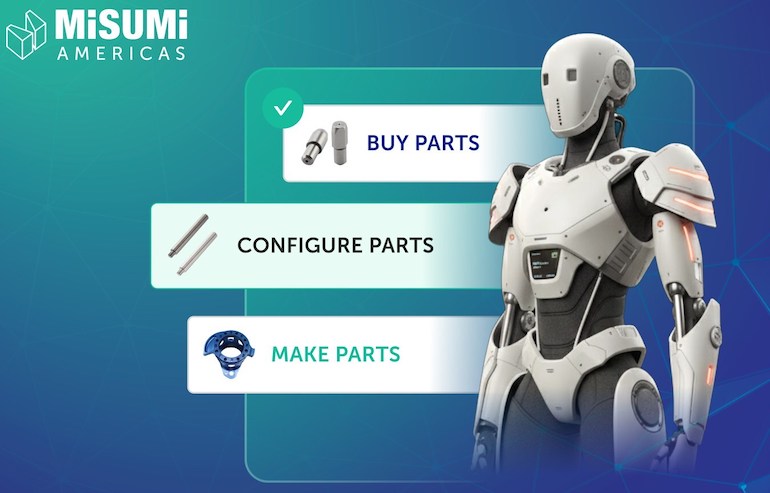
MISUMI Group invests $1B in Americas, global AI and digital manufacturing
MISUMI Americas has announced a strategic collaboration with Fictiv, integrating MISUMI's precision components with Fictiv's digital manufacturing platform to streamline the production process for customers. This partnership aims to provide a comprehensive solution for managing entire bills of materials, enhancing efficiency and accessibility in manufacturing. The initiative is part of a broader investment strategy by the MISUMI Group, which has committed $1 billion to bolster its operations in the Americas and advance global efforts in artificial intelligence and digital manufacturing. This investment is expected to significantly enhance the capabilities of manufacturers by leveraging cutting-edge technology and innovative practices. The collaboration marks a significant step towards modernizing the manufacturing landscape, making it more responsive to the needs of businesses in a rapidly evolving market.