

Yondu AI
Yondu AI specializes in brownfield automation, providing adaptable robotics for third-party logistics (3PL) warehouses. Our drop-in solutions enable efficient bin-picking, leveraging advanced AI for item identification and manipulation. The system integrates seamlessly into existing layouts, minimizing infrastructure costs. By automating high-turnover tasks, Yondu enhances operational efficiency, reduces labor costs by up to 75%, and supports continuous 24/7 operations.

RobotToday Initiative
Robotics needs a service framework.
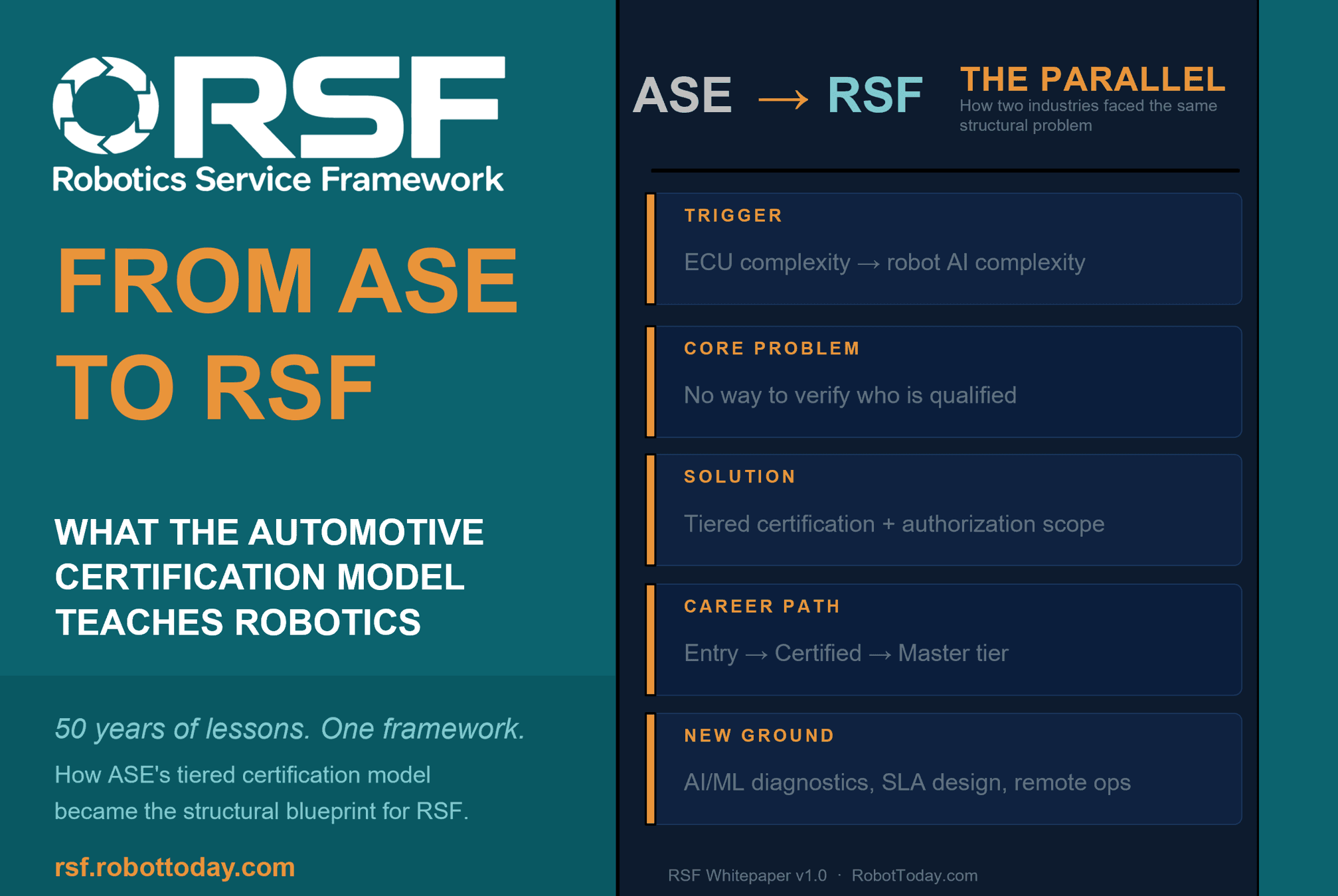
RSF defines a common language for robot service capability, lifecycle operations, certification pathways, and service-provider networks.
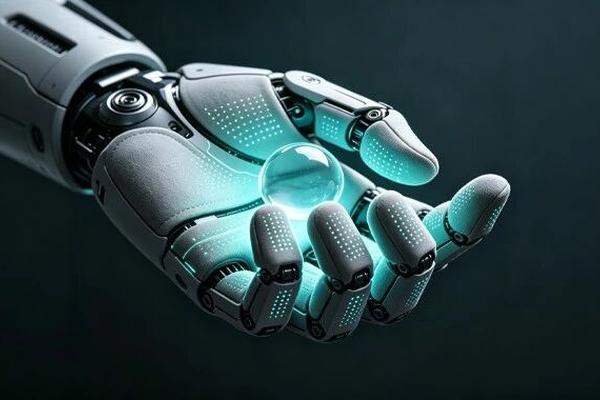
MoSense Secures Angel Funding for Comprehensive Robotic Tactile System Development
MoSense, a company specializing in multimodal tactile solutions for robotics, has successfully completed an angel funding round worth several million yuan. Investors include Sequoia China, Hillhouse Capital, and Zhiyuan Robotics. The funds will primarily accelerate research and development, team expansion, computational power investment, and production testing system establishment. Founded in May 2026 and headquartered in Shanghai, with a research center in Shenzhen, MoSense focuses on developing a comprehensive multimodal tactile perception system for robots. The company aims to enhance robots' environmental perception capabilities, which are crucial for their deployment in complex real-world scenarios such as industrial manufacturing and logistics. Looking ahead, MoSense plans to commercialize its multimodal tactile solutions across various industries beyond humanoid robotics. The company is developing a tactile feedback system that integrates multiple sensory modalities, which is essential for improving robots' interaction with their environments. No further timeline was disclosed at the time of publication.
Mercedes 4S Dealerships Partner with UBTECH to Sell Humanoid Robots in China
Mercedes-Benz's core dealer, Bosh Group, has announced a partnership with UBTECH to become the first official 4S store for humanoid robots in the Beijing-Tianjin-Hebei region. This strategic move targets high-net-worth consumers who are more receptive to new technologies, leveraging the dealership's established trust and experience. The significance of this partnership lies in the unique advantages of 4S dealerships, including access to affluent customers, interactive display spaces, and existing trust relationships. The humanoid robot, priced at 990,000 yuan, is aimed at ultra-high-net-worth families, making the dealership an ideal retail channel for such products. The introduction of robots into 4S stores marks a fundamental shift in how robots are perceived and sold, moving from technology showcases to commercial products. This trend is expected to become standard in luxury brand dealerships within three to five years, as competitors are likely to follow once the model proves successful.
Humanoid Robots Luxury Retail Robotics Commercialization High-Net-Worth Consumers
Humanoid Robots Poised to Revolutionize Service Sector, Not Manufacturing Lines
The humanoid robot industry is shifting focus towards service applications by 2026, as evidenced by Robot.com's R-noid robot, which can be deployed in just 8 to 12 weeks. This rapid deployment is particularly suited for commercial kitchens, warehousing logistics, and chain hotels, rather than traditional manufacturing environments. This shift is crucial due to the high turnover rates in the service industry, with the restaurant sector experiencing over 300% annual turnover and hotel housekeeping positions facing similar challenges. Traditional industrial robots cannot address these issues, as they require extensive planning and facility modifications, which are not feasible for service businesses. The R-noid robot's ability to integrate into existing workflows without requiring renovations makes it an attractive solution for service operators. As deployment times decrease, the return on investment for businesses facing high turnover becomes more appealing, making humanoid robots a viable option for addressing the pressing needs of the service industry.
Humanoid Robots Service Automation Restaurant Technology Warehouse Logistics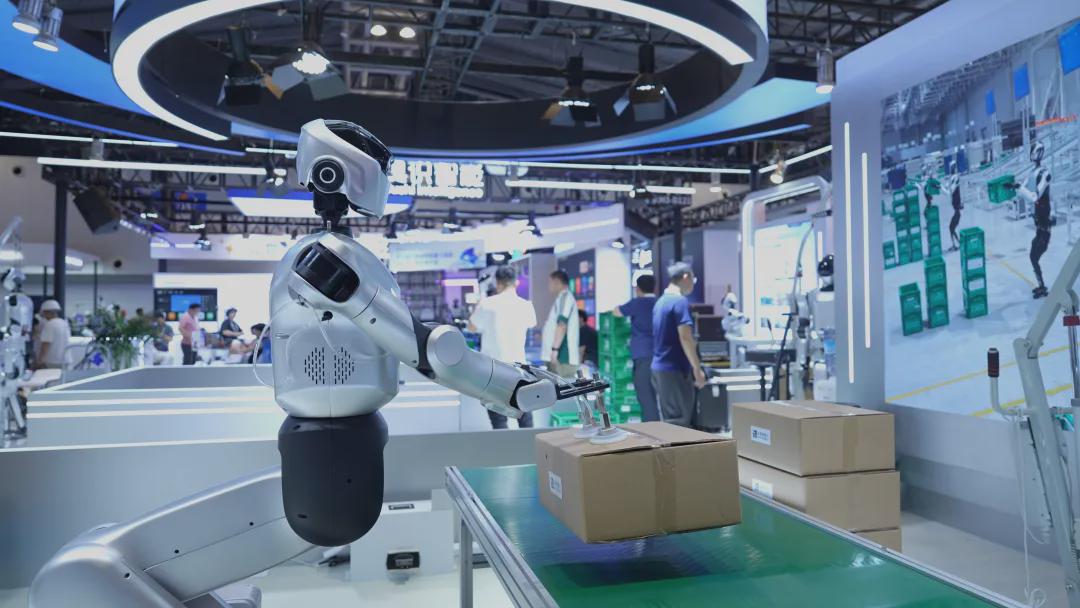
China's Collaborative Efforts in Advancing Embodied Intelligence for Robotics
The development of embodied intelligence is shifting from creating individual robots to establishing collaborative ecosystems. At this year's WAIC, the industry is exploring whether new models and skills can be rapidly integrated into robots for practical applications. A partnership between Leju and Ant Group's Lingbo has led to the release of logistics sorting results, emphasizing the importance of industry collaboration in scaling humanoid robotics. Leju believes that the growth of the humanoid robot industry relies on collective efforts rather than individual companies. The collaboration features Lingbo's general embodied base model, LingBot-VLA, while Leju focuses on post-training and motion control. This partnership has created a comprehensive technological chain that connects models, data, and computational power, marking a significant step in the industry. As embodied intelligence enters a critical phase, the ability to effectively translate models into real-world applications becomes paramount. Leju's advancements in post-training capabilities and the OpenLET community's support for developers are crucial for accelerating the deployment of new skills in various industries. No further timeline was disclosed at the time of publication.
Embodied Intelligence Robotics Logistics Automation AI Development
Logistics Industry Investments Indicate Strong Future Confidence
The logistics industry is showcasing a robust investment trend, with companies announcing new warehouse developments and technology projects across Europe. This reflects a strong confidence in future demand and the importance of efficient supply chains for business success. Investment in automation is crucial, but companies are prioritizing solutions that integrate with existing operations and provide clear returns on investment. This pragmatic approach highlights the maturity of the logistics market, as businesses also focus on resilience alongside efficiency to handle disruptions. As the year progresses, the industry is expected to continue its steady evolution, with new facilities, partnerships, and improved transport networks. These developments may not always make headlines but are essential for strengthening supply chains and enhancing overall capabilities in logistics.
AI AMR and AGV Automation Systems and Shuttles Couriers and Express IT in Logistics Materials Handling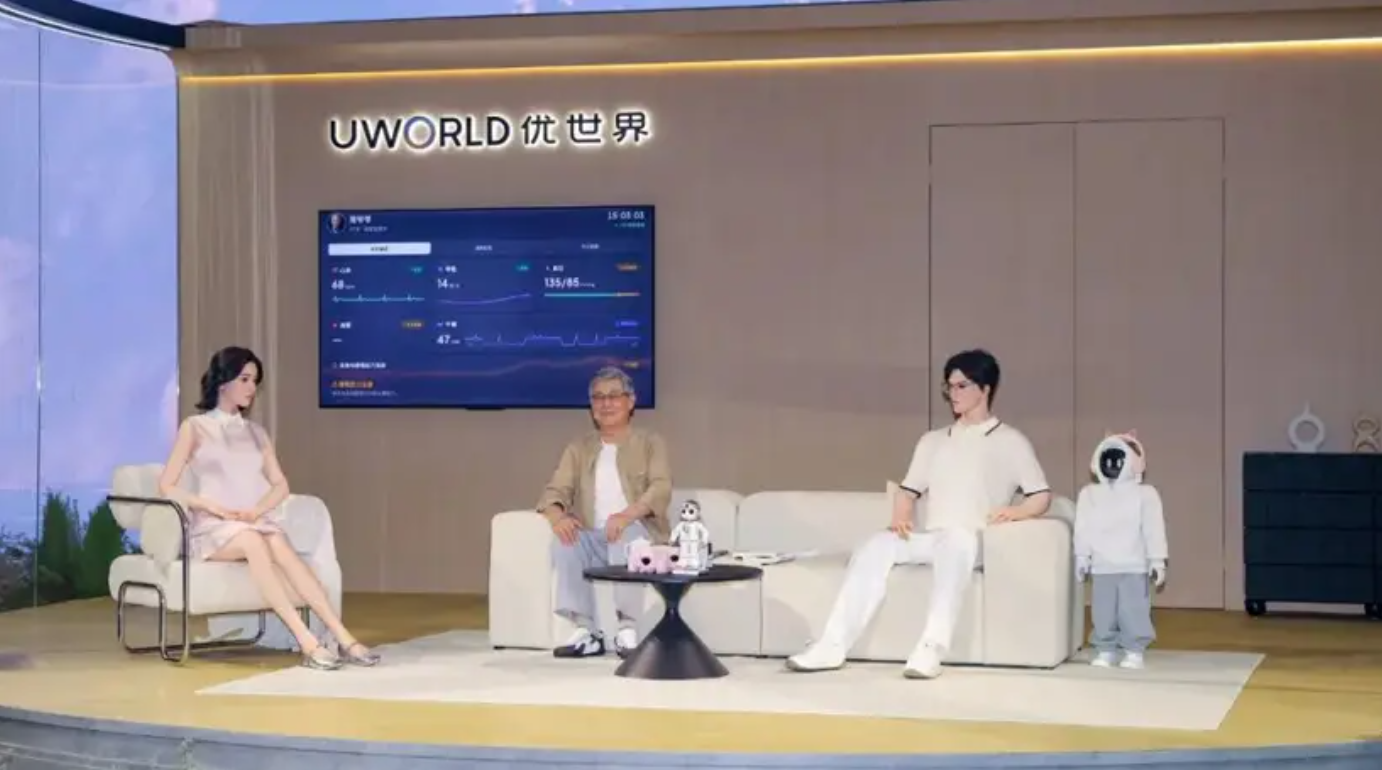
Mercedes-Benz Dealerships Launch Sales of Humanoid Robots in Strategic Partnership
Mercedes-Benz dealerships have begun selling humanoid robots, specifically the U1 model from UBTECH, through a partnership with the Bosh Group. This initiative allows customers in the Beijing, Tianjin, and Hebei regions to experience and purchase these advanced robots, which can engage with customers and enhance the car-buying experience. The collaboration aims to create a complete industrial ecosystem that includes technology research and development, channel operations, and after-sales service. The Bosh Group previously launched a robot experience store called 'Mechanical Eden,' which has reportedly increased foot traffic and customer engagement at Mercedes-Benz locations. Moving forward, the U1 humanoid robots will be gradually introduced into various Bosh Group dealerships, enhancing high-end automotive services and offering retail and rental options to affluent customers. This initiative marks a significant step towards the commercialization of humanoid robots, potentially setting a new standard in the industry.
Humanoid Robots Automotive Technology Retail Innovation AI Customer Experience
Robotic Hands Prices Plummet from 100,000 to 10,000 Yuan, Humanoid Robots Enter Homes
In a robotics lab in Shenzhen, engineer Huang Junlin is training a six-degree-of-freedom robotic hand for home use. Unlike industrial applications, home scenarios demand higher standards for weight, cost, and usability, prompting a significant reduction in humanoid robot costs. The robotic hand, a crucial and complex component, previously priced at 100,000 Yuan, now costs around 10,000 Yuan due to advancements in supply chain maturity and technology breakthroughs. The reduction in price is pivotal as it opens the door for consumer-grade humanoid robots, with the global market projected to exceed 20 billion Yuan by 2026. In 2025, the market is expected to reach 17 billion Yuan, with a shipment volume of approximately 18,000 units, marking a year-on-year growth of over 500%. China's share is anticipated to surpass 50%, with shipments expected to rise to 62,500 units by 2026, indicating a robust demand for humanoid robots. The surge in consumer humanoid robots is catalyzing the formation of a new supply chain ecosystem, including advancements in bionic skin, tactile sensors, and flexible materials. A new materials company in Jiaxing has developed third-generation electronic skin capable of multimodal perception and real-time feedback. As robotic hands become more affordable and tactile sensing technology advances, the integration of humanoid robots into homes may occur sooner than anticipated, marking the beginning of a revolution in robotics.
Humanoid Robots Robotic Hands AI Technology Consumer Robotics
Japan Allocates $2.4 Billion for 27,500 NVIDIA Rubin Chips to Establish National Robotics Initiative
On July 16, the Japanese government announced a plan to purchase 27,500 next-generation Rubin architecture AI chips from NVIDIA, totaling approximately $2.4 billion. This initiative aims to build a national AI data center and develop domestic robotics foundational models, marking one of the largest national GPU procurements globally. The project is coordinated by Noetra Corp., a policy-driven AI company set to launch in January 2026, with participation from major Japanese firms like Sony, SoftBank, NEC, and Honda. The Rubin chips will be deployed in a large data center in Sakai City, Osaka, with operations expected to begin in June 2028. Noetra aims to release its first general AI model by March 2027, followed by specialized AI models for robotics applications. Japan's investment reflects its response to ongoing demographic challenges and labor shortages. NVIDIA's CEO emphasized the potential for automation and AI to revitalize the economy. The Japanese government has set a goal to capture over 30% of the global robotics market by 2040, with the Rubin order being part of a broader strategy to reduce reliance on foreign technology and enhance national security.
AI Chips Robotics National AI Strategy Data Centers
Japan Allocates $2.4 Billion for AI Development with NVIDIA Chip Acquisition
On July 16, Japan's Ministry of Economy, Trade and Industry announced a significant investment of 387.3 billion yen (approximately $2.4 billion) to support the AI company Noetra. This funding will be used to procure around 27,500 NVIDIA Rubin GPUs for the establishment of a national AI data center, marking one of the largest single-country chip procurements globally. This initiative is crucial as Japan aims to address its declining population and severe labor shortages. The government has set a clear target to capture over 30% of the global 60 trillion yen robotics market by 2040. Noetra, which was established in January 2026 and includes major companies like Sony, SoftBank, NEC, and Honda, aims to develop advanced multimodal AI models capable of understanding Japanese language and recognizing various forms of media. Looking ahead, Noetra plans to release its first general-purpose AI model by March 2027, followed by continuous iterations and specialized models for robotics applications. The deployment of the Rubin chips in a large data center in Sakai, Osaka, is scheduled for June 2028, positioning Japan to lead in the next era of AI and robotics integration.
AI Technology Robotics NVIDIA Chips Data Centers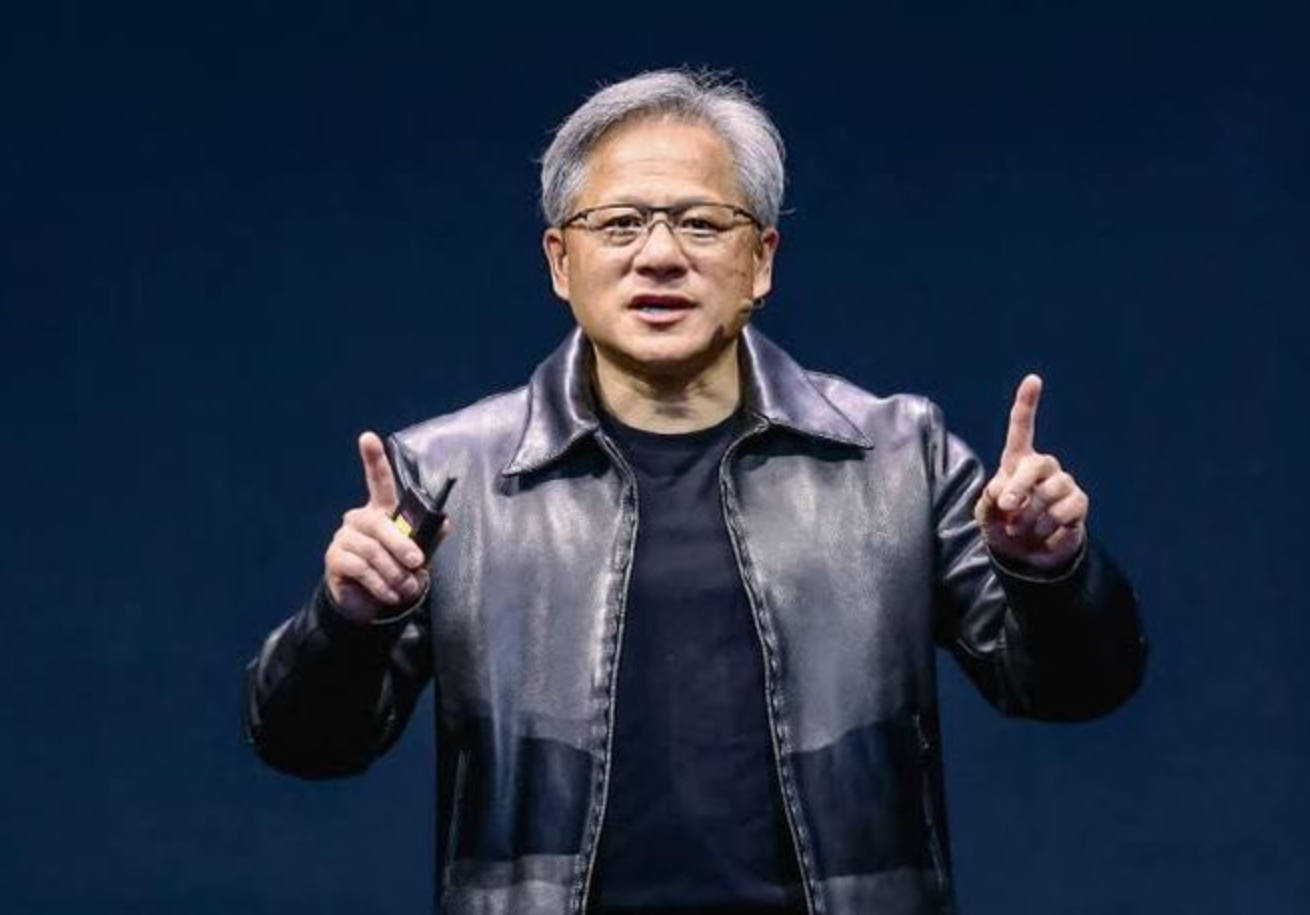
NVIDIA's CEO Jensen Huang Announces Expansion of Physical AI Collaboration in Japan
On July 16, NVIDIA CEO Jensen Huang announced an expansion of collaboration with Japanese companies in the field of 'physical AI' during an event in Tokyo. This initiative marks a strategic move to integrate NVIDIA's technology into Japan's manufacturing sector, particularly through a partnership with Toyota to develop AI models for the Woven City traffic control system. The collaboration with Toyota is central to NVIDIA's strategy, as the company will provide GPUs and development tools to Toyota's subsidiary, Woven by Toyota. This partnership aims to embed NVIDIA's technology into the city's digital twin platform, Omniverse, enhancing factory production and driving manufacturing robots with the Isaac platform. Additionally, Huang revealed plans to deepen cooperation with major Japanese industrial automation firms, including Fujitsu, Fanuc, Yaskawa Electric, and Kawasaki Heavy Industries, as part of the Cosmos Coalition. This initiative aims to strengthen Japan's position in the global AI robotics market, with a government goal of achieving a 30% market share by 2040. No further timeline was disclosed at the time of publication.
Physical AI Robotics Industrial Automation AI Technology



Leave a comment