-
Website: wellwit.com.cn
-
Email: [email protected]
-
Phone: +86 755 2322 8130
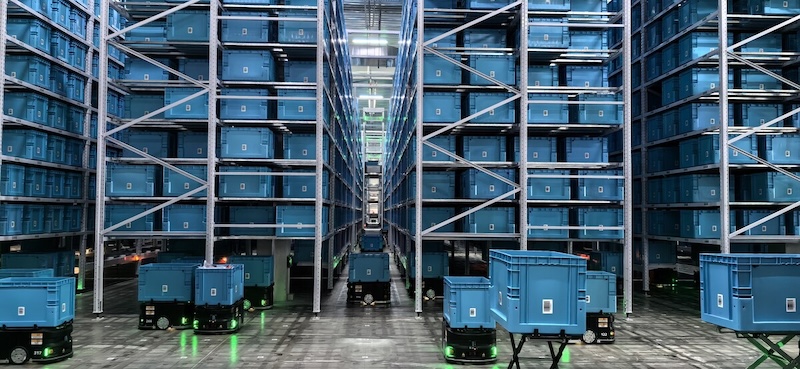
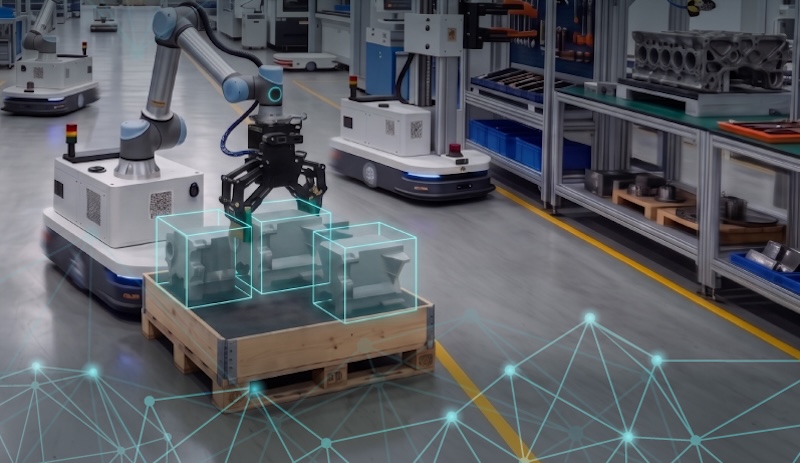
WXS Robot develops heavy-duty autonomous mobile robots (AMR). Their technology features sophisticated navigation algorithms and robust chassis designs, supporting automated material transport and line replenishment in large-scale factories and smart logistics centers by integrating seamlessly with existing warehouse management systems.
RSF defines a common language for robot service capability, lifecycle operations, certification pathways, and service-provider networks.
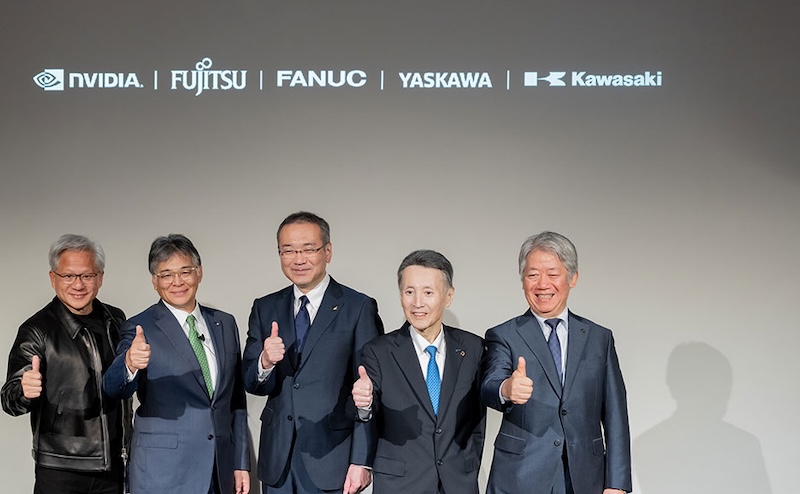
Fujitsu has initiated a partnership with Japanese robotics firms Fanuc, Yaskawa Electric, and Kawasaki Heavy Industries to advance the development and deployment of physical AI in sectors such as manufacturing, logistics, and healthcare. This collaboration will leverage Nvidia's physical AI technologies to create a collaborative control platform that connects digital systems with robots and physical equipment. The initiative aims to accelerate the adoption of physical AI, addressing challenges like labor shortages and an aging workforce while enhancing global competitiveness. The platform will optimize production planning in manufacturing, automate material handling in logistics, and improve healthcare operations by automating the transport of medical supplies and assisting with patient interactions. Fujitsu plans to develop an open collaborative control platform that integrates AI, robotics, and data analysis technologies, ensuring interoperability and addressing cybersecurity concerns. No further timeline was disclosed at the time of publication.
RoboticsAndAutomationNews.com 12 hours ago Artificial Intelligence Industry News ai factory automation fanucToyota and Nvidia have broadened their partnership to develop physical AI technologies that encompass next-generation vehicles, manufacturing, robotics, and urban infrastructure. This collaboration builds on a previous agreement, focusing on advanced driver-assistance systems using Nvidia's DRIVE AGX platform and DriveOS operating system. The significance of this partnership lies in its potential to revolutionize mobility and manufacturing. Rishi Dhall, Nvidia's vice president of automotive, emphasized that physical AI will enhance the intelligence of various machines, making vehicles more autonomous and urban environments safer and more responsive. Toyota aims to implement Level 2++ functionality in its future vehicles while leveraging Nvidia AI models for efficient software engineering. Additionally, Toyota is integrating AI into its manufacturing processes through factory simulations using Nvidia's Omniverse and Isaac Sim frameworks. The partnership also extends to urban mobility technologies via Woven by Toyota, which is developing models to analyze traffic conditions. No further timeline was disclosed at the time of publication.
RoboticsAndAutomationNews.com 12 hours ago Computing News advanced driver assistance systems ai automotive AI digital twinsOn July 15, Ofo, the bike-sharing company, unexpectedly updated its official WeChat account after nearly five years of silence. The post was a recruitment notice for patients with skin diseases, unrelated to its bike-sharing business, yet it sparked significant public interest regarding unrefunded deposits. Many users expressed their concerns, asking when their deposits would be returned. Despite widespread belief that Ofo had ceased operations, records indicate that its associated operational entity, Beijing Baike Lock Technology Co., Ltd., remains active. However, the company faces high-risk information, including numerous legal cases and enforcement actions, which raises questions about its future viability. As Ofo navigates this uncertain landscape, stakeholders should monitor any developments regarding its operational status and the potential for deposit refunds. No further timeline was disclosed at the time of publication.
36kr.com 12 hours agoWarehouse automation is evolving from a mere operational efficiency tool to a strategic priority for organizations, driven by ongoing labor shortages and rising fulfillment expectations. Inteq, a UK-based warehouse automation specialist, emphasizes the importance of integrating robotics and software to create flexible, hardware-agnostic solutions that adapt to changing operational needs. Jon Roberts, sales director at Inteq, highlights that software, particularly Warehouse Execution Systems, is now the critical component of successful automation projects. These systems serve as the central hub connecting robotics, equipment, and personnel, enabling more efficient operations. The shift towards software-first strategies reflects a broader trend where businesses recognize the risks of inaction in the face of increasing competition and complexity in supply chains. Looking ahead, companies investing in integrated automation platforms are likely to gain a competitive edge in logistics and fulfillment. The conversation also touches on the growing role of AI in predictive operations and the transition of autonomous mobile robots into essential warehouse infrastructure, supported by innovative commercial models like Robotics-as-a-Service. No further timeline was disclosed at the time of publication.
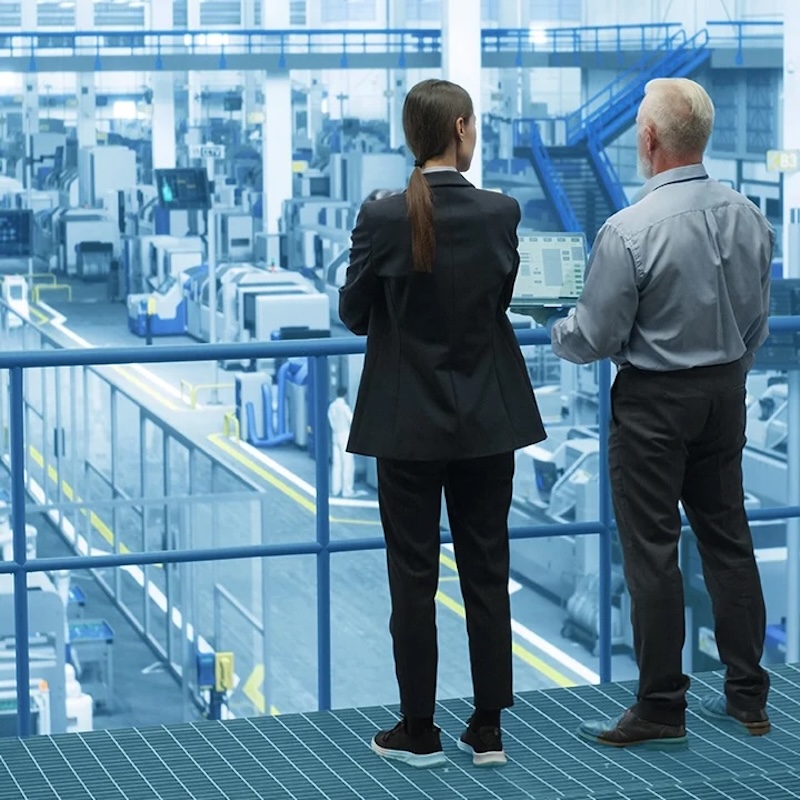
RoboticsAndAutomationNews.com 12 hours ago Features Logistics Supply chain Warehouse robots amrs artificial intelligencePanasonic Connect is at the forefront of transforming manufacturing systems as electronics become smaller and more complex. The company offers smart manufacturing solutions that integrate surface-mount technology (SMT), robotics, AI analytics, and connected factory platforms. Through its Gemba Process Innovation strategy, Panasonic Connect aims to enhance productivity and operational resilience in factories. The increasing complexity of electronics, particularly in vehicles and industrial systems, is reshaping production line design and operations. Scott Zerkle, associate director of technical operations at Panasonic Connect North America, emphasizes that AI's primary value lies in supporting factory workers through predictive maintenance and defect detection, rather than replacing them. He highlights the need for manufacturers to connect data across various production elements to foster continuous improvement. Looking ahead, Zerkle predicts that the next significant advancement in smart manufacturing will involve integrating AI tools with data from machines and materials. This integration will enable factories to learn from their production history, ultimately enhancing efficiency and adaptability in high-mix production environments. No further timeline was disclosed at the time of publication.
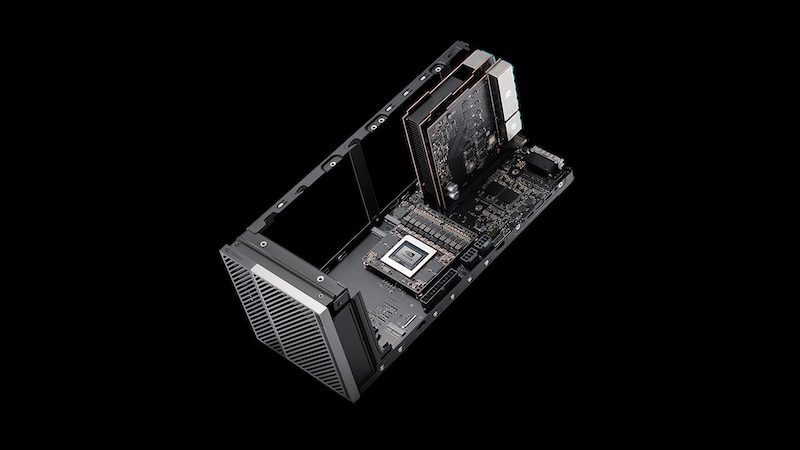
RoboticsAndAutomationNews.com 12 hours ago Communications Computing Digital Automation Features Manufacturing aiAetina, a specialist in edge AI computing, is set to enhance its offerings by adding support for the newly unveiled Nvidia Jetson T3000 and T2000 modules. These modules are designed for robotics and industrial edge AI applications, and Aetina plans to integrate them into its DeviceEdge AIE-KT and AIE-PT systems, providing scalable and efficient AI computing solutions. This expansion is significant as it allows Aetina to leverage Nvidia's advanced AI capabilities, including the ability to run generative AI models with low latency, which is crucial for applications like humanoid robots. The Nvidia Jetson T3000 module boasts up to 865 FP4 TFLOPS, while the T2000 offers up to 400 FP4 TFLOPS, catering to a range of robotics applications from visual AI agents to autonomous mobile robots. Looking ahead, Aetina is among the first partners to support these new modules, with Nvidia expecting them to be available in the first quarter of 2027. The company plans to provide further details on system specifications and developer support as the launch date approaches, making it a key player in the evolving landscape of AI-driven robotics solutions.
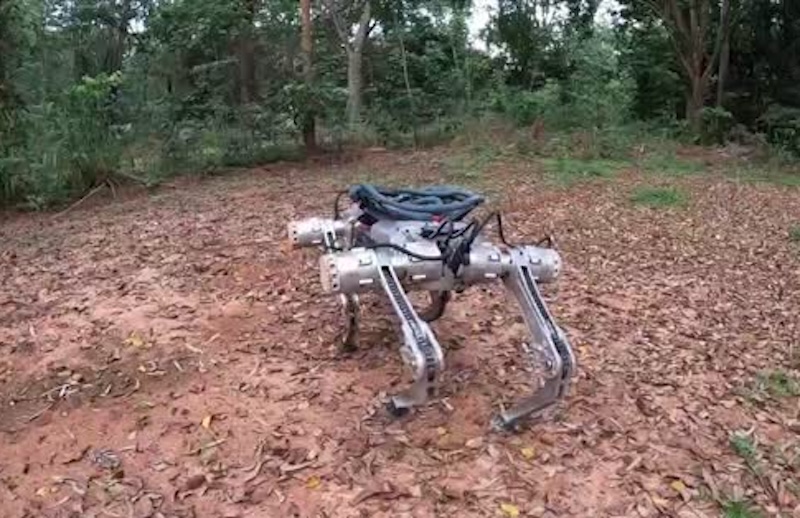
RoboticsAndAutomationNews.com 12 hours ago Computing Industry Aetina automation Autonomous robots DeviceEdge AIE-KTStrider Robotics, an Indian startup, has successfully demonstrated a quadruped robot capable of carrying a 40 kg payload across challenging terrains. This marks a significant step as the Bengaluru-based company transitions from prototype development to commercial deployment, with field pilots currently underway with a major oil and gas company and an automotive manufacturer. The importance of this development lies in Strider's focus on enhancing India's domestic robotics manufacturing capabilities, as over 80 percent of the robot's components are sourced locally. Quadruped robots are gaining traction in industries where traditional wheeled vehicles face limitations, such as energy, mining, and infrastructure inspection, due to their ability to navigate uneven surfaces and carry equipment. Looking ahead, Strider Robotics aims to solidify India's position as a key player in the development of intelligent legged robotic systems for industrial and defense applications. No further timeline was disclosed at the time of publication.
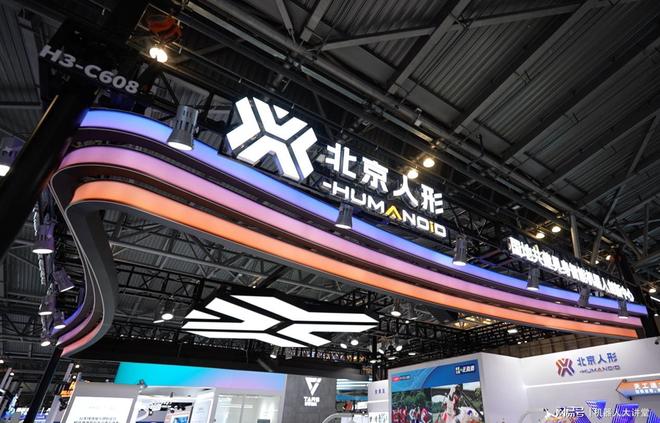
RoboticsAndAutomationNews.com 12 hours ago Robotics Robotics and Automation Robotics and Automation News Robotics News AI software artificial intelligenceOn July 17, the 2026 World Artificial Intelligence Conference (WAIC) commenced in Shanghai, focusing on embodied intelligence and digital industrialization. Beijing Humanoid Robotics unveiled its 3D solutions, emphasizing a new industry standard of 'technology with warmth, rapid deployment, and broad industry application.' The company aims to transition humanoid robots from experimental settings to real-world applications, addressing industry challenges such as high customization costs and lengthy development cycles. The introduction of these 3D solutions is significant as it targets core operational needs in commercial, industrial, energy, inspection, and logistics sectors. By focusing on three specific areas—Dirty, Dangerous, and Dull tasks—Beijing Humanoid Robotics aims to replace manual labor in high-risk and repetitive jobs, thereby enhancing productivity across various fields. This marks a shift towards a more systematic and standardized approach in the embodied intelligence industry. Looking ahead, the company plans to continue developing its technology and solutions, inviting global partners to collaborate in building a new ecosystem for embodied intelligence. No further timeline was disclosed at the time of publication.
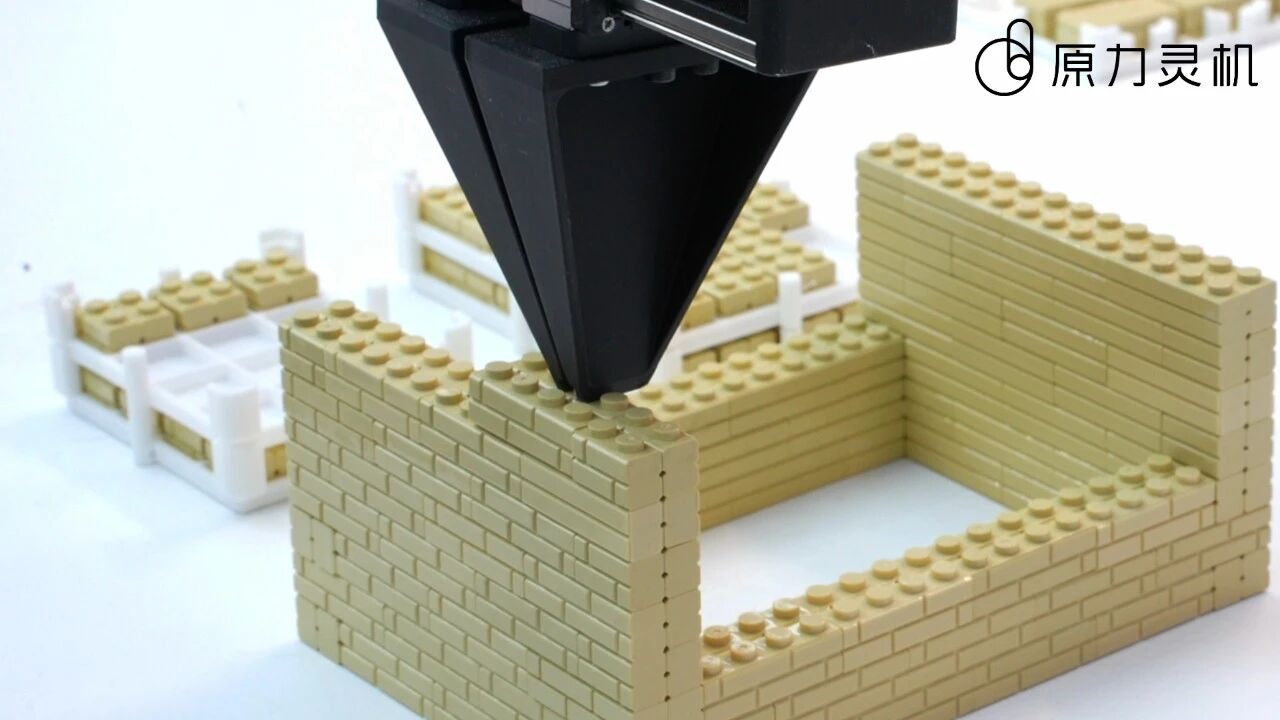
leaderobot.com 12 hours ago Humanoid Robots Industrial Automation AI Solutions Robotics TechnologyAt the World Artificial Intelligence Conference (WAIC), six robots from General Embodied Intelligence Company, Yuanli Lingji, undertook a challenging task to assemble a Great Wall model using 81,920 micro building blocks over 15 hours. Each robot was required to complete approximately 910 assembly actions per hour, achieving a speed comparable to skilled human workers. This demonstration highlights the complexities of robotic assembly, as traditional industrial robots operate under fixed conditions, while block assembly requires real-time perception and adaptability to varying positions and angles. The robots needed to maintain sub-millimeter precision throughout the task, pushing the limits of robotic capabilities and mimicking human dexterity. The execution team consisted of four desktop robots and two humanoid wheeled robots, each equipped with independent perception, decision-making, and execution abilities. The challenge tested multi-agent collaboration in a dynamic environment, emphasizing the need for real-time negotiation and coordination among robots to adapt to unforeseen circumstances during the assembly process. No further timeline was disclosed at the time of publication.
leaderobot.com 12 hours ago Robotic Assembly AI Technology Collaborative Robotics Precision EngineeringIn Episode 253 of The Robot Report Podcast, Deise Yumi Asami, founder of Maximo, discusses how her AI-enabled robotics startup is enhancing solar panel installation. By integrating robotics, AI vision, and smart field deployment, Maximo aims to make the process faster, safer, and more efficient, significantly impacting renewable energy infrastructure. This innovation is crucial as it addresses the growing demand for renewable energy solutions. Yumi Asami's insights highlight the role of advanced technologies in transforming utility-scale solar construction, showcasing how automation can streamline operations and improve safety in the energy sector. Listeners should watch for further developments from Maximo and AES Corp as they continue to pioneer energy solutions. No further timeline was disclosed at the time of publication.
RoboticsBusinessReview.com Jul 17, 2026 6-Axis Artificial Intelligence Autonomous Mobile Robots (AMRs) Energy / Solar / Renewables News Opinion
Leave a comment