


Wilder Systems
US aerospace robotics firm making modular Agile Manufacturing Robots for aircraft drilling, defastening, sanding, and washing at military and commercial MRO.
Contact Wilder Systems
WEBSITE
https://wsrobots.com/PHONE
(512) 953-8390HEADQUARTERS
United States

Company Facts
Founded
2015
Primary Role
Manufacturer
Company Size
-
Primary Region
North America
Annual Sales
-
Funding Stage
-
Funding Total
-
Certifications & Memberships
MindOn Introduces Mind-1 Model for Human-Speed Robotic Manipulation Tasks
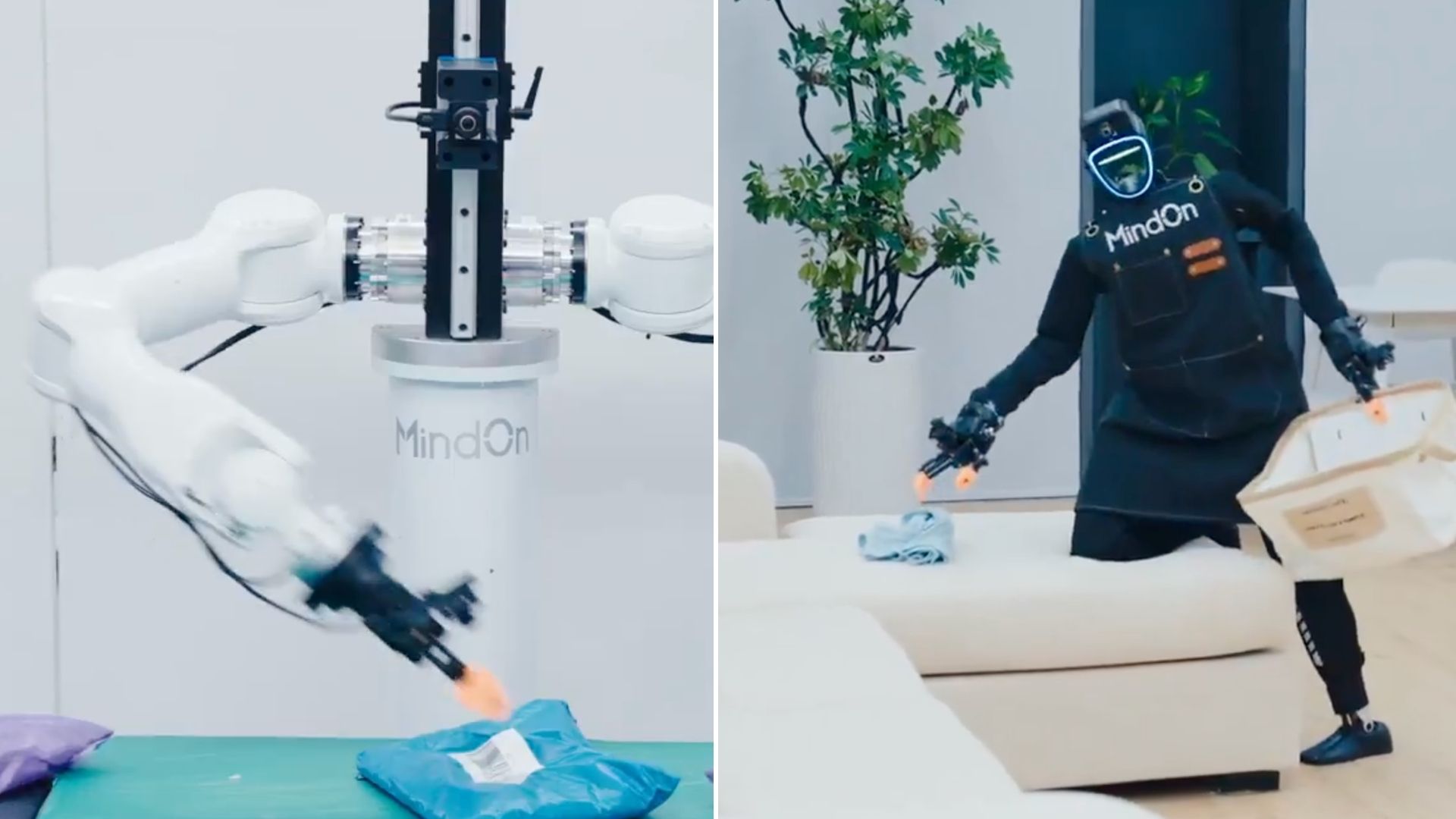
MindOn has launched the Mind-1, a new AI model aimed at enabling robots to execute everyday manipulation tasks at human-level speeds. Demonstrated on September 30, the Mind-1 showcased robots handling parcels, folding shirts, and collecting laundry, all marked as 'Fully Autonomous' and operating at '1.0x Speed.' Rather than focusing on humanoid designs, MindOn emphasizes Mind-1 as an intelligence system adaptable to various robotic platforms. The significance of this development lies in MindOn's goal to enhance physical AI capabilities beyond mere task completion, targeting operational speeds suitable for real-world applications. The demonstration featured dual-arm robots managing parcels and folding clothing, while humanoid robots navigated through environments to collect laundry. MindOn's approach aims to create a universal intelligence model that integrates perception, reasoning, and action, moving away from task-specific models. Looking ahead, the industry will be keen to see if Mind-1's reported capabilities translate into sustained productivity in practical settings. While the demonstration highlighted the robots' speed, it did not provide quantitative comparisons with human performance, which are crucial for assessing the practical value of these robots in logistics and manufacturing environments. No further timeline was disclosed at the time of publication.
AI and Robotics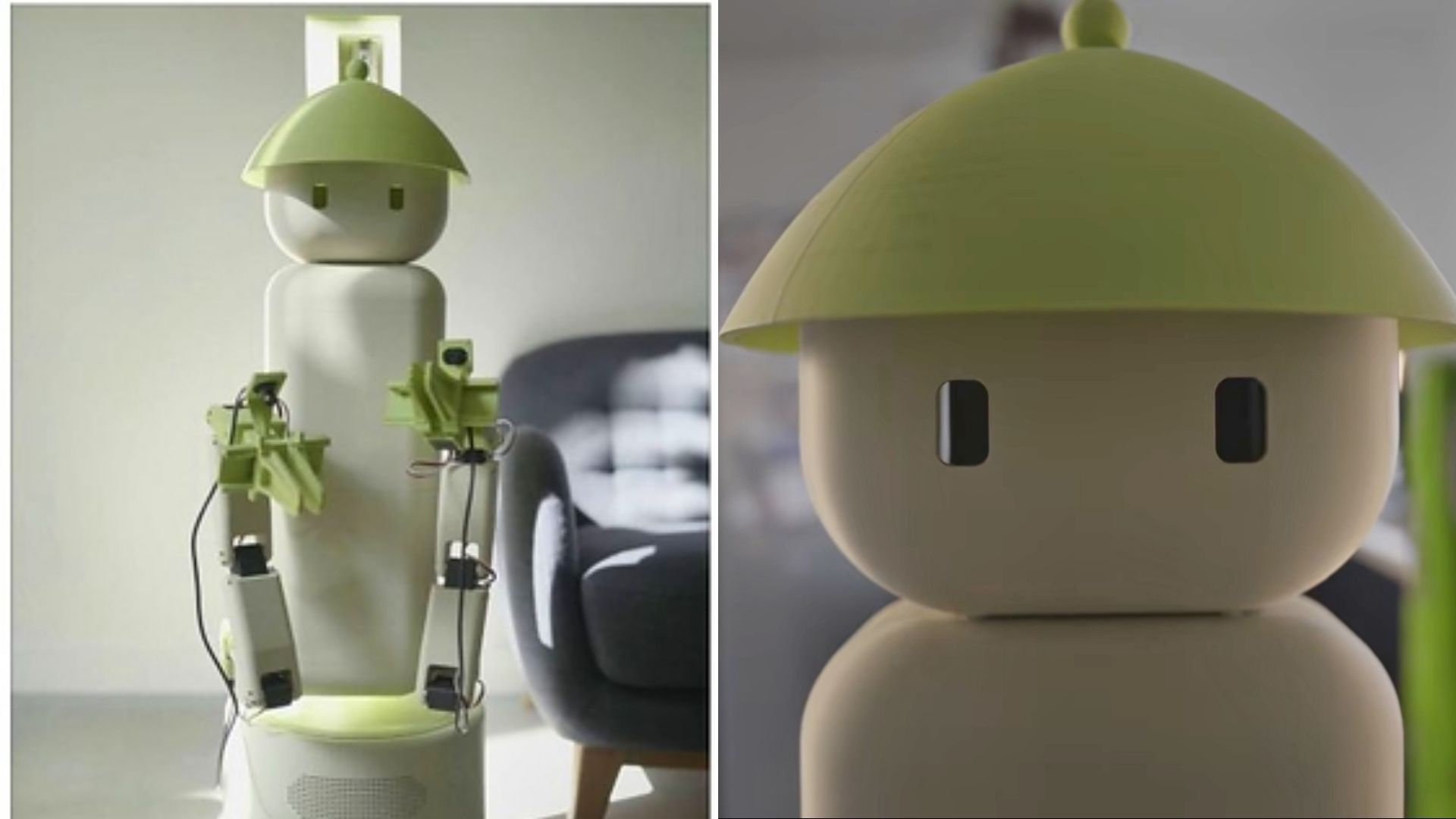
Flourish Robots Launches Flourish 1: Affordable Home Robot with 12-Hour Battery Life
Flourish Robots, a San Francisco startup, has unveiled its home robot, Flourish 1, priced at $3,555, which can learn household chores in approximately 30 minutes. The robot, designed specifically for home use, stands 3 feet 7 inches tall and weighs 44 pounds, capable of operating for up to 12 hours on a single charge while lifting a maximum of 3.3 pounds. This innovative approach focuses on simplifying the robot's design to cater to household tasks rather than industrial capabilities. Flourish 1 can perform various chores, including picking up items, wiping surfaces, and loading dishwashers, by learning tasks through user demonstrations via a mobile app. The robot's slower task execution is intentional, prioritizing utility over speed, as stated by founder Antoine Marcel. Looking ahead, Flourish aims to refine its robot learning methods by customizing pretrained models for individual homes. While the robot's adaptability to changing environments is limited, it is designed to manage variations in object positions and clutter. No further timeline was disclosed at the time of publication.
AI and Robotics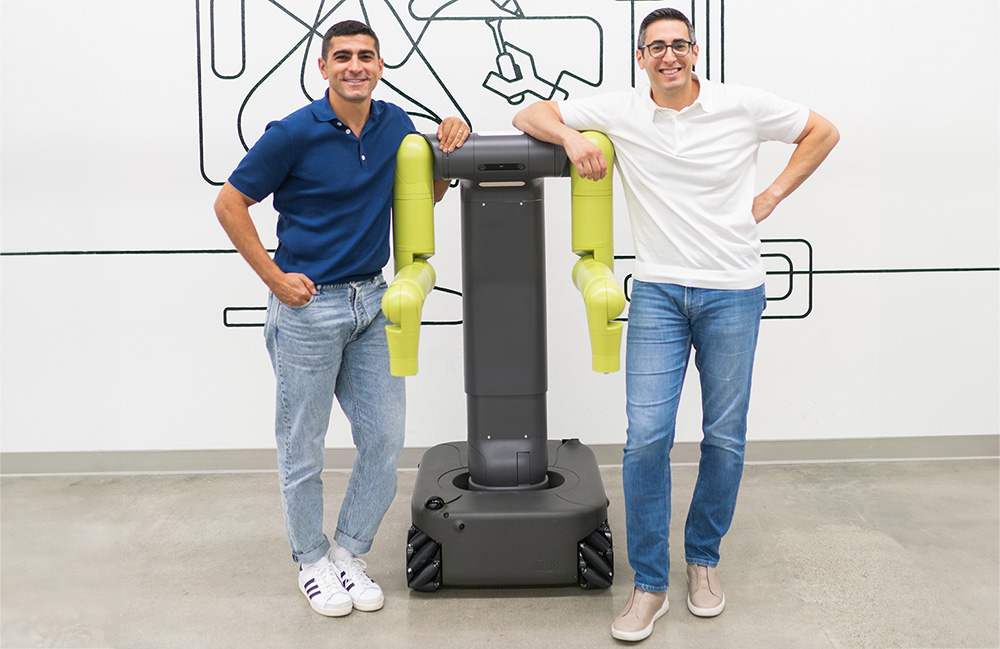
Maven Robotics Advances Industrial Automation with Innovative Mobile Manipulators
Maven Robotics, founded in 2024, has developed four versions of its mobile manipulator and secured a production contract with its first customer after raising $100 million. The company operates robots for 16 hours daily with up to 99% uptime, addressing the growing labor shortage in the U.S. manufacturing sector, which currently has over half a million unfilled jobs. The founders, Khalid and Hamza Derbas, recognized the urgent need for increased industrial output amidst a dwindling workforce. They aim to tackle this challenge by focusing on practical solutions rather than conventional humanoid designs. Their approach emphasizes understanding the specific tasks robots need to perform in real-world environments, leading to the development of a compact robot capable of reaching high storage areas while carrying significant payloads. Maven Robotics' system not only includes the mobile robots but also features the Maven Network, which allows for shared learning among robots globally. This innovative approach positions Maven to significantly impact the automation landscape as it continues to refine its technology and expand its market presence. No further timeline was disclosed at the time of publication.
Arms / Manipulators Autonomous Mobile Robots (AMRs) Grippers Logistics Manufacturing Markets / Industries
Mobile Manipulators Are Gaining Traction in Warehouse Deployments
The discussion surrounding mobile manipulators has shifted from their viability to their optimal deployment locations. While traditional goods-to-person systems remain relevant, especially in specific facilities and workflows, the rise of mobile manipulation technology is prompting a reevaluation of warehouse operations. This transition is significant as it indicates a growing acceptance of mobile manipulators in logistics and supply chain management. Their ability to enhance efficiency and flexibility in warehouse environments positions them as a valuable asset, complementing existing systems rather than completely replacing them. Looking ahead, industry stakeholders should monitor the evolving landscape of warehouse automation. The integration of mobile manipulators could redefine operational strategies, leading to improved productivity and cost-effectiveness. No further timeline was disclosed at the time of publication.
Piezo-Based Micro-Robotic Gripper Offers Nanometer Resolution and Force Feedback
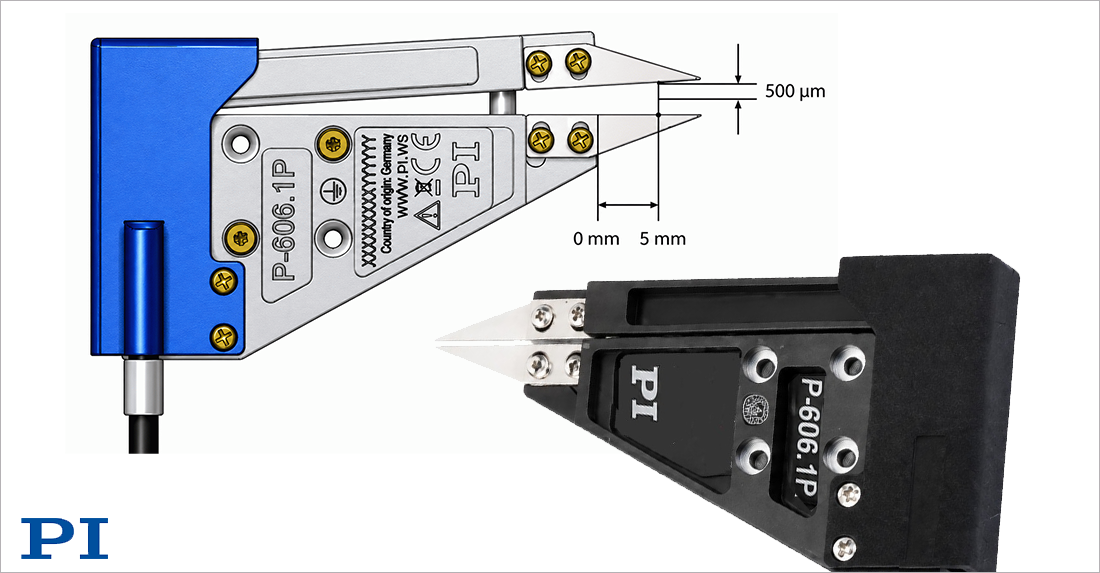
A new piezo-based micro-robotic gripper has been developed, featuring a travel distance of 0.5mm and an impressive nanometer resolution along with force feedback capabilities. This advancement in micro-robotics is significant as it enhances precision in handling delicate objects, which is crucial for applications in fields such as electronics assembly and biomedical devices. Looking ahead, the integration of such high-resolution grippers could lead to more sophisticated robotic systems capable of performing intricate tasks. No further timeline was disclosed at the time of publication.
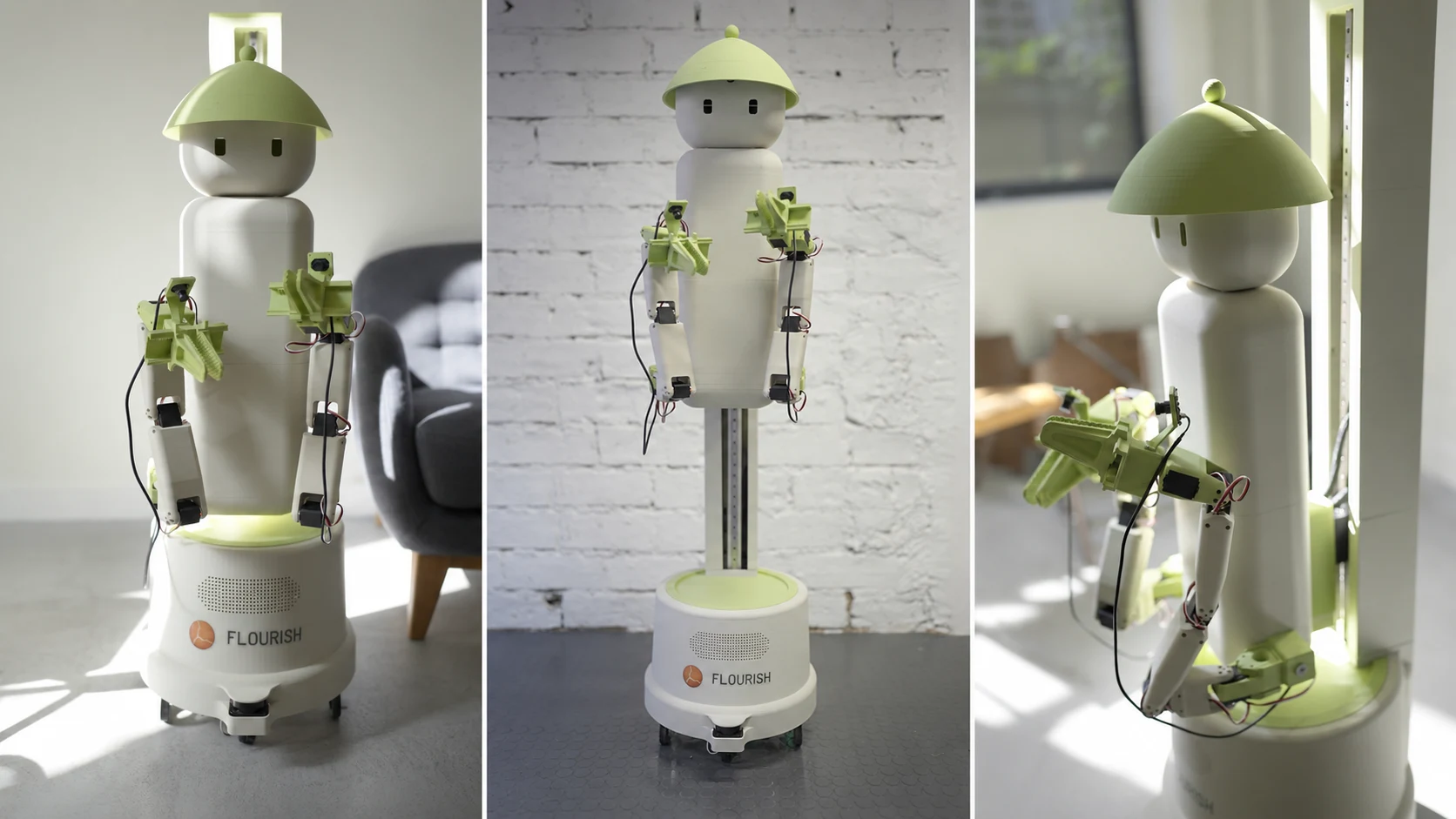
Flourish Robots Launches $3,555 Flourish 1 for Household Chores with Pre-Orders
Flourish Robots has unveiled the Flourish 1, a wheeled semi-humanoid robot priced at $3,555, with pre-orders for an initial batch of 50 units set to begin in December 2026. This innovative robot is designed to assist with household chores such as collecting shoes, wiping tables, and watering plants, featuring a lightweight design and user-taught tasks. The introduction of Flourish 1 is significant as it aims to simplify household chores through automation, leveraging a payload capacity of 3.3 pounds and a runtime of 12 hours. Founder and CEO Antoine Marcel emphasized that the robot's indoor focus and lower payload allow for more affordable hardware, although it cannot handle breakable objects or climb stairs. The robot operates autonomously after being taught, which could transform the way household tasks are managed. Looking ahead, the effectiveness of Flourish 1 in completing tasks without human intervention will be crucial. While the robot currently achieves an 80% success rate in learned tasks, the gap between promise and reliable daily use remains. No further timeline was disclosed at the time of publication.
US Flourish Robots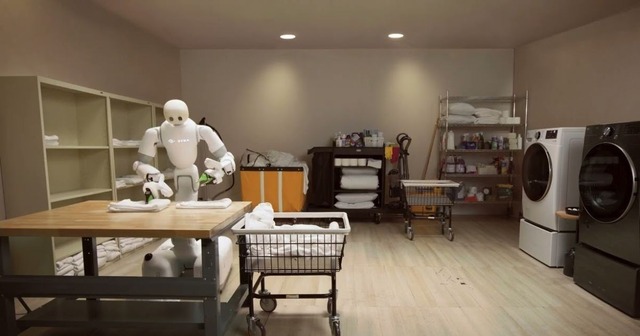
DYNA Robotics Unveils DYNA 2.1 Physical Agent for Autonomous Laundry Tasks
DYNA Robotics, based in the United States, announced the launch of its semi-humanoid robot, DYNA 2.1 physical agent, on September 29, 2026. This robot is designed to autonomously perform tasks involving washing machines without human intervention, making it suitable for environments such as hotels, laundromats, and restaurants. The DYNA 2.1 features a unique semi-humanoid design with two arms and a parallel jaw gripper, allowing it to handle various objects. It is equipped with a visual language orchestrator for complex task execution and a full-body controller to coordinate movements like driving, reaching, bending, and lifting. The robot has been trained on one million hours of human-robot interaction data to enhance its physical skills and responsiveness. Looking ahead, DYNA Robotics emphasizes optimizing the Mean Time Between Interventions (MTBI) to ensure the robot can operate independently throughout a shift. Co-founder Jason Ma highlighted the importance of demonstrating practical usability in real-world scenarios, while CEO Lyndon Gao stated that customers require robots capable of completing entire workflows without constant human oversight. No further timeline was disclosed at the time of publication.
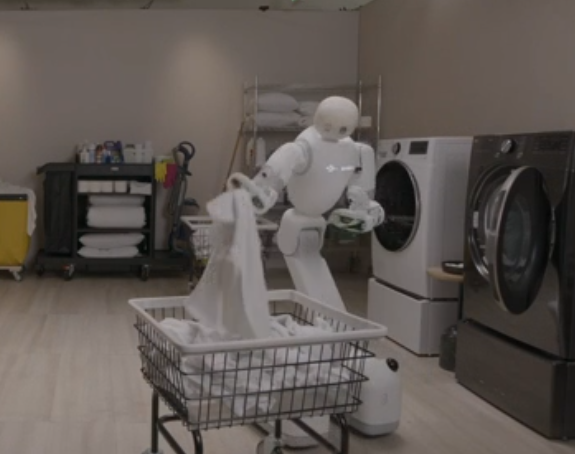
Dyna Robotics Introduces Dyna 2.1 for Comprehensive Full-Shift Operations
Dyna Robotics has unveiled the Dyna 2.1, a semi-humanoid robot engineered for autonomous full-shift commercial tasks such as laundry, food preparation, and data-center operations. This innovative robot is being deployed in various settings including hotels, laundromats, and restaurants, focusing on executing sequences of physical jobs that require manipulation, mobility, and reasoning over extended periods. The significance of Dyna 2.1 lies in its ability to perform entire workflows without the need for human supervision, addressing a critical demand in the market for general-purpose robots. Co-founder and CEO Lindon Gao emphasized the importance of creating robots capable of completing full shifts autonomously, rather than just performing isolated tasks. Looking ahead, Dyna Robotics is optimizing the Dyna 2.1 to enhance its operational efficiency, particularly in reducing the mean time between interventions (MTBI). As the robot gathers operational data, it will continuously improve its performance, allowing for more extended periods of autonomous work. No further timeline was disclosed at the time of publication.
Humanoids Physical AI Startups AI Dyna Robotics product launch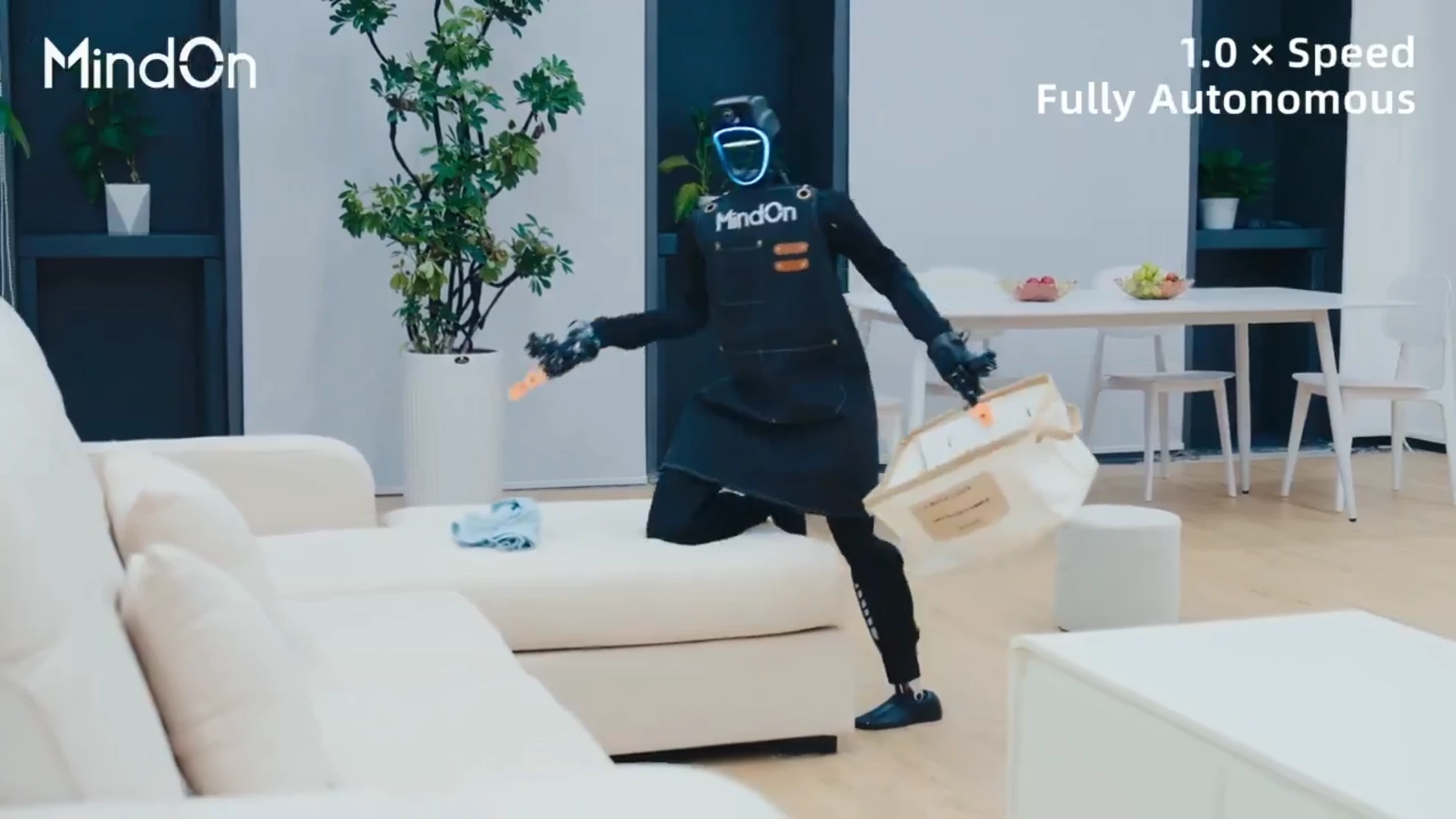
MindOn Demonstrates Mind-1 Robot's Speed in Practical Task Execution
MindOn has unveiled a new demonstration of its Mind-1 robot, focusing on the ability of robots to perform useful tasks at a practical speed. The video, released on September 30, showcases various tasks such as parcel handling, clothing folding, and laundry collection, all labeled as '1.0x Speed' and 'Fully Autonomous.' This demonstration highlights the importance of execution speed in making robots effective workers. The significance of this demonstration lies in MindOn's emphasis on not just completing tasks but doing so efficiently. The company aims to develop robot intelligence that can adapt across different hardware configurations, which is crucial for enhancing productivity. The demonstration illustrates that the speed of task execution is vital for robots to be considered valuable in real-world applications. Looking ahead, while the demonstration is promising, it lacks specific metrics such as human speed comparisons or task success rates. Establishing sustained productivity will require these additional measurements to validate the effectiveness of the Mind-1 robot in practical scenarios. No further timeline was disclosed at the time of publication.
MindOn China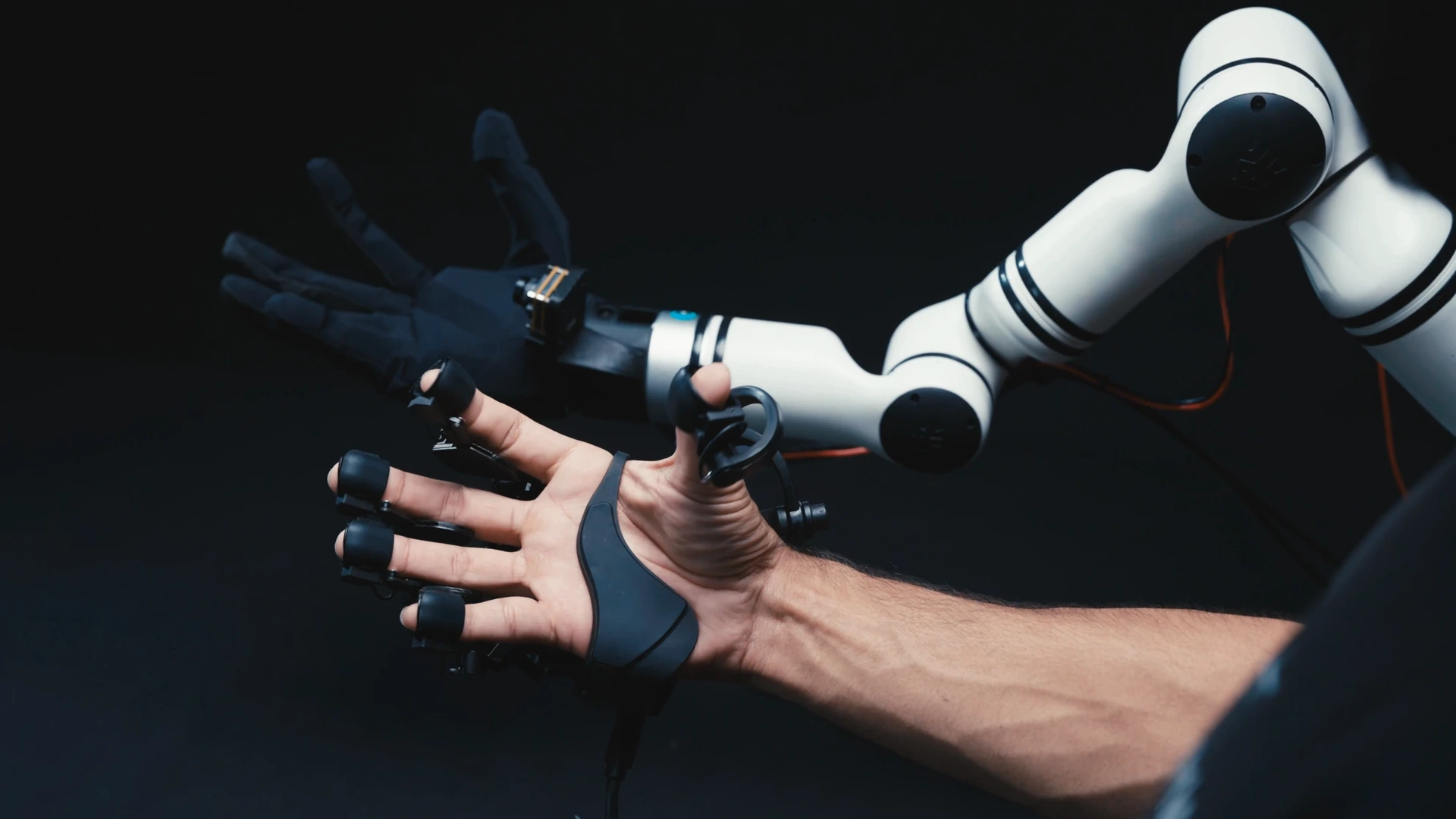
Chestnut Robotics Unveils Aero Hand and Aero UMI for Enhanced Robotic Control
Chestnut Robotics has introduced the Aero Hand and Aero UMI at IROS 2026, integrating a dexterous robotic hand with a wearable system for remote control and demonstration recording. Co-founder and CEO Evan Tao highlighted the products as a cohesive system where the operator's movements directly influence the robotic hand's actions. This launch positions Chestnut among a growing number of companies focused on developing tools that facilitate robot training alongside the hardware that executes tasks. The Aero Hand features a design that mimics human hand movements, boasting a lifetime of over three million cycles, while Aero UMI employs magnetic encoders to accurately capture motion. Looking ahead, the key focus will be on how effectively demonstrations collected with Aero UMI translate into reliable autonomous actions by the Aero Hand. The performance of this system in real-world applications will be critical in determining its commercial viability and the extent of corrections needed for autonomous operation.
US Chestnut Robotics
Robotics Investing: Intuitive Surgical or Unitree?
Unitree (STAR 688836) trades near 410x earnings after a 46% drawdown; Intuitive Surgical sits at 42.5x. A definition-aligned comparison of both companies.
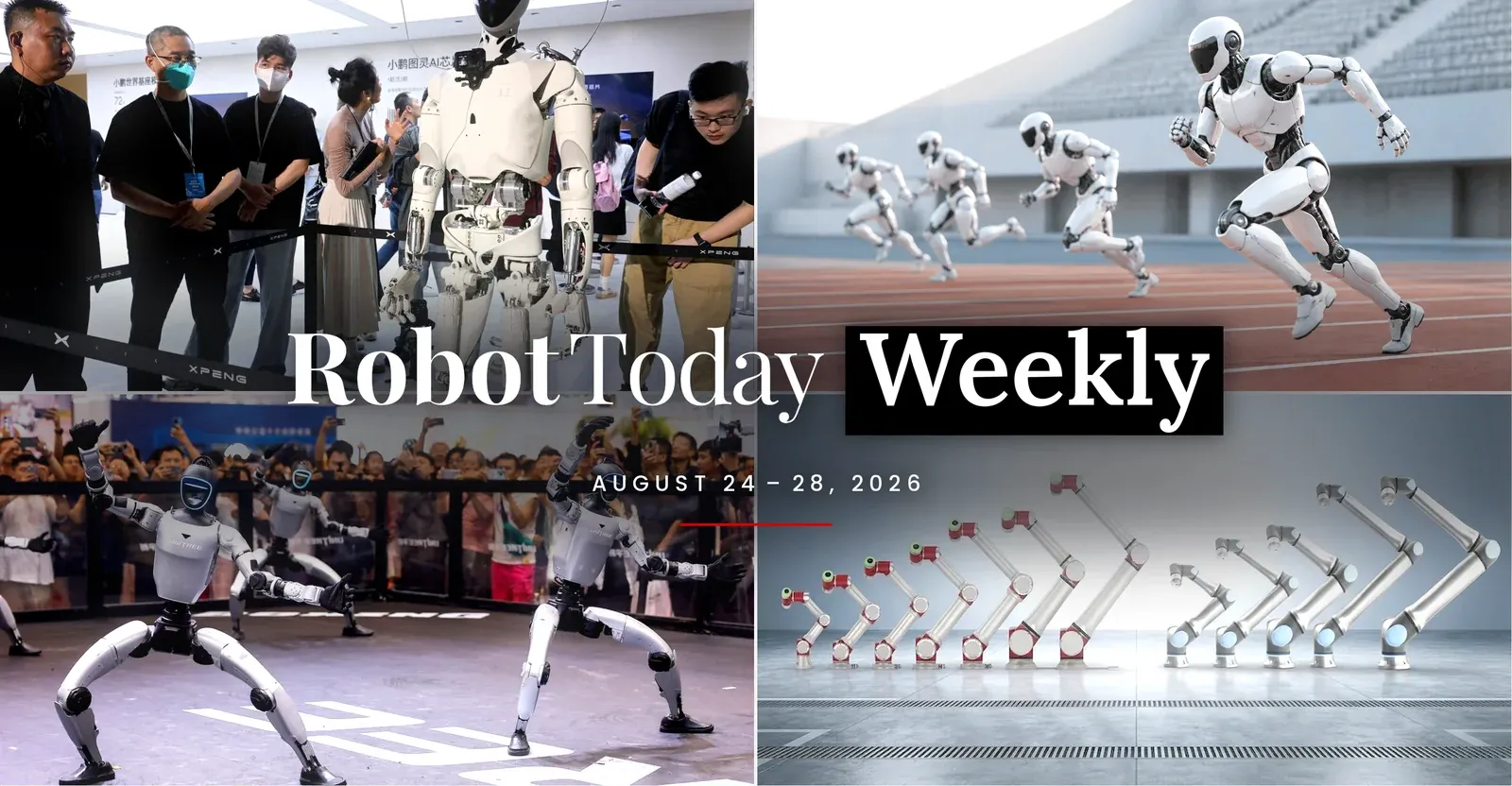
ROBOTTODAY WEEKLY BRIEFING August 24 – 28, 2026
This week in robotics: XPeng's Dogotix raises over $900 million at a $6.3 billion valuation, Unitree's post-IPO slump revives bubble talk, Beijing's World Humanoid Robot Games close with a shift to real-world tasks, and Teradyne sues JAKA at Europe's Unified Patent Court. August 24–28, 2026.
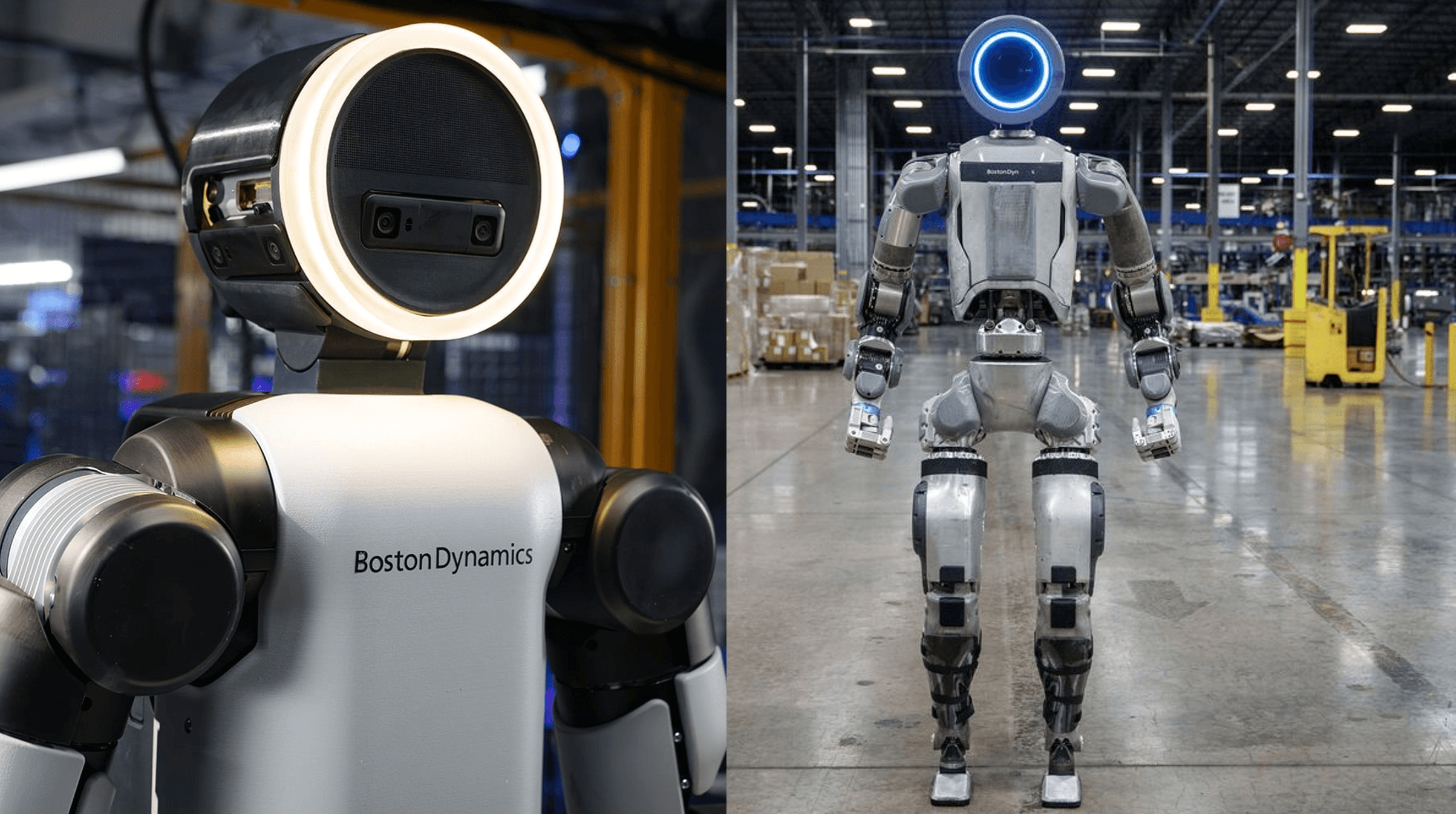
Boston Dynamics: How a Put Option Ended Five Years of Shared Ownership
Hyundai Motor Group acquires SoftBank's remaining 9.65% stake in Boston Dynamics for $325 million, triggered by a 2021 put option. Analysis of ownership history, Atlas commercialization challenges, and what full control means for the humanoid robot industry.
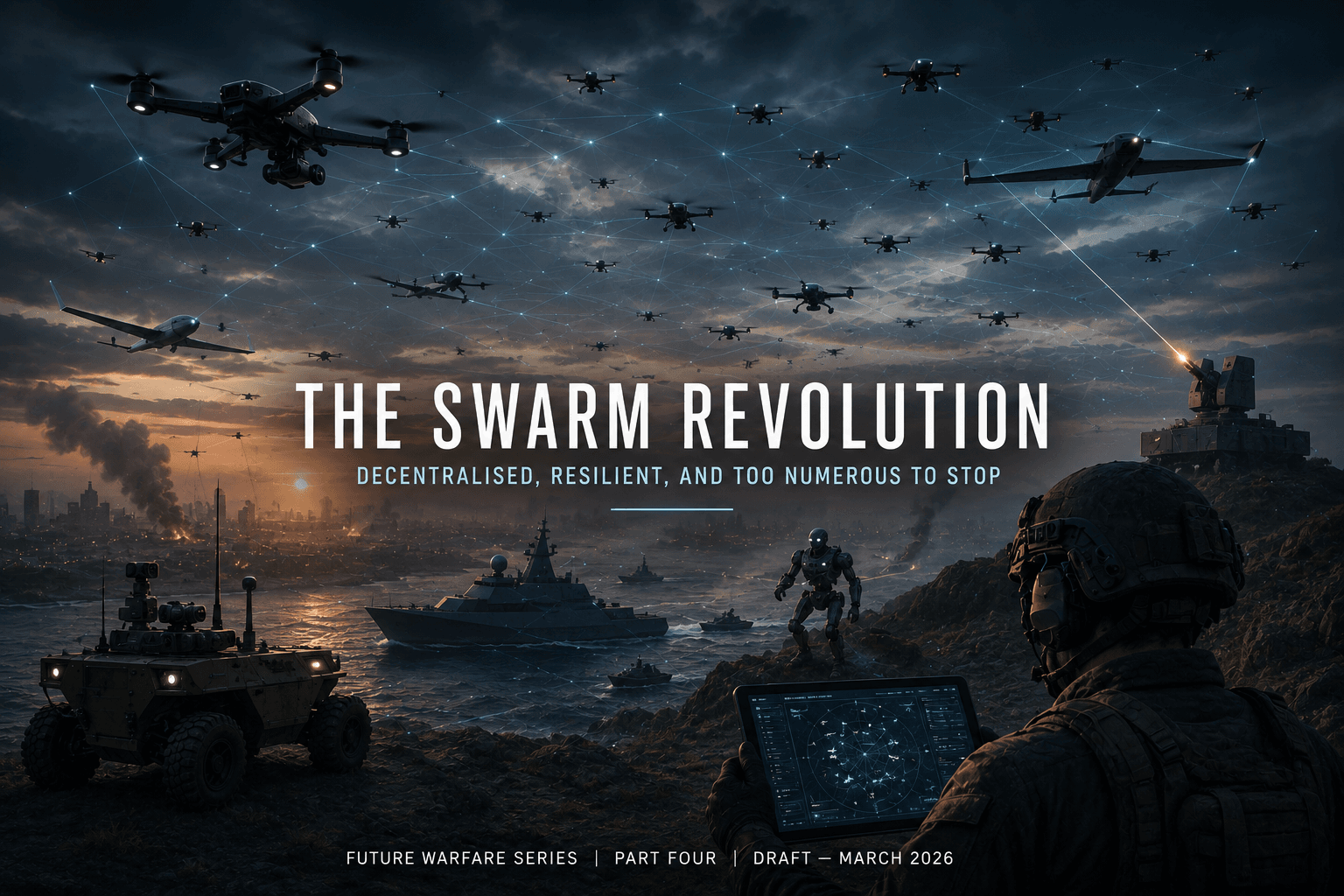
FUTURE WARFARE | The Swarm Revolution - Decentralised, Resilient, and Too Numerous to Stop
Inside the drone swarm revolution: Discover how Ukraine’s Swarmer tech, China’s AI formations, and the Pentagon's Orchestrator Prize are reshaping warfare.

GLOBAL ROBOTICS INDUSTRY Comprehensive Sector Overview
A comprehensive global robotics industry overview for 2025, analyzing 14 key market segments — from industrial and humanoid robots to logistics AMRs, military systems, and service robots — with expert market sizing, US case studies, five-year forecasts, and bilingual English-Chinese analysis for executives and investors.

CONSTRUCTION ROBOTICS | MATERIALS LOGISTICS & SITE AUTOMATION
Construction sites waste 30% of worker time moving materials. Autonomous material logistics robots — from Kewazo's Liftbot to Bedrock Robotics and GoLe AMRs — are eliminating that waste. Key stat: Kewazo Liftbot saves 70% of scaffold man-hours. This segment delivers better ROI than headline bricklayers.
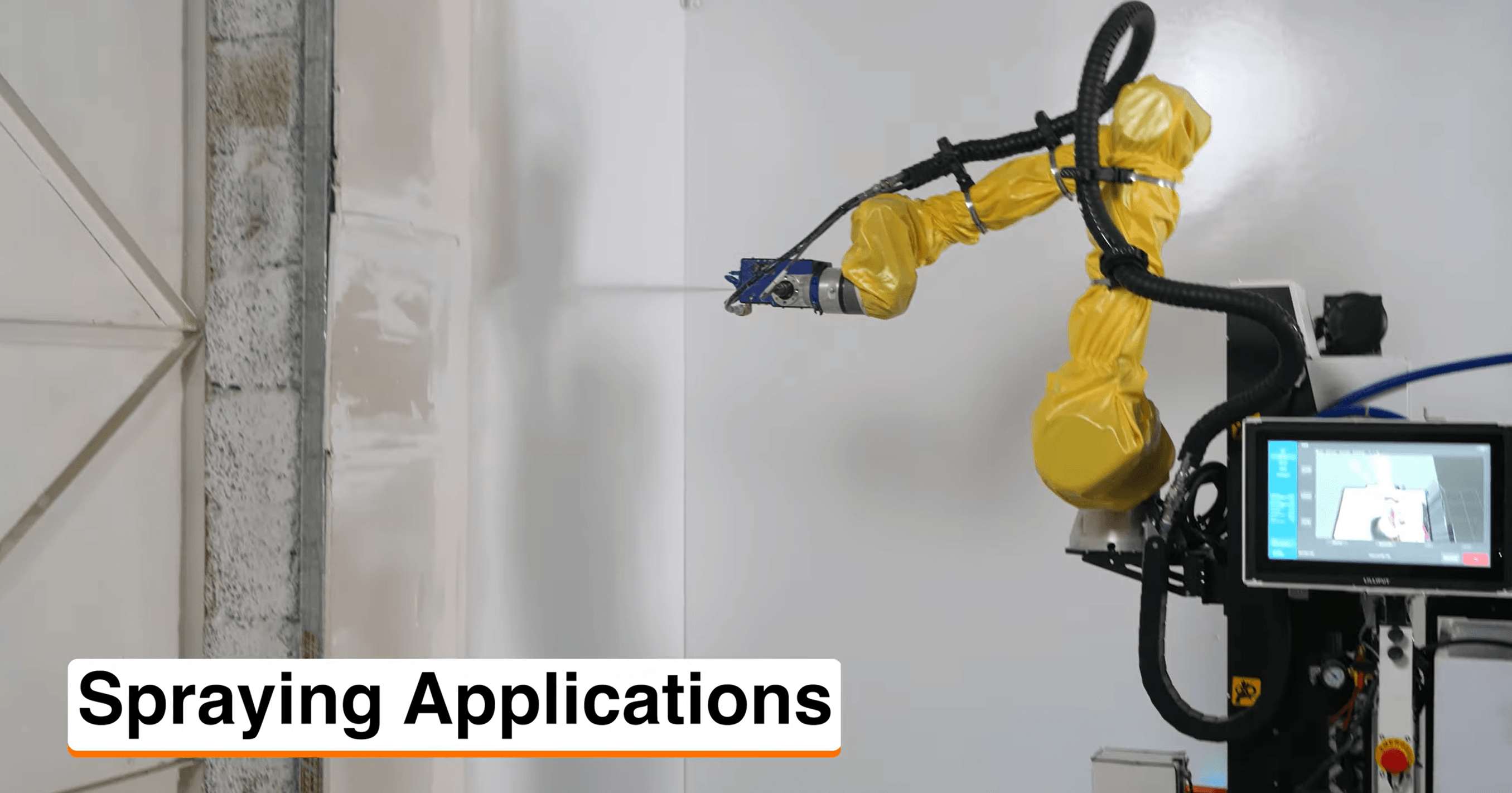
CONSTRUCTION ROBOTICS | Surface Finishing & Painting
Surface finishing robots are construction's hottest automation segment. Okibo, Canvas, Dusty Robotics, Pictobot, and Brightrobot are rewriting the economics of painting, drywall, and tile-setting. Key stat: Okibo's EG7+ cuts finishing labor costs 50% and operates 10x faster than manual crews.
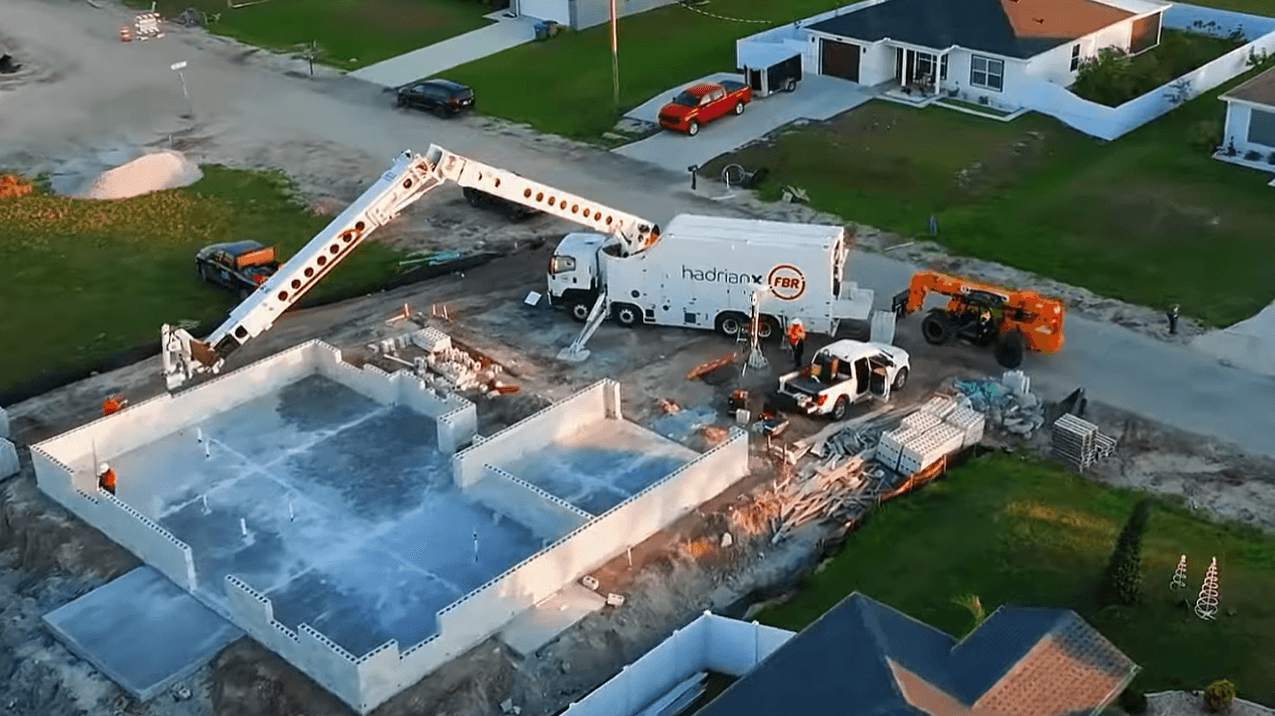
CONSTRUCTION ROBOTICS | Masonry & Bricklaying Robots: The Poster Child That Still Has Walls to Climb
SAM100 lays 3,000 bricks/day. Hadrian X built nine US homes in a single demo program. Masonry automation is the most investor-funded, most culturally charged, and most commercially tested sector in construction robotics.

From Pilots to Production: The Counter-Drone Industry Enters a New Phase
The global counter-drone (C-UAS) sector is scaling fast. New EU and US factories, an ․87M US Army contract, and the 2026 FIFA World Cup deployment mark a turning point for autonomous anti-drone technology. Read RobotToday’s March 2026 briefing.
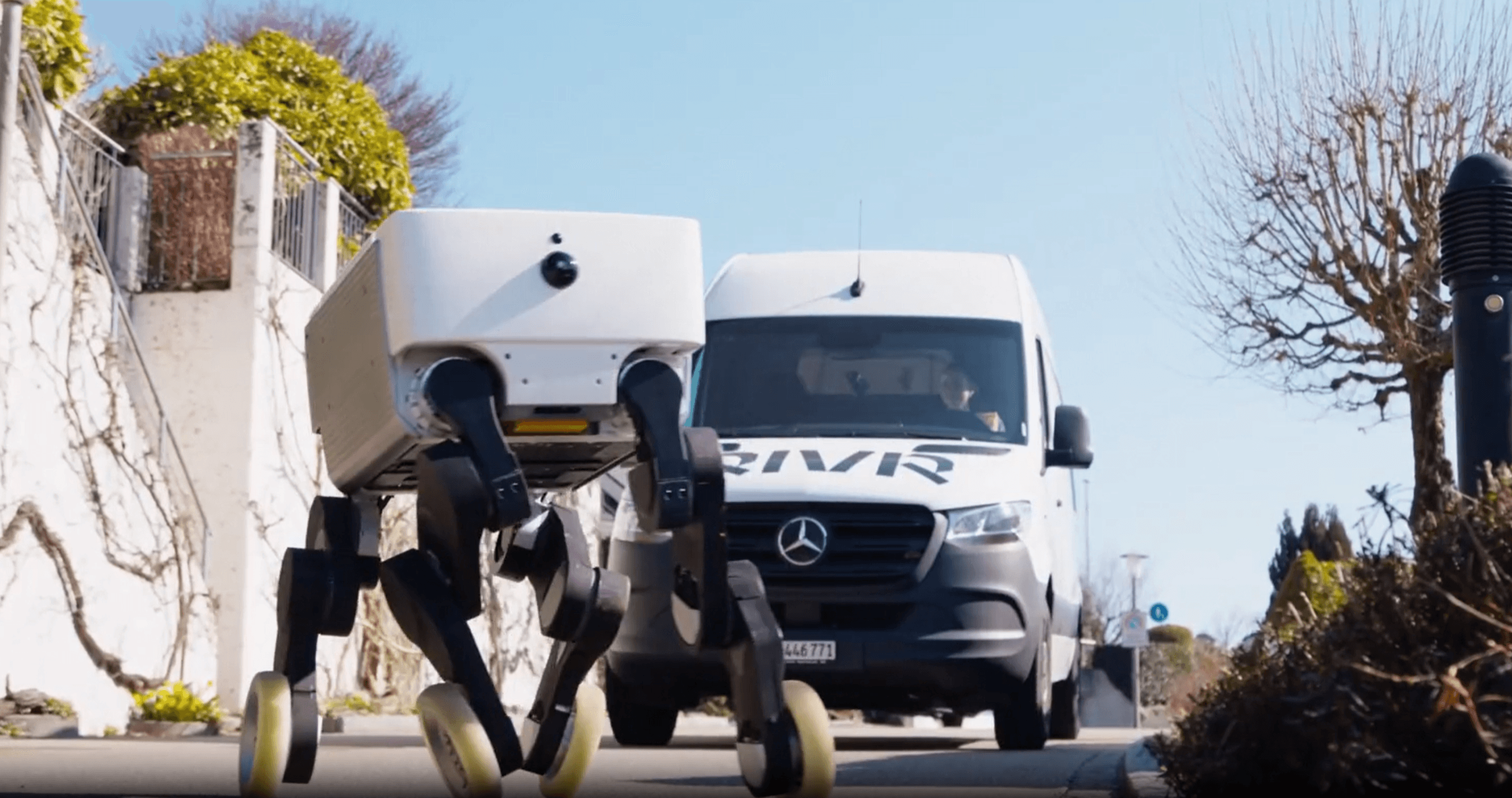
Amazon Acquires Rivr to Accelerate Last-Meter Delivery Robots
Amazon acquires Rivr (fmr. Swiss-Mile), an ETH Zurich spinout, to scale wheel-legged robots for doorstep delivery — marking a turning point for hybrid mobility robotics.


