

Whitman Controls
"American Made, Veteran Owned."
US veteran-owned manufacturer of custom-engineered pressure, vacuum, temperature, and level switches and sensors.
Contact Whitman Controls
WEBSITE
https://www.whitmancontrols.com/PHONE
-3289HEADQUARTERS
United States

Company Facts
Founded
1968
Primary Role
Manufacturer
Company Size
-
Primary Region
North America
Annual Sales
-
Funding Stage
-
Funding Total
-
Certifications & Memberships

CT-Unite Team Secures ACM MM 2026 Championship with Innovative Brain-Inspired Model
The CT-Unite team has won the ACM MM 2026 championship, marking their second consecutive victory in international AI competitions. This time, they achieved success with a brain-inspired, cross-modal cognitive neural network designed for robotics, which compresses a 100 TFLOPS model to operate at 38.8 TFLOPS using distributed computing technology. This achievement is significant as it addresses the critical challenge of enabling embodied intelligent robots to transition from perception to cognition. The EgoLink challenge, part of the ACM MM conference, focuses on understanding social relationships and event logic from a first-person perspective, showcasing the highest level of AI capabilities in video social interaction and environmental reasoning. Looking ahead, the integration of the CT-2001A IDPU architecture and the CT-HS01 4D spectral sensor represents a major advancement in robotic cognition. The team's approach aligns multi-source information at the feature and neuron levels, allowing robots to infer social dynamics and emotional causality, thus achieving human-like cognitive abilities. No further timeline was disclosed at the time of publication.
Cognitive Robotics Neural Networks Multimodal Integration AI Technology
Treble Technologies Raises $18 Million to Advance Robots' Sound Perception Capabilities
Treble Technologies has secured $18 million in Series A-2 funding, led by Paladin Capital Group, to enhance auditory capabilities in robots. Founded in 2020 in Reykjavik, Iceland, Treble focuses on transforming sound propagation into simulative data, addressing limitations faced by AI models in complex acoustic environments. The significance of Treble's technology lies in its ability to model sound acoustics based on physical principles, allowing developers to evaluate product performance before creating physical prototypes. This approach differs from traditional audio processing methods, which primarily focus on signal-level enhancements. Treble's simulations can replicate real-world acoustic conditions, providing valuable insights for companies like Amazon and Logitech, who are already testing audio products on Treble's platform. Looking ahead, Treble aims to expand its presence in the U.S. market while increasing investments in physical AI. As sound becomes a critical interface for intelligent machines, the company’s acoustic simulation capabilities could bridge the gap in robotic perception, enabling robots to interpret auditory information alongside visual data. No further timeline was disclosed at the time of publication.
Acoustic Modeling Robotics AI Sound Simulation
Aetina Launches AIE-KT78 and AIE-KT68 for Advanced AI in Robotics Control
Aetina Corporation has announced the general availability of its DeviceEdge AIE-KT78 and AIE-KT68 edge AI systems. These systems support local multimodal generative AI, LLM, VLM, and VLA model execution, enabling seamless integration with high-resolution sensors, motors, joints, and actuators through high-bandwidth interfaces and EtherCAT control. The introduction of these systems is significant as they are powered by NVIDIA Jetson Thor and utilize the NVIDIA Blackwell architecture, providing high-performance AI compute and deterministic industrial control. This makes them ideal for Collaborative Robots (Cobots), humanoid robots, and next-generation autonomous machines, enhancing their ability to perceive, reason, decide, and act in real-world environments. Looking ahead, the focus will be on how developers leverage the capabilities of the AIE-KT78 and AIE-KT68 systems to create more sophisticated robotic applications. No further timeline was disclosed at the time of publication.
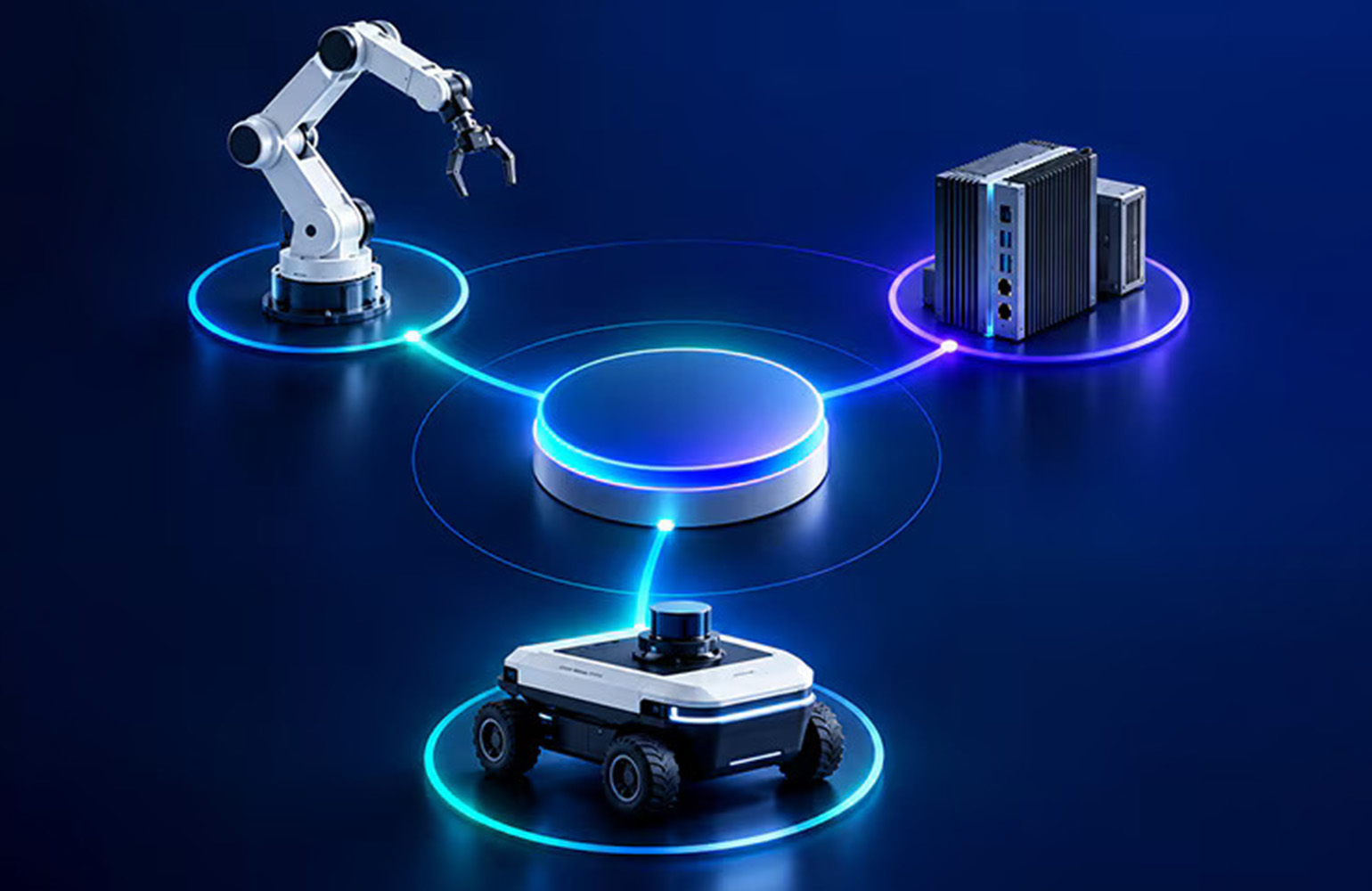
Arm Launches Total Design for Physical AI, Uniting Over 80 Developers in Robotics
Arm Holdings PLC has introduced Arm Total Design for Physical AI, a program that unites over 80 companies involved in the physical AI technology stack. This initiative aims to foster collaboration among participants in the physical AI space, addressing challenges in perception, AI, real-time control, and safety. The significance of this program lies in its potential to streamline the fragmented robotics industry, which often sees companies struggling to collaborate effectively. Dermot O’Driscoll, vice president at Arm, emphasized the need for a cohesive ecosystem where technology and ideas can be shared, enhancing the development of interoperable systems. Looking ahead, Arm's Robotics Capability Framework will categorize robotic systems into six levels of sophistication, from basic reactive robots to advanced systems that learn and self-optimize. Arm is seeking industry feedback to refine these levels, indicating a commitment to evolving the understanding and capabilities of robotics in the market.
Artificial Intelligence Artificial Intelligence / Cognition Automotive Design / Development Development Tools / SDKs / Libraries Markets / Industries
Enhancing the Navy's Kill Chain with Remote Mine Hunting Using AI and Sonar
The Navy is advancing its find, fix, and finish kill chain through the implementation of remote mine hunting technologies. This innovative approach leverages autonomy, artificial intelligence, and advanced sonar systems to effectively locate and neutralize underwater mines, significantly improving operational efficiency. The integration of these technologies is crucial for enhancing maritime safety and operational readiness. By utilizing remote mine hunting, the Navy can clear waterways more quickly and with reduced risk to personnel, addressing the growing need for effective mine countermeasures in complex environments. Looking ahead, the continued development and deployment of remote mine hunting capabilities will be essential for maintaining naval superiority. No further timeline was disclosed at the time of publication.
Naval Warfare Sponsored Post Navy networks Presented by Thales SAS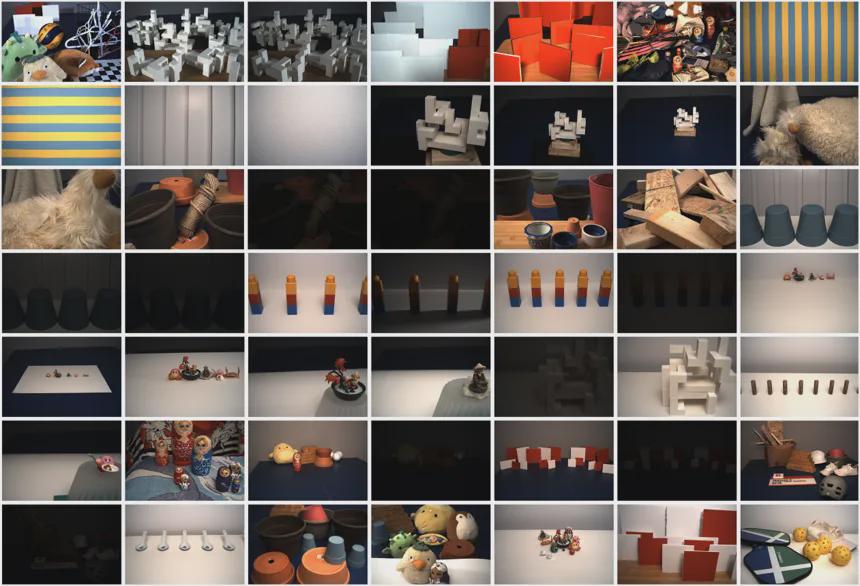
York University Develops CBS Algorithm to Enhance Humanoid Robot Depth Perception
Researchers from York University have introduced the Convergent Binocular Stereo (CBS) algorithm to improve depth perception in humanoid robots. This innovative approach utilizes the movement of the robot's eyes, allowing them to converge on a target while calculating depth based on camera orientation and disparities in the images. This method significantly outperforms traditional depth learning techniques, especially in complex visual scenarios. The advancement is crucial as humanoid robots increasingly rely on sophisticated vision systems to navigate and interact with their environments. By integrating eye movement into depth calculations, the CBS algorithm addresses a long-standing challenge in robotic vision, enhancing the robots' ability to perceive three-dimensional spaces accurately. Looking ahead, the implementation of the CBS algorithm could lead to more advanced humanoid robots capable of better depth perception and spatial awareness. No further timeline was disclosed at the time of publication.
Humanoid Robots Vision Systems Depth Perception Robotics Research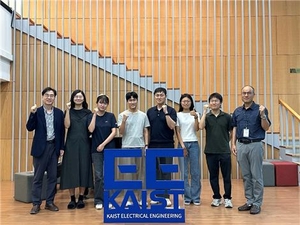
KAIST's Urban Robotics Lab Achieves Top Honors in International Navigation Challenges
KAIST's Urban Robotics Lab secured first and second place in two prestigious international robot navigation challenges. The team developed an AI system that enables robots to self-verify their decisions, ensuring they reach the correct destination. This innovative self-checking technology was instrumental in their success at the competitions held in Malmo, Sweden, and Sydney. The significance of this achievement lies in the advancement of embodied artificial intelligence, which allows robots to better understand human instructions and navigate complex environments. By addressing common navigation errors, such as misidentifying destinations, KAIST's technology enhances the reliability of robotic systems in real-world applications. The competitions were part of the European Conference on Computer Vision 2026 and Robotics: Science and Systems 2026, highlighting the importance of AI in robotics. Looking ahead, the focus will be on further refining the CoRe-VLN system, which utilizes AI to analyze visual and textual data for improved navigation accuracy. No further timeline was disclosed at the time of publication.
All News
Leopard Imaging to Present Cutting-Edge Embedded Vision Technologies with Future Electronics at World of Technology & Science 2026
Leopard Imaging will exhibit its advanced embedded vision technologies alongside Future Electronics at Booth 9A043 during the World of Technology & Science 2026. The showcased technologies will include stereo vision, thermal imaging, high-performance camera systems, and ultra-compact imaging solutions. This event is significant as it highlights Leopard Imaging's commitment to innovation in embedded vision, catering to various sectors such as robotics, autonomous systems, industrial automation, AIoT, and edge AI applications. The collaboration with Future Electronics underscores the importance of partnerships in advancing technology solutions. Attendees should look for demonstrations of Leopard Imaging's latest offerings, which are designed to enhance performance in critical applications. No further timeline was disclosed at the time of publication.

QBit Semiconductor Reveals Robotics and Drone Chipset Roadmap for Physical AI Control
QBit Semiconductor, a Taiwan-based fabless IC design leader, announced its roadmap for robotics and drone chipsets at SEMICON Taiwan 2026. This initiative focuses on integrating Physical AI control capabilities, particularly through their QB88XX series, which includes advanced motion control and image processing technologies. The unveiling of this roadmap is significant as it positions QBit Semiconductor to capitalize on the growing demand for Physical AI applications in robotics and drone markets. By targeting these sectors, the company aims to enhance the functionality and efficiency of robotic systems and drones, leveraging their expertise in high-end image processing and motion control. Looking ahead, industry stakeholders should monitor QBit Semiconductor's developments in the QB88XX series and its impact on the Physical AI landscape. No further timeline was disclosed at the time of publication.

Top Group and Yuan Sheng Technology Establish Strategic Partnership for Tactile Perception Development
Top Group and Yuan Sheng Technology have signed a strategic cooperation agreement to collaborate on embodied intelligent perception and execution capabilities. This partnership aims to enhance the core technologies of tactile perception for dexterous hands and accelerate the commercialization of embodied intelligence. Previously, in August, Top Group made a strategic investment in Yuan Sheng Technology, marking a shift from financial investment to technical collaboration. Yuan Sheng Technology focuses on tactile infrastructure for embodied intelligence, developing an integrated technology system that includes tactile sensors, data collection, and hardware-software architecture. Their multidimensional tactile technology is characterized by high density, thinness, and the ability to perceive various forces, applicable in scenarios such as dexterous hands and humanoid robots. The company has achieved reliable mass production of automotive-grade tactile sensors, which are now being delivered to well-known clients in robotics and data collection. Top Group has established a dedicated robotics actuator division to enhance its capabilities in core hardware areas such as dexterous hands and precision components. The combination of Top Group's actuators and Yuan Sheng's sensors is crucial for achieving the precise feedback required for delicate operations. The focus of their collaboration is to accelerate the commercialization of embodied intelligence, and it remains to be seen if this partnership can produce replicable delivery cases in practical applications.
Tactile Sensors Embodied Intelligence Robotics Automation Sensor Technology
China’s Dexterous Hand Industry, 2026 Part 1 — The Demand Picture
MIR Databank puts China dexterous hand shipments above 30,000 units in 2026, yet only 3.5% of 2025 demand came from factory production. Part 1 of 3.

China’s Dexterous Hand Industry, 2026 Part 2 — The Technology
Linkage, tendon, direct drive or hybrid — and why hardware is converging while the DL1–DL5 manipulation scale decides who wins. Part 2 of 3.
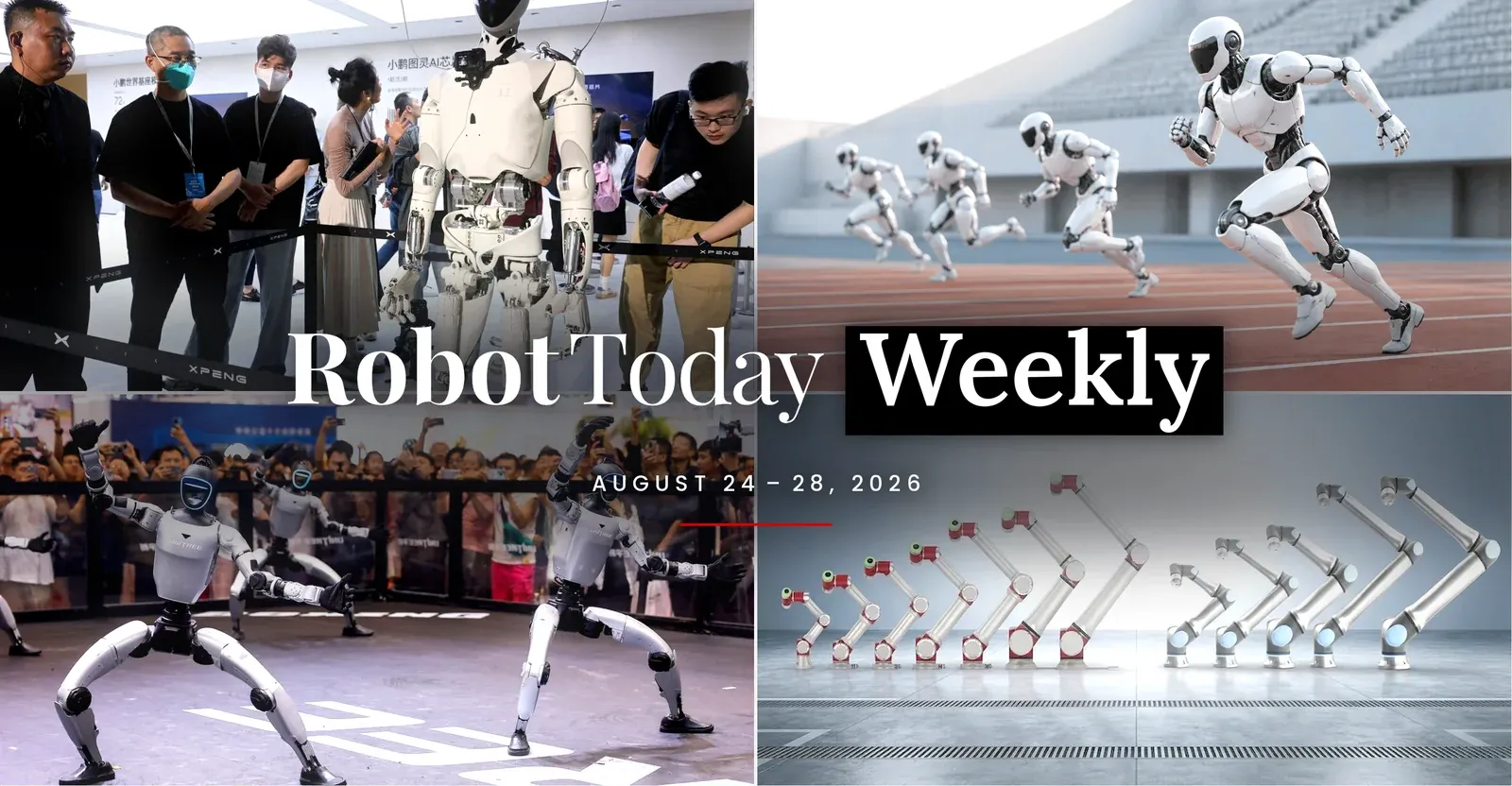
ROBOTTODAY WEEKLY BRIEFING August 24 – 28, 2026
This week in robotics: XPeng's Dogotix raises over $900 million at a $6.3 billion valuation, Unitree's post-IPO slump revives bubble talk, Beijing's World Humanoid Robot Games close with a shift to real-world tasks, and Teradyne sues JAKA at Europe's Unified Patent Court. August 24–28, 2026.
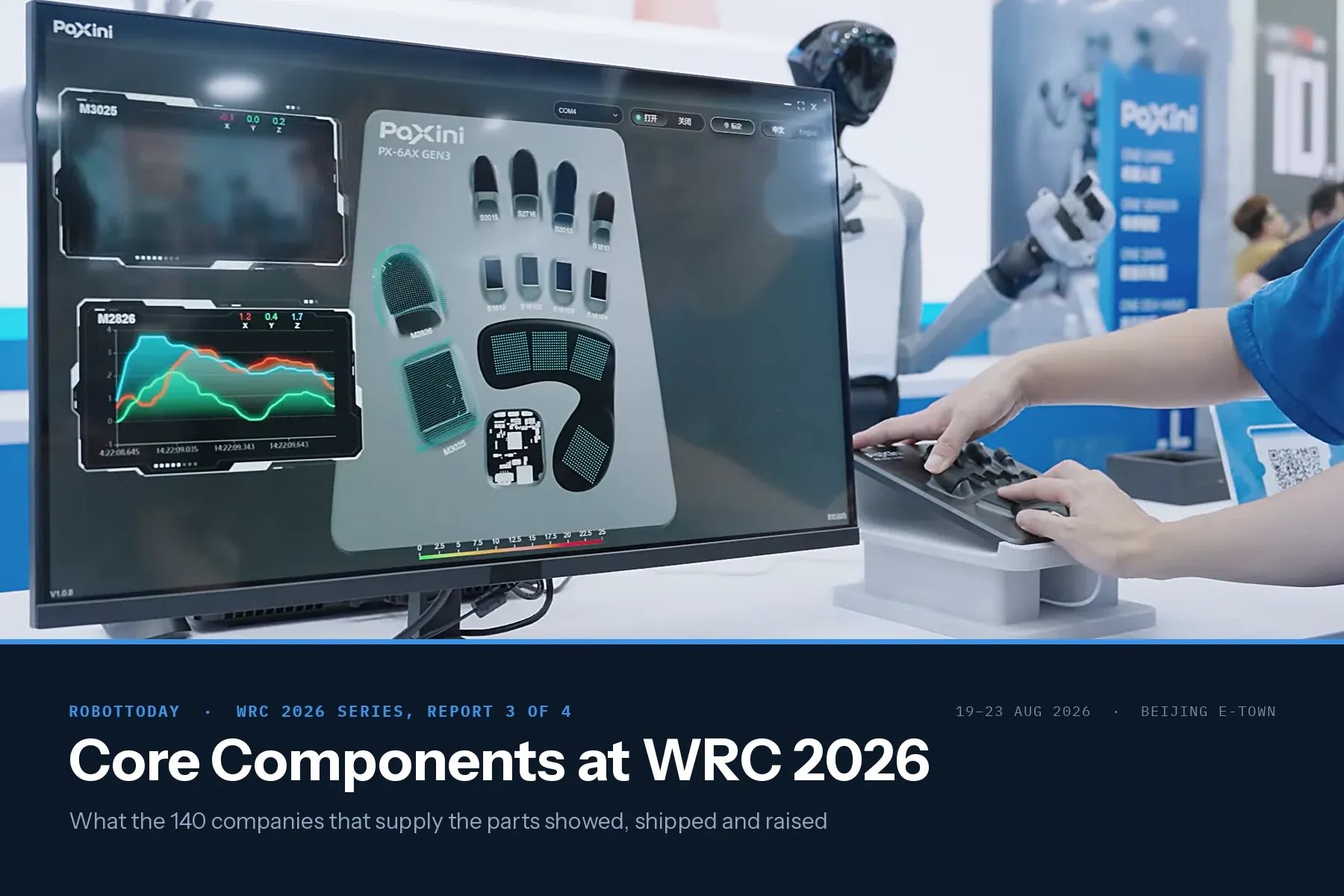
WRC 2026 Core Components: 137 Robot Parts Suppliers
The third report in the WRC 2026 series. Report 1 mapped all 248 exhibitors by category and Report 2 covered the 139 that build finished robots. This one covers the 137 that build what goes inside them.
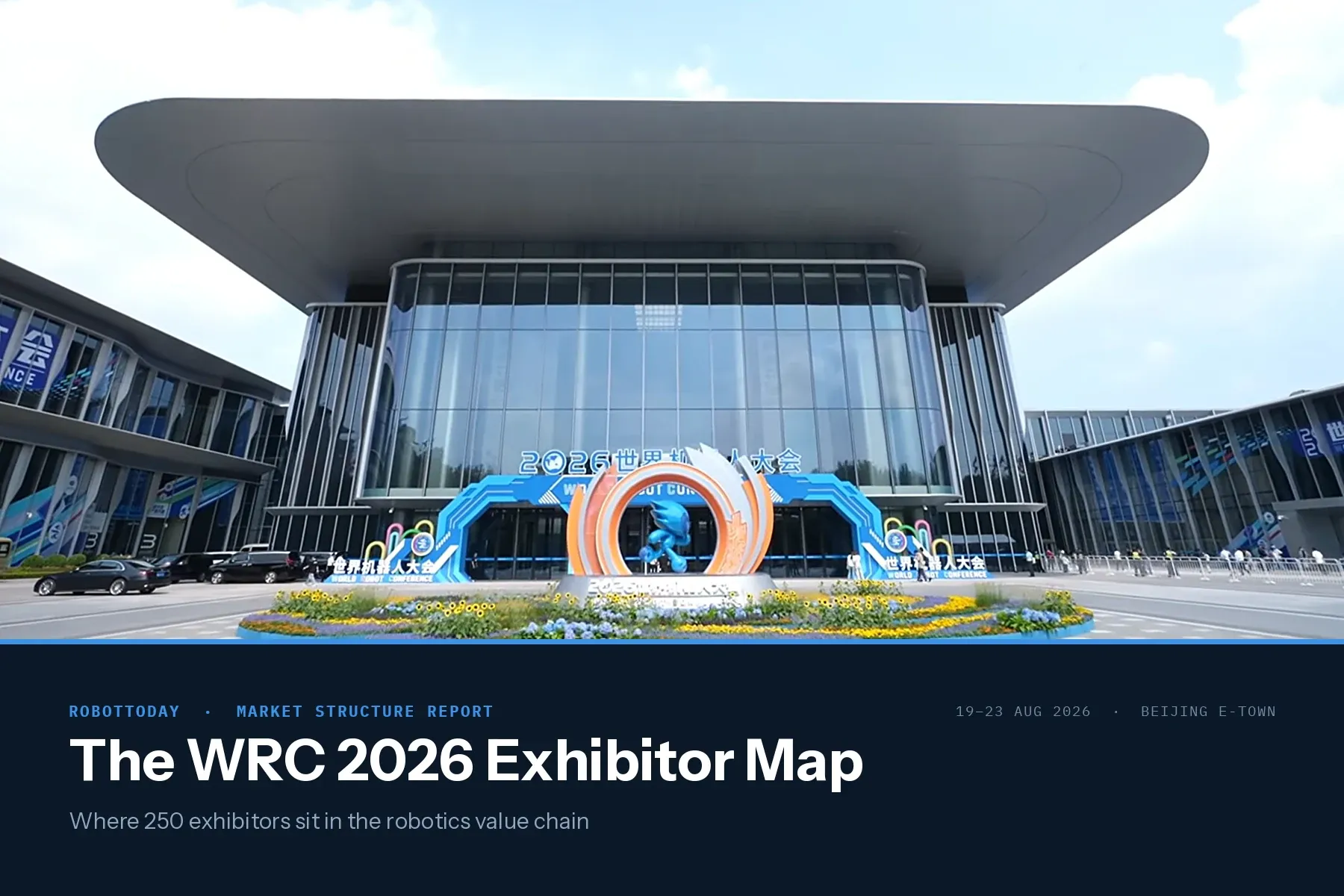
WRC 2026 Exhibitor Map: 248 Robotics Companies Mapped
We classified 248 WRC 2026 exhibitors with the RobotToday taxonomy. Motion & Actuation leads at 75 companies, Humanoid at 72, and compute stays thin at 12. (Modified 2026-08-27)
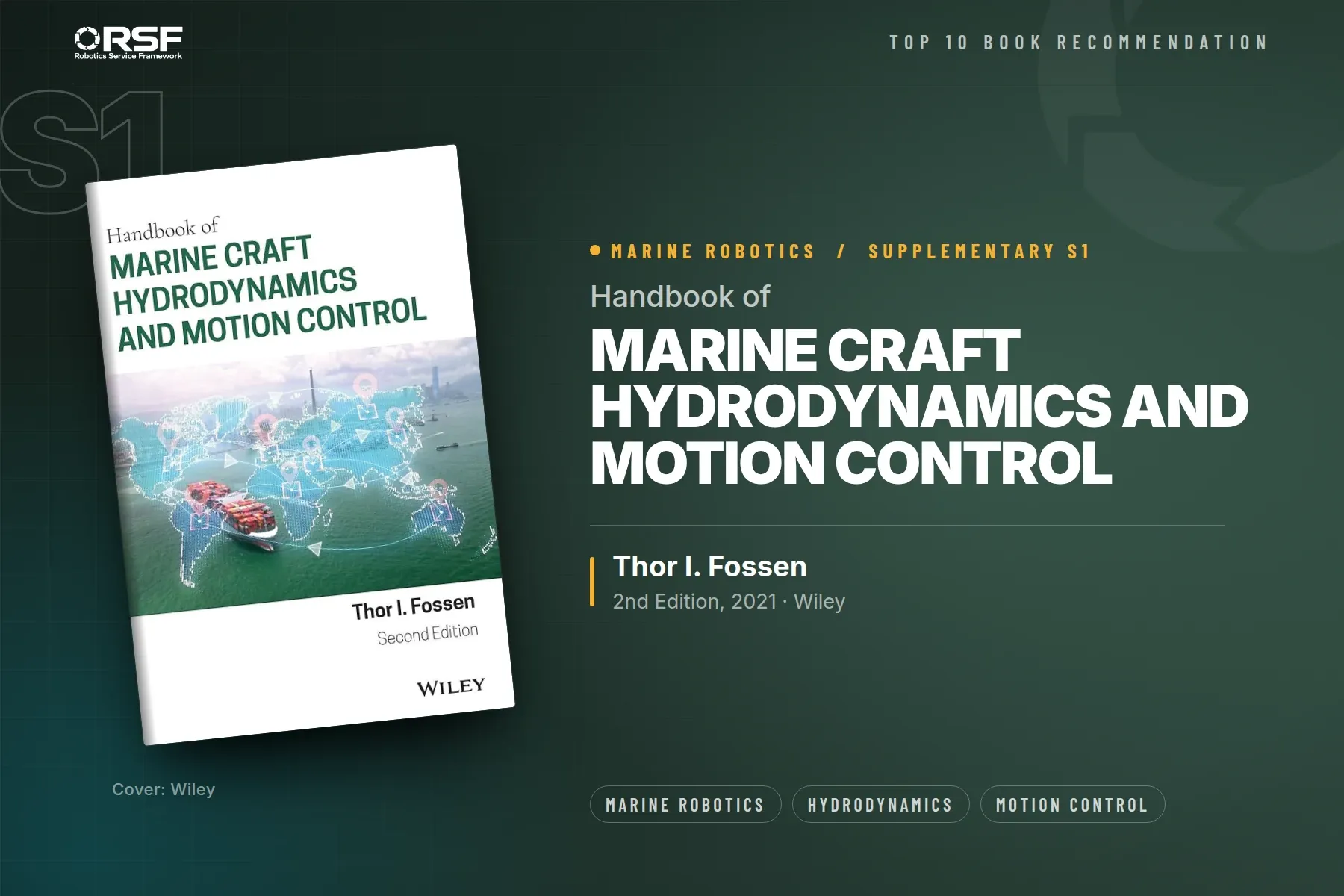
Handbook of Marine Craft Hydrodynamics and Motion Control Thor I. Fossen — RSF Specialist Shelf · Book S1 of 6
Added mass, wave loading, DVL navigation: the marine GNC reference for USV, ROV and AUV service engineers. The hardest book on the RSF list, 5/5.

Small Unmanned Aircraft: Theory and Practice Beard & McLain — RSF Specialist Shelf · Book S2 of 6
Beard & McLain derive the fixed-wing autopilot the RSF Top 10 never does: successive loop closure on roll, pitch, altitude and airspeed. 4/5.
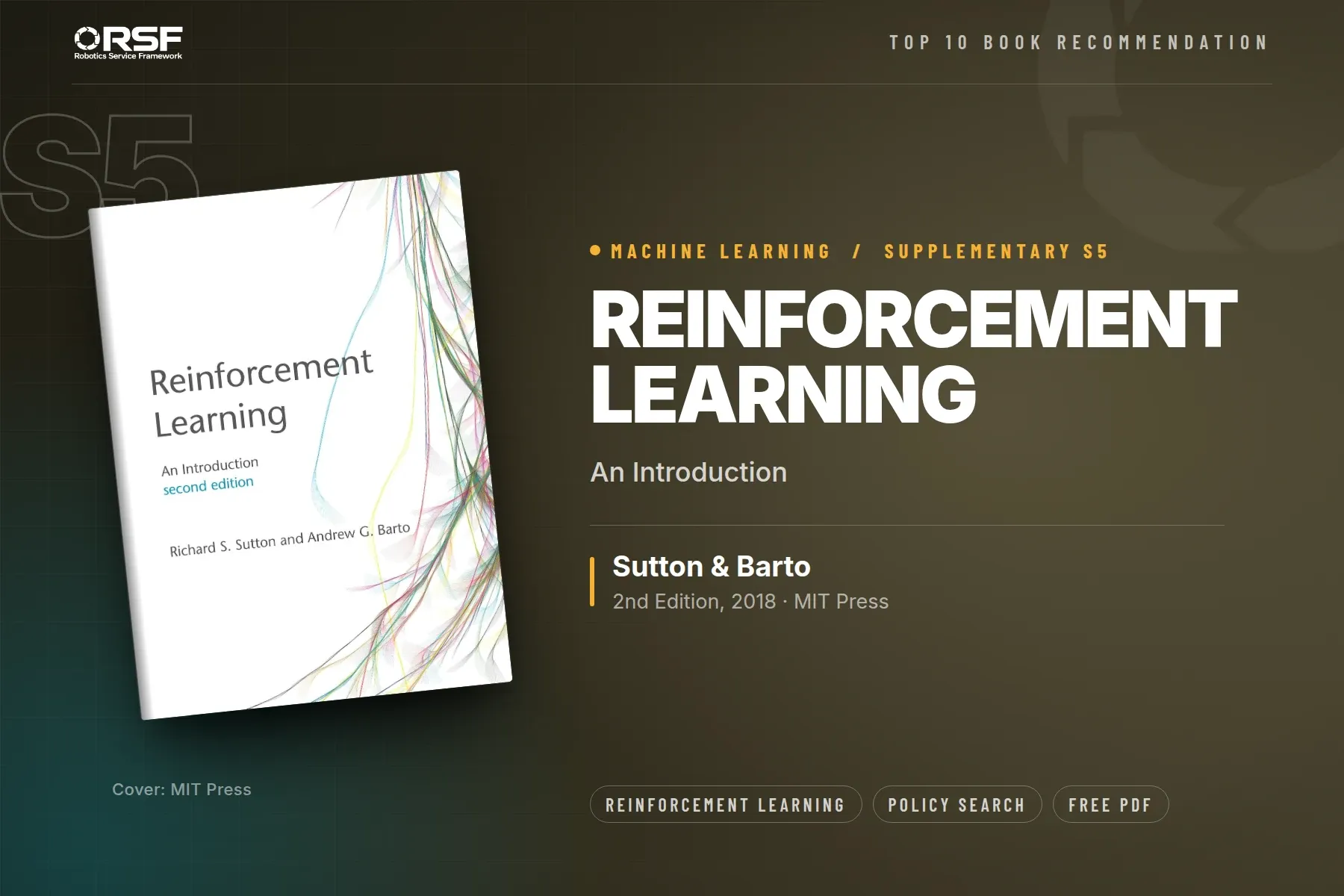
Reinforcement Learning: An Introduction Richard S. Sutton & Andrew G. Barto — RSF Specialist Shelf · Book S5 of 6
“It's the AI” will not satisfy an OEM support call. Sutton & Barto turn that into something a service engineer can investigate. Free PDF, Part I 4/5.

Planning Algorithms Steven M. LaValle — RSF Specialist Shelf · Book S4 of 6
The reference that treats planning as a subject in its own right: configuration space, sampling-based methods, RRT. Free online, dual difficulty 4/5-2/5.
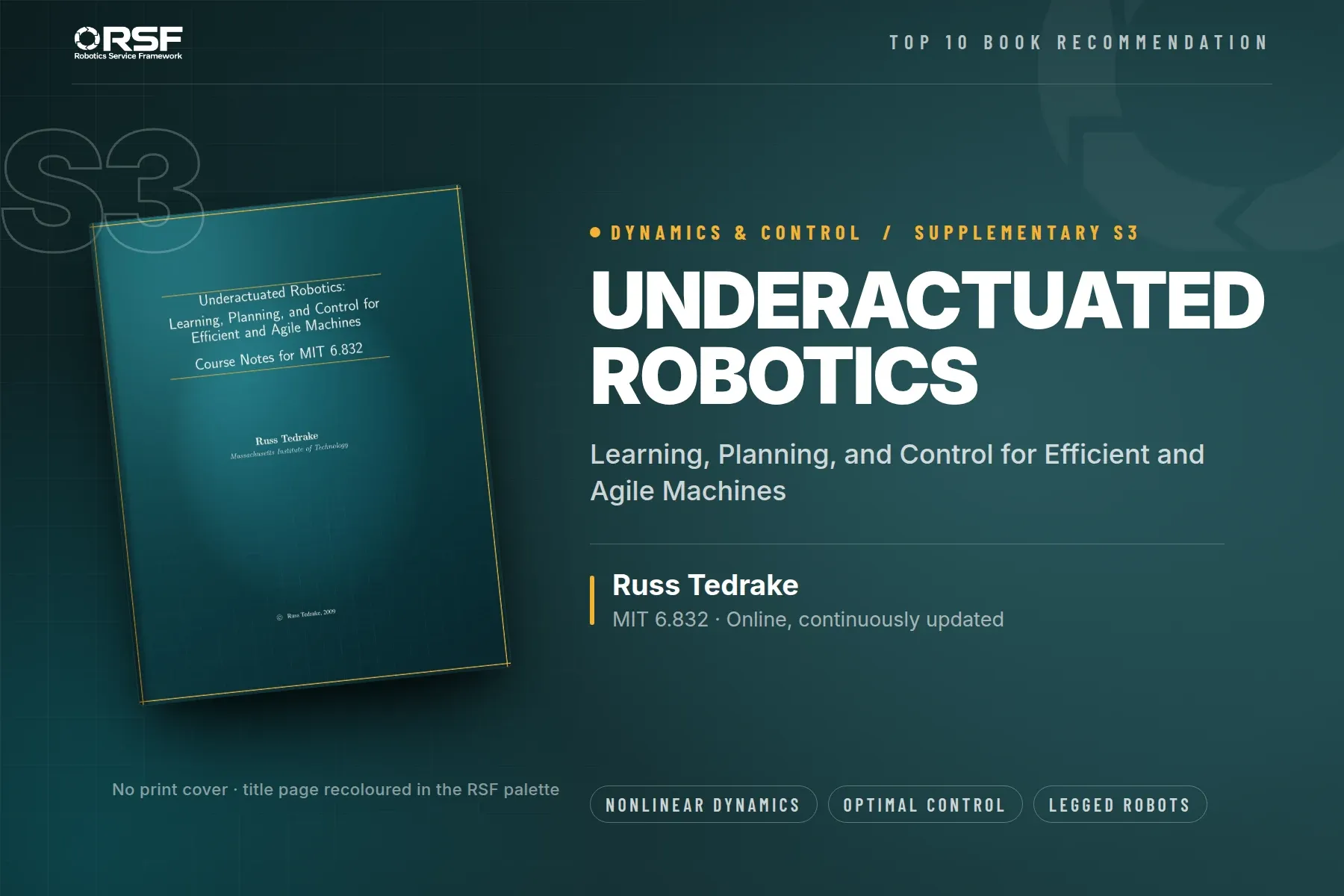
Underactuated Robotics Russ Tedrake — RSF Specialist Shelf · Book S3 of 6
Legged robots fall over for control reasons, not mechanical ones. Tedrake's free MIT 6.832 notes explain why, and what a controller must do about it.


