


VitiBot
VitiBot is a French vineyard robotics company founded in 2015, making the Bakus 100% electric autonomous straddle robot for vine row cultivation; a SAME.
Contact VitiBot
WEBSITE
https://vitibot.frPHONE
+33 3 26 48 69 62HEADQUARTERS
France

Company Facts
Founded
2015
Primary Role
Manufacturer
Company Size
employees 10-50
Primary Region
Europe
Annual Sales
-
Funding Stage
-
Funding Total
-

Israeli Company Develops Flexible Picking Robots Targeting 95% Fruit Coverage on Trees
An Israeli company has developed innovative flexible picking robots designed to harvest up to 95% of the fruit from trees. This advancement in agricultural robotics aims to enhance efficiency in fruit picking, addressing labor shortages and increasing productivity in the sector. The significance of this technology lies in its potential to transform the fruit harvesting process, making it more efficient and less reliant on human labor. As the agricultural industry faces challenges such as labor shortages, these robots could provide a viable solution, ensuring that fruit is harvested at optimal times and reducing waste. Looking ahead, the adoption of these flexible picking robots could reshape agricultural practices, particularly in fruit production. Stakeholders in the agriculture sector should monitor developments in this technology and its implementation in various regions. No further timeline was disclosed at the time of publication.
Robotics Automation AI
Myca Secures $1.3 Million Pre-Seed Funding to Enhance AI Solutions for Agribusiness Operations
Myca has successfully raised $1.3 million in pre-seed funding, led by Kriscore Capital and Eximius Ventures, with additional support from Indigram Labs Foundation and angel investors. The funds will be utilized to expand Myca's product offerings, grow its engineering team, and extend its reach across Southeast Asia, Latin America, Africa, and India. This funding is significant as it addresses the inefficiencies in agribusiness operations, which often rely on outdated communication methods. Myca's AI-driven software transforms unstructured data from messages, calls, and photos into actionable insights, streamlining operations for agribusinesses in the Global South. The company aims to improve real-time operational visibility and efficiency, particularly for smallholder farmers. Looking ahead, Myca remains committed to the agribusiness sector, which represents a $6 trillion industry. While there are opportunities to branch into other sectors, the company is focused on solving pressing challenges within agriculture. No further timeline was disclosed at the time of publication.
Agtech Artificial intelligence Deeptech EMEA Startups & funding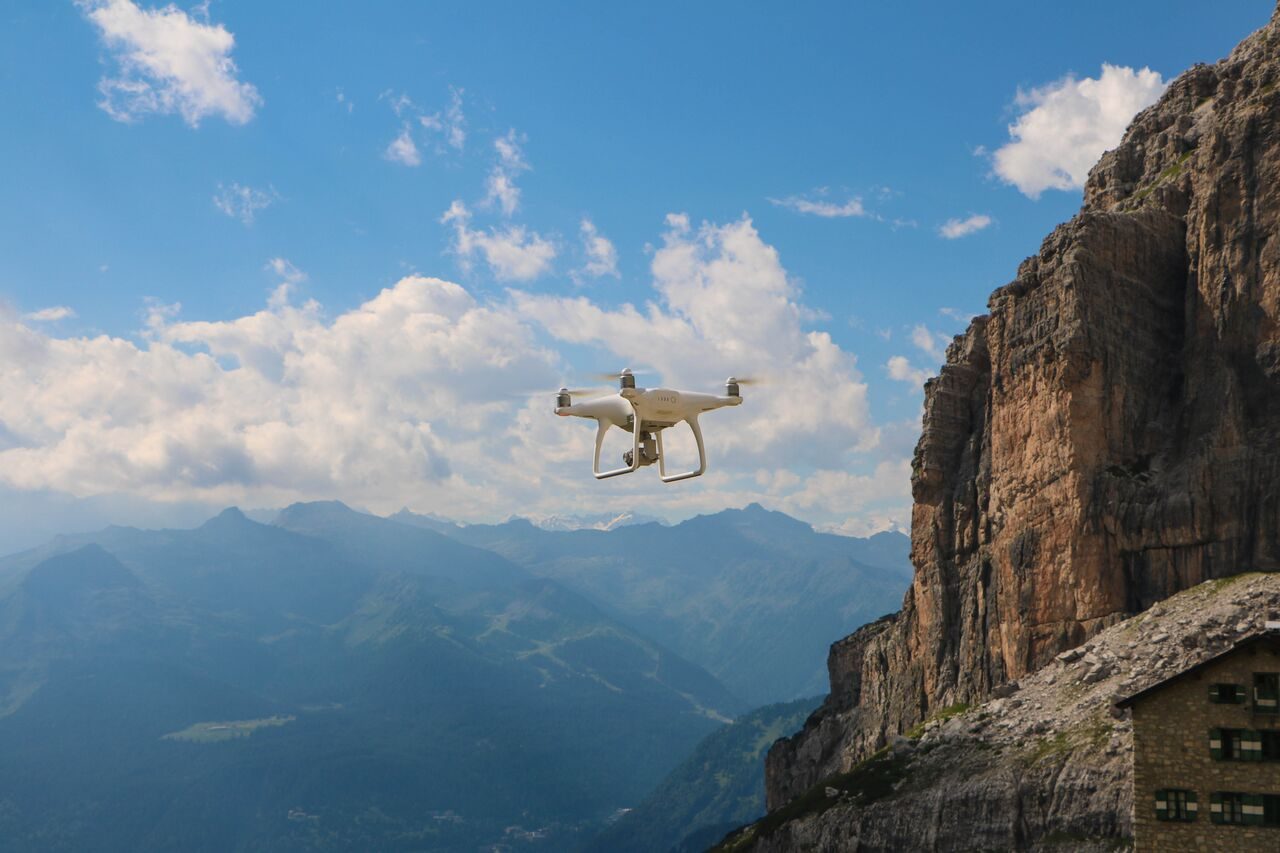
New Research Suggests Drones Need Minimal Replanning for Efficient Searches
Research from The University of Texas at Austin reveals that autonomous drones searching for missing persons may only need to recalculate their routes two or three times to maximize efficiency. This finding challenges the notion that constant route adjustments are necessary for optimal performance during missions. The implications of this research are significant, as it suggests that a hybrid approach to route planning can enhance the speed and reduce the computational demands of autonomous searches. Applications for this technology span across various fields, including search and rescue, infrastructure monitoring, scientific research, and agriculture. Looking ahead, the focus will be on implementing this hybrid model in real-world scenarios to validate its effectiveness. No further timeline was disclosed at the time of publication.
Applications Drone News Drone News Feeds Featured – Safety and Security Fire and Police First Responder
Picker AgRobotics Innovates with Flexible Arms for Autonomous Fruit Harvesting
Israeli startup Picker AgRobotics is developing a novel approach to autonomous fruit harvesting using flexible, hollow robotic arms. Unlike traditional rigid arms that pick and place fruit, these innovative arms can navigate through branches, cut fruit from the stem, and funnel it directly into a bin, a method they call 'Snip-N-Roll.' Co-founder Yossi Rosenblum emphasized the inefficiencies of conventional pick-and-place systems, which are costly and labor-intensive. This new technology addresses the significant labor challenges faced by orchard growers, as highlighted by Rosenblum. He noted that existing robotic harvesters have struggled to solve the labor problem effectively, primarily due to their rigid designs. Picker AgRobotics aims to revolutionize the sector by introducing flexible robotics, which have yet to be utilized in agriculture despite their growing prevalence in other fields. Looking ahead, Picker AgRobotics plans to initiate customer pilots in 2027, marking a significant step towards practical application of their technology. The company believes that their unique approach could lead to more efficient harvesting solutions, potentially transforming the economics of fruit harvesting in orchards.
Agtech Artificial intelligence Deeptech EMEA Precision agriculture Startups & funding
China National Petroleum Corp. Achieves 29.6 Million Tons Oil Extraction Milestone
China National Petroleum Corp. (CNPC) has announced a significant production milestone at the Fuman Oilfield, having extracted over 29.6 million U.S. tons of oil and gas from depths exceeding 19,685 feet in the Taklimakan Desert. This achievement underscores the country's commitment to exploring ultra-deep hydrocarbon resources in challenging environments. The extraction of 29.6 million tons includes 20.36 million metric tons of crude oil and 8.15 billion cubic meters of natural gas, marking a substantial contribution to China's energy sector. The operation has seen the drilling of 485 ultra-deep wells, with many yielding over 100,000 metric tons of oil and gas, establishing the Tarim Oilfield as a key player in ultra-deep hydrocarbon production. Looking ahead, the recent recovery of rock cores from depths of 8,080 meters will enhance understanding of hydrocarbon generation potential in the region. No further timeline was disclosed at the time of publication.
Energy
Black Sea Drone Strikes Target Cargo Ships Amid Escalating Ukraine Conflict
Recent drone strikes in the Black Sea have targeted cargo ships, highlighting the growing dangers in this vital trade corridor. These attacks underscore the escalating tensions in the region, particularly affecting agricultural trade routes crucial for Ukraine's economy. The significance of these strikes lies in their impact on global food supply chains, as the Black Sea is a key route for transporting agricultural products. Disruptions in this area could lead to increased prices and shortages, affecting markets worldwide. Looking ahead, stakeholders should monitor the situation closely, as further escalations could threaten maritime safety and trade stability. No further timeline was disclosed at the time of publication.
Transfar Launches Over 300 Industrial Scenarios for Embodied AI Testing and Deployment
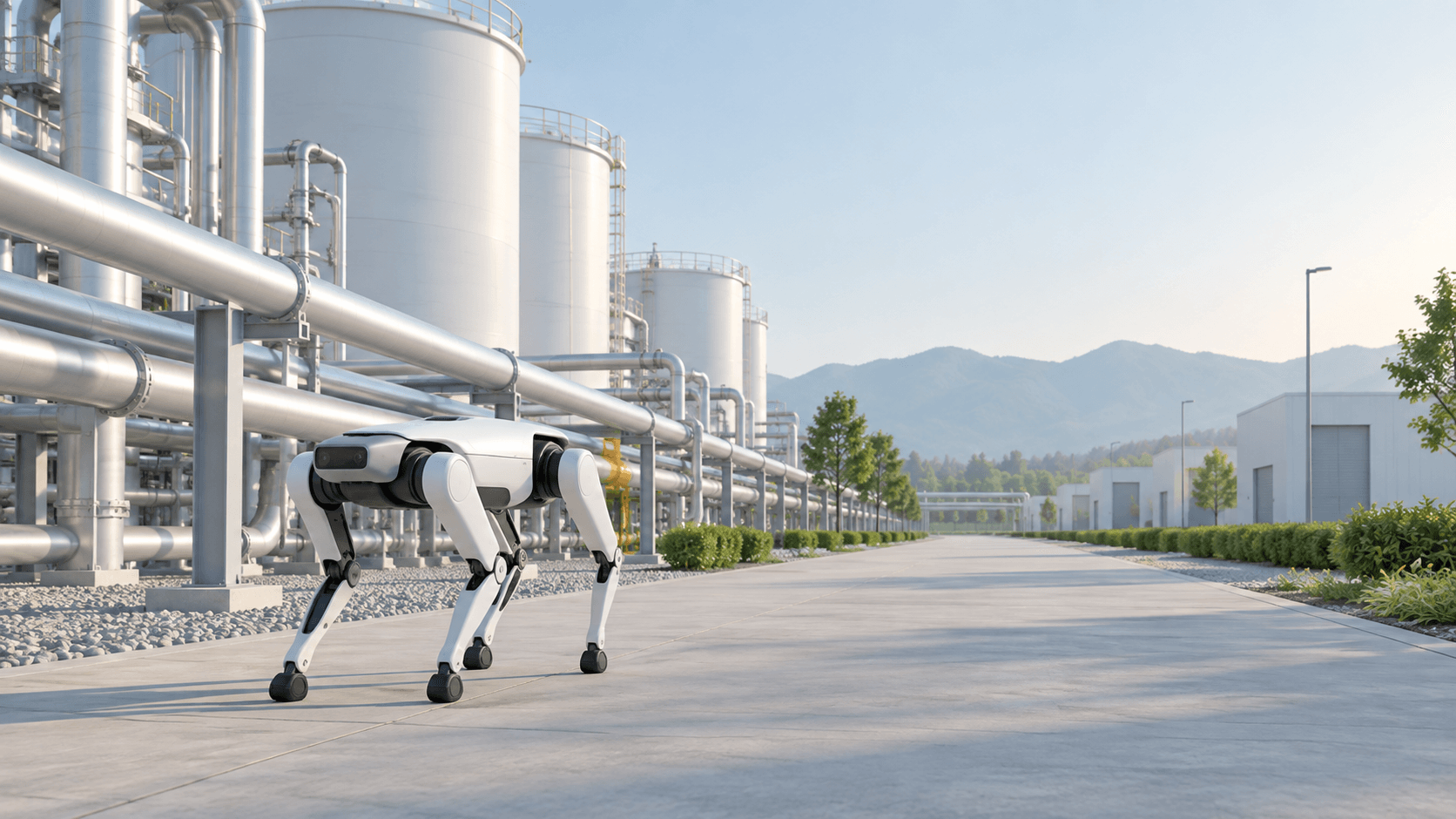
Zhejiang-based manufacturer Transfar is initiating over 300 real industrial scenarios, including chemical plants, logistics parks, and farms, to serve as testing grounds for robots. This initiative aims to enhance the training and deployment of embodied AI technologies in various sectors. The significance of this development lies in Transfar's commitment to advancing robotics and AI applications across diverse industrial environments. By providing these scenarios, the company is facilitating the practical application of robotic solutions, which could lead to increased efficiency and innovation in operations. Looking ahead, industry stakeholders should monitor how these testing grounds evolve and the impact they have on the adoption of embodied AI technologies. No further timeline was disclosed at the time of publication.

Enhancing Robotic Pose Estimation with Landmark Features-Based LiDAR Odometry
Recent advancements in robotic pose estimation have been reported in the Journal of Field Robotics, focusing on landmark features-based LiDAR odometry. This innovative approach aims to improve the accuracy and reliability of autonomous systems in various environments. The significance of this development lies in its potential to enhance navigation and mapping capabilities for robots, which is crucial for applications in industries such as logistics, agriculture, and autonomous vehicles. By leveraging landmark features, the method addresses challenges related to environmental variability and sensor noise. Looking ahead, the continued evolution of LiDAR technology and its integration with advanced algorithms will be essential for further improvements in robotic systems. No further timeline was disclosed at the time of publication.
RESEARCH ARTICLE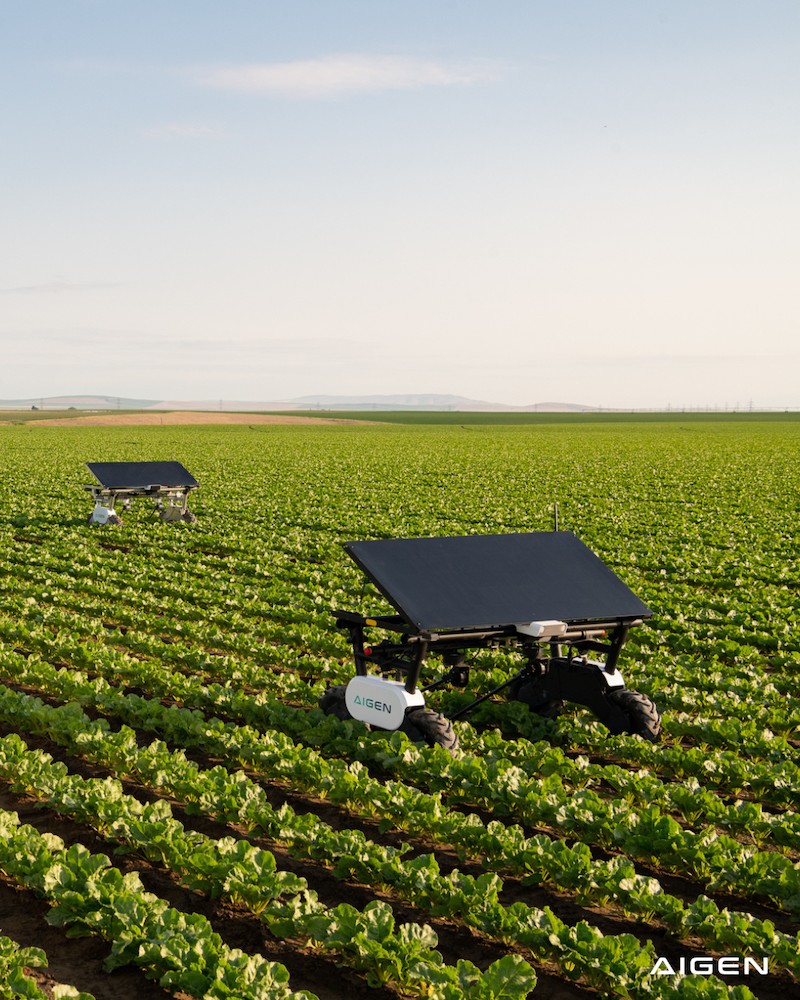
Aigen Develops Simulation System to Train Solar-Powered Farming Robots in Under a Week
Aigen has announced the development of a simulation and world-model system that enables its autonomous agricultural robots to adapt to new crops in less than a week. Utilizing the Alchemy simulation platform, the company generates synthetic training data for its solar-powered Element robots, which recently learned to work with lettuce before being deployed in the field. This advancement is significant as it potentially reduces the time required for agricultural robots to adapt to various crops, enhancing efficiency in farming operations. Aigen's Element robots utilize onboard AI and cameras to identify crops and weeds, mechanically removing weeds without herbicides while also collecting data on crop health and weed pressure. Looking ahead, Aigen has built over 100 robots and logged more than 15,000 autonomous operating hours across multiple states. The company aims to further expand the use of its Element robots, which are already being utilized by Fortune 500 companies for weed control and agricultural analytics. No further timeline was disclosed at the time of publication.

Extend Robotics Secures £2.6M Funding to Enhance Outcome-Based Robotics Services
Extend Robotics has successfully raised £2.6 million in pre-Series A funding to advance its Result-as-a-Service model, enabling manufacturers to pay for robotic work completed rather than purchasing robots outright. This funding, led by Skyworks Venture Capital Fund with participation from Neo Venture Europe and Zip Capital, will facilitate the company's expansion across the U.K. and Europe, as well as the development of a distributed remote-operator network. Extend's AMAS platform integrates immersive teleoperation with AI assistance, currently serving 35 subscription customers across various sectors including agriculture and manufacturing. Looking ahead, Extend Robotics aims to leverage its funding to enhance its service offerings and expand its customer base. The company is focused on addressing manufacturing challenges that are difficult to automate with traditional systems, particularly in high-mix production and hazardous environments. No further timeline was disclosed at the time of publication.
AI Funding & Investment Physical AI AI Extend Robotics industrial robotics Pre-A financing
WRC 2026 Robot Systems: 149 Companies That Build Robots
149 of the 248 classified WRC 2026 exhibitors build finished robots. 93 build humanoid or legged machines. The audited humanoid sales number is one unit.

ROBOTTODAY Weekly July 20 – 24, 2026
Your weekly robotics briefing: AGIBOT unveils four new robots at WAIC 2026, the NDAA bars Chinese humanoids from the U.S. military, SoftBank eyes Gravis Robotics for its Roze vehicle, and Anduril reveals its Thunder autonomous attack tiltrotor at Farnborough.

US Restrictions on Chinese Humanoid Robots: The Full Map
Every US restriction on Chinese humanoid robots — NDAA Sec. 163, GUARD Act, the 1260H list — plus the supply-chain math and a 4-tier map of decoupling.

FUTURE WARFARE | The Geopolitical Competitive Landscape
Military robotics is no longer a U.S.-centric story. Global defence spending crossed $2.75 trillion in 2026; defence-tech VC hit a record $49.1 billion in 2025; and a multipolar robotics order is crystallising in real time — with China’s 15th Five-Year Plan institutionalising civil-military fusion, Europe’s €381 billion defence budget financing its own AI champions, and Turkey and Israel reshaping the export market with affordable, combat-proven systems. Part Five of the Future Warfare Series maps the country-by-country competitive landscape, the collapsing regulation race, and the investment forces reshaping who builds — and who controls — the autonomous weapons of the next decade.
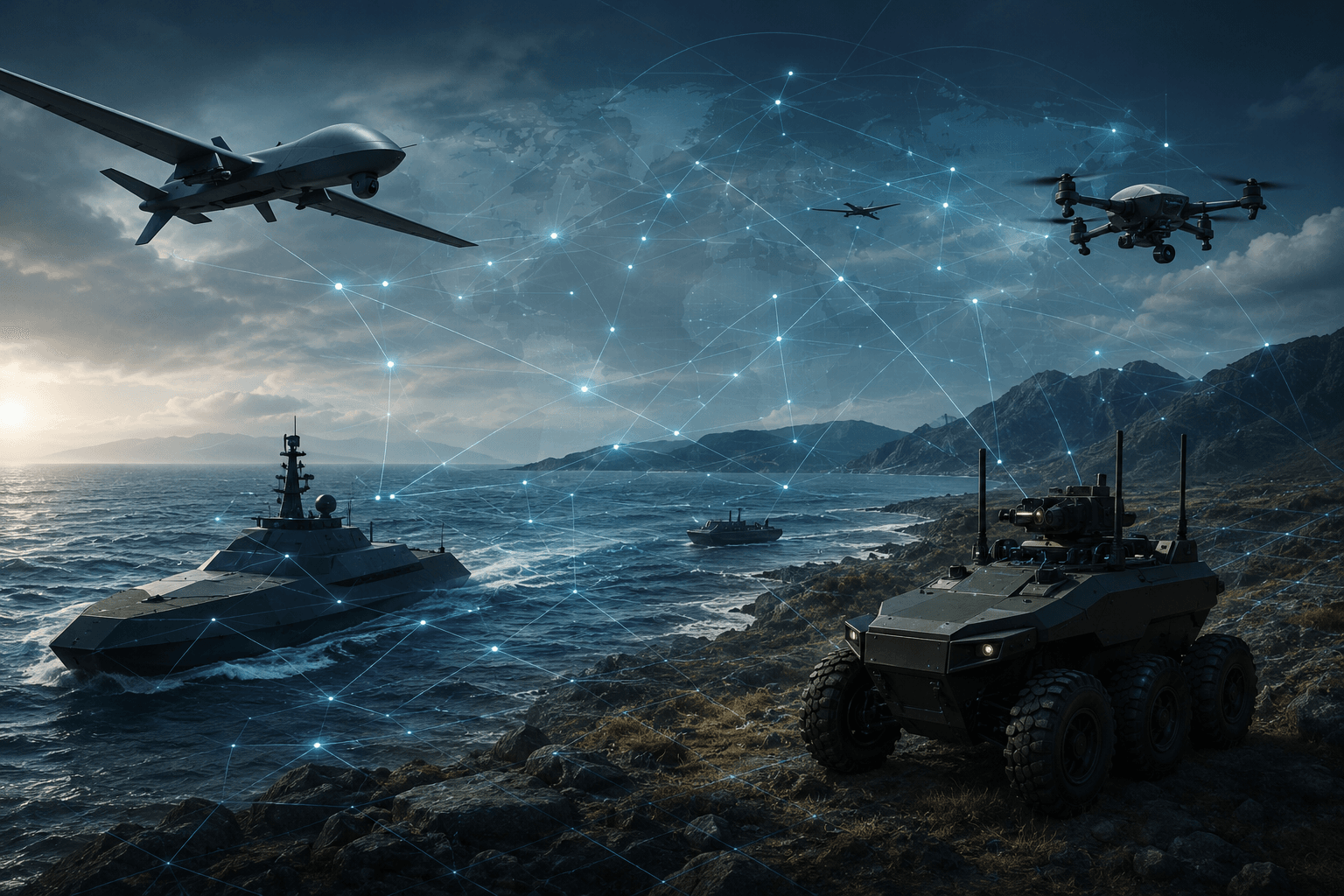
FUTURE WARFARE | Cross-Domain Integration - Integration How Land, Sea, Air and Software Are Converging Into a Single Kill Chain
Cross-domain robotics is reshaping modern warfare as drones, UGVs, AI targeting systems, and autonomous logistics converge into a single networked kill chain across land, sea, air, and software.

GLOBAL ROBOTICS INDUSTRY Comprehensive Sector Overview
A comprehensive global robotics industry overview for 2025, analyzing 14 key market segments — from industrial and humanoid robots to logistics AMRs, military systems, and service robots — with expert market sizing, US case studies, five-year forecasts, and bilingual English-Chinese analysis for executives and investors.
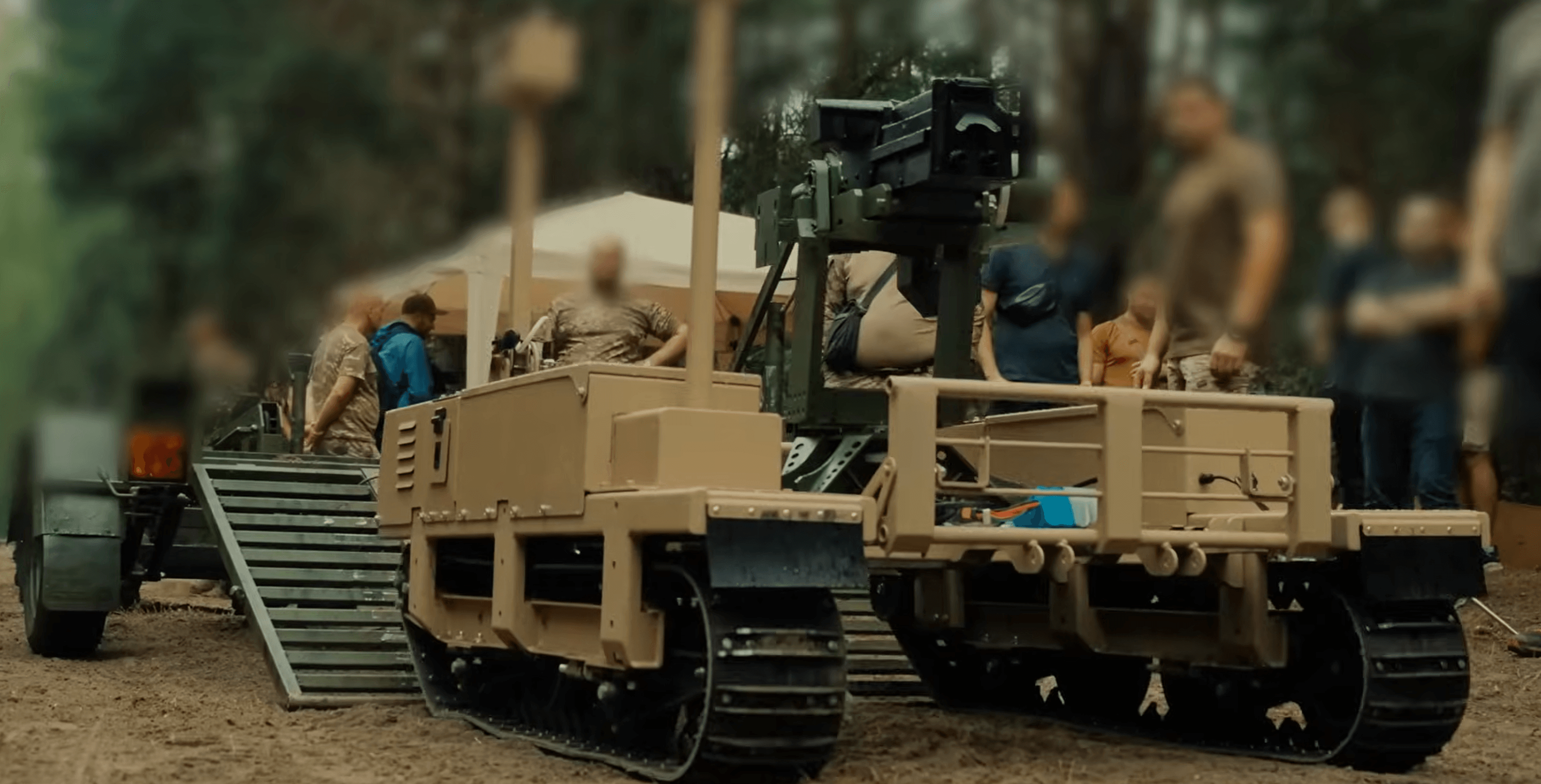
FUTURE WARFARE | Land - Unmanned Ground Vehicles — From Logistics Mules to Front-Line Robots
Ukraine fielded 15,000 unmanned ground vehicles in 2025 — surpassing its own procurement targets by over 100 percent. A single UGV held a front-line position for 45 days. Up to 90 percent of supplies to Pokrovsk now move by robot, not truck. The U.S. Army cancelled its $3 million Robotic Combat Vehicle and is starting over. China is deploying $3,000 robot dogs in PLA urban-warfare exercises. This article maps the emerging UGV battlefield — from Ukraine’s garage-built logistics fleet to the Pentagon’s stalled combat-vehicle ambitions, and from Ghost Robotics’ Vision 60 to the quadruped proliferation problem no treaty has yet addressed.

EU Bets €1.5B on Drones and AI: Inside EDIP's 2026–2027 Defence Industry Programme
The EU's €1.47 billion European Defence Industry Programme (EDIP) 2026–2027 targets drones, counter-UxS systems, AI-enabled autonomy, and loitering munitions across six major funding calls — allocating over €232 million directly to unmanned systems and related electronics supply chains.
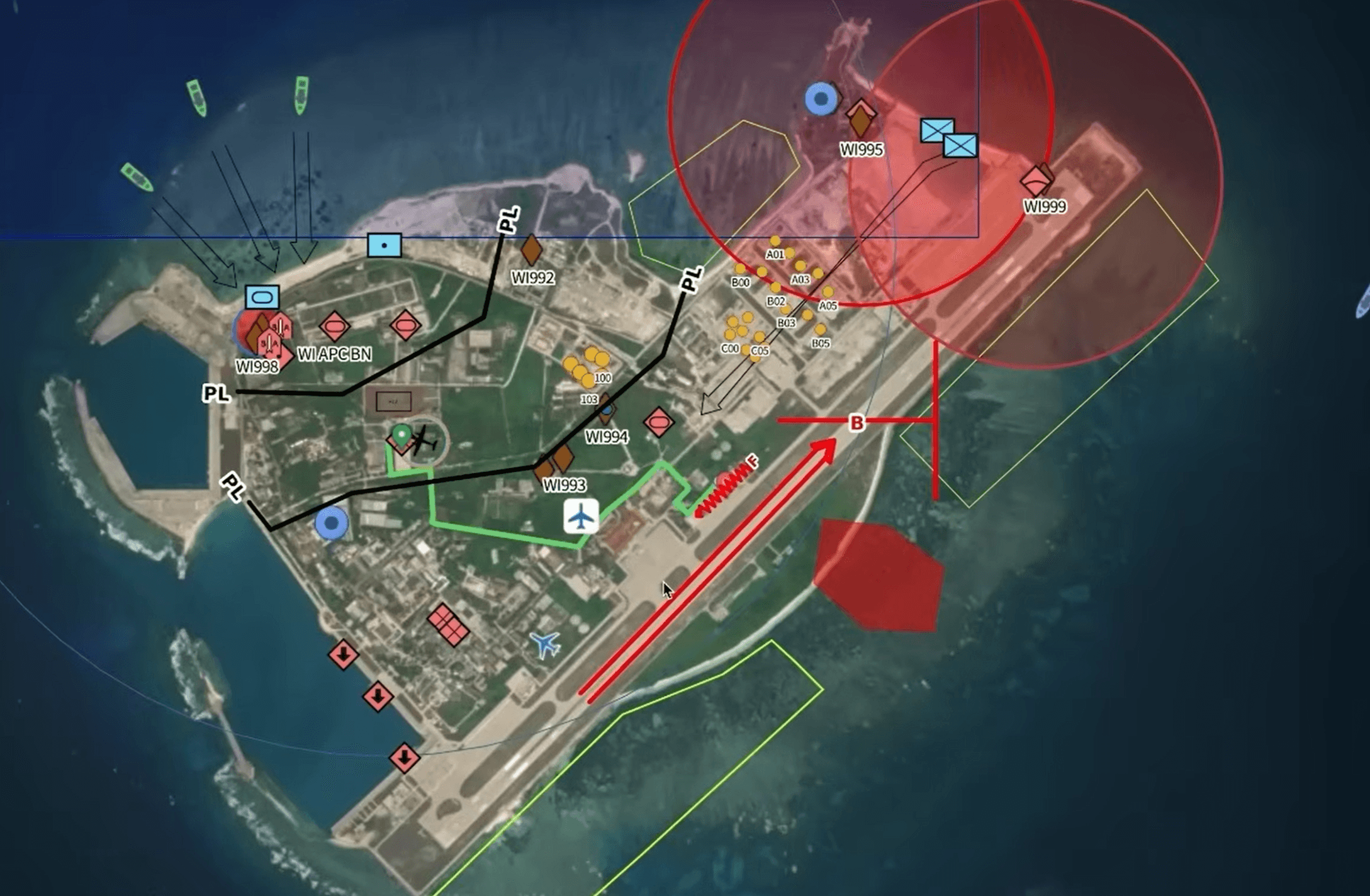
FUTURE WARFARE | The Autonomy Spectrum
How modern weapons shattered the concept of human control — from kill-switch confirmation to AI systems that select targets independently.

EKA Mobility Secures $57 Million from NIIF’s India-Japan Fund to Drive Leadership in Electric Commercial Vehicles
EKA Mobility raises $57 M from the India-Japan Fund (NIIF) to accelerate electric commercial vehicle growth and electrification leadership in key markets.


