

TECNA USA
"On the Cutting Edge of Technology Since 1972"
US distributor and subsidiary of TECNA SpA, offering resistance welding systems and spring balancers.
Contact TECNA USA
WEBSITE
https://www.tecna-usa.com/PHONE
-7374HEADQUARTERS
United States

Company Facts
Founded
2017
Primary Role
Manufacturer
Company Size
-
Primary Region
North America
Annual Sales
-
Funding Stage
-
Funding Total
-
Certifications & Memberships
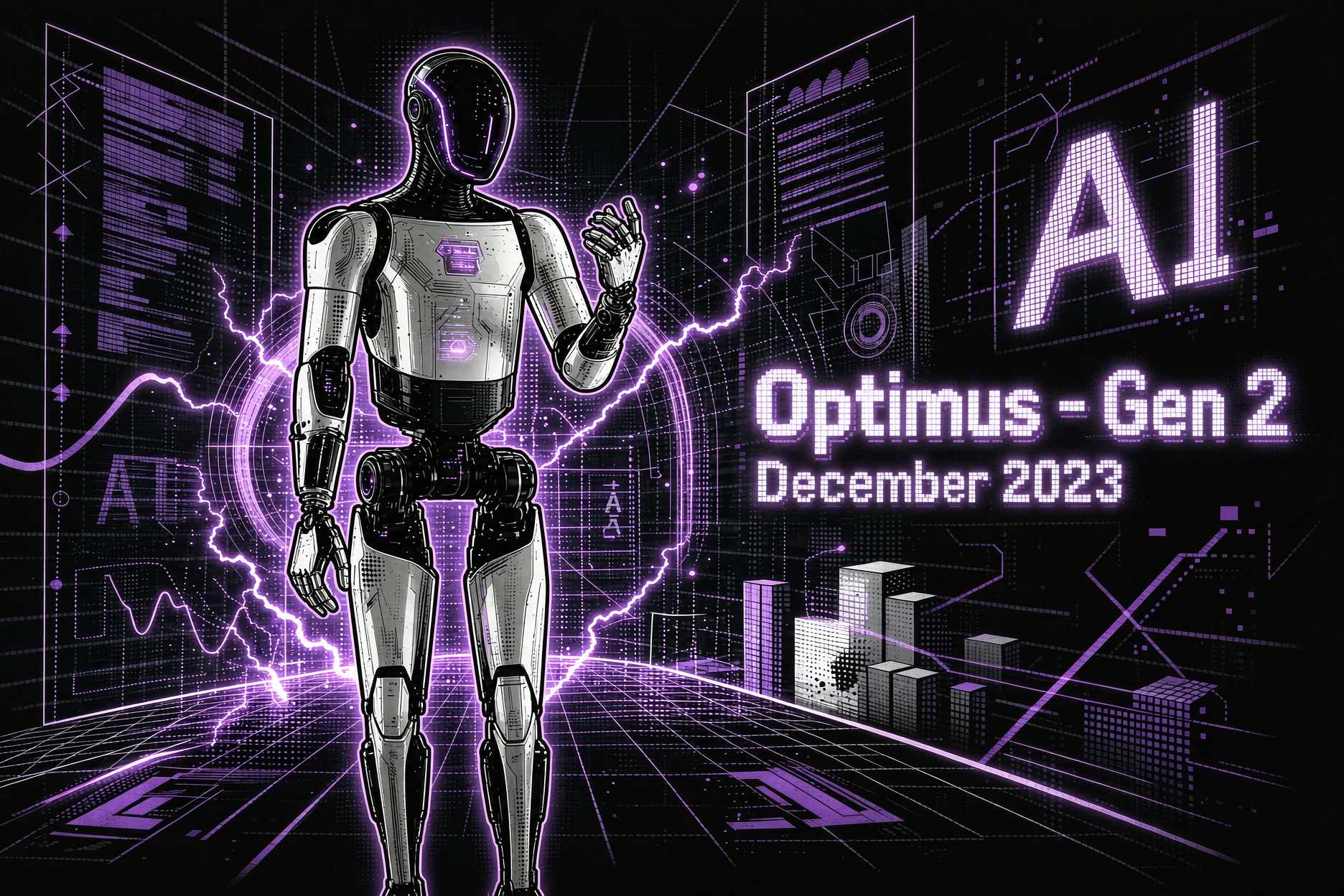
Tesla, BMW, and Mercedes Deploy Humanoid Robots in Production Lines
Tesla, BMW, and Mercedes have integrated humanoid robots into their production lines, marking a significant shift from prototype to real-world application in heavy industry. Tesla's Optimus robots are deployed in Fremont and Texas factories, assisting in battery assembly and wiring tasks, while BMW has procured Figure 03 for metalworking and logistics testing. Mercedes utilizes Apollo for high-risk positions, showcasing the adaptability of humanoid robots to existing factory setups without extensive modifications. The economic advantages of these robots are becoming clear, with operational costs as low as $2 to $5 per hour compared to $35 to $45 for workers in the U.S. and Europe. This cost differential, which includes wages, social security, benefits, training, and management, is a key motivator for automakers to adopt humanoid robots. As the Labor-as-a-Service (LaaS) leasing model gains traction, the barriers to entry for automotive companies are lowering, prompting hardware manufacturers to shift towards high-margin software subscription services. Looking ahead, the humanoid robot market is projected to reach $15 trillion, but there are challenges to overcome. These include limited interaction data for robots in complex environments, insufficient hardware durability, and labor disputes regarding job displacement. The year 2026 is anticipated to be a pivotal point for humanoid robots in commercial applications, with the success of this transition hinging on data accumulation, hardware reliability, and societal responses to job replacement issues.
Humanoid Robots Manufacturing Automation Cost Efficiency Industrial Robotics
MilliTrack Introduces AMR+ for Enhanced Robot Navigation Using Millimeter Wave Technology
MilliTrack, a South Korean startup, has developed AMR+, an additional positioning system that utilizes millimeter wave radio signals to enhance robot navigation in challenging environments. Traditional systems relying on cameras and LiDAR often fail in dusty, foggy, or brightly lit conditions, which are common in industrial settings. AMR+ supplements existing navigation systems without replacing them, providing a more reliable source of location data. The significance of AMR+ lies in its ability to improve the accuracy of autonomous mobile robots (AMRs) in environments where conventional SLAM (Simultaneous Localization and Mapping) becomes unreliable. MilliTrack claims that AMR+ can achieve a positioning accuracy of 3 centimeters within a 30-meter range, with a latency of less than 100 milliseconds. This dual-layer positioning approach allows robots to switch between their existing navigation systems and AMR+ as needed, ensuring continuous operational reliability. Looking ahead, MilliTrack plans to launch AMR+ in March 2027, with an expected price of around $1,000 for a tracker and a tag, and $200 for additional tags. The technology has already been deployed in over 30 projects in South Korea, demonstrating its potential to enhance industrial robot navigation without the need for extensive infrastructure changes. No further timeline was disclosed at the time of publication.
Autonomous Mobile Robots Positioning Technology Industrial Automation Millimeter Wave Technology
Challenges in Embodied Intelligence: The Need for Genuine Orders and Market Validation
A founder recently listed on the Hong Kong stock exchange publicly criticized the prevalent trend of speculative entrepreneurship in the industry, which relies on false and unsustainable revenue through related transactions. This model lacks product-market fit and often leads to premature IPO attempts within two to three years. Concurrently, reports indicate that regulators are tightening IPO reviews for humanoid robot companies, focusing on sustainable revenue, loss reduction, and genuine innovation capabilities. The core of the debate centers on how embodied intelligence can demonstrate credible market valuation, which hinges on entering real-world scenarios, addressing industry needs, and securing verifiable orders. Genuine orders must withstand three tests: the value of the order, the resolution of real needs, and the engineering capability for scalable delivery. Many companies can create seemingly substantial contracts through related transactions, but they fail to meet any of these critical tests. In contrast, Jiying Intelligent, founded by Jieyi Technology, has taken a different approach by identifying specific pain points in the automotive parts manufacturing sector. Their robots have significantly improved inspection efficiency and are already deployed in real-world applications. The success of Jiying's model will depend on their ability to deepen their solutions in automotive inspection and pharmacy services and replicate these successes in similar scenarios.
Embodied Intelligence Robotics Manufacturing Automation Industrial Robotics
RobotToday Weekly September 14 – 18, 2026
Toyota weighs 400,000 factory robots, SoftBank buys Hyundai's Robotics and AI Institute, Agility unveils Digit 5, Figure's Helix 2.5 generalises to 30 homes, and August robotics funding hits $4.87 billion.

AMC Robotics Secures $50 Million Equity Facility for New Manufacturing Plant
AMC Robotics has announced a $50 million standby equity purchase agreement to finance the construction of its robotic manufacturing facility, expected to be completed by November 2026. This funding is crucial for AMC Robotics, which specializes in AI-driven industrial robotics systems, as it will support the buildout and commissioning of the production line. The agreement also includes a $3.88 million loan through convertible promissory notes, which will mature in one year. Investors will have the option to require AMC Robotics to issue shares up to the outstanding balance of the notes. No further timeline was disclosed at the time of publication.
AI AI Funding & Investment Robotics AMC Robotics funding industrial robotics
Lumos Robotics Introduces NexCore to Simplify Industrial Robot Skill Development
Lumos Robotics has unveiled Lumos NexCore, an embodied AI platform that significantly reduces the time needed to develop robotic skills from weeks to days. This innovation addresses a critical challenge in industrial robotics, where the gap between robot delivery and reliable task performance often complicates deployment for enterprises. The introduction of NexCore is crucial for factory owners and end customers who face the complexities of making robots work effectively in production environments. Traditionally, deploying a robot requires extensive programming and engineering capabilities, including data collection, algorithm development, and performance validation. NexCore streamlines this process, offering a more plug-and-play experience. Looking ahead, NexCore's integrated workflow allows users to define tasks in natural language, train skills, and deploy capabilities seamlessly. This closed-loop system not only simplifies robotic skill development but also enables continuous optimization, making it easier for enterprises to adapt robots to their specific needs. No further timeline was disclosed at the time of publication.
Computing News Software artificial intelligence embodied ai industrial robotics
Agibot Leads Global Humanoid Robot Shipments in First Half of 2026
Agibot achieved the top position in global humanoid robot shipments during the first half of 2026, delivering approximately 9,700 units. This accounted for over 43 percent of the global market, as reported by Counterpoint Research. The total global shipments of humanoid robots exceeded 22,000 units, marking a nearly 300 percent increase compared to the same period in 2025. This significant growth highlights the increasing demand for humanoid robots, driven by advancements in technology and the progression of pilot projects into broader commercial deployments. Counterpoint Research anticipates that global shipments will surpass 50,000 units by the end of the year, indicating a robust market for humanoid robotics. Agibot's expansion in various sectors, including industrial, commercial, and research applications, positions it as a leader in this emerging market. Looking ahead, the focus will be on how Agibot continues to innovate and expand its humanoid robot portfolio, particularly with its A3 full-size humanoid and G2 industrial robot. As the demand for industrial and service applications grows, Agibot's technology, which integrates locomotion, interaction, and manipulation intelligence, will likely play a crucial role in shaping the future of humanoid robotics. No further timeline was disclosed at the time of publication.
Financials & Investments Humanoids News agibot AGIBOT A3 Agibot G2
Shenhui Technology Launches Embodied Intelligence Firm in Hangzhou with 70 Million RMB Capital
Shenhui Technology has established a new company, Hangzhou Shenhui Embodied Intelligence Technology Co., Ltd., with a registered capital of 70 million RMB. The company, fully owned by Shenhui Technology, will focus on the development and manufacturing of intelligent robots, including service and industrial robots, as well as artificial intelligence software development. This move signifies Shenhui Technology's strategic shift from specialized inspection robots to a broader range of intelligent robotics applications. The new company aims to diversify its product offerings beyond the existing focus on power and rail inspection robots, catering to various sectors such as industrial, commercial, and service industries. Looking ahead, it remains to be seen whether the new entity will continue to develop familiar industrial inspection scenarios or pivot towards more general applications of embodied intelligence. The establishment of this independent company in Hangzhou aligns with the region's robust talent and supply chain resources in the robotics sector.
Embodied Intelligence Robotics Industrial Automation AI Development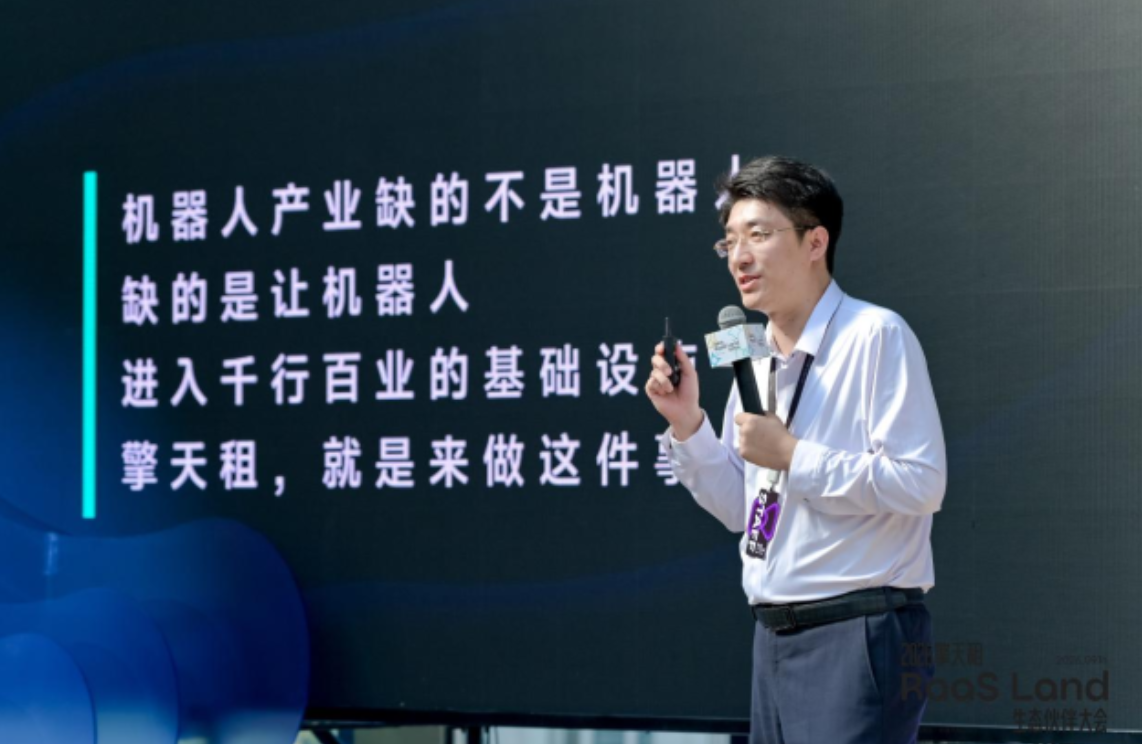
Qingtian Rental Conference Reveals New Productivity Model for Robots with Worken Concept
On September 16, 2026, Qingtian Rental held the 'RaaS Land' ecosystem partner conference in Shanghai, where it unveiled the 'Qingtian Star Map' ecological plan. This initiative aims to connect core roles such as robot suppliers, technology developers, urban operators, and industry clients to promote the scaling of Robotics as a Service (RaaS) applications. CEO Li Yiyan delivered a keynote speech discussing the future commercialization of the robotics industry, introducing the concept of Worken, defined as a measurable and replicable unit of work performed by robots. This shift emphasizes that the success of robotics is determined not by brand or model, but by the work completed and the resulting commercial returns. The conference showcased seven products that embody the Worken concept across various business types. Over the next three years, Qingtian Rental aims to achieve significant revenue targets, establish numerous operational centers, and expand its urban service network, ultimately transforming the way businesses engage with robotic solutions.
Robotics as a Service Robot Productivity Automation Solutions Industrial Robotics
Universal Robots Introduces Gen 7 Platform for Enhanced Industrial Automation and AI
Universal Robots, a Teradyne Robotics company, has launched its seventh-generation industrial robot platform, Gen 7, aimed at advancing industrial automation and physical AI applications. This new platform was introduced at the IMTS trade show and features an innovative design that includes new robot arms, a controller, a teach pendant, and a tool flange, all centered around the PolyScope X robot technology. The introduction of Gen 7 is significant as it represents a major step forward in the capabilities of industrial robots, enhancing their functionality in automation processes and AI integration. This development is expected to improve operational efficiency and flexibility in various industrial settings, making it a crucial advancement for manufacturers looking to optimize their production lines. Looking ahead, industry professionals should monitor the adoption of the Gen 7 platform and its impact on the market for industrial automation solutions. No further timeline was disclosed at the time of publication.
Industrial robots News cobots collaborative robots g-series gen 7
Domestic Brands Capture 55% of China's Industrial Robot Shipments Led by Estun
Domestic brands in China have now secured approximately 55% of the industrial robot shipments, indicating a significant shift towards local capabilities. Estun has emerged as the leader in volume, while Inovance has made notable advancements in SCARA robots and servo systems. However, the high-end automotive and semiconductor process software sectors continue to pose challenges for these domestic brands. This shift is crucial as it reflects China's growing emphasis on self-reliance in technology and manufacturing. The dominance of local brands like Estun and Inovance highlights the potential for innovation and competitiveness within the domestic market. Despite these advancements, the difficulty in replacing high-end software solutions indicates that there is still a reliance on foreign technology in certain critical areas. Looking ahead, it will be important to monitor how domestic brands continue to evolve and address the challenges posed by high-end software in the automotive and semiconductor industries. No further timeline was disclosed at the time of publication.

Innovation Works Venture Expo 2026: 58 Pittsburgh Startups Pitch to Investors
58 health, deep tech and robotics startups pitched at Innovation Works Venture Expo 2026 in Pittsburgh. Full company list, program and 2025 funding data.
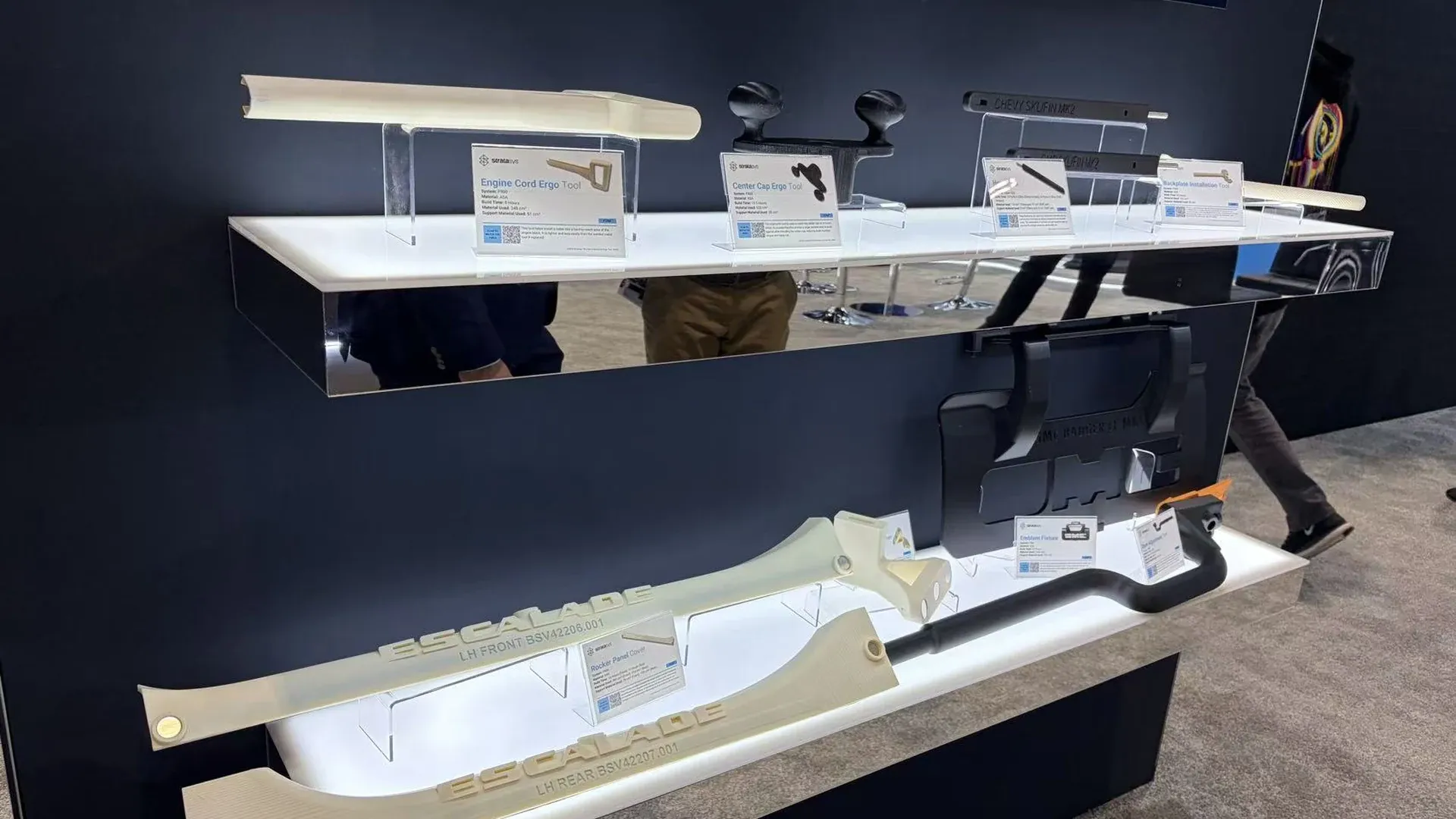
Stratasys at IMTS 2026: GM Scales Additive to 20+ Plants
Stratasys is rolling additive out across 20+ GM plants while Toyota prints robot grippers. Booth build data, the F870, and where the cost case breaks.

The Missing Price: What Non-Disclosure Reveals About the Humanoid Market
Of 131 announced robot models, 33 publish no price. US makers withhold at twice the rate of Chinese ones — and the reason is stage, not strategy.

IMTS 2026 Preview: Record Orders and the Automation Story
IMTS 2026 opens in Chicago with 1,788 exhibitors and record H1 machine tool orders. What the USMTO data says about automation, and the booths to see.

ROBOTTODAY WEEKLY September 7 – 11, 2026
This week in robotics: JD.com plans to deploy three million robots across its logistics network, XPeng commissions its IRON humanoid production line, FANUC and Google launch an AI arc-welding agent, and Unitree shares fall 53% from their post-IPO high. September 7–11, 2026.
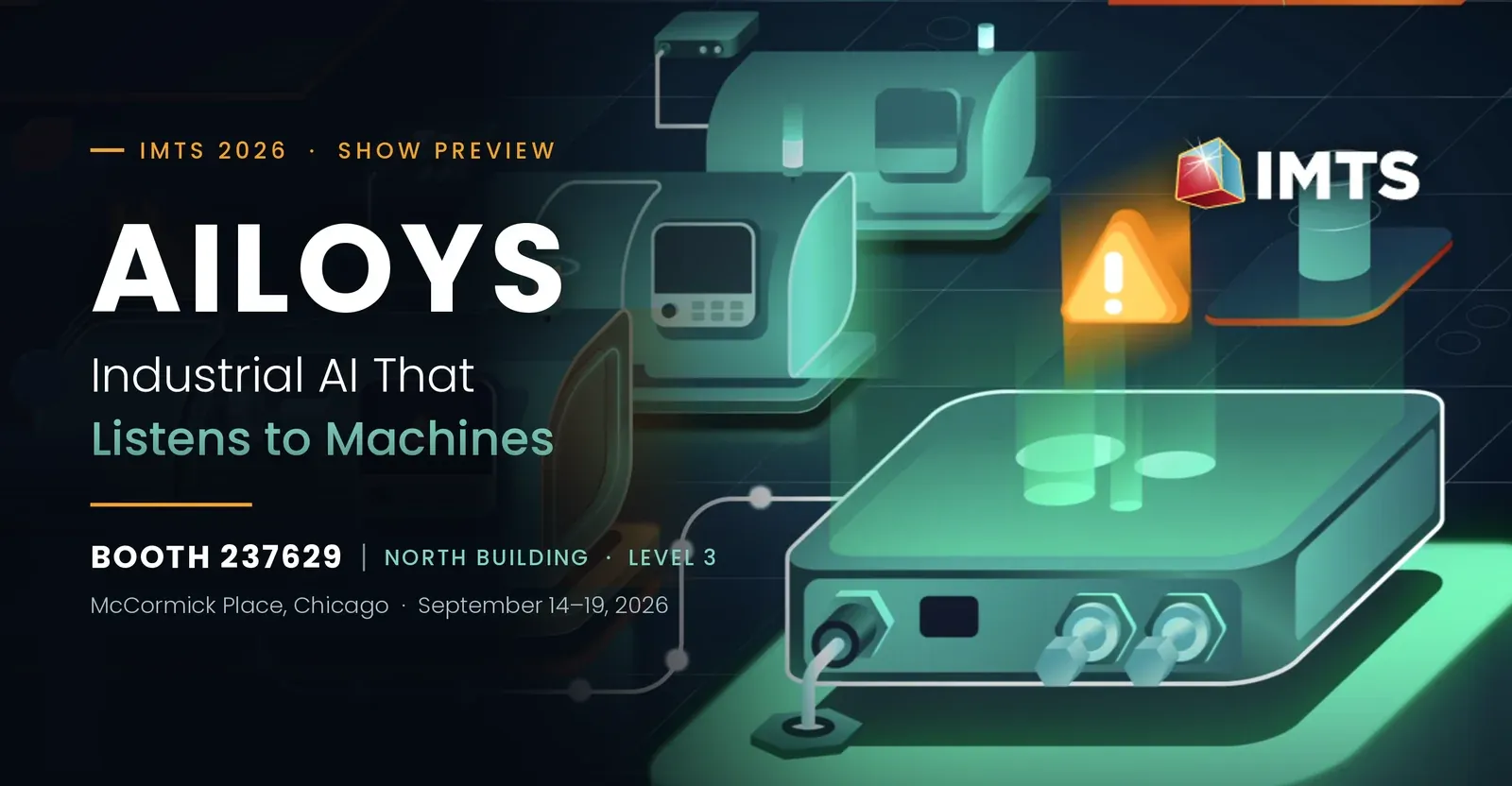
Ailoys Brings Acoustic Industrial AI to IMTS 2026
Berlin's Ailoys brings acoustic industrial AI to IMTS 2026, Booth 237629. Edge sensors catch process drift on existing machines before scrap appears.

China’s Dexterous Hand Industry, 2026 Part 3 — The Players
Five vendor archetypes, MIR’s composite top ten, eight company profiles and six field deployments — every firm linked to the RobotToday supplier directory.

RobotToday Weekly Briefing August 31 – September 4, 2026
This week in robotics: NVIDIA agrees to buy Hugging Face for $12.93 billion, Figure signs a $3.5 billion compute deal with Nscale for up to 100,000 GPUs, Tesla launches steering-wheel-free Cybercabs in Austin under NHTSA scrutiny, and Uber and Wayve bring the UK its first autonomous rides. August 31 – September 4, 2026.
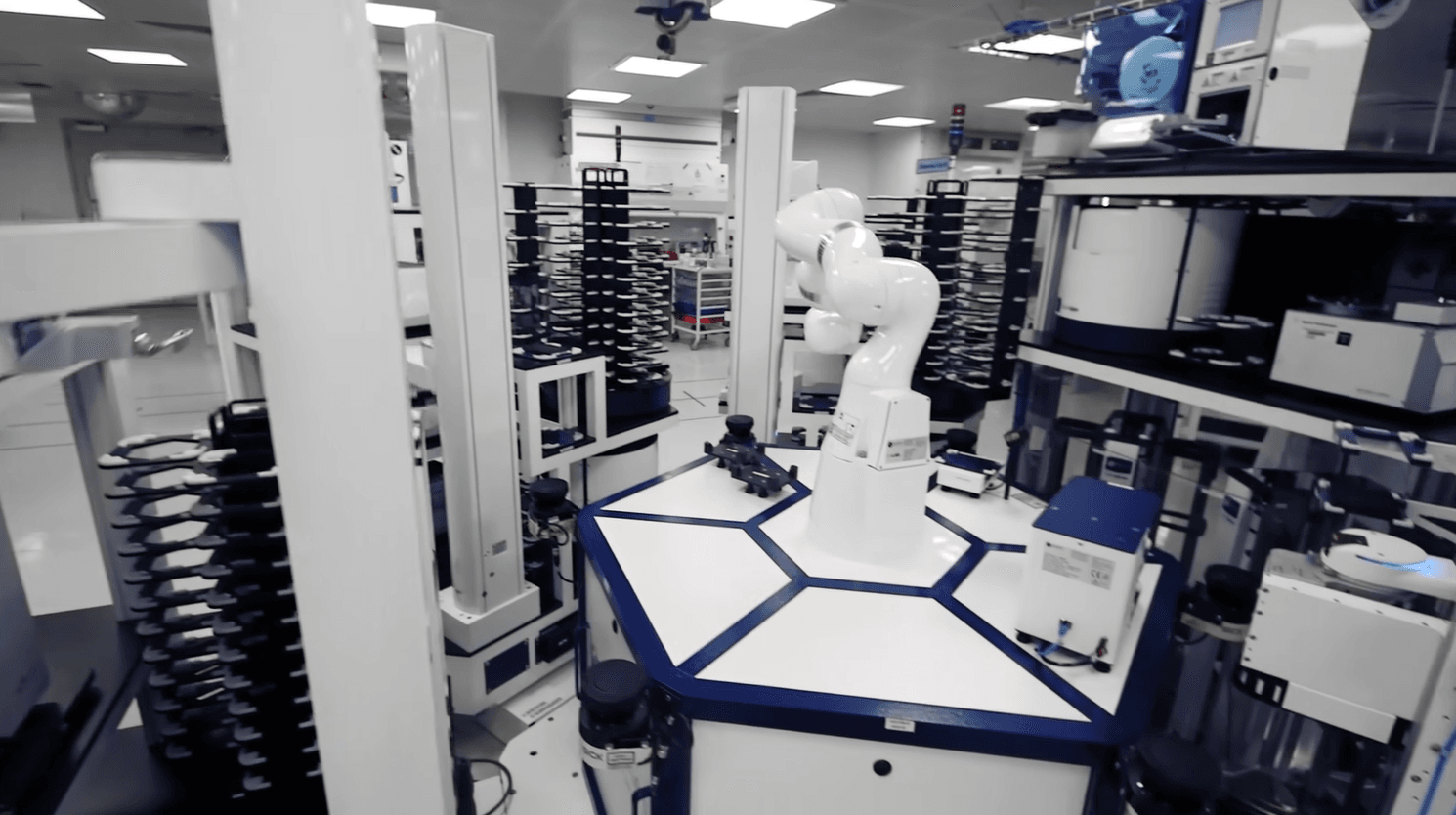
Laboratory Robotics in 2026: Technology, Companies & Vertical Maturity
From clinical diagnostics to self-driving labs: a deep analysis of laboratory robotics technologies, mass-production maturity timelines across 12 vertical sectors, 26 key companies, and the investment landscape shaping lab automation through 2030.

