SwissDrones

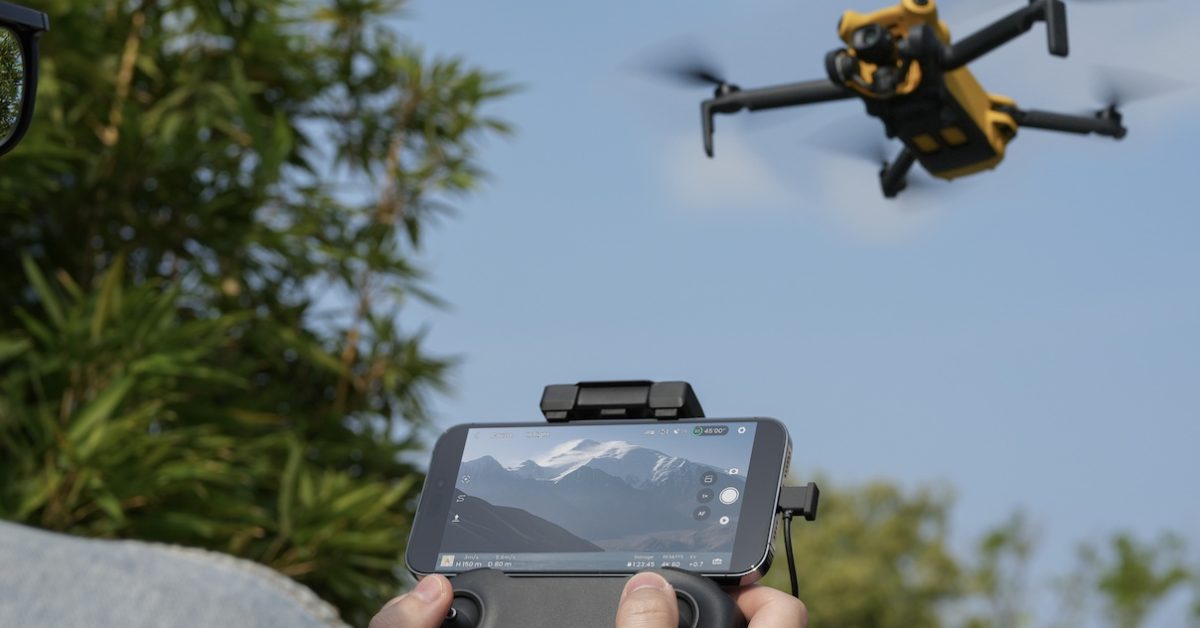
Manufactures twin-rotor (intermeshing) VTOL UAS for long-endurance missions. Technology provides superior lift capacity and stability for heavy multispectral, LiDAR, and ISR sensors, optimized for critical infrastructure inspection and search and rescue.

Share
Manegstrasse 33
Zurich 8041
RobotToday Initiative

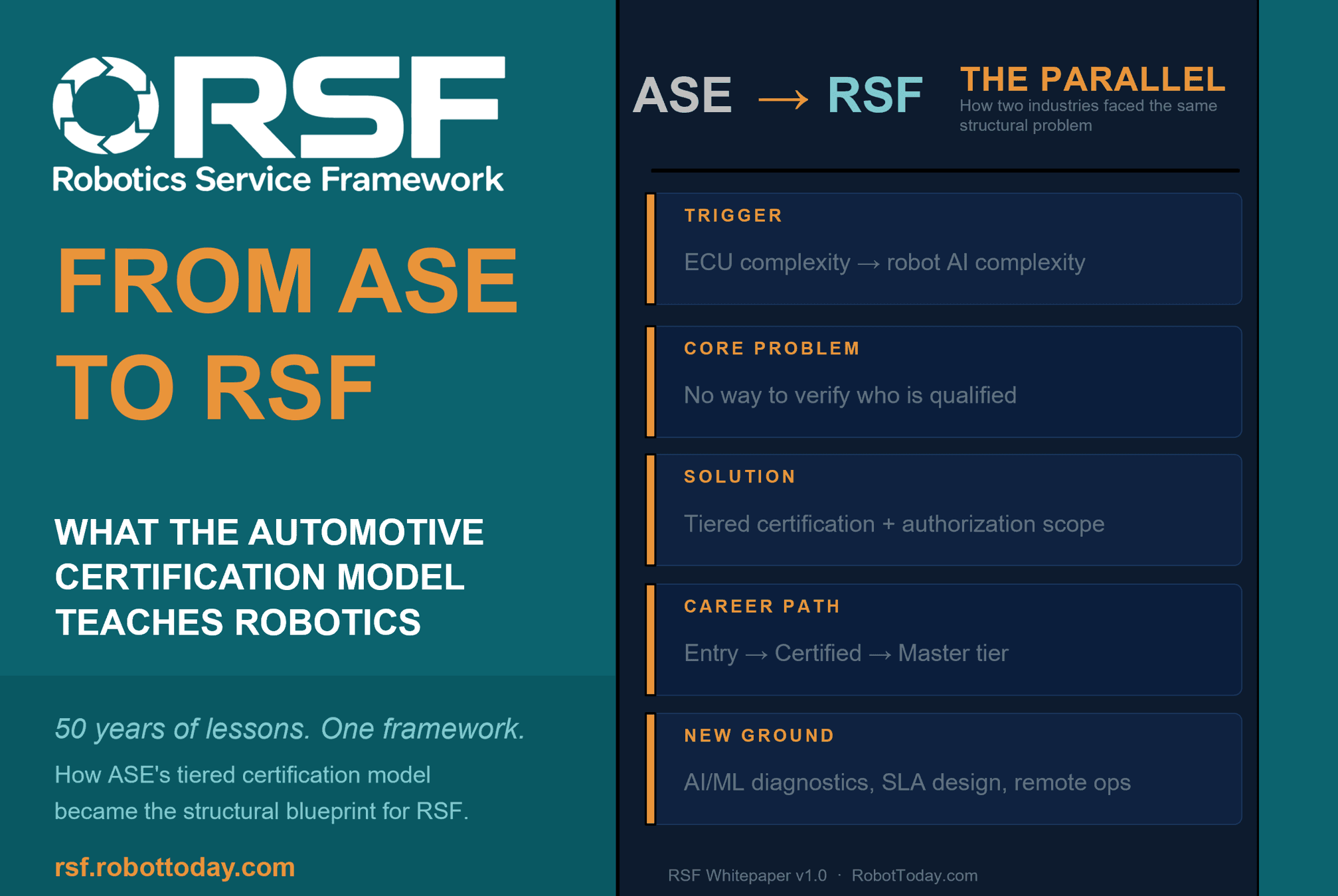
Robotics needs a service framework.

RSF defines a common language for robot service capability, lifecycle operations, certification pathways, and service-provider networks.

Share

Related Content

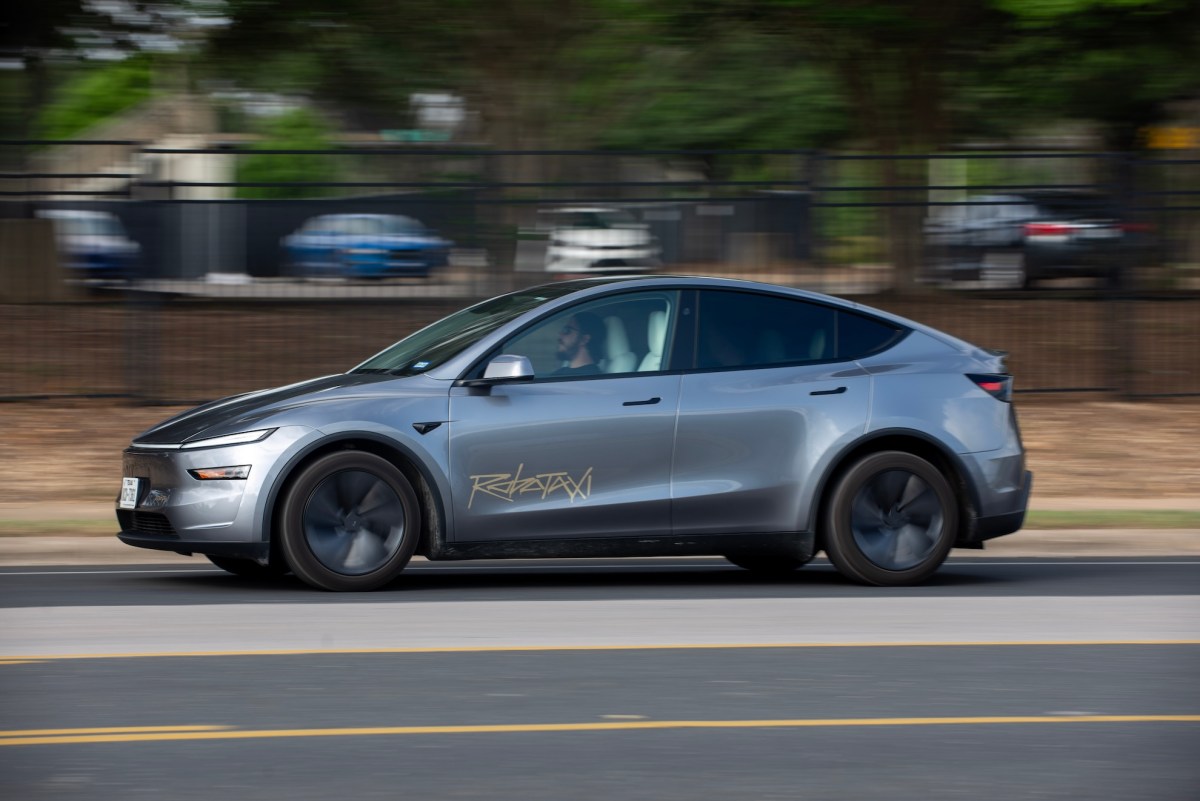
Tesla Launches Robotaxi Trials in Orlando and Tampa Ahead of Q2 Earnings Call

Tesla Launches Robotaxi Trials in Orlando and Tampa Ahead of Q2 Earnings Call

Tesla has initiated trials of its unsupervised Model Y SUVs in Orlando and Tampa, just before its second-quarter earnings call. This expansion marks the third city in Florida for Tesla's robotaxi service, following a recent launch in Miami. The operational areas in the new cities appear to be limited, and Tesla has not disclosed further details about the launch. This development is significant as it reflects Tesla's ongoing efforts to establish a commercial robotaxi service, despite a slower rollout than previously promised. CEO Elon Musk has stated that the goal is for Tesla's robotaxis to serve half of the U.S. population by the end of 2025. However, the company has yet to scale operations in Dallas and Houston, where autonomous fleets were announced earlier this year. Looking ahead, the potential regulatory changes proposed by the Department of Transportation could facilitate Tesla's deployment of its Cybercabs. If the rule change is adopted, it may allow Tesla to accelerate its robotaxi initiatives across various cities, enhancing its competitive position in the autonomous vehicle market.

Transportation In Brief robotaxis Tesla
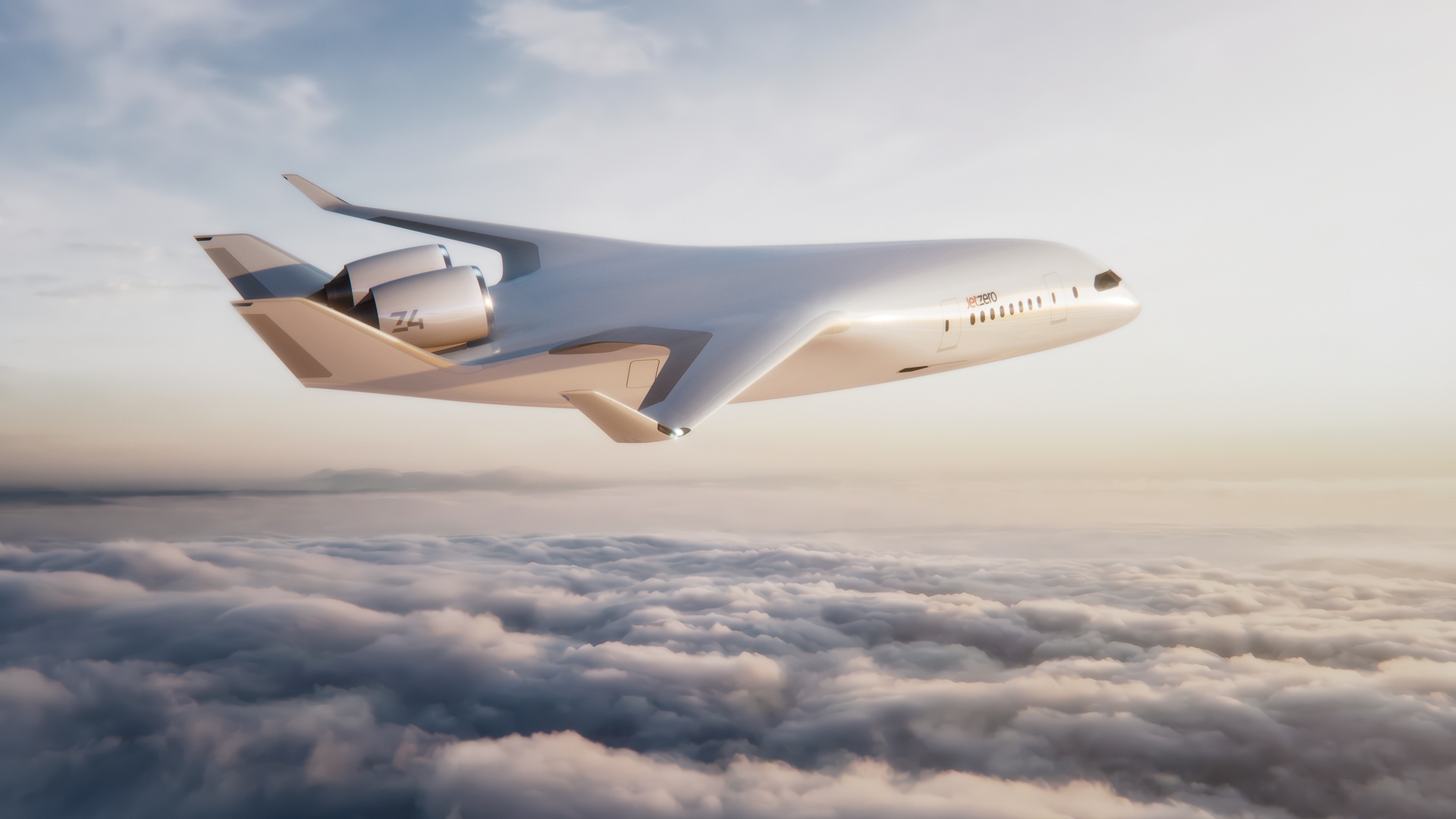
JetZero Develops World's First Blended Wing Jet with 5,000 nm Range and 50% Fuel Savings

JetZero Develops World's First Blended Wing Jet with 5,000 nm Range and 50% Fuel Savings

A US aerospace startup, JetZero, has initiated the development of a groundbreaking blended-wing passenger aircraft, the Z4, which promises up to 50% lower fuel consumption. This innovative aircraft is being showcased at the Farnborough International Airshow in the UK from July 20 to 24 and is set to become the first commercial blended wing body airliner, expected to enter service in the early 2030s. The Z4 is designed to accommodate approximately 250 passengers and boasts a range of 5,000 nautical miles. Its unique design merges the wings and fuselage into a single lifting surface, enhancing aerodynamic efficiency without necessitating changes to existing airport infrastructure. Japan Airlines (JAL) has partnered with JetZero to refine the aircraft's design and operations, emphasizing the importance of early airline involvement in the development process. As JetZero continues its development efforts, the Z4 aims to significantly reduce fuel consumption and emissions, addressing one of the largest operating expenses for airlines. The collaboration with JAL aligns with their commitment to sustainable innovation and net-zero emissions by 2050, marking a pivotal step towards a new era of efficient air travel. No further timeline was disclosed at the time of publication.

Transportation
Planet Technology Launches AIS-1000 AI Surveillance Station for Enhanced Security

Planet Technology Launches AIS-1000 AI Surveillance Station for Enhanced Security

Planet Technology has unveiled its AIS-1000 AI Surveillance Station, which processes data at the collection point to enhance threat detection. This innovation aims to address the growing demand for intelligent security solutions in commercial and industrial sectors, where security teams often struggle with overwhelming amounts of data. The AIS-1000 is designed to surpass traditional security systems by utilizing edge computing and localized AI analytics. This shift allows for proactive threat detection and intervention, preventing incidents from escalating. Key features include an intuitive dashboard for monitoring live video streams and managing alerts, making it suitable for various environments, including retail, industrial, and healthcare facilities. As organizations face increasingly sophisticated security challenges, the AIS-1000 represents a significant advancement in AI surveillance technology. Joe Williams, director of distributed sales at Planet Technology, emphasized the importance of transitioning from passive video recording to active edge intelligence. No further timeline was disclosed at the time of publication.

Factory / Analytics
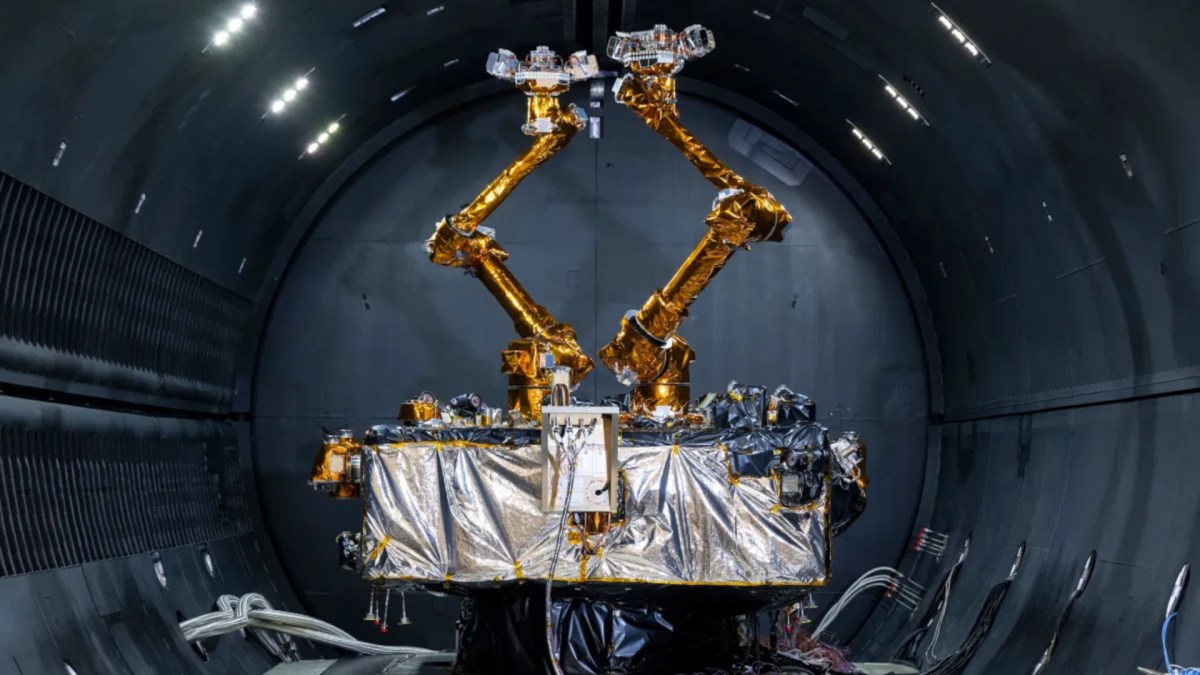
Northrop Grumman's New MRV Spacecraft Launches Today Amid Offensive Capability Questions

Northrop Grumman's New MRV Spacecraft Launches Today Amid Offensive Capability Questions

Northrop Grumman is set to launch its Mission Robotic Vehicle (MRV) today, equipped with two robotic arms designed for satellite servicing. While the primary purpose of the MRV is to refuel and repair satellites in geosynchronous orbit, discussions have emerged regarding its potential use in offensive operations against enemy satellites. The U.S. Space Force is exploring offensive capabilities to protect its assets, raising questions about the MRV's dual-use potential. The MRV's launch is significant as it represents a step forward in commercial satellite servicing, with the ability to install life extension jetpacks on satellites, potentially prolonging their operational life by up to eight years. Northrop Grumman's CEO, Kathy Warden, emphasized the spacecraft's capabilities during a recent earnings call, indicating that the company is prepared to offer options for technology deployment to clients, including the U.S. government. Looking ahead, the MRV is scheduled to launch aboard a SpaceX Falcon 9 rocket from Cape Canaveral, with a window starting at 5:15 PM ET. The mission will involve rendezvousing with satellites from commercial telecommunications providers Optus and SES, showcasing the MRV's versatility in on-orbit servicing and inspection. No further timeline was disclosed at the time of publication.

Space Anti-Satellite Capabilities News & Features Orbital Systems War In Space
Xpeng Transforms into 'Physical AI Company' at Munich Event with New Innovations

Xpeng Transforms into 'Physical AI Company' at Munich Event with New Innovations

On July 16, Xpeng Motors held its 'XPENG LIVE: PHYSICAL AI FOR ALL' brand day in Munich, showcasing its evolution from an automotive manufacturer to a 'physical AI company.' The highlight was the global debut of the MONA series L03, designed by former Ferrari chief designer JuanMa Lopez, featuring a low drag coefficient of 0.228Cd and offering both pure electric and super extended range options across nine configurations, priced between 123,800 to 156,800 RMB. The L03 is equipped with Xpeng's self-developed Turing AI chip, providing up to 750 TOPS for the Max version and 1500 TOPS for the Ultra SE version, alongside the second-generation VLA large model. The pure electric version boasts a CLTC range of 525km or 625km and supports 3C fast charging, achieving 10%-80% charge in just 19.1 minutes, while the extended range version offers a maximum comprehensive range of 1330km. Additionally, Xpeng introduced its split-type flying car, the 'land aircraft carrier,' which has completed its first flight in Dubai and has over 7,000 global orders. The humanoid robot IRON is set to launch globally in 2027, with a production target of over 1,000 units per month by late 2026. Chairman He Xiaopeng emphasized the company's mission to leverage technology to transform mobility and lifestyle, marking a significant shift in Xpeng's identity and vision for the future of movement.

Electric Vehicles Flying Cars Humanoid Robots AI Technology
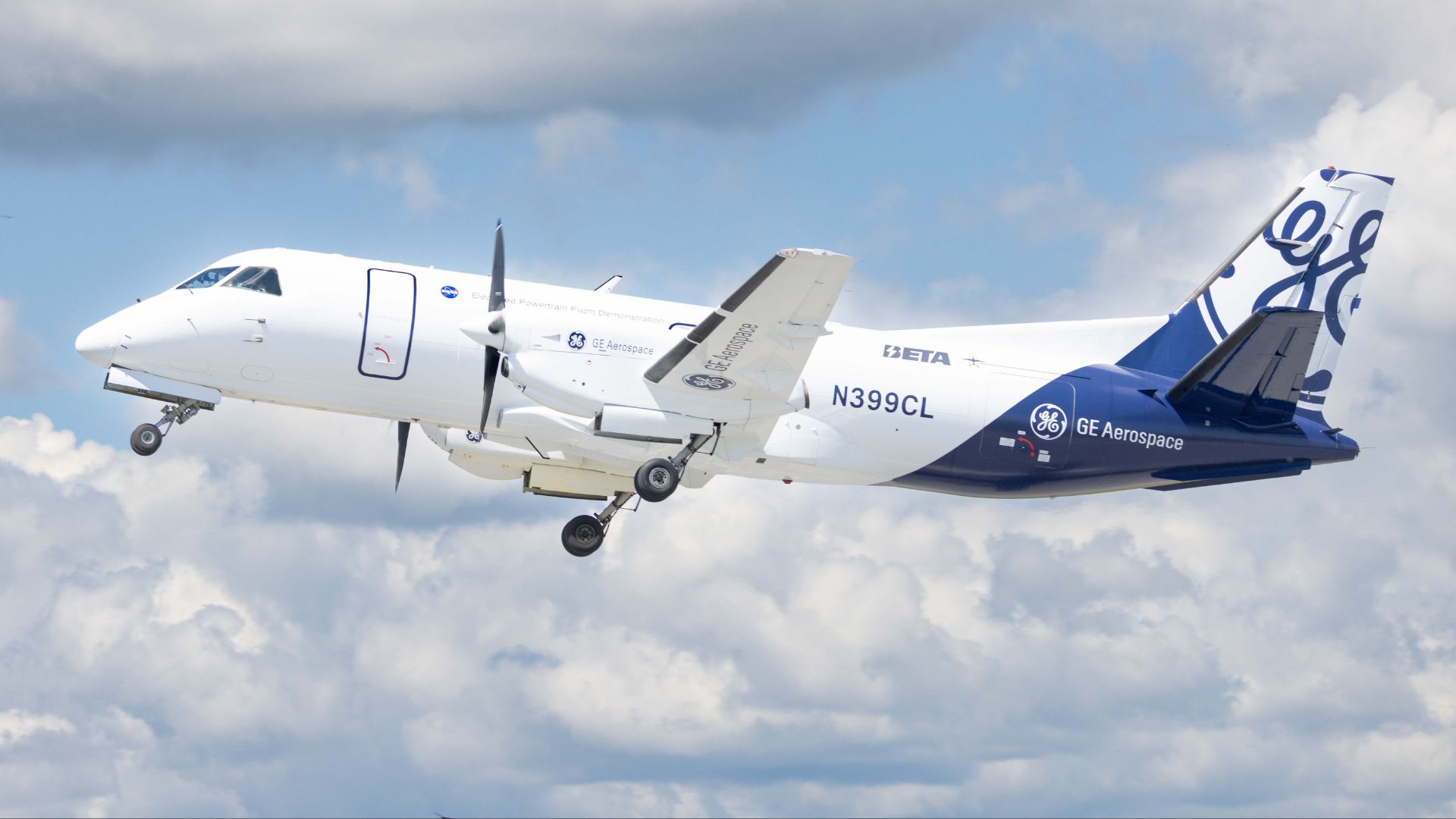
GE Aerospace Achieves Historic Hybrid-Electric Flight Above 30,000 Feet

GE Aerospace Achieves Historic Hybrid-Electric Flight Above 30,000 Feet

GE Aerospace has successfully completed the first flight of a hybrid-electric aircraft above 30,000 feet, marking a significant advancement in hybrid-electric aviation. This milestone was achieved in collaboration with NASA, BETA Technologies, and Boeing, demonstrating the potential of electrified propulsion for commercial aviation. The flight involved a modified Saab 340B, which operated its hybrid-electric propulsion system for over two hours at cruising altitudes typical for commercial passenger aircraft. This achievement is part of NASA's Electrified Powertrain Flight Demonstration program, showcasing the efficiency and performance benefits of combining a gas turbine with an electric powertrain. Looking ahead, GE Aerospace's successful flight tests pave the way for future hybrid aircraft development. The company has plans for further milestones under the CFM International RISE program, which aims to reduce fuel burn by over 20%. No further timeline was disclosed at the time of publication.

Transportation
AGIBOT Launches Four New Embodied AI Products at WAIC 2026

AGIBOT Launches Four New Embodied AI Products at WAIC 2026

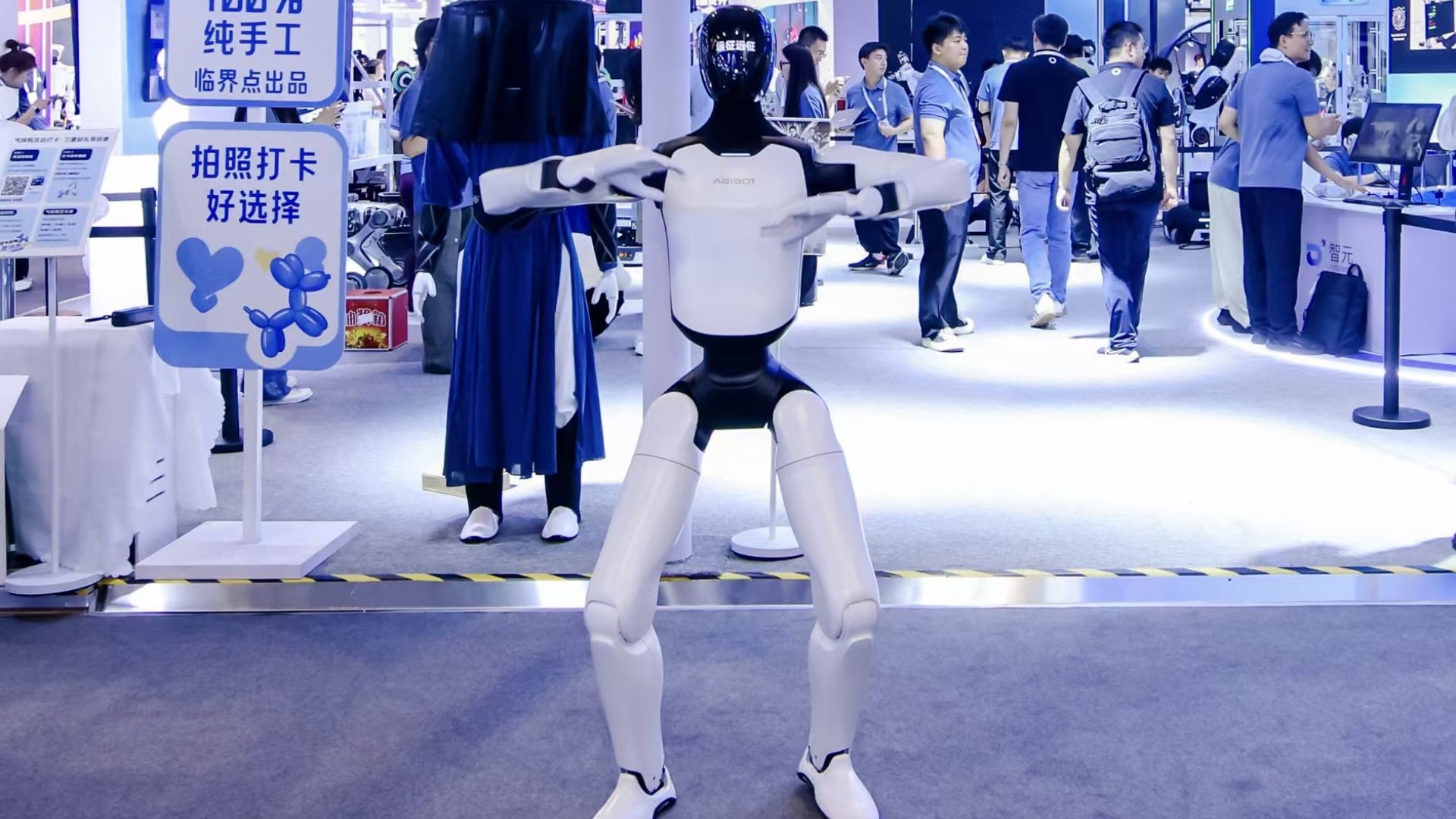
AGIBOT unveiled four new embodied AI products at the World Artificial Intelligence Conference (WAIC) 2026, expanding its portfolio with humanoid platforms, industrial robots, and dexterous manipulation systems. The new offerings include the AGIBOT A3 Ultra, G2 Max, and OmniHand 3 Ultra-M, designed to address the challenges of reliable manufacturing and integration in real-world environments. The significance of these launches lies in AGIBOT's commitment to moving beyond mere demonstrations of robotic capabilities. Co-founder Peng Zhihui emphasized the importance of consistent performance in operational settings, highlighting the company's focus on delivering practical value at scale. AGIBOT's recent production milestone of 15,000 robots underscores its rapid growth and ambition in the robotics sector. Looking ahead, AGIBOT aims to further develop its “Three Intelligences in One” architecture, which integrates locomotion, interaction, and manipulation. The company is also set to showcase its products and capabilities at its exhibition space in Shanghai, with a focus on commercial, service, and educational applications. No further timeline was disclosed at the time of publication.

Arms / Manipulators Artificial Intelligence Artificial Intelligence / Cognition Autonomous Mobile Robots (AMRs) Cameras / Imaging / Vision China
AGIBOT Unveils A3 Ultra Humanoid Robot with 51 DoF and 8-Hour Endurance

AGIBOT Unveils A3 Ultra Humanoid Robot with 51 DoF and 8-Hour Endurance

Chinese robotics company AGIBOT has introduced four new robotics products at the World Artificial Intelligence Conference (WAIC) 2026 in Shanghai. The highlight is the A3 Ultra humanoid robot, which stands 1.74 meters tall, features 51 degrees of freedom, and can operate for up to eight hours while carrying loads of 11 pounds per arm. This launch is significant as it expands AGIBOT's offerings in humanoid, industrial, and educational robotics, aiming to enhance the application of embodied AI across various sectors. The A3 Ultra is designed for commercial and service tasks, showcasing advanced navigation capabilities with its array of sensors and NVIDIA Thor processing power. Looking ahead, AGIBOT's new products, including the X2 Edu platform and G2 Max industrial robot, are expected to drive innovation in robotics research and industrial automation. No further timeline was disclosed at the time of publication.

AI and Robotics
Fourier Showcases Home Robot Technology at WAIC with GR-3 and GRW Innovations

Fourier Showcases Home Robot Technology at WAIC with GR-3 and GRW Innovations

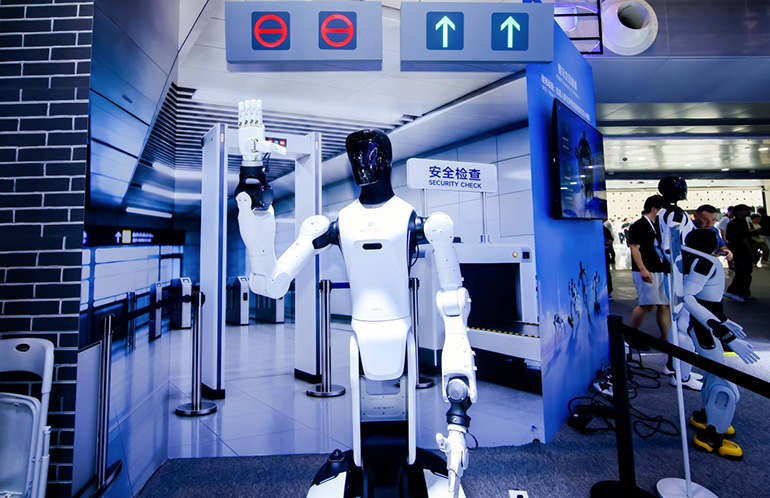
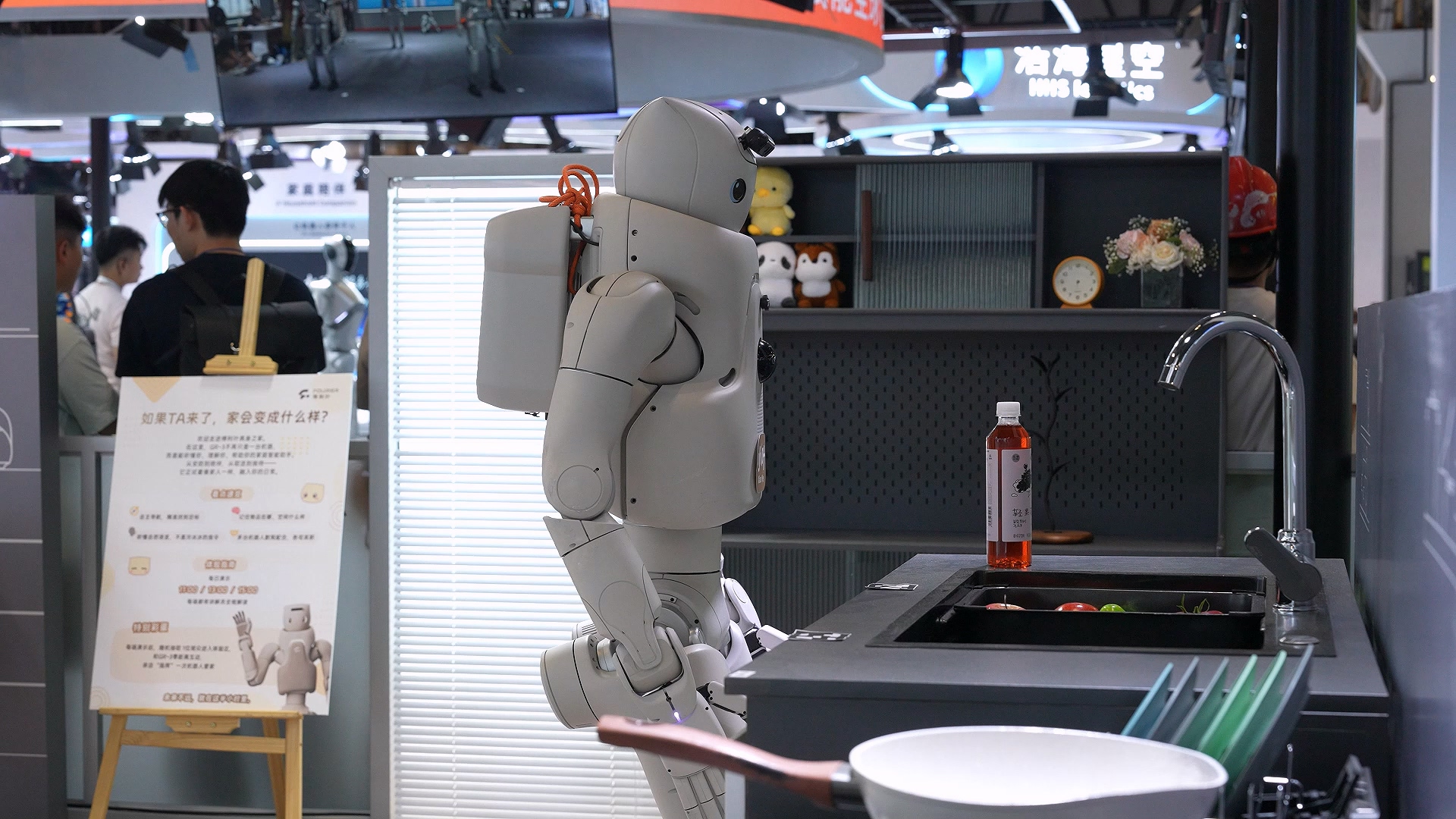
On July 17, 2026, the World Artificial Intelligence Conference (WAIC) commenced in Shanghai, where Fourier demonstrated a complete home scenario featuring the GR-3 humanoid robot. The robot performed tasks such as item retrieval, delivery, and security inspections, responding to natural language commands from the audience. This demonstration sparked discussions about the application paths for health and wellness robots, highlighting the complexity of validating technology in home environments. The significance of this demonstration lies in its challenge to traditional service robots, which typically operate on a point-to-point navigation model. By testing technology in the unstructured home environment, Fourier aims to address the limitations of existing robots that struggle with ambiguous commands and complex task sequences. The ability to understand user intent and adapt to dynamic situations is crucial for the advancement of embodied intelligence in robotics. Looking ahead, the focus will be on how Fourier's technology can transition from home applications to broader commercial scenarios, particularly in healthcare settings. The success of the GR-3 and the newly introduced GRW robot will be pivotal in determining the future of intelligent robots in everyday life. No further timeline was disclosed at the time of publication.

Health Robots Natural Language Processing Home Automation Robotic Technology
Humanoid Robots Begin to Enter Australia Amid Global Surge

Humanoid Robots Begin to Enter Australia Amid Global Surge

As humanoid robots flood factories, warehouses, and hotels in China at a rate of 100,000 units annually, Australia remains hesitant at the starting line. Melbourne-based startup Andromeda is selling an AI robot named Abi to nursing homes worldwide, aiming to create empathetic companions that transform loneliness into joy. However, local robotics companies in Australia are scarce, while the global 'robot army' is rapidly approaching its borders. Last Friday, AgiBot, a leading humanoid robot company from China, held a launch event in Australia, showcasing robots performing the Nutbush dance. Priced between $40,000 and $50,000, these robots are already fulfilling tangible roles in China's manufacturing lines, warehouses, hotel receptions, and stores, with production reaching 100,000 units this year and continuing to grow. A striking comparison highlights that the current price of a humanoid robot is roughly equivalent to that of a slave in the late 18th century American South, raising ethical questions about the societal acceptance of such industrial consumer goods. Australian Prime Minister Albanese recently announced he would personally oversee the national AI strategy, with the establishment of an AI safety research institute, although pre-release testing is still under discussion. Meanwhile, global AI regulation shows signs of divergence, as China recently enacted regulations halting AI companion services. Australia is still exploring the extent to which humanoid robots should resemble humans, raising critical questions about whether these machines are tools for liberating productivity or a point for society to redefine 'value.'

Humanoid Robots AI Robotics Automation