


SQUAD
"Your R&D Partner for Intelligent Vision Products"
Ukrainian R&D and engineering company specializing in AI-powered camera systems and computer vision, from hardware design to edge AI deployment.
Contact SQUAD
WEBSITE
https://squad.tech/HEADQUARTERS
Ukraine

Company Facts
Founded
2016
Primary Role
Software/Algorithm
Company Size
-
Primary Region
Europe
Annual Sales
-
Funding Stage
-
Funding Total
-
Certifications & Memberships
Keywords
- SQUAD
- AI-powered camera
- edge AI
- smart camera
- industrial inspection
- IoT product engineering
- AI camera
- IoT engineering
- image quality
- hardware engineering
- embedded systems
- firmware
- industrial vision
- Software/Algorithm
- System Integrator
- Perception & Vision
- Control & Software
- Manufacturing
- Logistics & Supply Chain
- Agriculture

WRC 2027: World Robot Conference, Beijing, opens Aug 18
WRC 2027 opens Aug 18, 2027 in Beijing. The 2026 edition had 373 exhibitors, 311 product debuts and 557,000 on-site visits.

FABTECH 2027 | Sep 13–16, McCormick Place, Chicago
FABTECH 2027, Sep 13–16 at McCormick Place, Chicago: metal fabrication, welding and automation expo with robotic welding cells, AI pavilion.

LogiMAT 2027: March 16–18, Messe Stuttgart
Meta description LogiMAT 2027 runs March 16–18 at Messe Stuttgart under the theme "MIND MEETS MACHINE", with AI, AMRs and humanoid robots in focus for intralogistics.

ProMat 2027: April 19–21, McCormick Place Chicago
ProMat 2027 runs April 19–21 at McCormick Place, Chicago: 1,200+ exhibits on AMRs, AS/RS, robotic picking and supply-chain automation. Free registration.

LogiMAT China 2027: April 21–23, Shenzhen
LogiMAT China 2027 runs April 21–23 in Shenzhen, featuring AMRs, smart sorting, 3D-vision picking and AI logistics from the Greater Bay Area robotics base.

Automate 2027 | May 10–13, Las Vegas Convention Center
Automate 2027, May 10–13 at the Las Vegas Convention Center: A3's robotics and automation show moves to Las Vegas after a record 50,000+ registrants in 2026.

CICEE 2027: May 12-15, Changsha, China
CICEE 2027 runs May 12-15 in Changsha, China, home of SANY and Zoomlion, with intelligent, remote-operated and electric construction machinery.

IROS 2026 Closing Briefing — Pittsburgh, Sep 27–Oct 1
IROS 2026 closes in Pittsburgh with 1,900+ papers and 186 exhibitor listings. Humanoids, dexterous hands, tactile sensing and robot data led the show.
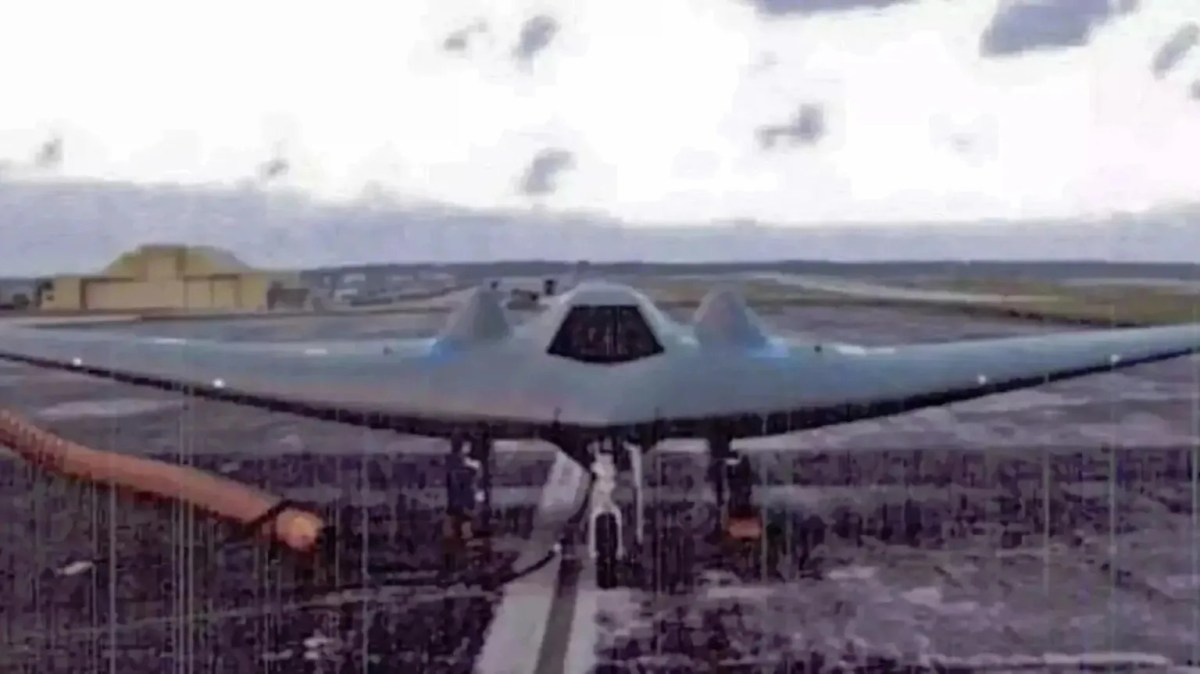
30th Reconnaissance Squadron Receives Award for RQ-170 Sentinel Operations in 2025
The 30th Reconnaissance Squadron of the U.S. Air Force has been awarded the General Atomics Remotely Piloted Aircraft Squadron of the Year for 2025. This recognition highlights the squadron's significant contributions to intelligence, surveillance, and reconnaissance (ISR) missions, particularly involving the stealthy RQ-170 Sentinel drone. This award is notable as the 30th Reconnaissance Squadron, also known as the Blackbirds, operates in a highly classified environment. Their efforts in 2025 included conducting 87 ISR missions across three areas of responsibility, showcasing their operational agility and effectiveness in filling critical intelligence gaps and disrupting enemy networks. Looking ahead, the continued performance of the 30th Reconnaissance Squadron may influence future remotely piloted aircraft capabilities. While details about their specific operations remain classified, the squadron's achievements in 2025 set a high standard for the Air Force's drone units, particularly in the context of evolving military strategies and technologies.
Air Air Forces News & Features RQ-170 U.S. Air Force Unmanned
U.S. Army Receives Advanced 20kW Laser Weapon Systems for Counter-Drone Operations
The U.S. Army has received two advanced high energy laser systems developed by AeroVironment, known as Laser Weapon Systems (LWS). These systems feature the 20kW-class LOCUST LWS integrated onto the General Motors Defense Infantry Squad Vehicle (ISV) platform, enhancing mobile counter-unmanned aircraft capabilities. This delivery is part of the Army Multi-Purpose High Energy Laser (AMP-HEL) prototyping effort, marking a significant advancement in directed energy capabilities. Mary Clum from AeroVironment emphasized the importance of these systems in providing reliable and operationally ready solutions for counter-unmanned aircraft operations, supporting the Army's modernization goals. Looking ahead, AeroVironment plans to deliver a second increment of the AMP-HEL program next month, which will include additional vehicles equipped with the LOCUST LWS. This ongoing development reflects the Army's commitment to rapidly fielding directed energy solutions to address evolving threats in dynamic environments.
Military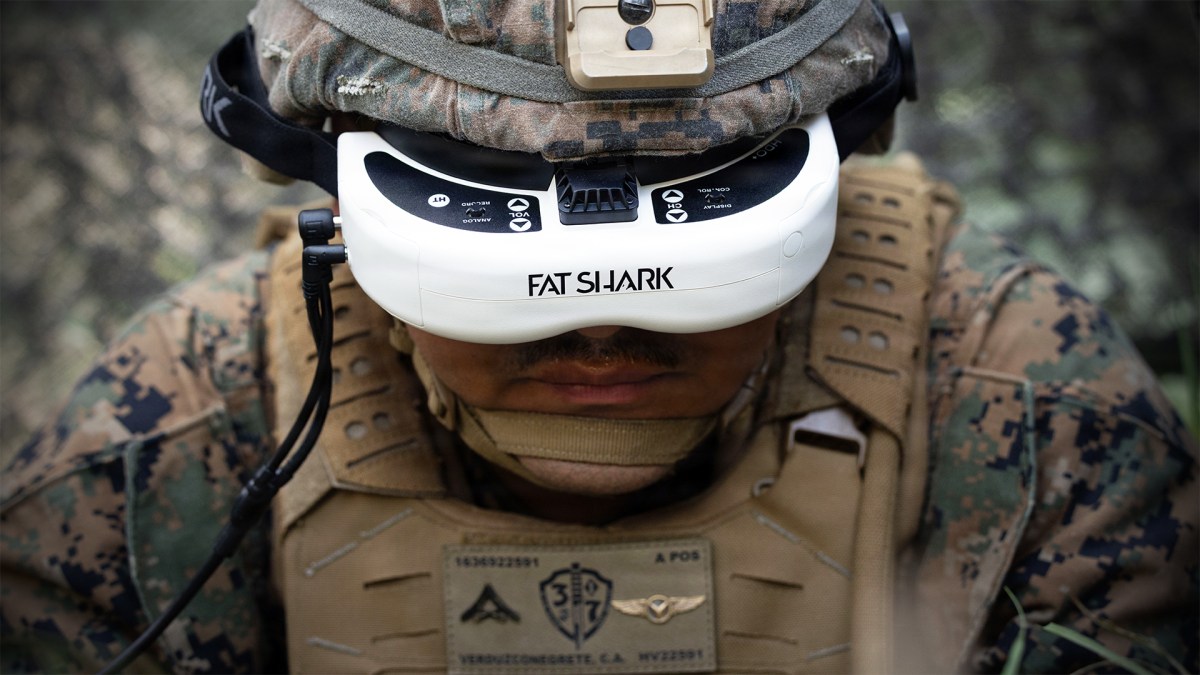
U.S. Marine Corps Reveals Ground Combat Element 2040 Strategy for Future Warfare
The U.S. Marine Corps has introduced its Ground Combat Element (GCE) 2040 strategy, outlining future ground combat operations. This plan emphasizes the need for enhanced training and equipment to address the challenges posed by advanced technologies, particularly drones, in potential Pacific conflicts. The GCE 2040 strategy is crucial as it prepares Marines for a rapidly evolving battlefield characterized by peer-level adversaries like China and Russia. Lt. Gen. Jay M. Bargeron highlighted the importance of adapting to technological advancements, including artificial intelligence and drone warfare, to ensure the effectiveness of smaller Marine units in combat. Looking ahead, the Marine Corps aims to implement layered defenses against drone threats, which pose significant risks to ground maneuverability. The introduction of systems such as the Marine Air Defense Integrated System (MADIS) and the classified “Home Alone” counter-drone solution will be vital in protecting Marine squads. No further timeline was disclosed at the time of publication.
Sea Air Counter-Unmanned Aerial Vehicles (C-UAS) Drones Land News & Features
Saab Unveils Loyal Wingman Drone Series for Swedish Air Force Development
Saab has announced the development of three unmanned aircraft, designated A1, A2, and A3, aimed at creating a loyal wingman fighter system for the Swedish Air Force. The A1 will serve as a supersonic demonstrator powered by an AI-driven GE F414 engine, while the A2 will include an internal weapons bay. Both models are expected to take flight within the next four years, with the A1 anticipated to fly in just 15 months. The significance of this development lies in its potential integration with the Gripen system, as highlighted by Swedish Defense Minister Pål Jonson. He emphasized the importance of having an unmanned wingman component that can conduct deep operations alongside the manned platform. The A3 model, which may become the primary sales product, could enter service within ten years, contingent on government funding decisions. Looking ahead, Saab's loyal wingman initiative reflects a broader trend towards mixed squadrons of manned and unmanned assets, as noted by Brig. Gen. Niclas Magnusson. The Swedish parliament is expected to make critical decisions regarding Sweden's fighter aircraft capabilities between 2028 and 2030, with ongoing studies and technology development supporting this initiative.
Air Warfare Air Force CCA collaborative combat aircraft Drones Europe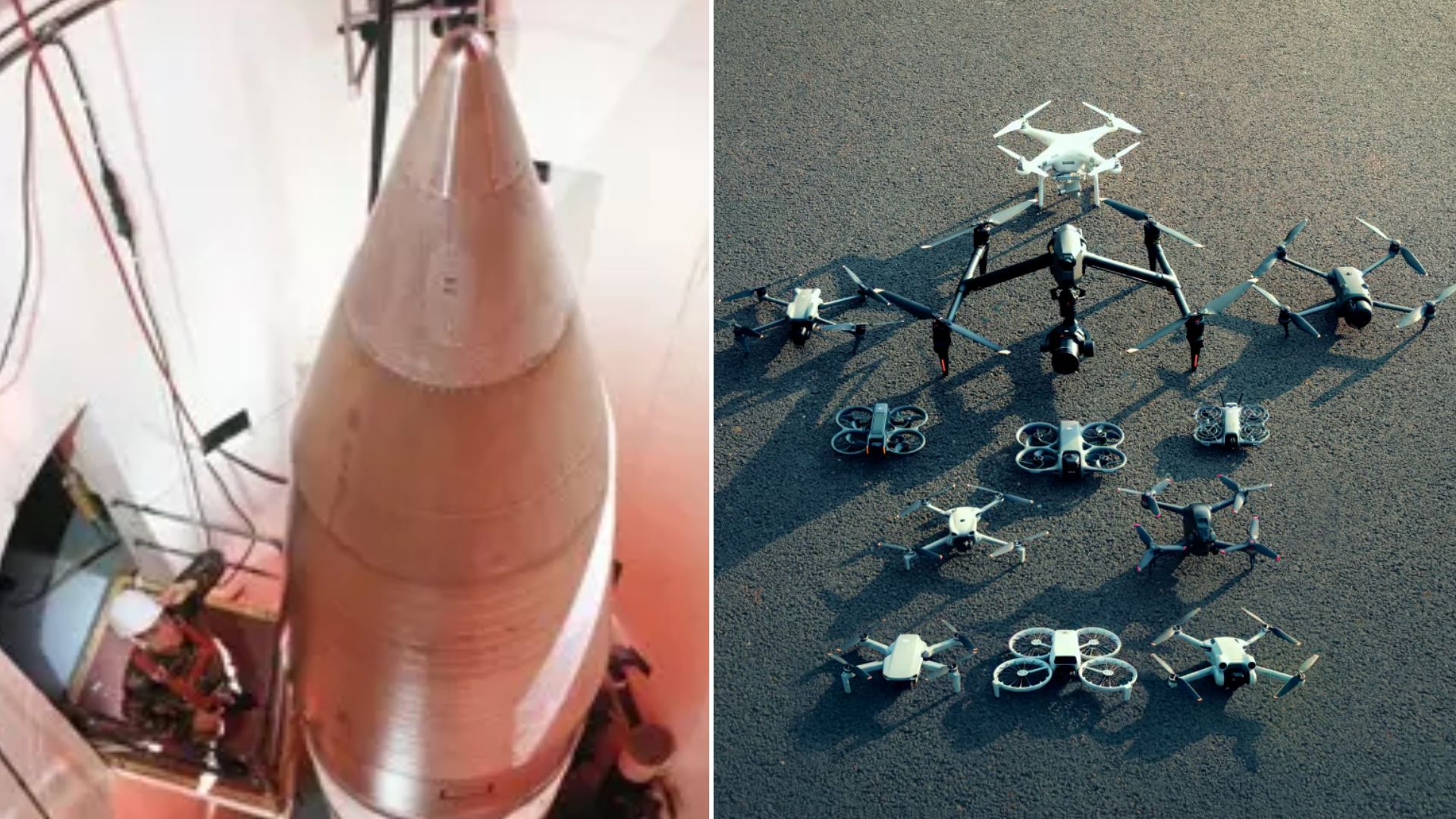
U.S. Air Force Plans to Acquire DJI Drones for Counter-Drone Training at Missile Base
The U.S. Air Force intends to purchase DJI drones for counter-drone training at F.E. Warren Air Force Base, which is part of the Minuteman III missile system. This initiative, led by the 90th Missile Security Operations Squadron, aims to enhance personnel's ability to detect and neutralize drone threats in the vicinity of the base. This procurement is significant as DJI drones dominate the commercial market, accounting for 80% to 85% of global sales, making them ideal for realistic training scenarios. The Air Force's decision to use these drones, despite existing restrictions on Chinese technology, highlights the need for effective training against prevalent drone threats, especially given the 350 reported incursions over U.S. military installations in 2024. Looking ahead, the Air Force plans to modify the acquired drones with RIZER software to ensure data security while allowing personnel to train against the unique characteristics of DJI systems. No further timeline was disclosed at the time of publication.
Military
CENTCOM Initiates Multinational Falcon Strike Drone Task Force for One-Way Attacks
US Central Command (CENTCOM) has launched its first multinational attack drone task force, named Falcon Strike, which will utilize one-way attack drones. This initiative involves unmanned systems operated by US military personnel and regional partners, marking a significant escalation in the ongoing conflict involving Iran and its allied militias. The establishment of Task Force Falcon Strike is crucial as it aims to enhance regional security and deterrence capabilities amid rising tensions between Iran and the US, Israel, and Arab Gulf states. The task force will integrate various unmanned platforms, including the Low-Cost Uncrewed Combat Attack System (LUCAS) and other unmanned surface vessels, to strengthen military operations in the region. Looking ahead, CENTCOM plans to expand the capabilities of Falcon Strike as more regional partners formally join the initiative. This development follows the launch of Scorpion Strike in December 2025, which was CENTCOM's first one-way attack squadron in the Middle East. No further timeline was disclosed at the time of publication.
Air Warfare Global Land Warfare Naval Warfare Air Force Arab countries
U.S. Central Command Establishes Multinational One-Way Attack Drone Task Force in the Middle East
U.S. Central Command has announced the formation of Task Force Falcon Strike, the first multinational attack drone task force, amid ongoing regional tensions. This initiative comes as the U.S. seeks to enhance its military capabilities with one-way attack drones, which are increasingly vital in modern warfare. The task force aims to utilize unmanned systems from various platforms, although details on participating nations and specific equipment remain undisclosed. The establishment of Task Force Falcon Strike is significant as it reflects the U.S. military's adaptation to evolving combat scenarios, particularly in the context of heightened tensions with Iran and its allies. The task force will employ one-way attack drones to alleviate pressure on existing high-end standoff weapon systems, indicating a strategic shift in U.S. military operations in the region. This move follows the creation of Task Force Scorpion Strike, which was the first dedicated one-way attack drone squadron in the Middle East. Looking ahead, the effectiveness of Task Force Falcon Strike will depend on the collaboration between the U.S. and its regional partners, as well as the operational success of the one-way attack drones. The ongoing developments in drone warfare, particularly in the Middle East, will be crucial to watch, especially as other nations, including Israel, continue to advance their own drone capabilities.
News & Features Air Around The Globe Drones Iran Middle East
Army Replaces Infantry Squad Vehicles with Polaris MRZR for Unmanned Systems Testing
The U.S. Army has officially transitioned from using Infantry Squad Vehicles (ISVs) to Polaris MRZR platforms for its Unmanned Systems (UxS) autonomy program. This change, confirmed by Michael Rose, chief technology officer for CPE Mission Autonomy, aims to enhance off-road autonomy testing. The MRZR platforms will allow multiple companies to test their autonomy software in a standardized environment, facilitating direct comparisons of technological capabilities. This shift is significant as it marks a departure from the Army's previous plans to enhance ISVs with autonomy software from Forterra, Overland AI, and Scout AI. The decision to adopt MRZR platforms is based on evolving technological needs and aims to address challenges identified in the initial UxS program, including safety risks and financial constraints. The Army has received 12 MRZR Alphas from Polaris for this initiative, indicating a commitment to advancing unmanned ground vehicle capabilities. Looking ahead, the Army is evaluating various autonomy software providers for the MRZR platforms, although specific companies involved have not been disclosed. The ongoing participation of Forterra, Overland AI, and Scout AI in the UxS program suggests a competitive landscape as the Army seeks to refine its approach to unmanned systems. No further timeline was disclosed at the time of publication.
Land Warfare Army autonomy Drones ground autonomy GVSETS 2026
Cybersecurity Risks Emerge from Chinese Components in Royal Navy's Kraken USVs
Recent reports indicate that Chinese-made components in the cameras of the U.K. Royal Navy's Kraken Unmanned Surface Vessels (USVs) were transmitting data to a device in China. The U.K. Ministry of Defense confirmed the issue, which arose during a routine cyber vulnerability assessment, prompting the removal of internet connectivity from the affected cameras. This situation underscores significant cybersecurity risks associated with military supply chain vulnerabilities, particularly concerning Beijing's potential access to sensitive Western defense technology. The Kraken K3 Scout USVs, valued at approximately $16.2 million, were introduced into Royal Navy service in March and are utilized by the Coastal Forces Squadron and 47 Commando of the Royal Marines. Looking ahead, the Royal Navy's USVs are expected to be deployed to the Persian Gulf to support U.K. special forces in securing navigation in the Strait of Hormuz. The Ministry of Defense has stated that it prioritizes national security and is committed to ongoing security assessments to mitigate vulnerabilities in its systems and equipment. No further timeline was disclosed at the time of publication.
Sea Espionage Navies News & Features Royal Navy Unmanned Surface Vessels (USVs)
Top Computer Vision Development Company Options for 2026
Selecting the appropriate computer vision development company is crucial for ensuring compatibility with the specific environment in which the model will operate. This could range from camera system-on-chips (SoCs) and cloud-based software as a service (SaaS) products to medical devices and live video systems. Among the available options, SQUAD stands out as a robust choice for edge hardware and smart camera products. Meanwhile, Intellias and Softeq are recognized as strong contenders for embedded AI solutions. As the industry evolves, companies must carefully assess their needs to align with the right technology partner.
Components Computing Technology AI development artificial intelligence automation news
FUTURE WARFARE | The Swarm Revolution - Decentralised, Resilient, and Too Numerous to Stop
Inside the drone swarm revolution: Discover how Ukraine’s Swarmer tech, China’s AI formations, and the Pentagon's Orchestrator Prize are reshaping warfare.
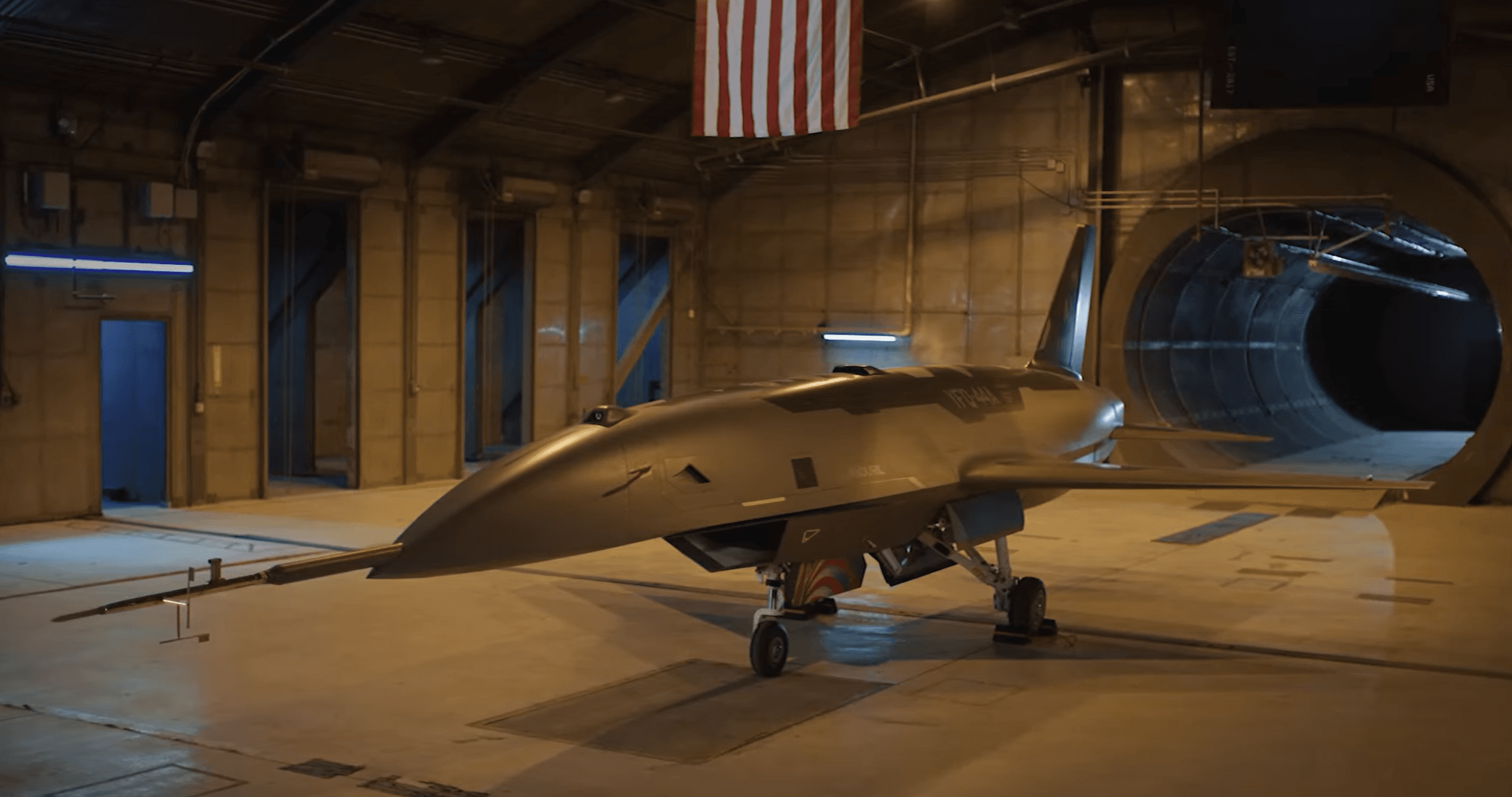
FUTURE WARFARE | Air - Collaborative Combat Aircraft, Drone Motherships & the Autonomy Race Above the Battlefield
Anduril’s YFQ-44A Fury flew its first semi-autonomous mission on 31 October 2025 — 556 days from contract to flight. By February 2026 it was carrying live missiles and swapping autonomy software mid-flight. China’s Jiutian drone mothership flew on 11 December 2025, capable of releasing over 100 loitering munitions from its internal bay at 15,000 metres. And the U.S. Air Force is standing up its second experimental one-way attack drone unit for mid-2026. This article maps the most consequential aerial autonomous systems competition in history: the CCA programme that will determine U.S. air dominance in the 2030s, the Valkyrie’s surprising rebirth, the A-GRA open-architecture breakthrough, and the Chinese drone mothership that has no Western equivalent.


