

BXI - 半醒科技
BXI Robotics (China-based) develops humanoid robots and high-performance joint motors for embodied AI systems. Flagship Elf 3 is a ready-to-deploy 31-DOF humanoid; also offers advanced motors (e.g., 50/70/85 series), control modules, twin-arm robotic arms, dexterous hands, and custom ODM solutions for next-generation robotics.

RobotToday Initiative
Robotics needs a service framework.
RSF defines a common language for robot service capability, lifecycle operations, certification pathways, and service-provider networks.

Unitree Announces CMG 2026 Humanoid Robot Combat Competition with Global Reactions
Unitree has released a promotional video for the CMG 2026 Humanoid Robot Combat Competition, scheduled for July 9, 2026. The video showcases advanced humanoid robots engaging in combat with humans, highlighting their physical capabilities and martial arts techniques. The announcement has generated significant global interest, with many viewers expressing excitement about the potential for real-life robot combat akin to the film 'Real Steel.' The significance of this event lies in its exploration of human-AI co-evolution through competitive robotics. Viewers have praised the initiative for pushing technological boundaries, with some noting that testing robots against humans is the ultimate validation of their capabilities. Additionally, there is a call for matches where skilled fighters remotely control robots, reflecting a desire for greater recognition of Unitree's technological prowess in the field. Looking ahead, the competition is expected to spark further discussions on the implications of teaching combat skills to robots, with some comments drawing parallels to science fiction narratives like 'Terminator.' No further timeline was disclosed at the time of publication, but the event promises to be a focal point for advancements in humanoid robotics and AI technology in the coming years.
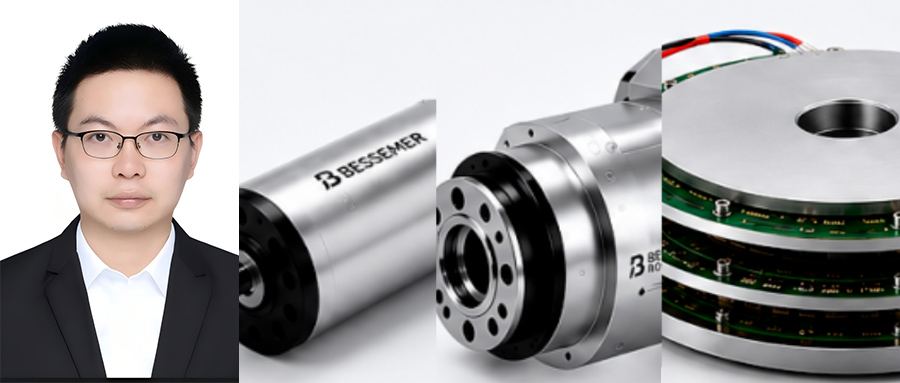
Bessemer Technology Secures Angel Funding for Motor Innovations in Robotics
Bessemer (Shanghai) Technology, founded by Assistant Professor Zhu Wenjun from Xi'an Jiaotong-Liverpool University, has successfully raised millions in angel funding from the Pudong AI Seed Fund. Established in 2025 with a registered capital of 2 million yuan, the company holds two patents and aims to optimize motor technology and establish mass production lines with the new funding. This funding is significant as it marks a shift in investment focus towards core components like joint motors, which have been underdeveloped in China. While many domestic motor technologies remain in the experimental phase, Bessemer is building a complete chain from electromagnetic simulation to standardized hardware, addressing the gap between laboratory innovations and industrial production. Looking ahead, Bessemer's product line includes the E series and S series motors, designed for humanoid robots and medical devices, which could disrupt the market by offering lighter, more efficient alternatives to traditional motors. No further timeline was disclosed at the time of publication for upcoming product launches or additional funding rounds.
Motor Technology Robotics Angel Investment High-Tech Startups
1X Enhances NEO Humanoid Robot with Advanced 25-DOF Hands for Versatile Tasks
Norwegian robotics firm 1X has introduced new 25-degree-of-freedom (DOF) tendon-driven hands for its NEO humanoid robot, marking a significant advancement in robotic dexterity. These hands feature 22 actuated joints across the fingers and palm, along with three at the wrist, enabling NEO to perform tasks such as assembling LEGO models and catching balls with precision and strength. The redesigned hands allow for force sensing and durability, overcoming previous hardware limitations in robotic manipulation. With a unique tendon-drive system and low gear ratios, the hands can detect contact forces and provide continuous proprioception, enhancing the robot's ability to manipulate objects safely and effectively. The hands' human-like joint distribution, particularly the opposable thumb, facilitates a wide range of fine manipulation tasks, making NEO suitable for various household applications. 1X has commenced mass production of the NEO robot at its new California facility, aiming to commercialize home robots for daily assistance. The company emphasizes the hands' combination of precision, strength, and safety features, including IP68 waterproofing and self-cleaning capabilities. No further timeline was disclosed at the time of publication.
AI and Robotics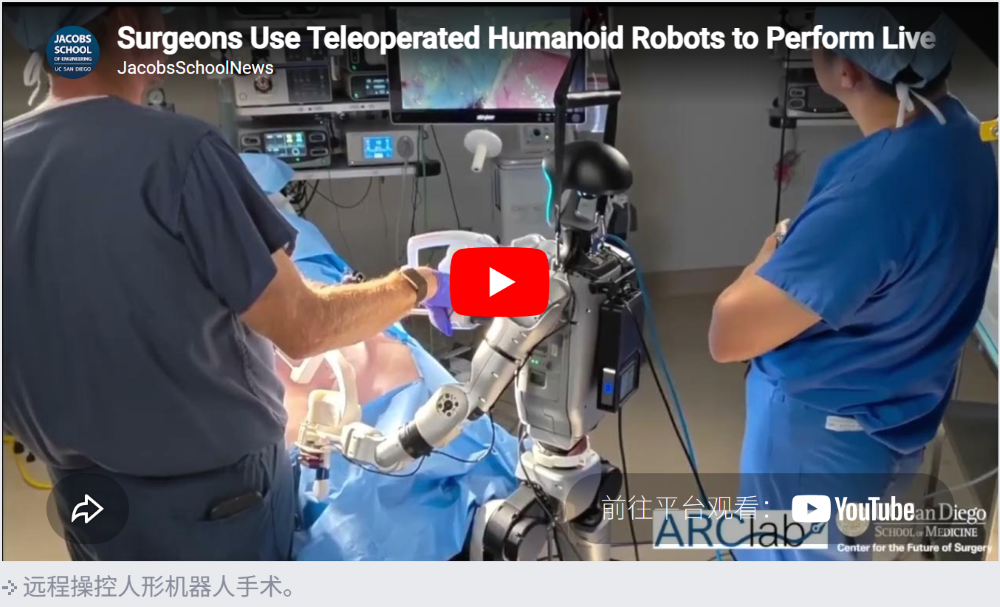
UC San Diego Team Demonstrates G1 Humanoid Robot 'Surgie' in First Live Surgery
On July 8, a research team from the University of California, San Diego, published a groundbreaking study in Nature, showcasing the G1 humanoid robot, nicknamed 'Surgie.' This robot, weighing 27 kg and priced from $13,500, successfully performed two laparoscopic cholecystectomies on live pigs, marking a significant milestone in robotic surgery. The significance of this achievement lies in the G1's affordability and adaptability compared to traditional surgical robots like the da Vinci system, which costs between $500,000 and several million dollars. Surgeon's remote control of the G1 allows for deployment in various settings, including rural areas, battlefields, and potentially space missions, without the need for specialized operating room modifications. Despite the success, the technology still faces challenges before clinical application, such as the need for frequent recalibration during surgery, which increases operation time. The G1's limited arm span of 450 mm also restricts its operational range. No further timeline was disclosed at the time of publication for the next steps in this research.
Humanoid Robots Surgical Robotics Remote Surgery Medical Technology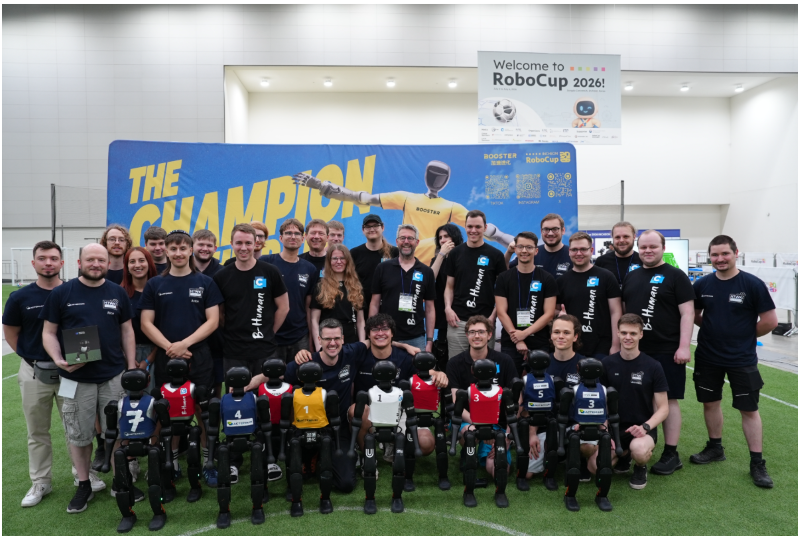
Booster Robotics Powers All Gold Medal Wins at RoboCup 2026 in South Korea
At the RoboCup 2026 held in Incheon, South Korea, Tsinghua University's Fire God team secured the championship title by defeating their opponent 6-2. Notably, all gold medals in the humanoid categories were won by robots from the same Chinese company, Booster Robotics. A total of 59 teams participated, with 38 utilizing Booster Robotics' platforms, including the Booster T1, K1, and K1 Air models. The significance of this achievement lies in the shift towards a shared robotics platform, allowing teams to focus on advanced capabilities such as visual perception and multi-agent collaboration rather than starting from scratch. This year, teams like B-Human and the University of Wuhan leveraged Booster Robotics' technology, which has evolved to enhance leg movement control, enabling high-speed running and quick recovery from falls. This collaborative approach has streamlined development and improved performance in competitive settings. Looking ahead, the emergence of the youngest participating team from Macau, which utilized Booster Studio for algorithm training, highlights the growing accessibility of robotics education. As more teams adopt Booster Robotics' platforms, the trend towards a unified infrastructure for embodied intelligence is becoming evident. No further timeline was disclosed at the time of publication.
Humanoid Robots Robotics Competitions AI Robotics Development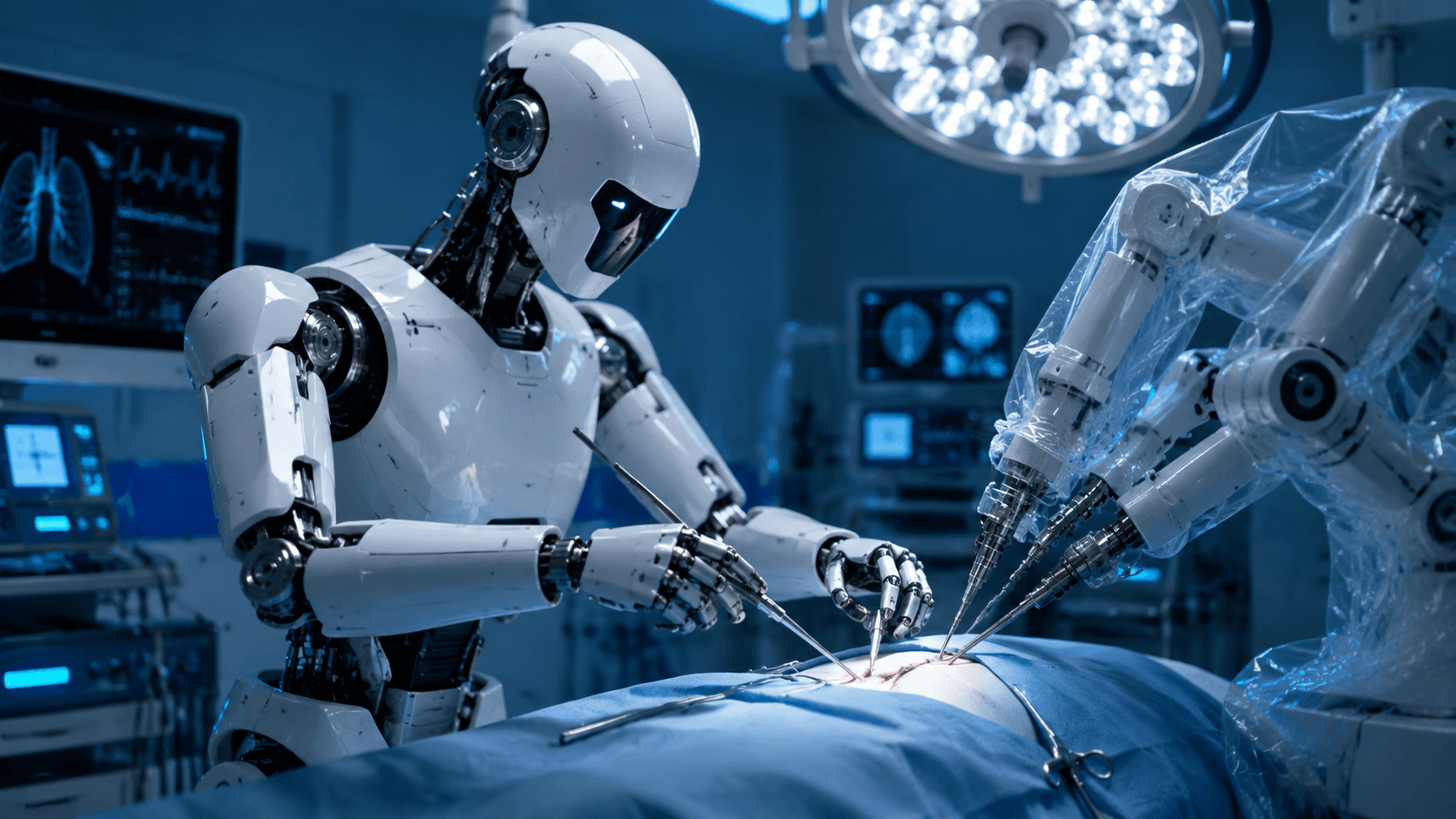
Unitree G1 Humanoid Robot Achieves Milestone in Live Gallbladder Surgery
The Unitree G1 humanoid robot has successfully performed a laparoscopic cholecystectomy on a living subject, marking a significant milestone in robotic surgery. This operation represents the first instance of a general-purpose humanoid robot conducting live surgery, showcasing advancements in robotic capabilities and surgical precision. This achievement is noteworthy as it highlights the growing integration of robotics in medical procedures, potentially transforming surgical practices. The successful completion of this surgery could pave the way for broader applications of humanoid robots in healthcare, addressing labor shortages and enhancing surgical outcomes through precision and consistency. Looking ahead, the implications of this surgery could lead to further developments in robotic-assisted procedures. No further timeline was disclosed at the time of publication, but the medical community will be closely monitoring advancements in humanoid robotics and their applications in surgery.
Robotics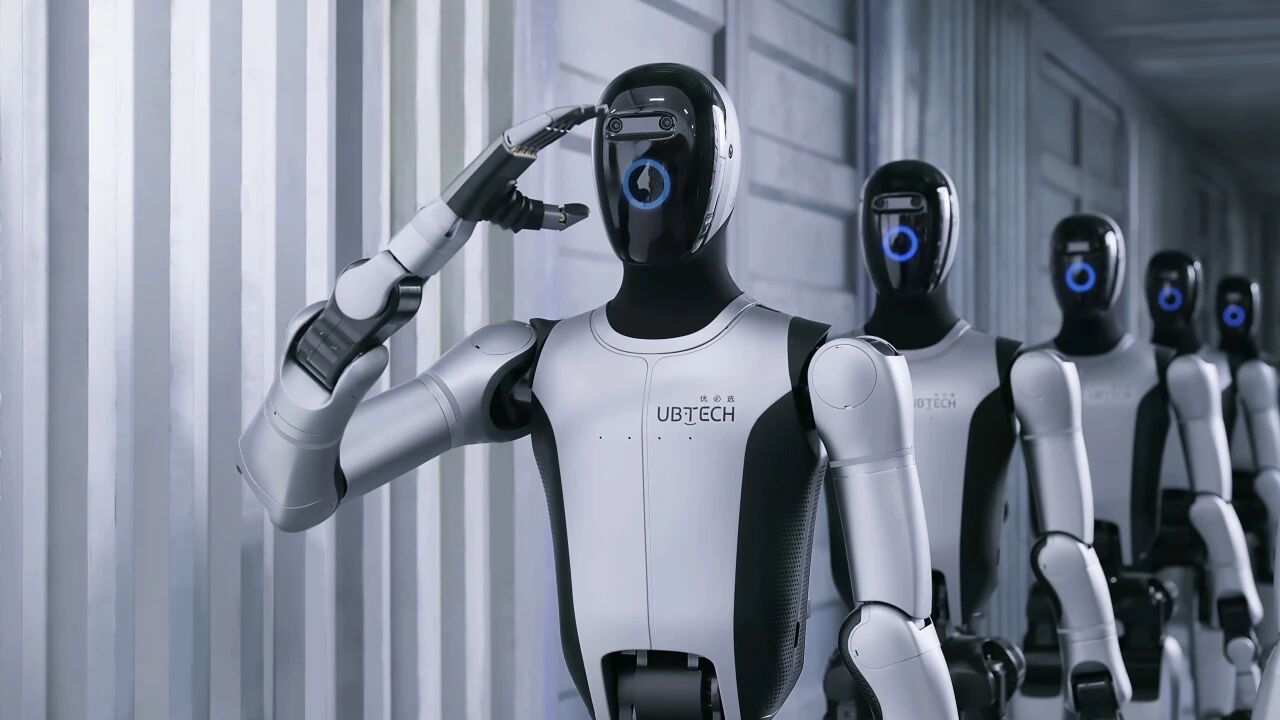
UBTECH Advances China's First Industry Standard for Collaborative Intelligent Systems by 2026
Recently, China's Ministry of Industry and Information Technology approved the development of the first industry standard for collaborative intelligent systems, led by UBTECH Robotics. The standard, titled 'Control Interface Specifications for Embodied Collective Intelligent Systems in Industrial Applications,' aims to address interoperability issues among multi-robot systems in industrial settings, marking a significant step in standardization. This initiative is crucial as industrial production shifts from single-robot operations to collaborative multi-robot systems. The lack of unified protocols and control interfaces has hindered the scalability of collective intelligence technologies. The new standard will provide clear guidelines for task allocation, fault reporting, and security interactions, facilitating better integration of diverse robotic systems in smart factories and logistics. Looking ahead, UBTECH is also collaborating with the China Electronics Standardization Institute to develop a reference architecture for collective intelligent systems. This comprehensive framework will define key terminologies and functional modules, further solidifying the foundation for collective intelligence standards in China. No further timeline was disclosed at the time of publication.
Humanoid Robots Industrial Automation AI Standards Collective Intelligence Robotics
InDro Robotics Introduces Axiom Humanoid Platform to Enhance Physical AI Research Accessibility
InDro Robotics has launched the Axiom, a modular humanoid-style robotic platform aimed at facilitating Physical AI research. Announced on July 10, 2026, this budget-friendly solution is designed to lower the barriers for researchers and academic institutions in developing advanced robotics applications. Initial customer units are already being shipped, indicating strong market interest. The Axiom platform is significant as it democratizes access to humanoid robotics, which has traditionally been limited to well-funded organizations. By providing a more affordable option, InDro Robotics is positioning itself to capture a wider audience in the research community, potentially accelerating advancements in Physical AI technologies. This move aligns with the growing demand for accessible robotics solutions across various sectors. Looking ahead, InDro Robotics aims to expand its customer base and enhance the Axiom's capabilities based on user feedback. No further timeline was disclosed at the time of publication, but the initial shipping of units suggests a proactive approach to market engagement and product iteration.
UC San Diego Trials Teleoperated Humanoid Robots for Surgical Procedures
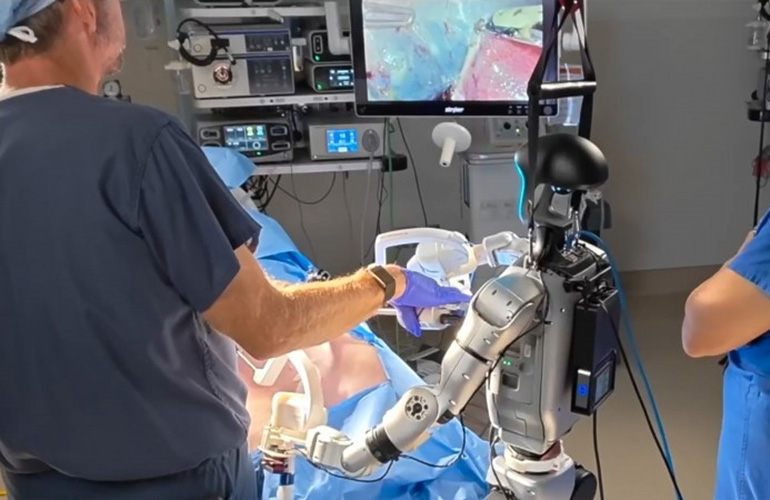
In a groundbreaking preclinical trial at UC San Diego, teleoperated humanoid robots successfully conducted surgeries, marking a significant advancement in surgical technology. This trial represents the first instance of humanoid robots being utilized in a surgical context, showcasing their potential to enhance precision and efficiency in medical procedures. The significance of this development lies in the versatility of humanoid robots, which may offer improved capabilities over traditional robotic systems like the da Vinci Surgical System. By integrating advanced teleoperation techniques, these robots could potentially reduce the need for human intervention, thereby minimizing risks and improving patient outcomes in complex surgeries. Looking ahead, the next steps involve further trials to assess the long-term effectiveness and safety of these humanoid robots in surgical environments. No further timeline was disclosed at the time of publication, but the results of this trial could pave the way for broader applications in healthcare robotics.
Healthcare Robotics Human Robot Interaction / Haptics Humanoids News Surgical / Interventional Systems Surgical Systems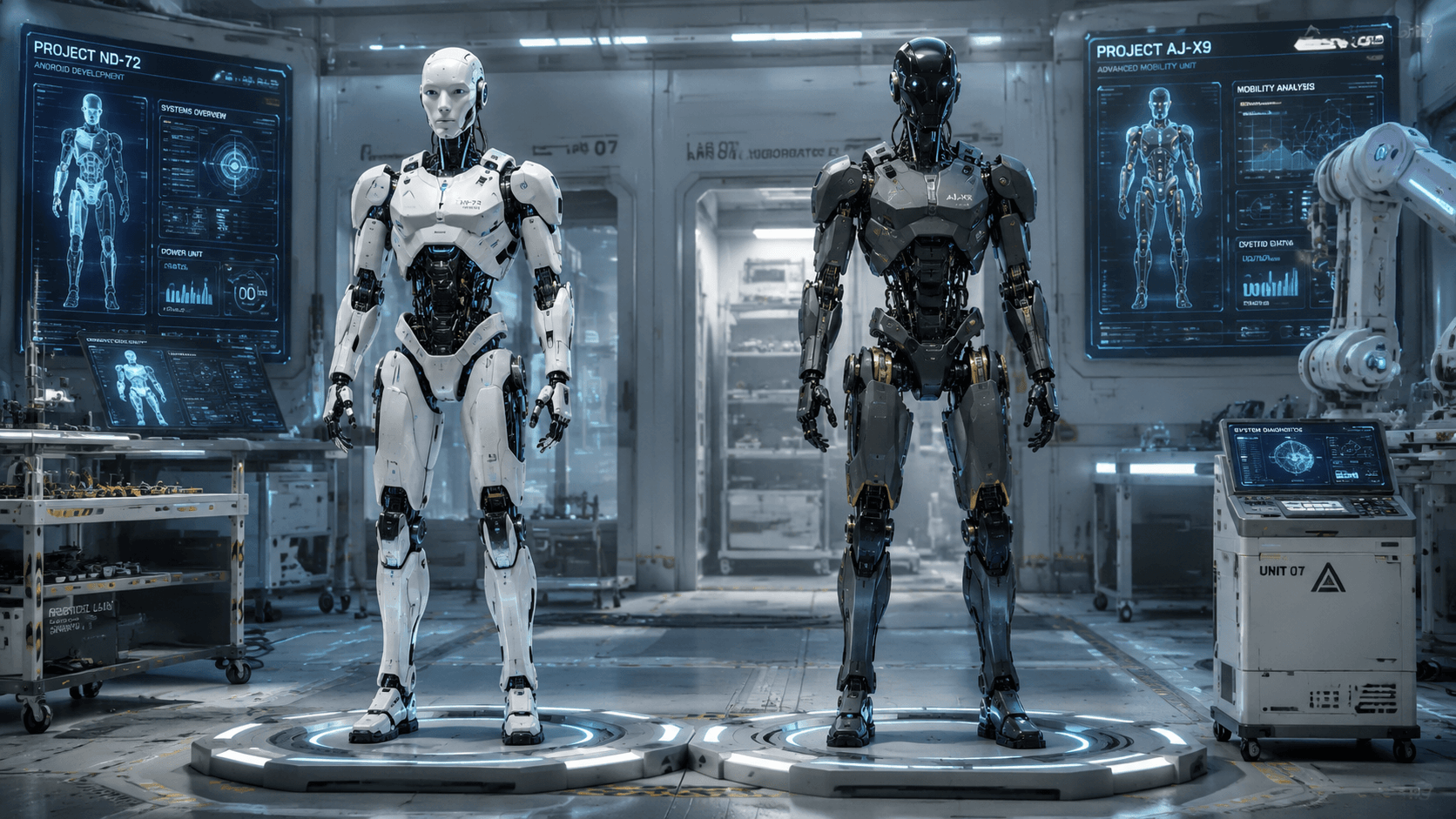
Unitree and UBTECH: Two Divergent Commercial Experiments for China Humanoid Robots in 2026
Unitree and UBTECH are at the forefront of the evolving robotics industry, each championing distinct approaches to the commercialization of embodied artificial intelligence. Unitree focuses on developing affordable industrial-scale humanoid robots, aiming to make advanced robotics accessible for various applications in sectors such as manufacturing and logistics. In contrast, UBTECH is dedicated to creating ultra-realistic luxury consumer robots, targeting high-end markets and emphasizing sophisticated design and functionality. As the competition between these two companies intensifies, they represent divergent visions for the future of robotics. Unitree's strategy, which emphasizes cost-effectiveness and scalability, seeks to democratize access to humanoid robots, potentially transforming industries that rely on automation. Meanwhile, UBTECH's approach highlights the growing consumer interest in advanced robotics as personal companions or entertainment devices, catering to affluent customers who value aesthetics and cutting-edge technology. The robotics landscape is rapidly evolving, and the differing philosophies of Unitree and UBTECH illustrate the diverse opportunities and challenges within the sector. As both companies continue to innovate, their developments will likely shape the trajectory of humanoid robotics in the coming years, influencing how these technologies are integrated into everyday life and various industries.
Robotics




Leave a comment