-
Website: https://www.octopusbiosafety.com
-
Email: [email protected]
-
Phone: +33 2 90 38 01 80
Octopus Biosafety develops autonomous robots for poultry farming and facility management. Its Spoutnic avian robot automates biosecurity tasks in agricultural settings. The company is partnering with US group The Autonomous Way.
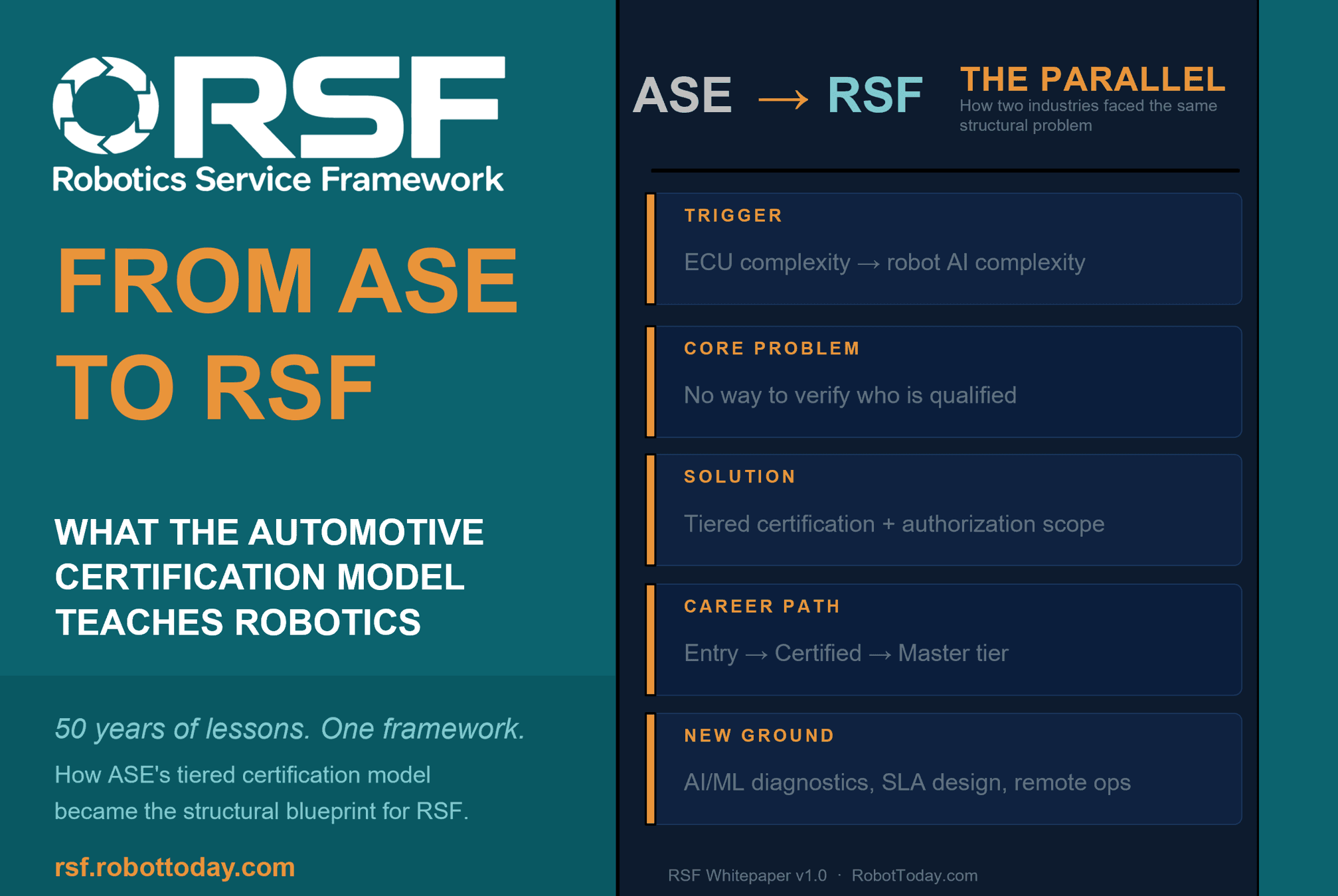
RSF defines a common language for robot service capability, lifecycle operations, certification pathways, and service-provider networks.
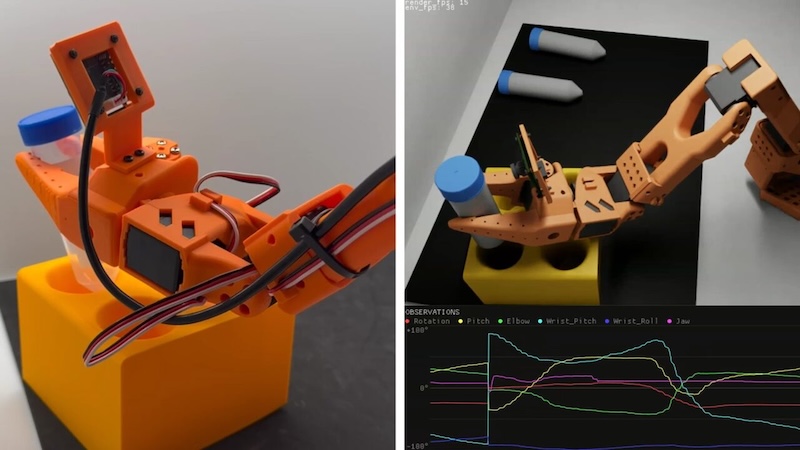
Nvidia and Hugging Face have expanded their partnership to introduce new AI models and robotics frameworks to the LeRobot platform, enhancing accessibility for developers. The integration of Nvidia Isaac GR00T 1.7, a vision-language-action foundation model, and the Isaac Teleop framework aims to streamline the development process for AI-powered robots. This collaboration is significant as it combines Nvidia's community of over three million robotics developers with Hugging Face's 16 million AI developers, fostering a broader access to physical AI technologies. The new tools will enable standardized workflows for data collection, model training, and performance evaluation, making it easier for developers to create and deploy robotic solutions. Looking ahead, the planned support for Nvidia Cosmos 3 will further empower developers by allowing the generation of synthetic data and simulation of environments. No further timeline was disclosed at the time of publication.
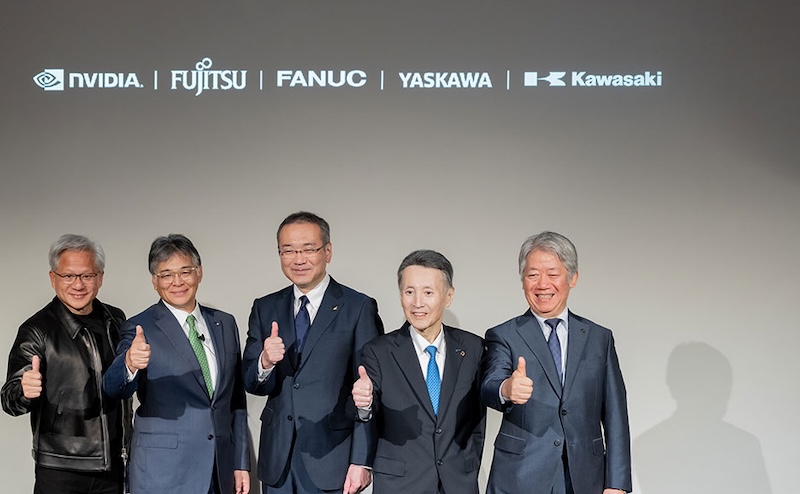
RoboticsAndAutomationNews.com 55 minutes ago Artificial Intelligence Computing ai Hugging Face humanoid robots Isaac GR00T 1.7Fujitsu has initiated a partnership with Japanese robotics firms Fanuc, Yaskawa Electric, and Kawasaki Heavy Industries to advance the development and deployment of physical AI in sectors such as manufacturing, logistics, and healthcare. This collaboration will leverage Nvidia's physical AI technologies to create a collaborative control platform that connects digital systems with robots and physical equipment. The initiative aims to accelerate the adoption of physical AI, addressing challenges like labor shortages and an aging workforce while enhancing global competitiveness. The platform will optimize production planning in manufacturing, automate material handling in logistics, and improve healthcare operations by automating the transport of medical supplies and assisting with patient interactions. Fujitsu plans to develop an open collaborative control platform that integrates AI, robotics, and data analysis technologies, ensuring interoperability and addressing cybersecurity concerns. No further timeline was disclosed at the time of publication.
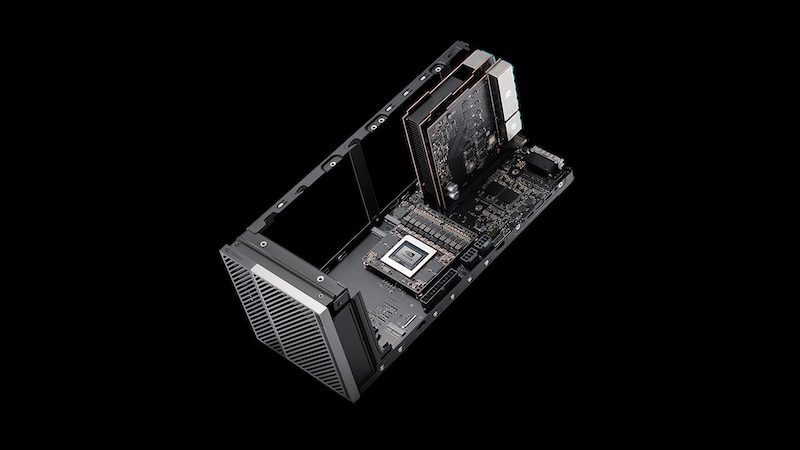
RoboticsAndAutomationNews.com 1 hour ago Artificial Intelligence Industry News ai factory automation fanucToyota and Nvidia have broadened their partnership to develop physical AI technologies that encompass next-generation vehicles, manufacturing, robotics, and urban infrastructure. This collaboration builds on a previous agreement, focusing on advanced driver-assistance systems using Nvidia's DRIVE AGX platform and DriveOS operating system. The significance of this partnership lies in its potential to revolutionize mobility and manufacturing. Rishi Dhall, Nvidia's vice president of automotive, emphasized that physical AI will enhance the intelligence of various machines, making vehicles more autonomous and urban environments safer and more responsive. Toyota aims to implement Level 2++ functionality in its future vehicles while leveraging Nvidia AI models for efficient software engineering. Additionally, Toyota is integrating AI into its manufacturing processes through factory simulations using Nvidia's Omniverse and Isaac Sim frameworks. The partnership also extends to urban mobility technologies via Woven by Toyota, which is developing models to analyze traffic conditions. No further timeline was disclosed at the time of publication.
RoboticsAndAutomationNews.com 1 hour ago Computing News advanced driver assistance systems ai automotive AI digital twinsRobbyant, an embodied AI company under Ant Group, has released LingBot-World 2.0, an open-source interactive world model. This updated version supports hour-long real-time world generation, high-definition output, and enhanced interactive capabilities, marking a significant improvement over LingBot-World 1.0. The new model allows for continuous world generation sessions while maintaining visual quality and enabling real-time user interaction. It produces 720p video at 60 frames per second and is designed to generate, stream, and display content simultaneously, which reduces latency and enhances user engagement with the evolving environment. LingBot-World 2.0 features a dual-agent mechanism for dynamic interaction and supports multiple users in a shared virtual space. Additionally, Robbyant has open-sourced LingBot-Video, a video generation model aimed at robotics applications, which enhances efficiency and realism in AI-generated video for real-world robotic systems. No further timeline was disclosed at the time of publication.
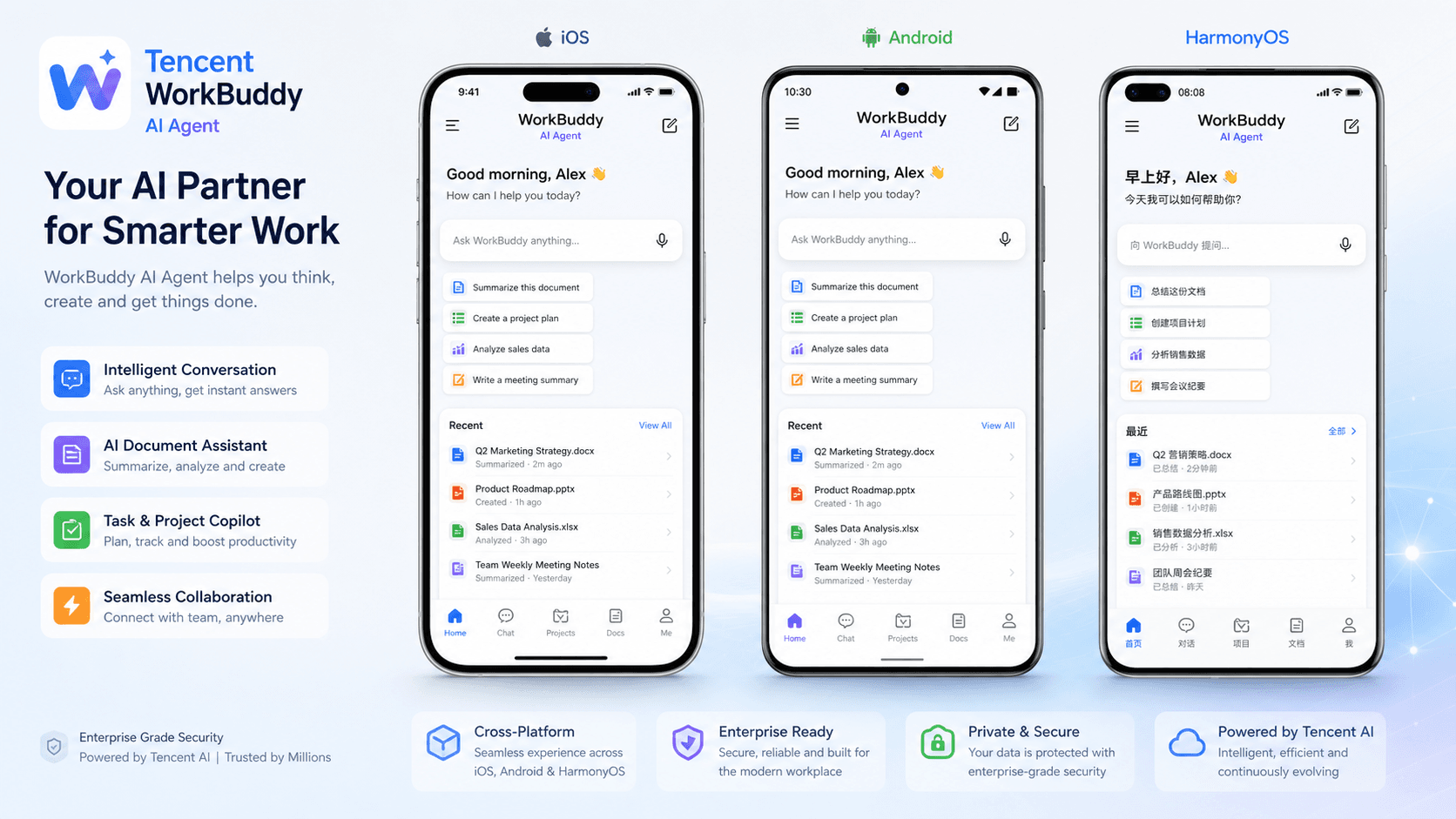
RoboticsAndAutomationNews.com 3 hours ago Robot simulation AI models ai simulation Ant Group artificial intelligence embodied aiTencent has launched the WorkBuddy agent desktop app across HarmonyOS, iOS, and Android, marking a significant step in mobile AI integration. This launch positions HarmonyOS as the first native agent application, facilitating seamless interaction between mobile devices and PCs for workplace AI tasks. The introduction of the WorkBuddy app is important as it bridges the gap between mobile and desktop environments, enhancing productivity and efficiency in workplace settings. By enabling AI-driven tasks on mobile platforms, Tencent aims to streamline workflows and improve user experience across devices. Looking ahead, the focus will be on how users adopt the WorkBuddy app and its impact on workplace productivity. No further timeline was disclosed at the time of publication.
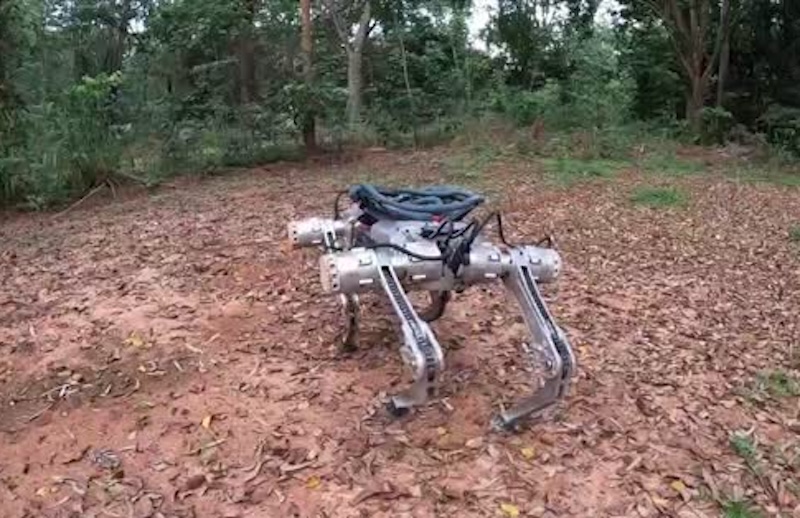
PanDaily.com 3 hours ago TechnologyStrider Robotics, an Indian startup, has successfully demonstrated a quadruped robot capable of carrying a 40 kg payload across challenging terrains. This marks a significant step as the Bengaluru-based company transitions from prototype development to commercial deployment, with field pilots currently underway with a major oil and gas company and an automotive manufacturer. The importance of this development lies in Strider's focus on enhancing India's domestic robotics manufacturing capabilities, as over 80 percent of the robot's components are sourced locally. Quadruped robots are gaining traction in industries where traditional wheeled vehicles face limitations, such as energy, mining, and infrastructure inspection, due to their ability to navigate uneven surfaces and carry equipment. Looking ahead, Strider Robotics aims to solidify India's position as a key player in the development of intelligent legged robotic systems for industrial and defense applications. No further timeline was disclosed at the time of publication.
RoboticsAndAutomationNews.com 3 hours ago Robotics Robotics and Automation Robotics and Automation News Robotics News AI software artificial intelligenceAt the WAIC, RoboScience showcased a groundbreaking cloud-based embodied large model named Visics, capable of controlling multiple robotic hands. This innovation allows for seamless switching between different robotic hands while maintaining operational efficiency, demonstrating the ability to recognize and grasp various objects autonomously within 30 seconds. The significance of this development lies in its potential to revolutionize robotic operations across diverse applications. By enabling a single model to adapt to various hand configurations, Visics enhances the versatility of robotic systems, allowing them to perform complex tasks without the need for extensive retraining when hardware changes occur. Looking ahead, the industry will be keen to observe how Visics performs in real-world scenarios and its ability to execute long-term tasks by integrating multiple actions. No further timeline was disclosed at the time of publication.
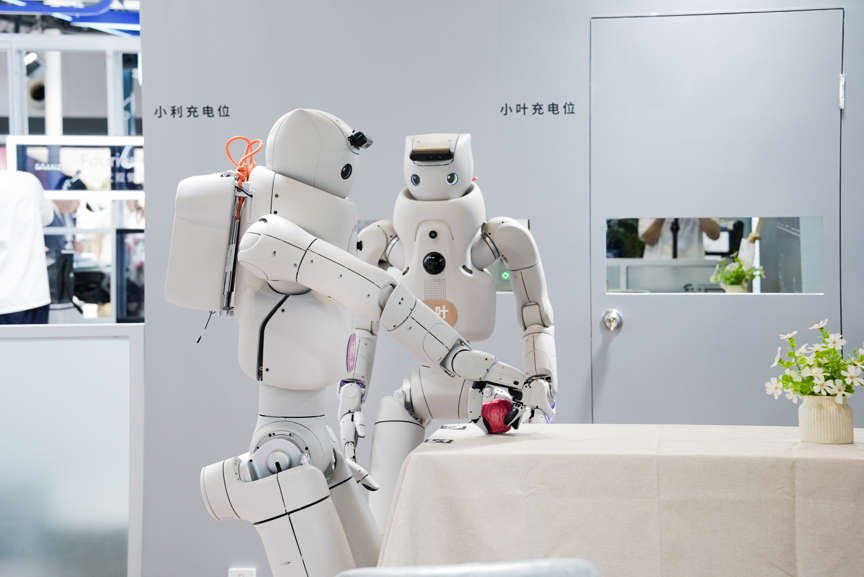
leaderobot.com 6 hours ago Robotics Cloud Computing AI Automation Object RecognitionIn 2026, the embodied intelligence industry is transitioning from technology validation to large-scale commercialization. With support from capital and policy, the focus is shifting from rigid, high ROI scenarios like industrial manufacturing to commercial services and home environments. A key challenge remains: can robots effectively operate in the complex and unstructured home settings? The complexity of home environments poses significant challenges for humanoid robots, which must navigate unclear instructions and varied layouts. Current mainstream navigation AI struggles with personalized understanding, a critical shortcoming for practical applications in home services. At the World Artificial Intelligence Conference 2026, Fourier showcased the 'Embodied Home' solution, aiming to enable robots to understand their environment and intentions, thereby completing long sequences of tasks autonomously. The 'Embodied Home' solution integrates a semantic task execution hub for humanoid robots, combining large language models, 3D spatial semantic memory, navigation planning, and control execution. This allows robots to autonomously interpret and execute tasks based on natural language commands, enhancing user interaction and ensuring task reliability through a complex task scheduling mechanism. No further timeline was disclosed at the time of publication.
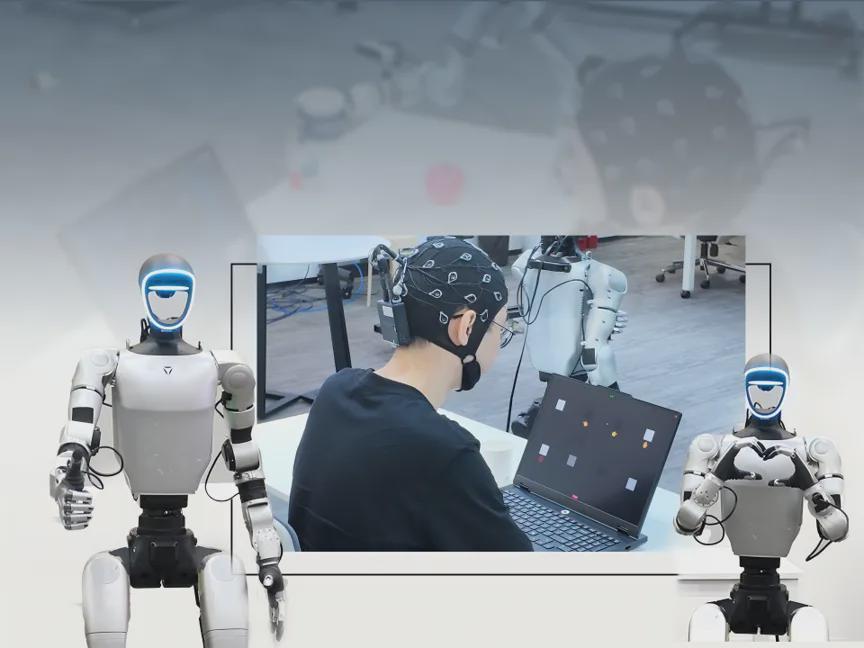
leaderobot.com 12 hours ago Robotics AI Home Automation Semantic UnderstandingAt the 2026 World Artificial Intelligence Conference (WAIC), BrainCo showcased a brain-controlled robot training platform. This innovative platform allows users to control robotic arms through brainwave signals, enabling actions like pouring water and picking apples without traditional interfaces. The significance of this technology lies in its ability to bridge the gap between human intention and robotic action. By decoding brain signals, the platform facilitates a direct communication pathway, allowing robots to understand and execute tasks based on users' thoughts. This advancement simplifies the integration of brain-machine interfaces with robotics, making it accessible to researchers without specialized backgrounds. Looking ahead, BrainCo's platform supports various robotic types, including humanoid robots and robotic arms, and is adaptable for ongoing developments. Researchers can select robots based on their study focus, whether for grasping tasks or complex human-robot interactions. No further timeline was disclosed at the time of publication.
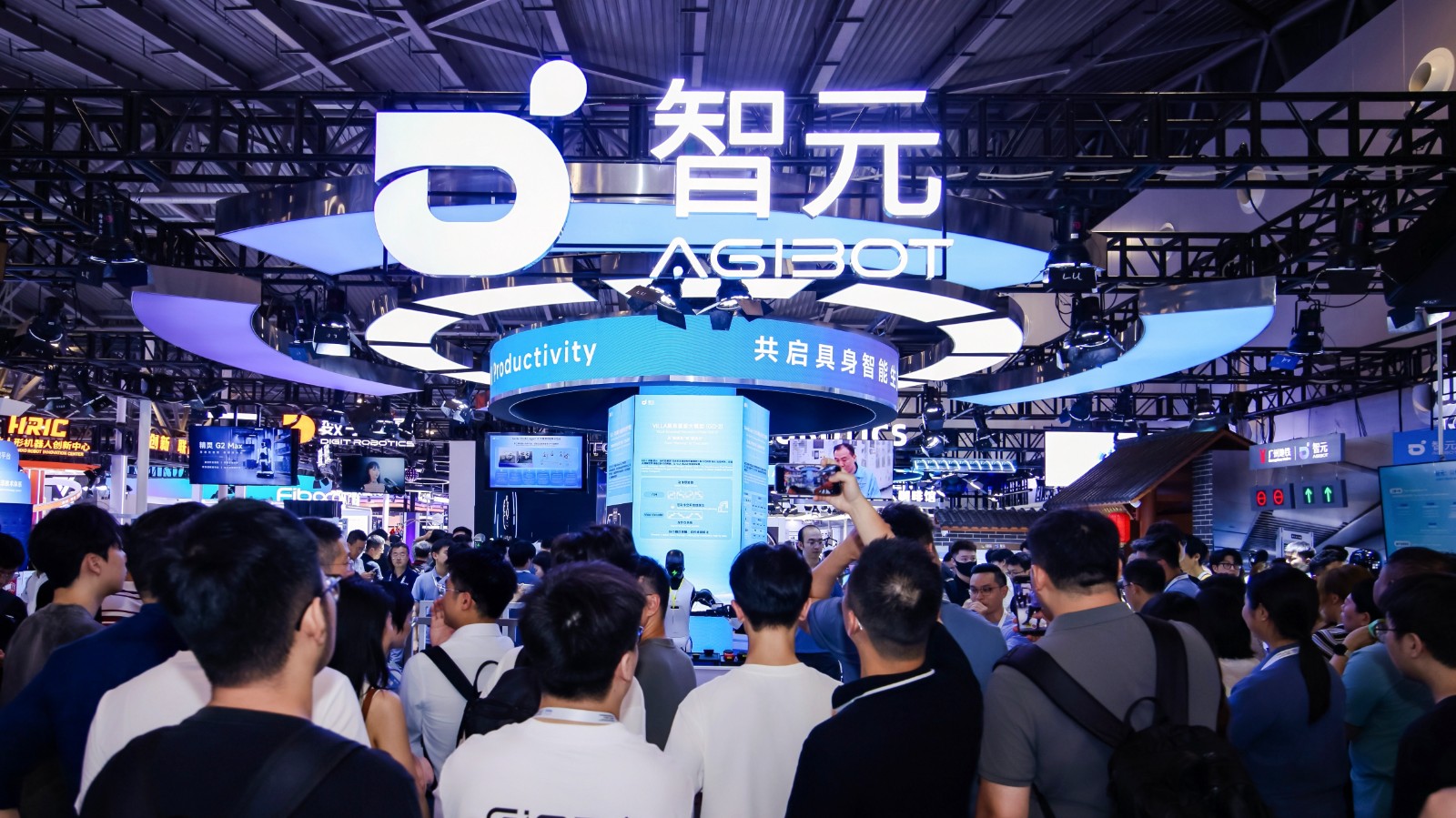
leaderobot.com 12 hours ago Brain-Controlled Robots AI Research Neuro-Embodied AI Human-Robot InteractionAGIBOT unveiled four new products at the WAIC 2026, including the AGIBOT A3 Ultra and G2 Max, which emphasize the company's advancements in embodied AI and robotics. The showcase featured over 30 robots demonstrating their capabilities in various applications, reinforcing AGIBOT's commitment to integrating robotic systems into real-world workflows. This event is significant as it illustrates AGIBOT's dedication to enhancing robotics for commercial and industrial environments, showcasing how embodied AI can improve operational efficiency. The introduction of these products reflects the growing trend of utilizing advanced robotics to address practical challenges in various sectors. Looking ahead, industry observers should monitor AGIBOT's future developments and product deployments, as the company continues to push the boundaries of robotics and AI integration. No further timeline was disclosed at the time of publication.
agibot.com 12 hours ago Robotics Embodied AI Industrial Automation Technology Artificial Intelligence
Leave a comment