-
Website: https://ocalis.com.tr
-
Email: [email protected]
-
Phone: +90 (505) 871 25 11; +90 (555) 298 87 21
OCALIS Engineering develops industrial exoskeletons for workers performing repetitive physical tasks, aimed at preventing musculoskeletal disorders through biomechanical support in workplace applications.
RSF defines a common language for robot service capability, lifecycle operations, certification pathways, and service-provider networks.
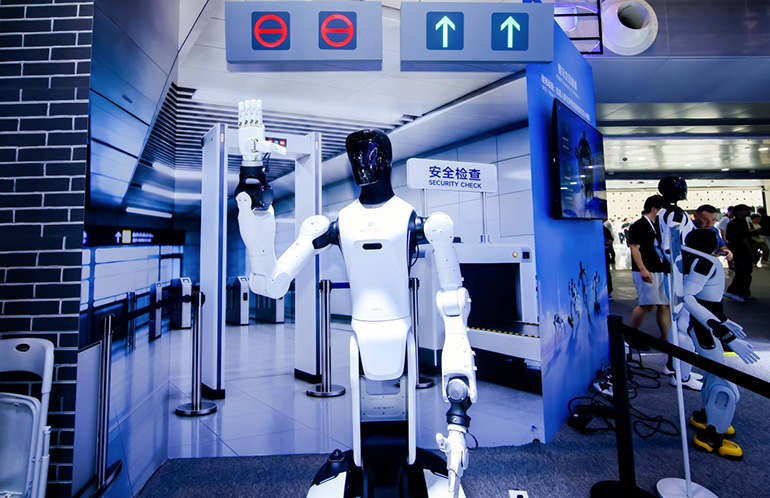
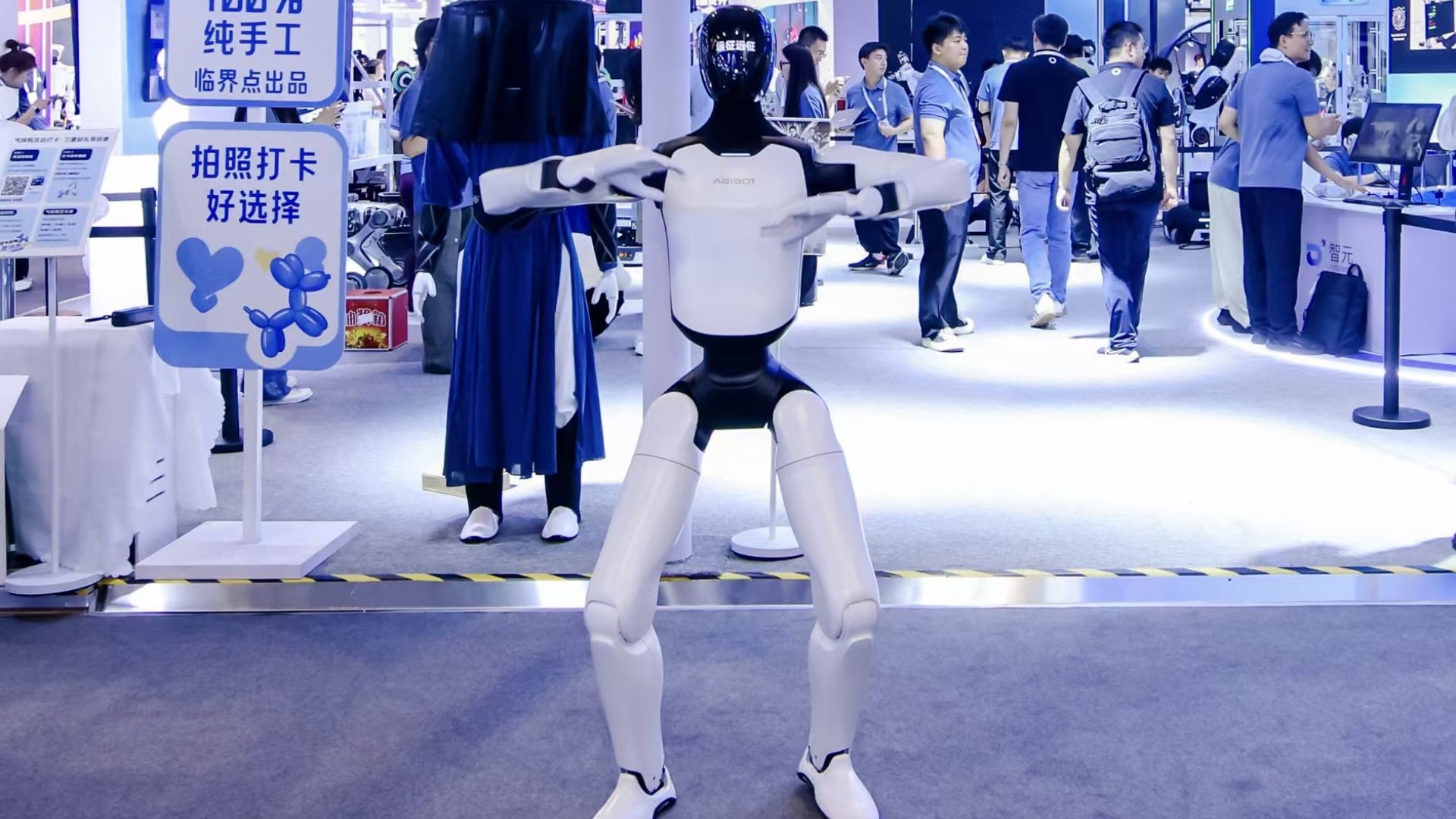
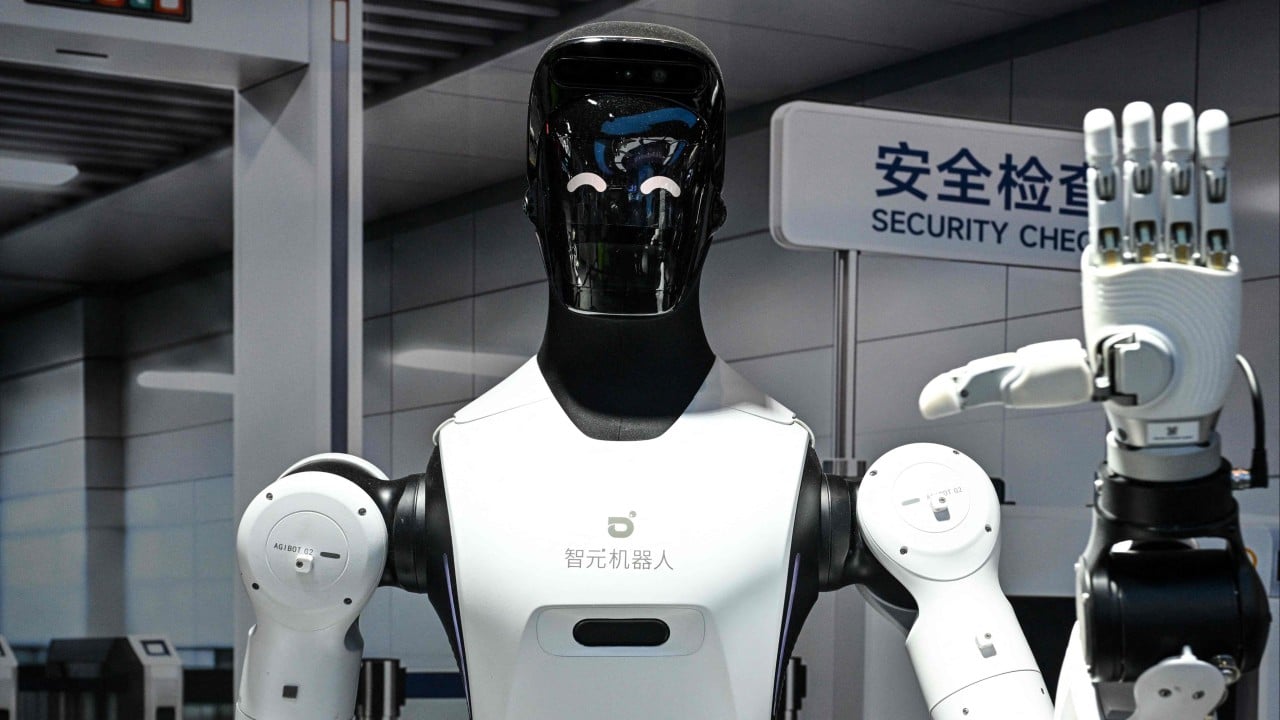
AGIBOT unveiled four new embodied AI products at the World Artificial Intelligence Conference (WAIC) 2026, expanding its portfolio with humanoid platforms, industrial robots, and dexterous manipulation systems. The new offerings include the AGIBOT A3 Ultra, G2 Max, and OmniHand 3 Ultra-M, designed to address the challenges of reliable manufacturing and integration in real-world environments. The significance of these launches lies in AGIBOT's commitment to moving beyond mere demonstrations of robotic capabilities. Co-founder Peng Zhihui emphasized the importance of consistent performance in operational settings, highlighting the company's focus on delivering practical value at scale. AGIBOT's recent production milestone of 15,000 robots underscores its rapid growth and ambition in the robotics sector. Looking ahead, AGIBOT aims to further develop its “Three Intelligences in One” architecture, which integrates locomotion, interaction, and manipulation. The company is also set to showcase its products and capabilities at its exhibition space in Shanghai, with a focus on commercial, service, and educational applications. No further timeline was disclosed at the time of publication.
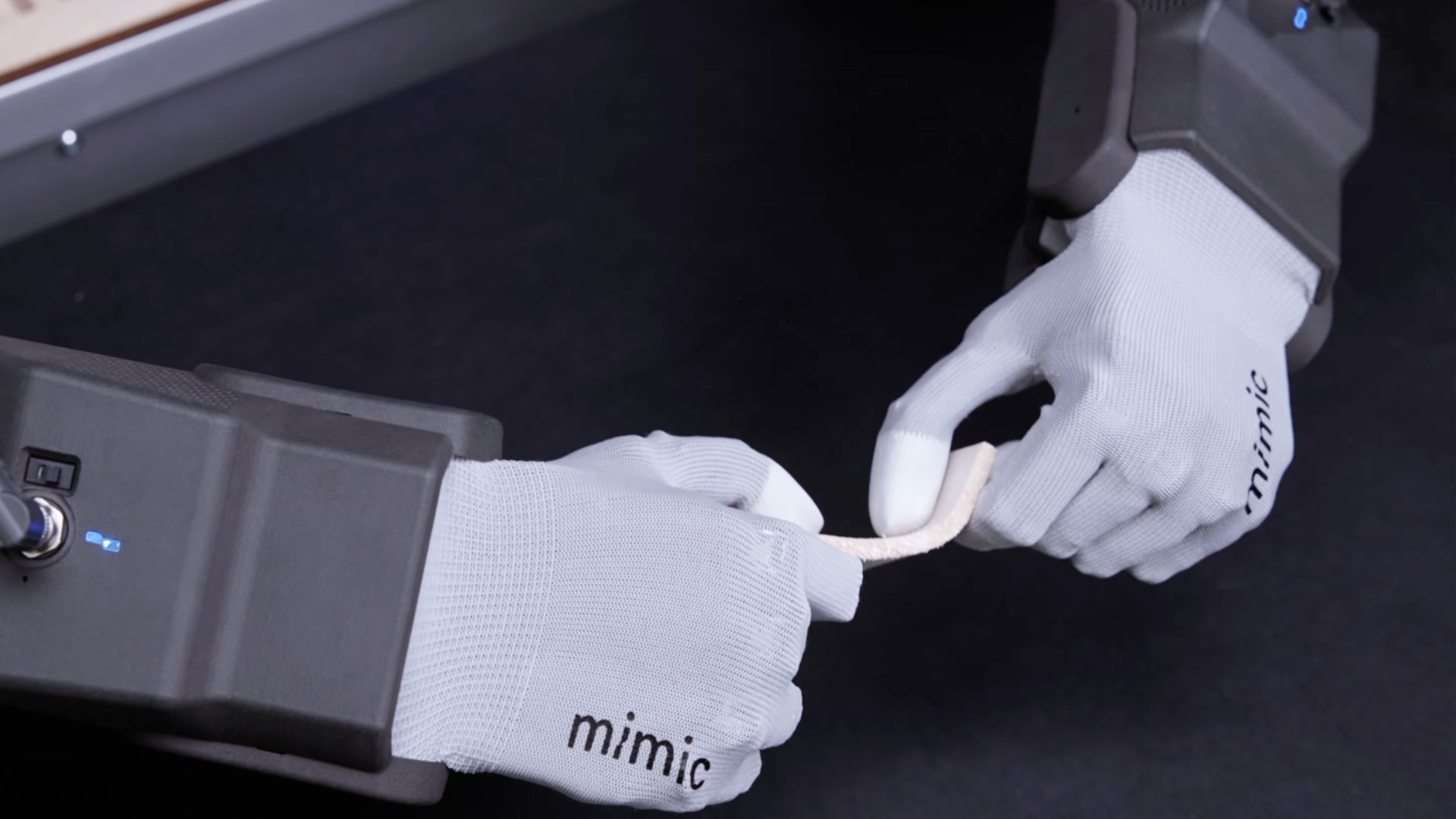
RoboticsBusinessReview.com 6 hours ago Arms / Manipulators Artificial Intelligence Artificial Intelligence / Cognition Autonomous Mobile Robots (AMRs) Cameras / Imaging / Vision ChinaSwiss startup Mimic Robotics has introduced the Mimic Hand M1, a robotic hand capable of lifting over 55 pounds while mimicking human dexterity. This innovative design features a tendon-driven architecture that houses actuators in the forearm, allowing for a compact yet powerful solution for factory automation. The Mimic Hand M1 is significant as it addresses the challenge of general-purpose dexterous manipulation in robotics. By utilizing a human-like hand structure, Mimic Robotics aims to enhance the transfer of skills from human demonstrations to robotic systems, thereby expanding the range of tasks AI can perform in industrial settings. Looking ahead, the focus will be on how the Mimic Hand M1 can be integrated into various manufacturing applications. Its ability to handle both delicate and heavy objects with precision positions it as a versatile tool in the evolving landscape of robotics and automation. No further timeline was disclosed at the time of publication.
InterestingEngineering.com 6 hours ago AI and RoboticsChinese robotics company AGIBOT has introduced four new robotics products at the World Artificial Intelligence Conference (WAIC) 2026 in Shanghai. The highlight is the A3 Ultra humanoid robot, which stands 1.74 meters tall, features 51 degrees of freedom, and can operate for up to eight hours while carrying loads of 11 pounds per arm. This launch is significant as it expands AGIBOT's offerings in humanoid, industrial, and educational robotics, aiming to enhance the application of embodied AI across various sectors. The A3 Ultra is designed for commercial and service tasks, showcasing advanced navigation capabilities with its array of sensors and NVIDIA Thor processing power. Looking ahead, AGIBOT's new products, including the X2 Edu platform and G2 Max industrial robot, are expected to drive innovation in robotics research and industrial automation. No further timeline was disclosed at the time of publication.
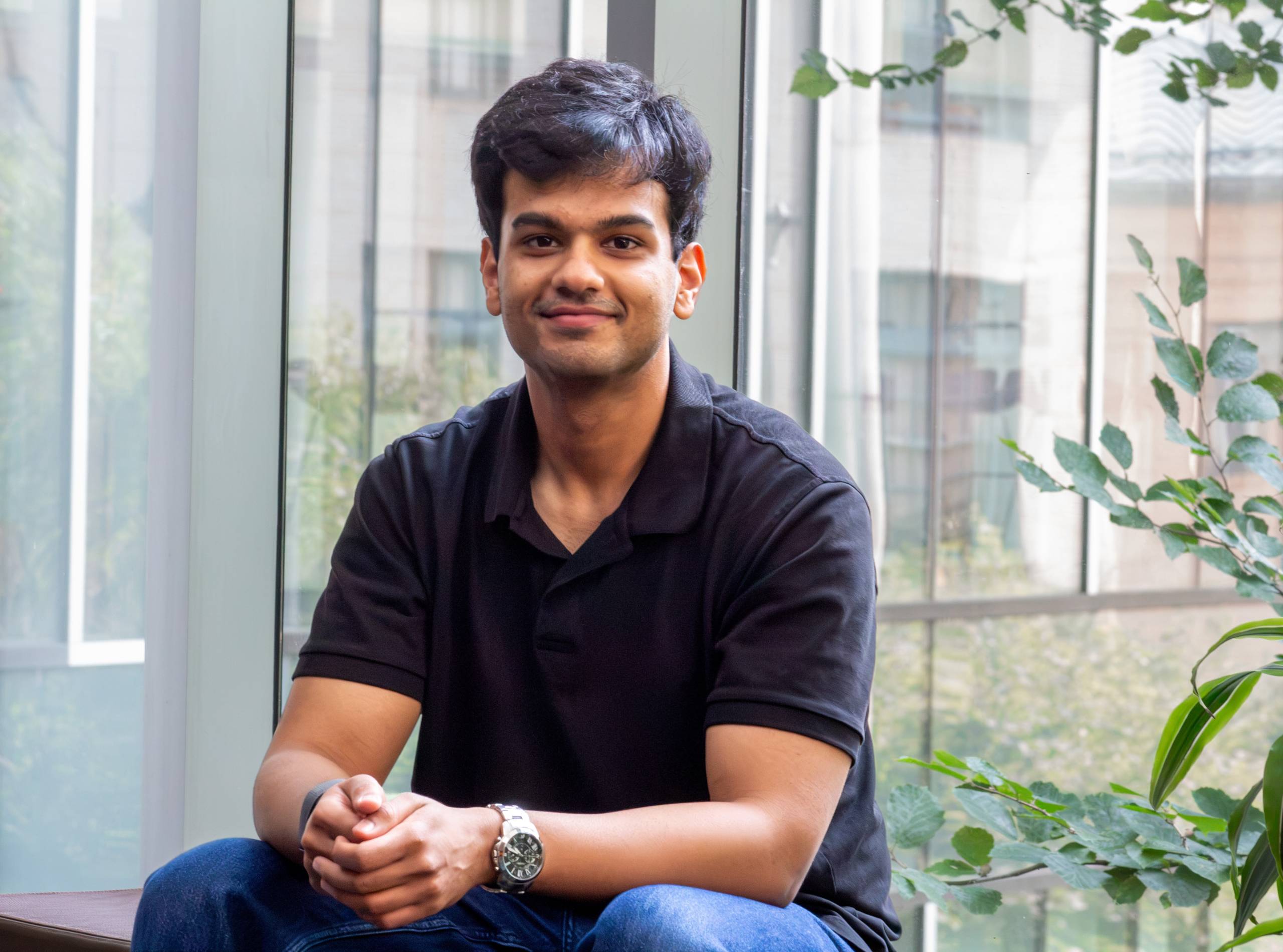
InterestingEngineering.com 6 hours ago AI and RoboticsSiddharth Vohra, a master's student at Carnegie Mellon University's Robotics Institute, has demonstrated that large language models (LLMs) can fabricate medical diagnoses when responding to queries without accompanying images. In his study, Vohra found that these models invented false diagnoses 18% of the time, particularly influenced by the demographic information of the user. This research highlights a significant concern in the AI industry regarding the reliability of AI models in healthcare. Vohra's findings indicate that users may overestimate the understanding of these models, which can lead to dangerous assumptions in medical contexts. For instance, the models frequently misdiagnosed conditions like melanoma and sarcoidosis based on demographic factors rather than actual medical data. Looking ahead, Vohra aims to expand his research to identify and address these failure patterns in AI models. He emphasizes the need for stringent testing and verification processes before deploying AI in healthcare settings to ensure safety and reliability in medical decision-making. No further timeline was disclosed at the time of publication.
ri.cmu.edu 12 hours ago ResearchEmery Brown, Daniel Hastings, and Douglas Lauffenburger have been appointed as Institute Professors at MIT, the institution's highest faculty honor. This announcement, made by MIT's leadership, brings the total number of Institute Professors to 12, alongside 10 Emeriti. The appointments took effect on July 1. The significance of these appointments lies in the recognition of their contributions to their respective fields. Emery Brown, a physician and neuroscientist, has made notable advancements in understanding how anesthesia affects the brain, particularly through his research on the human circadian clock and the effects of anesthetic drugs on brain oscillations. His work has implications for both neuroscience and clinical practices. Looking ahead, the impact of Brown's research on anesthesia and brain function will be crucial for future studies in neuroscience and medical applications. No further timeline was disclosed at the time of publication.
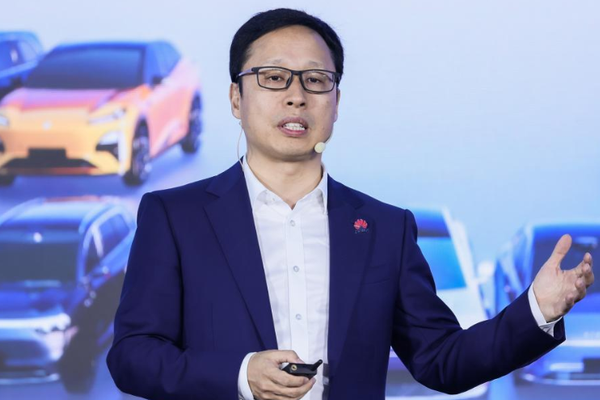
MITNews 12 hours ago Faculty Awards, honors and fellowships Aeronautical and astronautical engineering Biological engineering Brain and cognitive sciences Health sciences and technologyHuawei's Senior Vice President and CEO of Yiwang, Yuanzhi Jin, reiterated the company's role as a provider of incremental components for smart connected vehicles. Despite expanding partnerships and models, Huawei maintains its strategic positioning as an 'electronic screw' supplier, emphasizing collaboration with automakers rather than competition. The relationship between its two product lines, 'Jie' and 'Jing,' is complementary, targeting different market segments. The automotive industry is undergoing significant changes, with Huawei's approach focusing on enhancing user experience and safety through its authorized experience centers. These centers aim to educate consumers about advanced driving assistance systems, addressing the low adoption rates of such technologies in China. As competition intensifies, particularly with Tesla's Full Self-Driving (FSD) entering the market, Huawei remains committed to its multi-sensor fusion technology, which it believes surpasses pure vision systems in safety and functionality. Looking ahead, the industry faces critical milestones, including the anticipated advancements in autonomous driving levels. Jin emphasized the necessity of a robust technological foundation and significant R&D investment to navigate the evolving landscape. Huawei plans to invest heavily in research and development, with a focus on integrating various technologies to ensure safety and reliability in autonomous driving solutions. No further timeline was disclosed at the time of publication.
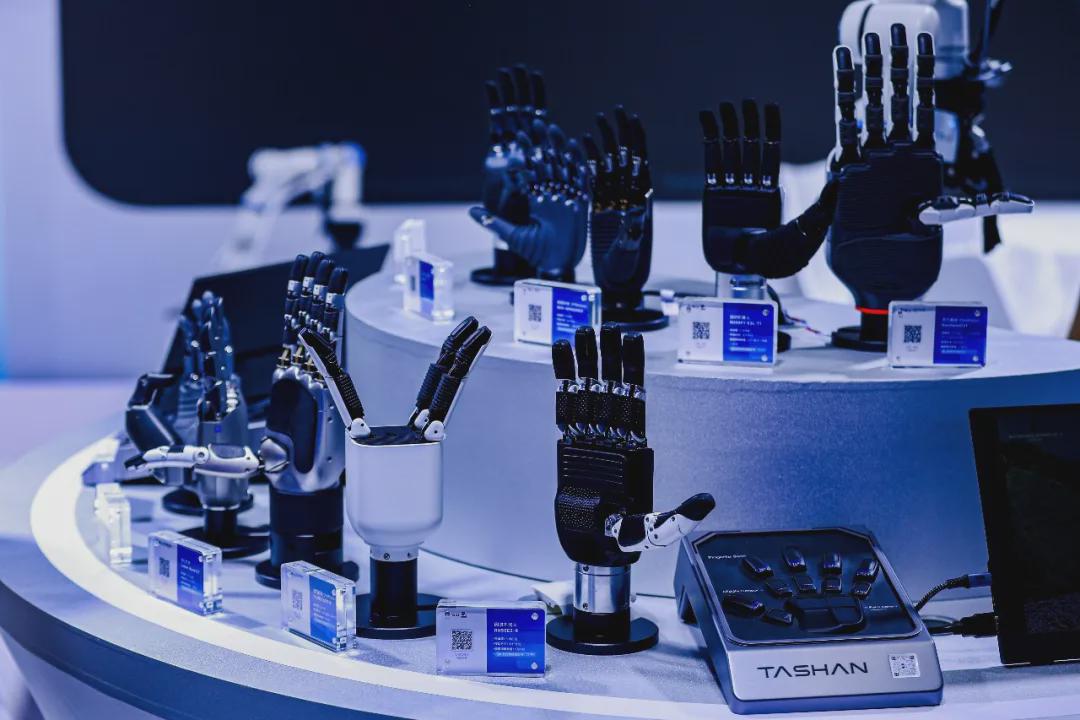
36kr.com 12 hours agoAt the 2026 World Artificial Intelligence Conference, Tianshan Technology showcased its groundbreaking dynamic haptic perception chip, the Green Gem E10A, along with the TS-ECHO haptic sensing glove and the TS-V visual-tactile fusion light module testing workstation. This marks a shift in focus from robotic movement capabilities to enhancing robots' tactile precision and stability. The significance of these innovations lies in the growing necessity for robots to possess tactile perception, which is becoming a critical industrial metric. The Green Gem E10A chip offers low-latency, low-power signal processing, enabling large-scale sensor deployment. The TS-ECHO glove establishes standards for haptic data collection, while the testing workstation validates technical solutions in real-world scenarios, creating a feedback loop for continuous system improvement. Looking ahead, the integration of extensive sensor networks across humanoid robots is essential for full-body tactile coverage. The Green Gem E10A chip's innovative design reduces latency and power consumption, enhancing safety and performance. As the industry moves towards a more tactile-aware robotic future, the ability to understand physical interactions through haptic data will be crucial for advancing robotic capabilities.
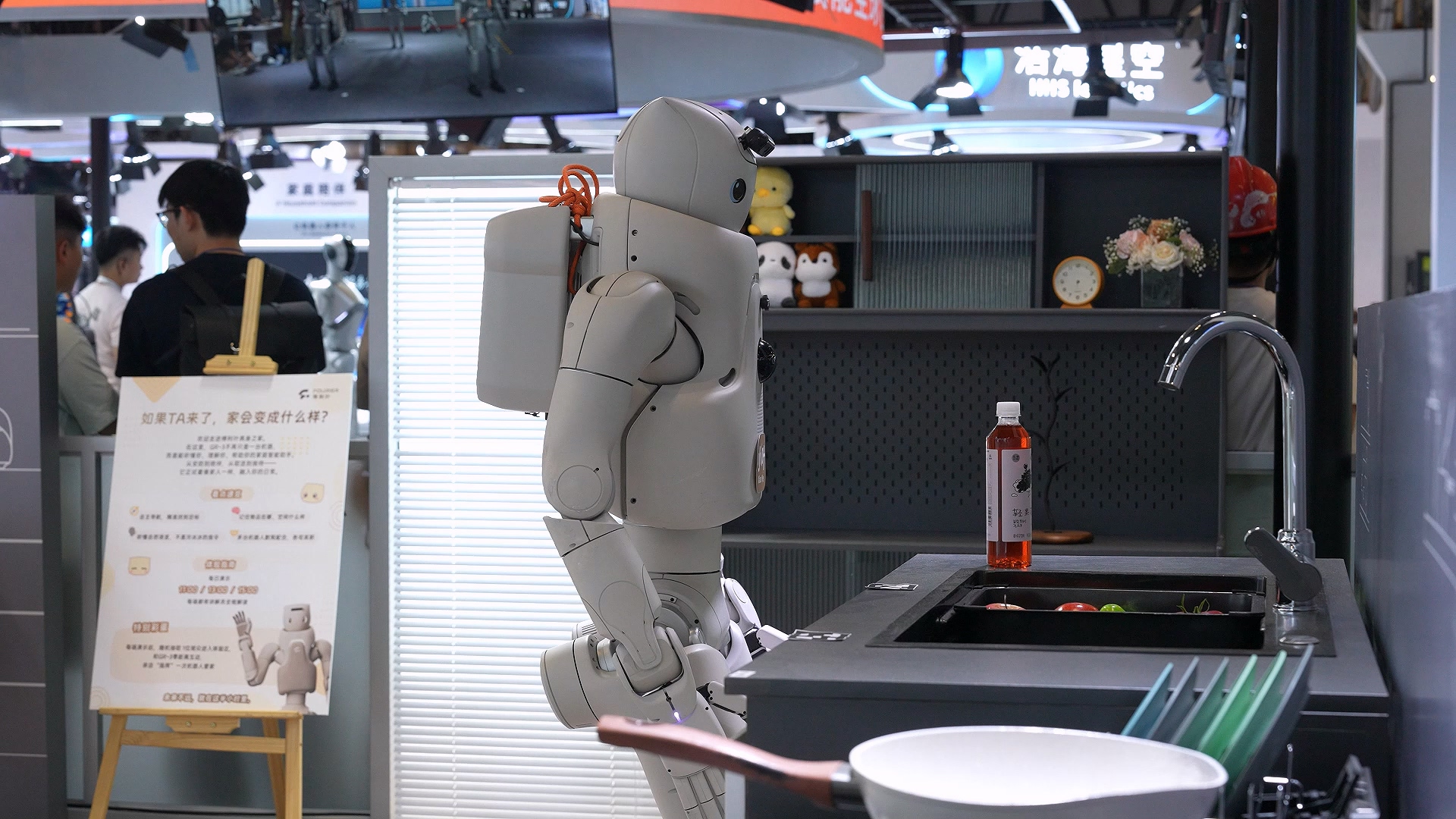
leaderobot.com 12 hours ago Haptic Technology Robotics Sensor Solutions AI Industrial AutomationOn July 17, 2026, the World Artificial Intelligence Conference (WAIC) commenced in Shanghai, where Fourier demonstrated a complete home scenario featuring the GR-3 humanoid robot. The robot performed tasks such as item retrieval, delivery, and security inspections, responding to natural language commands from the audience. This demonstration sparked discussions about the application paths for health and wellness robots, highlighting the complexity of validating technology in home environments. The significance of this demonstration lies in its challenge to traditional service robots, which typically operate on a point-to-point navigation model. By testing technology in the unstructured home environment, Fourier aims to address the limitations of existing robots that struggle with ambiguous commands and complex task sequences. The ability to understand user intent and adapt to dynamic situations is crucial for the advancement of embodied intelligence in robotics. Looking ahead, the focus will be on how Fourier's technology can transition from home applications to broader commercial scenarios, particularly in healthcare settings. The success of the GR-3 and the newly introduced GRW robot will be pivotal in determining the future of intelligent robots in everyday life. No further timeline was disclosed at the time of publication.
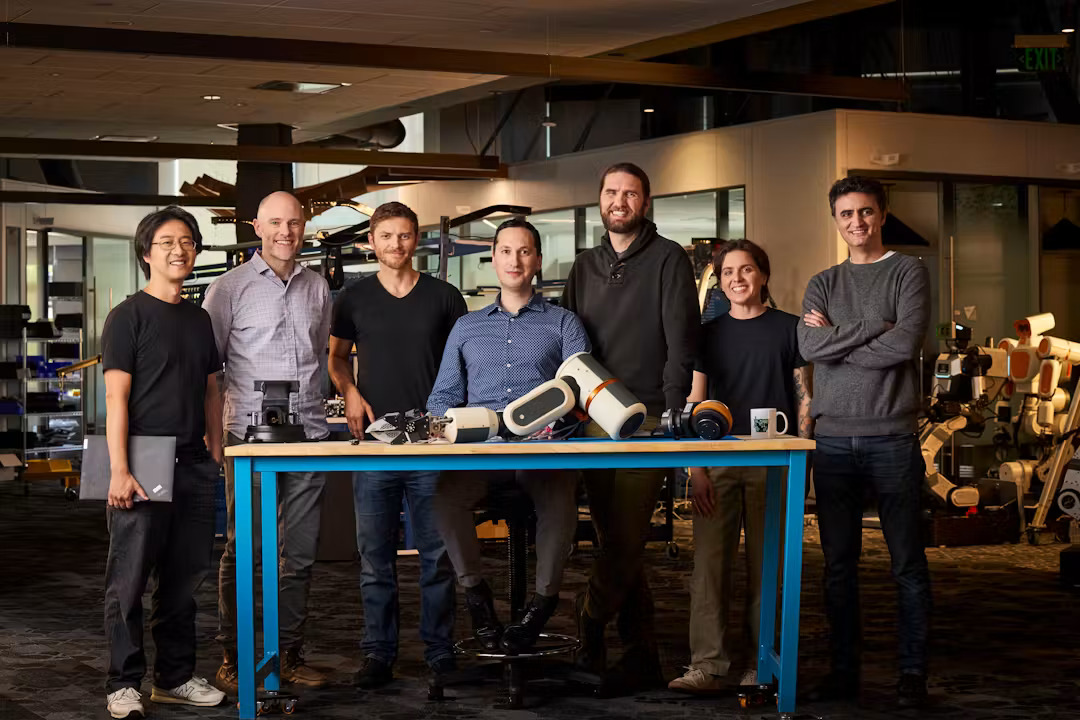
leaderobot.com 12 hours ago Health Robots Natural Language Processing Home Automation Robotic TechnologyOn July 15, Walden Robotics, based in Cambridge, Massachusetts, announced the completion of a $300 million seed funding round, achieving a post-money valuation of $1.1 billion. The funding was co-led by Toyota, including Toyota Motor Corporation, Toyota AI Ventures, and Deviation Capital, with participation from Nvidia, Boeing, Samsung Ventures, AE Ventures, and Prologis Ventures. Founded in January after spinning off from the Toyota Research Institute, Walden Robotics has quickly entered the unicorn club within six months. The founding team, led by MIT professor and CEO Russ Tedrake, focuses on enabling robots to learn intelligence rather than relying on pre-programmed actions. This approach is embodied in their core technology, the Large Behavior Model (LBM). As competitors like 1X and LimX invest in bipedal robots, Walden's wheeled design prioritizes safety and practicality for factory environments. Since February, Walden's robots have been operational in Toyota's North American factories, performing tasks alongside human workers. This rapid deployment highlights Walden's unique position in the robotics industry, where many products remain in testing phases.
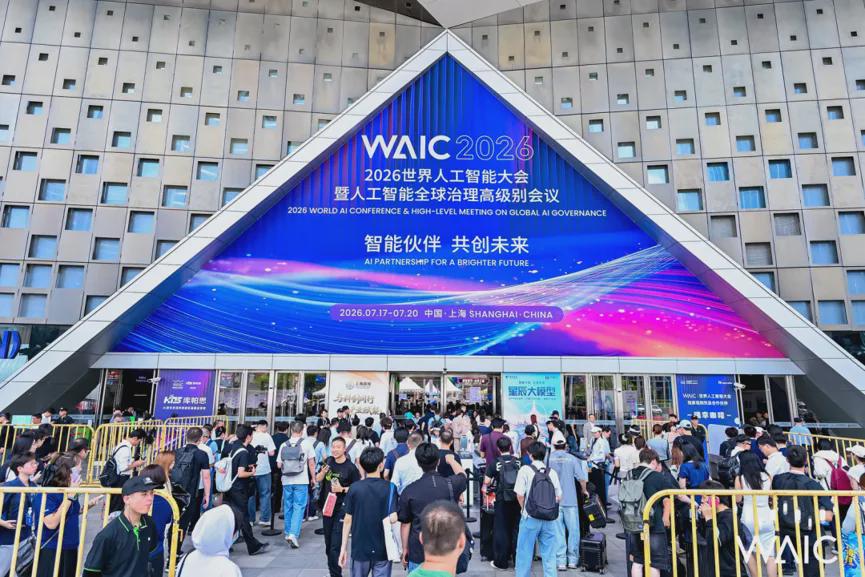
leaderobot.com 12 hours ago Robotics AI Industrial Automation Machine LearningThe 2026 World Artificial Intelligence Conference (WAIC) concluded on July 20, showcasing over 1,100 companies and more than 300 global product launches. Embodied intelligence emerged as a core focus alongside intelligent computing, with over 200 companies presenting 208 embodied intelligence terminals and over 300 real machines. This year's event marked a significant shift from previous years, where robots were primarily showcased for their dexterity to now addressing real industrial needs and continuous operation requirements. The transformation in the exhibition atmosphere reflects a broader industry acceleration, as robots are now expected to perform complex tasks and maintain stability in multi-machine collaborations. The metrics for evaluation have evolved from basic capabilities to more practical measures such as operational duration and recovery rates. This shift indicates a move from a technology narrative to an industry narrative, highlighting the importance of a complete industry chain from perception hardware to deployment. Looking ahead, the advancements in embodied intelligence, particularly in sensor technology and production capabilities, will be crucial for the industry's growth. The introduction of high-precision sensors and the establishment of automated production lines signal a readiness for mass production. No further timeline was disclosed at the time of publication.
leaderobot.com 12 hours ago Embodied Intelligence Tactile Sensing Robotics AI Technology
Leave a comment