


Micantis
US battery-data analytics company founded 2022 by Howard Alt and Jonathan Awerbuch; its MOOSE AI tool automates quality-control reporting on cell tests.
Contact Micantis
WEBSITE
https://micantis.io/HEADQUARTERS
United States


Company Facts
Founded
2022
Primary Role
Software/Algorithm
Company Size
employees 10-50
Primary Region
North America
Annual Sales
-
Funding Stage
-
Funding Total
-
Certifications & Memberships
CASIA's Peiyan Li Brings Two VLA Papers to IROS 2026
CASIA Ph.D. candidate Peiyan Li co-authored two IROS 2026 papers on VLA models for long robot tasks. We also cover his BridgeVLA and SpatialVAM work.

Ambrosia Energy and Bloom Energy Discuss AI Infrastructure Opportunities at TechCrunch Disrupt 2026
At TechCrunch Disrupt 2026, Ben Longmier, CEO of Ambrosia Energy, and Bill Thayer, SVP at Bloom Energy, will discuss the growing need for AI infrastructure. As AI applications expand, the demand for physical infrastructure such as power generation and data centers is increasing, presenting new business opportunities. This session will explore the challenges of scaling AI, particularly when demand for computing resources outpaces the availability of power and infrastructure. Longmier and Thayer will analyze which constraints may lead to durable business categories and how founders can navigate this evolving landscape. Attendees can expect insights into the emerging markets driven by AI's physical demands, including energy and cooling solutions. The conversation aims to help founders, investors, and tech leaders identify where to focus their efforts as AI infrastructure continues to develop. No further timeline was disclosed at the time of publication.
Startups AI Bloom Energy TechCrunch Disrupt Ambrosia Energy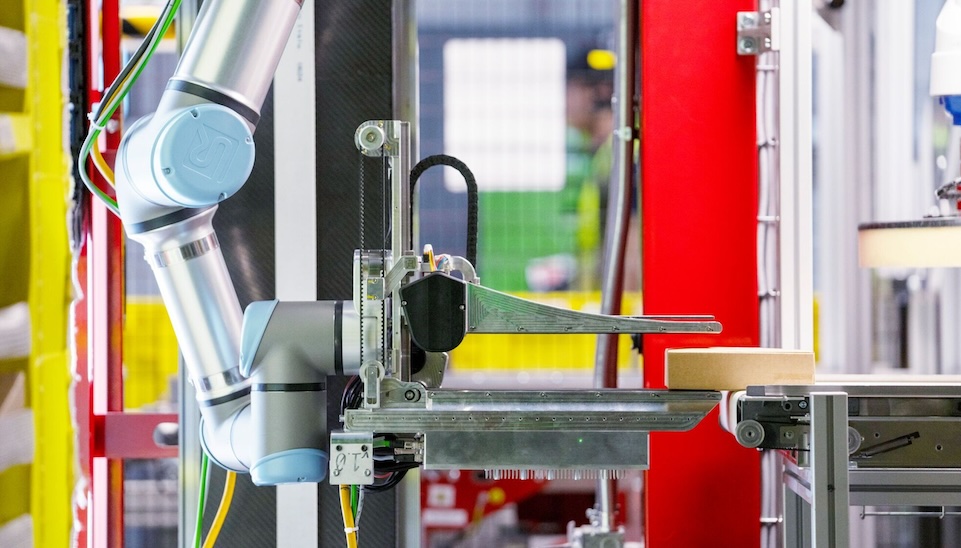
AWS Unveils Open-Source Physical AI Toolchain for Robotics Development
Amazon Web Services (AWS) has launched an open-source Physical AI Toolchain aimed at assisting roboticists in transitioning from data collection to the deployment of AI models on robots. This toolchain integrates AWS services with NVIDIA’s Physical AI software, addressing the challenge of connecting various components necessary for effective AI-powered robotics. The significance of this launch lies in its potential to streamline the development process for AI models, allowing companies to focus on solving specific problems rather than managing infrastructure. AWS's Sri Elaprolu emphasized the importance of generating synthetic data and utilizing simulation to enhance model training and deployment, particularly in environments with variable conditions. Looking ahead, the toolchain is designed to support continuous improvement through a feedback loop, where data from deployed robots is used to refine models. While no further timeline was disclosed at the time of publication, AWS's toolchain draws on insights from Amazon's extensive robotics operations, which include over 1 million robots, and aims to adapt to diverse operational environments such as convenience stores.
Artificial Intelligence Artificial Intelligence / Cognition Design / Development News Amazon amazon robotics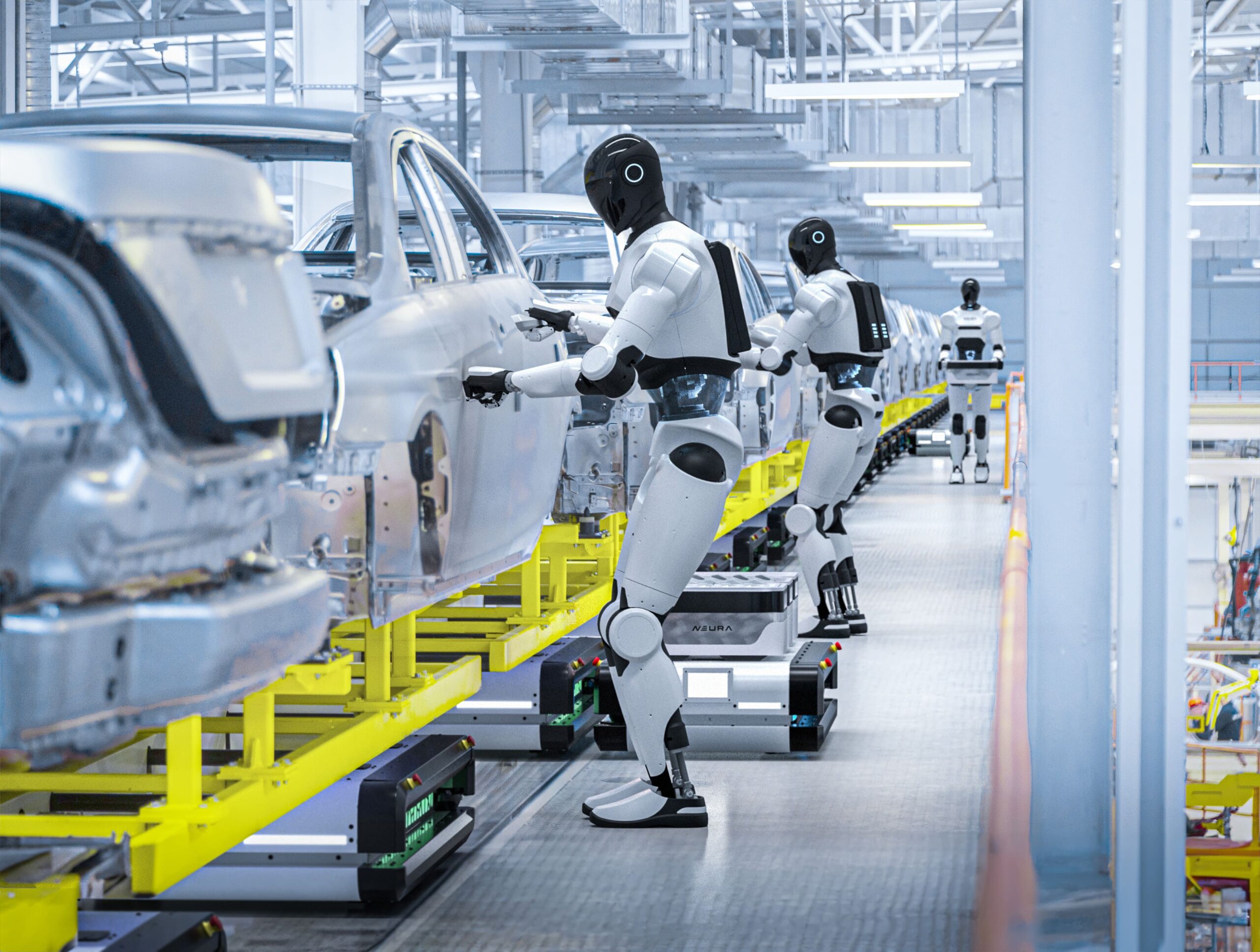
AWS Introduces Open-Source Physical AI Toolchain to Enhance Robotics Development
Amazon Web Services (AWS) has launched an open-source Physical AI Toolchain aimed at assisting robotics developers in training, simulating, deploying, and enhancing physical AI systems using AWS cloud services and Nvidia’s software stack. This toolchain encompasses synthetic data generation, model training, simulation, edge deployment, and continuous improvement, enabling users to manage fleets of machines effectively. The significance of this launch lies in its potential to streamline the engineering efforts of manufacturers and robotics developers, allowing them to focus more on innovation rather than infrastructure. With one in seven startups engaged in physical AI and 72% of them deeming cloud computing essential, the toolchain is positioned to support a wide range of applications, from industrial automation to humanoid robotics. Looking ahead, AWS's Physical AI Toolchain is expected to play a crucial role in the evolution of physical AI across various industries. As companies increasingly adopt this technology, the toolchain's capabilities for fleet management and operational data integration will be vital for improving performance and scalability in real-world applications. No further timeline was disclosed at the time of publication.
AI Physical AI Technology & Infrastructure AI infrastructure platform Amazon Amazon Web Services
AWS Startups Report Reveals Rapid Growth of Physical AI Amid Market Readiness Challenges
A report from AWS Startups in collaboration with Strand Partners indicates that 15% of startups across 20 markets are developing physical AI technologies. However, only 26% of these startups believe their local markets are ready for deployment, with 70% citing slow adoption as a significant barrier to growth. The report highlights the critical role of cloud infrastructure, with 72% of builders deeming it essential for development. Additionally, 62% of respondents indicated they could not have initiated their projects without cloud computing, while 56% noted that limited computing power hampers progress. Manufacturing and automotive sectors lead in commercial deployment at 51%, followed closely by logistics and retail at 47%. Looking ahead, 76% of builders anticipate that physical AI will become mainstream in their industries within five years, with 36% expecting this transition within two years. However, the report emphasizes that increased customer awareness, technical skills, funding, and clearer regulations are necessary for broader adoption.
Business & Markets Startups Technology & Infrastructure AI Amazon Asia
LG Electronics Showcases Robotics at 2026 First Global Challenge in Incheon
LG Electronics is actively participating in the 2026 First Global Challenge, an international youth robotics competition taking place at Songdo Convensia in Incheon. The event, which runs from Wednesday to Saturday, gathers youth teams from 185 countries to design and build robots aimed at addressing global challenges, particularly focusing on wildfire prevention and recovery due to climate change. This year's competition, themed “Igniting Innovation,” emphasizes the importance of robotics in tackling pressing issues like wildfires. LG's involvement includes sponsoring the event and showcasing its latest robotics technologies at an exhibition booth. The company also features its humanoid robot, LG CLOiD, allowing visitors to engage with the technology and learn about the innovative solutions being developed by young participants. As LG increases its investment in robotics as a key growth area, it aims to integrate physical AI into its strategy. The company recently launched LG Data Factory to enhance data management for robotics training. No further timeline was disclosed at the time of publication.
All News
Zhiyuan's Data Business Struggles to Support Robotics at $20 Per Hour
Zhiyuan's data business is facing challenges as it operates at a rate of $20 per hour, which is insufficient to sustain the robotics industry. The company is exploring new avenues to enhance its offerings and address the growing demand for data in robotics. This situation highlights the broader issue within the robotics sector, where the cost of data collection and processing is becoming a critical factor. As companies seek to innovate and improve their robotic systems, the financial viability of data services like those offered by Zhiyuan is under scrutiny. Looking ahead, industry stakeholders should monitor how Zhiyuan adapts its business model to better serve the robotics market. No further timeline was disclosed at the time of publication.
Robotics Automation AI
Fudan Team Develops Robot Mat Capable of Harvesting Ground Electricity, Eliminating Battery Needs
A team from Fudan University has developed an innovative robot mat that can harness electricity from the ground, thus removing the necessity for batteries. This advancement could significantly impact the design and functionality of mobile robots, making them more efficient and environmentally friendly. The ability to extract energy directly from the ground is a game-changer in robotics, as it addresses one of the major limitations of mobile robots: battery dependency. This technology could lead to longer operational times and reduced maintenance costs, enhancing the overall performance of robotic systems in various applications. Future developments in this area will be crucial to watch, particularly how this technology can be integrated into existing robotic platforms. No further timeline was disclosed at the time of publication.
Robotics Automation AI
Huawei Unveils XMFS Prototype for Cross-Node Shared Memory at LPC 2026
Huawei presented its XMFS prototype at the Linux Plumbers Conference 2026, showcasing a new approach to cross-node shared memory. This innovative system utilizes POSIX file calls to facilitate memory sharing across different nodes, enhancing performance and efficiency in distributed computing environments. The introduction of XMFS is significant as it addresses the growing need for efficient memory management in multi-node systems. By enabling cross-node shared memory, Huawei aims to improve data accessibility and processing speed, which are critical for applications requiring high-performance computing. Looking ahead, industry observers will be keen to see how XMFS evolves and whether it will undergo further development to achieve mainline review status. The potential impact of this technology on distributed computing and memory management practices will be closely monitored in the coming years.

IROS 2026 Best Paper Finalists: South Korea Leads
Ten papers made the IROS 2026 Best Paper and Best Student Paper shortlist, four from South Korea. What each one does and what it means for industry.

SimScale Engineering AI Moves Physics Simulation to the Exact Moment a Design Decision Gets Made, Inside Onshape
SimScale’s Engineering AI Agent runs CFD, thermal, EMag and FEA from one prompt inside PTC’s Onshape, starting from CAD that isn’t simulation-ready.

IMTS 2026 Preview: Record Orders and the Automation Story
IMTS 2026 opens in Chicago with 1,788 exhibitors and record H1 machine tool orders. What the USMTO data says about automation, and the booths to see.

Drone Manufacturers Face Battery Redesign Challenges Amid Supply Chain Changes
The drone industry is undergoing significant changes as manufacturers are compelled to rethink their battery supply chains due to new compliance requirements. Howard Alt, CEO of Micantis, emphasizes that the shift away from reliance on Chinese battery cells presents an opportunity for drone OEMs to take control of battery design and performance. As the FCC's domestic-end-product exemption is set to expire on January 1, 2028, drone manufacturers must prepare for a redesign of their battery packs. This transition is crucial for compliance and to avoid dependency on foreign suppliers. Alt suggests that by selecting allied cell suppliers and designing their own battery packs, manufacturers can enhance their products and mitigate risks associated with supply chain vulnerabilities. Looking ahead, the drone industry is rapidly evolving, with many companies promising American-made cells in the near future. However, the history of battery manufacturing reveals significant challenges, including high failure rates and lengthy production timelines. Manufacturers must be cautious and informed when selecting battery suppliers to ensure they do not fall victim to the pitfalls that have plagued the industry.
battery technology Drone Manufacturing Drone News Drone News Feeds drone parts Energy
Software, Compute and Interaction at WRC 2026
47 WRC 2026 exhibitors supply robot software, compute or interaction — but only 19 call themselves software companies. Five open artefacts, licence-checked.

WRC 2026 Exhibitor Map: 248 Robotics Companies Mapped
We classified 248 WRC 2026 exhibitors with the RobotToday taxonomy. Motion & Actuation leads at 75 companies, Humanoid at 72, and compute stays thin at 12. (Modified 2026-08-27)

Inside Saga Robotics: UVC Light vs. Crop Disease
Saga Robotics CPO Damian Flynn on the Thorvald platform's UVC treatment system, its jump from UK strawberries to California wine grapes, and why he's “incredibly bullish” on applying automation and robotics into industries “most chaotic environment.”
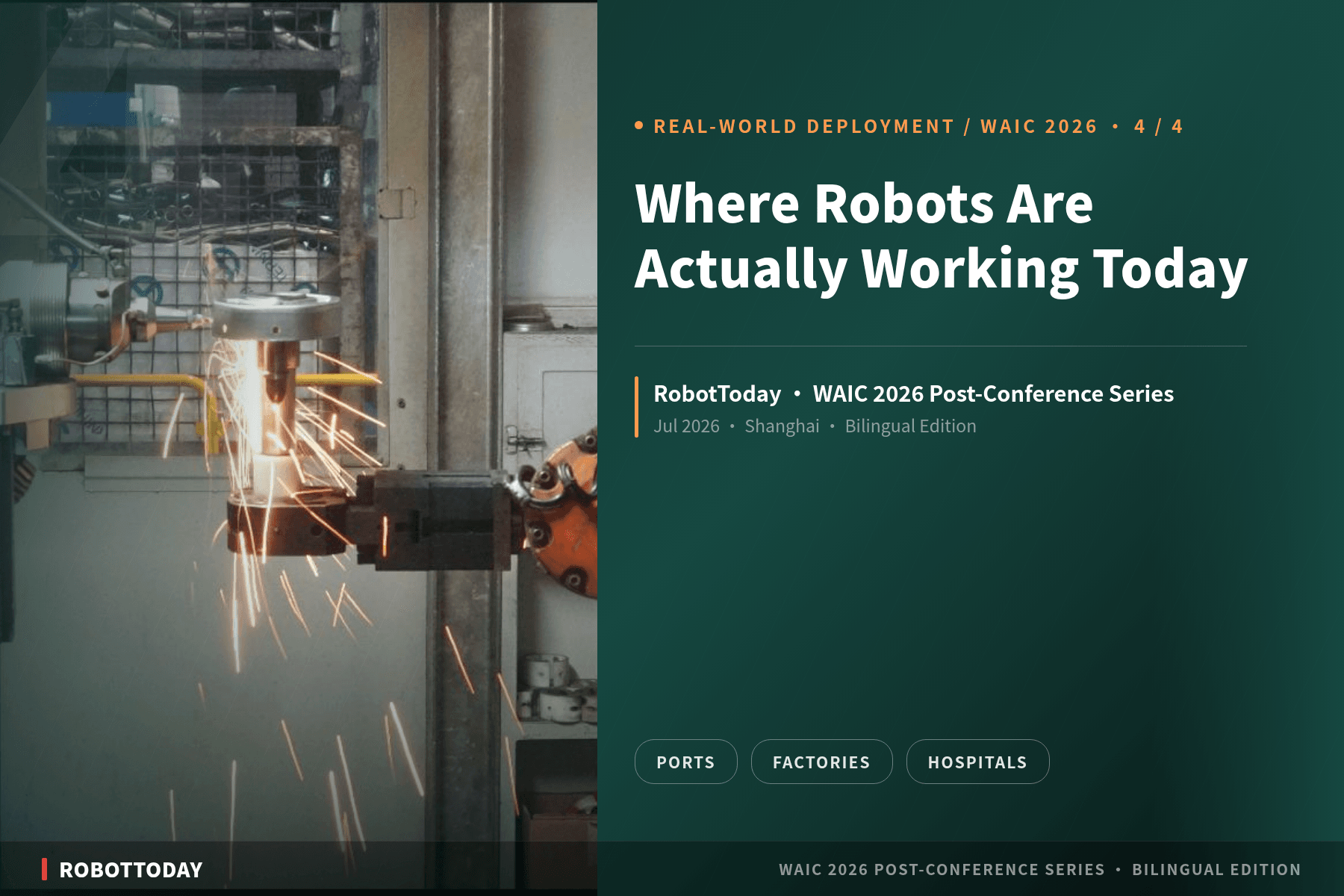
WAIC Review 4/4: From Port AGVs to Hospital Night Shifts: What WAIC 2026 Reveals About Real Robot Deployments
From 530+ AGVs at a Singapore port to robots on Apple's line, WAIC 2026 speakers shared concrete data on where embodied AI robots are actually working today.
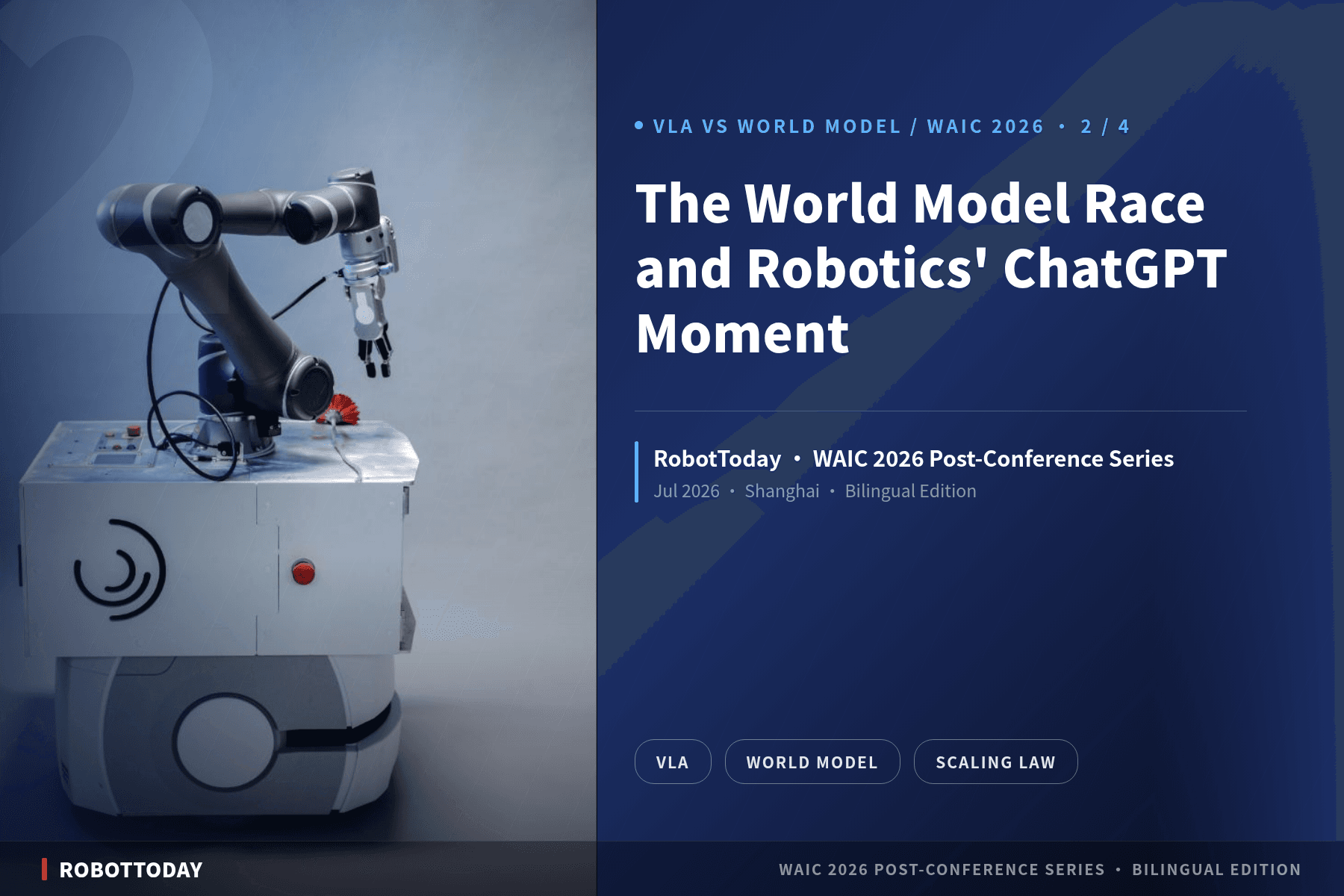
WAIC Review 2/4: World Models vs. VLA: Robotics' Next 'ChatGPT Moment'
At WAIC 2026, world-model and VLA camps staked rival paths to generalist robots; Zhiyuan, SenseTime and NVIDIA predict a robot 'ChatGPT moment' in 2-5 years.

Autonomous Mobile Robots Siegwart, Nourbakhsh & Scaramuzza — RSF Top 10 Robot Education Textbooks · No. 3
AMR and AGV fleets are the biggest robot service market. Siegwart decodes the vendor manual: odometry, localization, cost maps.
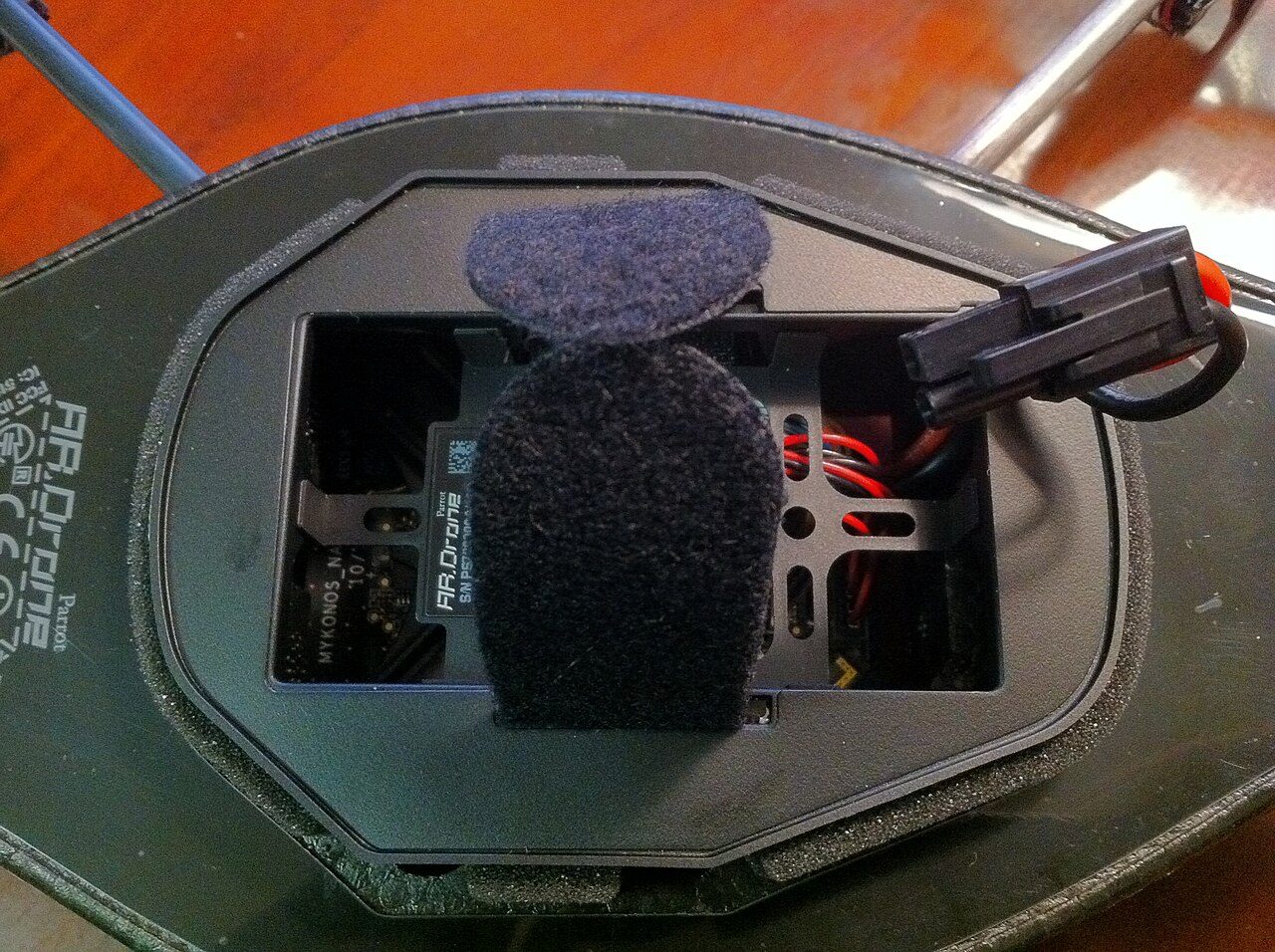
Guest Post: America’s Drone Future Depends on Battery Independence
In this guest post, Micantis co-founder and CEO Howard Alt argues that batteries, not aircraft, may be the defining factor in the future of the U.S. drone industry. As demand for drones grows across commercial, public safety, and defense applications, he contends that battery manufacturing and supply chain resilience have become strategic issues for both […] The post Guest Post: America’s Drone Future Depends on Battery Independence appeared first on DRONELIFE.
battery technology Drone Manufacturing Drone News Drone News Feeds Drones in the News News
