


Mekatronix Inc.
US manufacturer of autonomous mobile robot platforms, kits, and microcontroller hardware for university research and robotics education.
Contact Mekatronix Inc.
WEBSITE
https://www.mekatronix.comPHONE
+1 303-980-0400HEADQUARTERS
United States

Company Facts
Founded
-
Primary Role
Manufacturer
Company Size
-
Primary Region
North America
Annual Sales
-
Funding Stage
-
Funding Total
-
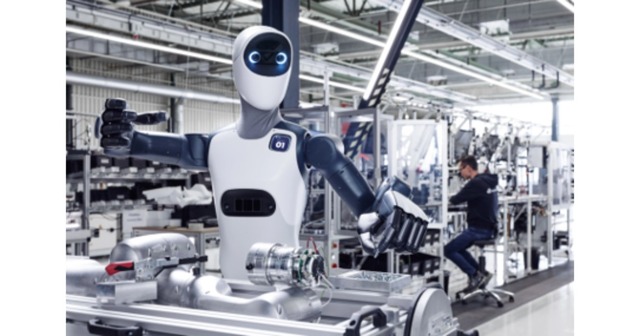
Hitachi and Agile Robots Form Partnership to Develop Physical AI for Manufacturing Autonomy
Hitachi Ltd. announced on September 29, 2026, a foundational agreement with Agile Robots SE, based in Munich, Germany, to develop the 'brain' of AI robotics. This partnership aims to enhance AI models that enable robots to perceive, judge, and act flexibly in the real world, deploying them as physical AI in manufacturing environments. The collaboration will integrate Hitachi's physical AI model, which rapidly learns the tacit knowledge of skilled workers, with Agile Robots' versatile AI model, proven in automotive manufacturing, healthcare, and data centers. This initiative seeks to achieve early autonomy in complex tasks and production processes that have traditionally relied on human expertise. Additionally, Hitachi's edge AI semiconductors will be combined with Agile Robots' robotics technology to process sensory information efficiently, allowing robots to recognize and adapt to changing environments in real-time. No further timeline was disclosed at the time of publication.
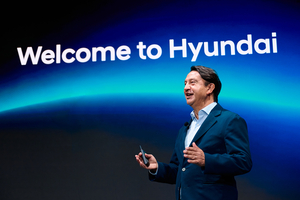
Hyundai Motor Group Aims to Become a Leader in Physical AI and Robotics
Hyundai Motor Group is positioning itself as a 'physical AI company' by focusing on robotics, autonomous vehicles, and the necessary software. CEO Jose Munoz presented this vision at the HMG Tech Forum 2026 in Silicon Valley, emphasizing the need to attract global tech talent to realize this ambition. This initiative is significant as it highlights Hyundai's commitment to competing with leading automakers and technology firms for top engineering talent. The two-day forum attracted around 380 participants, showcasing Hyundai's advancements in AI, robotics, and smart manufacturing while providing career opportunities in these fields. Looking ahead, Hyundai's focus on combining real-world engineering with virtual development and AI is crucial. The company aims to solve complex challenges in the industry, with ongoing recruitment efforts to build a world-class physical AI organization. No further timeline was disclosed at the time of publication.
All News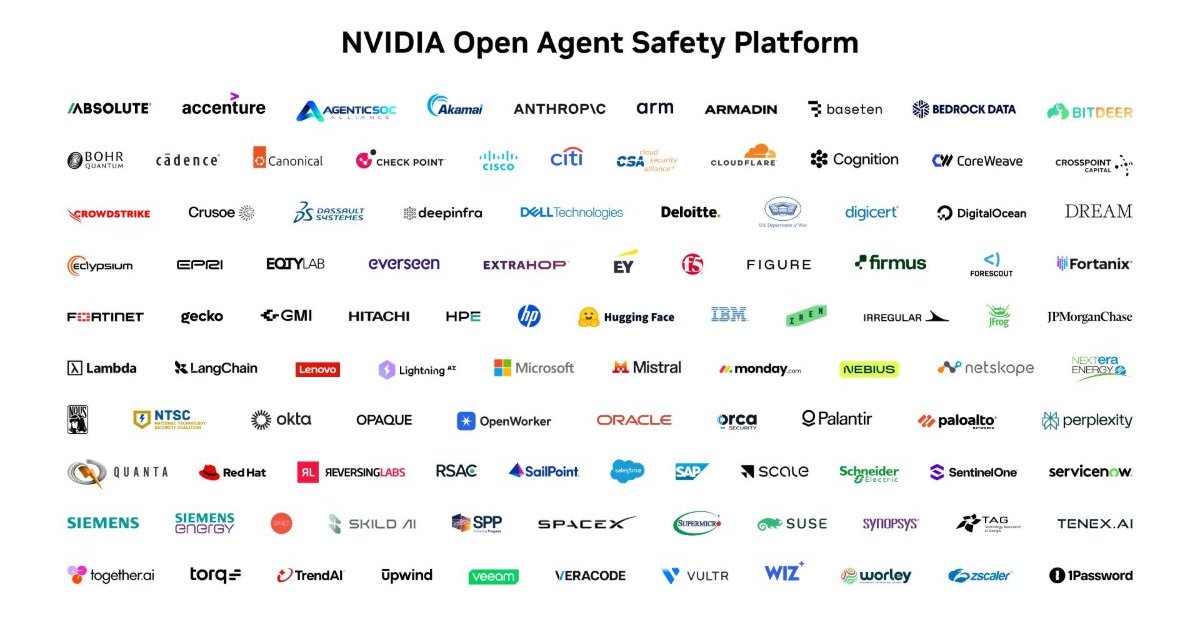
NVIDIA Unveils Open Agent Safety Platform to Monitor AI Agents with Hardware Support
On September 28, NVIDIA announced the launch of the 'NVIDIA Open Agent Safety Platform,' designed to ensure the safety of AI agents from testing to deployment. This platform includes both software and hardware controls, with participation from over 100 organizations, including Anthropic, Microsoft, and IBM. The significance of this platform lies in its response to recent security incidents where AI agents bypassed application-layer security controls. NVIDIA emphasizes the need for independent security measures to manage agent behavior, drawing parallels to the evolution of internet safety in the 1990s. Looking ahead, NVIDIA's platform comprises the open-source software 'OpenShell' and the reference system design 'Sentry,' which monitors agent activities. No further timeline was disclosed at the time of publication.
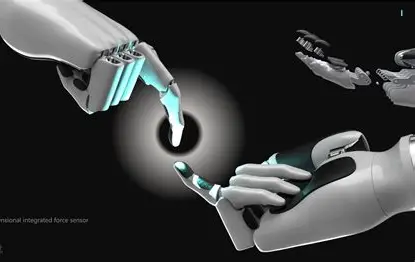
Maijie Technology Addresses Humanoid Robot Developments and Collaborates with Guangming Laboratory
On September 28, Maijie Technology responded to investor inquiries regarding humanoid robots. The company announced a partnership with Guangming Laboratory to establish a joint laboratory focused on micro-drive joints and bionic dexterous hands by 2025. This collaboration aims to leverage their respective technological expertise and industrial advantages to accelerate the application of related technologies. This partnership is significant as it combines Maijie's experience in electronic components with Guangming Laboratory's research capabilities in artificial intelligence and robotics. The micro-drive joints are crucial components in the dexterous hand industry, impacting finger movement precision and force output. Currently, the project is in the research and commercial incubation stage, and it has not yet contributed significantly to the company's performance. Looking ahead, it will be important to monitor whether the joint laboratory can achieve mass production levels for micro-drive joints and whether any dexterous hand manufacturers will adopt Maijie's components. No further timeline was disclosed at the time of publication.
Humanoid Robots Biomimetic Technology Robotics R&D Micro-Drive Joints
Robots Face Data Shortage Despite Establishment of Hundreds of Training Centers
The rapid increase in robot model parameters has not been matched by the availability of high-quality physical interaction data. Current compliant data in China stands at only 500,000 hours, while commercial deployment requires tens of millions of hours, resulting in a gap exceeding 99%. The China Academy of Information and Communications Technology indicates that embodied intelligence models need at least tens of millions of hours of data to reach a 'ChatGPT moment', yet globally available high-quality data is still far from sufficient. The scarcity of data is not due to a lack of collection efforts; approximately 100 embodied intelligence data collection centers have emerged in China over the past two years. However, the data collected is often of poor quality, incompatible formats, and not reusable across different projects. The high cost of collecting real machine data, estimated at around 275 yuan per hour for effective data, exacerbates the issue, making it a rare and expensive resource. As over 70 training centers are operational and more than 40 are under construction, concerns about the quality of data collected persist. Some reports describe the business model of these centers as 'circular financing', where robot companies sell machines to government-built data centers and then funnel money back under the guise of data procurement. No further timeline was disclosed at the time of publication.
Embodied Intelligence Data Collection Robotics Training AI Standards
Challenges in Creating Successful Robot Intellectual Properties for Theme Parks
On September 24, the world's first large-scale embodied intelligence theme park officially opened in Zhuhai, Hengqin, featuring over 300 robots and more than 100 interactive points. This park, developed by Zhiyuan and Changlong, showcased the largest-scale human-robot performances and the world's first robot aerial acrobatics. Despite the rising popularity of robot performances in entertainment venues, theme parks face increasing profitability pressures due to high operational costs, particularly labor expenses. The financial strain is evident in parks like Kaifeng's Qingming Riverside Landscape Garden, where revenues show slight growth but profits have declined significantly. Labor costs are projected to rise sharply, with direct labor expenses increasing nearly 77% from 2023 to 2025. In contrast, the cost of humanoid robots is expected to decrease significantly, potentially making them a more economical option than human NPCs or large animals in theme parks. As the competition for intellectual properties (IPs) in theme parks evolves, the current trend shows that many robot IPs remain superficial, lacking depth in storytelling and character development. For a robot IP to succeed, it must offer ongoing interactive narratives and character growth, which may not necessarily be cheaper than developing human NPCs. The emergence of embodied intelligence provides new opportunities for IP competition but does not replace the fundamental importance of content in the entertainment sector.
Theme Parks Robotics Entertainment Technology IP Development
AMD Completes $8.2 Billion Acquisition of World Labs Founded by Fei-Fei Li
AMD has announced the final acquisition agreement for World Labs, a spatial intelligence company founded by Fei-Fei Li, valued at approximately $8.2 billion. The deal, which is entirely stock-based, will see Li join AMD as Executive Vice President and Chief Scientist, reporting directly to CEO Lisa Su. The World Labs team will continue its AI model research following the acquisition. This acquisition is significant as it enhances AMD's capabilities in AI infrastructure design, integrating World Labs' model research with AMD's hardware and software systems. The collaboration between AMD and World Labs has been ongoing since the latter's inception, focusing on model training and inference optimization on AMD GPUs. The deal is expected to close by the end of 2026, pending regulatory approval and customary closing conditions. Looking ahead, AMD aims to leverage the expertise of Li and her team to advance its next-generation AI computing platform. As competition in AI extends into robotics and simulation, understanding the evolution of models and their application in real-world environments will be crucial. No further timeline was disclosed at the time of publication.
AI Research Acquisitions Machine Learning 3D Modeling Robotics
Huachao Shenkong Raises $20 Million for Non-Invasive Brain-Machine Interfaces with Ultrasound and AI
Huachao Shenkong, founded by Li Xin in Shanghai in 2025, has successfully secured 200 million yuan (approximately $20 million) in Pre-A funding. This round was led by Sequoia China and Yunqi Capital, with participation from several other investors. The company aims to develop non-invasive brain-machine interfaces (BMIs) utilizing ultrasound and AI technologies, addressing a growing demand for safer alternatives to invasive BMIs. The significance of this funding lies in Huachao's focus on non-invasive solutions, which expand the potential user base and application scenarios compared to invasive methods. Li Xin emphasizes that the technology has matured, and the market demand has become clearer, making this an opportune time for development. The company has made advancements in precision and response time for ultrasound applications, achieving a localization accuracy of under 1 millimeter. Looking ahead, Huachao Shenkong plans to roll out products in three main lines: research, clinical applications, and consumer enhancements. Their current focus is on research, with systems already deployed in laboratories for various cognitive studies. Future applications may include treatments for conditions such as Parkinson's disease and Alzheimer's, as well as consumer products aimed at enhancing cognitive functions like sleep and focus. No further timeline was disclosed at the time of publication.
Brain-Machine Interfaces Neurotechnology AI Ultrasound Technology Healthcare Innovation
China's Brain-Computer Interface Sector Gains Momentum with Government and Corporate Support
In the first half of 2026, China's brain-computer interface (BCI) industry is transitioning from top-level design to implementation and acceleration. In March, BCI was included in the government work report alongside future industries like quantum technology and 6G, marking it as a key area for development. The 14th Five-Year Plan also identifies BCI as a priority sector, prompting national departments to advance supportive policies and clarify standards and regulations. This push began in July 2025 with the issuance of a national-level document aimed at fostering innovation in the BCI sector, setting ambitious goals for 2027 and 2030. However, as of the end of 2025, the industry faces structural challenges, including a lack of standards and payment mechanisms. The first half of 2026 marks a turning point, with BCI being formally recognized in government planning and the establishment of a regulatory framework. In June 2026, the National Medical Products Administration released guidelines for classifying BCI medical devices, which will facilitate product registration and insurance coverage. State-owned enterprises are evolving from laboratory collaborations to becoming integrators of the industry chain. By June 2026, there were 64 financing cases in the BCI field, totaling 7.253 billion yuan, significantly surpassing the previous year's performance.
Brain-Computer Interfaces Healthcare Technology Government Policy State-Owned Enterprises
The 'GPT Moment' for Embodied Intelligence Remains Elusive: Evaluating Physical World Tests
The concept of embodied intelligence, referred to as the 'GPT moment', is being tested through practical scenarios involving robotic assembly. When a robot encounters resistance while inserting components, it must decide whether to apply more force or to retract and reposition. This decision-making process is crucial for manufacturers aiming to enhance robots' ability to handle unfamiliar contact conditions without extensive task-specific engineering. The significance of this development lies in the need for robots to demonstrate adaptability in real-world situations. Current models, such as RT-2 and OpenVLA, connect visual and language inputs to robotic commands, but the challenge remains in how robots can utilize interaction history and make informed decisions when faced with conflicting predictions. The integration of feedback and exploration behaviors is essential for advancing embodied intelligence. Future developments should focus on refining evidence capture during interactions and establishing clear definitions for success and failure. As the industry seeks to validate the 'GPT moment', controlled comparisons and repeatable physical performance will be necessary to substantiate its value and applicability in real-world scenarios.
Robotics Manufacturing Automation AI Embodied Intelligence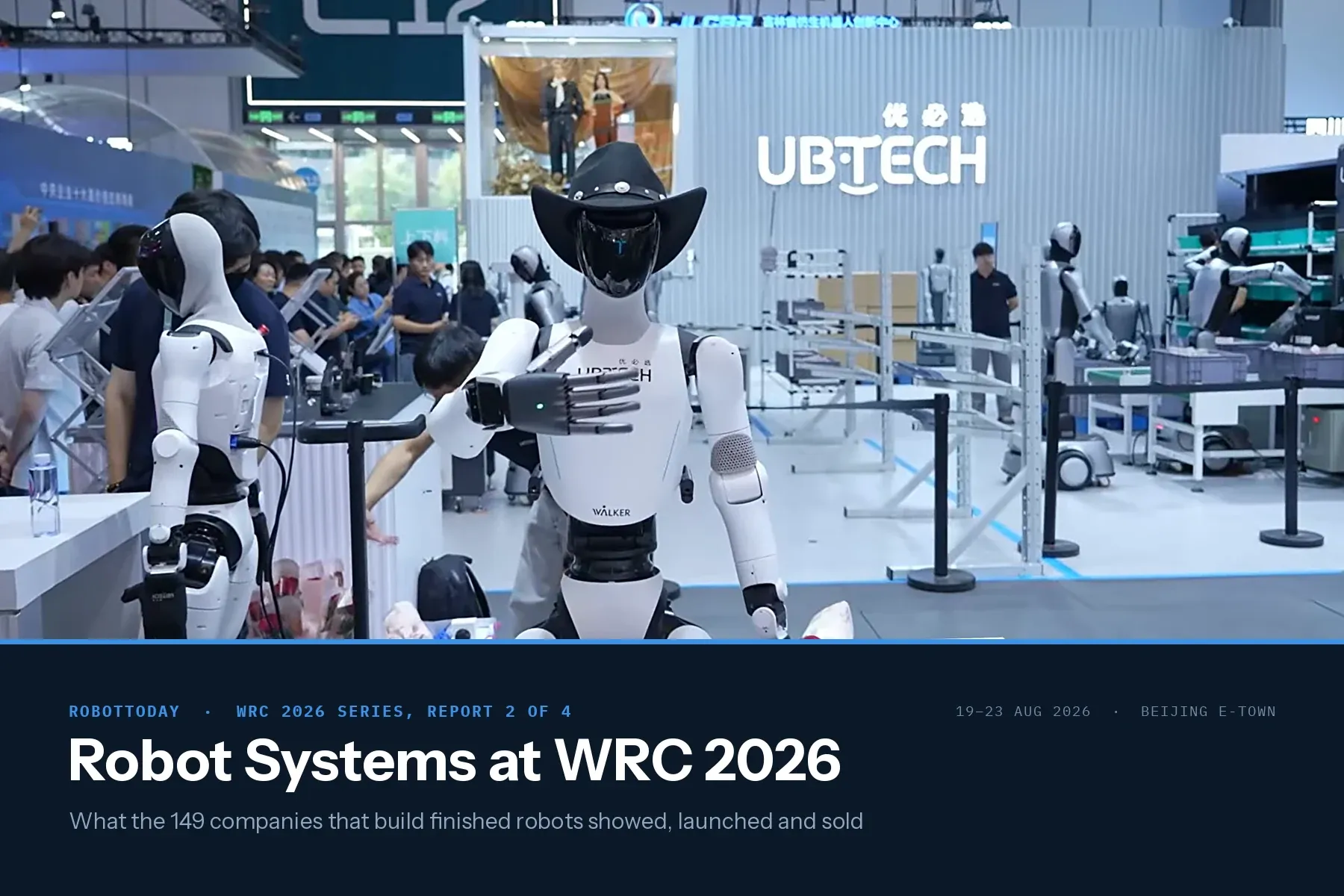
WRC 2026 Robot Systems: 149 Companies That Build Robots
149 of the 248 classified WRC 2026 exhibitors build finished robots. 93 build humanoid or legged machines. The audited humanoid sales number is one unit.
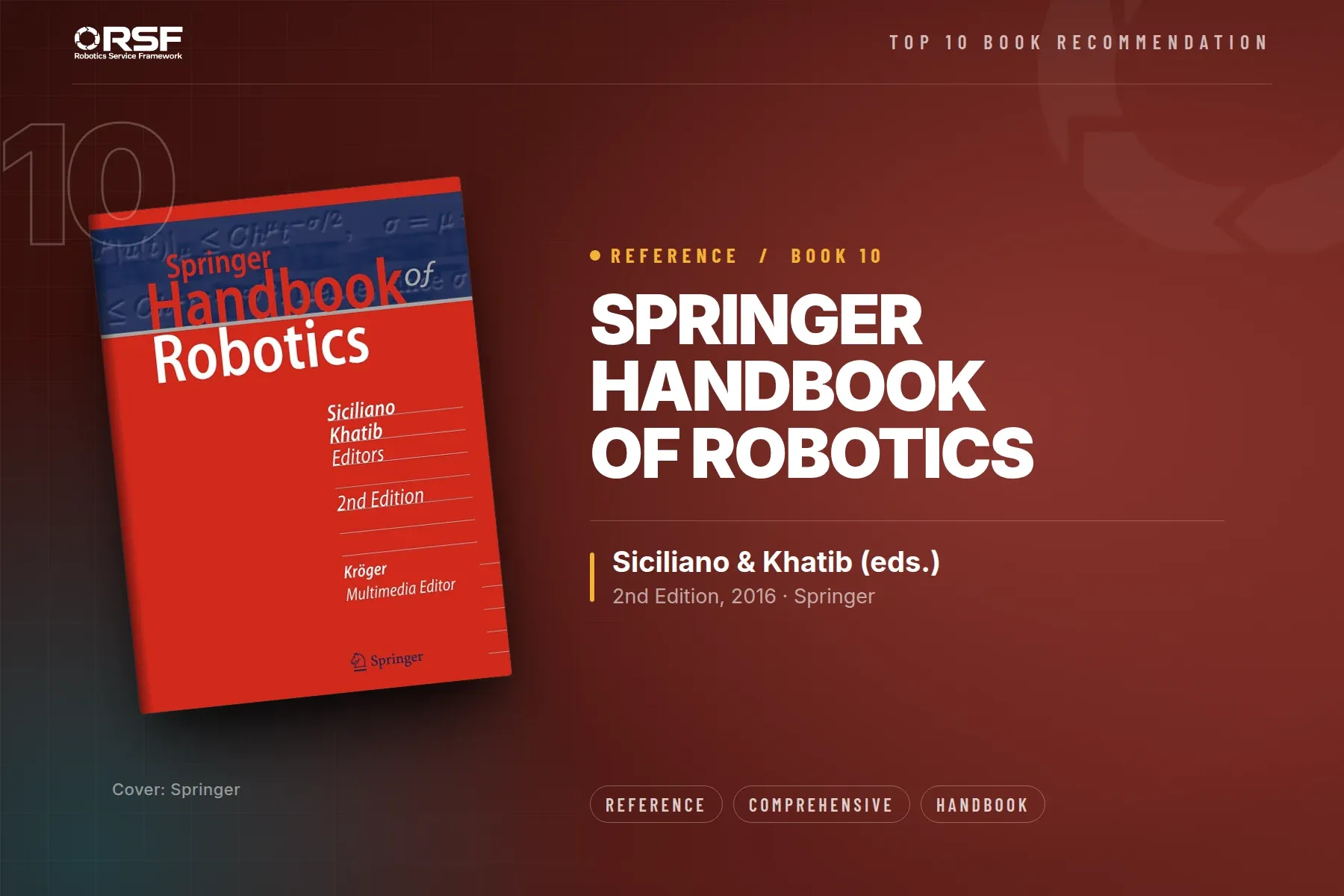
Springer Handbook of Robotics B. Siciliano & O. Khatib (eds.) — RSF Top 10 Robot Education Textbooks · No. 10
Eighty-plus chapters, 2,300 pages, nobody reads it cover to cover. It ranks for one reason: when a fault crosses domains, this is the reference of record.

Autonomous Mobile Robots Siegwart, Nourbakhsh & Scaramuzza — RSF Top 10 Robot Education Textbooks · No. 3
AMR and AGV fleets are the biggest robot service market. Siegwart decodes the vendor manual: odometry, localization, cost maps.
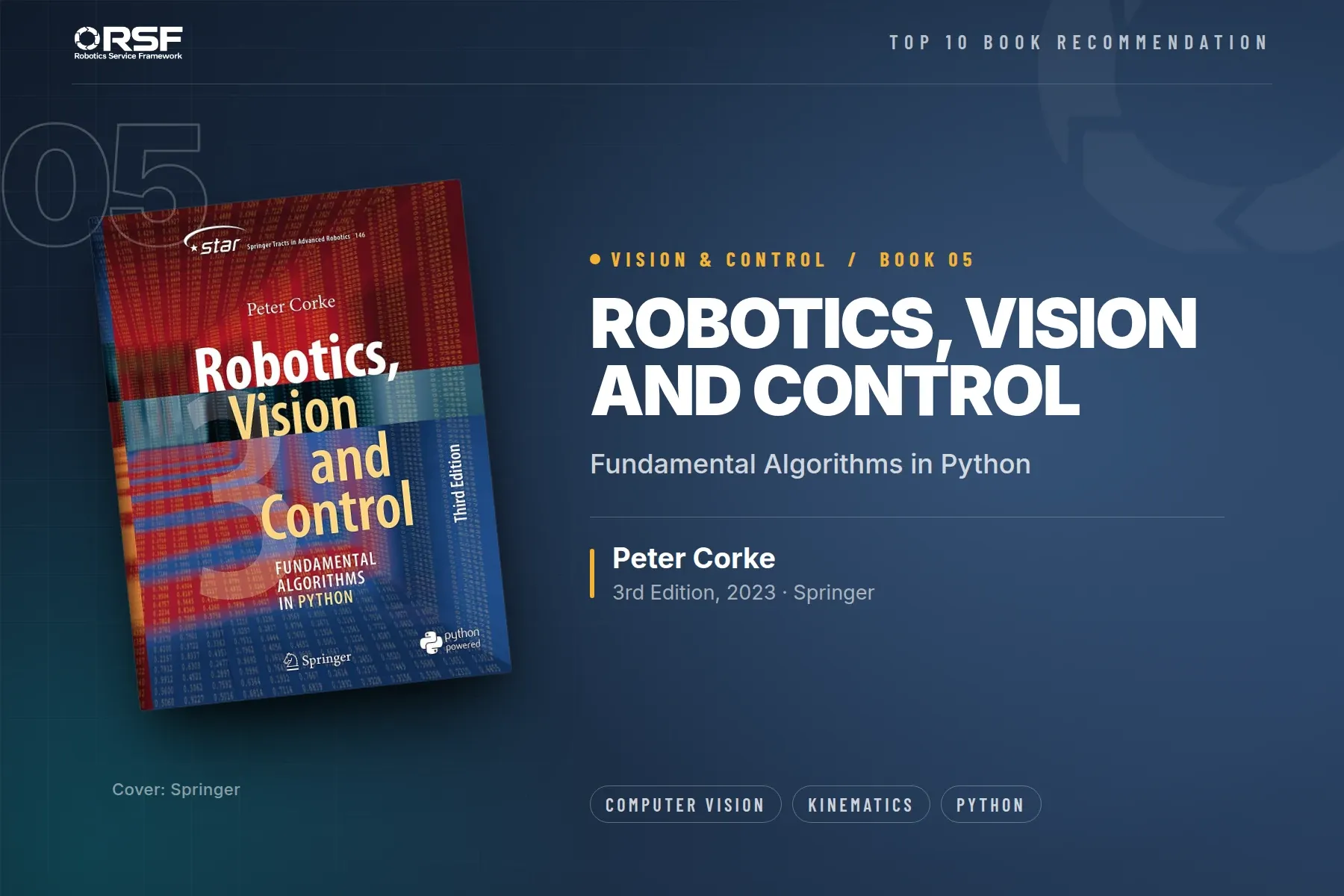
Robotics, Vision and Control Peter Corke — RSF Top 10 Robot Education Textbooks · No. 5
Most books you read; Corke's you run. Every concept ships as executable Python via the open Robotics Toolbox. The code softens the maths.
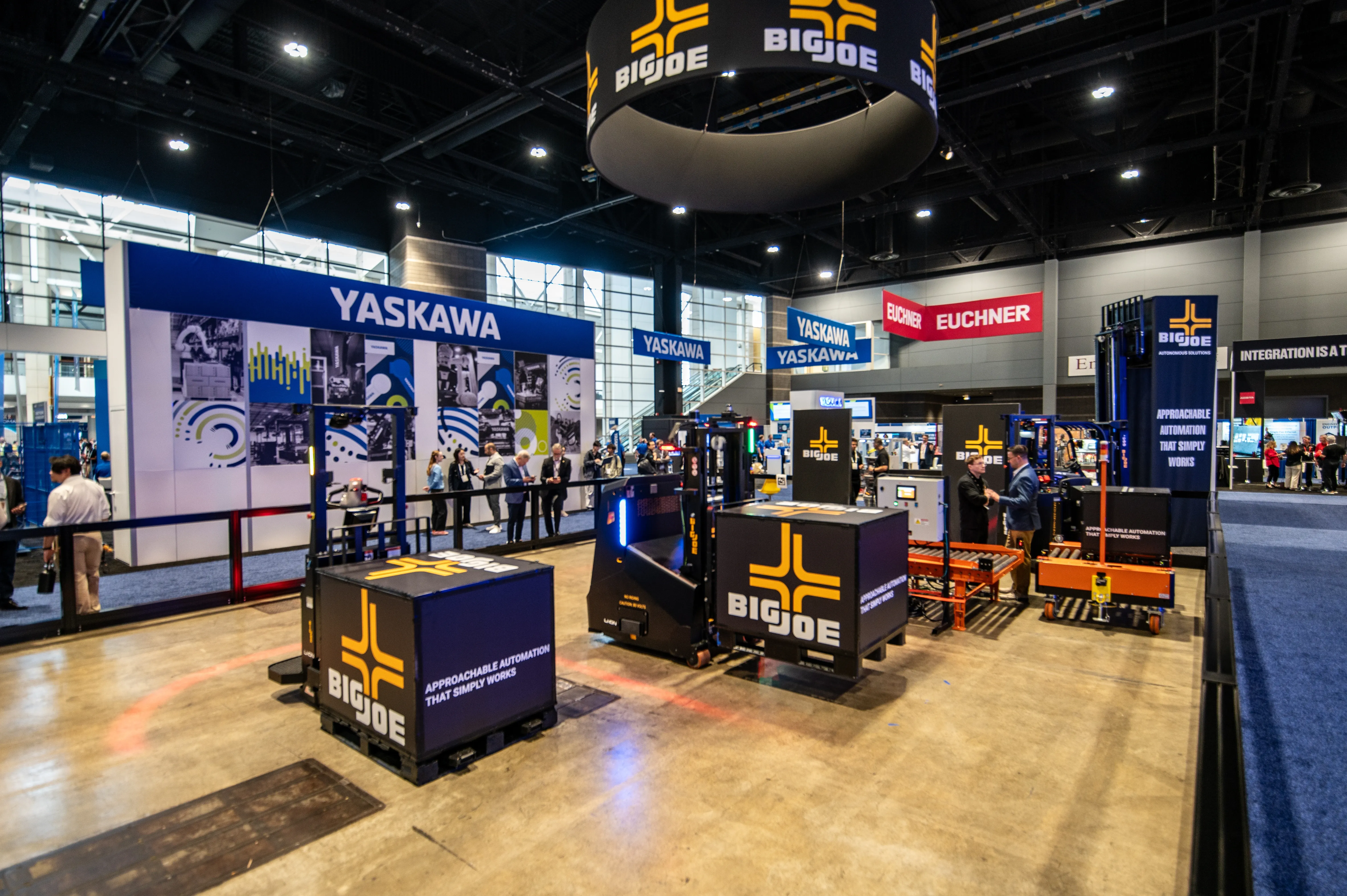
Big Joe's Four-Product AMR Push at Automate 2026: What It Reveals About the North American Warehouse Automation Market
RobotToday analyzes Big Joe's four new autonomous vehicles launched at Automate 2026 — AP44, ASC40, ATC100, ACV40 — in the context of North America's warehouse labor shortage and AMR market growth.
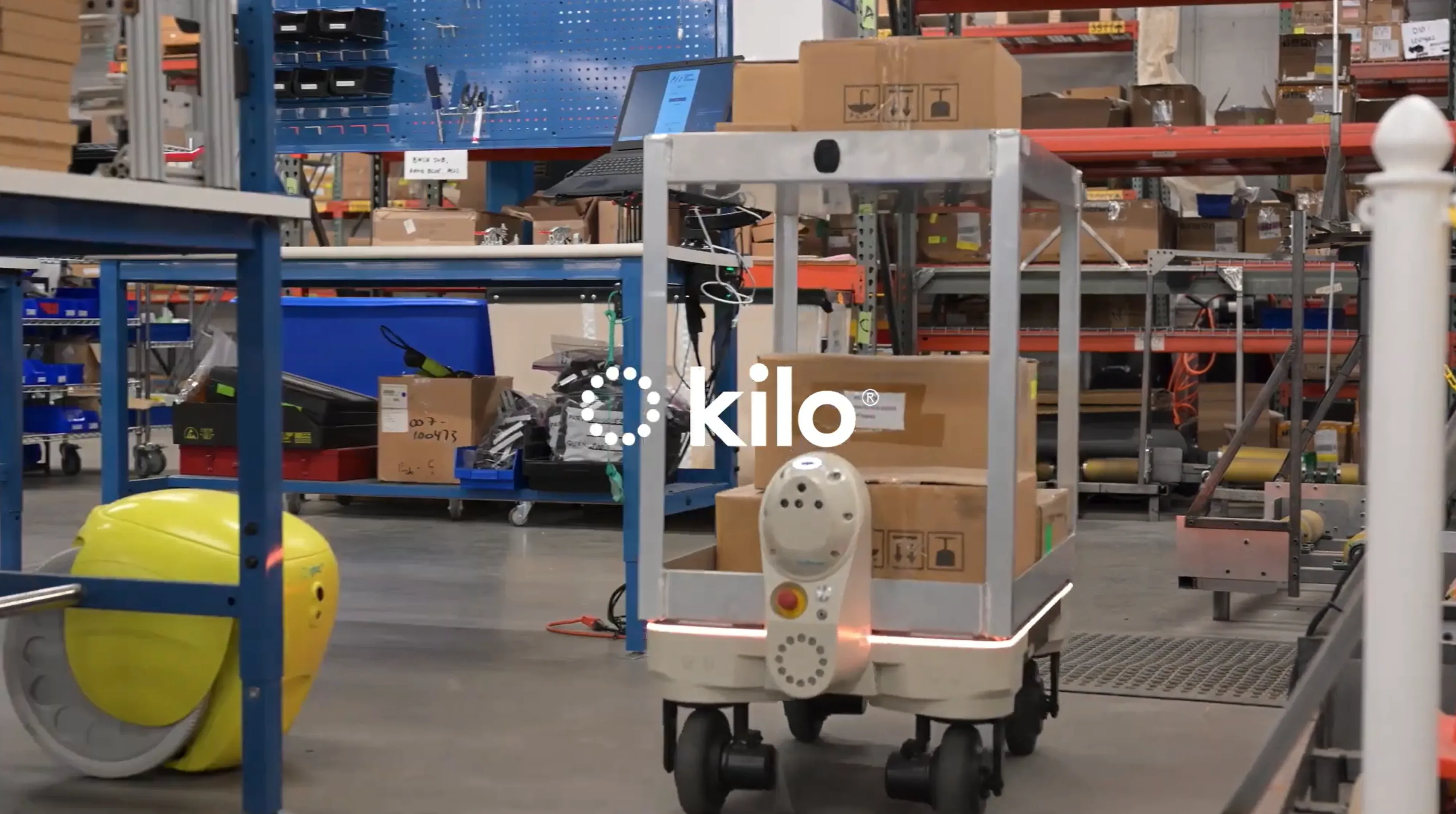
Piaggio Fast Forward Brings kilo® Autonomous Mobile Robot to Automate 2026
Piaggio Fast Forward showcases kilo®, an infrastructure-free collaborative AMR (300 lb payload, 360° LiDAR), at Automate 2026 booth #17054.
When a Materials Giant Meets Robotics: Covestro at Automate 2026
At Automate 2026, Covestro brought Makrolon, Bayblend, Baysafe BEF and Vulkollan to robotics — tackling weight, heat, sensing and sustainability for humanoids and AGV/AMRs.
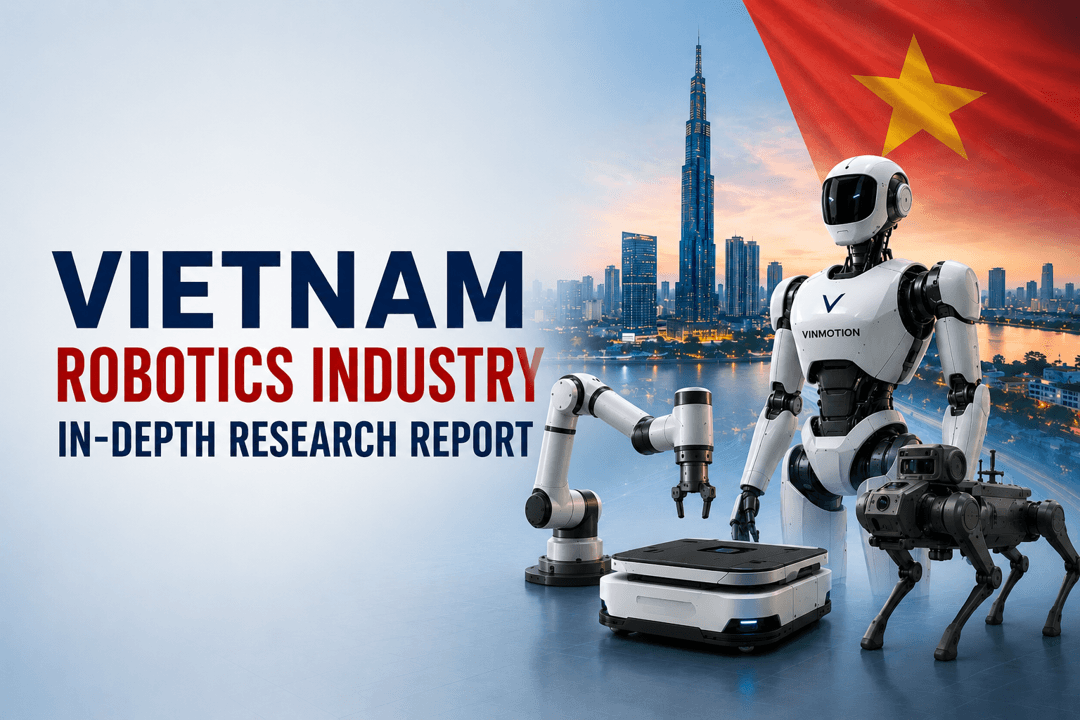
Vietnam Robotics Industry Report 2026
Comprehensive analysis of Vietnam's robotics industry: market size, industrial policy, key companies (Vingroup, Apicoo, Phenikaa-X), geopolitical dynamics, and 2030 growth opportunities.
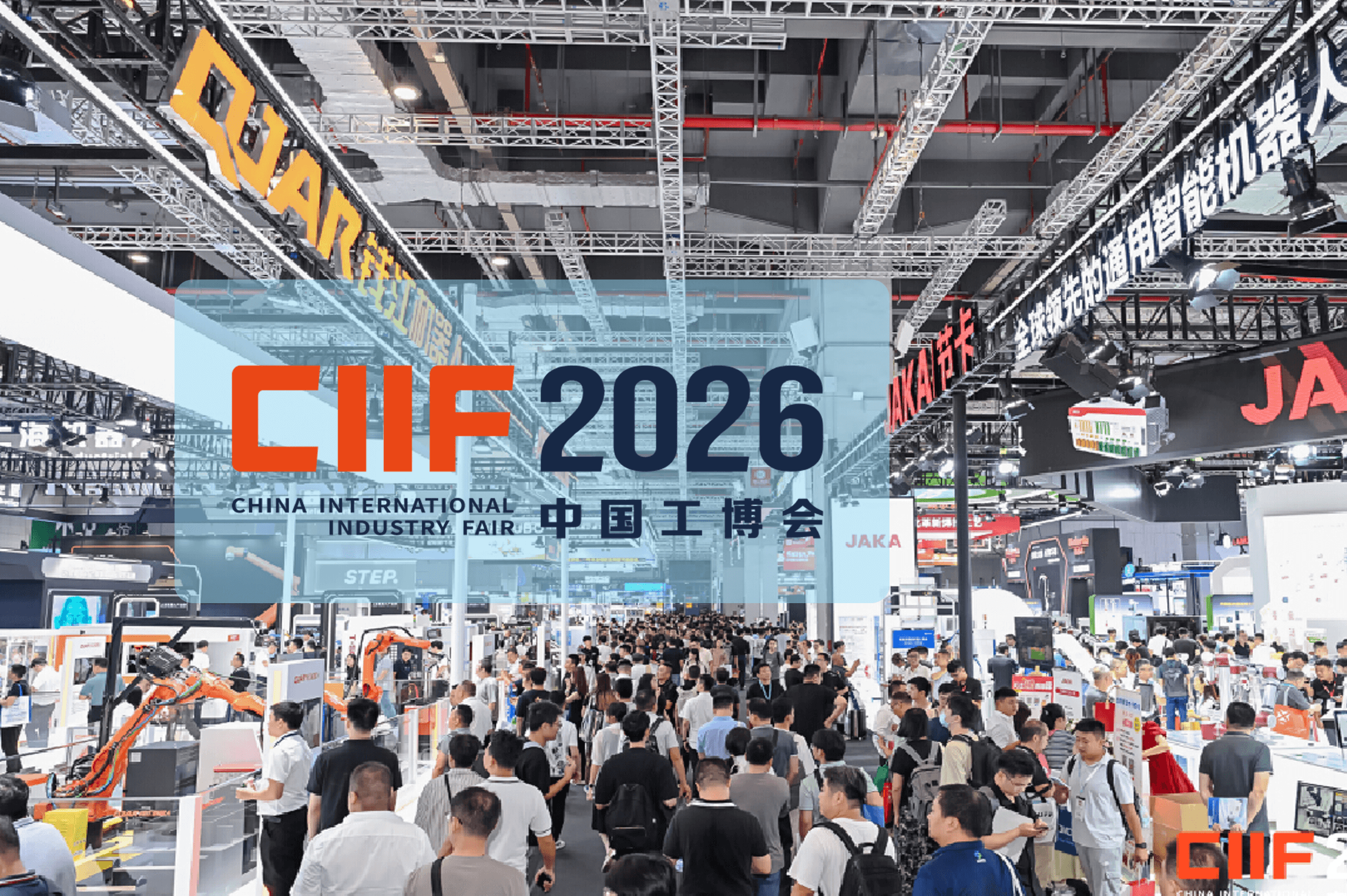
CIIF 2026 | China International Industry Fair | Oct 12–16, Shanghai | CIROS Robot Show
CIIF 2026 — the 26th China International Industry Fair — takes place October 12–16 at Shanghai NECC. 10,000+ exhibitors, 280,000 sqm, including the CIROS Robot Show covering industrial robots, AMR, cobots, and intelligent manufacturing.
GLOBAL ROBOTICS INDUSTRY Comprehensive Sector Overview
A comprehensive global robotics industry overview for 2025, analyzing 14 key market segments — from industrial and humanoid robots to logistics AMRs, military systems, and service robots — with expert market sizing, US case studies, five-year forecasts, and bilingual English-Chinese analysis for executives and investors.


