


mäder pressen GmbH
"Power meets maximum precision"
German manufacturer of manual, pneumatic, and hydro-pneumatic presses for assembly and precision joining since the 1950s; Made in Germany.
Contact mäder pressen GmbH
WEBSITE
https://www.maederpressen.dePHONE
+49 7467 9467-0HEADQUARTERS
Germany

Company Facts
Founded
-
Primary Role
Manufacturer
Company Size
-
Primary Region
Europe
Annual Sales
-
Funding Stage
-
Funding Total
-
Certifications & Memberships

CICEE 2027: May 12-15, Changsha, China
CICEE 2027 runs May 12-15 in Changsha, China, home of SANY and Zoomlion, with intelligent, remote-operated and electric construction machinery.

LinkerBot's Robotic Hand O30 Demonstrates Precision with 20 Independent Joints
Chinese robotics startup LinkerBot has showcased its LinkerHand O30, a robotic hand capable of performing magic tricks with remarkable dexterity. The hand features a direct-drive architecture with 20 active degrees of freedom, enabling independent control of its joints for human-like movements. During demonstrations, the O30 successfully executed tricks such as a card change and coin disappearance, highlighting its fine motor control and ability to handle delicate objects. The significance of the LinkerHand O30 lies in its advanced design, which combines brushless motors and a precision transmission system to achieve high power density while maintaining a lightweight structure of 1.6 pounds (730 grams). This robotic hand is not only intended for entertainment but also serves as a versatile platform for advanced robotics research and practical applications in industrial settings. Its ability to communicate with other systems and execute commands at high frequencies enhances its functionality. Looking ahead, LinkerBot's O30 is poised to impact various sectors requiring dexterous manipulation, thanks to its impressive specifications, including a maximum load capacity of 66 pounds (30 kilograms) and precise control capabilities. No further timeline was disclosed at the time of publication.
AI and Robotics
FCC Approves Exemption for Dronus K500L Drone System from Covered List
The Federal Communications Commission (FCC) has granted an exemption from its Covered List for Dronus S.p.A.'s K500L Uncrewed Aircraft System and Nest V2 docking station. This decision, announced on October 2, 2026, highlights the effectiveness of the FCC's Conditional Approval process for UAS manufacturers, allowing foreign-made products to be exempted under specific conditions. This exemption is significant as it demonstrates the FCC's willingness to adapt its regulations to support the drone industry while addressing national security concerns. The Department of War's Conditional Approval indicates that these products do not pose an unacceptable risk, allowing Dronus to continue operations without being listed on the Covered List, which was expanded to include foreign-produced UAS in December 2025. Looking ahead, Dronus must adhere to its onshoring plan and comply with updated product vetting to maintain its exemption. The FCC's evolving framework for Conditional Approvals provides a pathway for foreign drone manufacturers to navigate new supply-chain rules, emphasizing the importance of meeting federal security requirements while pursuing production onshore.
Drone Manufacturing Drone News Drone News Feeds Dual Use News Products
Extend Robotics Secures £2.6M Funding to Enhance Outcome-Based Robotics Services
Extend Robotics has successfully raised £2.6 million in pre-Series A funding to advance its Result-as-a-Service model, enabling manufacturers to pay for robotic work completed rather than purchasing robots outright. This funding, led by Skyworks Venture Capital Fund with participation from Neo Venture Europe and Zip Capital, will facilitate the company's expansion across the U.K. and Europe, as well as the development of a distributed remote-operator network. Extend's AMAS platform integrates immersive teleoperation with AI assistance, currently serving 35 subscription customers across various sectors including agriculture and manufacturing. Looking ahead, Extend Robotics aims to leverage its funding to enhance its service offerings and expand its customer base. The company is focused on addressing manufacturing challenges that are difficult to automate with traditional systems, particularly in high-mix production and hazardous environments. No further timeline was disclosed at the time of publication.
AI Funding & Investment Physical AI AI Extend Robotics industrial robotics Pre-A financing
Martina Gartner Joins Schmalz Executive Management Team Effective October 1
Martina Gartner has officially joined the executive management team at Schmalz as of October 1. This appointment marks a significant addition to the leadership structure of the company, which specializes in vacuum technology and automation solutions. The inclusion of Gartner in the management team is important as it reflects Schmalz's commitment to enhancing its operational capabilities and strategic direction. Her experience is expected to contribute positively to the company's growth and innovation in the automation sector. Looking ahead, it will be interesting to observe how Gartner's leadership influences Schmalz's initiatives and market positioning. No further timeline was disclosed at the time of publication.
Allgemein Menschen & Meinungen
Mouser Electronics Begins Distribution of NXP's New Ara240 Discrete Neural Processing Unit
Mouser Electronics, Inc. has announced the availability of the Ara240 discrete neural processing unit (DNPU) from NXP Semiconductors as of October 5, 2026. This new DNPU is designed to support a variety of applications including real-time generative AI, industrial automation systems, and autonomous robotics. The introduction of the Ara240 DNPU is significant as it enhances capabilities in smart infrastructure and advanced human-machine interface (HMI) platforms. By enabling real-time processing, it addresses the growing demand for efficient edge applications in various sectors. Looking ahead, the focus will be on how the Ara240 DNPU will be integrated into existing systems and its impact on the development of autonomous robots and industrial automation solutions. No further timeline was disclosed at the time of publication.

Camtastic GigE Cameras Deliver Reliability and Precision in Sugar-Cube Format
Camtastic has announced its GigE cameras, which provide exceptional image processing capabilities through a GigE-Vision platform. This platform ensures seamless integration and rapid deployment within a comprehensive GigE ecosystem. The introduction of these cameras is significant as they enhance the reliability and precision of image processing tasks, catering to various industrial applications. The GigE-Vision platform allows for efficient connectivity and interoperability, which is crucial for modern automation and imaging systems. Looking ahead, industry professionals should monitor the adoption of Camtastic's GigE cameras in various sectors that require high-performance imaging solutions. No further timeline was disclosed at the time of publication.
Allgemein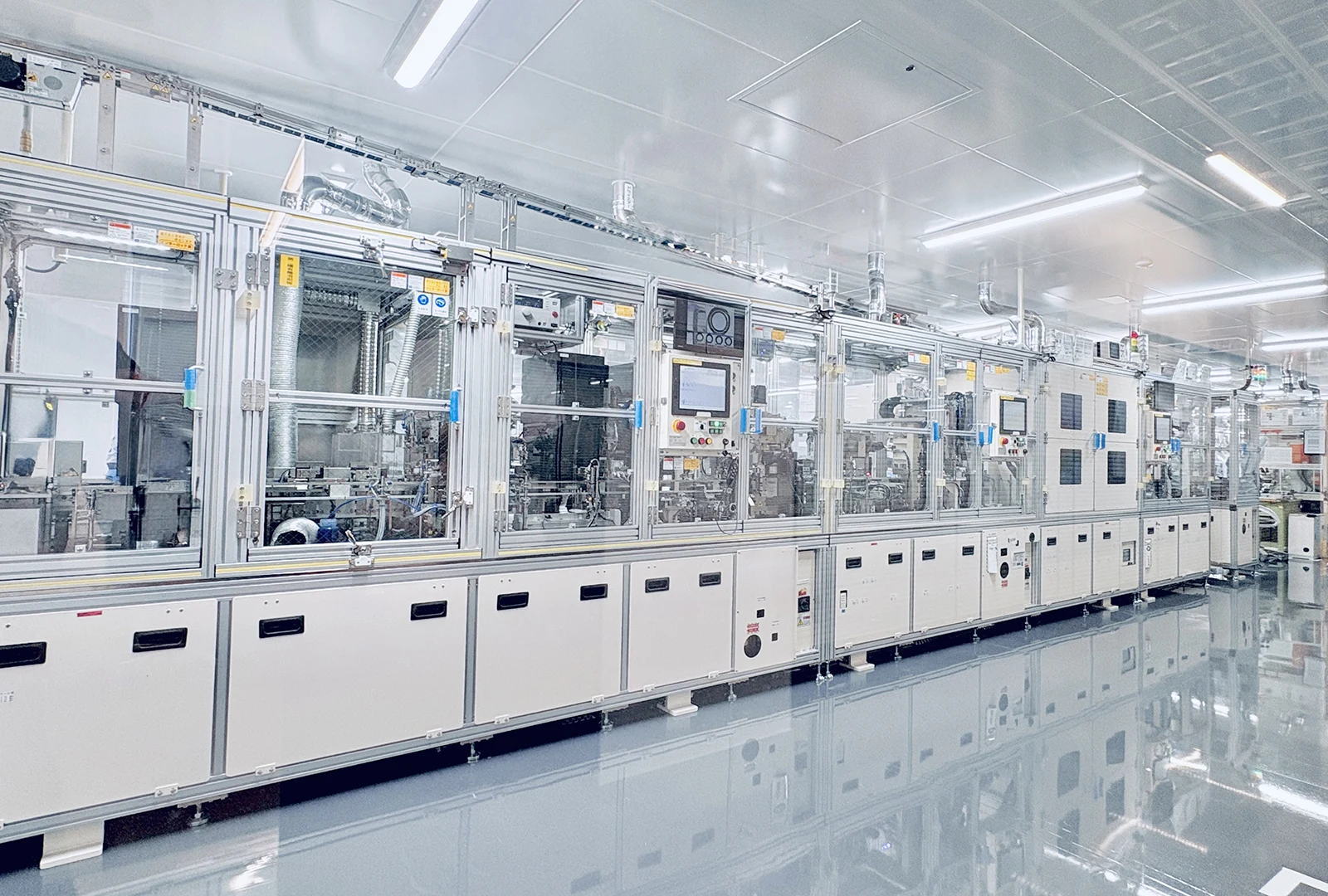
Panasonic Aims for Humanoid Robot Production by 2029, Emphasizing Battery Safety
Panasonic Holdings has announced its intention to develop humanoid robots, with production slated to begin by 2029, as stated by Chief AI Officer Akira Sakakibara. The company plans to target factory production lines and warehouses, although the project is still in its early stages. Research and development on necessary AI models and technologies has commenced, but specific achievements remain undisclosed. The significance of this initiative lies in Panasonic's focus on battery safety, which Sakakibara believes is crucial for overcoming barriers to the adoption of humanoid robots. He noted that Panasonic Energy's batteries have not been linked to serious fire incidents, positioning the company to potentially lead in safer humanoid robotics. Panasonic's existing components for humanoid robotics, such as power-management devices and sensors, provide a solid foundation for this new venture. Looking ahead, the next milestone to observe will be the unveiling of a robot design or a working demonstration that showcases the capabilities of the planned humanoids. No further timeline was disclosed at the time of publication.
Panasonic Japan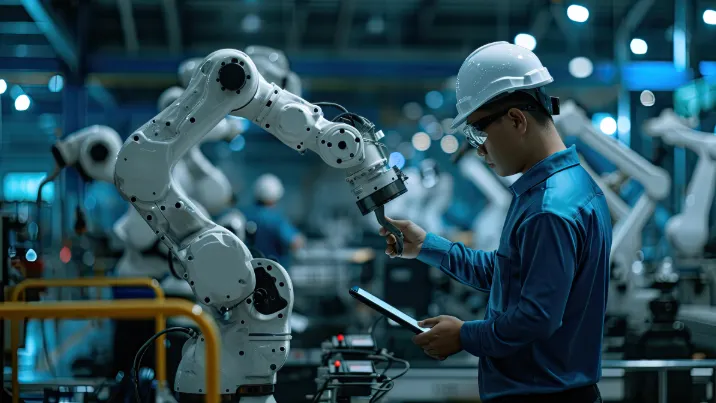
Manufacturers Face Challenges in Implementing AI on the Shop Floor
A recent report highlights that while 75% of manufacturers have integrated AI into their enterprise strategies, only 20% of these initiatives achieve their business goals. This gap underscores the need for better integration of AI with operational systems and human decision-making processes. The Infosys Manufacturing Tech Index: AI Pulse indicates that the success of AI in manufacturing is closely tied to the convergence of information technology (IT) and operational technology (OT). Effective AI applications require a cohesive operating view that combines data from various sources, including production telemetry, enterprise systems, and maintenance records. Looking ahead, manufacturers must focus on bridging the IT/OT divide to enhance AI's impact on production decisions. The integration of predictive maintenance, digital twins, and computer vision systems will be crucial for enabling real-time responses and improving operational efficiency. No further timeline was disclosed at the time of publication.

Hitachi Collaborates with Agile Robots to Advance Physical AI for Manufacturing Automation
Hitachi has entered into a partnership with Agile Robots to develop physical AI systems aimed at automating complex factory tasks that require human adaptability. This collaboration merges Hitachi's expertise in AI, manufacturing, and edge computing with Agile Robots' advanced robotics platform, including their humanoid robot and AI-driven software. The significance of this partnership lies in its potential to enhance manufacturing processes by enabling robots to recognize changing conditions and make autonomous decisions. This aligns with Hitachi's broader initiative to create an HMAX Industry ecosystem, which aims to promote more autonomous manufacturing solutions globally. Looking ahead, the partnership is expected to expand Agile Robots' applications in various sectors, including automotive manufacturing and healthcare. No further timeline was disclosed at the time of publication.
Business & Markets Humanoids Physical AI AI Germany humanoid robotics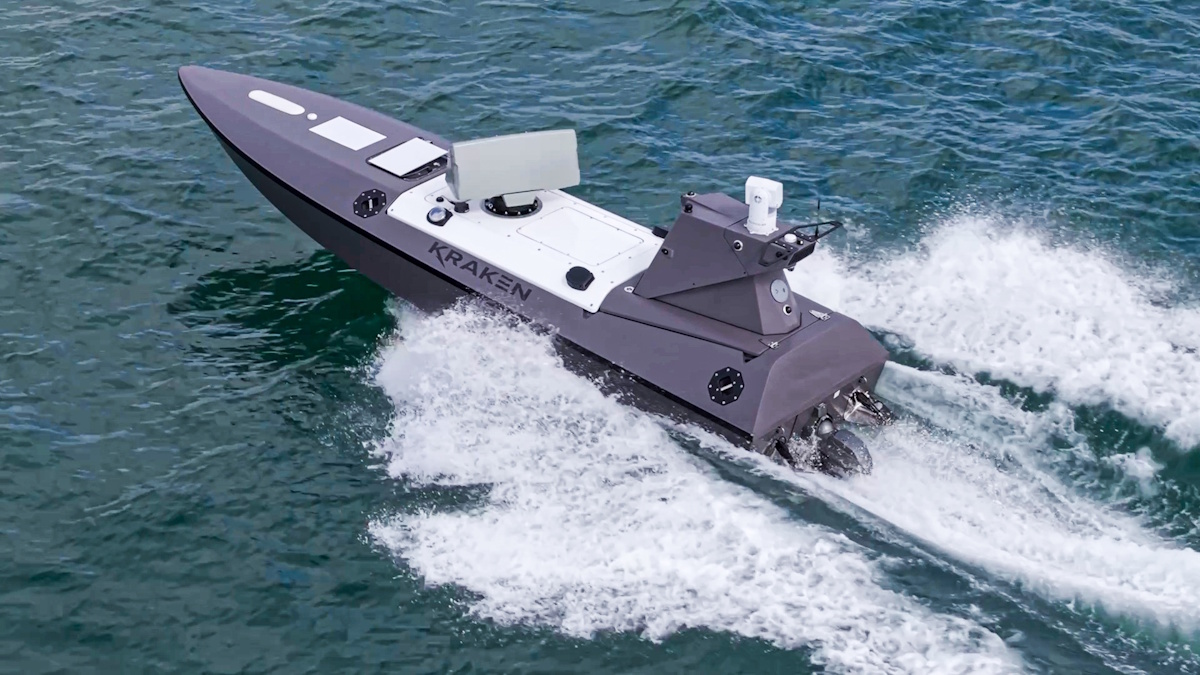
Saab UK and Kraken Develop Experimental Autonomous 'Drone Seeker' Vessel
Saab UK and Kraken have announced the development of an experimental autonomous 'drone seeker' vessel aimed at enhancing maritime security against aerial threats. This prototype integrates Saab's Giraffe 1X radar with Kraken's K3 Scout platform, creating a counter-UAS system that can operate independently or alongside traditional vessels. The collaboration is significant as it aligns with the UK Government's Defence Investment Plan, promoting a hybrid navy concept where autonomous vessels work in tandem with conventional assets. The Giraffe 1X radar is designed to detect and track airborne threats, providing early warnings of drone incursions, which is crucial for protecting shipping and critical infrastructure. Currently in the experimental phase, the prototype has undergone sea trials to assess its radar performance. The rapid development, completed in under seven months, showcases the capabilities of both companies to address evolving maritime security needs. No further timeline was disclosed at the time of publication.
saab uk kraken collaboration autonomous ‘drone seeker’ vessel
RobotToday Weekly September 28 – October 2, 2026
AMD buys World Labs for $8.2 billion, Tesla lines up $30 billion in credit, Boston Dynamics reveals a new Atlas hand, Figure melts its F.02 fleet, and IDC counts 25,000 humanoids shipped in H1.

IROS 2026 Closing Briefing — Pittsburgh, Sep 27–Oct 1
IROS 2026 closes in Pittsburgh with 1,900+ papers and 186 exhibitor listings. Humanoids, dexterous hands, tactile sensing and robot data led the show.
PTC Onshape at IMTS 2026: AI That Writes Its Own CAD Tools
PTC's Darren Henry shows Onshape's FeatureScript MCP Server turning a supplier PDF into a parametric CAD tool in 34 minutes, and what it means for robots.

RobotToday Weekly September 21 – 25, 2026
Cognex buys RealSense, Qualcomm acquires PickNik, the IFR counts 5 million factory robots, AGIBOT deploys 300 robots at Chimelong, and Tekever raises $580 million.

RobotToday Weekly September 14 – 18, 2026
Toyota weighs 400,000 factory robots, SoftBank buys Hyundai's Robotics and AI Institute, Agility unveils Digit 5, Figure's Helix 2.5 generalises to 30 homes, and August robotics funding hits $4.87 billion.

SimScale Engineering AI Moves Physics Simulation to the Exact Moment a Design Decision Gets Made, Inside Onshape
SimScale’s Engineering AI Agent runs CFD, thermal, EMag and FEA from one prompt inside PTC’s Onshape, starting from CAD that isn’t simulation-ready.

ROBOTTODAY Weekly July 27 – 31, 2026
Your weekly robotics briefing: the US bans imports of Chinese humanoid robots, Google DeepMind unveils Gemini Robotics 2, Unitree pushes toward its Shanghai IPO, and Amazon's Zoox wins approval for paid robotaxi rides.

FUTURE WARFARE | The Autonomy Spectrum
How modern weapons shattered the concept of human control — from kill-switch confirmation to AI systems that select targets independently.
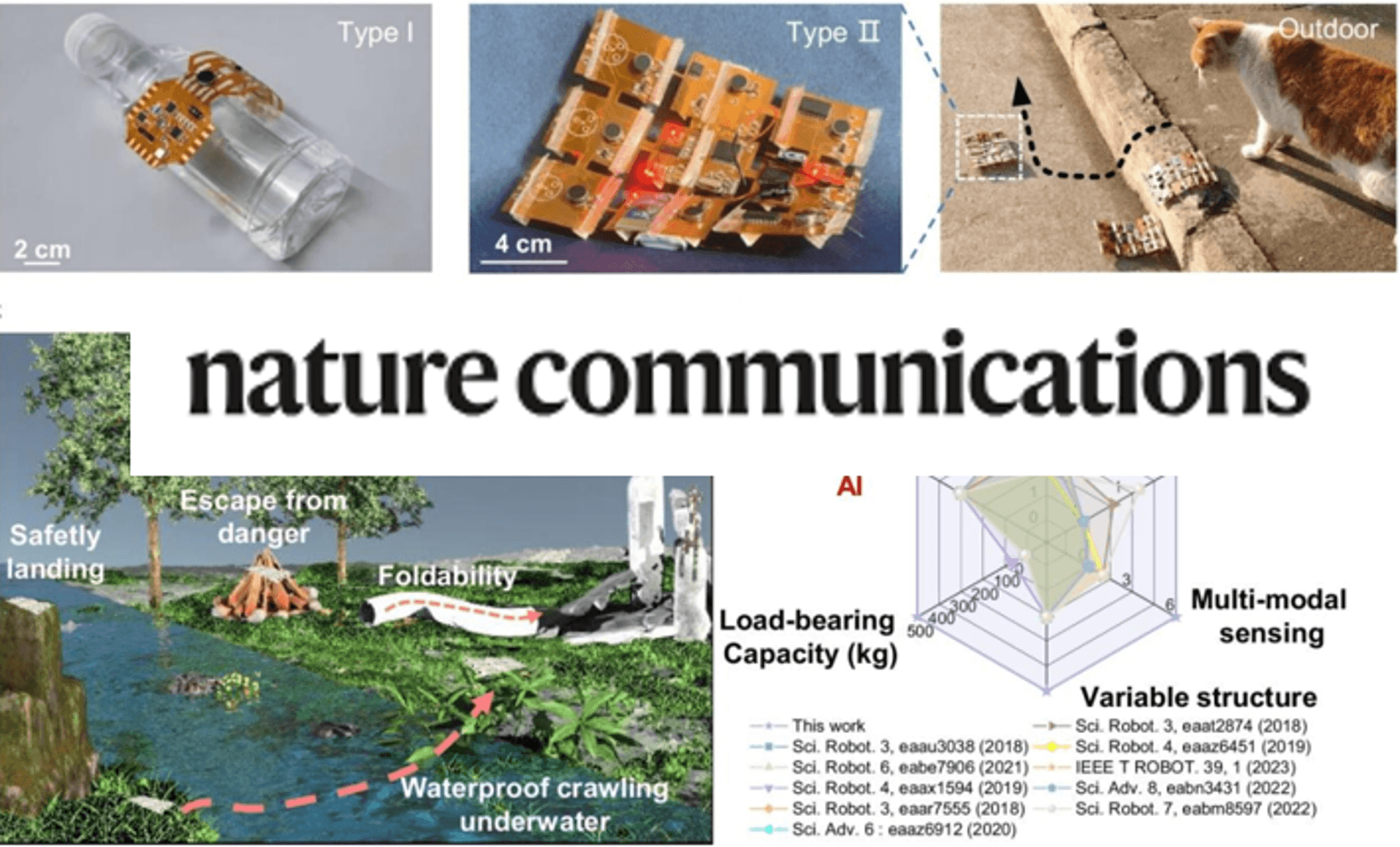
AI-Embodied Flexible Electronic Robots Break New Ground in Miniature Autonomy
Explore how AI-embodied flexible electronic robots (FEBots) fuse sensing, actuation, and self-learning into tiny, autonomous soft machines that navigate complex environments with insect-like agility, pointing to future applications in search-and-rescue, inspection, and medical micro-robotics.

