


Luminous Robotics
Boston-based robotics startup building LUMI, a tracked robot that installs 80 lb solar panels 3.5x faster than manual labor at utility-scale solar farms.
Contact Luminous Robotics
WEBSITE
https://www.luminousrobotics.comHEADQUARTERS
United States

Company Facts
Founded
2023
Primary Role
Manufacturer
Company Size
-
Primary Region
North America
Annual Sales
-
Funding Stage
-
Funding Total
-
Skild AI Achieves $100 Million in Annual Recurring Revenue Within 10 Months
Skild AI has announced that it has exceeded $100 million in annual recurring revenue just 10 months after initiating commercial deployments of its robotics AI technology. The company serves over 60 paying customers across various applications, including material movement, deliveries, and site inspections, with 90 percent of its revenue stemming from robotic manipulation applications. This milestone is significant as it highlights Skild AI's focus on real-world deployment rather than mere demonstrations of robotics technology. The company has generated $50 million in revenue since its deployments began, showcasing the demand for its solutions in diverse sectors such as food preparation and warehousing. Looking ahead, Skild AI is collaborating with Nvidia and Foxconn to implement its Skild Brain technology for high-precision assembly tasks. Additionally, the company aims to deploy its S1 robotics model at Sumitomo Wiring Systems and pilot S1-powered robots in commercial kitchens with Mitsui & Co, which serves 1.4 million meals daily in Japan. No further timeline was disclosed at the time of publication.
Artificial Intelligence Computing News embodied ai foxconn industrial automation
GMO Introduces Japan's First Dedicated Ambulance for Humanoid Robots
GMO AIR has launched Japan's first ambulance specifically designed for humanoid robots. This vehicle addresses the challenge of diagnosing and repairing robots that may malfunction in unpredictable locations, minimizing downtime and operational losses. It is equipped with a professional humanoid robot engineer, diagnostic tools, and spare components, allowing for on-site repairs or transportation to specialized repair centers. The introduction of this ambulance is significant as it marks a transition from trial deployments of humanoid robots to large-scale operations. In environments with multiple robots, any downtime can disrupt overall operations, making after-sales and maintenance capabilities critical factors in procurement decisions. GMO AIR's understanding of downtime costs is more direct than that of traditional robot manufacturers, as they provide robot leasing and operational services. Looking ahead, the effectiveness of this service will depend on its coverage density. If one ambulance can service dozens of robots within a city efficiently, it will enhance operational reliability. However, if robots are spread across multiple cities, the costs of mobile maintenance may increase. The concentration of robot deployments will play a crucial role in the economic viability of this service model.
Humanoid Robots Mobile Repair Solutions Robot Maintenance Automation Services
Figure Launches Helix 2.5: Robots Perform Household Tasks in Unfamiliar Environments
Figure has introduced the Helix 2.5 model, enabling robots to autonomously handle household chores. The company rented 30 homes in the San Francisco Bay Area, where the robots began tidying up without any additional training upon arrival. The Helix 2.5 aims to explore whether humanoid robots can enter an unfamiliar home and immediately start working independently. This development is significant as it addresses the challenge of zero-shot generalization, where robots operate in new environments without prior data collection or mapping. Traditionally, robots required extensive preparation to adapt to new settings. However, Helix 2.5's design allows for minimal adjustments to a universal base model, demonstrating improved performance in unfamiliar households. Moving forward, it will be important to monitor whether the 56% success rate in task completion remains consistent over extended periods in real homes and if other household tasks can be generalized in a similar manner beyond the three tested behaviors.
Household Robots AI Robotics Autonomous Systems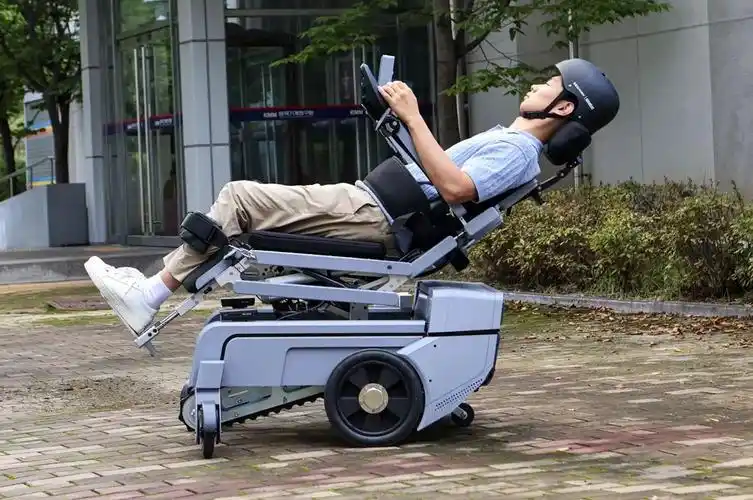
Xingcan Intelligent Secures Funding for Innovative Wheelchair Robot XcanMateX
Xingcan Intelligent has successfully completed four rounds of funding within a year, focusing on the development of its wheelchair robot, XcanMateX. This rapid funding pace is notable in the hard tech startup sector. The company aims to build a robust mass production team and a clear industrial logic, leveraging its core team’s extensive experience in autonomous driving and robotics. The significance of Xingcan Intelligent's approach lies in its focus on hardware-centric supply chain systems from the outset, contrasting with many companies that prioritize financial investment first. By collaborating with industry capital, the company can develop products at mass production prices and quality standards, thereby minimizing production risks and reducing costs. The XcanMateX is designed to transform traditional wheelchairs into smart mobility companions, featuring advanced navigation and interaction capabilities. Looking ahead, Xingcan Intelligent plans to expand its market presence in Europe, targeting the aging population's needs for smart mobility solutions. The company is also preparing for its Pre-A round of funding, aiming to raise between 50 million to 60 million RMB. The effectiveness of its deployments in hospitals and care institutions will be crucial in determining its success in addressing the mobility and social needs of the elderly.
Wheelchair Robots Healthcare Technology Aging Population Solutions Autonomous Navigation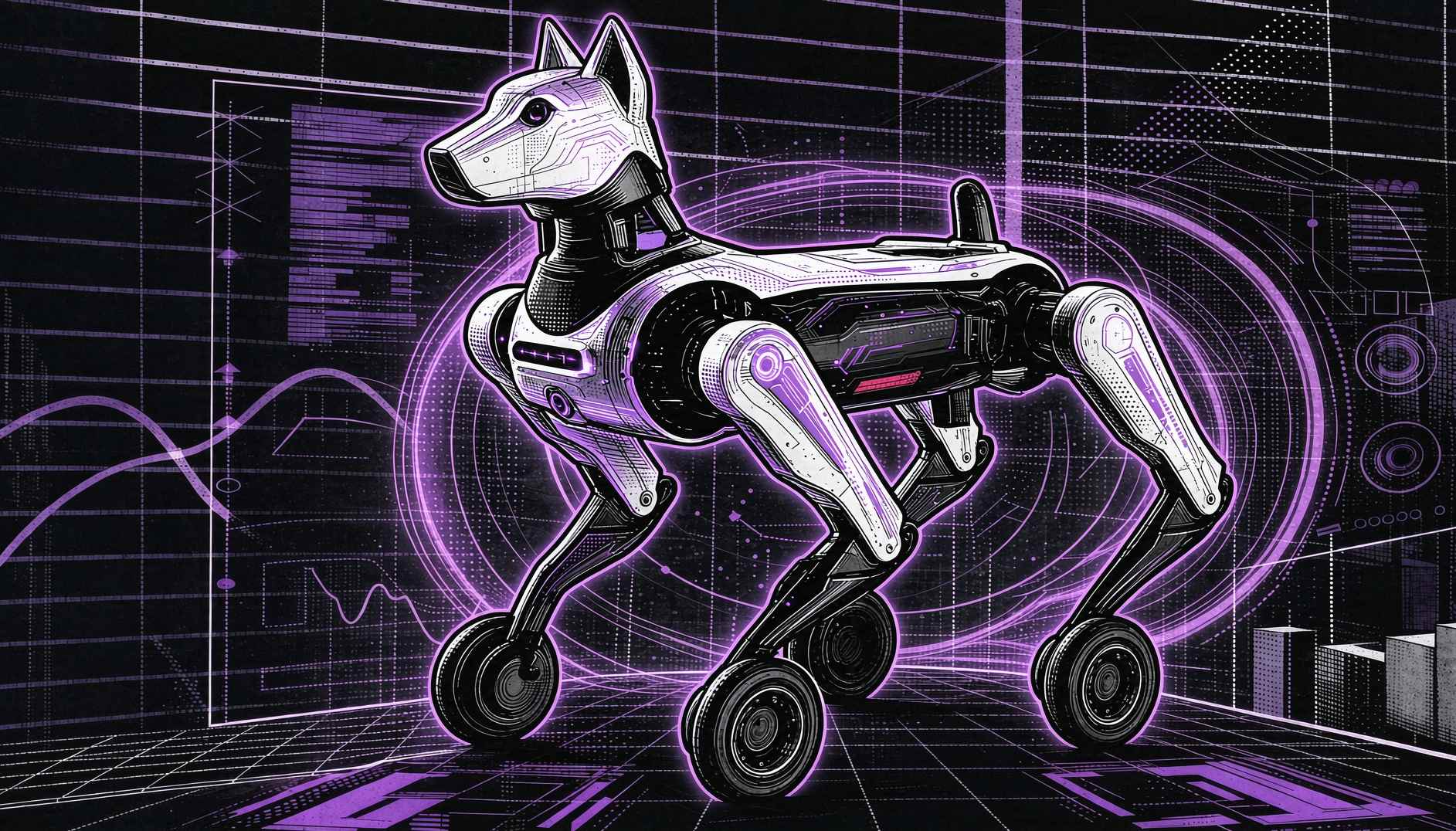
Brain-Controlled Prosthetics and Guide Robots Showcased at 2026 Beijing Welfare Expo
At the 2026 China International Welfare Expo, brain-controlled prosthetics and guide robots were unveiled, showcasing advanced assistive technologies. The event featured over 10,000 products aimed at improving the daily lives of disabled individuals and the elderly, with a dedicated section for brain-machine interface technologies. The introduction of brain-controlled rehabilitation devices, such as the robotic hand developed by Yanshan University and Yuan Brain Qilian, marks a significant advancement in assistive technology. These devices, weighing approximately 500 grams, are currently undergoing clinical testing and show superior training outcomes compared to traditional therapies. Looking ahead, the expo highlighted the potential for smart guide dogs, with companies like Beijing Cyberwan and Chengdu Chuqian Technology planning to deliver thousands of units by the end of the year. However, challenges remain in ensuring these technologies can adapt to various environments and meet the emotional needs of users. No further timeline was disclosed at the time of publication.
Brain-Computer Interface Prosthetics Assistive Technology Guide Robots Disability Support
AthenaZero: A Bimanual Robot Designed for Dynamic Manipulation with Low Inertia
AthenaZero, a bimanual robot, has been developed for dynamic manipulation tasks, showcasing low inertia capabilities. This innovation aims to enhance the efficiency and precision of robotic operations in various applications. The significance of AthenaZero lies in its ability to perform complex tasks that require quick and precise movements, which are essential in fields such as manufacturing and logistics. By minimizing inertia, the robot can respond rapidly to changes in its environment, making it a valuable asset in dynamic settings. Looking ahead, the robotics community will be keen to observe the practical applications of AthenaZero in real-world scenarios. Its performance in various environments and tasks will be critical in determining its impact on the future of robotic manipulation. No further timeline was disclosed at the time of publication.
Research Article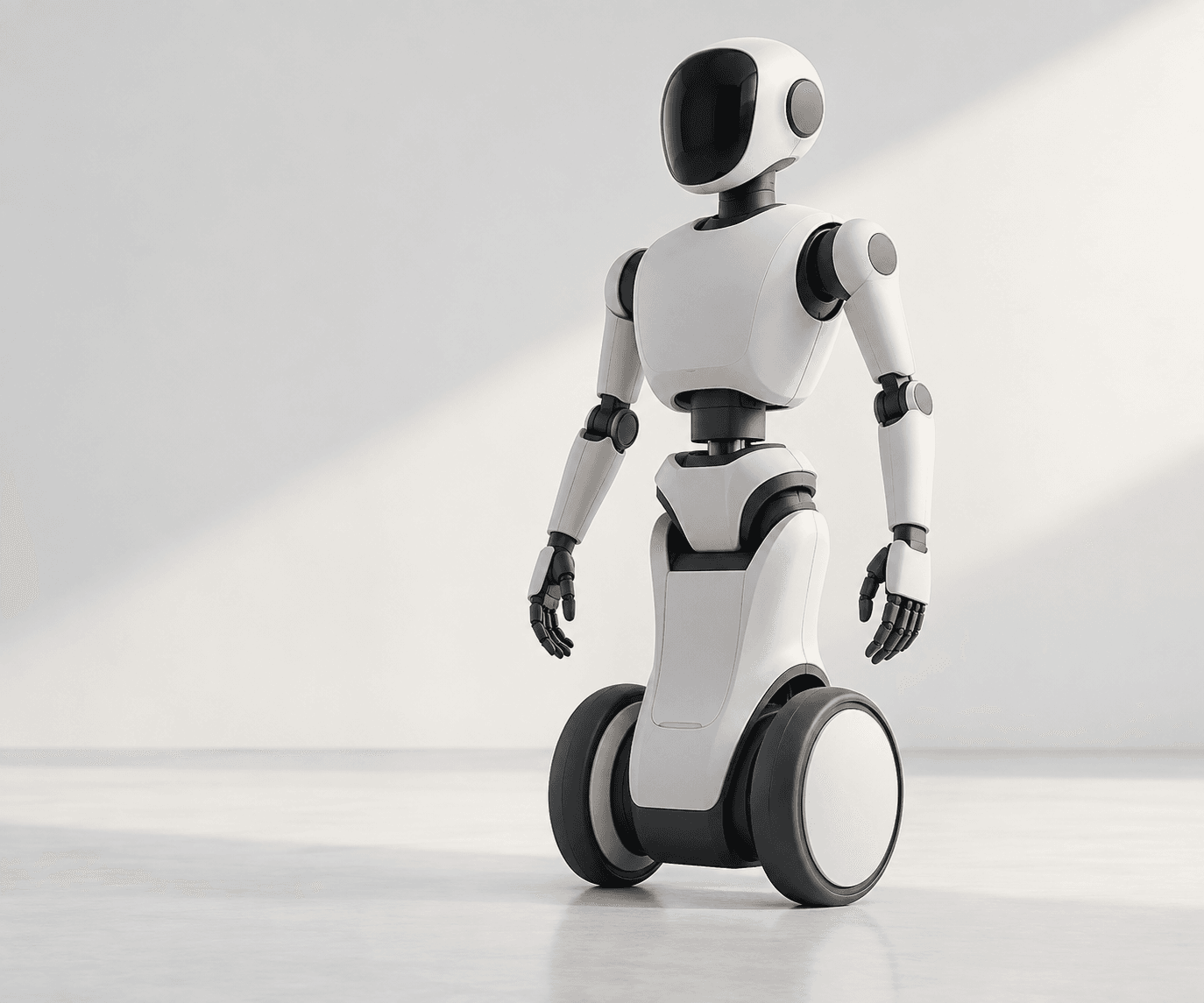
Blueworm Embodied Unveils Mantis Standard Modular Wheeled Humanoid Priced from RMB 9,800
Blueworm Embodied has launched the Mantis Standard, a modular wheeled humanoid robot priced starting at RMB 9,800. This innovative robot features 22 degrees of freedom and a single-arm payload capacity of 7 kg, enhancing its versatility in various applications. The introduction of the Mantis Standard is significant as it combines advanced capabilities with affordability, making humanoid robotics more accessible. With an omnidirectional chassis that can reach speeds of 3 m/s and teleoperation latency under 10 ms, this robot is designed for efficient operation in dynamic environments. Looking ahead, the Mantis Standard's modular design may pave the way for further developments in humanoid robotics. As the market for such technologies grows, industry professionals will be keen to observe how this product influences the competitive landscape and adoption rates in various sectors. No further timeline was disclosed at the time of publication.
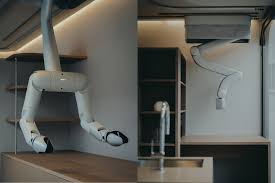
Tokyo's MW Develops Ceiling-Mounted Robotic Arms for Home Automation Instead of Humanoids
Tokyo-based MW is innovating in home automation by integrating robotic arms into residential ceilings, diverging from the trend of humanoid robots. The company aims to debut its MW bot by 2028 and produce 10,000 robotic homes annually by 2035, potentially capturing 5% of Japan's new housing market. This approach addresses the challenges of compact Japanese homes, where traditional bipedal robots struggle with space and safety. MW's ceiling-mounted robotic arms are designed to handle everyday tasks like sorting groceries and folding laundry, as demonstrated in a recent showcase in Tokyo's Toyosu waterfront area. MW's business model is unique, controlling the entire process from land acquisition to AI development. With 3 billion yen in seed funding and plans for international expansion by 2029, the company is focused on high-end real estate, with the success of its technology dependent on reducing costs for broader market adoption. No further timeline was disclosed at the time of publication.
Home Automation Robotic Arms Smart Homes AI Technology
Digital Huaxia's Chen Junmin Outlines Robotics Development Focus for 2024 to 2026
Digital Huaxia co-founder Chen Junmin has outlined a strategic focus for robotics development over the next three years. In 2024, the emphasis will be on enhancing leg mobility, followed by hand functionality in 2025, and cognitive capabilities in 2026. This phased approach aims to ensure that robots can effectively operate in real-world environments such as hospitals and banks. The significance of this strategy lies in addressing the challenges of deploying robots in practical scenarios. While robots have improved in movement and manipulation, achieving stability and reliability in public spaces remains a hurdle. Chen emphasizes the need for a balance between advanced technology and practical application, particularly in environments requiring prolonged mobility and autonomous operation. Looking ahead, the industry must focus on overcoming barriers to commercialization, including reliability, cost reduction, and the ability to operate effectively in real-world settings. Chen notes that while the industry is exploring various applications, the true test will be whether the value created by robots can justify their costs, a question that remains largely unanswered at this stage.
Humanoid Robots Robotics Integration AI Technology Service Robots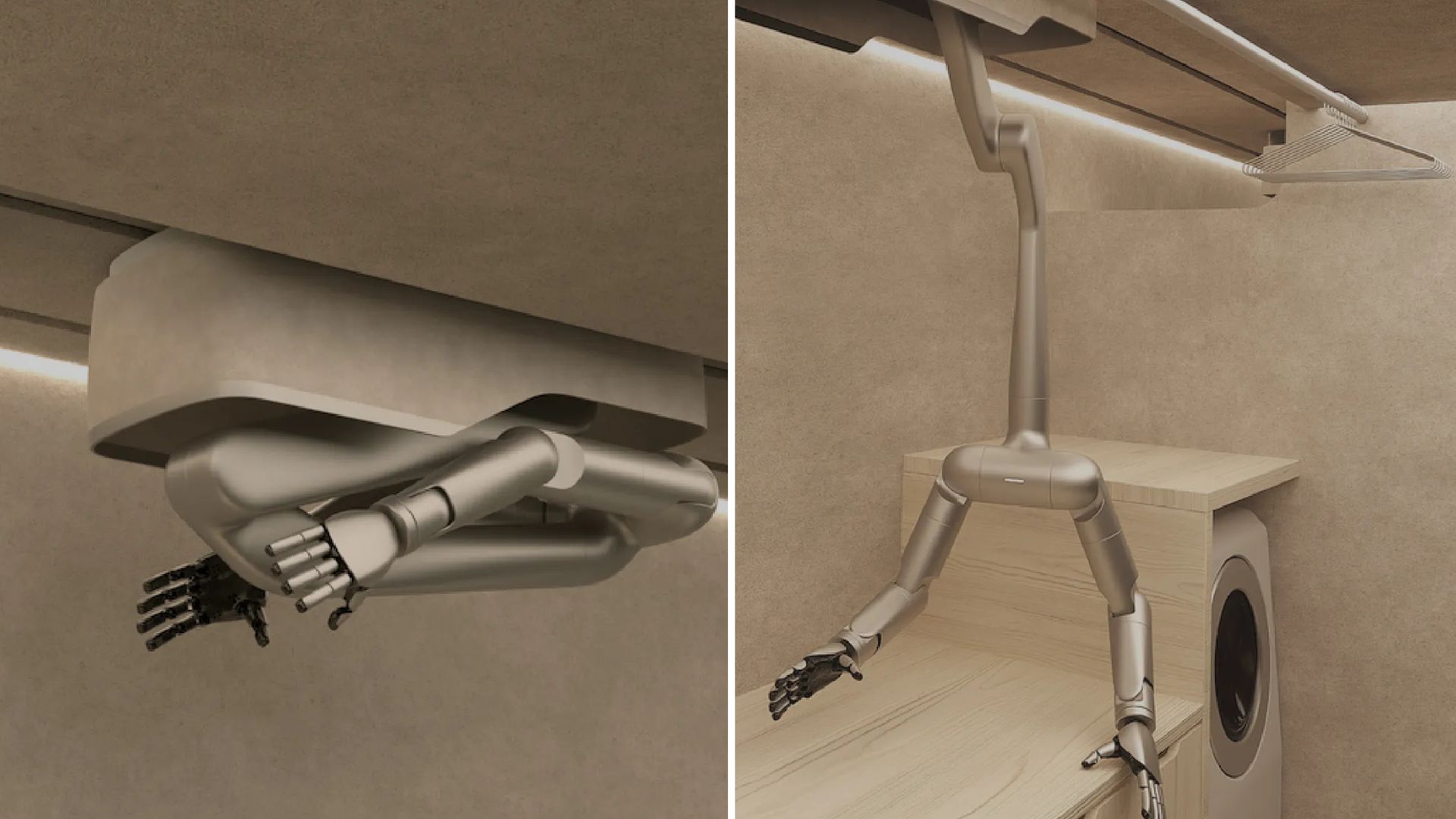
MW Develops Robotic Arm-Equipped Homes to Automate Household Chores by 2028
Tokyo-based startup MW is innovating residential living by creating homes with integrated ceiling-mounted robotic arms designed to automate household chores. This approach offers an alternative to traditional bipedal humanoid robots, focusing on custom architecture, the MW bot, and MW Intelligence software. MW aims to debut these automated homes in Tokyo by 2028, with plans to scale production to 10,000 units annually by 2035. The significance of MW's initiative lies in its potential to transform the Japanese housing market, targeting a five percent share of new home construction. The company has already completed its first generation of the MW bot and received over 1,000 applications for its homes. The design addresses the limitations of bipedal robots in compact living spaces, opting for wall- and ceiling-mounted systems that can perform tasks like grocery handling and laundry folding. Looking ahead, MW's strategy includes selling its first fully functional robot-equipped home by 2028, with a focus on high-end real estate. The startup has secured ¥3 billion in seed funding and is pursuing a ¥10 billion Series A round, positioning itself as a comprehensive provider of automated housing solutions, from land acquisition to robot development.
AI and Robotics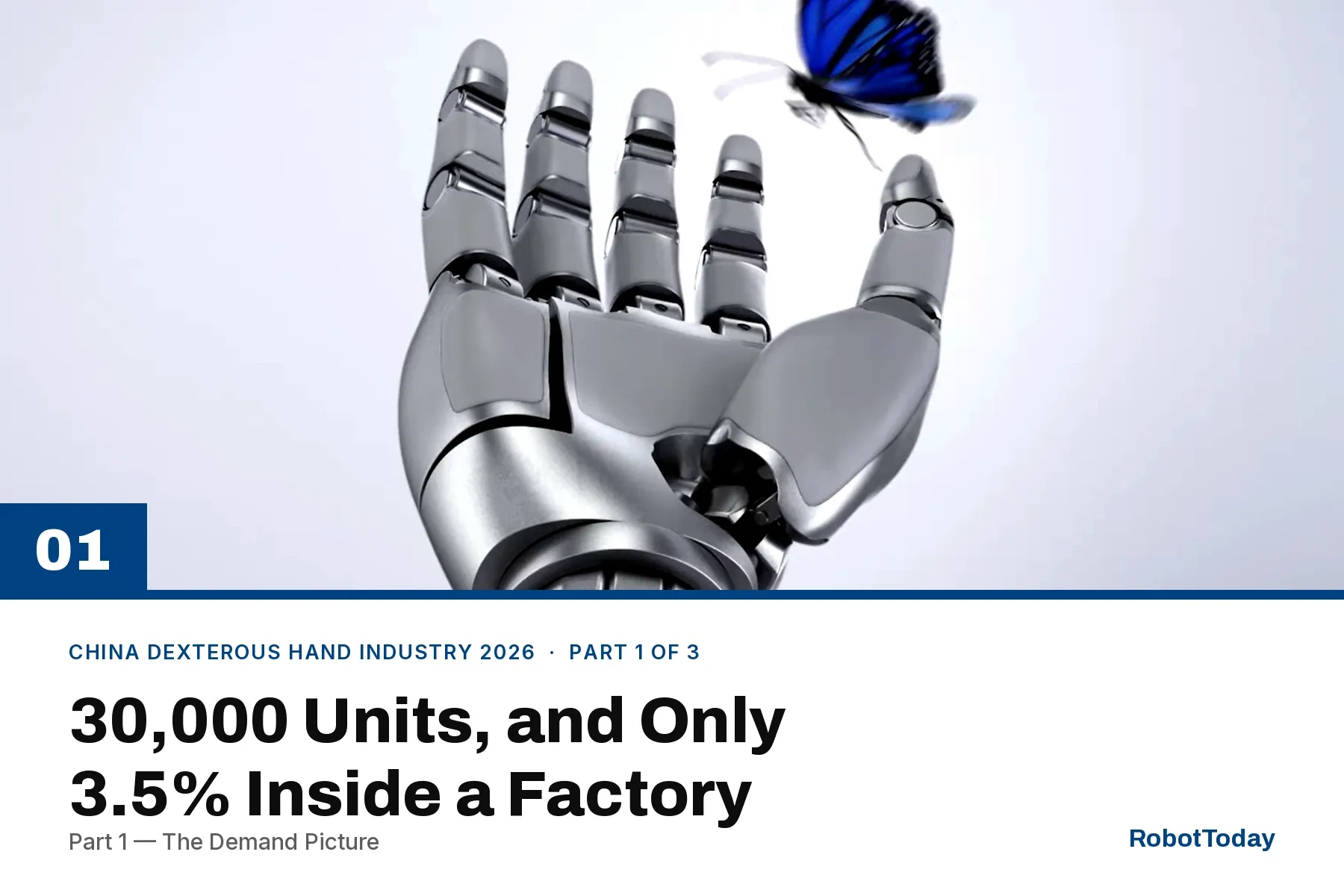
China’s Dexterous Hand Industry, 2026 Part 1 — The Demand Picture
MIR Databank puts China dexterous hand shipments above 30,000 units in 2026, yet only 3.5% of 2025 demand came from factory production. Part 1 of 3.
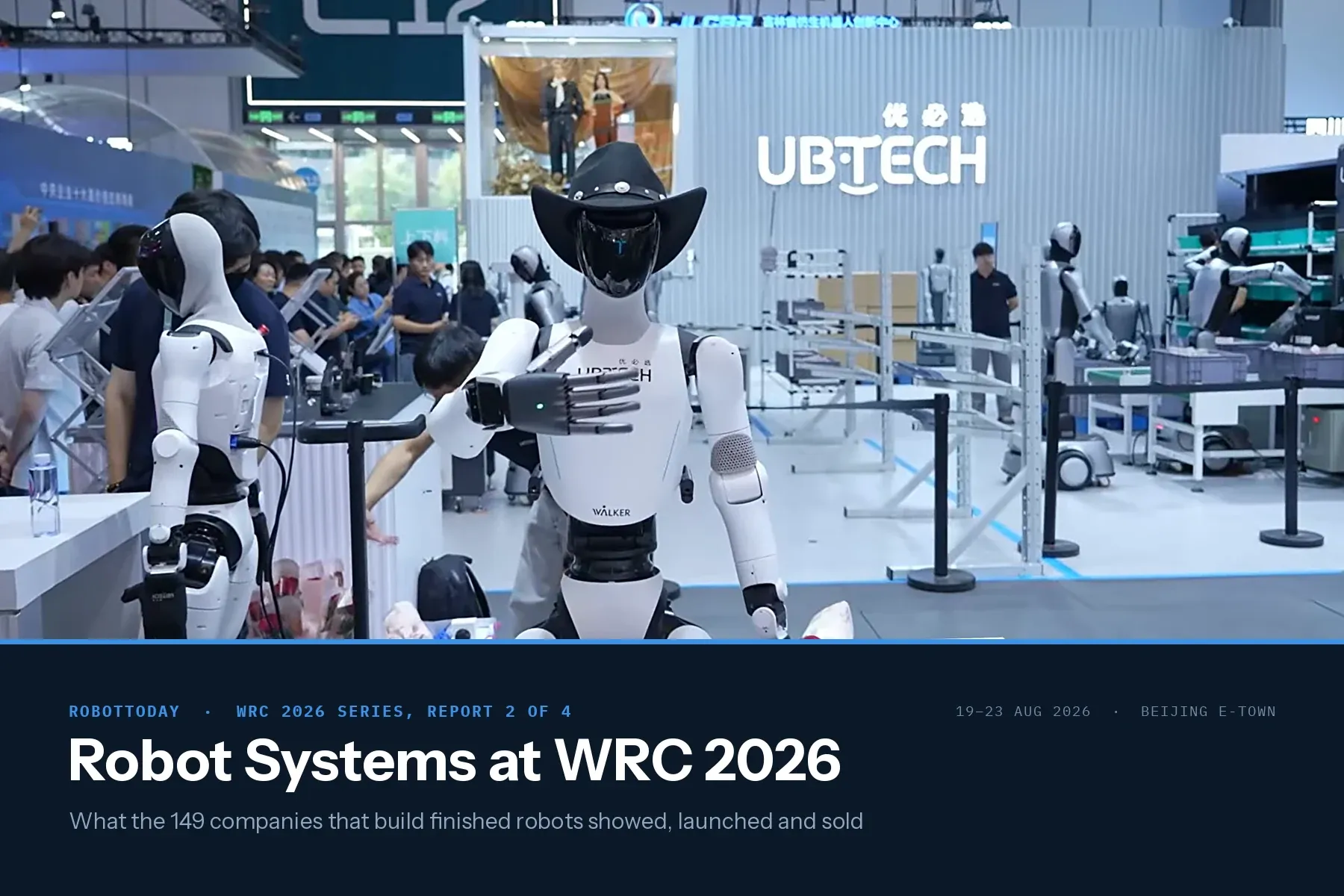
WRC 2026 Robot Systems: 149 Companies That Build Robots
149 of the 248 classified WRC 2026 exhibitors build finished robots. 93 build humanoid or legged machines. The audited humanoid sales number is one unit.

Planning Algorithms Steven M. LaValle — RSF Specialist Shelf · Book S4 of 6
The reference that treats planning as a subject in its own right: configuration space, sampling-based methods, RRT. Free online, dual difficulty 4/5-2/5.
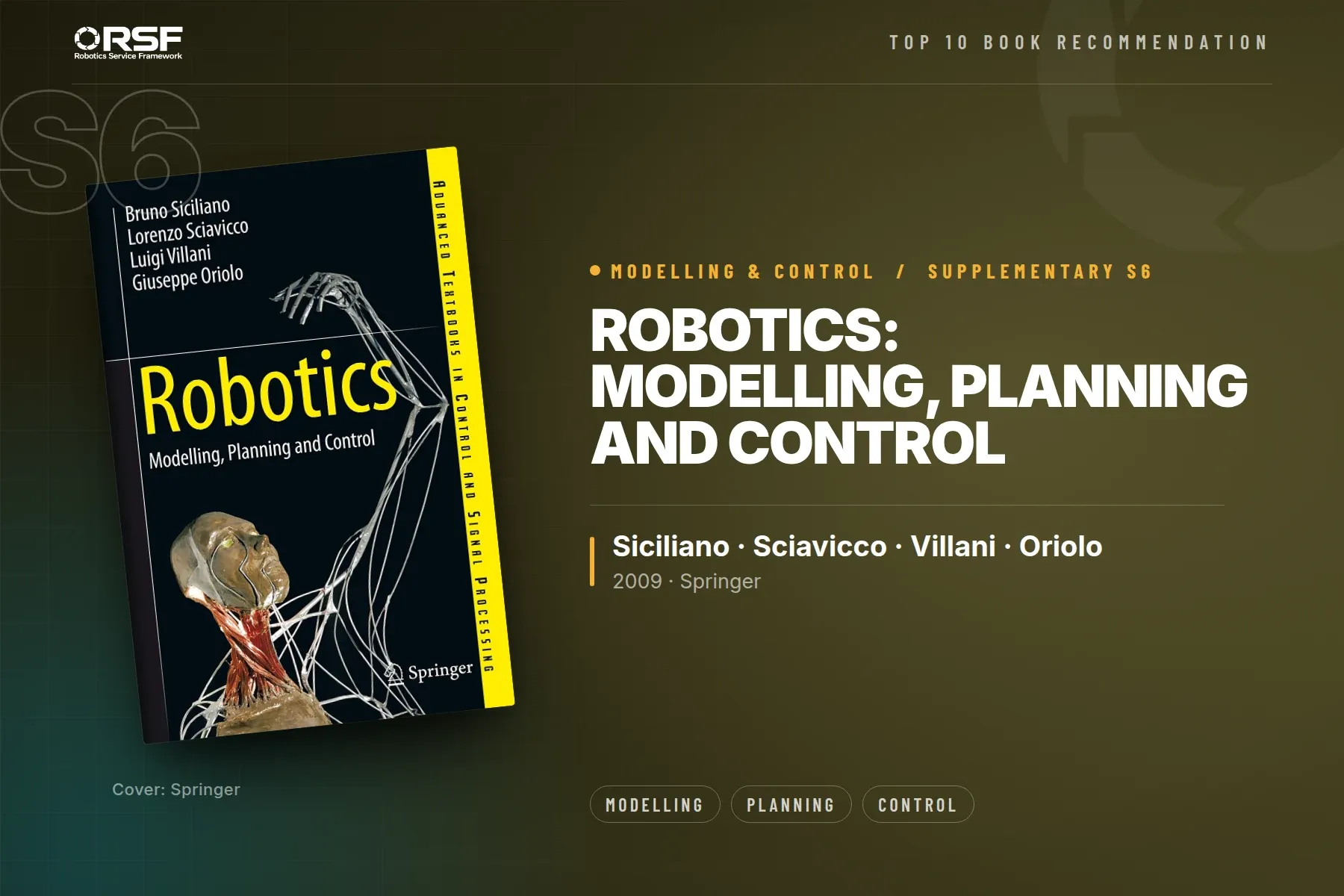
Robotics: Modelling, Planning and Control Siciliano, Sciavicco, Villani & Oriolo — RSF Specialist Shelf · Book S6 of 6
Siciliano's single-narrative counterpart to the Springer Handbook: kinematics through force control and visual servoing in one consistent notation. 4/5.
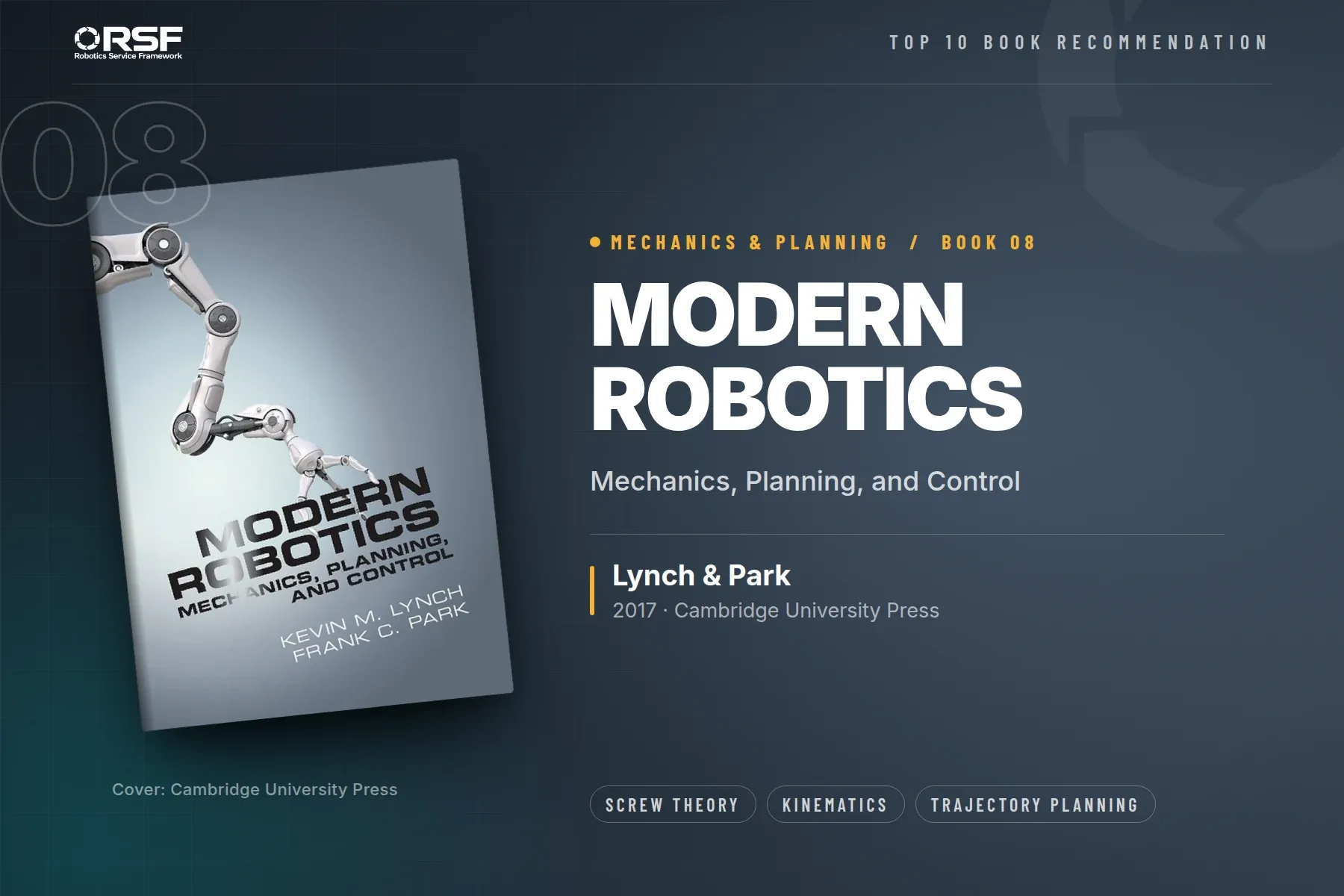
Modern Robotics K. M. Lynch & F. C. Park — RSF Top 10 Robot Education Textbooks · No. 8
The book the field agreed to make free: full preprint PDF, video lectures and open code from the authors. Screw theory and kinematics, taught rigorously.
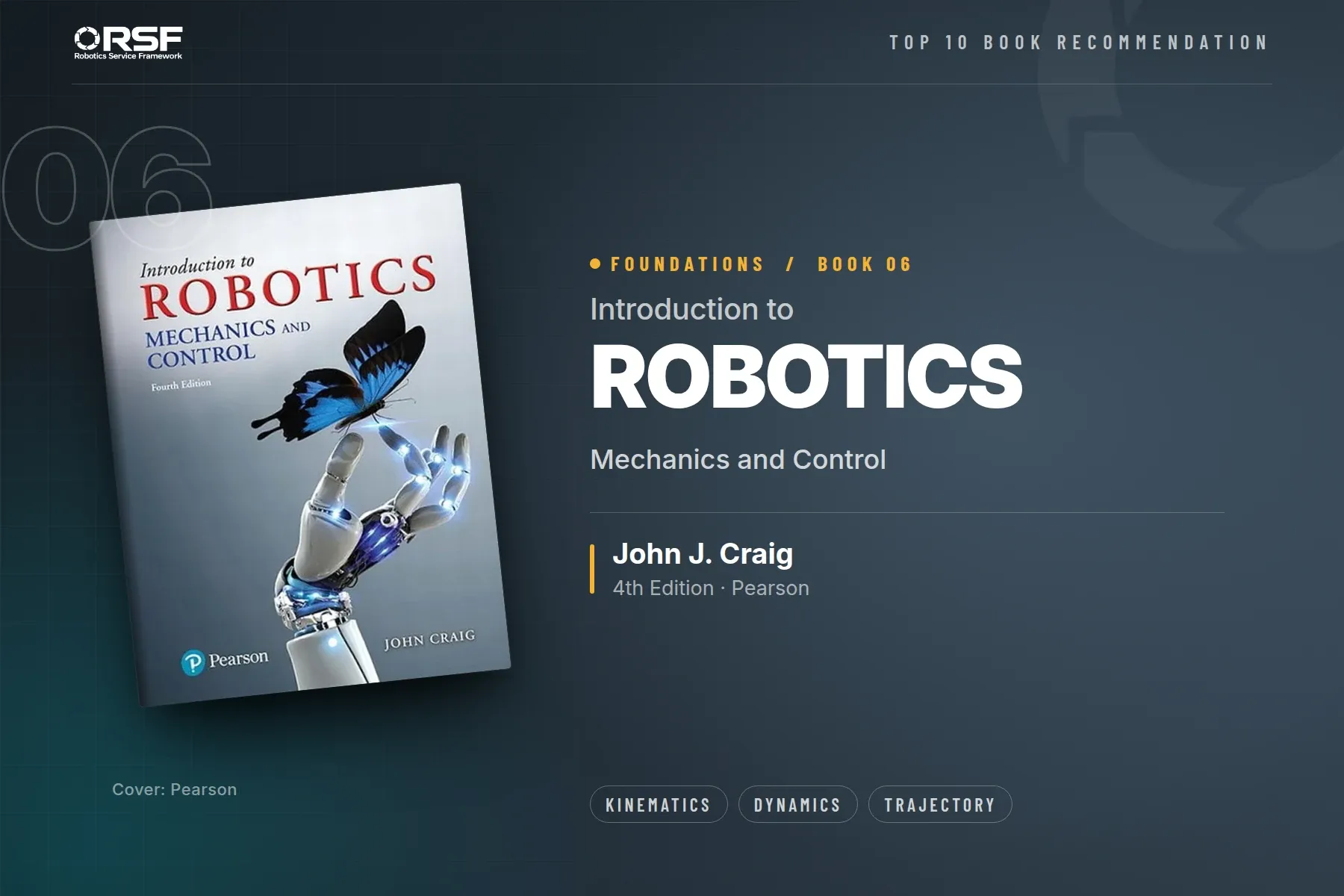
Introduction to Robotics J. J. Craig — RSF Top 10 Robot Education Textbooks · No. 6
Six of ten benchmark universities teach kinematics from Craig. Frames, transforms and D-H parameters: the language vendor manuals already speak.
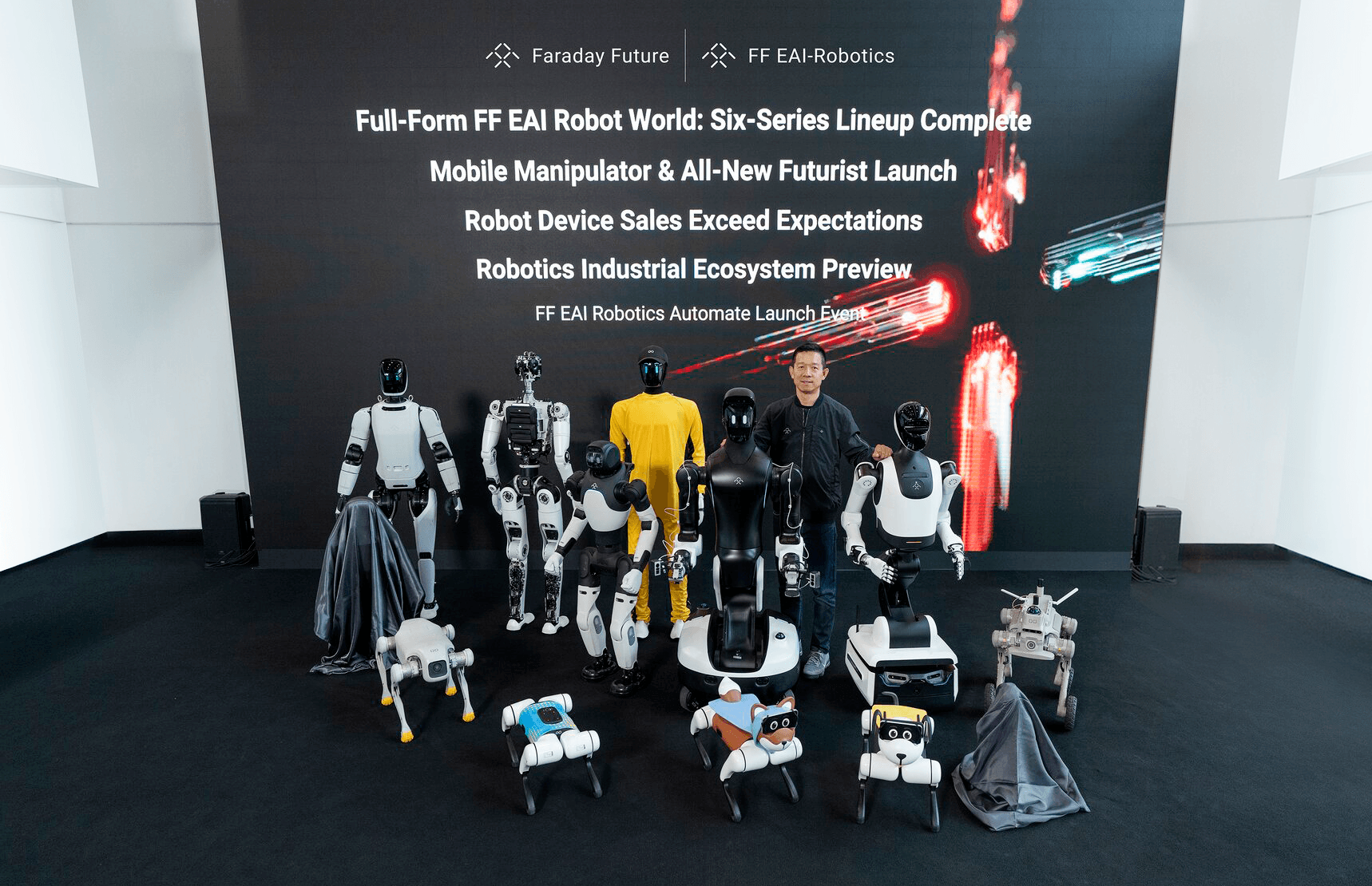
Faraday Future Completes Six-Series EAI Robot Lineup, Launches Faber Mobile Manipulator
Faraday Future unveils its full six-series EAI Robot World portfolio at Automate 2026, featuring the $89,900 All-New Futurist humanoid and the commercial release of the Faber mobile manipulator.

ROBOTTODAY Weekly June 23 – 27, 2026
This week in robotics: Agility Robotics $2.5B SPAC deal for first humanoid IPO, BMW Figure 03 logistics deployment, Morgan Stanley doubles China humanoid forecast, ON Semiconductor acquires Synaptics for $7B, Sony halts aibo in Japan. June 23–27, 2026.

ROBOTTODAY Weekly May 18 – 22, 2026
This week in robotics: Hyundai plans 25,000 Atlas robots for its factories, XPENG rolls off China’s first mass-produced L4 robotaxi, Singapore launches its first multi-operator physical AI testbed, and Kawasaki Heavy opens a Silicon Valley physical AI center with NVIDIA. May 18–22, 2026.
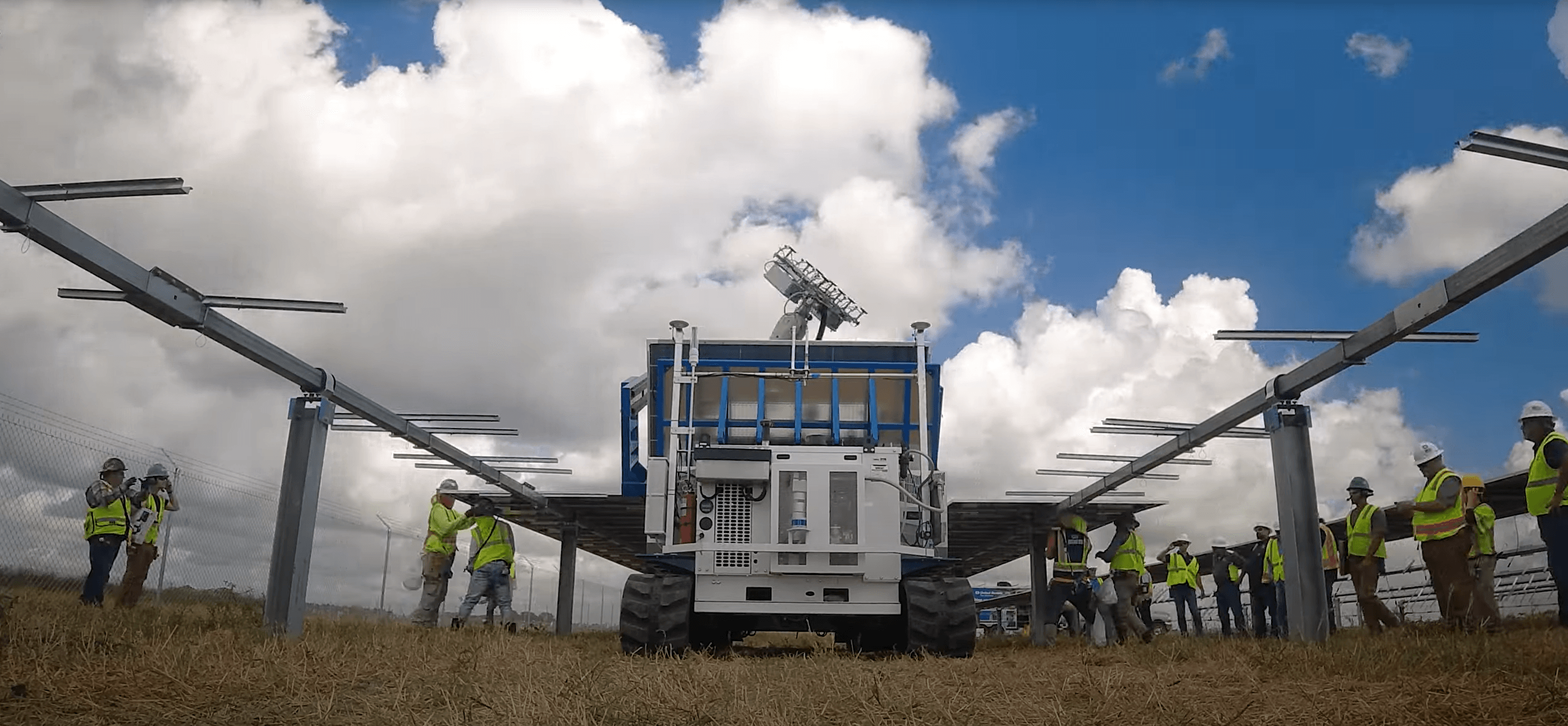
Solar Installation Robots Reach Infrastructure Scale in 2025
Solar installation robots are scaling from pilots to infrastructure-grade automation in 2025, reshaping EPC productivity, labor economics, and utility-scale PV construction.


