


Lenze SE
German maker of servo drives, motors, gearboxes, and automation software founded 1947, serving robotics, packaging, automotive, and material handling markets.
Contact Lenze SE
WEBSITE
https://www.lenze.comPHONE
+49 5154 82-0HEADQUARTERS
Germany

Company Facts
Founded
1947
Primary Role
Component Supplier
Company Size
-
Primary Region
Europe
Annual Sales
-
Funding Stage
-
Funding Total
-
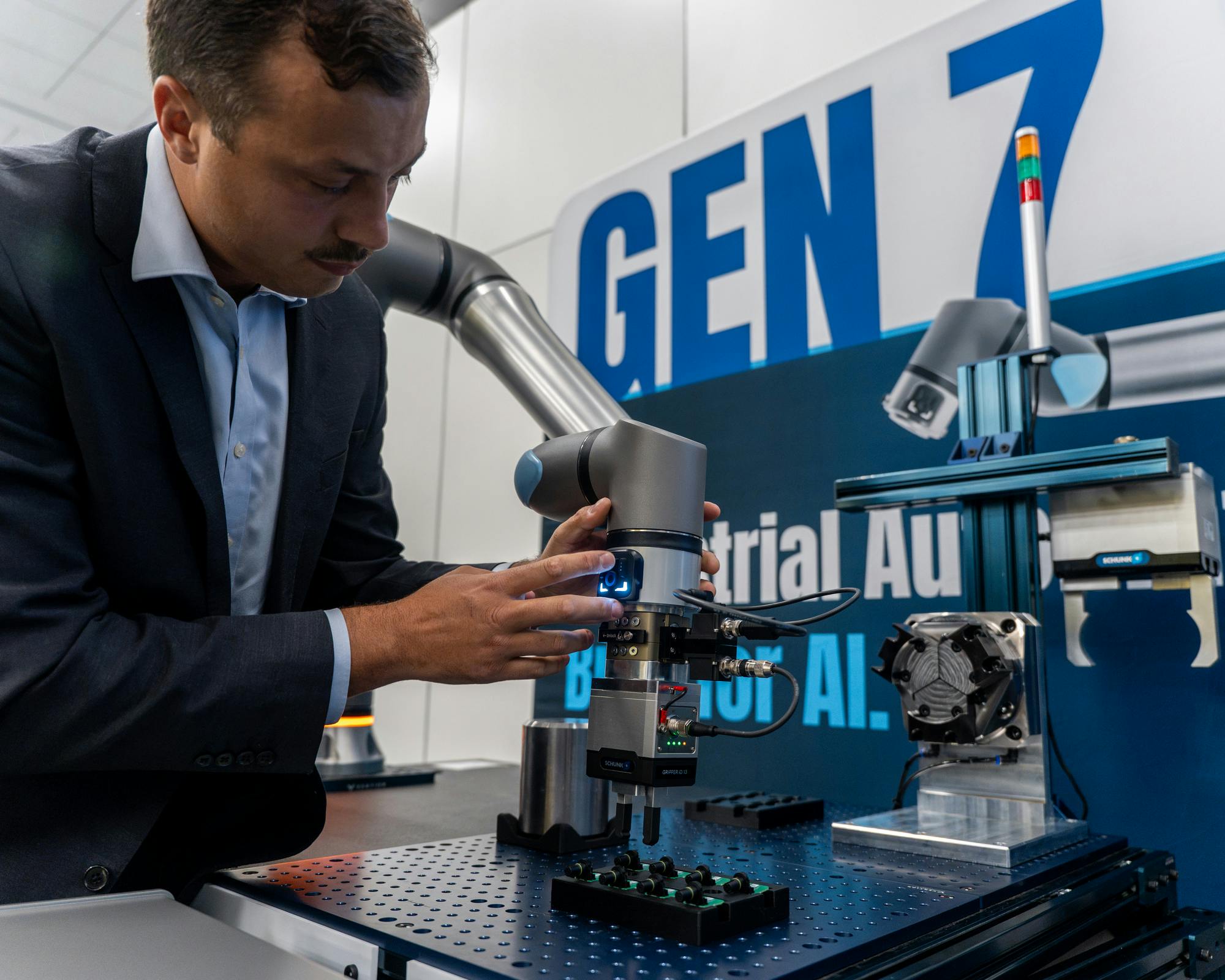
Universal Robots Launches Gen 7 Robotics Platform at IMTS 2026 in Chicago
Universal Robots unveiled its seventh-generation robotics platform, Gen 7, at the IMTS conference in Chicago on September 14, 2026. This platform features a unified system upgrade anchored by the PolyScope X robot operating system, which includes a reengineered control box, teach pendant, and tool flange. The significance of Gen 7 lies in its ability to reduce integration friction and expand application capabilities, enabling customers to deploy advanced AI-powered applications confidently. With over 20 years of cobot innovation and more than 100,000 industrial deployments, the platform is designed to meet the demands of the AI era. Looking ahead, Gen 7's advanced features, such as AI-ready tool flanges and enhanced force-torque sensing, position it as a key player in the evolution of collaborative robotics. No further timeline was disclosed at the time of publication.
Factory / Robotics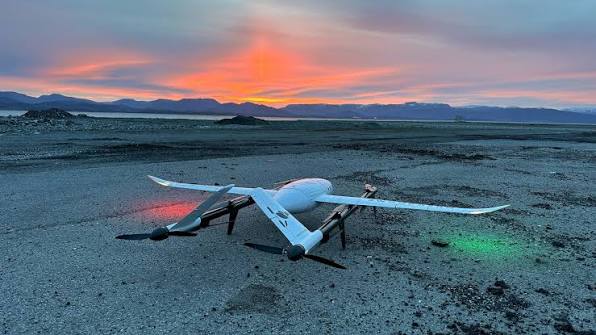
Kite Aerospace Initiates KITE UAS Production at Sykes Facility in Geelong
Kite Aerospace Pty Ltd has commenced production of its KITE uncrewed aerial vehicle on September 14, 2026, at the Sykes Advanced Manufacturing facility in Geelong, Australia. This move is part of a strategy to build a pipeline of over 100 units, ensuring that production aligns with the Five Eyes supply chain, which provides procurement assurance to enterprise and government customers in allied markets. The KITE is designed as an autonomous logistics aircraft capable of delivering essential supplies to areas that are typically hard to reach by conventional transport. With a total of over 41,000 flights and 20,000 operational hours logged across its fleet, the KITE's production in Australia allows Kite Aero to maintain its intellectual property onshore while leveraging Sykes' advanced manufacturing capabilities. Looking ahead, Kite Aero's partnership with Sykes Advanced Manufacturing is expected to enhance its production capacity as demand grows. The facility in Geelong, which boasts aerospace-grade composite tooling and advanced manufacturing technologies, positions Kite Aero to meet the needs of its customers effectively. No further timeline was disclosed at the time of publication.
Drone News Drone News Feeds Logistics News 5-axis CNC drone aerospace composite manufacturing
Transforming Machine Signals into Informed Decisions: The Role of MES/MOM Data
In manufacturing, data generation is abundant, with machines continuously producing events, counters, and parameters. However, many plants still rely on informal updates rather than a cohesive understanding of operations. This highlights a common misconception in digital transformation: that simply collecting more data leads to improved operations. Instead, data becomes valuable when contextualized and integrated into decision-making routines, a crucial function of MES/MOM systems. The significance of a robust data model cannot be overstated, as it provides the necessary context for interpreting machine signals. Without a clear structure, dashboards may appear impressive but lack analytical depth, leading to inconsistent interpretations across teams. Master data, including product definitions and quality parameters, plays a vital role in establishing a stable operational picture, impacting the effectiveness of KPIs and decision-making processes. To enhance decision-making, organizations must prioritize specific areas for improvement, such as recurring line losses or quality issues. Effective management routines, alongside well-defined data governance, can yield greater value than sophisticated analytics tools. As organizations align on core definitions and contextualized data, they can leverage advanced analytics and foster collaboration across multiple sites, ultimately driving better operational outcomes.
Factory / Digital Transformation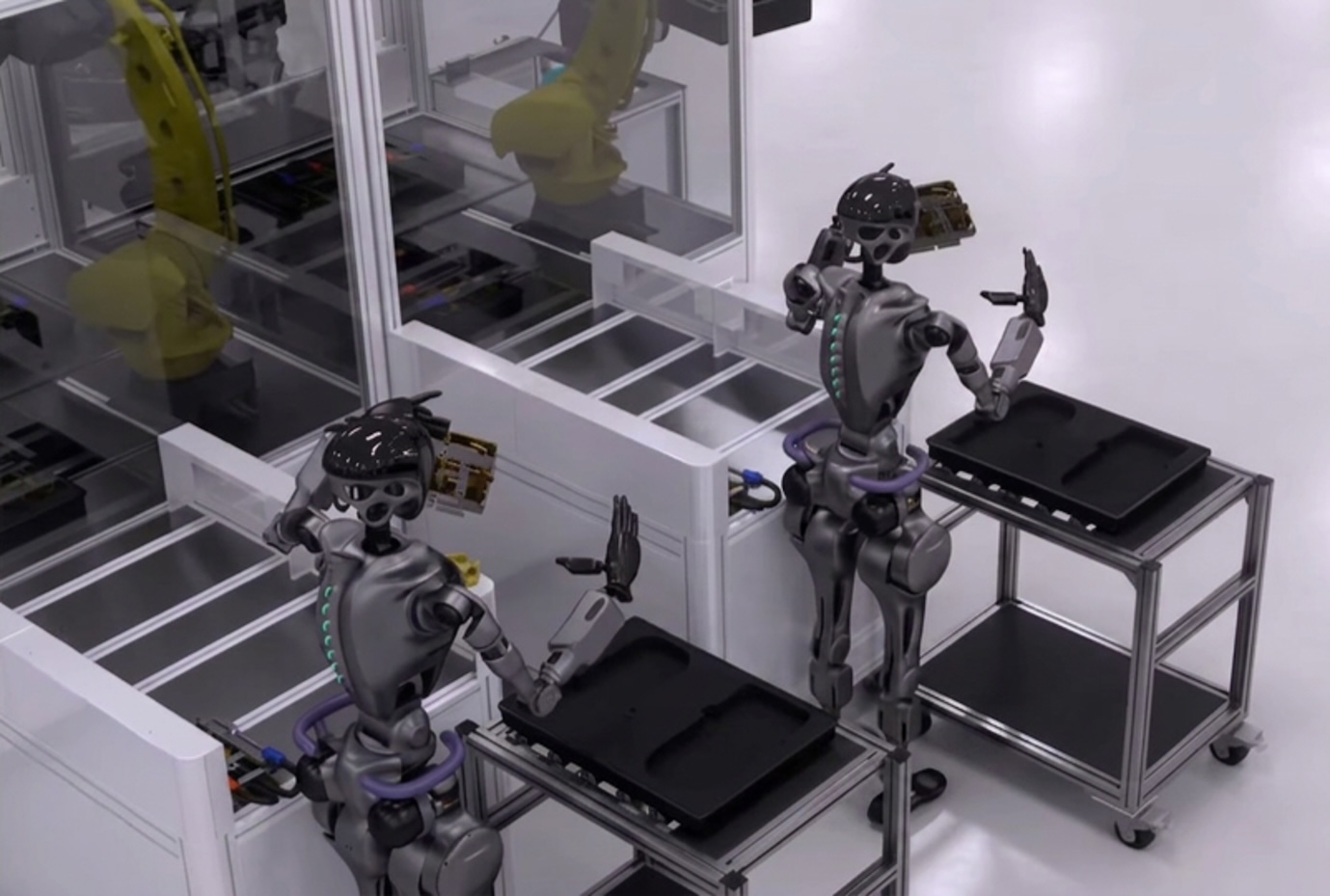
Symbotic Becomes Member-Sponsor of Stanford Robotics Center's Industrial Affiliates Program
Symbotic has officially joined the Stanford Robotics Center (SRC) Industrial Affiliates Program as a member-sponsor. This membership grants Symbotic access to Stanford's esteemed research community, fostering collaboration aimed at advancing innovations in robotics, autonomy, and artificial intelligence. The significance of this partnership lies in the potential for Symbotic to leverage Stanford's cutting-edge research to enhance its AI-enabled robotics technology for the supply chain. By engaging with leading experts and researchers, Symbotic aims to drive forward its capabilities in automation and robotics, which are critical for modern supply chain solutions. Looking ahead, it will be important to monitor the developments arising from this collaboration, particularly in how Symbotic integrates insights from Stanford into its product offerings. No further timeline was disclosed at the time of publication.
Business Industry News Research Robotics ai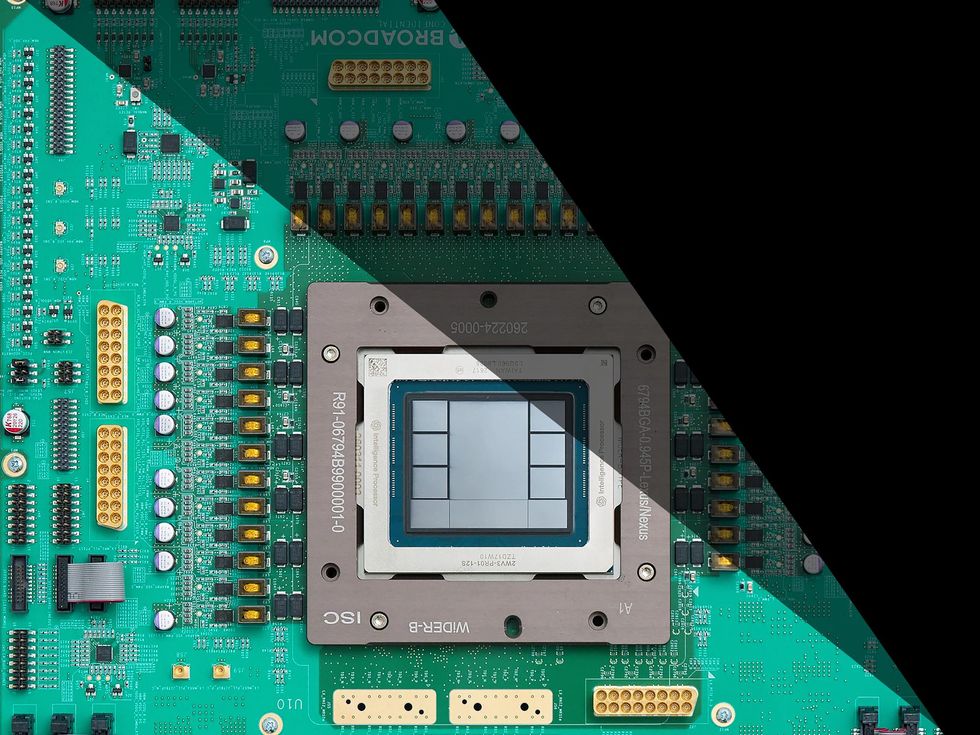
OpenAI Launches Jalapeño Chip, Leveraging LLMs for Accelerated Design Process
On August 25, OpenAI introduced Jalapeño, its first AI accelerator chip, achieving up to 13.4 petaflops of 4-bit compute and accessing 232 gigabytes of advanced memory at 15.4 terabytes per second. Jalapeño reportedly reduces end-to-end latency by up to 3.6 times compared to Nvidia's GB300 while consuming less power. The significance of Jalapeño lies not only in its performance metrics but also in the innovative design process, which was expedited using OpenAI's large language models (LLMs). The chip's development timeline spanned under 20 months, with only nine months from the first RTL code to tapeout, showcasing the potential of LLMs in chip design. Looking ahead, OpenAI's collaboration with Broadcom and the integration of LLMs into chip design tools could lead to even faster development timelines. As LLM capabilities improve, the industry may witness a transformation in how chips are designed and manufactured, with OpenAI at the forefront of this evolution.
Openai Llms Chip-design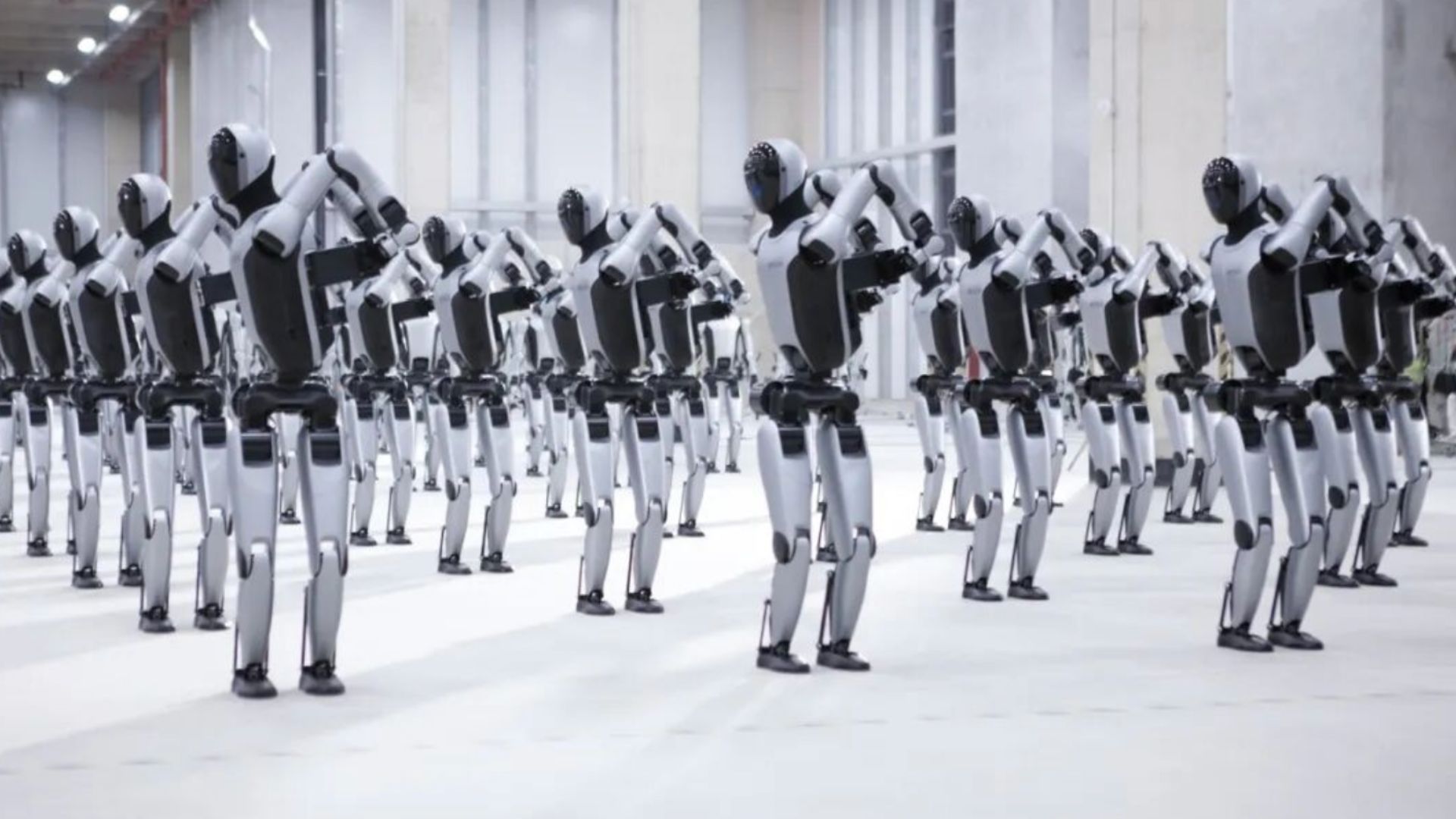
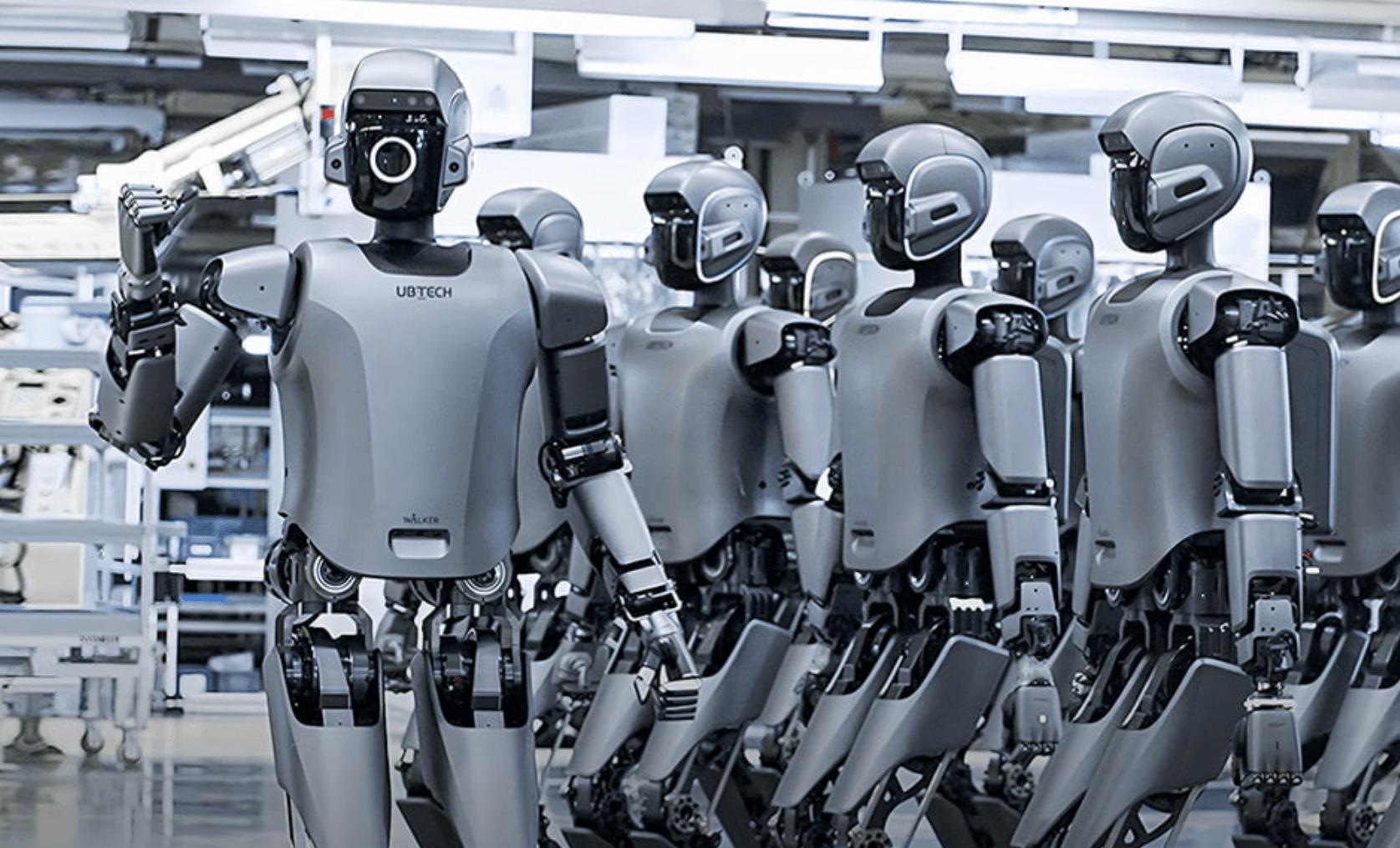
UBTECH Launches New Factory Capable of Producing 10,000 Humanoid Robots Annually
UBTECH has commenced operations at its new humanoid robot factory in Liuzhou, Guangxi, as of September 12. This facility is set to produce over 10,000 humanoid robots each year, marking a significant transition from limited production to large-scale manufacturing. The factory's production line is engineered to assemble one robot every 10 minutes, enhancing UBTECH's manufacturing capabilities. The establishment of this factory is pivotal for UBTECH, as it signifies a major advancement in the commercial production of humanoid robots. The facility, covering 14,000 square meters, will primarily focus on the Walker S Series and Cruzr Series robots. The automation integrated into the manufacturing process, including humanoid robots and collaborative arms, streamlines operations and reduces the need for extensive hardware modifications. Looking ahead, UBTECH's collaboration with Siemens Digital Industries Software is noteworthy, as it encompasses various aspects of digital manufacturing. The development of the Yanshee MOM system and the use of Siemens’ Plant Simulation platform will enhance production efficiency and quality control. No further timeline was disclosed at the time of publication.
AI and Robotics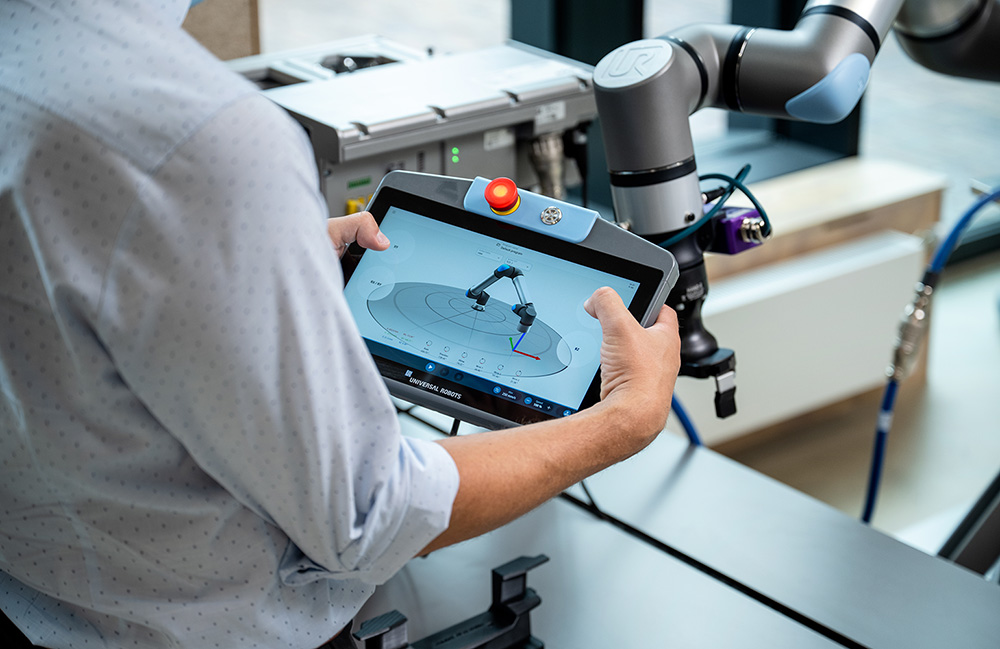
Universal Robots Unveils Gen 7 Robotics Platform at IMTS Trade Show
Universal Robots A/S launched its seventh-generation robotics platform, Gen 7, at the IMTS trade show. This platform enhances the user experience by integrating advanced AI-powered applications into industrial operations, maintaining a familiar interface for operators and engineers. The new platform features a re-engineered control box, teach pendant, and tool flange, designed to simplify complex tasks. The introduction of Gen 7 is significant as it reflects Universal Robots' commitment to advancing AI in manufacturing. The new core controller boasts 40% more compute power while being 30% smaller than previous models, facilitating multi-network communication and reducing reliance on external switches. This upgrade is expected to enhance the deployment of AI in factories, aligning with Teradyne's broader strategy to leverage AI for revenue growth. Looking ahead, Universal Robots aims to further improve the ease of deployment and programming of its robots, particularly in the context of AI integration. The Gen 7 platform includes three new robot arms, UR10g-1750, UR17g-1300, and UR18g-950, which are larger than earlier models. No further timeline was disclosed at the time of publication.
Arms / Manipulators Artificial Intelligence Artificial Intelligence / Cognition Cobot Arms Collaborative Robots Controllers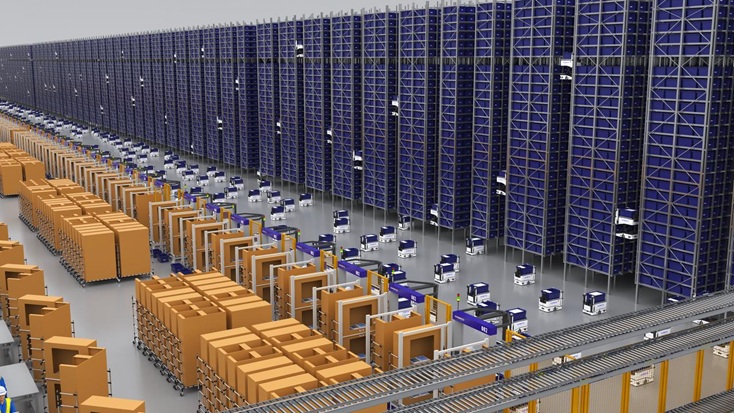
Hai Robotics Chosen for Largest Deployment of Rack-Climbing Warehouse Robots Globally
Hai Robotics has been selected to implement automation technology for a major e-commerce fulfillment center operated by a leading European fashion retailer. This project features the HaiPick Climb system, marking the largest deployment of rack-climbing warehouse robots in the world, with over 1,500 units set to enhance operational efficiency. The significance of this deployment lies in its potential to redefine warehouse automation standards, showcasing HaiPick Climb as a premier solution for high-performance e-commerce fulfillment. The retailer's expansion of its partnership with Hai Robotics emphasizes the growing demand for scalable automation solutions in response to rising online order volumes. Looking ahead, the project underscores the trend towards scalable robotic automation in large-scale fulfillment operations. No further timeline was disclosed at the time of publication.
Industry News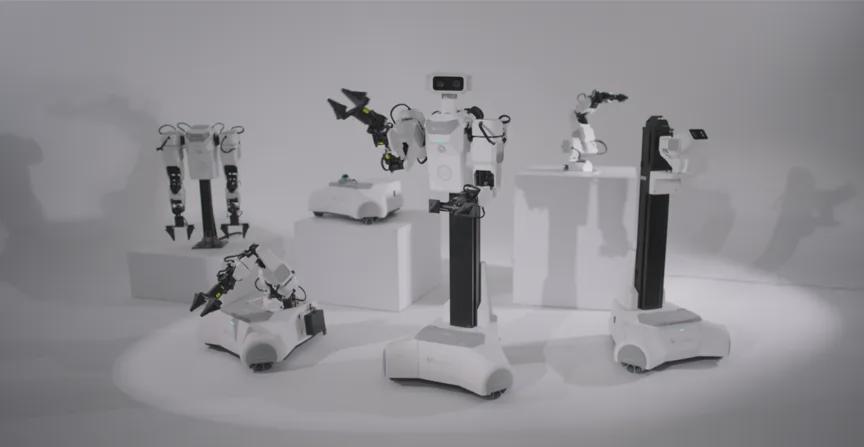
Robotics Price War Intensifies as Mantis Standard Launches Affordable Wheeled Humanoid
The ongoing price war in robotics reveals a significant challenge: most humanoid robots remain as fixed, one-time purchases. According to Counterpoint Research, global shipments of humanoid robots are expected to exceed 22,000 units in the first half of 2026, marking a nearly 300% year-on-year increase. However, over 60% of these robots are used for entertainment and educational purposes, with only 13% in smart manufacturing and a mere 5% in logistics. Despite some price reductions making humanoid robots more accessible, the distinction between a functional robot and a large toy is not as clear-cut as anticipated. The most valuable capabilities for robots are still their ability to perform tasks effectively, which is rarely achieved by low-cost models. On September 14, the company launched its first modular wheeled humanoid robot, Mantis Standard, priced at 9,800 yuan, featuring an omnidirectional wheel chassis, a 7-degree-of-freedom robotic arm, and a 4K60fps dual-vision system. The design of Mantis Standard emphasizes practicality over performance, as wheeled humanoid robots are deemed more suitable for industrial applications compared to bipedal models. PwC's report supports this view, highlighting wheeled robots' advantages in efficient movement and terrain adaptability for commercial applications. Since 2025, the parallel development of wheeled and bipedal robots has been evident, with many companies incorporating both into their product lines, showcasing wheeled robots' stability and flexibility in service and light industries.
Humanoid Robots Modular Robotics Wheeled Robots Robot Automation
Hirebotics Introduces New Line Tracking and Linear Rail Features for Cobots at IMTS
Hirebotics has launched new features for its collaborative robots, enhancing their capabilities to automate the painting of moving parts and manage large materials. These innovations include line tracking for the Cobot Painter and modular linear rail systems, which allow for greater flexibility in conveyor-based operations without disrupting existing workflows. The introduction of these technologies is significant for manufacturers, as they enable the automation of complex tasks that were previously challenging. By improving the working range of cobots, Hirebotics is providing solutions that simplify the deployment of automation in finishing operations, making it easier for companies to integrate these systems into their production lines. As the industry looks forward to the advancements showcased at IMTS 2026, it will be important to monitor how these new capabilities impact manufacturing efficiency and workflow integration. No further timeline was disclosed at the time of publication.

China’s Dexterous Hand Industry, 2026 Part 3 — The Players
Five vendor archetypes, MIR’s composite top ten, eight company profiles and six field deployments — every firm linked to the RobotToday supplier directory.
China’s Dexterous Hand Industry, 2026 Part 1 — The Demand Picture
MIR Databank puts China dexterous hand shipments above 30,000 units in 2026, yet only 3.5% of 2025 demand came from factory production. Part 1 of 3.
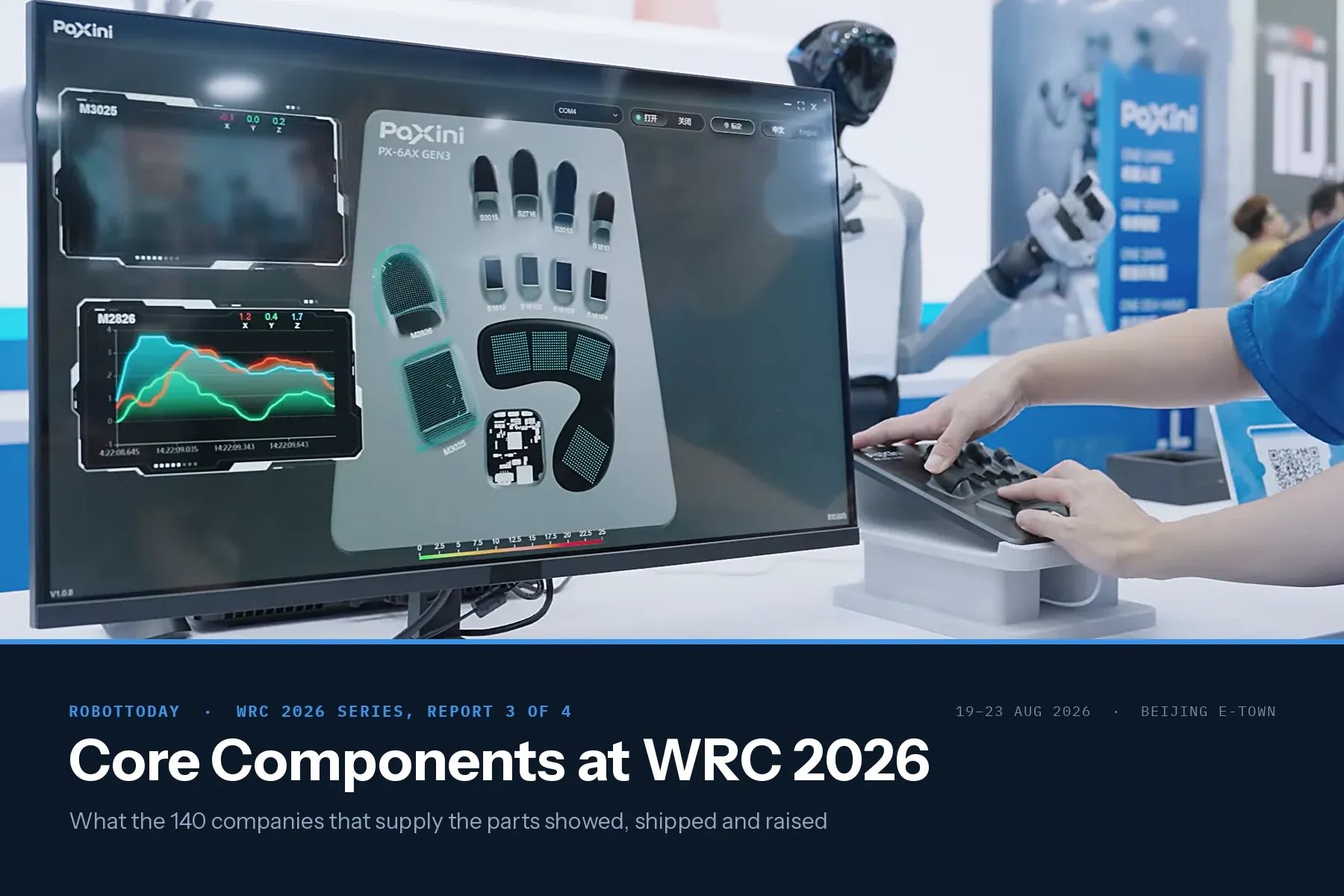
WRC 2026 Core Components: 137 Robot Parts Suppliers
The third report in the WRC 2026 series. Report 1 mapped all 248 exhibitors by category and Report 2 covered the 139 that build finished robots. This one covers the 137 that build what goes inside them.

WRC 2026 Exhibitor Map: 248 Robotics Companies Mapped
We classified 248 WRC 2026 exhibitors with the RobotToday taxonomy. Motion & Actuation leads at 75 companies, Humanoid at 72, and compute stays thin at 12. (Modified 2026-08-27)
Introduction to Robotics J. J. Craig — RSF Top 10 Robot Education Textbooks · No. 6
Six of ten benchmark universities teach kinematics from Craig. Frames, transforms and D-H parameters: the language vendor manuals already speak.
Mechatronics W. Bolton — RSF Top 10 Robot Education Textbooks · No. 1
Bolton's Mechatronics ranks No.1 for robot service engineers: encoders, drives, sensors and the Layer 2 faults most textbooks skip. Difficulty 2/5.

Pittsburgh Regional Alliance Convenes Nine CMU-Rooted Robotics Firms at Automate 2026
At Automate 2026, the Pittsburgh Regional Alliance convened nine robotics firms — most spun out of Carnegie Mellon — spanning materials, perception and AMRs.

CONSTRUCTION ROBOTICS | BUSINESS MODELS & INVESTMENT LANDSCAPE
Construction robotics attracted $4.4 billion in built environment tech funding through Q3 2025. SoftBank acquired ABB Robotics for $5.375 billion. RaaS is displacing capex models. AI-native platforms command 39x revenue multiples. This is where money meets machines.
U.S. Moves to Ban Chinese Robots: Supply Chain Shock or Strategic Decoupling?
A bipartisan U.S. bill targets Chinese humanoid and autonomous robots in federal procurement. We analyse the supply chain, investor, and geopolitical implications for both China and U.S. robotics markets.

RobotToday Weekly Industry Briefing: March 23 – March 27, 2026
RobotToday's weekly industry briefing for March 21–28, 2026 covers Physical Intelligence's $1B raise, Amazon's Fauna Robotics acquisition, Agile Robots' DeepMind partnership, the launch of Europe's first robotaxi service, DJI's Avata 360 drone, Skydio's $52M Army order, and the latest in humanoid, AMR, and drone technology.


