


InSpace Technology
Shenzhen-founded XBOT builds AI-native robotic coffee and dessert kiosks deployed in 10+ countries, led by ex-Xiaomi, ex-Tencent executive Thomas Tang.
Contact InSpace Technology
WEBSITE
https://www.aixbot.com/HEADQUARTERS
China

Company Facts
Founded
2019
Primary Role
Manufacturer
Company Size
-
Primary Region
Asia-Pacific
Annual Sales
-
Funding Stage
-
Funding Total
-
Certifications & Memberships
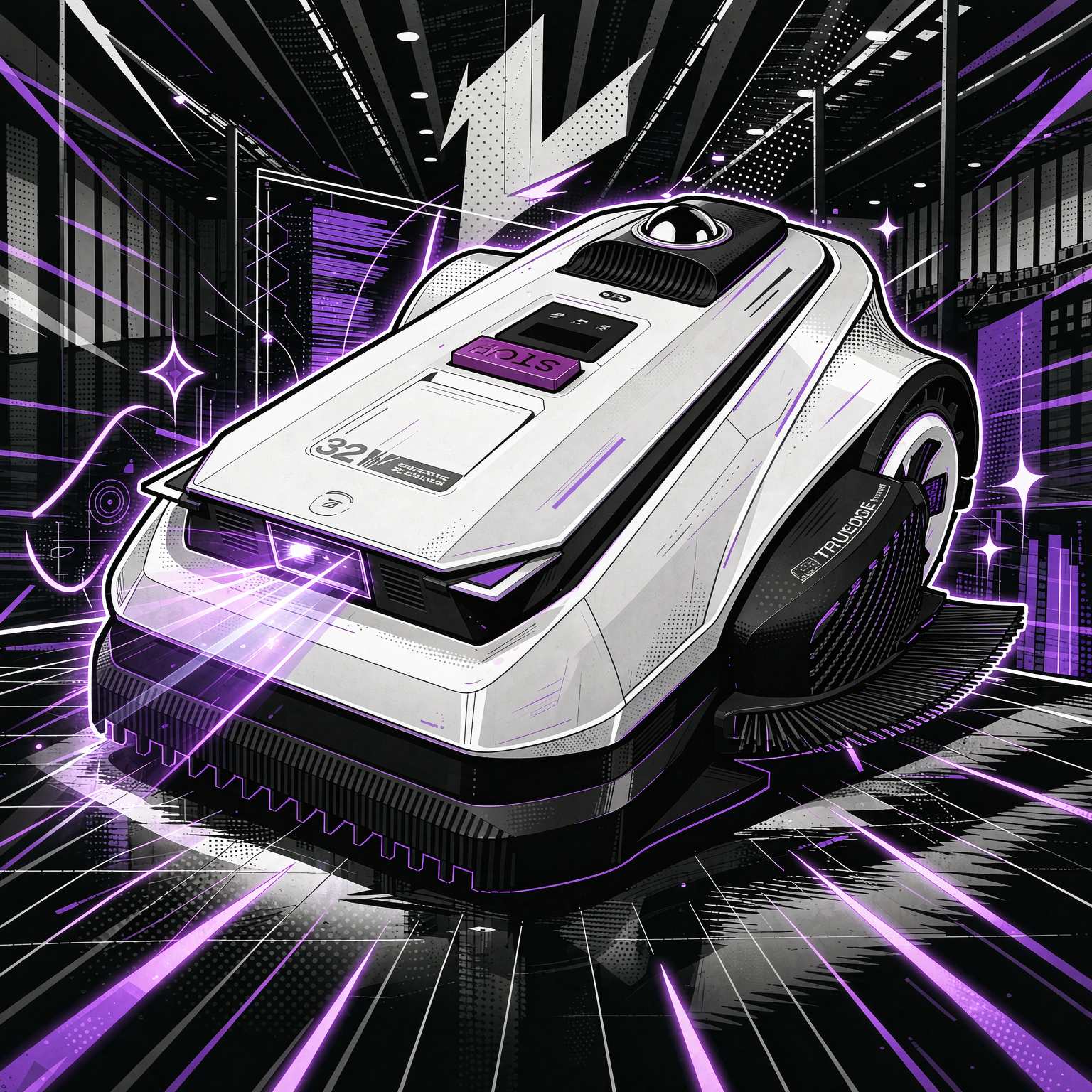
Supplier of Robot Vision Systems Goes Public; BYD Subsidiary Invests 100 Million HKD
A supplier of vision systems for sweeping robots has recently gone public, marking a significant milestone in the robotics industry. This development is noteworthy as it highlights the increasing demand for advanced robotic technologies, particularly in automation and cleaning applications. The investment from a BYD subsidiary, amounting to 100 million Hong Kong dollars, underscores the confidence in the growth potential of this sector. The public offering is expected to enhance the supplier's capabilities in developing innovative vision systems, which are critical for the functionality of sweeping robots. This move is significant as it reflects the broader trend of investment in robotics and automation technologies, which are becoming essential in various industries. The partnership with BYD, a major player in the automotive and technology sectors, could lead to further advancements in robotic applications. Looking ahead, industry stakeholders should monitor the supplier's progress post-IPO and the impact of the BYD investment on its growth trajectory. No further timeline was disclosed at the time of publication.
Robotics Automation AI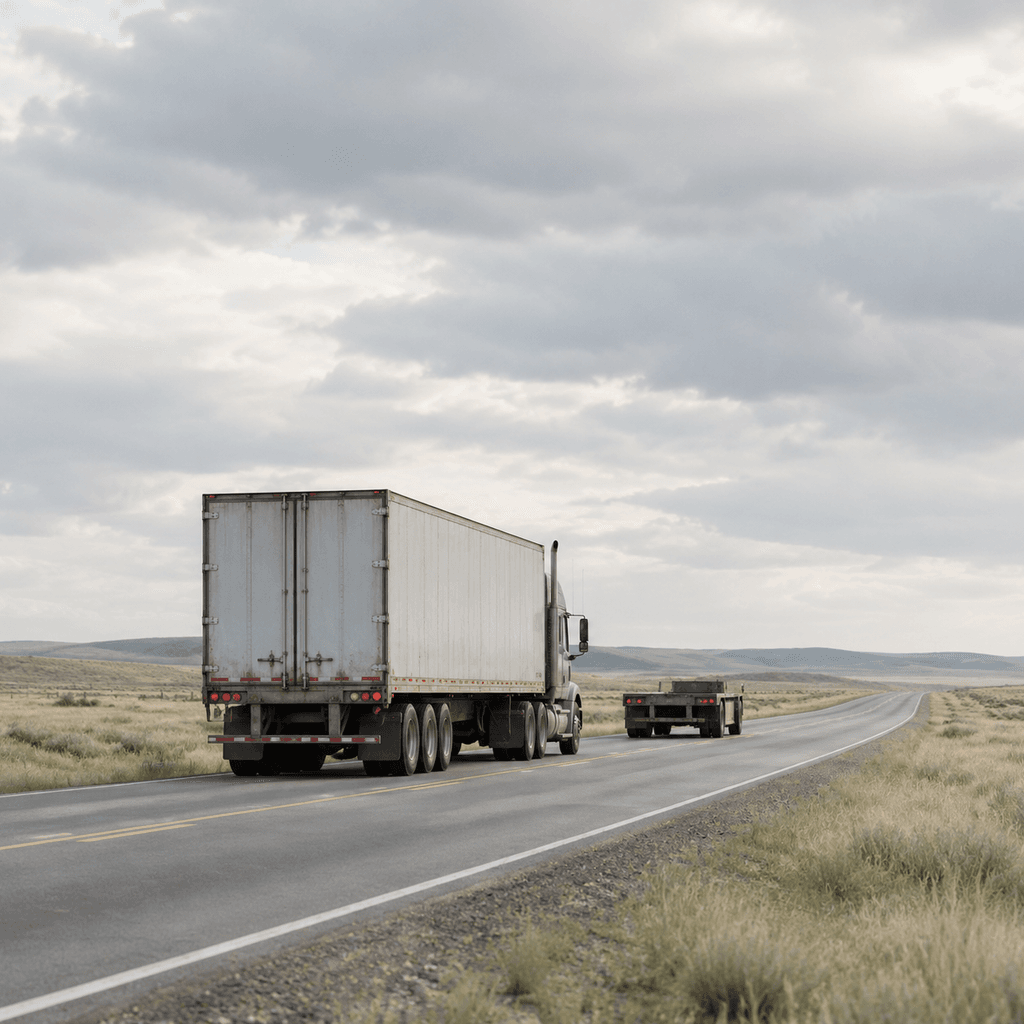
KargoBot Expands AI Freight Network in Ordos with Cabless Transport Robots
KargoBot is expanding its AI-driven freight network in Qipanjing, Ordos, incorporating a combination of manned trucks, cabbed autonomous trucks, and cabless robots. The company aims for a target gain exceeding 30 percent as it scales its operations. This initiative is significant as it represents KargoBot's commitment to integrating advanced technologies in freight transportation, enhancing efficiency and potentially reducing costs. The mixed fleet approach allows for greater flexibility in logistics, catering to varying freight demands. Looking ahead, industry observers will be keen to see how KargoBot's mixed freight network performs and whether it achieves its ambitious gain target. No further timeline was disclosed at the time of publication.
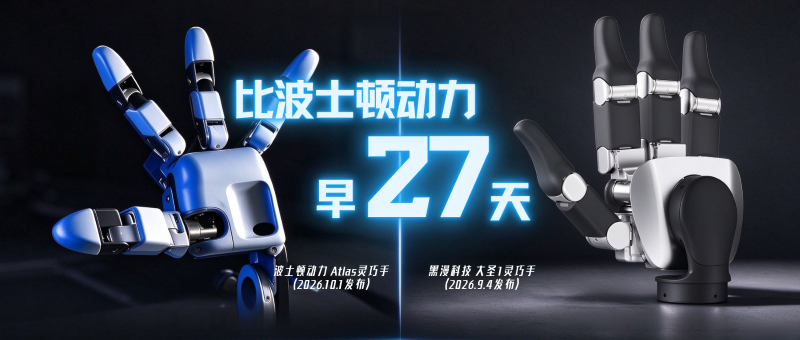
Da Sheng 1 Launches Four-Fingered Dexterous Hand, Outpacing Boston Dynamics by 27 Days
Da Sheng 1 has introduced a four-fingered dexterous hand, achieving this milestone 27 days ahead of Boston Dynamics. This innovation marks a significant advancement in robotic manipulation capabilities, showcasing China's growing expertise in robotics technology. The development of the Da Sheng 1's dexterous hand is crucial as it highlights the competitive landscape in robotics, particularly in dexterous manipulation. This technology could enhance various applications, from industrial automation to service robots, reflecting a shift in focus towards more sophisticated robotic functionalities. Looking ahead, industry observers should monitor further advancements from Da Sheng and other competitors in the robotics field. The rapid pace of innovation suggests that more breakthroughs in dexterous manipulation and related technologies may emerge soon. No further timeline was disclosed at the time of publication.
Robotics Automation AI
Shanghai's AI Industry Surpasses 330 Billion, Pudong Leads in Humanoid Robots
In the first half of the year, Shanghai's AI industry reached a scale exceeding 330 billion yuan, showcasing significant growth in the sector. Pudong has emerged as a leader in the development of humanoid robots, indicating a strong focus on advanced robotics in the region. This development highlights the increasing importance of AI and robotics in Shanghai's economic landscape. The rapid expansion of Shanghai's AI industry is crucial as it positions the city as a key player in the global technology arena. The leadership of Pudong in humanoid robotics reflects a strategic investment in innovation and technology, which is essential for maintaining competitive advantages in the evolving market. This trend underscores the potential for further advancements and applications in AI and robotics. Looking ahead, stakeholders should monitor the ongoing developments in Shanghai's AI sector, particularly in humanoid robotics. The city's commitment to fostering innovation may lead to new partnerships and technological breakthroughs. No further timeline was disclosed at the time of publication.
Robotics Automation AI
SafeWorld Launches With $12.2M Funding to Develop Robot-Safety Simulation Software
SafeWorld has officially launched after securing $12.2 million in seed funding, co-led by Shine Capital and a16z Speedrun. The Palo Alto-based startup aims to create simulation software that tests the safety of autonomous robots prior to their deployment in real-world environments. This platform allows companies to simulate various safety scenarios based on past incidents and robot logs, enabling extensive testing without the need for physical environments. The significance of SafeWorld's technology lies in its ability to address the challenges of traditional safety testing, which can be costly and time-consuming as robots become more autonomous. By utilizing simulation, companies can evaluate how robots respond to unexpected situations and human interactions, thus ensuring safety throughout the deployment process rather than relying on one-time certifications. Early pilots are already underway with major automotive manufacturers and warehouse-automation firms. Looking ahead, SafeWorld's platform is poised to transform safety testing in industrial and commercial settings where robots operate near humans. The startup's innovative approach could lead to more effective safety measures, reducing reliance on physical barriers and enhancing collaboration between robots and workers. No further timeline was disclosed at the time of publication.
AI Funding & Investment AI Safety Physical AI Startups AI Carnegie Mellon University
Boston Dynamics Appoints Rohit Prasad as CEO to Accelerate AI Robot Commercialization
Boston Dynamics has appointed Rohit Prasad, a former Amazon AI executive, as its new CEO, effective Wednesday. This leadership change aims to enhance the commercialization of AI-powered robots, including the Atlas humanoid and Spot quadruped robots, as the company transitions from experimental testing to large-scale industrial deployment. Prasad's extensive experience in AI technology development is expected to bolster Boston Dynamics' efforts in physical AI, which integrates advanced AI with robotics for greater autonomy and adaptability in real-world environments. His previous role at Amazon involved significant contributions to the Alexa platform and the development of enterprise-focused foundation models. Looking ahead, Prasad will prioritize the commercialization of intelligent robotic systems, focusing on safety, productivity, and operational efficiency in various sectors. No further timeline was disclosed at the time of publication.
All News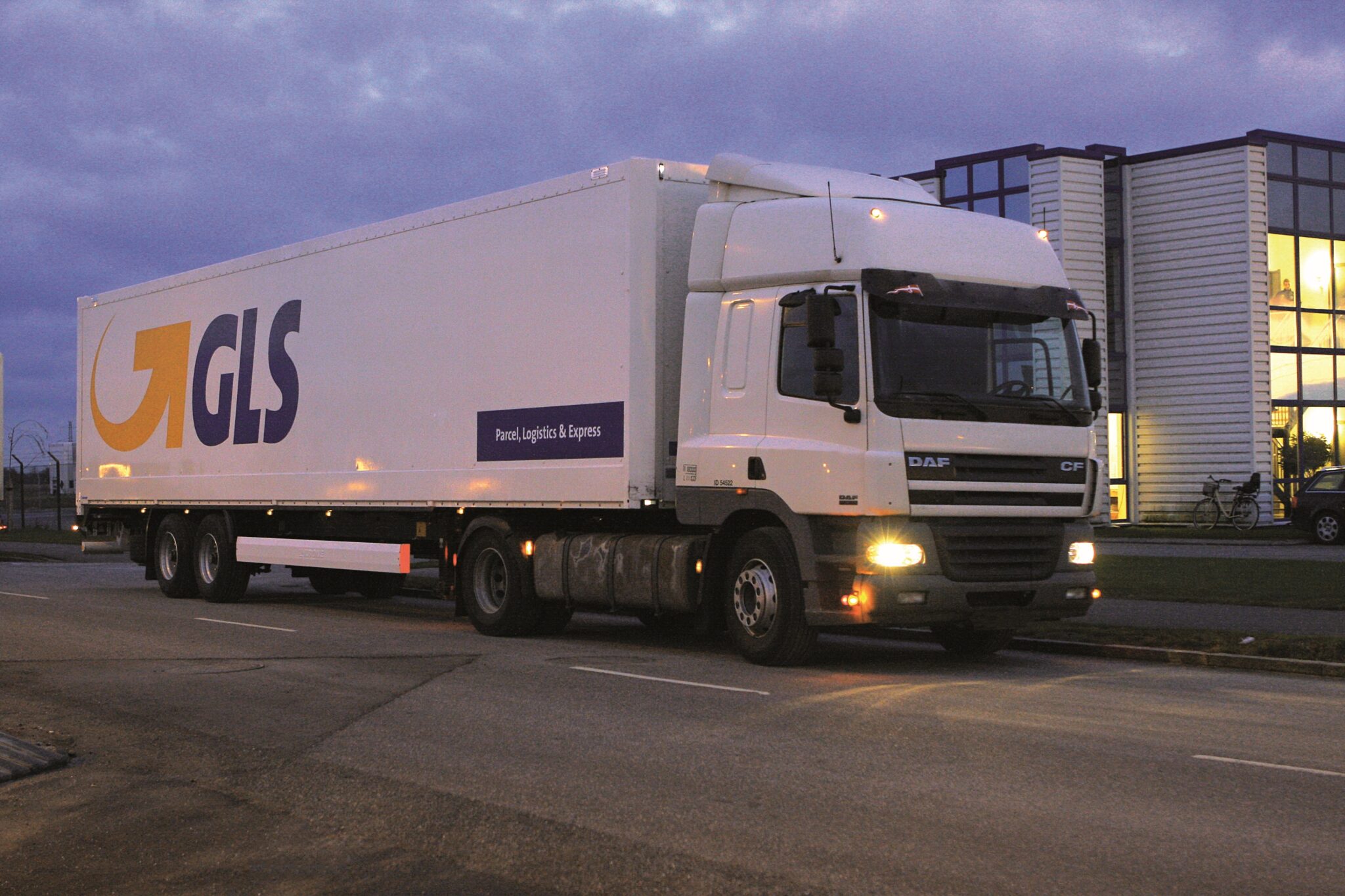
GLS Expands Fulfilment Services with New Centre in Kolding, Denmark
GLS is set to enhance its fulfilment capabilities with a new centre in Kolding, Denmark, marking its entry into fulfilment services. This facility will support GLS's development of connected logistics solutions, integrating parcel delivery with storage and order processing, crucial for e-commerce businesses. The new centre, covering an initial area of 5,000 square metres with potential expansion to 15,000 square metres, is designed to cater to small and medium-sized e-commerce businesses. It will feature a semi-automated setup, including an AutoStore automated storage system and an automated sorting belt, aimed at improving efficiency and reducing manual handling. Expected to be operational before the 2027 peak season, the Kolding centre will create approximately 30 new jobs. This development is a significant step for GLS in building a stronger logistics network across Europe, enhancing its ability to provide integrated fulfilment and delivery solutions to its customers.
Couriers and Express eFulfilment Last Mile and Lockers Packaging and Ecommerce ASRS autostore
Figure's Concerns: Why Selling Instead of Melting Down Raises Questions
The article discusses the apprehensions surrounding Figure, a robotics company, and its reluctance to sell its products. It highlights that the first large-scale commercial application of solid-state batteries may not be in electric vehicles but rather in humanoid robots. The piece also mentions that three companies are moving away from collecting real machine data. Additionally, it features a Tsinghua University PhD graduate who left a high-paying job at Tencent to develop robotic brains, aiming to transform skills into marketable products. Fangqi Technology has completed a multi-million angel round, proposing a semantic world model to bridge the gap between physical and semantic knowledge. Lastly, TianGong Robotics showcased a performance with human dancers during the Beijing Art and Technology Week. No further timeline was disclosed at the time of publication.
Robotics Automation AI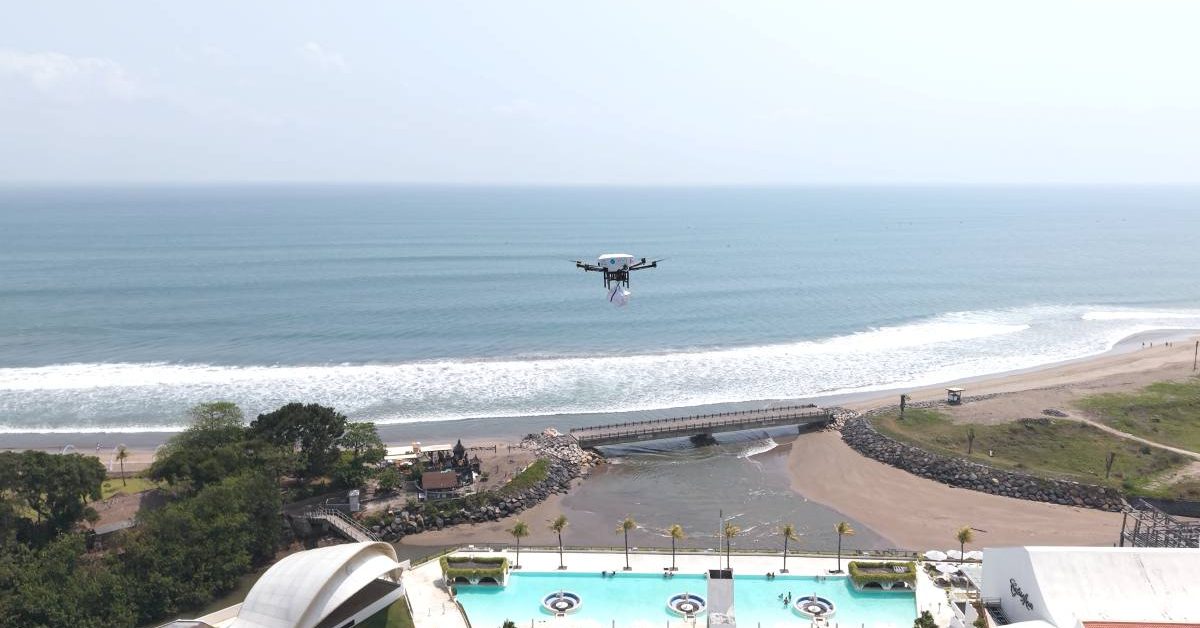
Bali Initiates Drone Delivery Trials for Food Orders Using Autonomous Aircraft
Bali has launched a pilot project to test drone delivery of food orders between Café del Mar Bali and Nuanu Creative City. This initiative, operated by SKYY Network and utilizing Grab's platform, aims to integrate drone delivery into existing logistics, marking Indonesia's first BVLOS food delivery operation. The significance of this trial lies in its potential to enhance logistics efficiency and customer experience while navigating regulatory requirements. The project employs A2Z Drone Delivery's Longtail Dual drone and AirDock system, which automates landing and charging, reducing human intervention and enabling larger fleet management. As the trial progresses, it will provide valuable insights into operating drones in complex environments like Bali, characterized by dense populations and challenging weather. The outcome could influence future drone services in Indonesia and beyond, with implications for various applications beyond food delivery.
News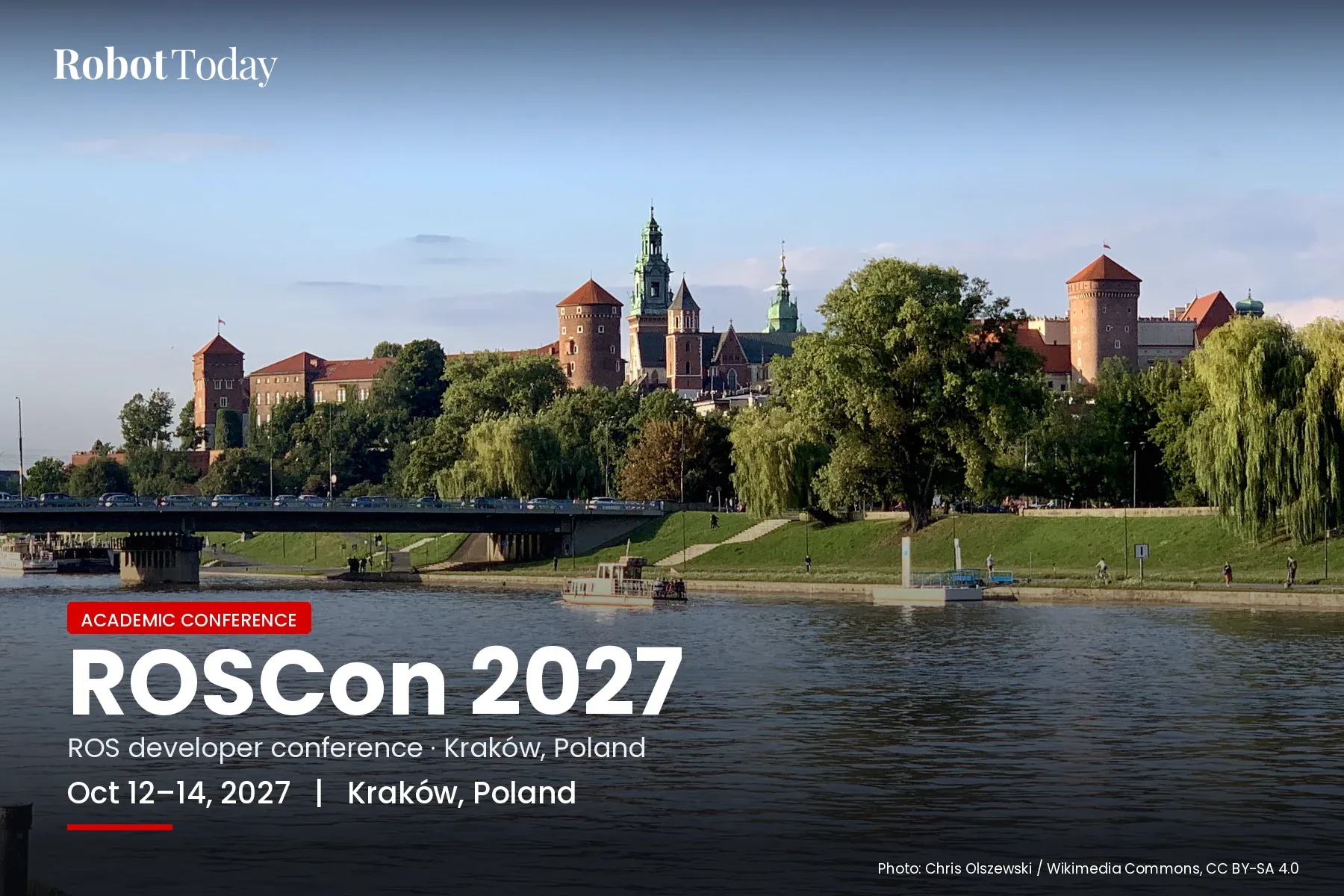
ROSCon Global 2027, Kraków, Oct 12–14
ROSCon Global 2027, Open Robotics' annual ROS developer conference, runs Oct 12–14, 2027 in Kraków, Poland. Venue, CFP and registration to be announced.

Innovation Works Venture Expo 2026: 58 Pittsburgh Startups Pitch to Investors
58 health, deep tech and robotics startups pitched at Innovation Works Venture Expo 2026 in Pittsburgh. Full company list, program and 2025 funding data.

The Missing Price: What Non-Disclosure Reveals About the Humanoid Market
Of 131 announced robot models, 33 publish no price. US makers withhold at twice the rate of Chinese ones — and the reason is stage, not strategy.

ROBOTTODAY WEEKLY September 7 – 11, 2026
This week in robotics: JD.com plans to deploy three million robots across its logistics network, XPeng commissions its IRON humanoid production line, FANUC and Google launch an AI arc-welding agent, and Unitree shares fall 53% from their post-IPO high. September 7–11, 2026.
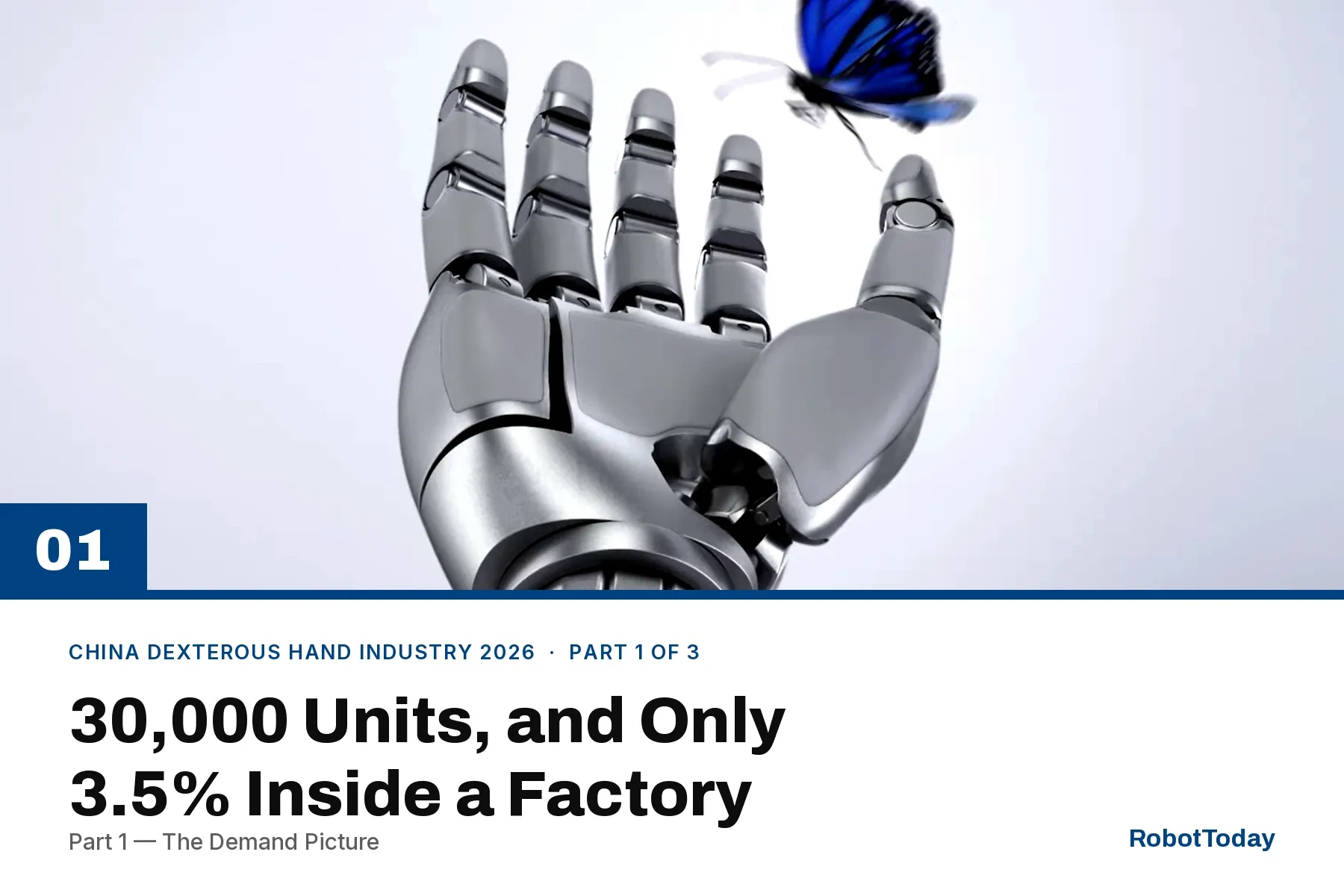
China’s Dexterous Hand Industry, 2026 Part 1 — The Demand Picture
MIR Databank puts China dexterous hand shipments above 30,000 units in 2026, yet only 3.5% of 2025 demand came from factory production. Part 1 of 3.
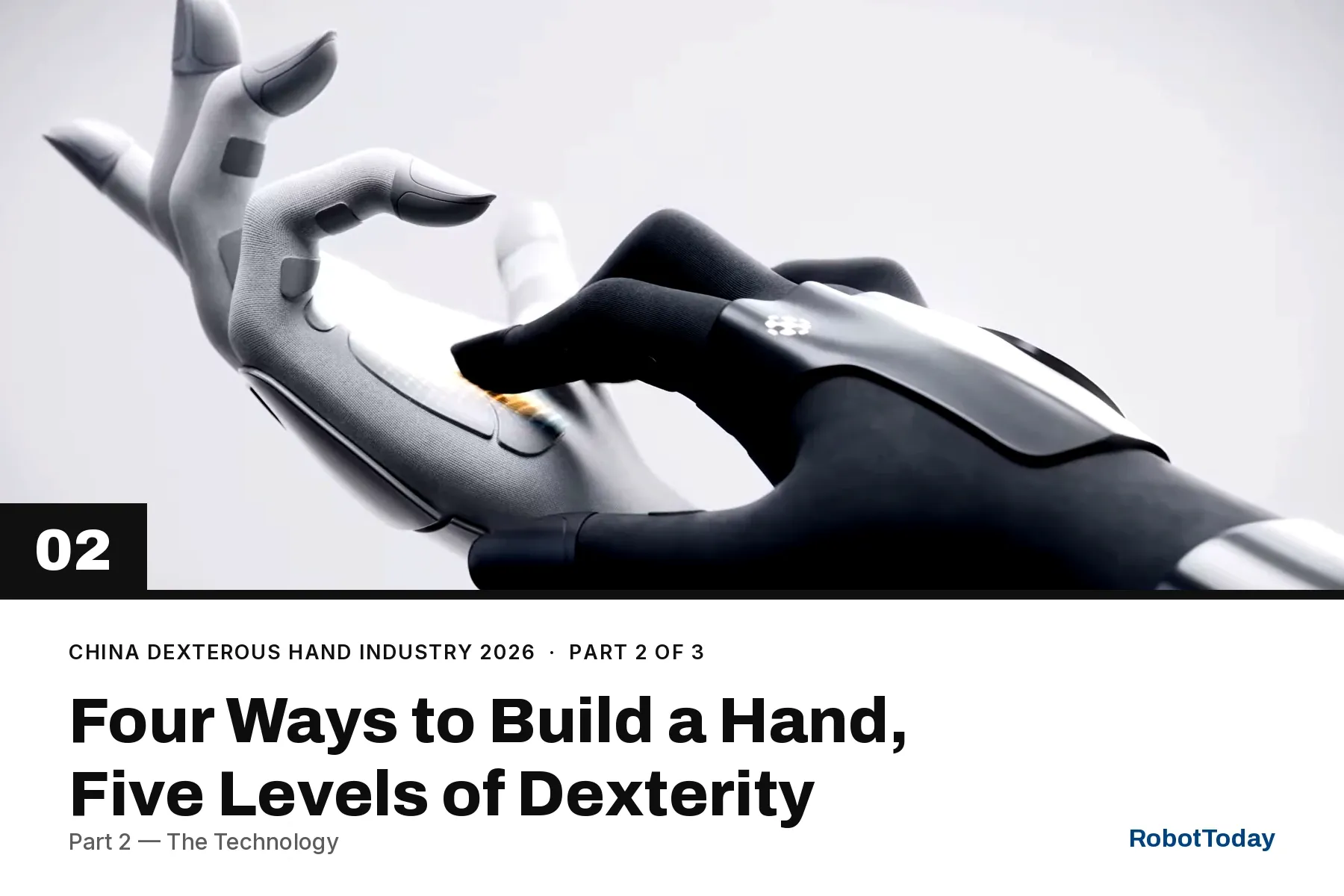
China’s Dexterous Hand Industry, 2026 Part 2 — The Technology
Linkage, tendon, direct drive or hybrid — and why hardware is converging while the DL1–DL5 manipulation scale decides who wins. Part 2 of 3.
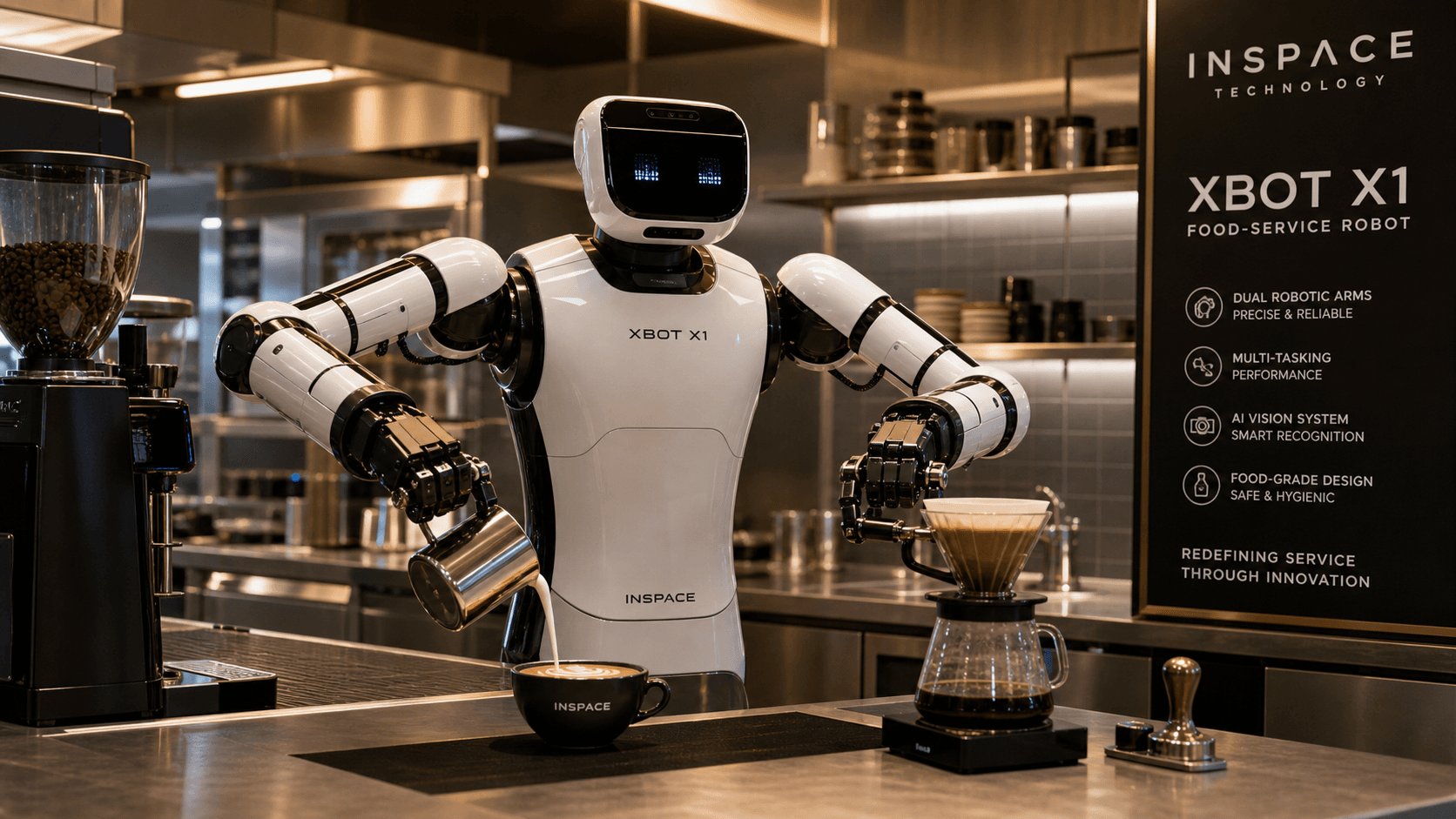
Ex-Xiaomi Executive Tang Mu Launches Food Service Humanoid Robot, Targets Year-End Production
InSpace Technology, a robotics company established by former Xiaomi executive Tang Mu, introduced three innovative food-service robots during a product launch event held on June 30. The unveiling took place in a bid to enhance efficiency in the food service industry, addressing the growing demand for automation in restaurants and catering services. These robots are designed to streamline operations, reduce labor costs, and improve customer service by delivering food and beverages directly to tables. The launch event showcased the robots' advanced features and capabilities, highlighting their potential to revolutionize the way food service is conducted.
Robotics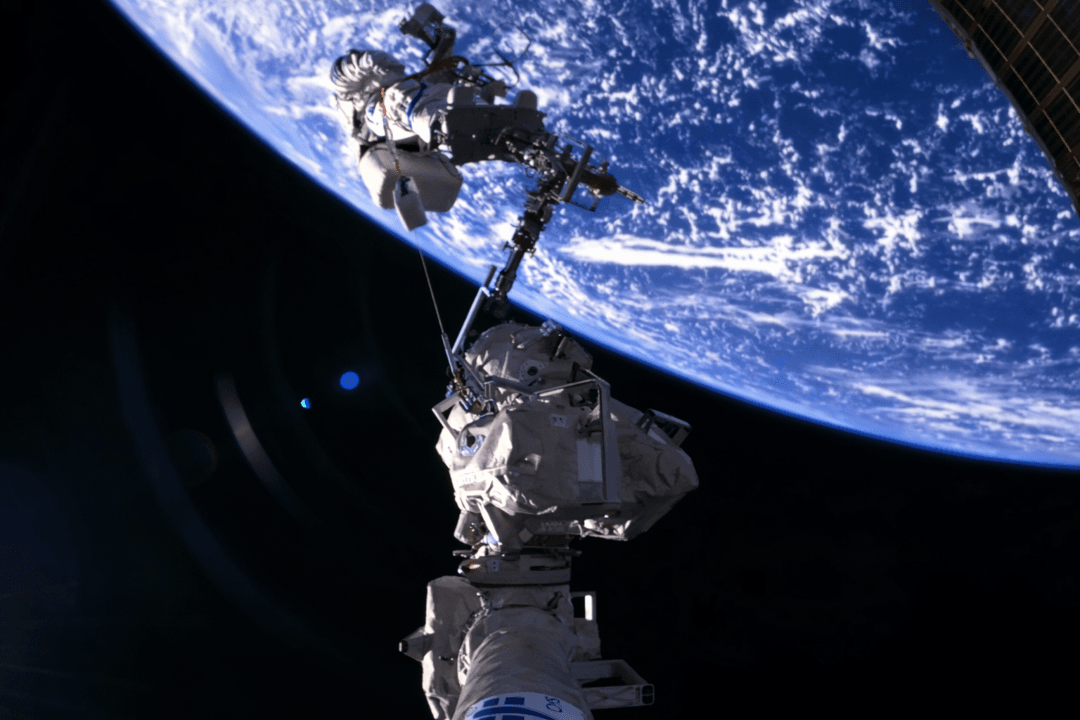
China vs. The World: A Space Robotics Competitive Analysis
A domain-by-domain competitive benchmark of China versus the international space robotics field — covering on-orbit servicing, lunar ISRU, space station
EXECUTIVE BRIEFING: The 2026 Space Robotics Landscape
Explore the definitive 2026 directory of 95+ space robotics leaders, covering orbital servicing, lunar rovers, and in-space manufacturing. Download the complete RobotToday reference guide to track the companies, funding, and technologies driving the $24B orbital economy.
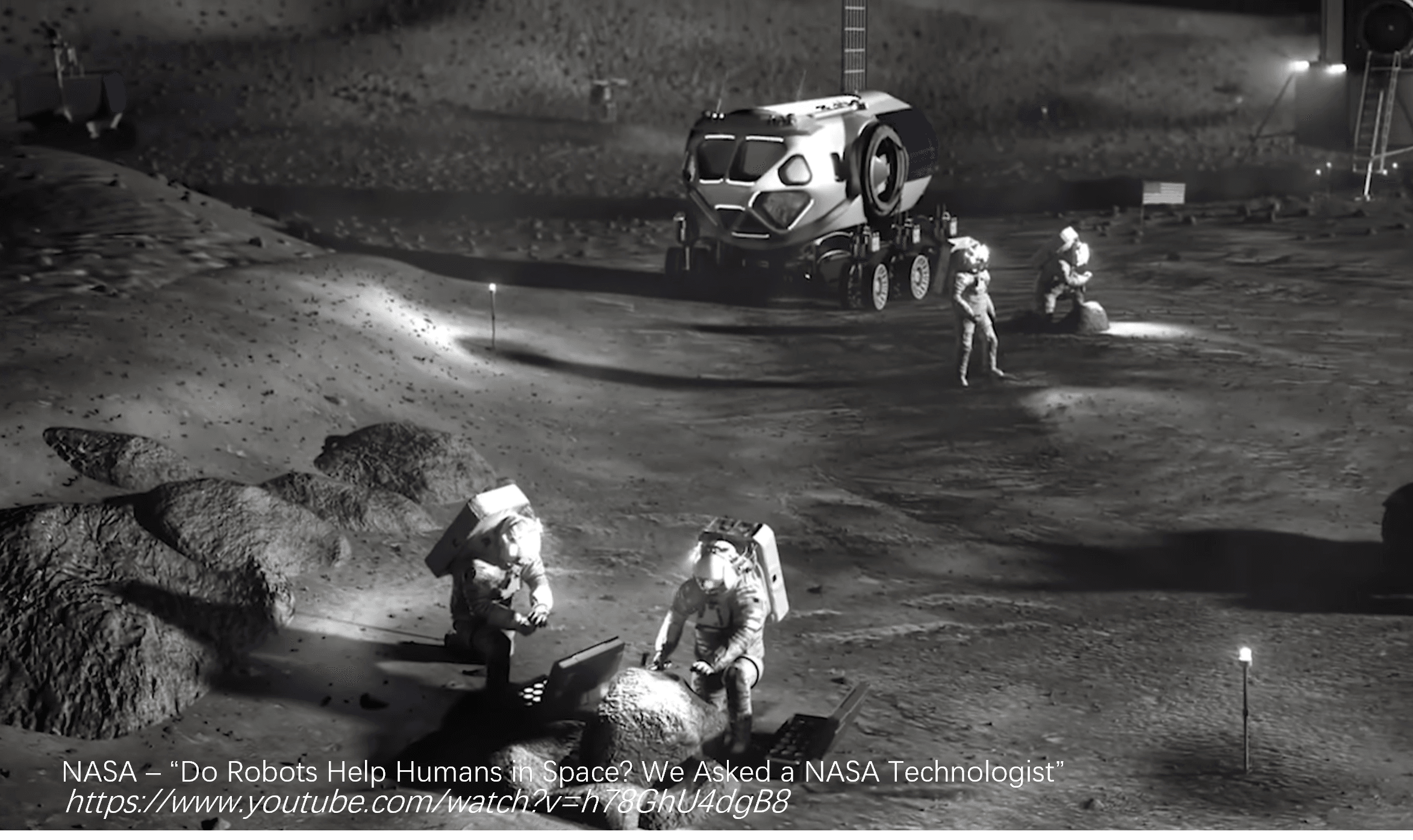
Space Robot- Building Skyscrapers in Space: ISMA's Industrial Revolution
ISAM technology breaks rocket fairing limits through robotic space manufacturing. Market grows from $3.5B to $14.5B by 2032. See how 3D printing, autonomous assembly, and orbital fabrication are creating off-Earth factories.
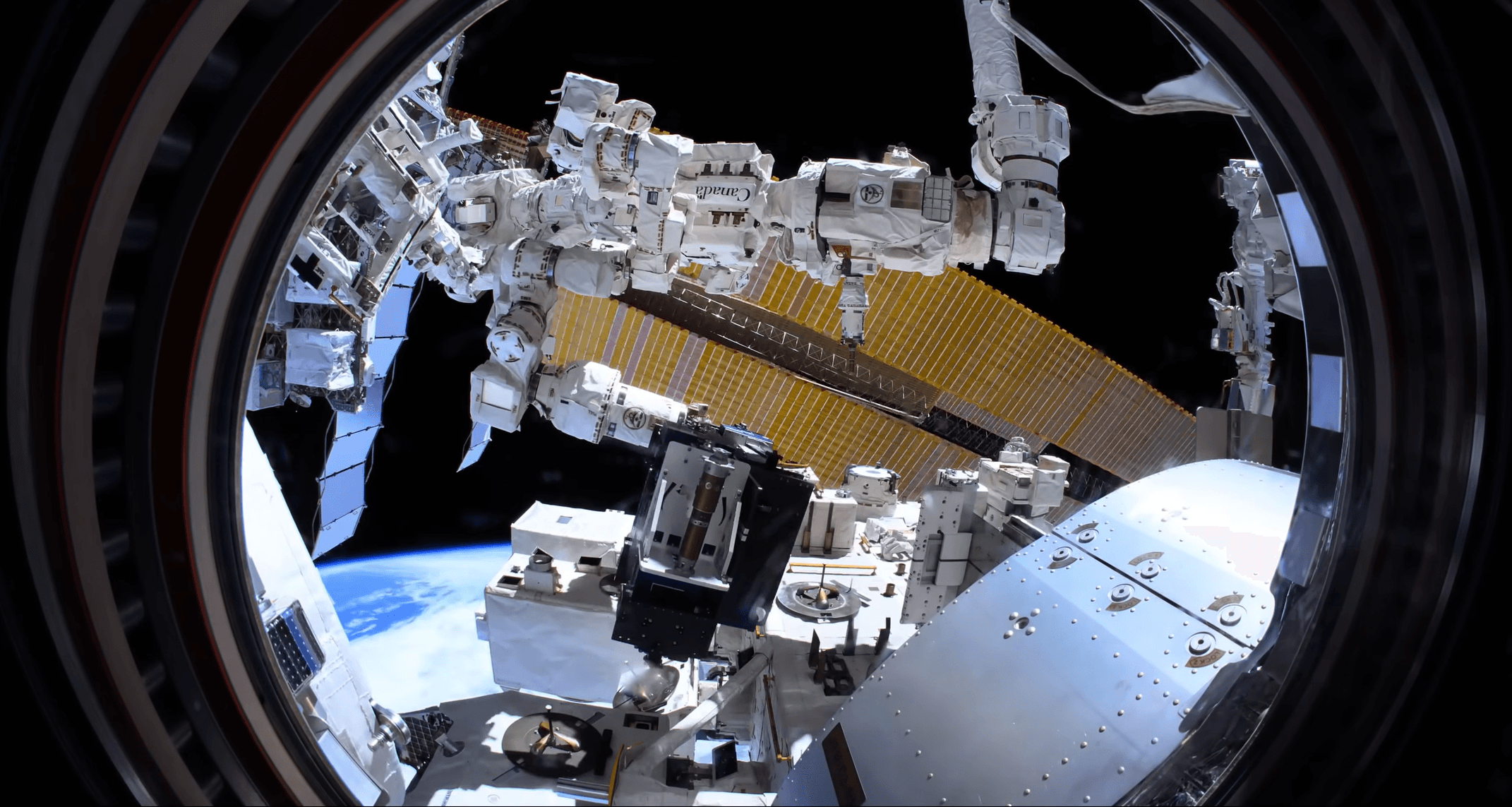
Space Robotics: The 2026 Breakout
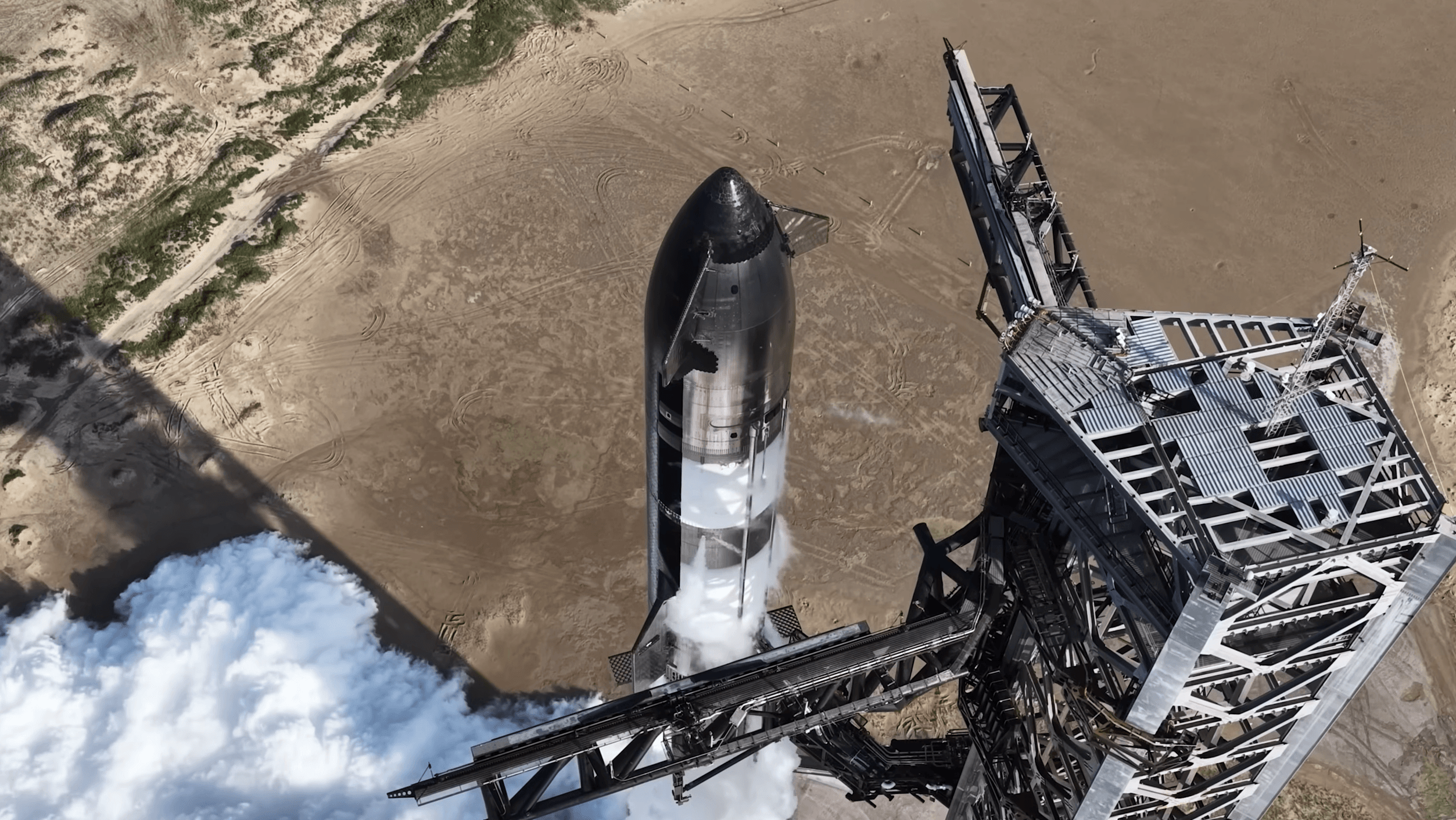
Space robotics transforms in 2026 as Starship cuts launch costs 96%, AI enables autonomy, and satellite servicing demand explodes. The breakout year explained.

