Gleason Automation Systems

Gleason Corporation provides complete gear manufacturing solutions including gear cutting machines, metrology systems, workholding, tooling, and design software. Smart Loop Ecosystem integrates digital twins connecting design, manufacturing, and quality processes.

Share
1000 University Ave.
Rochester, NY 14607
RobotToday Initiative

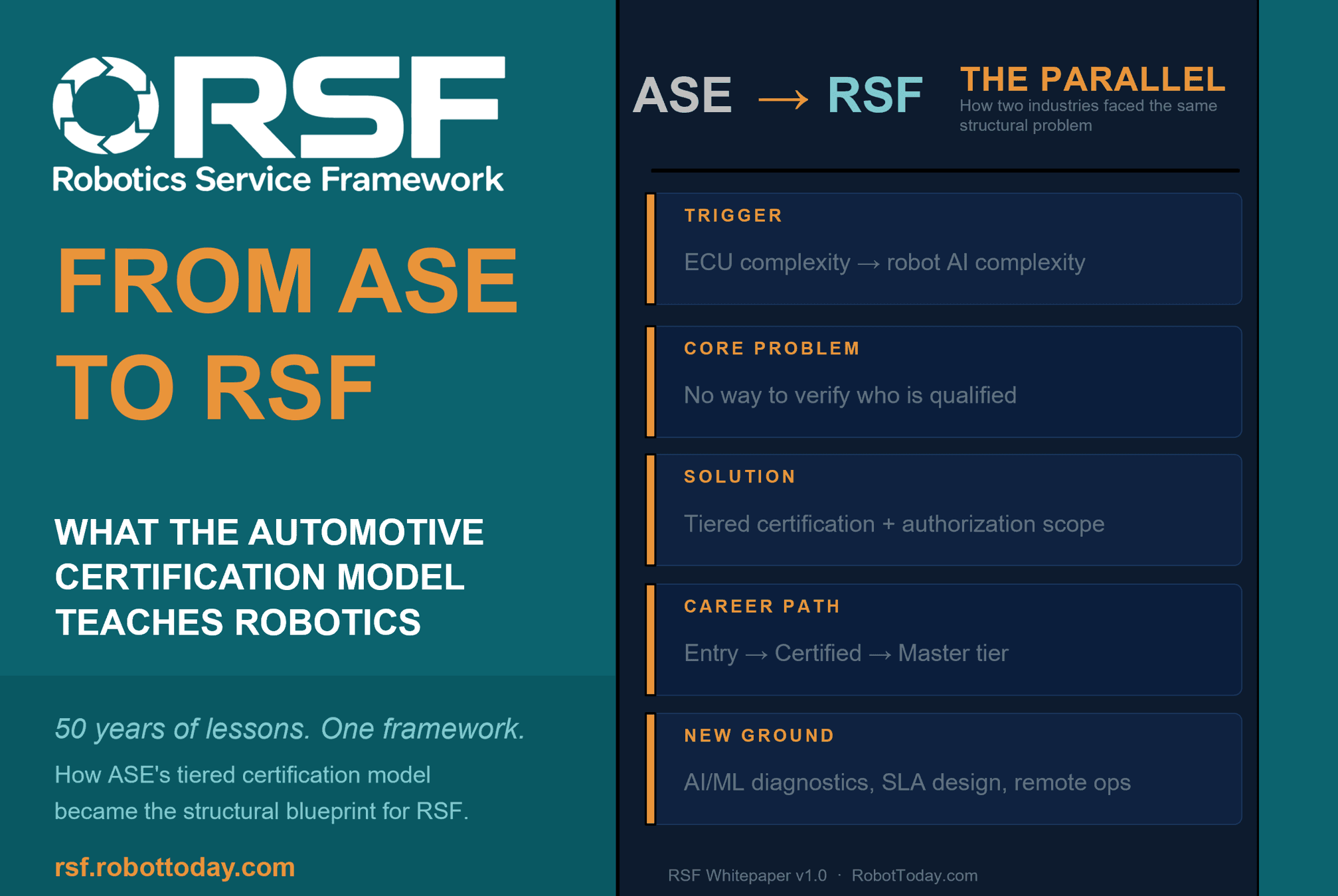
Robotics needs a service framework.

RSF defines a common language for robot service capability, lifecycle operations, certification pathways, and service-provider networks.

Share

Related Content

LG Energy to Supply Batteries for Google's Largest Solar and Storage Project

LG Energy to Supply Batteries for Google's Largest Solar and Storage Project

LG Energy has been confirmed to supply batteries for Google's largest solar and energy storage project, marking a significant expansion in energy infrastructure related to the rising power demands of AI data centers. This project, known as the Steel River Energy Center, is a collaboration between Google and Cypress Creek Energy in Arkansas. The initial phase of the project will feature 1.6 gigawatts (GW) of solar power generation capacity and approximately 2 gigawatt-hours (GWh) of battery storage, with plans to expand to 2.5 GW of solar and 2.9 GWh of storage by 2029. LG Energy is expected to provide its JF2 DC Link system, utilizing lithium iron phosphate battery technology, with the order valued at several hundred billion Korean won. As the demand for renewable energy solutions grows, this partnership highlights the increasing importance of energy storage systems in supporting sustainable infrastructure. No further timeline was disclosed at the time of publication.

ROBOTS Secures Seed Funding for Integrated Control Platform Development with NTT Docomo and Incubate Fund

ROBOTS Secures Seed Funding for Integrated Control Platform Development with NTT Docomo and Incubate Fund

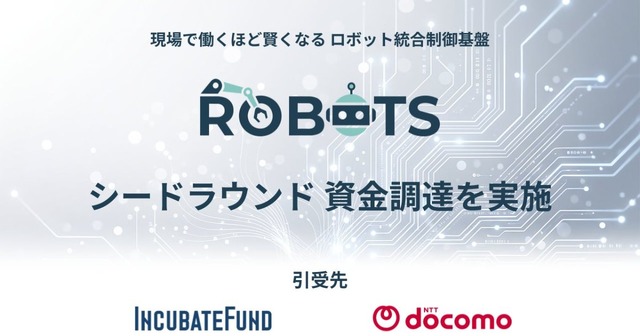
ROBOTS has announced the completion of a seed funding round through third-party allocation from Incubate Fund and NTT Docomo. The startup focuses on developing an integrated control platform for robots that become smarter through on-site operations. The funding will accelerate research and development of this platform and physical AI, particularly for implementation in the security sector. The significance of this development lies in addressing the severe labor shortages in the security industry, where high turnover rates and an aging workforce pose challenges. By integrating various robots and sensors into a cohesive system, ROBOTS aims to enhance operational efficiency and reduce the burden on security personnel. This approach allows for a flexible response to diverse on-site tasks, which is crucial given the unique demands of different environments. Looking ahead, ROBOTS plans to leverage insights gained from security applications to expand into other sectors such as equipment inspection and construction. CEO Koki Kawauchi emphasized the importance of robotics in addressing real-world challenges, aiming for a future where diverse robots work alongside humans seamlessly.

Ibaraki Prefecture Launches Consortium for Physical AI Industry with IBARAKI PHYSICAL AI SUMMIT 2026

Ibaraki Prefecture Launches Consortium for Physical AI Industry with IBARAKI PHYSICAL AI SUMMIT 2026

Ibaraki Prefecture has established the 'Ibaraki Physical AI Industry Creation Consortium' to promote business development and utilization of physical AI by local companies. The kickoff event, 'IBARAKI PHYSICAL AI SUMMIT 2026', is scheduled for July 28, 2026, at the Mito Plaza Hotel in Mito City, Ibaraki Prefecture. This initiative is significant as physical AI, which integrates AI into physical devices like robots and autonomous vehicles, is expected to see substantial market growth globally. The consortium aims to create an environment that facilitates local companies in adopting physical AI technologies, aligning with current industry trends. The kickoff event will feature participation from related companies such as Hitachi and Unitree Robotics, along with robot demonstrations. A seminar discussing the evolution of RoboCup in the context of humanoid robots and physical AI will also take place, highlighting the challenges and advancements in the field as it prepares for the RoboCup 2026 World Championship in South Korea.

WAIC 2026 Unveils Top Innovations in AI and Robotics at Shanghai Event

WAIC 2026 Unveils Top Innovations in AI and Robotics at Shanghai Event

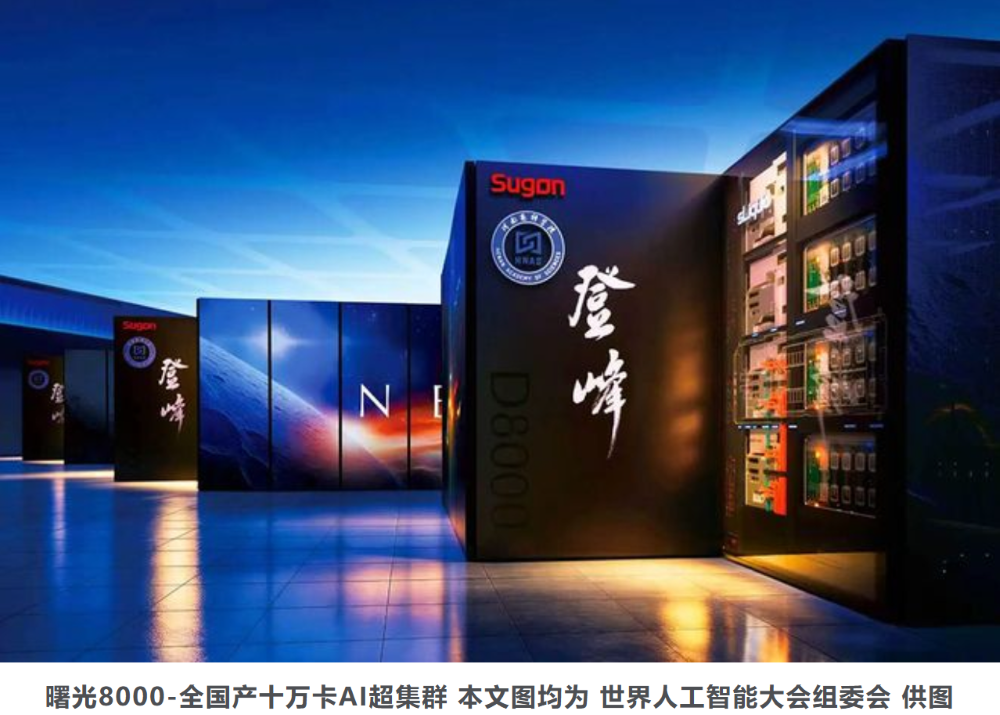
The World Artificial Intelligence Conference (WAIC) 2026, held from July 17 to 20 in Shanghai, showcased groundbreaking advancements in AI and robotics. With over 1,100 exhibitors and more than 3,000 products, the event highlighted ten key innovations, including the Shuguang 8000 AI supercomputer cluster and Ant Group's robotic pharmacy that completes a full workflow in just 90 seconds. These innovations are significant as they represent a leap in computational power and collaborative robotics, pushing the boundaries of what is possible in AI applications. The Shuguang 8000, a domestically produced AI supercomputer, supports a range of applications from scientific computing to AI inference, while the robotic pharmacy exemplifies the efficiency of integrating multiple robotic configurations. Looking ahead, the advancements presented at WAIC 2026 indicate a transformative decade for AI, robotics, and their impact on various sectors. The event's focus on high-performance computing and intelligent robotics sets the stage for future developments that could redefine work and daily life. No further timeline was disclosed at the time of publication.

Supercomputing Robotics AI Technology Smart Pharmacy Biotechnology
Qiyuan T1: The First Transformable Personal Robot Unveiled in Shanghai

Qiyuan T1: The First Transformable Personal Robot Unveiled in Shanghai

The Qiyuan T1, the world's first transformable personal robot, was unveiled in Shanghai on July 14. This innovative robot can autonomously switch between a humanoid form and a quadrupedal 'robot dog' form, adapting to various environments without user intervention. This breakthrough is significant as it allows the Qiyuan T1 to navigate spaces that may not be suitable for a single form, enhancing its usability in both indoor and outdoor settings. The robot features advanced capabilities such as flexible force control for human interaction and the ability to carry items in its quadrupedal mode. The Qiyuan T1 will make its public debut at the World Artificial Intelligence Conference from July 17 to 20, 2026. As the personal robotics market evolves, the Qiyuan T1 sets a new standard for versatility and functionality in personal robots.

Transformable Robots Personal Robotics AI Technology Human-Robot Interaction
Automakers Seek Reliable Robots for Long-Term Performance Over Flashy Demonstrations

Automakers Seek Reliable Robots for Long-Term Performance Over Flashy Demonstrations

At the 2026 Embodied Intelligence Industry Integration Conference, industry leaders emphasized the need for robots that can operate reliably for extended periods without errors. Executives from companies like Beijing Galaxy General Robotics and Changan Automobile highlighted that automakers prioritize robots capable of consistent performance over flashy capabilities. The discussion revealed that many applications in automotive manufacturing, such as material handling and quality inspection, still lack effective solutions. High labor intensity and safety concerns drive the demand for robots that can maintain precision and efficiency over long operational hours, as noted by industry experts. Looking ahead, the focus will shift towards developing adaptable robots that can quickly integrate into various factory layouts without extensive reprogramming. The concept of 'Design for Robot' was introduced, aiming to reshape factory processes around robotic capabilities. No further timeline was disclosed at the time of publication.

Industrial Robotics Manufacturing Automation Automotive Technology Robotic Process Automation
LA High School Students Engage with Real Robotics at Faraday Future Headquarters This Summer

LA High School Students Engage with Real Robotics at Faraday Future Headquarters This Summer

A group of K-12 students in Los Angeles has been hands-on with real humanoid robots and industrial-grade robotic dogs at Faraday Future's headquarters this summer. On July 15, Faraday Future announced that its EAI Robotics Summer Camp, in collaboration with the Lynwood and El Segundo school districts, has entered its second week, alongside a partnership with Triple I, a full-cycle education organization in the U.S. The summer camp is notable for using actual robotics equipment rather than toy kits or computer simulators. Students have worked with Faraday Future's own robots, including the Navi, an educational four-legged robot priced under $2,000, the industrial-grade Aegis, and the humanoid robot Master. The camp employs a five-day progressive learning structure, culminating in students programming and debugging real hardware. Participants have transformed from beginners to capable of autonomous system demonstrations within just one week. Faraday Future's Co-CEO Chen Zhe emphasized the importance of immersive engineering experiences for students and how their feedback aids product iteration and course design. He believes education will be a key application area for scaling consumer robotics in its early stages, as Faraday Future aims to bridge classroom learning with practical experience and home education.

Robotics Education Hands-on Learning Consumer Robotics Programming STEM
Smart Wheelchair Captivates Attention at Stanford AI Summit Over Humanoid Robots

Smart Wheelchair Captivates Attention at Stanford AI Summit Over Humanoid Robots

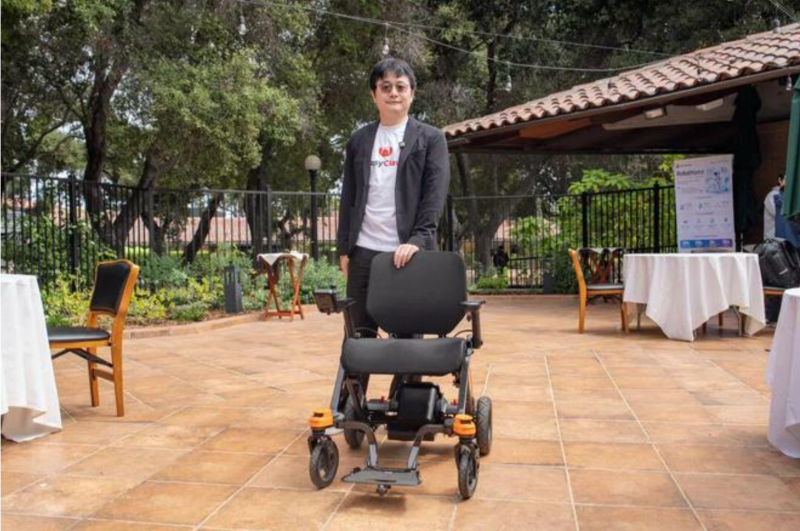
At the Humanity & AGI Summit held at Stanford University, a smart wheelchair presented by Fu Sheng, Chairman of Cheetah Mobile, garnered significant attention, overshadowing humanoid robots. Attendees were drawn to the wheelchair's autonomous obstacle avoidance and user-friendly features, prompting many to experience it firsthand. The interest in the smart wheelchair highlights a critical shift in the robotics landscape, as Fu Sheng noted that humanoid robots are unlikely to achieve commercial scalability in the next five to ten years. He emphasized that the current limitations in software and hardware development hinder the practical application of humanoid robots, with most sales directed towards research institutions rather than commercial markets. Looking ahead, the focus on practical solutions like the smart wheelchair suggests a growing recognition that functionality is more important than form in robotics. As the industry continues to evolve, the demand for effective, user-centric products will likely shape future innovations, steering attention away from humanoid designs towards more practical applications.

Smart Wheelchairs Humanoid Robots AI Technology Robotics Assistive Devices
Tombot's AI-Driven Robotic Dog Receives Over 23,000 Preorders for Senior Emotional Support

Tombot's AI-Driven Robotic Dog Receives Over 23,000 Preorders for Senior Emotional Support

Tombot, a robotics company based in Los Angeles, has announced the completion of a $7 million Series A3 funding round led by Caduceus Capital Partners and Wavemaker 360. This brings the company's total funding to over $13 million, with more than 23,000 preorders for Jennie, an AI-driven robotic Labrador puppy, already secured before product delivery. The significance of Jennie lies in its potential to address the growing issue of loneliness among seniors, particularly those suffering from dementia and mild cognitive impairment. With over 300 million individuals globally affected by these conditions, Tombot aims to provide a medical-grade emotional support device that requires no feeding, walking, or maintenance, thus offering a viable companionship option for the elderly. Looking ahead, Tombot's focus will be on continuous updates to Jennie's behavior and voice commands through an accompanying mobile app. The response from investors and the market indicates a serious consideration of robotic companions as a solution to the pressing challenges of aging populations and caregiver shortages. No further timeline was disclosed at the time of publication.

Emotional Support Robots Elderly Care Technology AI Companions Robotics
Jining Transforms into a Robotics Hub, Redefining Its Industrial Identity

Jining Transforms into a Robotics Hub, Redefining Its Industrial Identity

Jining, a historic city known as the hometown of Confucius and Mencius, is redefining its industrial identity through robotics. In July, the 2026 'Robot+' Innovation Development Conference took place in Jining, attracting 165 upstream and downstream robotics companies and showcasing ten practical application scenarios. The city, one of Shandong's four major robotics industry hubs, is drawing national capital with its unique approach. As a top 100 city for advanced manufacturing in China, Jining encompasses 38 of the 41 major industrial categories, including engineering machinery and biomedicine. Thousands of enterprises are advancing digital transformation and automation upgrades. The demand for robotics is particularly strong in heavy industries, coal mining, and logistics, with significant opportunities for mining robots and warehouse automation. Jining's development strategy involves differentiated growth across its districts, focusing on core components, drones, and service robots. The city has established a 500 million yuan investment fund for robotics and is prioritizing projects in key areas such as industrial robots and special-purpose mining robots. As Jining embraces robotics, it illustrates the synergy between its rich cultural heritage and intelligent manufacturing.

Robotics Industrial Automation Smart Manufacturing AI Technology