


Gimatic Vertrieb GmbH
Italian EOAT manufacturer est. 1985, Brescia; 170+ patents, 1M+ grippers; pneumatic/electric grippers and actuators for industrial robots. ISO 9001.
Contact Gimatic Vertrieb GmbH
WEBSITE
https://gimatic.com/PHONE
-2584646HEADQUARTERS
Italy

Company Facts
Founded
1985
Primary Role
Component Supplier
Company Size
-
Primary Region
Europe
Annual Sales
-
Funding Stage
-
Funding Total
-

Japan to Develop Drone-Mounted Quantum Magnetic Sensors for Submarine Detection by 2031
Japan is set to develop compact quantum magnetic sensors for drones to enhance submarine detection capabilities. This initiative is part of Tokyo's fiscal 2027 defense budget request, with a target completion date of fiscal 2031, as reported by the Nikkei newspaper. The sensors aim to identify subtle magnetic changes associated with submerged vessels, complementing existing sonar technologies. By deploying these sensors on low-cost drones, Japan seeks to improve surveillance in strategic chokepoints where Chinese submarines are likely to navigate, thus enhancing maritime security without risking aircrew lives. While the magnetic sensors have limited detection ranges, defense expert Masashi Murano noted their efficiency could be maximized through widespread drone deployment. This strategy could reduce Japan's reliance on its P-1 maritime patrol aircraft, which incurs higher operational costs. No further timeline was disclosed at the time of publication.
Military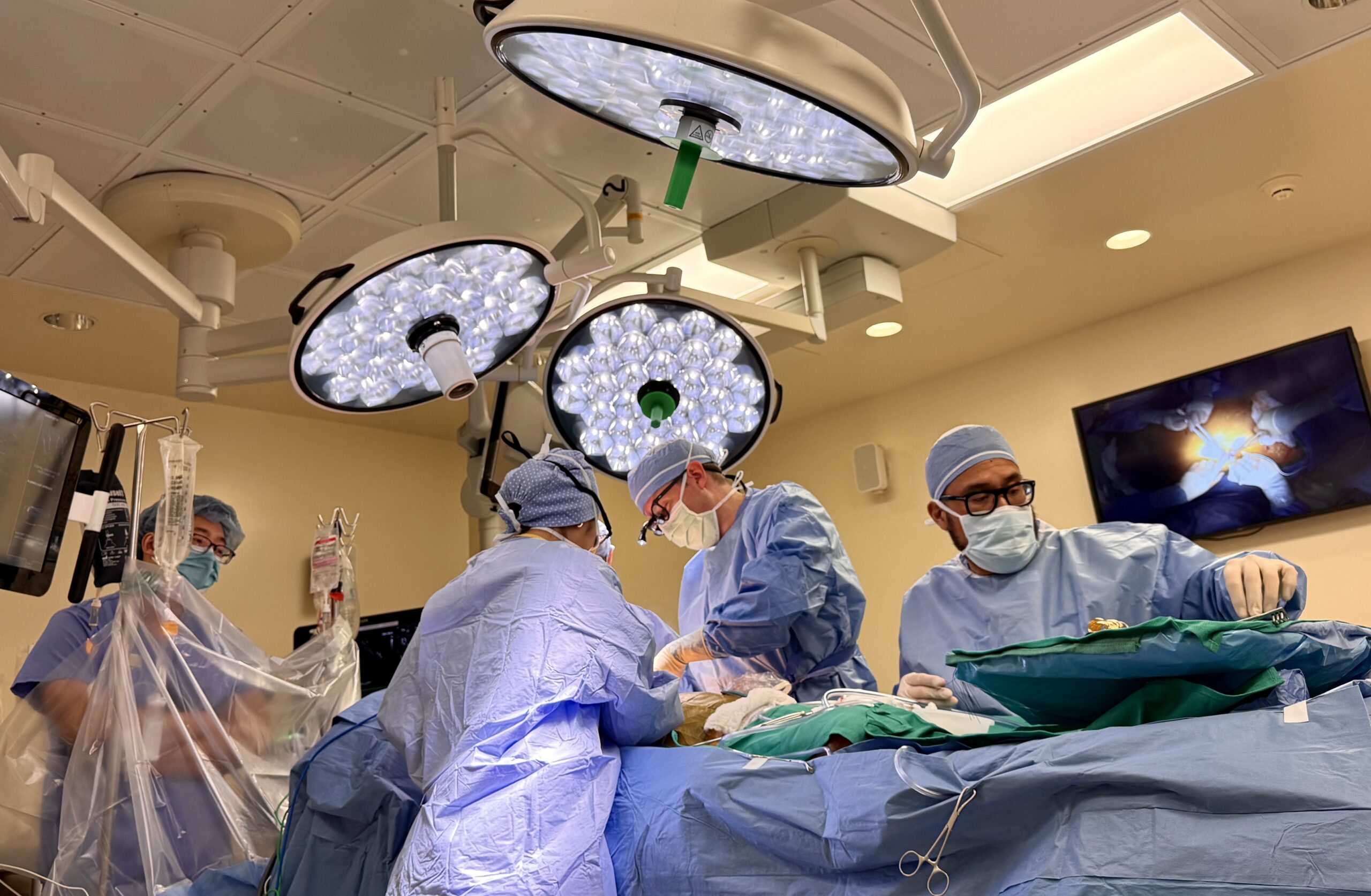
Advancements in Surgical Robots and Real-World Warehouse Automation Explored
The September 2026 digital issue of The Robot Report highlights significant advancements in surgical robotics and warehouse automation. It features case studies from El Camino Health, where the da Vinci system from Intuitive Surgical is utilized for coronary artery bypass grafting, emphasizing the need for precise motion control to enhance patient outcomes and reduce complications. This report is crucial for commercial robotics developers and end users as it illustrates the successful integration of robotic systems in healthcare and logistics. El Camino Health's implementation of robotic surgery not only alleviates cognitive burdens on staff but also improves care consistency and accessibility, showcasing the potential of surgical robots in modern medicine. Additionally, the report discusses the integration of autonomous mobile robots (AMRs) in warehouse operations, highlighting their independent capabilities compared to traditional automated guided vehicles. As AMRs become more prevalent in third-party logistics, retailers, and manufacturing, best practices for their deployment and maintenance will be essential for maximizing efficiency and investment returns. No further timeline was disclosed at the time of publication.
Autonomous Mobile Robots (AMRs) Case Study Controllers Digital Issues Healthcare Robotics Logistics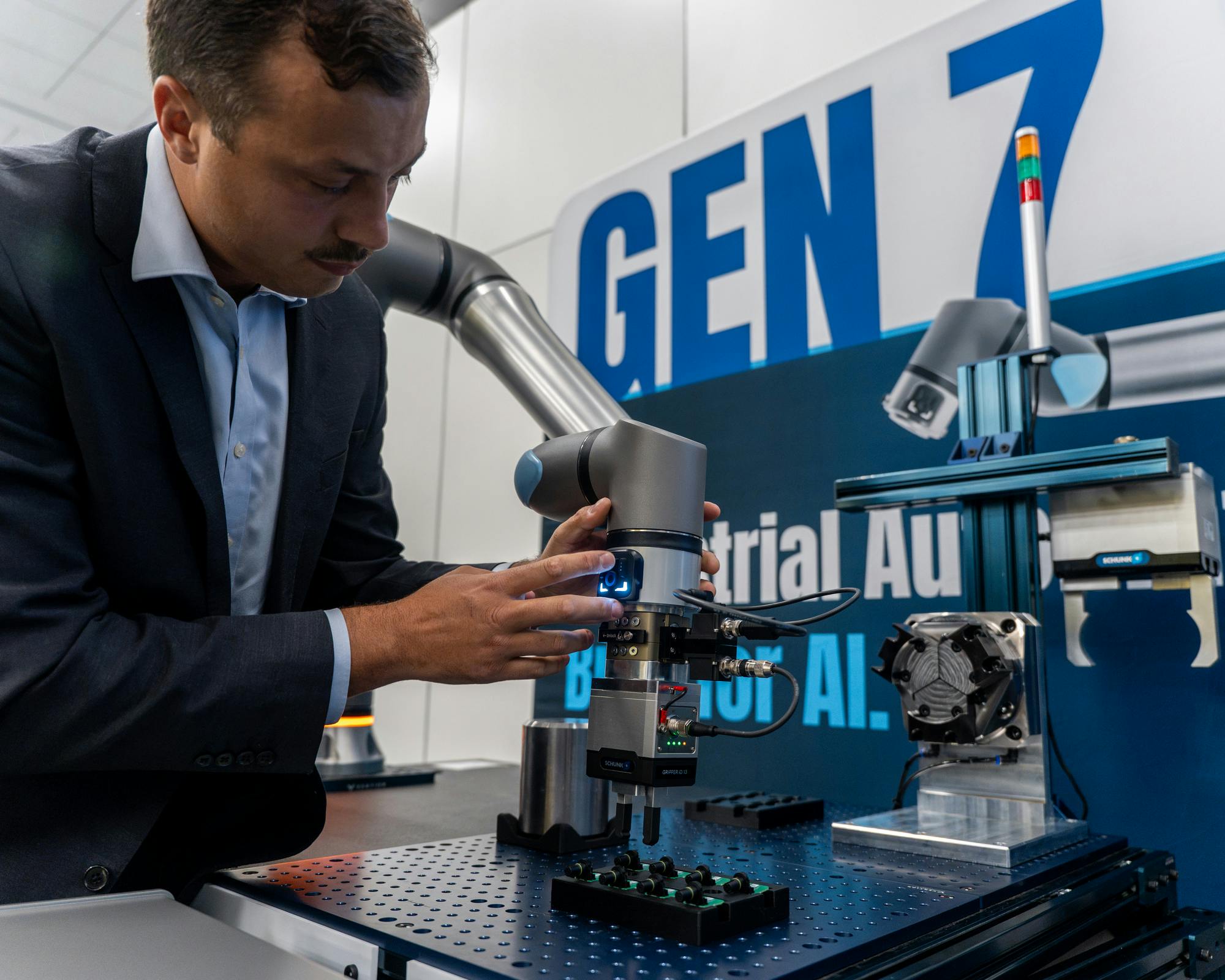
Universal Robots Launches Gen 7 Robotics Platform at IMTS 2026 in Chicago
Universal Robots unveiled its seventh-generation robotics platform, Gen 7, at the IMTS conference in Chicago on September 14, 2026. This platform features a unified system upgrade anchored by the PolyScope X robot operating system, which includes a reengineered control box, teach pendant, and tool flange. The significance of Gen 7 lies in its ability to reduce integration friction and expand application capabilities, enabling customers to deploy advanced AI-powered applications confidently. With over 20 years of cobot innovation and more than 100,000 industrial deployments, the platform is designed to meet the demands of the AI era. Looking ahead, Gen 7's advanced features, such as AI-ready tool flanges and enhanced force-torque sensing, position it as a key player in the evolution of collaborative robotics. No further timeline was disclosed at the time of publication.
Factory / Robotics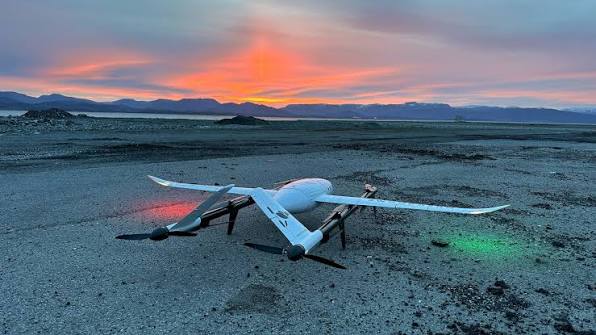
Kite Aerospace Initiates KITE UAS Production at Sykes Facility in Geelong
Kite Aerospace Pty Ltd has commenced production of its KITE uncrewed aerial vehicle on September 14, 2026, at the Sykes Advanced Manufacturing facility in Geelong, Australia. This move is part of a strategy to build a pipeline of over 100 units, ensuring that production aligns with the Five Eyes supply chain, which provides procurement assurance to enterprise and government customers in allied markets. The KITE is designed as an autonomous logistics aircraft capable of delivering essential supplies to areas that are typically hard to reach by conventional transport. With a total of over 41,000 flights and 20,000 operational hours logged across its fleet, the KITE's production in Australia allows Kite Aero to maintain its intellectual property onshore while leveraging Sykes' advanced manufacturing capabilities. Looking ahead, Kite Aero's partnership with Sykes Advanced Manufacturing is expected to enhance its production capacity as demand grows. The facility in Geelong, which boasts aerospace-grade composite tooling and advanced manufacturing technologies, positions Kite Aero to meet the needs of its customers effectively. No further timeline was disclosed at the time of publication.
Drone News Drone News Feeds Logistics News 5-axis CNC drone aerospace composite manufacturing
Transforming Machine Signals into Informed Decisions: The Role of MES/MOM Data
In manufacturing, data generation is abundant, with machines continuously producing events, counters, and parameters. However, many plants still rely on informal updates rather than a cohesive understanding of operations. This highlights a common misconception in digital transformation: that simply collecting more data leads to improved operations. Instead, data becomes valuable when contextualized and integrated into decision-making routines, a crucial function of MES/MOM systems. The significance of a robust data model cannot be overstated, as it provides the necessary context for interpreting machine signals. Without a clear structure, dashboards may appear impressive but lack analytical depth, leading to inconsistent interpretations across teams. Master data, including product definitions and quality parameters, plays a vital role in establishing a stable operational picture, impacting the effectiveness of KPIs and decision-making processes. To enhance decision-making, organizations must prioritize specific areas for improvement, such as recurring line losses or quality issues. Effective management routines, alongside well-defined data governance, can yield greater value than sophisticated analytics tools. As organizations align on core definitions and contextualized data, they can leverage advanced analytics and foster collaboration across multiple sites, ultimately driving better operational outcomes.
Factory / Digital Transformation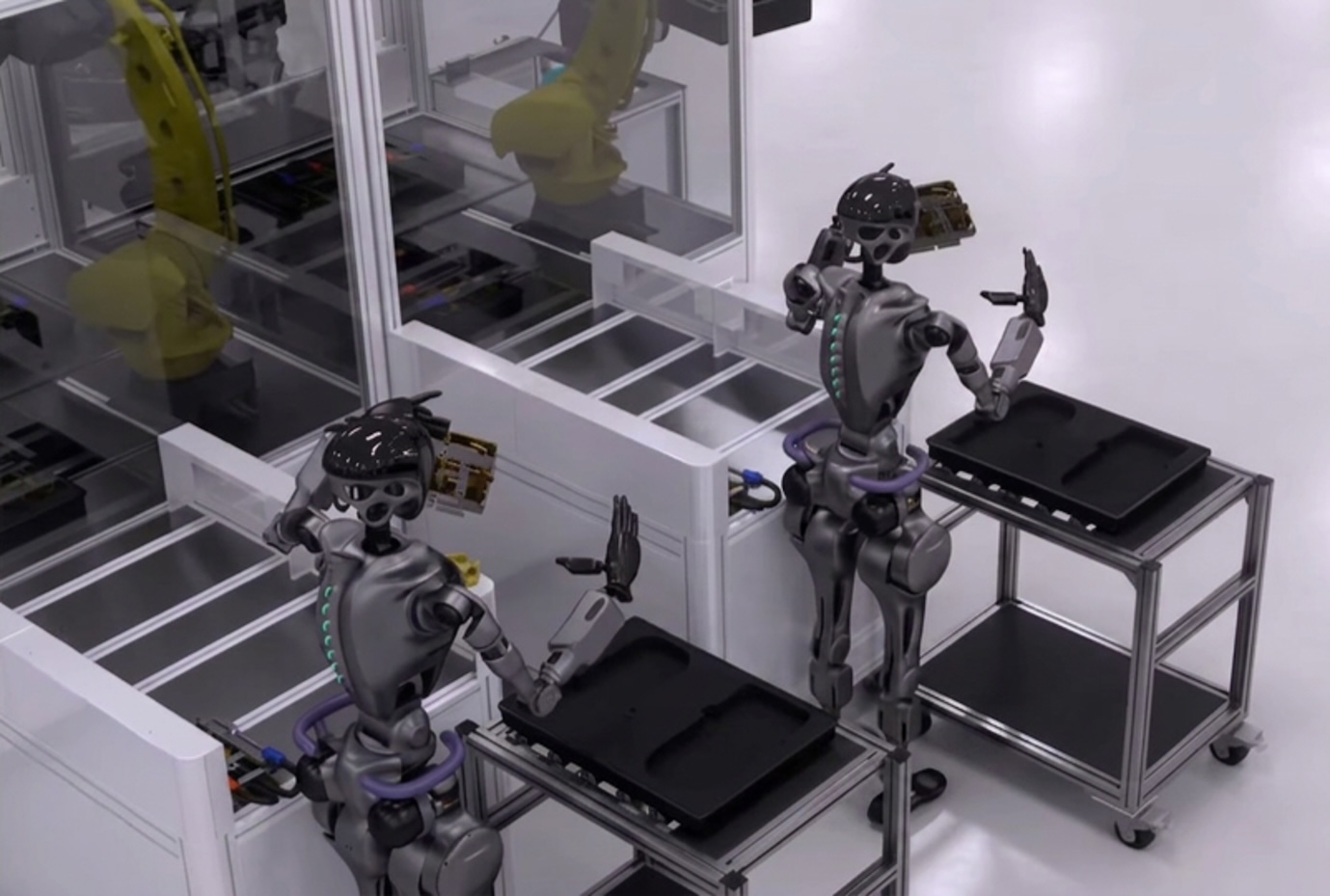
Symbotic Becomes Member-Sponsor of Stanford Robotics Center's Industrial Affiliates Program
Symbotic has officially joined the Stanford Robotics Center (SRC) Industrial Affiliates Program as a member-sponsor. This membership grants Symbotic access to Stanford's esteemed research community, fostering collaboration aimed at advancing innovations in robotics, autonomy, and artificial intelligence. The significance of this partnership lies in the potential for Symbotic to leverage Stanford's cutting-edge research to enhance its AI-enabled robotics technology for the supply chain. By engaging with leading experts and researchers, Symbotic aims to drive forward its capabilities in automation and robotics, which are critical for modern supply chain solutions. Looking ahead, it will be important to monitor the developments arising from this collaboration, particularly in how Symbotic integrates insights from Stanford into its product offerings. No further timeline was disclosed at the time of publication.
Business Industry News Research Robotics ai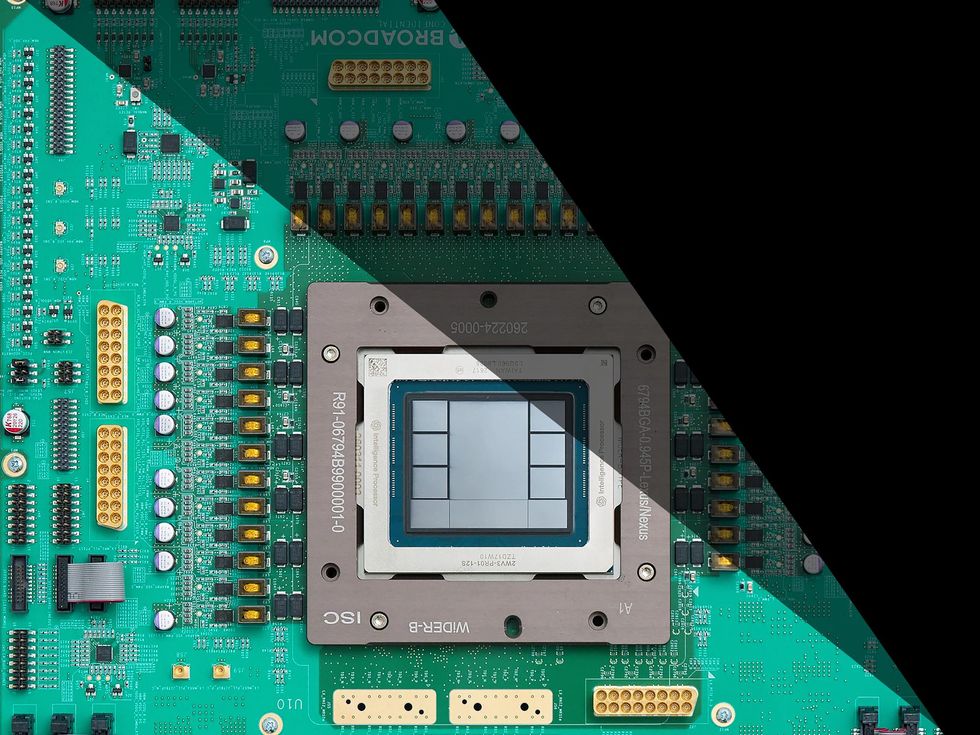
OpenAI Launches Jalapeño Chip, Leveraging LLMs for Accelerated Design Process
On August 25, OpenAI introduced Jalapeño, its first AI accelerator chip, achieving up to 13.4 petaflops of 4-bit compute and accessing 232 gigabytes of advanced memory at 15.4 terabytes per second. Jalapeño reportedly reduces end-to-end latency by up to 3.6 times compared to Nvidia's GB300 while consuming less power. The significance of Jalapeño lies not only in its performance metrics but also in the innovative design process, which was expedited using OpenAI's large language models (LLMs). The chip's development timeline spanned under 20 months, with only nine months from the first RTL code to tapeout, showcasing the potential of LLMs in chip design. Looking ahead, OpenAI's collaboration with Broadcom and the integration of LLMs into chip design tools could lead to even faster development timelines. As LLM capabilities improve, the industry may witness a transformation in how chips are designed and manufactured, with OpenAI at the forefront of this evolution.
Openai Llms Chip-design
UBTECH Launches New Factory Capable of Producing 10,000 Humanoid Robots Annually
UBTECH has commenced operations at its new humanoid robot factory in Liuzhou, Guangxi, as of September 12. This facility is set to produce over 10,000 humanoid robots each year, marking a significant transition from limited production to large-scale manufacturing. The factory's production line is engineered to assemble one robot every 10 minutes, enhancing UBTECH's manufacturing capabilities. The establishment of this factory is pivotal for UBTECH, as it signifies a major advancement in the commercial production of humanoid robots. The facility, covering 14,000 square meters, will primarily focus on the Walker S Series and Cruzr Series robots. The automation integrated into the manufacturing process, including humanoid robots and collaborative arms, streamlines operations and reduces the need for extensive hardware modifications. Looking ahead, UBTECH's collaboration with Siemens Digital Industries Software is noteworthy, as it encompasses various aspects of digital manufacturing. The development of the Yanshee MOM system and the use of Siemens’ Plant Simulation platform will enhance production efficiency and quality control. No further timeline was disclosed at the time of publication.
AI and Robotics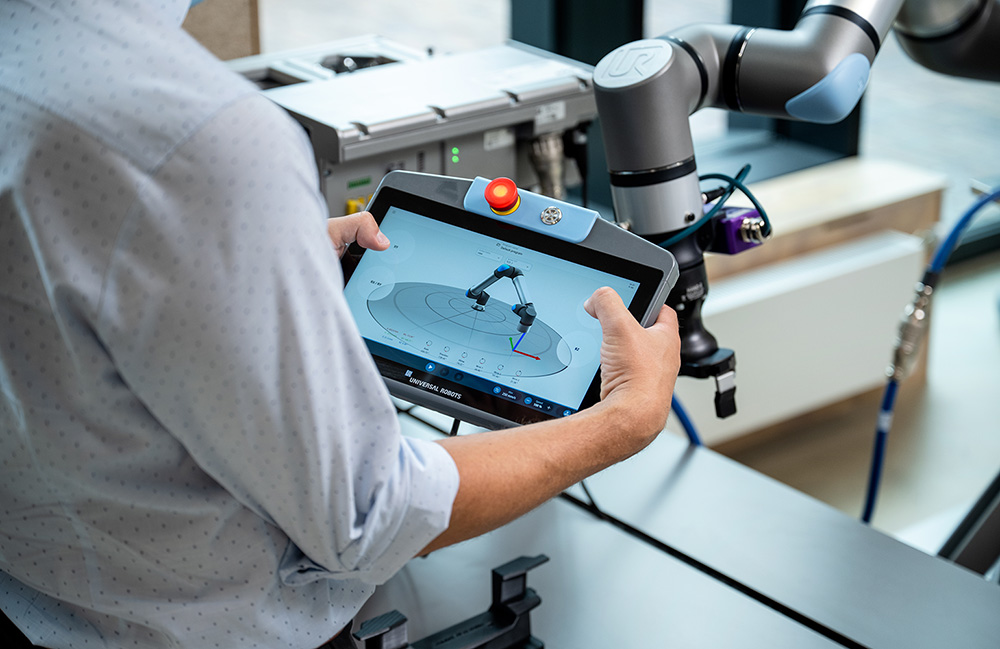
Universal Robots Unveils Gen 7 Robotics Platform at IMTS Trade Show
Universal Robots A/S launched its seventh-generation robotics platform, Gen 7, at the IMTS trade show. This platform enhances the user experience by integrating advanced AI-powered applications into industrial operations, maintaining a familiar interface for operators and engineers. The new platform features a re-engineered control box, teach pendant, and tool flange, designed to simplify complex tasks. The introduction of Gen 7 is significant as it reflects Universal Robots' commitment to advancing AI in manufacturing. The new core controller boasts 40% more compute power while being 30% smaller than previous models, facilitating multi-network communication and reducing reliance on external switches. This upgrade is expected to enhance the deployment of AI in factories, aligning with Teradyne's broader strategy to leverage AI for revenue growth. Looking ahead, Universal Robots aims to further improve the ease of deployment and programming of its robots, particularly in the context of AI integration. The Gen 7 platform includes three new robot arms, UR10g-1750, UR17g-1300, and UR18g-950, which are larger than earlier models. No further timeline was disclosed at the time of publication.
Arms / Manipulators Artificial Intelligence Artificial Intelligence / Cognition Cobot Arms Collaborative Robots Controllers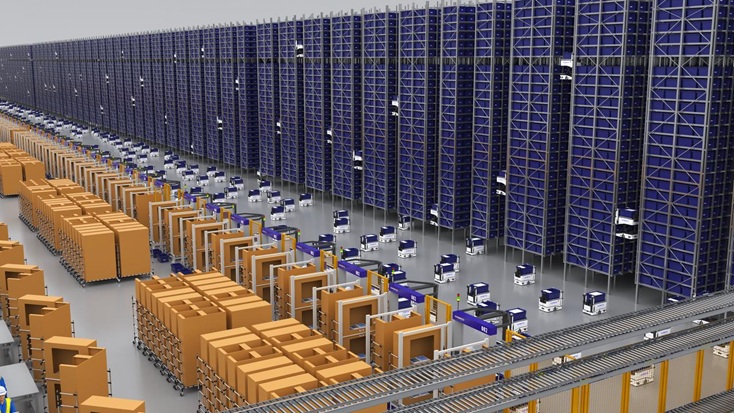
Hai Robotics Chosen for Largest Deployment of Rack-Climbing Warehouse Robots Globally
Hai Robotics has been selected to implement automation technology for a major e-commerce fulfillment center operated by a leading European fashion retailer. This project features the HaiPick Climb system, marking the largest deployment of rack-climbing warehouse robots in the world, with over 1,500 units set to enhance operational efficiency. The significance of this deployment lies in its potential to redefine warehouse automation standards, showcasing HaiPick Climb as a premier solution for high-performance e-commerce fulfillment. The retailer's expansion of its partnership with Hai Robotics emphasizes the growing demand for scalable automation solutions in response to rising online order volumes. Looking ahead, the project underscores the trend towards scalable robotic automation in large-scale fulfillment operations. No further timeline was disclosed at the time of publication.
Industry News
China’s Dexterous Hand Industry, 2026 Part 3 — The Players
Five vendor archetypes, MIR’s composite top ten, eight company profiles and six field deployments — every firm linked to the RobotToday supplier directory.

China’s Dexterous Hand Industry, 2026 Part 2 — The Technology
Linkage, tendon, direct drive or hybrid — and why hardware is converging while the DL1–DL5 manipulation scale decides who wins. Part 2 of 3.

China’s Dexterous Hand Industry, 2026 Part 1 — The Demand Picture
MIR Databank puts China dexterous hand shipments above 30,000 units in 2026, yet only 3.5% of 2025 demand came from factory production. Part 1 of 3.
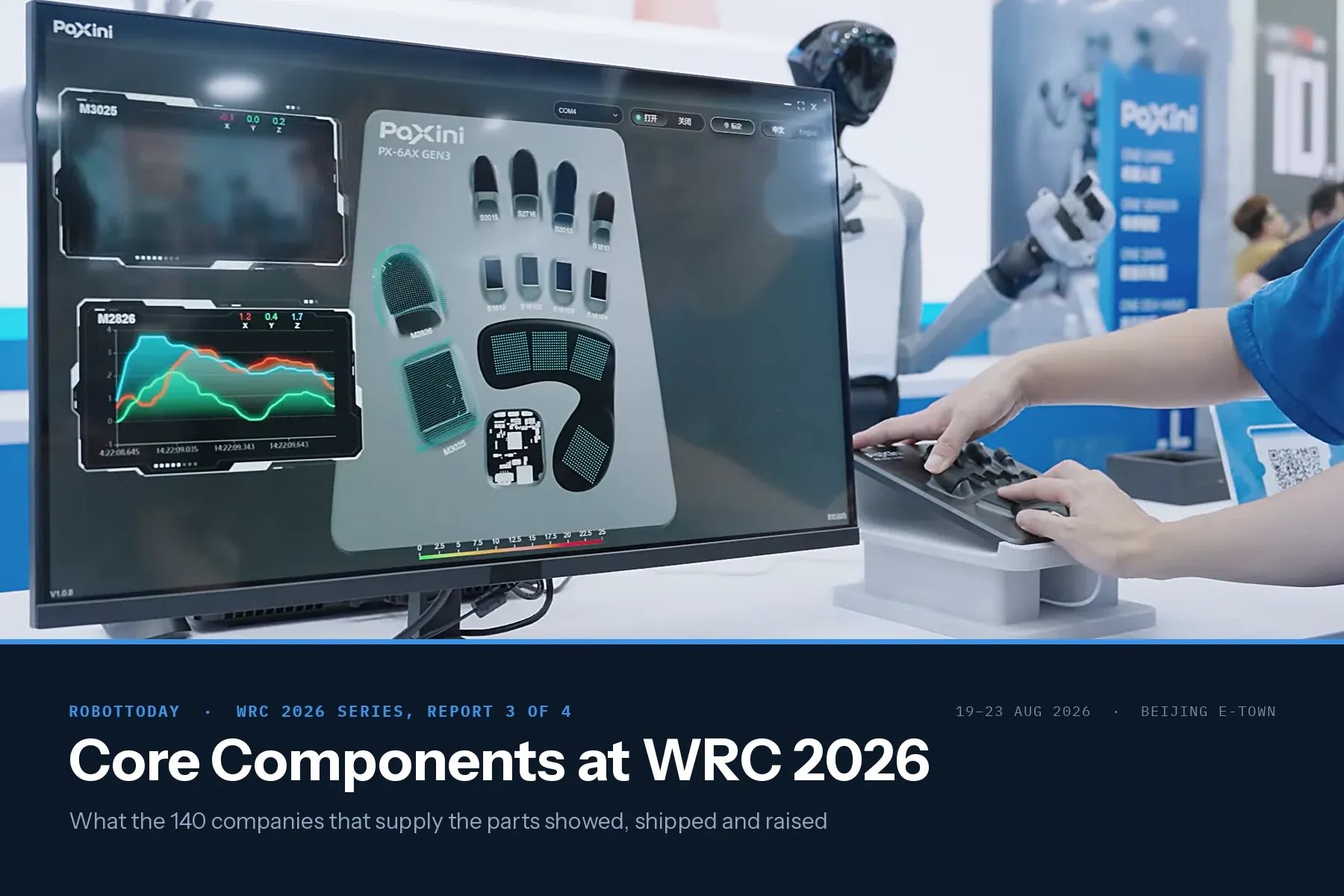
WRC 2026 Core Components: 137 Robot Parts Suppliers
The third report in the WRC 2026 series. Report 1 mapped all 248 exhibitors by category and Report 2 covered the 139 that build finished robots. This one covers the 137 that build what goes inside them.
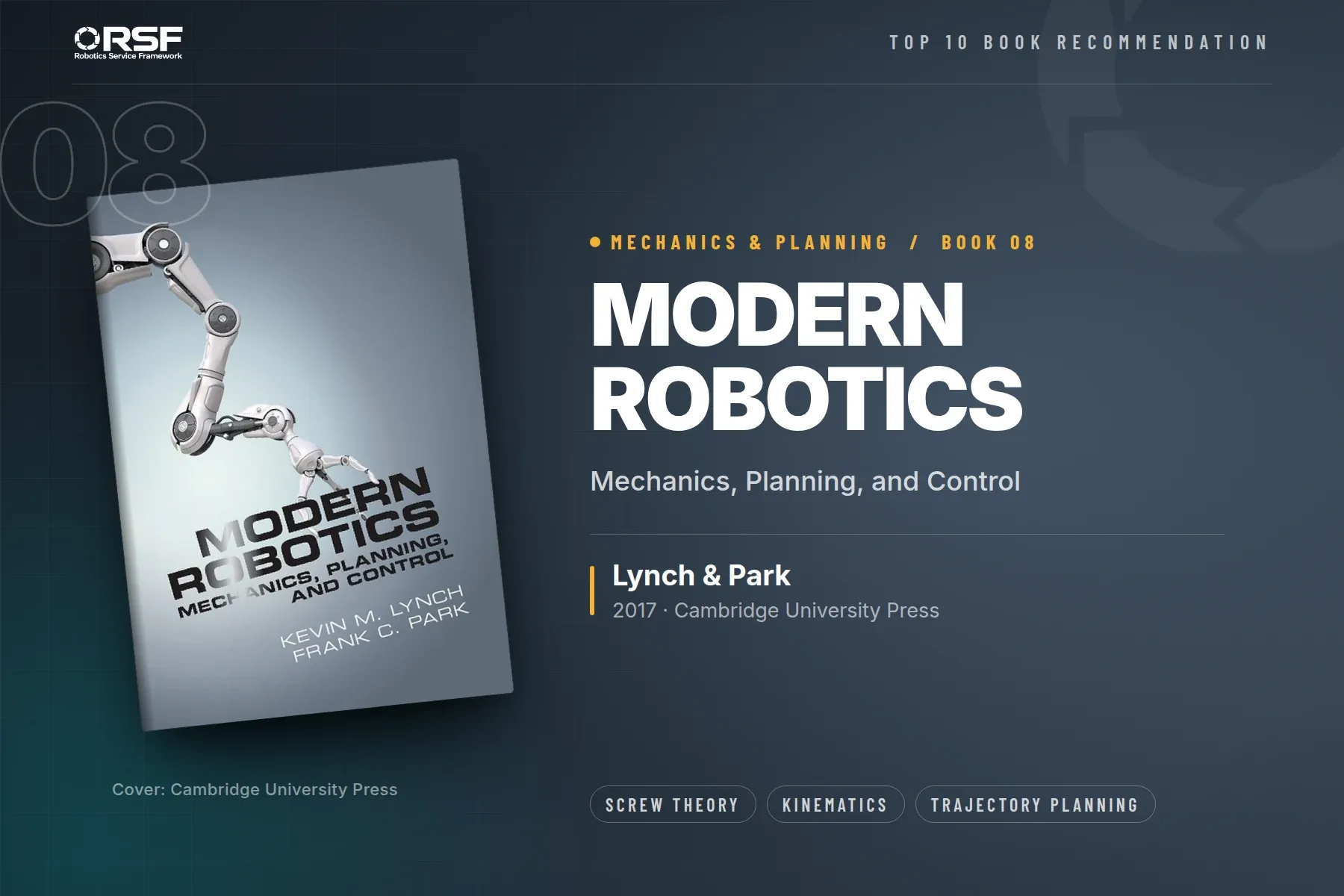
Modern Robotics K. M. Lynch & F. C. Park — RSF Top 10 Robot Education Textbooks · No. 8
The book the field agreed to make free: full preprint PDF, video lectures and open code from the authors. Screw theory and kinematics, taught rigorously.

Robotics, Vision and Control Peter Corke — RSF Top 10 Robot Education Textbooks · No. 5
Most books you read; Corke's you run. Every concept ships as executable Python via the open Robotics Toolbox. The code softens the maths.
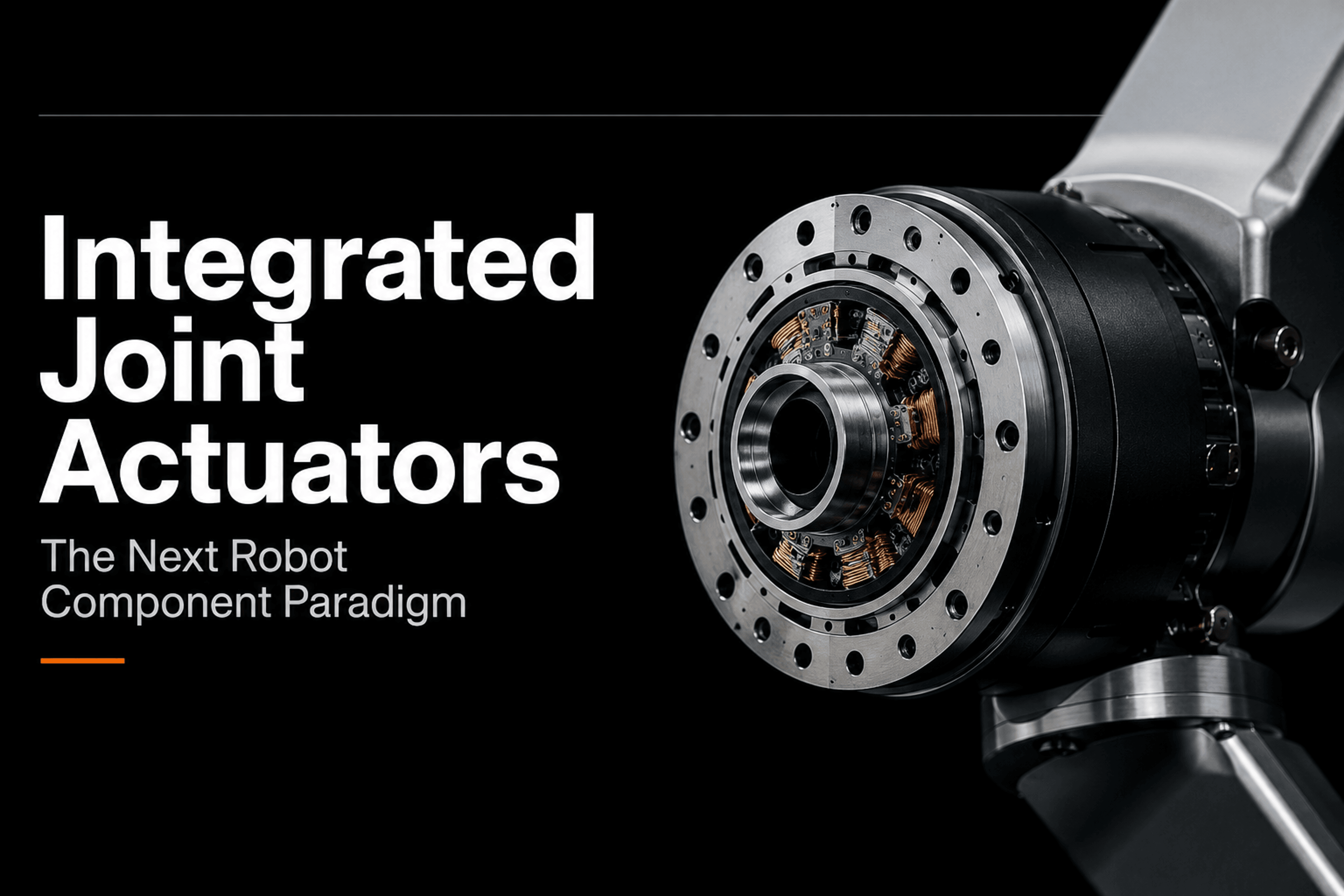
Integrated Joint Actuators 2026: Technology, Global Suppliers & China's Leap Forward
From rotary joints hitting 530 N·m+ to linear joints with planetary roller screws, integrated actuators are replacing the three-part drivetrain. Full supplier map: Tihu, PhyArc, RobStride, Schaeffler, maxon — and China's path from 1,000-RMB modules to global standard-setter.
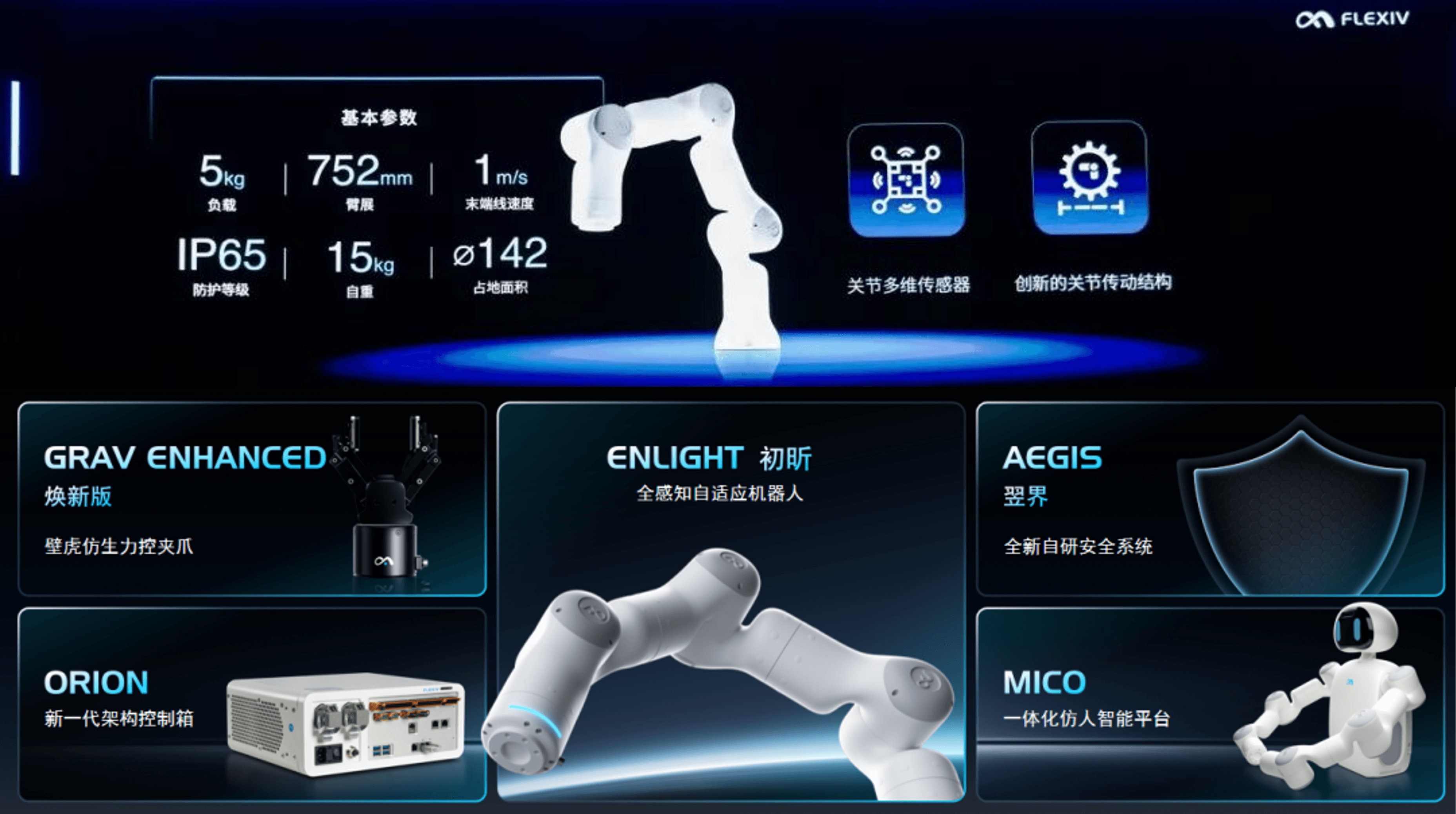
Flexiv Launches “Enlight” Platform to Expand General-Purpose Robotics Capabilities
Flexiv unveils the Enlight robotics platform, Orion controller, and MICO system—advancing force-centric, general-purpose robots for real-world applications.
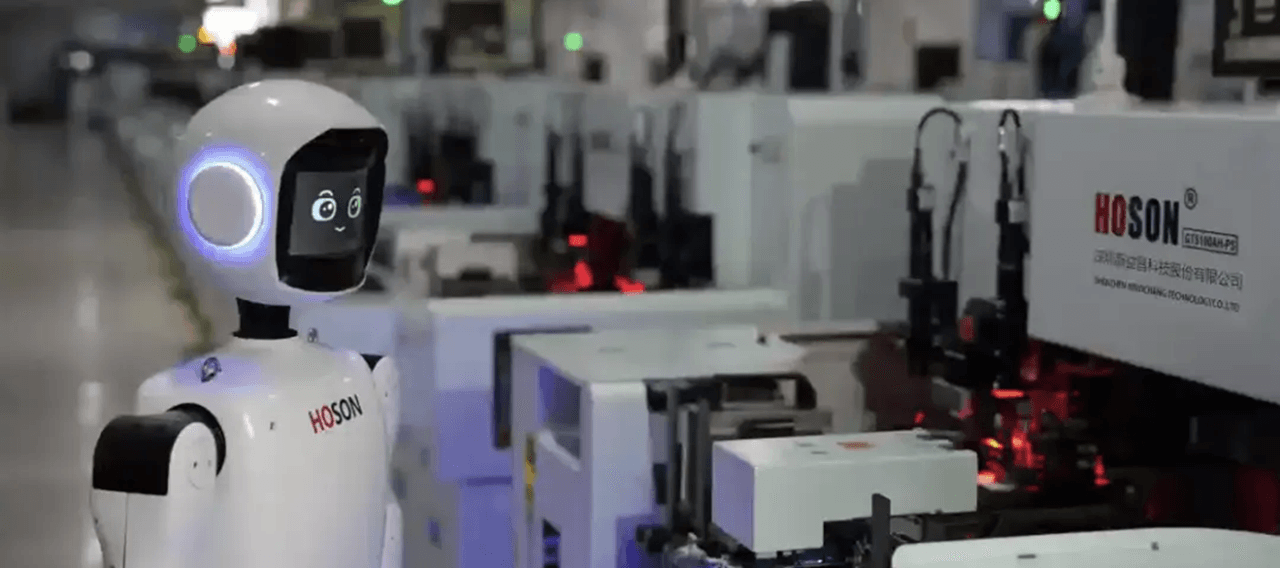
Hoson Tech Enters Humanoid Robotics with Hoson Robot
Hoson Tech expands into humanoid robotics with the Hoson Robot, bringing semiconductor-grade precision and embodied intelligence to real-world automation.

Agibot and Longcheer Technology Forge a New Benchmark for AI Manufacturing
Agibot and Longcheer Technology announce a strategic partnership to advance AI-driven manufacturing and set a new benchmark in integrating intelligent robotics into production processes.


