


Evident
US NDT/RVI instrument maker (spun off from Olympus 2022); IMS division—ultrasonic flaw detectors, videoscopes, XRF—divested to Wabtec in July 2025.
Contact Evident
WEBSITE
https://ims.evidentscientific.com/en/PHONE
+1 781-419-3900HEADQUARTERS
United States

Company Facts
Founded
2022
Primary Role
Manufacturer
Company Size
-
Primary Region
North America
Annual Sales
-
Funding Stage
-
Funding Total
-
Keywords
- Evident
- NDT
- ultrasonic testing
- RVI
- videoscope
- XRF
- eddy current
- phased array
- automated inspection
- Olympus spin-off
- Wabtec
- Industrial Manufacturing
- Logistics & Supply Chain
- Software & Algorithm Provider
- Manufacturer
- Perception & Vision
- Manufacturing
- Special / Extreme Environments
- Aerospace & Space
- Mining

Addressing Field Service Challenges in Robotics Maintenance and Support
The robotics industry is increasingly focused on the deployment and sales of robots, yet there is a significant gap in discussions regarding post-deployment support. Specifically, the challenges of field service are becoming apparent as robots require maintenance and repairs after installation. For instance, when a sensor malfunctions in a remote location, it can lead to operational downtime and increased costs. This issue is critical as the reliance on robots in various sectors grows, making effective field service essential for maintaining productivity and efficiency. The ability to quickly address technical failures, such as a sensor issue occurring 900 miles away from the nearest engineer, is vital for ensuring that robotic systems continue to function optimally. As the industry evolves, the importance of robust support systems will become increasingly evident. Looking ahead, companies must prioritize the development of efficient field service strategies to mitigate potential bottlenecks in robotics maintenance. No further timeline was disclosed at the time of publication.
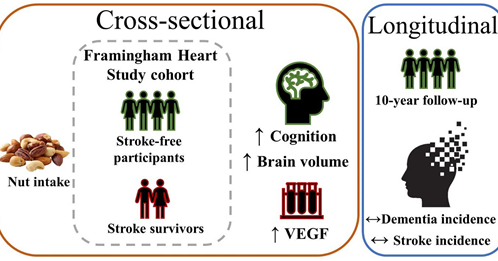
Monash University Study Links Higher Nut Consumption to Better Cognitive Function
Researchers from Monash University published a study examining the impact of nut consumption on cognitive function and brain health. Utilizing data from the Framingham Heart Study, they analyzed participants with and without stroke, focusing on average nut intake and its correlation with cognitive test scores, brain volume measured by MRI, and protective blood components like BDNF and VEGF. The analysis of 1,742 participants without stroke revealed that higher nut intake (ranging from 0 to 94.3g per day) was associated with better overall cognitive function scores after adjusting for factors like age, gender, and obesity. Notably, this trend was particularly evident in groups with poorer lifestyle habits, such as low diet quality and lack of exercise. Among 28 stroke survivors, those with higher nut consumption exhibited elevated levels of VEGF, a component that aids in creating new blood vessels and protecting brain tissue. However, the long-term study tracking participants over ten years found no significant link between nut intake and the risk of new strokes or dementia onset.
Shenzhen Robotics Innovate with AI Tennis Robots at Billie Jean King Cup
On September 22, the Billie Jean King Cup finals commenced at the Shenzhen Bay Sports Center, showcasing a groundbreaking event where tennis player Wang Qiang faced off against the Tenniix ULTRA MAX robot. This robot, developed by Shenzhen companies Zhujie Power and Yinghansi Power, demonstrated advanced capabilities by serving and returning balls in a competitive setting. The significance of this event lies in the integration of robotics and sports, highlighting the growing market for AI-driven training tools in tennis. With over 100 million tennis participants globally by 2025, and a notable increase in China's tennis population, the demand for innovative training solutions is evident. Companies like Woan Robotics and Yinghansi Power are positioning themselves to meet this demand, with Woan's Acemate S10 already recognized as an official supplier for the 2025 Billie Jean King Cup. Looking ahead, both companies are focusing on enhancing their products with data analytics and AI coaching services. Yinghansi Power has reported significant sales growth, while Woan Robotics is exploring rental models for its AI tennis robots. No further timeline was disclosed at the time of publication.
Tennis Robots AI Technology Sports Innovation Robotics Training Equipment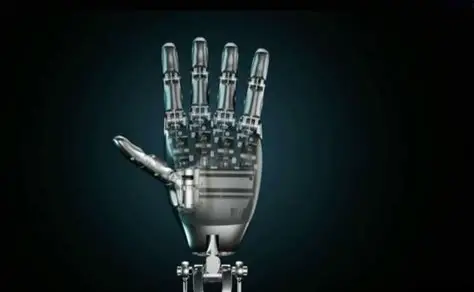
Tesla App Reveals Details of Optimus Gen 3 Robot with Streamlined Design Features
Tesla has recently been quiet about its humanoid robot project, but its mobile app may have inadvertently leaked information. New digital assets discovered within the Tesla App appear to showcase the unmasked production version of the Optimus Gen 3 robot. Tesla enthusiast @WholeMars found these renderings in the updated Tesla Android App, which are official UI models designed to display the Tesla robot on mobile devices. The extracted renderings provide a direct comparison between the upcoming Gen 3 and the previous Gen 2.5 prototype. Notably, the Gen 3 features a more streamlined design, with redesigned pelvis and hip components, and a flexible joint cover to protect vulnerable areas. The knee and lower leg panels have transitioned from a shiny gold finish to a matte black shell, creating a more cohesive black and champagne gold color scheme. Additionally, the Gen 3's hands have been significantly upgraded, boasting 22 degrees of freedom, closely mimicking human hand capabilities. Optimus Gen 3 is positioned as a version specifically designed for large-scale factory production. The emphasis on simplified manufacturing processes and the product's aesthetic is evident from the detailed design revealed. Tesla previously postponed the public unveiling of Optimus Gen 3, with Elon Musk indicating that final adjustments were needed. Behind the scenes, production preparations are advancing rapidly, with plans to modify the Fremont factory for assembly, aiming for an annual production capacity of 1 million units, and potentially scaling up to 10 million units at the Texas Gigafactory.
Humanoid Robots Robotics AI Manufacturing Technology
Siemens on Robots, Agentic AI and the "Last 3%" Problem
Siemens tells RobotToday at IMTS 2026 why AI robot demos are only the tip of the iceberg, and why agentic AI depends on PLM data and business context.

Goldman Sachs Increases Humanoid Robot Shipment Forecast to 6.5 Million by 2035
Goldman Sachs has revised its forecast for global humanoid robot shipments in 2035 from 1.4 million to 6.5 million units, representing a 4.6-fold increase. This adjustment corresponds to a market size of approximately $138 billion, which is a 3.6-fold increase from previous estimates. The report also predicts a significant drop in the average price of humanoid robots, from $41,800 in 2025 to $21,300 in 2035, indicating a nearly 49% decrease over ten years. The implications of these forecasts are substantial, as lower prices are expected to drive higher demand and increased market penetration for humanoid robots. The price reductions are already evident across various categories, including consumer and industrial robots, with some models experiencing price drops of up to 30%. For instance, the price of the Yuzhu R1 has decreased from 39,900 yuan to 29,900 yuan, while the Yuzhu G1 has seen reductions from 99,000 yuan to 85,000 yuan in certain channels. Looking ahead, the industry is witnessing a wave of low-priced humanoid robot launches, which are primarily designed for basic functions such as companionship and entertainment. However, analysts caution that while price reductions are necessary for scaling, they are not sufficient on their own. The true measure of success will depend on the ability of companies to achieve stable repeat orders and production scalability, as current shipments are still largely experimental in nature.
Humanoid Robots Market Forecast Robotics Pricing AI Technology
NATO Must Shift Focus to Reproducibility of Russian Military Capabilities
The ongoing conflict in Ukraine has provided the Russian military with significant combat experience, prompting NATO to analyze Moscow's adaptations in warfare. However, the future threat from Russia may hinge more on its ability to replicate successful strategies across different units rather than merely adapting them. This shift in focus is crucial for NATO's military planning. NATO's current assessments emphasize what Russia has learned, such as advancements in unmanned systems and electronic warfare. Yet, the real challenge lies in whether newly formed Russian units can sustain and reproduce these capabilities after personnel changes and casualties. Understanding this distinction will help NATO refine its intelligence and operational strategies against Russian forces. Looking ahead, NATO must develop a new intelligence framework that prioritizes force-generation capabilities over traditional assessments. This includes monitoring changes in military education, training standards, and the performance of newly formed units. By doing so, NATO can gain early insights into the evolving capabilities of the Russian military, which may not be immediately evident through conventional inventories.
Global Opinion Drones Europe FPV NATO
Innovation Works Venture Expo 2026: 58 Pittsburgh Startups Pitch to Investors
58 health, deep tech and robotics startups pitched at Innovation Works Venture Expo 2026 in Pittsburgh. Full company list, program and 2025 funding data.
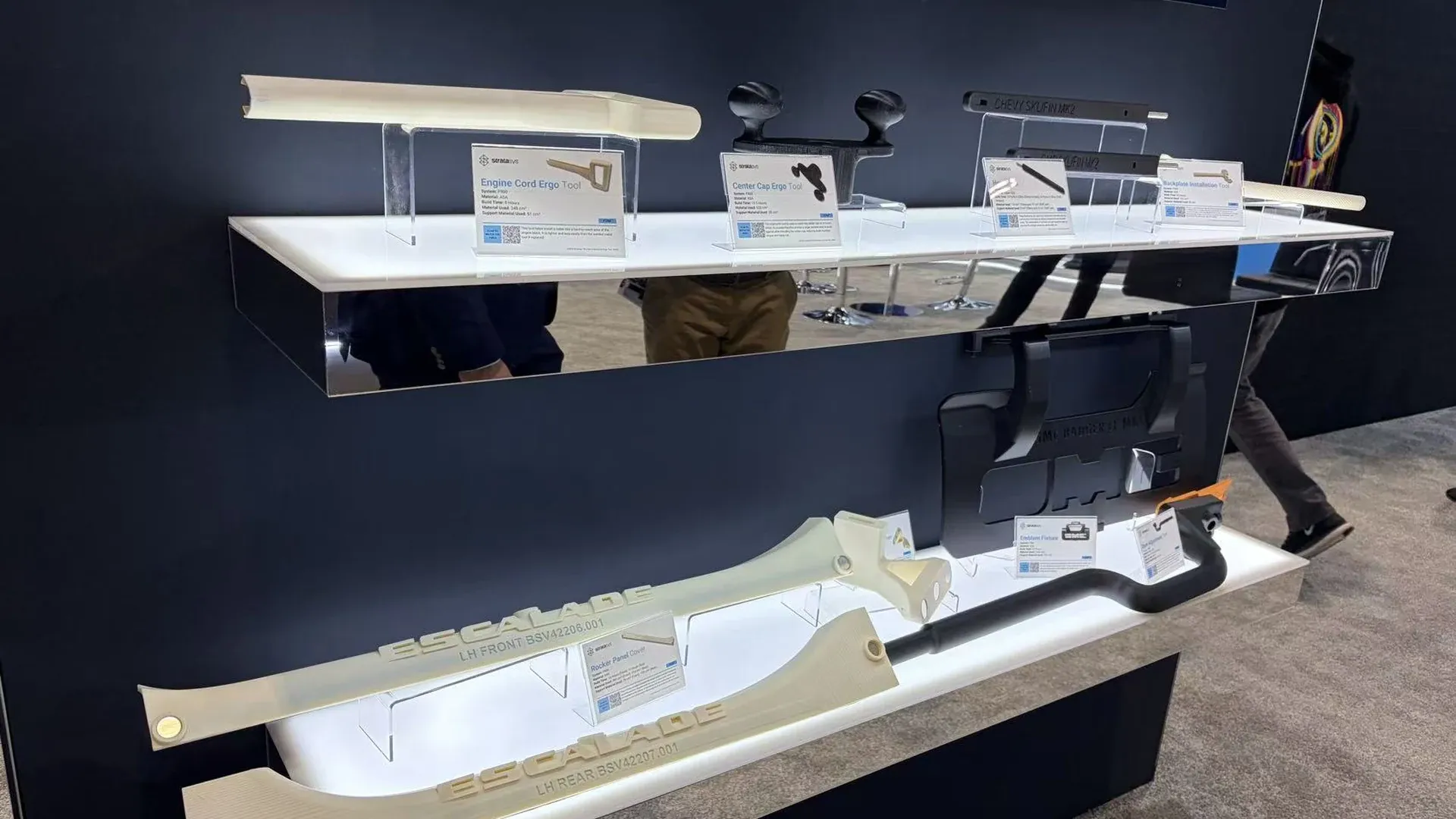
Stratasys at IMTS 2026: GM Scales Additive to 20+ Plants
Stratasys is rolling additive out across 20+ GM plants while Toyota prints robot grippers. Booth build data, the F870, and where the cost case breaks.
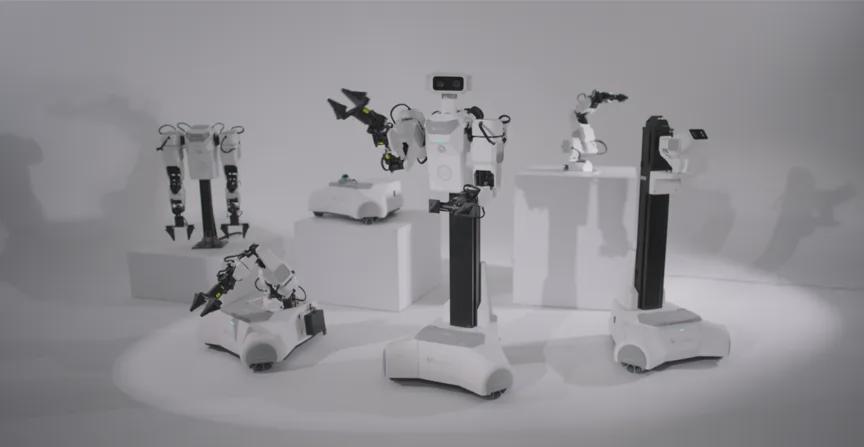
Robotics Price War Intensifies as Mantis Standard Launches Affordable Wheeled Humanoid
The ongoing price war in robotics reveals a significant challenge: most humanoid robots remain as fixed, one-time purchases. According to Counterpoint Research, global shipments of humanoid robots are expected to exceed 22,000 units in the first half of 2026, marking a nearly 300% year-on-year increase. However, over 60% of these robots are used for entertainment and educational purposes, with only 13% in smart manufacturing and a mere 5% in logistics. Despite some price reductions making humanoid robots more accessible, the distinction between a functional robot and a large toy is not as clear-cut as anticipated. The most valuable capabilities for robots are still their ability to perform tasks effectively, which is rarely achieved by low-cost models. On September 14, the company launched its first modular wheeled humanoid robot, Mantis Standard, priced at 9,800 yuan, featuring an omnidirectional wheel chassis, a 7-degree-of-freedom robotic arm, and a 4K60fps dual-vision system. The design of Mantis Standard emphasizes practicality over performance, as wheeled humanoid robots are deemed more suitable for industrial applications compared to bipedal models. PwC's report supports this view, highlighting wheeled robots' advantages in efficient movement and terrain adaptability for commercial applications. Since 2025, the parallel development of wheeled and bipedal robots has been evident, with many companies incorporating both into their product lines, showcasing wheeled robots' stability and flexibility in service and light industries.
Humanoid Robots Modular Robotics Wheeled Robots Robot Automation
AI Analyzes 400,000 Reddit Posts to Identify Ozempic Side Effects
Researchers from the University of Pennsylvania utilized artificial intelligence to analyze over 400,000 Reddit posts, uncovering potential side effects associated with GLP-1 drugs like semaglutide (Ozempic) and tirzepatide (Mounjaro). The study highlighted reproductive symptoms and body temperature issues as areas needing further investigation. This research is significant as it reveals that clinical trials may not fully capture all patient-reported symptoms, particularly those that arise in a broader population. The findings suggest that social media can serve as a valuable tool for identifying underreported side effects, which may not be evident in traditional clinical settings. Moving forward, it will be important to investigate the reported symptoms further, especially given that nearly 4% of Reddit users in the study reported menstrual irregularities. The study emphasizes the potential of social media to provide early signals regarding drug safety, which could enhance patient care and inform clinical practices.

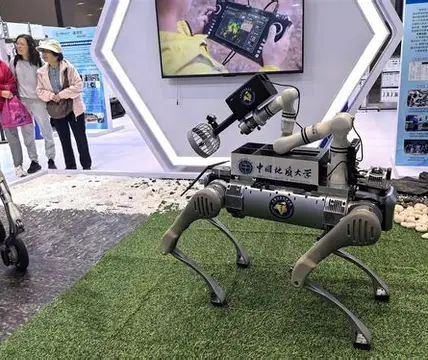
Understanding Quadruped Robot Specifications: Consumer vs. Industrial Applications
Quadruped robots have increasingly adopted a standardized design, characterized by four legs and a stable gait. This convergence is evident in promotional videos showcasing their ability to navigate various terrains and recover from disturbances. The significance of this trend lies in the implications for both consumer and industrial markets. As these robots become more versatile, they may serve dual purposes, enhancing their appeal to a broader range of applications, from entertainment to security patrols. Looking ahead, industry stakeholders should monitor advancements in quadruped technology and their integration into different sectors. The ongoing development of these robots could lead to innovative solutions that address specific operational needs across various environments. No further timeline was disclosed at the time of publication.
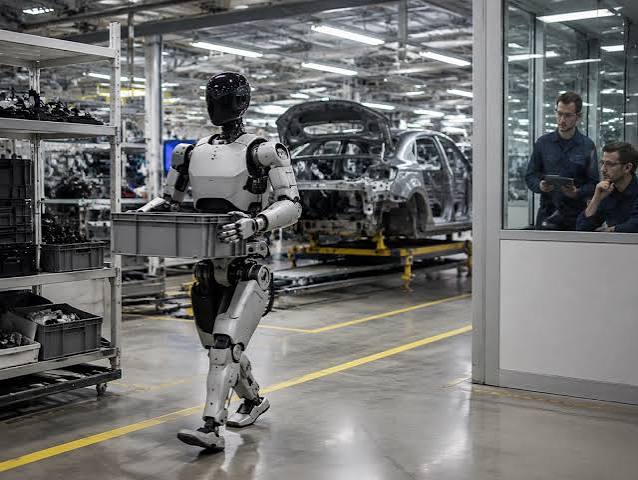
Humanoid Robots Face Hardware Challenges Amid Advancements in AI Technology
In 2026, humanoid robots showcased impressive performances, such as the Yushu H1 completing 1.9 kilometers in 4 minutes and 13 seconds, surpassing human world records. However, a critical issue arises: as AI becomes more intelligent, can the physical capabilities of robots keep pace? According to The Robot Report, there is a fundamental misalignment between AI and humanoid robots, as robots require physical interaction data that cannot be sourced from the internet. The hardware limitations are particularly evident in dexterous hands, which can cost over 100,000 yuan, with some models exceeding 800,000 yuan. Despite their high costs, these hands have a limited operational lifespan in real industrial settings, lasting only a few weeks to a few months. Zhang Zhengtang, founder of Zhongke Huiling, emphasizes the complexity of integrating motors, sensors, and controls in a confined space, where even minor environmental factors can lead to failures after repeated use. As humanoid robots are projected to reach an annual production of 100,000 units by 2026, the industry faces challenges in ensuring consistency across thousands of joint modules and simplifying assembly processes. Wang Xingxing from Yushu Technology predicts that widespread adoption in factories and homes could occur within 2 to 10 years, contingent on hardware stability to support AI advancements in unfamiliar environments.
Humanoid Robots AI Integration Robotics Hardware Automation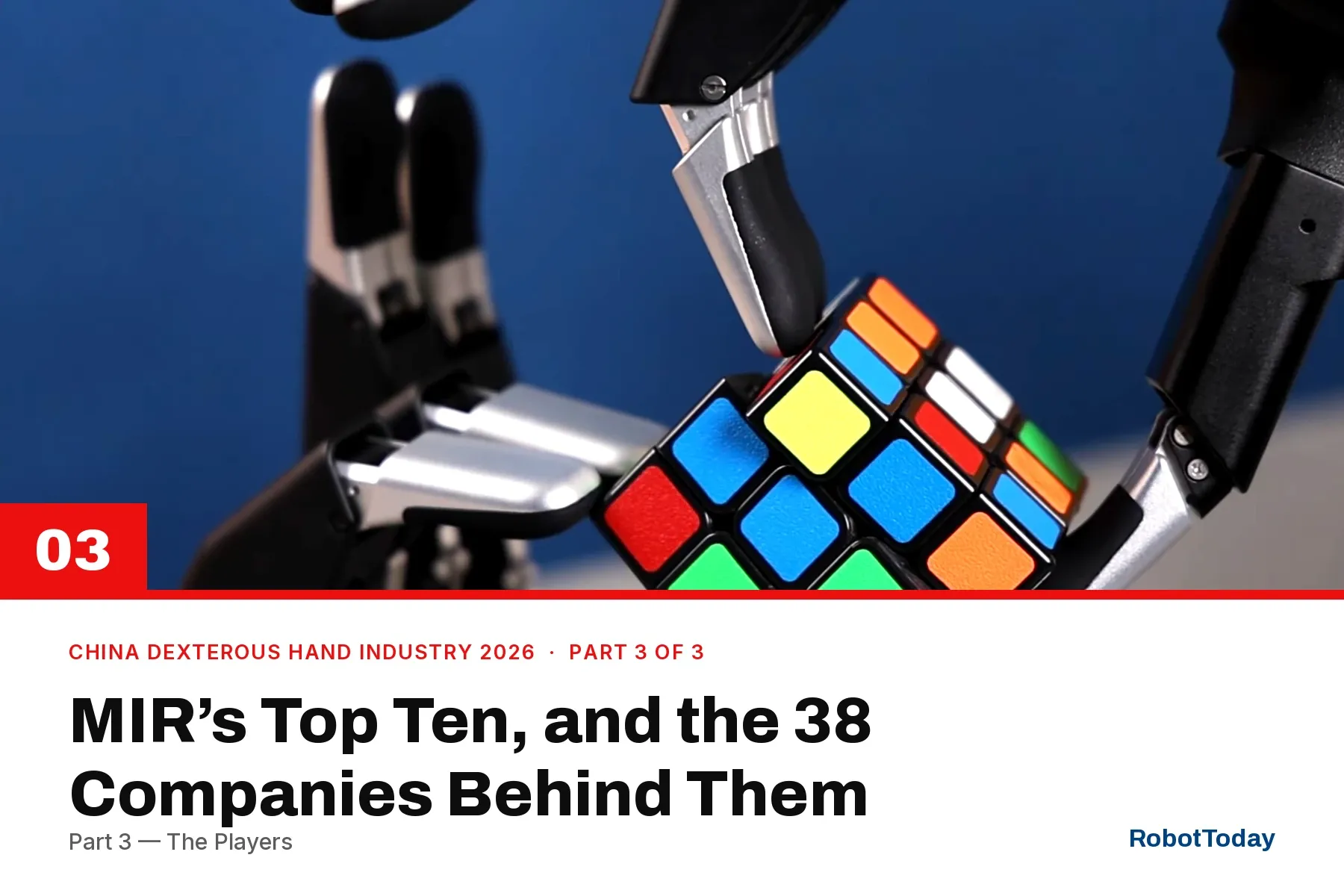
China’s Dexterous Hand Industry, 2026 Part 3 — The Players
Five vendor archetypes, MIR’s composite top ten, eight company profiles and six field deployments — every firm linked to the RobotToday supplier directory.
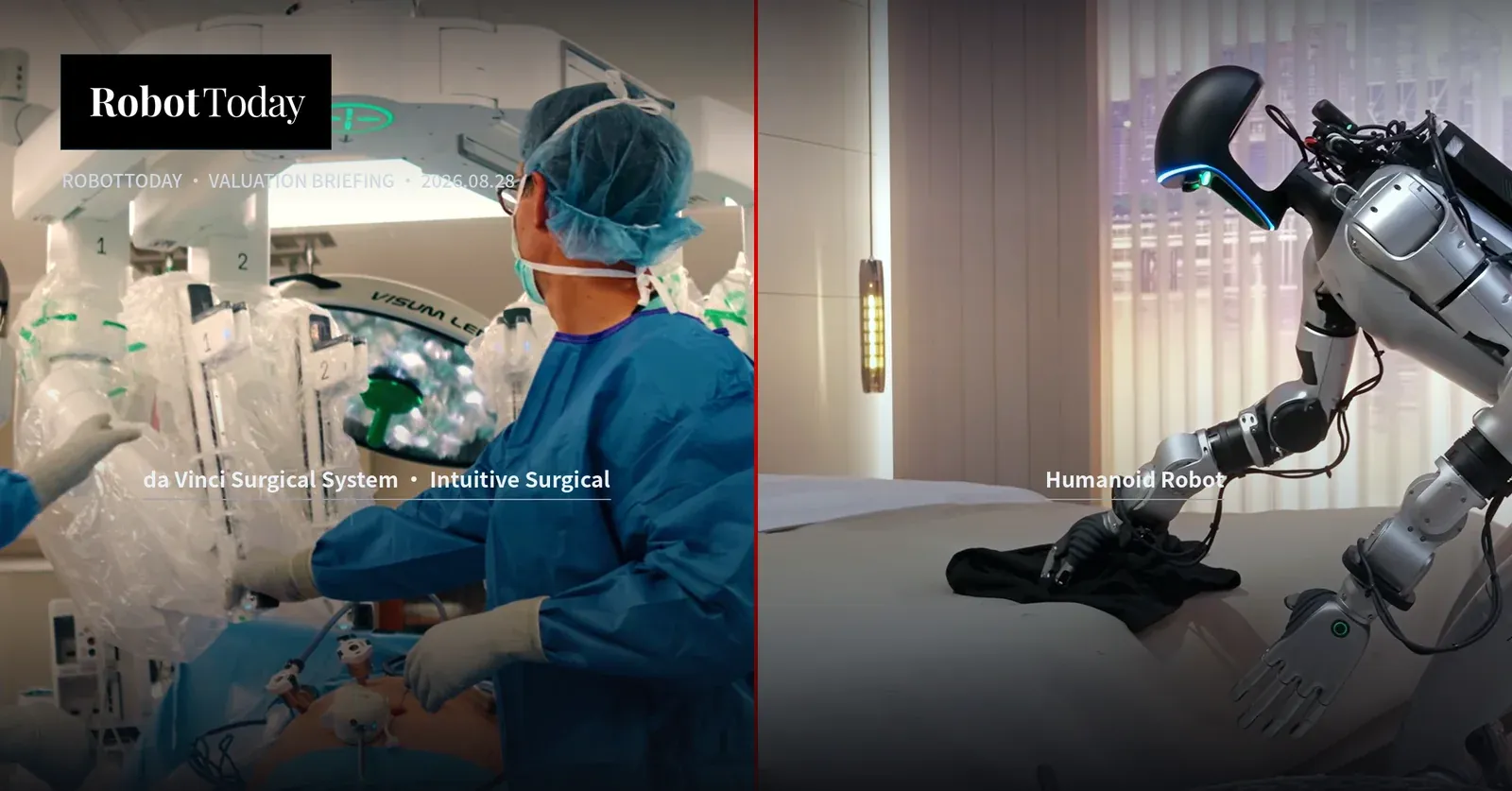
Robotics Investing: Intuitive Surgical or Unitree?
Unitree (STAR 688836) trades near 410x earnings after a 46% drawdown; Intuitive Surgical sits at 42.5x. A definition-aligned comparison of both companies.
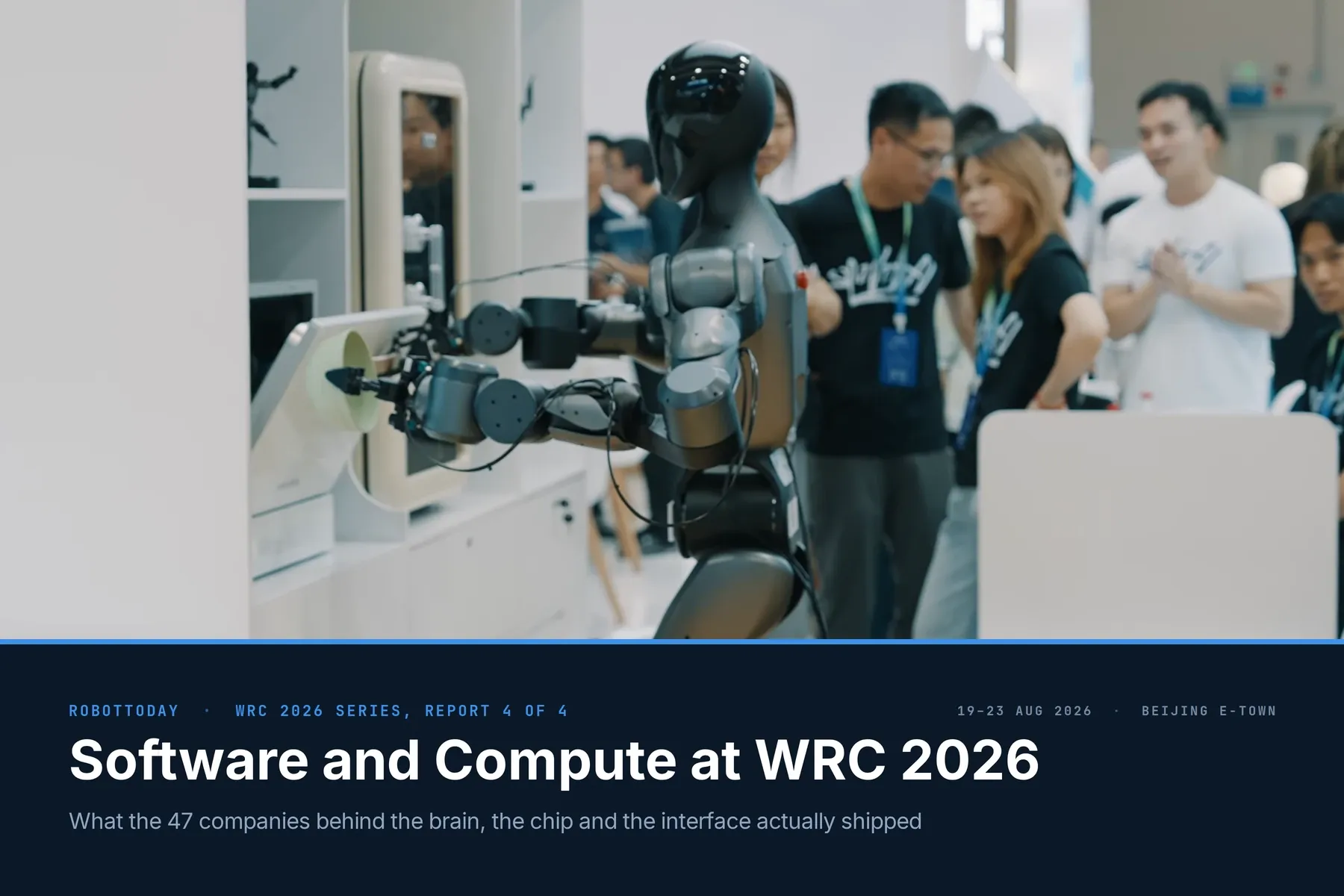
Software, Compute and Interaction at WRC 2026
47 WRC 2026 exhibitors supply robot software, compute or interaction — but only 19 call themselves software companies. Five open artefacts, licence-checked.
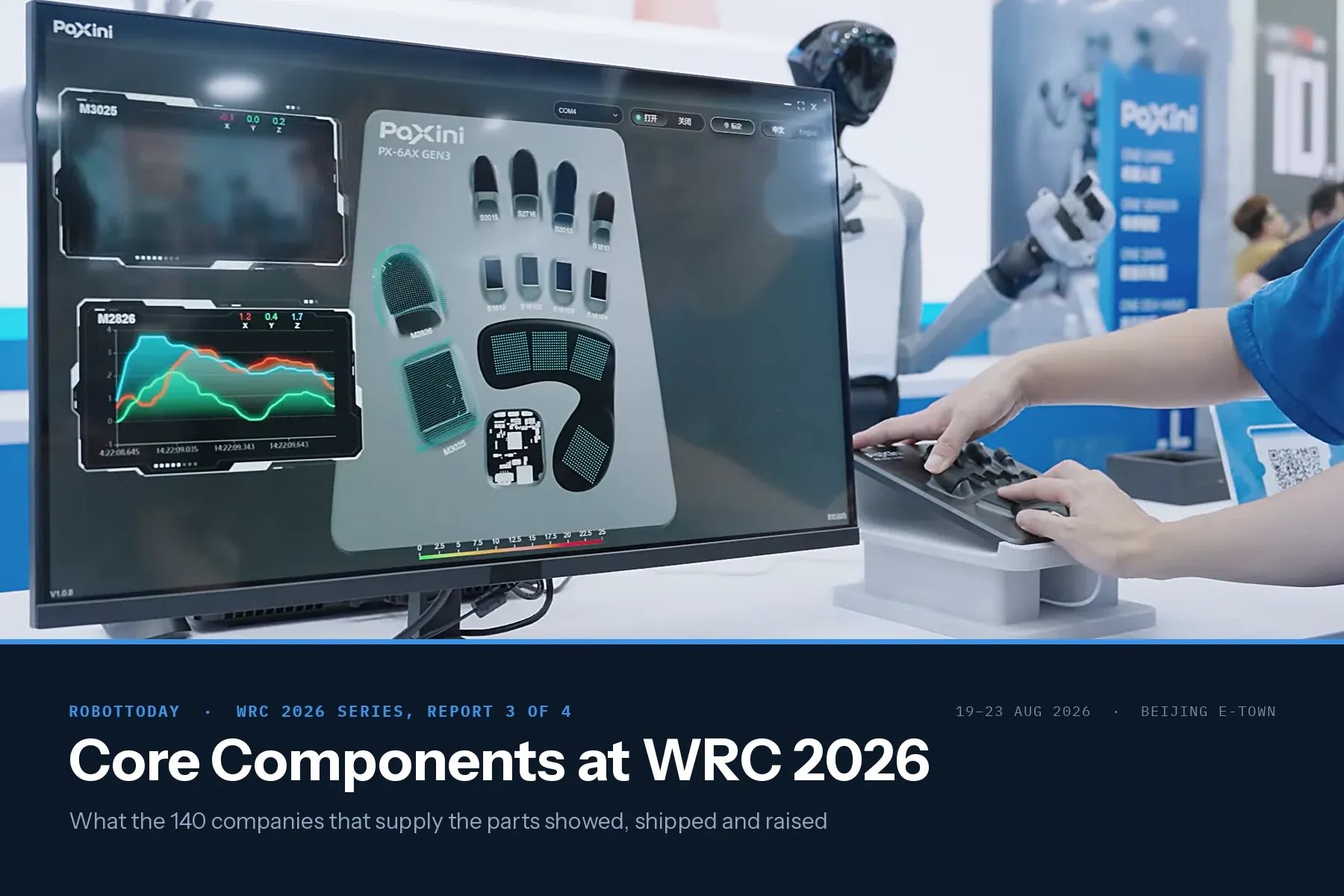
WRC 2026 Core Components: 137 Robot Parts Suppliers
The third report in the WRC 2026 series. Report 1 mapped all 248 exhibitors by category and Report 2 covered the 139 that build finished robots. This one covers the 137 that build what goes inside them.
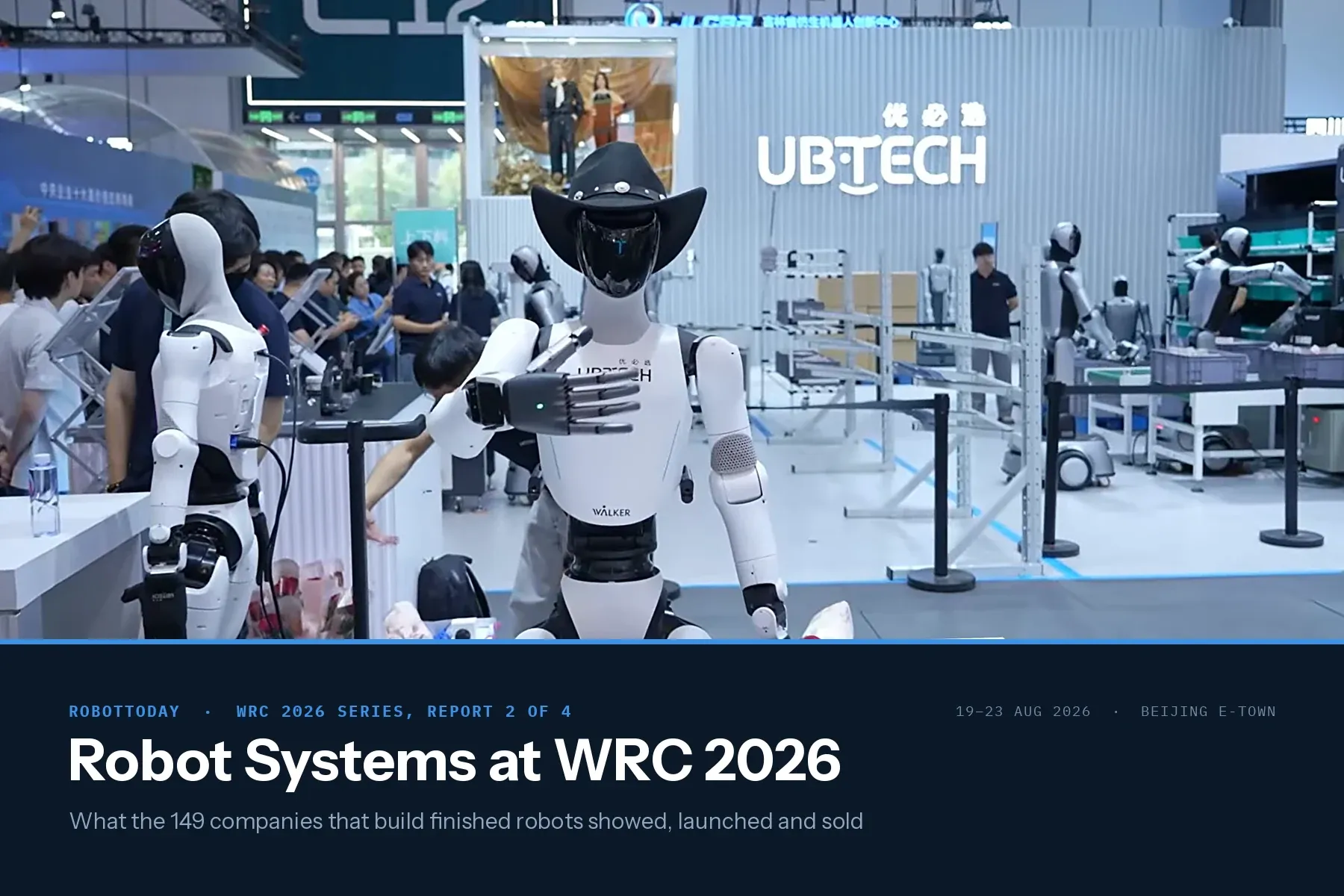
WRC 2026 Robot Systems: 149 Companies That Build Robots
149 of the 248 classified WRC 2026 exhibitors build finished robots. 93 build humanoid or legged machines. The audited humanoid sales number is one unit.

WAIC Review 3/4: What Scientists and Skeptics Really Think About Embodied AI: The Sober Voices at WAIC 2026
UCL and HKUST researchers, plus robotics CEOs, challenged embodied AI hype at WAIC 2026, citing generalization limits and no third-party evaluation standard.
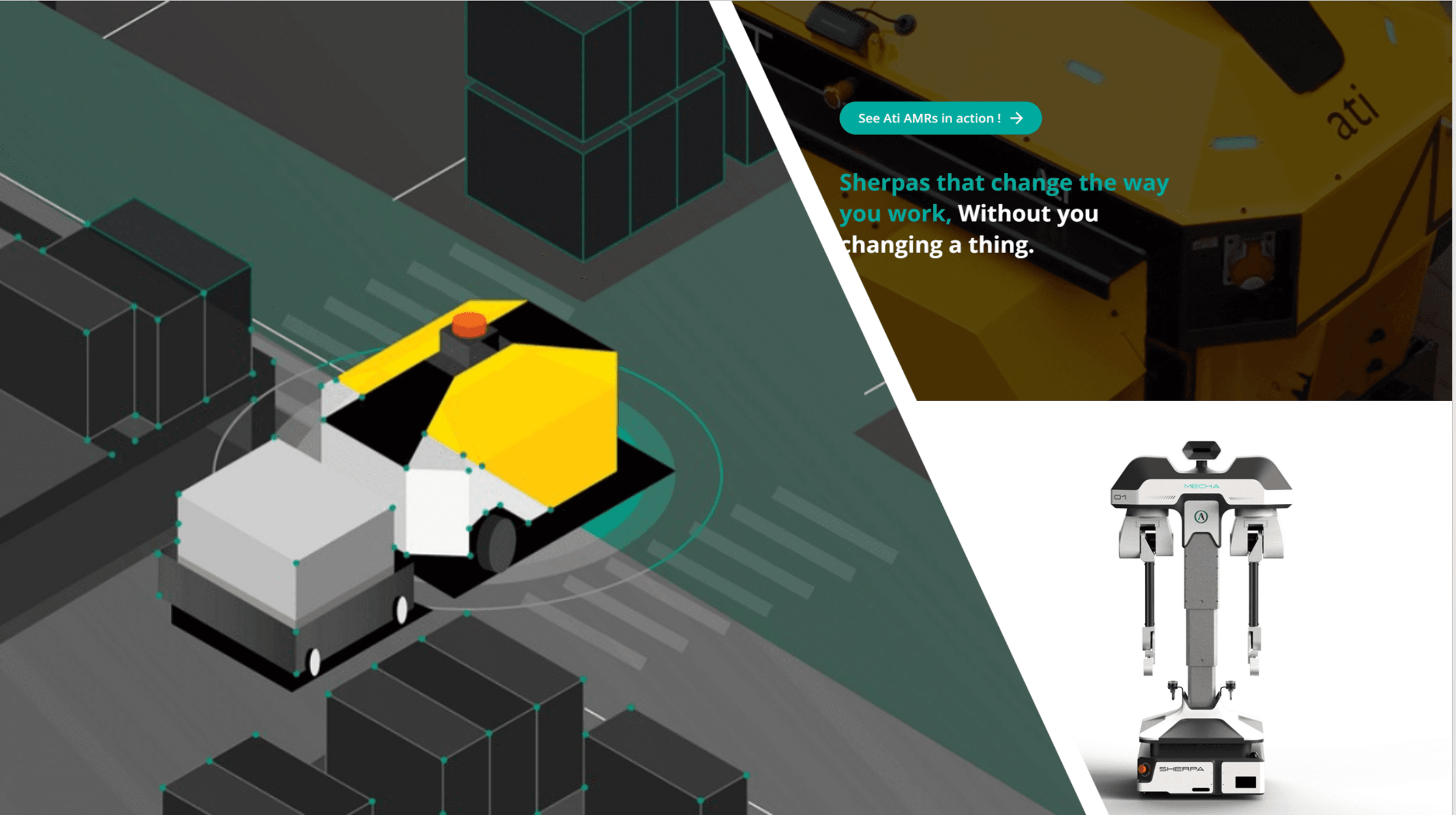
ATI Motors Launches Sherpa Mecha: The World's First Pragmatic, Industrial Humanoid for the Factory Floor
Ati Motors introduces Sherpa Mecha, a practical industrial humanoid robot designed to handle real factory tasks with AI‑driven precision and durability.


