

Donecle S.A.S. (FR)
Donecle develops autonomous drone systems for automated aircraft exterior inspection. Drones combined with image analysis algorithms detect structural defects, lightning strike damage, paint wear, and placard compliance on commercial and military aircraft.

RobotToday Initiative
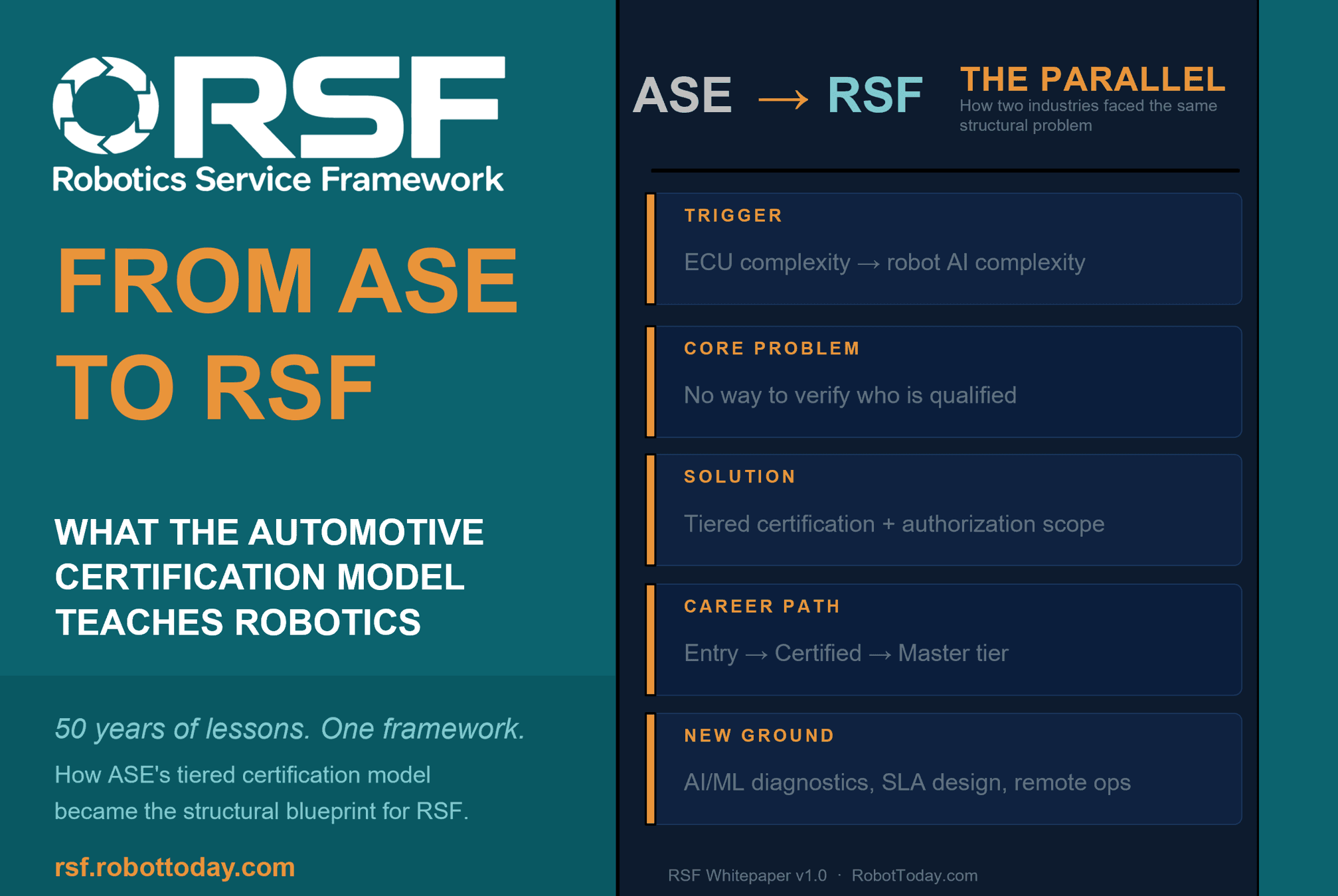
Robotics needs a service framework.
RSF defines a common language for robot service capability, lifecycle operations, certification pathways, and service-provider networks.
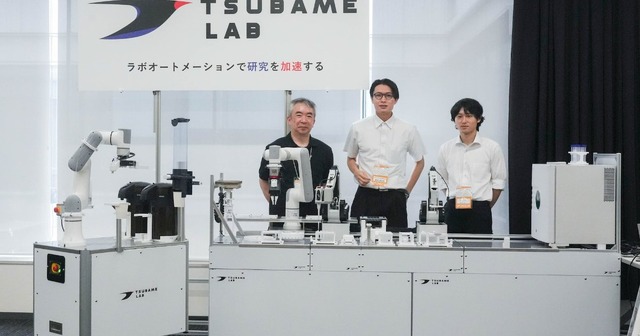
Tsubame Lab Showcases Automation Solutions at LADEC2026 with Robotic Arms and AMRs
Tsubame Lab Inc. participated in the Laboratory Automation Developers Conference 2026 (LADEC2026) held on July 2-3, 2026, at the Miraikan in Japan. The company demonstrated automation solutions for pre-processing tasks using robotic arms and introduced the concept of 'room-level automation' by integrating autonomous mobile robots (AMRs) for sample transportation. This participation is significant as it highlights Tsubame Lab's ongoing efforts to create a 'Cloud Lab' that allows researchers to execute experiments remotely via APIs and MCPs. The conference featured over 40 speakers and approximately 60 sponsoring companies, emphasizing the importance of automating repetitive tasks in research environments, which are still largely performed manually by researchers and staff. Looking ahead, Tsubame Lab plans to expand automation elements for pre-processing tasks, enhance the application range of room-level automation through AMR integration, and continue collaborating with the research automation community. No further timeline was disclosed at the time of publication.
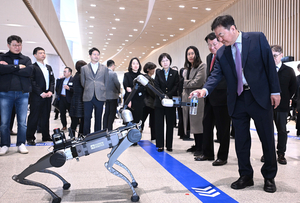
Samsung Launches CEO-Led Robotics Division to Drive Commercialization Efforts
Samsung Electronics announced the establishment of a new robotics business division, RX (Robotics eXperience), led by CEO Roh Tae-moon. This division consolidates various robotics initiatives previously managed separately, focusing on long-term strategy and commercialization. Key hires include Lee Dong-gun, who will lead the robotics strategy team, along with two academic experts in autonomous systems and robotic dexterity. The formation of the RX division is significant as it reflects Samsung's commitment to developing robots as a commercial business amid challenges in other sectors. Analysts suggest that the mobile division may have experienced its first quarterly loss, prompting the company to seek growth opportunities in robotics. The division aims to innovate in areas such as dexterous robotic hands, which are crucial for humanoid functionality and represent a significant cost factor in robotics development. Looking ahead, Samsung plans to invest in its robotics capabilities at its Seoul R&D Campus and establish further research bases in the United States, China, and Japan. The RX division's efforts will build on Samsung's recent investment in Rainbow Robotics, enhancing its position in the humanoid robotics market. No further timeline was disclosed at the time of publication.
All News
Emotional Companion App with 60 Million Users Launches Family Robot Buboo 1
Xinyan Group's CEO Ren Yongliang made a bold decision to integrate AI emotional companionship into hardware by developing the Buboo 1 family robot. With over 60 million users of their app, which generates billions in revenue annually, the company aims to address the limitations of online interactions in family settings. The Buboo 1 robot, showcased at WAIC 2026, offers proactive interaction without the need for wake words, adapting to users' emotional cues and preferences. This innovation is significant as it represents a shift from traditional electronic toys to intelligent home companions that can understand and respond to emotional needs. Ren believes that the future competition will focus on multi-modal perception and the accumulation of native data in home environments. The Buboo 1 seeks to fill the gap in emotional support that online platforms cannot address, particularly in family dynamics and intergenerational communication. Looking ahead, the industry is poised for a transformation as it moves towards creating emotionally intelligent physical AI entities. The Buboo 1 aims to redefine how AI can fulfill emotional companionship needs in a tangible way, addressing the emotional gaps in modern family life. No further timeline was disclosed at the time of publication.
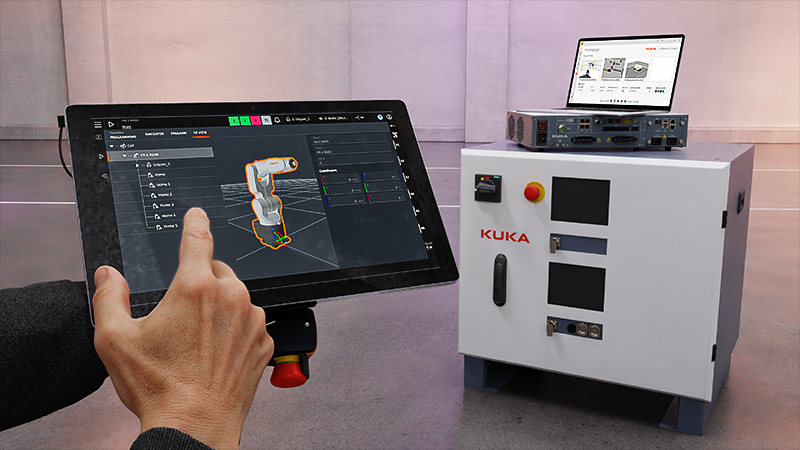
KUKA Achieves Security Level 2 Certification for iiQKA.OS2 and KR C5 Controller
KUKA has achieved Security Level 2 certification for its iiQKA.OS2 operating system and KR C5 controller platform, in accordance with IEC 62443-4-2. This certification signifies that KUKA's robotic systems are equipped to handle the increasing demands for security in digitalized production environments. The importance of this certification lies in its alignment with the growing need for security and regulatory compliance as production processes become more digital and connected. KUKA's compliance with Regulation (EU) 2024/2847 Cyber Resilience and EN ISO 10218-1:2025 positions it as a leader in secure automation solutions. Looking ahead, KUKA's certification sets a benchmark for the robotics industry, emphasizing the necessity of robust security measures in automation. No further timeline was disclosed at the time of publication.
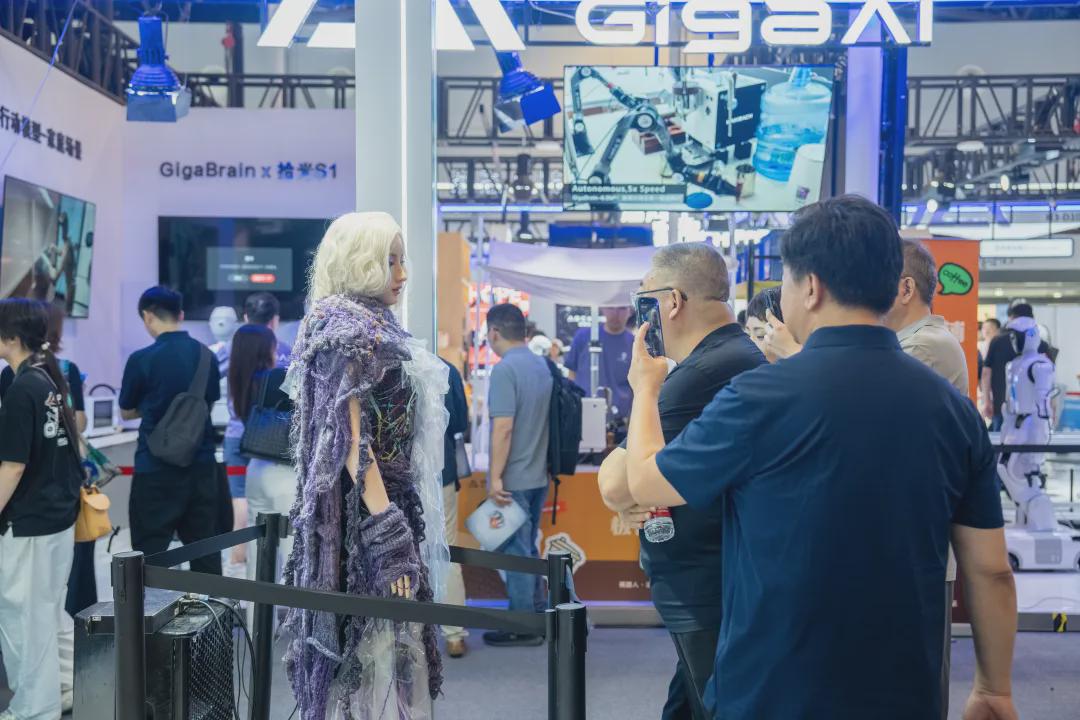
Lingdi Technology Demonstrates Advanced Clothing Simulation at WAIC 2026
At the WAIC 2026, Lingdi Technology showcased a compelling demonstration of robotic arms folding clothes, highlighting the complexities of handling flexible materials. The demonstration illustrated not just the end result of clothing manipulation but emphasized the intricate process of transforming garments into computable digital objects. This involves understanding various fabric properties and how they interact with robotic grippers, which is crucial for real-world applications in households and light industries. The significance of this demonstration lies in addressing the challenges robots face when dealing with flexible, deformable objects. Unlike rigid items, clothing can change shape and state when manipulated, requiring advanced algorithms to adapt to these variations. Lingdi Technology's SynReal World aims to bridge the gap between robotic systems and embodied models by providing a comprehensive data infrastructure for 3D asset generation, simulation training, and automated evaluation, ensuring that models undergo extensive physical interactions in a digital environment before real-world deployment. Looking ahead, the focus on flexible object simulation is critical as robots increasingly enter domestic and industrial settings. The ability to accurately simulate the handling of clothing and other soft materials will be essential for improving efficiency and reducing operational costs. No further timeline was disclosed at the time of publication.
Robotics Fabric Simulation AI Training Automation Soft Robotics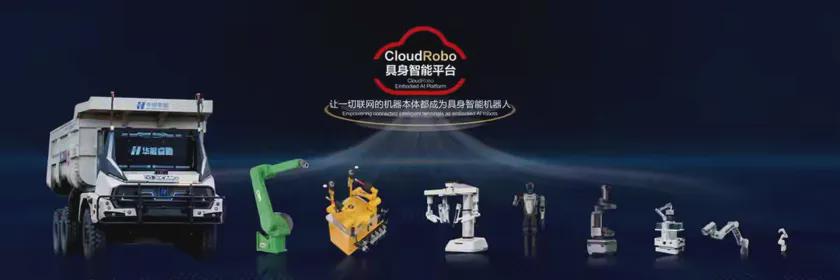
Huawei Launches CloudRobo Platform to Enhance Embodied Intelligence Development
On July 20, Huawei showcased its complete range of computing modules at the WAIC 2026, including the 800GE AI network card. This marks Huawei's strategic entry into the embodied intelligence sector with the public testing of its CloudRobo platform, aimed at enhancing the industry's development capabilities. Unlike traditional approaches, Huawei focuses on providing the intelligent core for robots rather than manufacturing them directly. This strategy mirrors Huawei's earlier success in the smart automotive sector, where it empowered brands like Seres without producing vehicles itself. The trend is evident across the industry, with major players like Tencent and Baidu also opting to develop intelligent systems and tools rather than building robots. This shift highlights a growing emphasis on software and cloud services in the robotics field, as hardware becomes less of a scarce resource. As the industry transitions from prototype demonstrations to large-scale implementation, the efficiency of foundational development remains a critical bottleneck. Huawei's CloudRobo aims to address this by offering a comprehensive platform for data production, model development, and deployment, with over 20 companies already joining the initiative. No further timeline was disclosed at the time of publication.
Embodied Intelligence AI Development Platforms Robotics Cloud Computing
Robots Demonstrate Practical Capabilities, Industry Anticipates 'ChatGPT Moment
At the 2026 World Artificial Intelligence Conference, over half of the 160 exhibiting companies showcased robots capable of practical tasks such as making tea, folding clothes, and handling boxes. Notably, Galaxy Universal demonstrated robots working in energy plants for three months, while ZhiYuan showcased a complete automotive parts production line with robots handling loading and packaging. The demand for embodied intelligence has led to significant growth in the supply chain, with tactile sensor requirements rising from under 20% to 60% this year. Companies like Lightwheel Intelligence reported a fourfold increase in orders, indicating a surge in data demand. However, manufacturers remain cautious, seeking robots that can match human stability and precision before making substantial investments. As robots begin to learn from real data in factories, the industry is still grappling with limitations in intelligence. Observers noted that while robots are making progress, they are not yet as reliable as experienced workers. The industry is eagerly awaiting a breakthrough akin to the 'ChatGPT moment' for embodied intelligence, as companies test the feasibility of robotic solutions in real-world environments.
Robotics Artificial Intelligence Automation Manufacturing Sensor Technology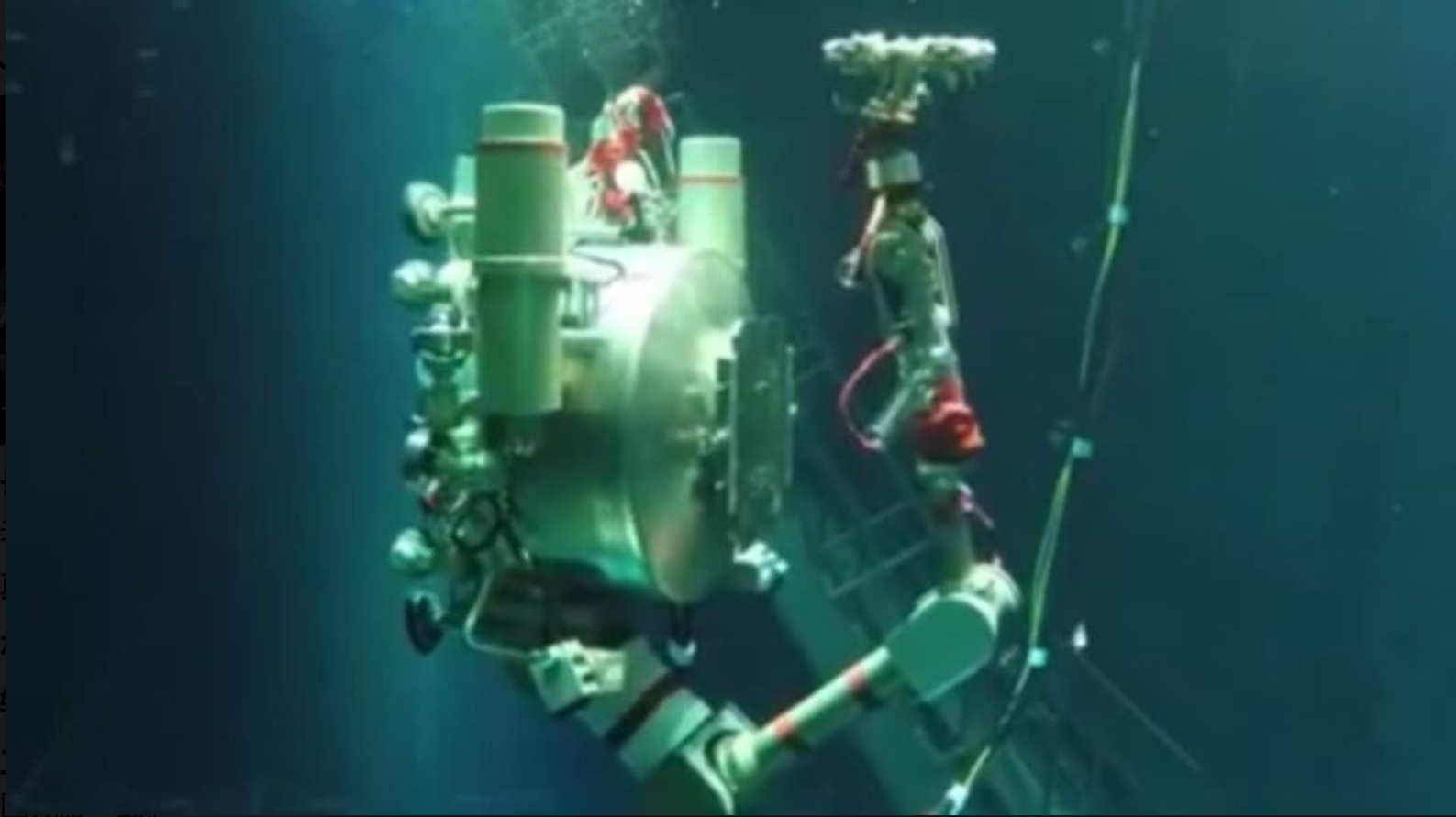
A-UT Robot: 30 Years of Underwater Inspections in Nuclear Reactors
The A-UT robot, resembling a giraffe, has been operational in Japan's nuclear power plants for 30 years. Developed by Mitsubishi Heavy Industries, it performs critical inspections inside reactor pressure vessels using ultrasonic probes, where human access is impossible due to radiation. This robot is essential for ensuring the integrity of reactor components that contain high-pressure, high-temperature water and nuclear fuel. Its ability to operate in hazardous conditions makes it an invaluable tool for maintaining safety in nuclear energy production, especially as Japan's nuclear sector begins to revive. Looking ahead, the A-UT's role is expected to grow as more nuclear reactors restart operations, including the Kashiwazaki-Kariwa Unit 6 in February 2026. The continued use of such robots highlights their importance in energy strategy, ensuring the safety of welds in environments that are too dangerous for humans.
Nuclear Robotics Underwater Inspection Industrial Automation Radiation Protection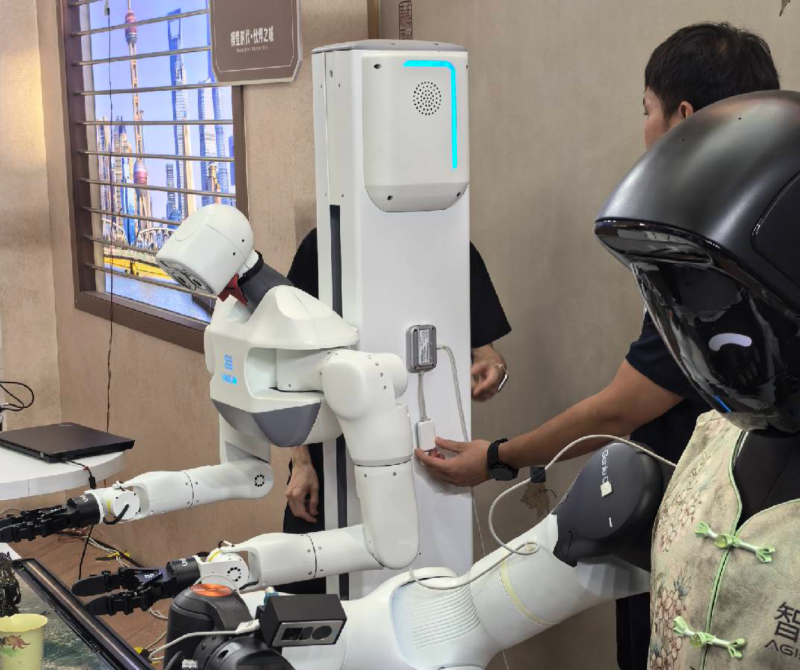
Ensuring Connectivity for Humanoid Robots with Advanced 6G Technology Solutions
At the WAIC 2026, 208 embodied intelligent terminals and over 300 real machines showcased their capabilities, raising concerns about connectivity during real-time collaborative operations. Asmote introduced a next-generation wireless base designed for humanoid robots, which integrates communication, perception, intelligent computing, and control based on 6G technology. This innovation is crucial as it addresses the need for reliable connectivity in complex industrial environments, ensuring that robots remain online with 99.99% reliability and millisecond-level latency. Asmote's AI-EDGE platform significantly reduces the power consumption, cost, and weight of robots by offloading communication and computing tasks to the 6G-native base, allowing robots to focus on performance optimization and task execution. Looking ahead, Asmote aims to provide a digital foundation for physical AI across various industries, emphasizing the importance of a robust infrastructure that goes beyond mere connectivity. No further timeline was disclosed at the time of publication.
Humanoid Robots 6G Technology Wireless Communication AI Industrial Automation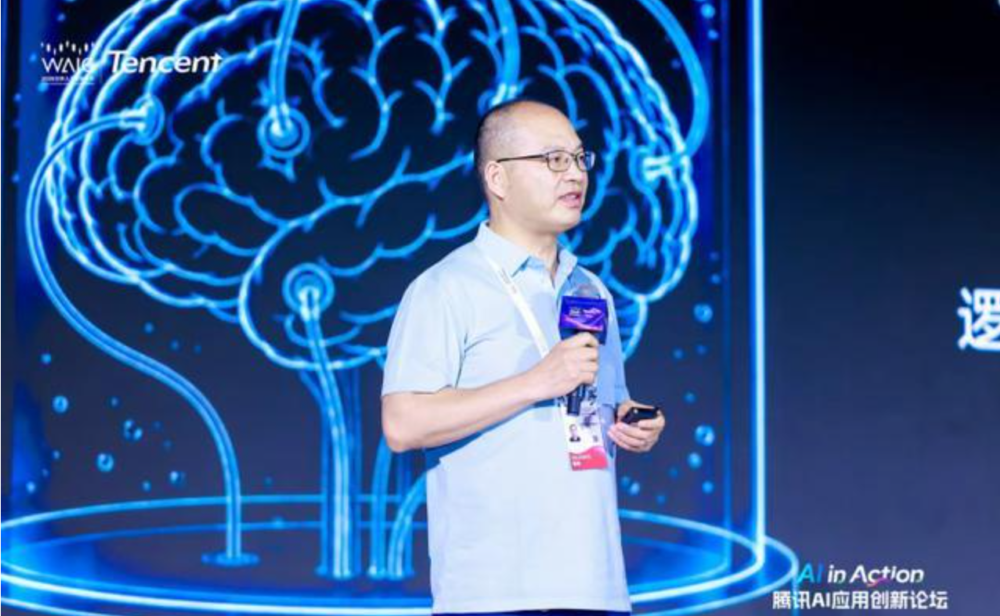
Tencent Introduces Advanced Intelligence for Robots at WAIC 2026, Challenging AI Concepts
At WAIC 2026, Tencent's Chief Scientist Zhang Zhengyou questioned the intelligence of AI that can reason but lacks understanding of the physical world, referring to it as a 'brain in a jar.' He emphasized that true intelligence integrates language, vision, spatial awareness, body control, and environmental feedback in a closed-loop system. Tencent unveiled several models, including Hy-Embodied-VLM-1.0, which interprets images and scenes with significantly reduced computational demands. The Hy-Embodied-RxBrain-1.0 combines text reasoning with visual imagination for continuous cognitive processing, while Hy-Embodied-VLA-0.5 translates high-level goals into actionable steps for various robot forms. These innovations are supported by extensive training data and are already being implemented in real-world applications. The company is also upgrading its Tairos platform for a more open-source approach, facilitating easier development from models to applications. Tencent's Robotics X Lab is collaborating with multiple robotics companies and partners to transition these technologies from theoretical concepts to practical implementations in diverse environments.
Robotics Artificial Intelligence Cognitive Systems Automation





Leave a comment