


Decart
Israel-based AI lab founded 2023 by Dean Leitersdorf and Moshe Shalev; builds the Oasis world model and Lucy real-time video generation model for physical AI.


Company Facts
Founded
2023
Primary Role
Software/Algorithm
Company Size
-
Primary Region
Middle East
Annual Sales
-
Funding Stage
Early-Stage VC
Funding Total
-
Certifications & Memberships
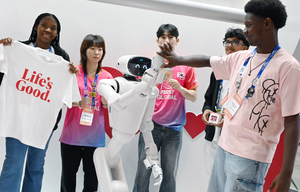
LG Electronics Showcases Robotics at 2026 First Global Challenge in Incheon
LG Electronics is actively participating in the 2026 First Global Challenge, an international youth robotics competition taking place at Songdo Convensia in Incheon. The event, which runs from Wednesday to Saturday, gathers youth teams from 185 countries to design and build robots aimed at addressing global challenges, particularly focusing on wildfire prevention and recovery due to climate change. This year's competition, themed “Igniting Innovation,” emphasizes the importance of robotics in tackling pressing issues like wildfires. LG's involvement includes sponsoring the event and showcasing its latest robotics technologies at an exhibition booth. The company also features its humanoid robot, LG CLOiD, allowing visitors to engage with the technology and learn about the innovative solutions being developed by young participants. As LG increases its investment in robotics as a key growth area, it aims to integrate physical AI into its strategy. The company recently launched LG Data Factory to enhance data management for robotics training. No further timeline was disclosed at the time of publication.
All News
Zhiyuan's Data Business Struggles to Support Robotics at $20 Per Hour
Zhiyuan's data business is facing challenges as it operates at a rate of $20 per hour, which is insufficient to sustain the robotics industry. The company is exploring new avenues to enhance its offerings and address the growing demand for data in robotics. This situation highlights the broader issue within the robotics sector, where the cost of data collection and processing is becoming a critical factor. As companies seek to innovate and improve their robotic systems, the financial viability of data services like those offered by Zhiyuan is under scrutiny. Looking ahead, industry stakeholders should monitor how Zhiyuan adapts its business model to better serve the robotics market. No further timeline was disclosed at the time of publication.
Robotics Automation AI
Fudan Team Develops Robot Mat Capable of Harvesting Ground Electricity, Eliminating Battery Needs
A team from Fudan University has developed an innovative robot mat that can harness electricity from the ground, thus removing the necessity for batteries. This advancement could significantly impact the design and functionality of mobile robots, making them more efficient and environmentally friendly. The ability to extract energy directly from the ground is a game-changer in robotics, as it addresses one of the major limitations of mobile robots: battery dependency. This technology could lead to longer operational times and reduced maintenance costs, enhancing the overall performance of robotic systems in various applications. Future developments in this area will be crucial to watch, particularly how this technology can be integrated into existing robotic platforms. No further timeline was disclosed at the time of publication.
Robotics Automation AI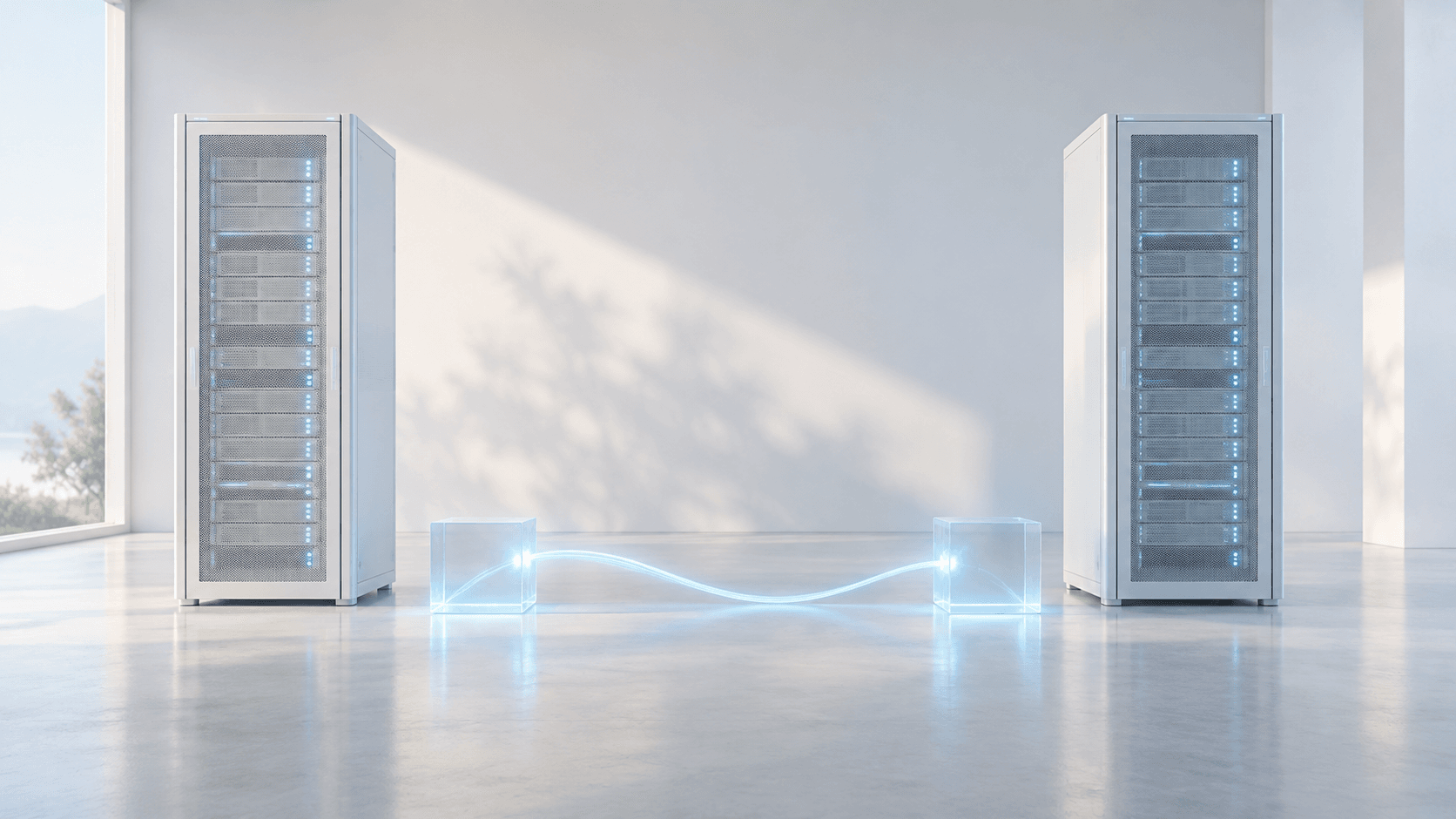
Huawei Unveils XMFS Prototype for Cross-Node Shared Memory at LPC 2026
Huawei presented its XMFS prototype at the Linux Plumbers Conference 2026, showcasing a new approach to cross-node shared memory. This innovative system utilizes POSIX file calls to facilitate memory sharing across different nodes, enhancing performance and efficiency in distributed computing environments. The introduction of XMFS is significant as it addresses the growing need for efficient memory management in multi-node systems. By enabling cross-node shared memory, Huawei aims to improve data accessibility and processing speed, which are critical for applications requiring high-performance computing. Looking ahead, industry observers will be keen to see how XMFS evolves and whether it will undergo further development to achieve mainline review status. The potential impact of this technology on distributed computing and memory management practices will be closely monitored in the coming years.
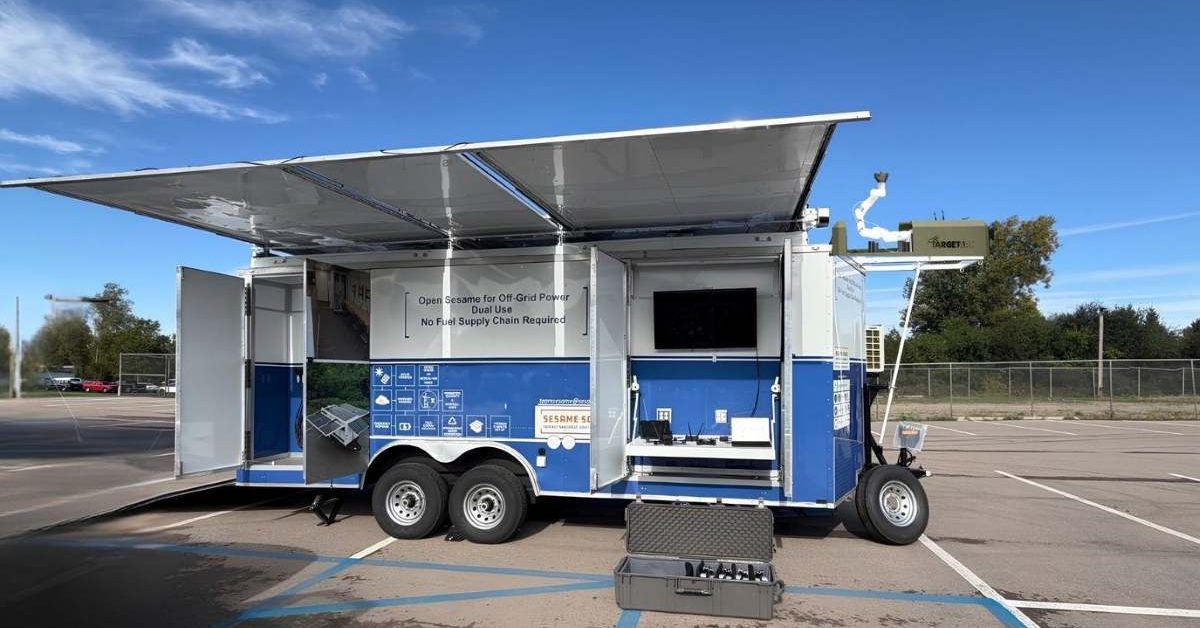
New Mobile System Enhances Drone Operations with Persistent Nanogrid Technology
Three US companies, Sesame Solar, Target Arm, and AG3 Labs, have introduced the first Made-in-USA Persistent Drone Operations Nanogrid. This innovative mobile system integrates power generation, autonomous drone launch and recovery, and configurable small drones to enhance operational efficiency in combat and other environments. The significance of this development lies in its potential to minimize downtime for drones, which is crucial for maintaining continuous operations. By automating the launch, recovery, and recharging processes, the Nanogrid addresses challenges faced by drone teams, particularly in remote or contested areas where conventional fuel resupply is difficult. Looking ahead, the companies anticipate that this system will find applications beyond military use, including border monitoring, search and rescue, and critical infrastructure inspections. No further timeline was disclosed at the time of publication.
News
Xiaomi Expands Apple Device Integration with HyperOS 4 Features
On October 7, Xiaomi announced enhanced integration with Apple devices in HyperOS 4, allowing users to share photos, files, contacts, and web pages seamlessly across both ecosystems. This new functionality includes two-way access to iPhone and Xiaomi cloud photo albums, notification syncing, and the ability to reply to messages without switching devices. The integration supports various Apple devices, including iPhone, iPad, and Mac. Users can view and control their Xiaomi phone through Xiaomi’s connectivity app on Mac and iPad, provided they have compatible software versions, a shared Xiaomi account, and the necessary network connection. This feature aims to enhance user experience by bridging the gap between Xiaomi and Apple ecosystems. HyperOS 4 was initially introduced with the Xiaomi 18 Pro series in September, and a wider rollout is set to commence on October 15. As Xiaomi continues to expand its software capabilities, it will be interesting to observe how this integration impacts user adoption and the competitive landscape between Xiaomi and Apple.
News Feed
Mecka Secures $60 Million in Series B Funding to Enhance Robotics Data Infrastructure
Mecka has successfully raised $60 million in Series B funding, led by Sequoia Capital, to enhance its robotics data infrastructure and commercial deployments. The company specializes in capturing human demonstrations using proprietary multi-sensor hardware, converting this data into training signals for robotic systems, and collaborating with researchers on the EgoVerse study. This funding is significant as it positions Mecka to bridge the gap between available AI training data and the real-world operational needs of robots. With a reported run-rate revenue exceeding $100 million as of June 2026, Mecka anticipates reaching $300 million by year-end, indicating strong growth in the robotics sector. Looking ahead, Mecka plans to utilize the new capital to develop more data-capture hardware and expand its research and deployment capabilities. The company aims to provide tailored training data for various robotic applications, emphasizing the importance of human-like learning for future robotic systems.
AI Funding & Investment Physical AI Startups AI Data deployment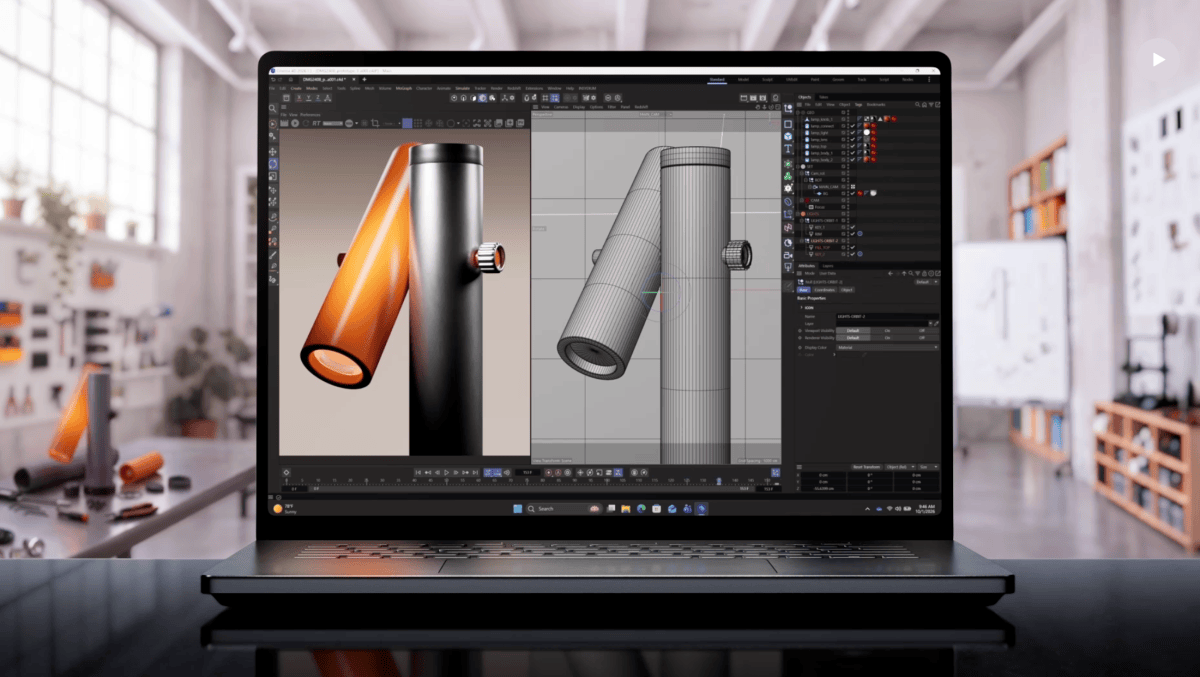
Microsoft Unveils New AI PCs Featuring Nvidia's RTX Spark Chip and Enhanced Windows 11
Microsoft has announced the specifications and pricing for its new Surface Laptop Ultra and Surface RTX Spark Dev Box, powered by Nvidia's RTX Spark chip. The Surface Laptop Ultra starts at $2,600, while the Surface RTX Spark Dev Box is priced from $6,000, designed for on-device AI model execution with enhanced hardware capabilities. These new devices are significant as they cater specifically to developers, offering advanced features like superior cooling and a revamped Windows 11 with 'Execution Containers' for easier AI agent sandboxing. Microsoft CEO Satya Nadella emphasized the need for orchestration and memory management in AI applications, highlighting the platform's future direction. Looking ahead, Microsoft is positioning these PCs as versatile tools not only for developers but also for content creation and gaming. The company is incentivizing trade-ins of MacBook Pros, reflecting the competitive landscape in the developer community. No further timeline was disclosed at the time of publication.
AI Hardware TC Microsoft nvidia
Microsoft Launches $2,599 Surface Laptop Ultra Featuring Nvidia AI Chip
Microsoft has announced the launch of its Surface Laptop Ultra, priced at $2,599, which features an Nvidia AI chip capable of running large AI models locally. This device, available for preorder and shipping on October 16, includes a unique magnetic USB-C port and aims to enhance AI capabilities in consumer devices. The introduction of the Surface Laptop Ultra is significant as it positions Microsoft to compete more effectively in the growing AI market, allowing users to run AI workloads without incurring cloud costs. The laptop's specifications include up to 128 gigabytes of unified memory and a Blackwell RTX Spark GPU, which offers computing power comparable to Nvidia's DGX-1 data center server. Looking ahead, Microsoft is also set to integrate Meta's Muse AI agent into Windows, reflecting the increasing importance of personal AI agents. No further timeline was disclosed at the time of publication.

Glacian: Physics Model Vets AI Data Center Cooling
Glacian Technologies pairs AI with a physics-based digital twin that rejects unsafe commands. CEO Jie Zhao on cutting data center cooling energy 15-30%.

Siemens on Robots, Agentic AI and the "Last 3%" Problem
Siemens tells RobotToday at IMTS 2026 why AI robot demos are only the tip of the iceberg, and why agentic AI depends on PLM data and business context.

Innovation Works Venture Expo 2026: 58 Pittsburgh Startups Pitch to Investors
58 health, deep tech and robotics startups pitched at Innovation Works Venture Expo 2026 in Pittsburgh. Full company list, program and 2025 funding data.

IMTS 2026 Preview: Record Orders and the Automation Story
IMTS 2026 opens in Chicago with 1,788 exhibitors and record H1 machine tool orders. What the USMTO data says about automation, and the booths to see.

ROBOTTODAY WEEKLY September 7 – 11, 2026
This week in robotics: JD.com plans to deploy three million robots across its logistics network, XPeng commissions its IRON humanoid production line, FANUC and Google launch an AI arc-welding agent, and Unitree shares fall 53% from their post-IPO high. September 7–11, 2026.
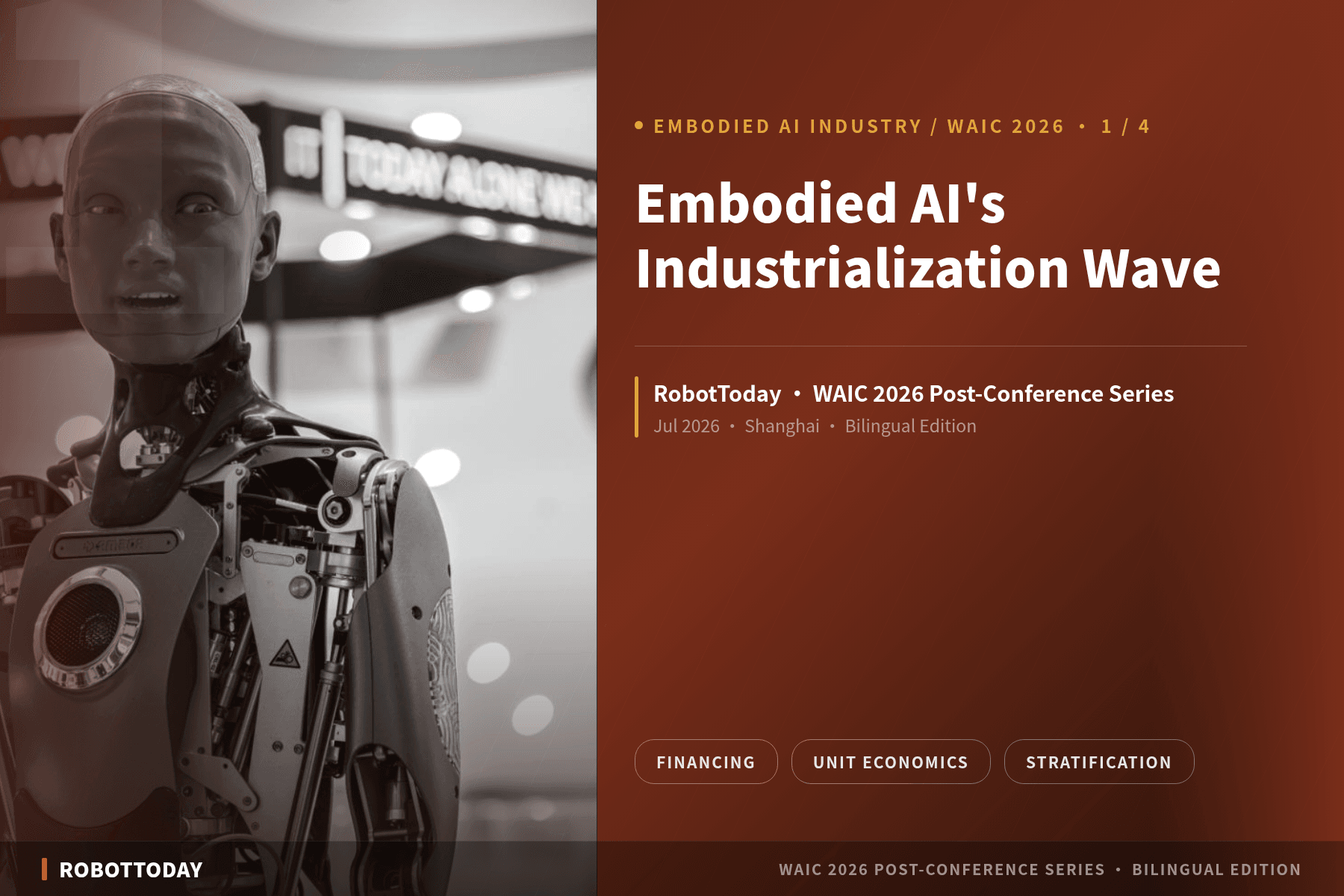
WAIC Review 1/4: Embodied AI's Industrialization Wave: Financing Data, Unit Economics, and a Widening Split
China's embodied AI sector raised $12.5B in H1 2026, but WAIC 2026 speakers detailed ROI demands, power bottlenecks, and the mass-production-to-sales gap.

WAIC Review 4/4: From Port AGVs to Hospital Night Shifts: What WAIC 2026 Reveals About Real Robot Deployments
From 530+ AGVs at a Singapore port to robots on Apple's line, WAIC 2026 speakers shared concrete data on where embodied AI robots are actually working today.
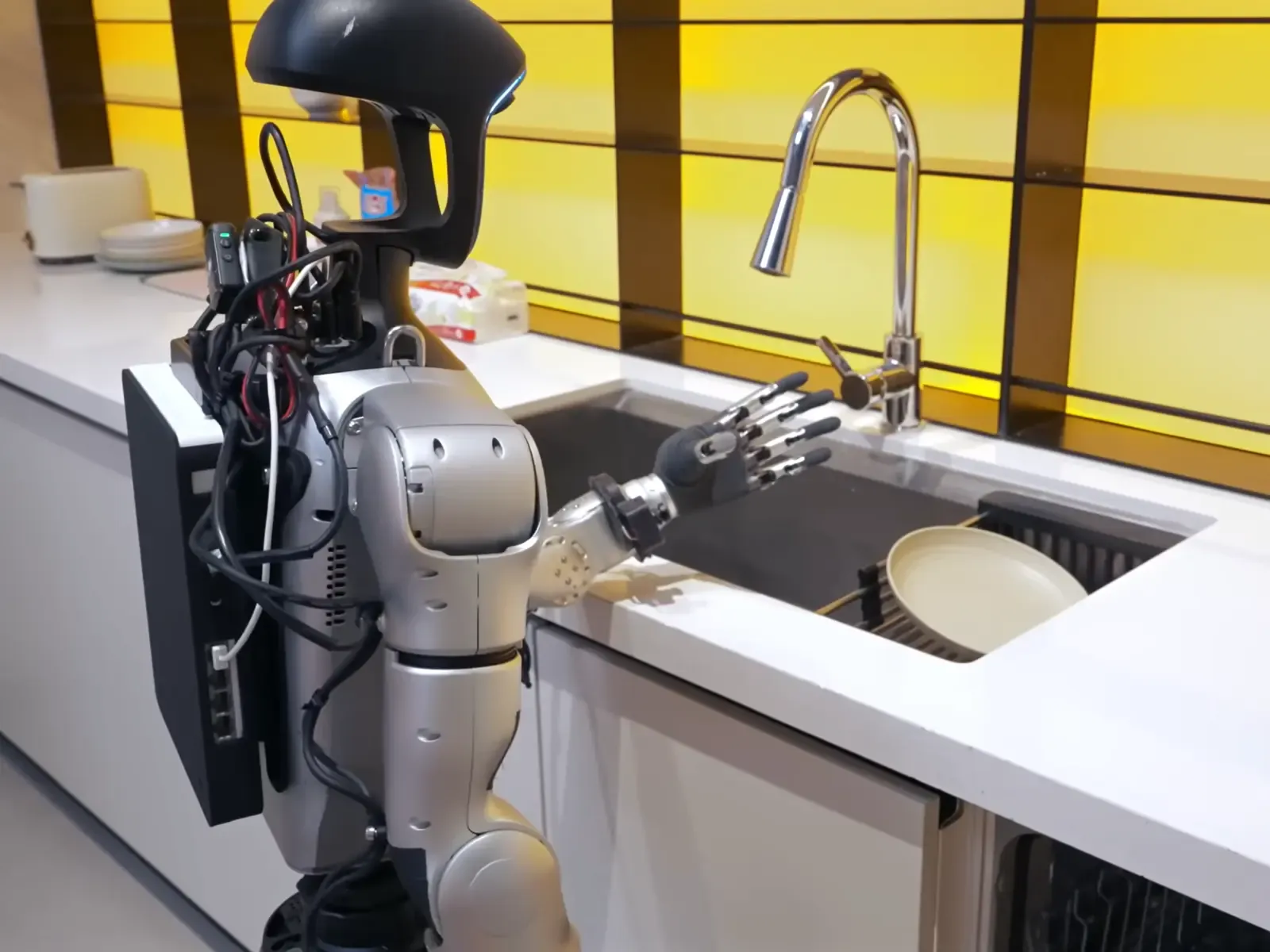
FCC Robot Ban Takes Effect, Unitree Launches $620M IPO
The FCC's Covered List robot ban and a House-passed NDAA provision land within days of each other, while Unitree launches its $620M STAR Market IPO. A supply-chain and market-access update.

US Restrictions on Chinese Humanoid Robots: The Full Map
Every US restriction on Chinese humanoid robots — NDAA Sec. 163, GUARD Act, the 1260H list — plus the supply-chain math and a 4-tier map of decoupling.
Robot Initial Parameter Record: Why Day One Data Matters
The Initial Parameter Record captures your robot's baseline on installation day — data that can never be recreated. Inside RSF Phase 1: RACI, IPR, load inertia.
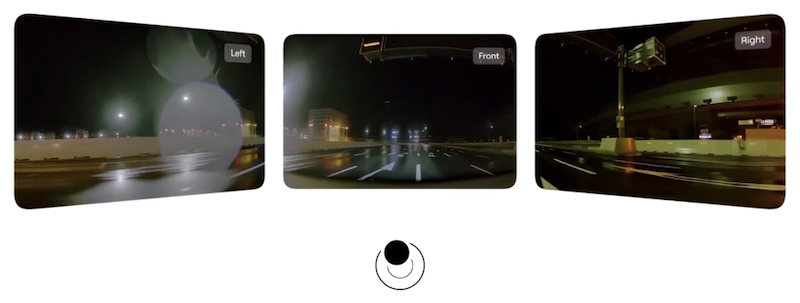
Decart’s Oasis 3 world model streams realism into robotic training environments
Decart, a leading frontier AI research lab, has unveiled its latest world model, Oasis 3, in a bid to integrate synthetic simulation with physical AI. The announcement, made recently, highlights the model's capability to enhance the training processes for operating system models used in robots and autonomous vehicles. By focusing on this innovative approach, Decart aims to advance the development of intelligent systems that can operate seamlessly in real-world environments. The launch of Oasis 3 represents a significant step forward in the quest to improve AI's practical applications, addressing the growing demand for more sophisticated and capable autonomous technologies.
Artificial Intelligence Computing Culture Design automation news autonomous vehicles

