


CreateMe
"The Future of Fashion is Bonded"
Newark, California apparel-robotics company founded by Campbell Myers; makes garments with robots and digital adhesives instead of thread.
Contact CreateMe
WEBSITE
https://www.createme.comPHONE
+1 510 214 2996HEADQUARTERS
United States

Company Facts
Founded
2019
Primary Role
Manufacturer
Company Size
-
Primary Region
North America
Annual Sales
-
Funding Stage
-
Funding Total
-
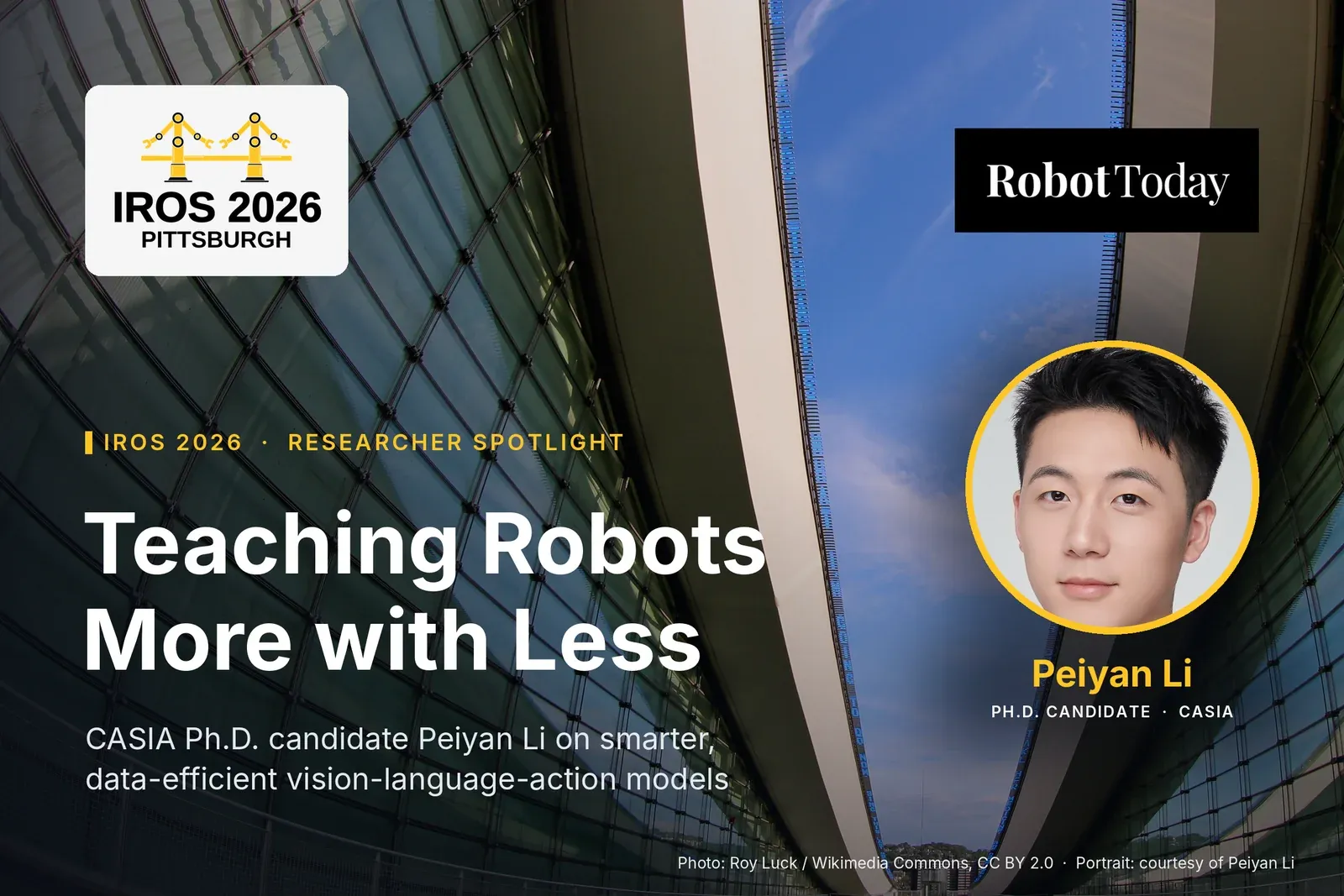
CASIA's Peiyan Li Brings Two VLA Papers to IROS 2026
CASIA Ph.D. candidate Peiyan Li co-authored two IROS 2026 papers on VLA models for long robot tasks. We also cover his BridgeVLA and SpatialVAM work.
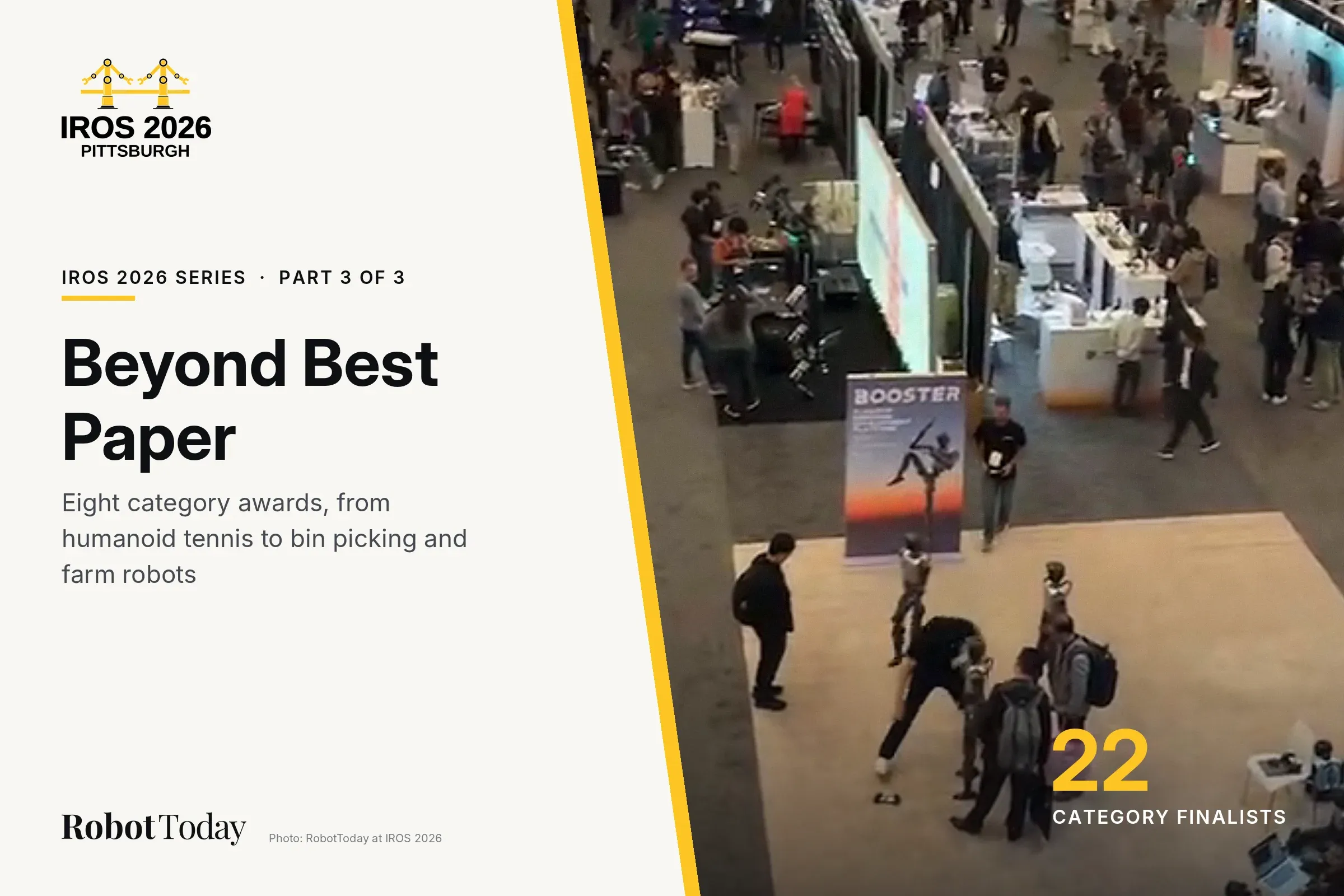
IROS 2026 Category Award Finalists: All 22 Papers
From humanoid tennis to bin picking and farm robots: the 22 finalists for IROS 2026's eight category awards, and what each one means for industry.
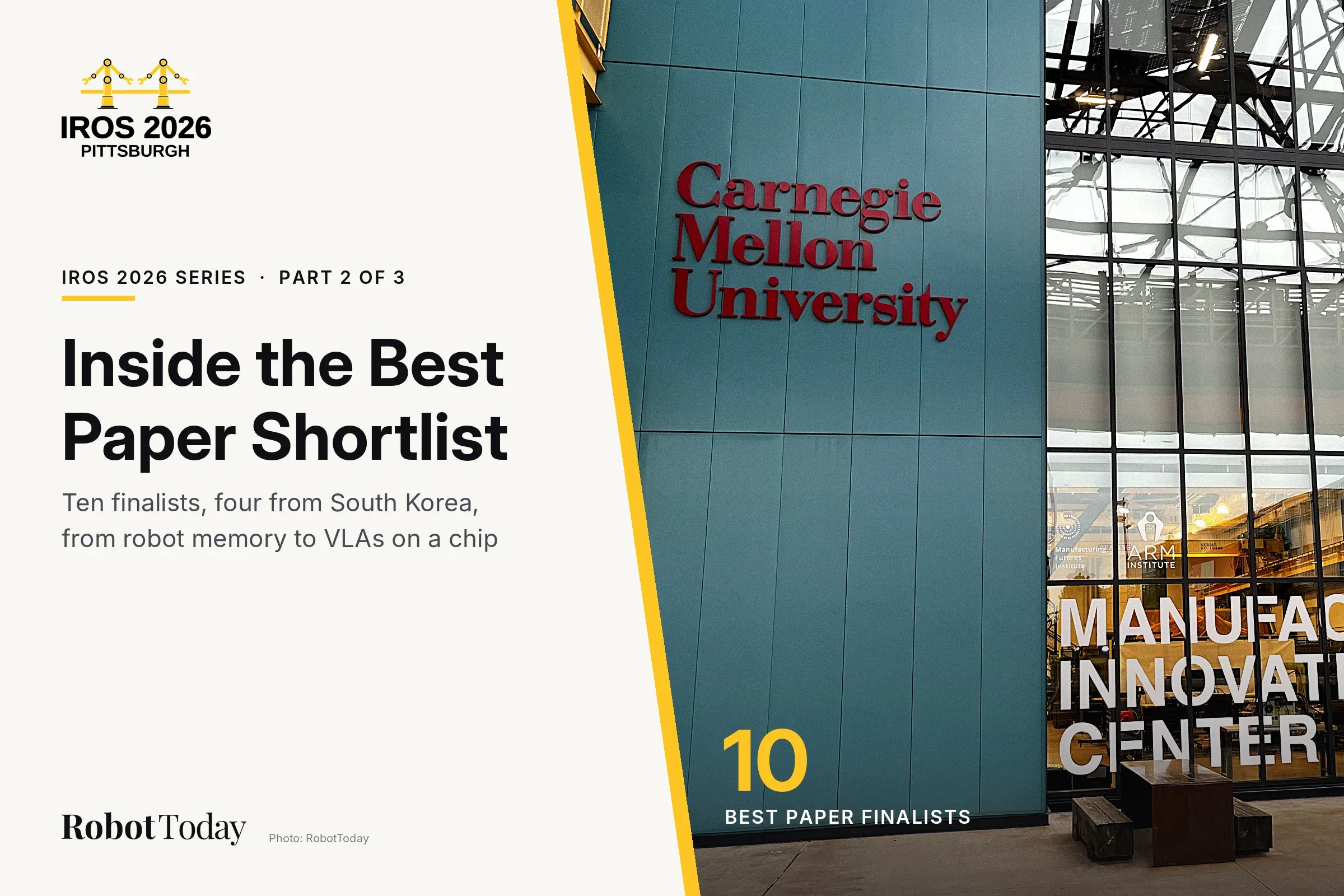
IROS 2026 Best Paper Finalists: South Korea Leads
Ten papers made the IROS 2026 Best Paper and Best Student Paper shortlist, four from South Korea. What each one does and what it means for industry.
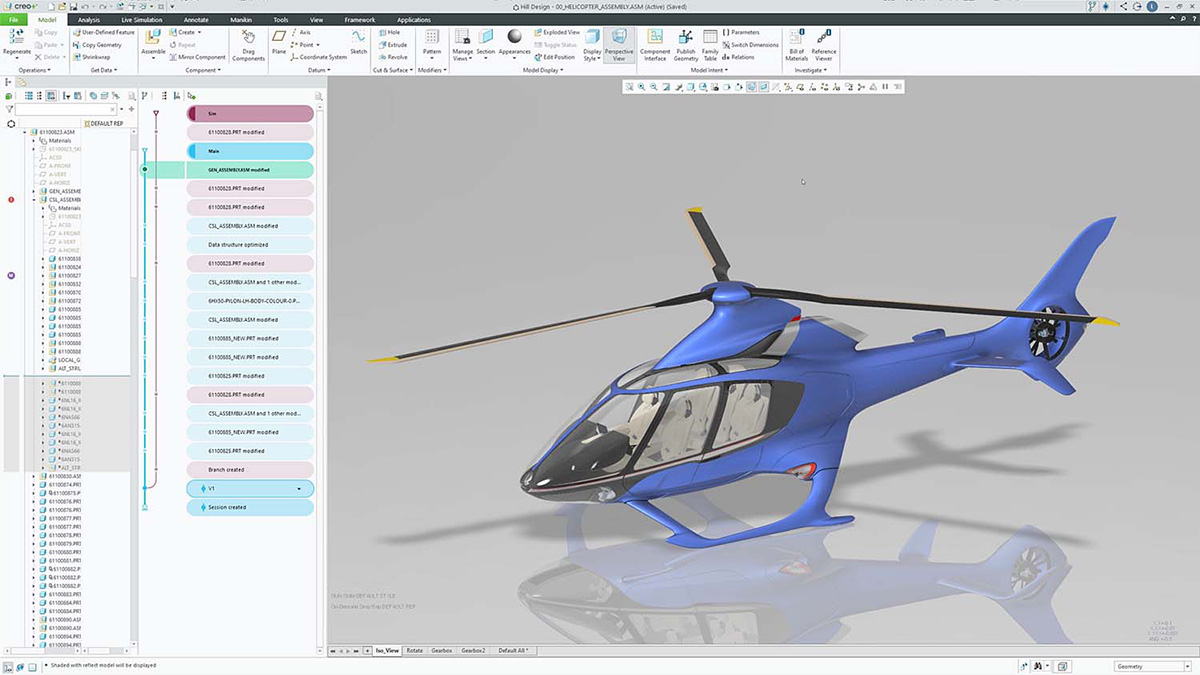
Schneider Electric to Acquire PTC for $22.6 Billion to Enhance Industrial AI Capabilities
Schneider Electric announced its plan to acquire PTC Inc. for approximately $22.6 billion, aiming to merge digital and physical realms throughout product lifecycles. This acquisition is expected to enhance Schneider's capabilities in digitalization and AI, leveraging PTC's design and data intelligence to improve operational efficiency. The integration of PTC's technologies is anticipated to create a 'digital thread' that connects CAD to shop floor operations, accelerating robot testing and improving regulatory compliance. Olivier Blum, CEO of Schneider Electric, emphasized that this move will optimize systems with advanced intelligence across the entire lifecycle of products and assets. Looking ahead, the acquisition positions Schneider Electric to better compete with Siemens and other leaders in industrial automation. Analysts suggest that while PTC will enhance Schneider's reach into product design and lifecycle management, successful integration of PTC's technologies will be crucial for realizing these benefits and maintaining innovation momentum.
Aerospace Artificial Intelligence Artificial Intelligence / Cognition Controllers Defense / Security Design / Development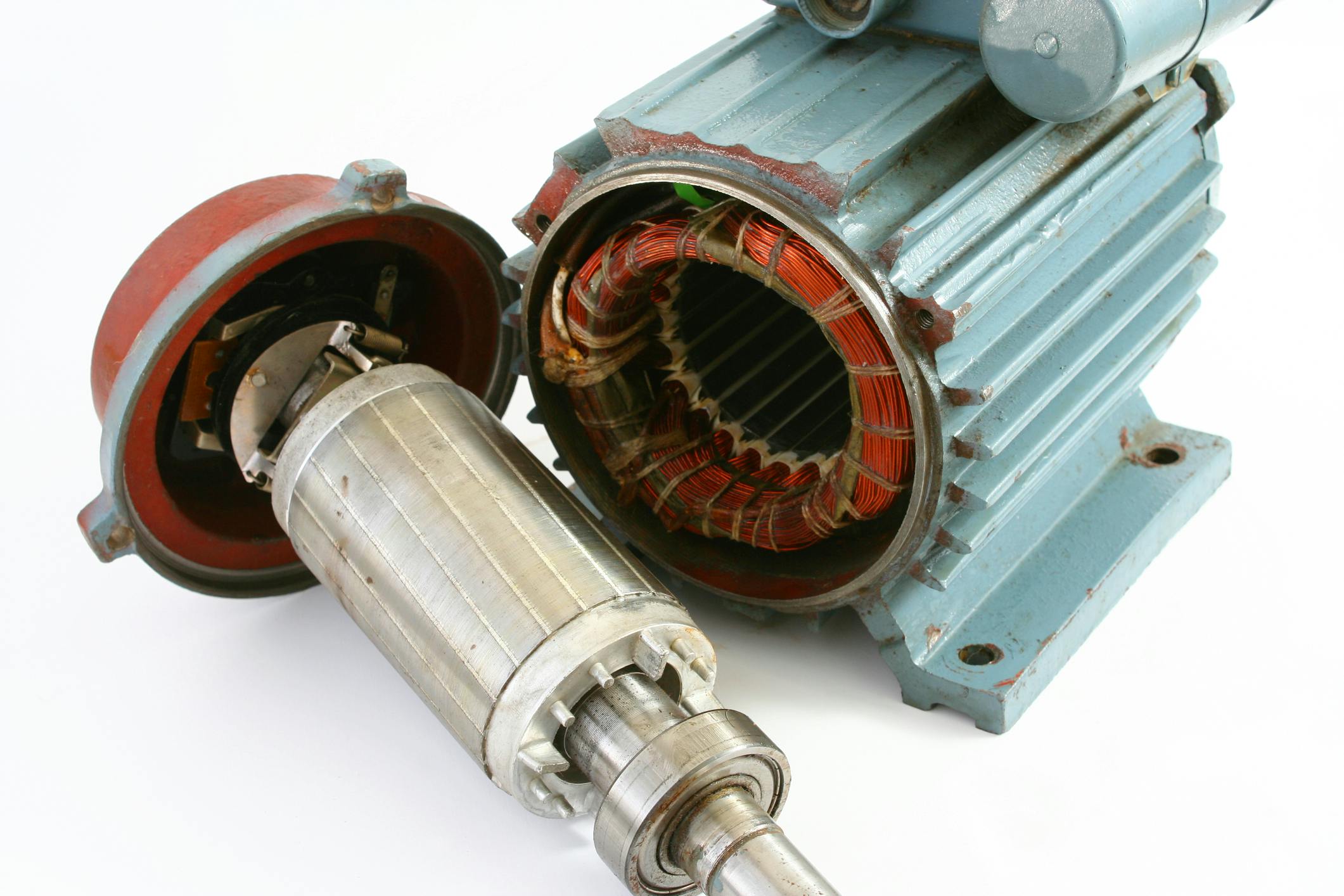
Electric Motors Drive Automation Growth in Manufacturing Sector
The International Manufacturing Technology Show highlighted the increasing importance of electric motors in the evolving landscape of manufacturing. The global electric motor market is projected to reach approximately $176.5 billion by 2026, emphasizing its critical role in automation, transportation, and energy sectors. As automation technologies advance, the demand for compact, efficient, and reliable electric motors is growing. These motors are essential for the operation of industrial robots and other automated systems, which are becoming more prevalent in various industries, including automotive and food production. Looking ahead, the U.S. robotics market, valued at around $11.4 billion, is expected to expand further. However, the U.S. still lags behind China in industrial robot installations, highlighting the need for strategic advancements in electric motor technology to enhance competitiveness in the global market. No further timeline was disclosed at the time of publication.
Factory / Digital Transformation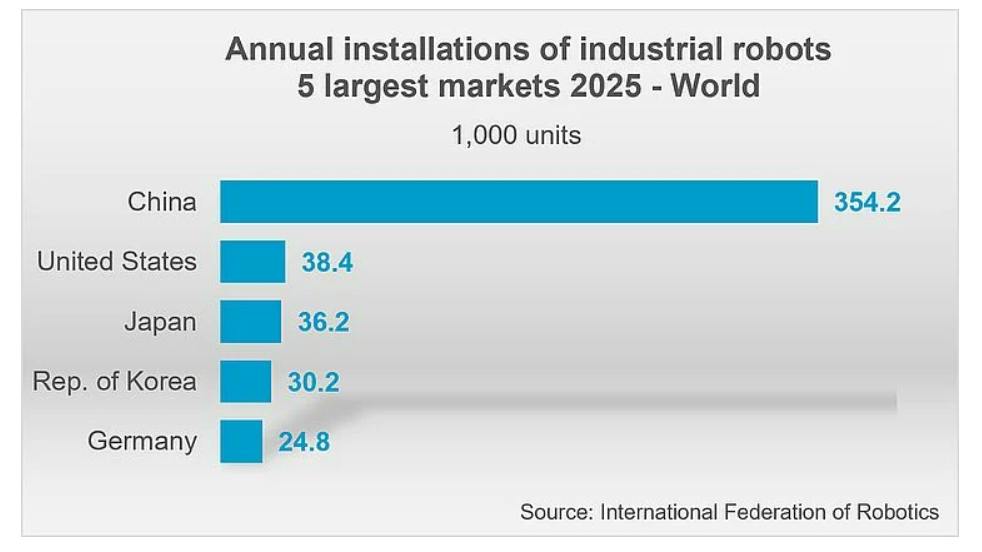
Brazilian Robotics Market Sees 38% Growth in Industrial Robot Installations
The Brazilian robotics market experienced a significant 38% increase in industrial robot installations, totaling nearly 4,300 units sold, as reported by The International Federation of Robotics (IFR) in its World Robotics 2026 Report. This surge is attributed to investments from Chinese car manufacturers, highlighting the growing influence of international players in Brazil's robotics sector. This growth is part of a broader trend, with global industrial robot installations reaching a record 5 million units last year, driven by an 11% increase in annual installations. China remains the leader in robot adoption, with a 20% year-on-year increase, totaling 354,000 robots installed. However, Japan saw a decline in installations, while the U.S. installed 38,500 units, reflecting varied market dynamics across regions. Looking ahead, the IFR forecasts a 9% increase in global industrial robot installations for this year, projecting a total of 655,000 units sold. As manufacturers adapt to changing demands, particularly in defense contracting, the focus on optimizing production locations and reducing delivery times will be crucial in shaping future trends in the robotics industry.
Members Only
iREX 2027: International Robot Exhibition, Tokyo, Dec 2027
iREX 2027 returns to Tokyo Big Sight in early December 2027. The 2025 edition drew a record 673 exhibitors and 156,110 visitors.
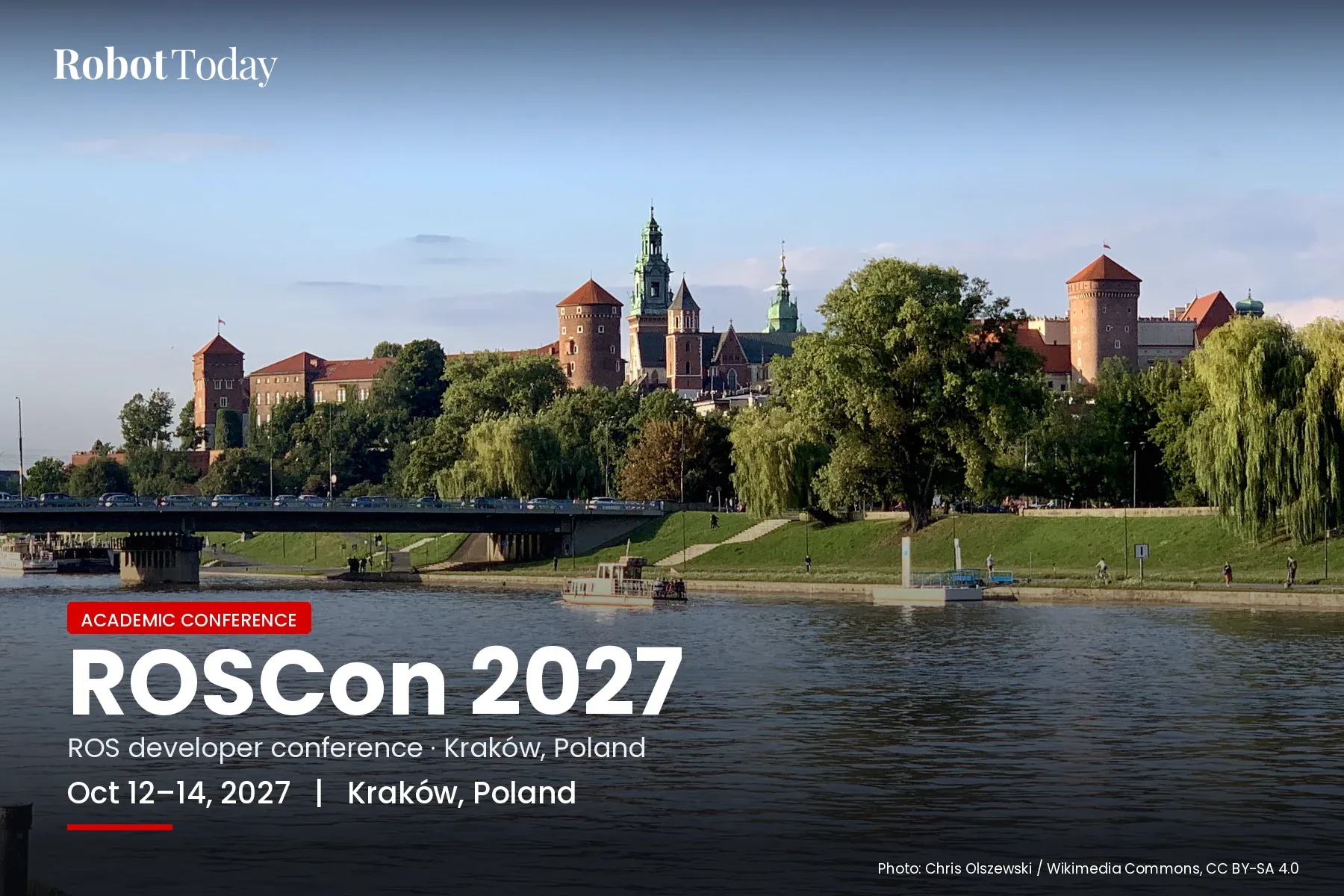
ROSCon Global 2027, Kraków, Oct 12–14
ROSCon Global 2027, Open Robotics' annual ROS developer conference, runs Oct 12–14, 2027 in Kraków, Poland. Venue, CFP and registration to be announced.
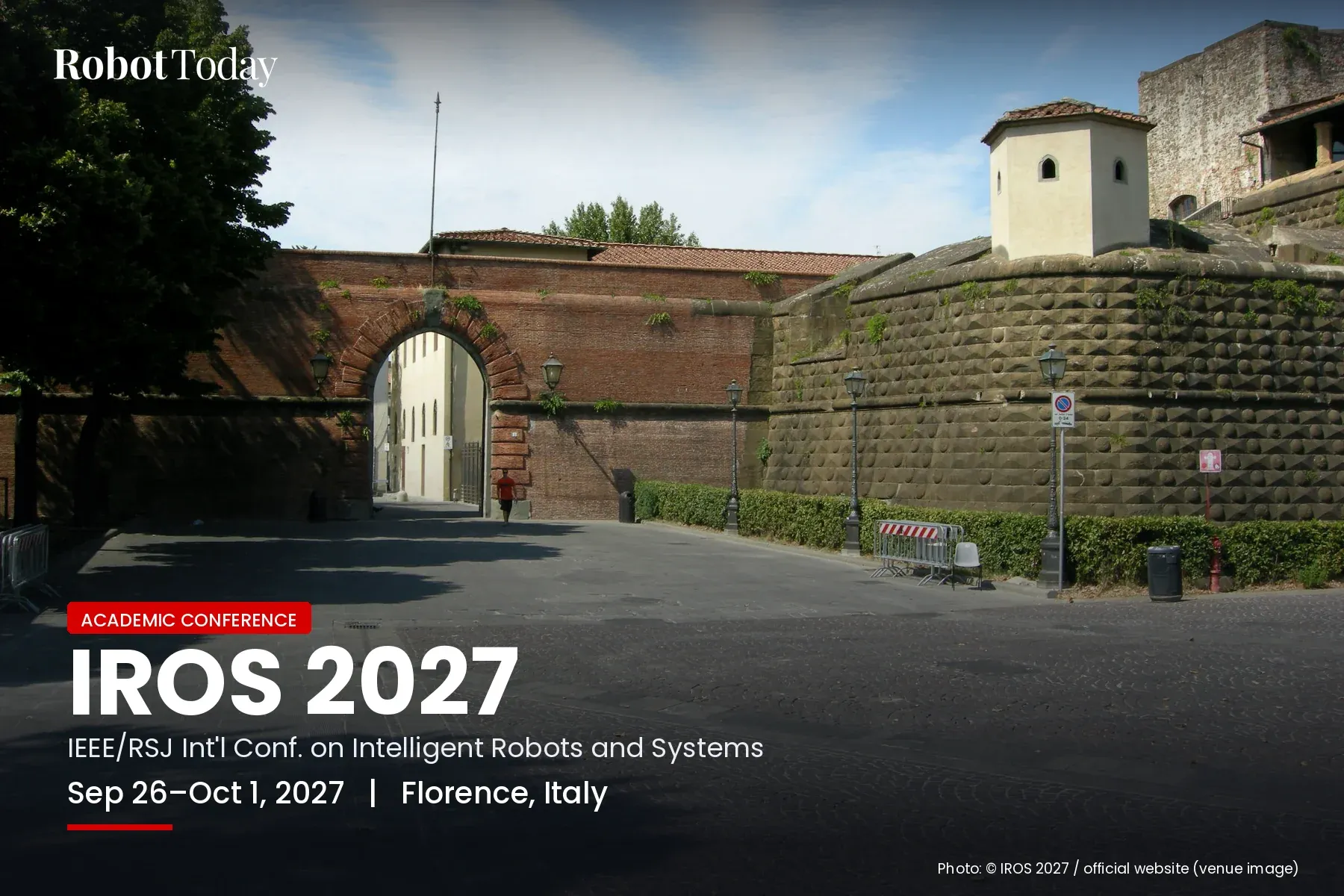
IROS 2027 Florence: Sep 26–Oct 1 | Intelligent Robots
IROS 2027, the IEEE/RSJ robotics conference, runs Sep 26–Oct 1, 2027 at Fortezza da Basso in Florence, Italy. Theme, deadlines and what to expect.
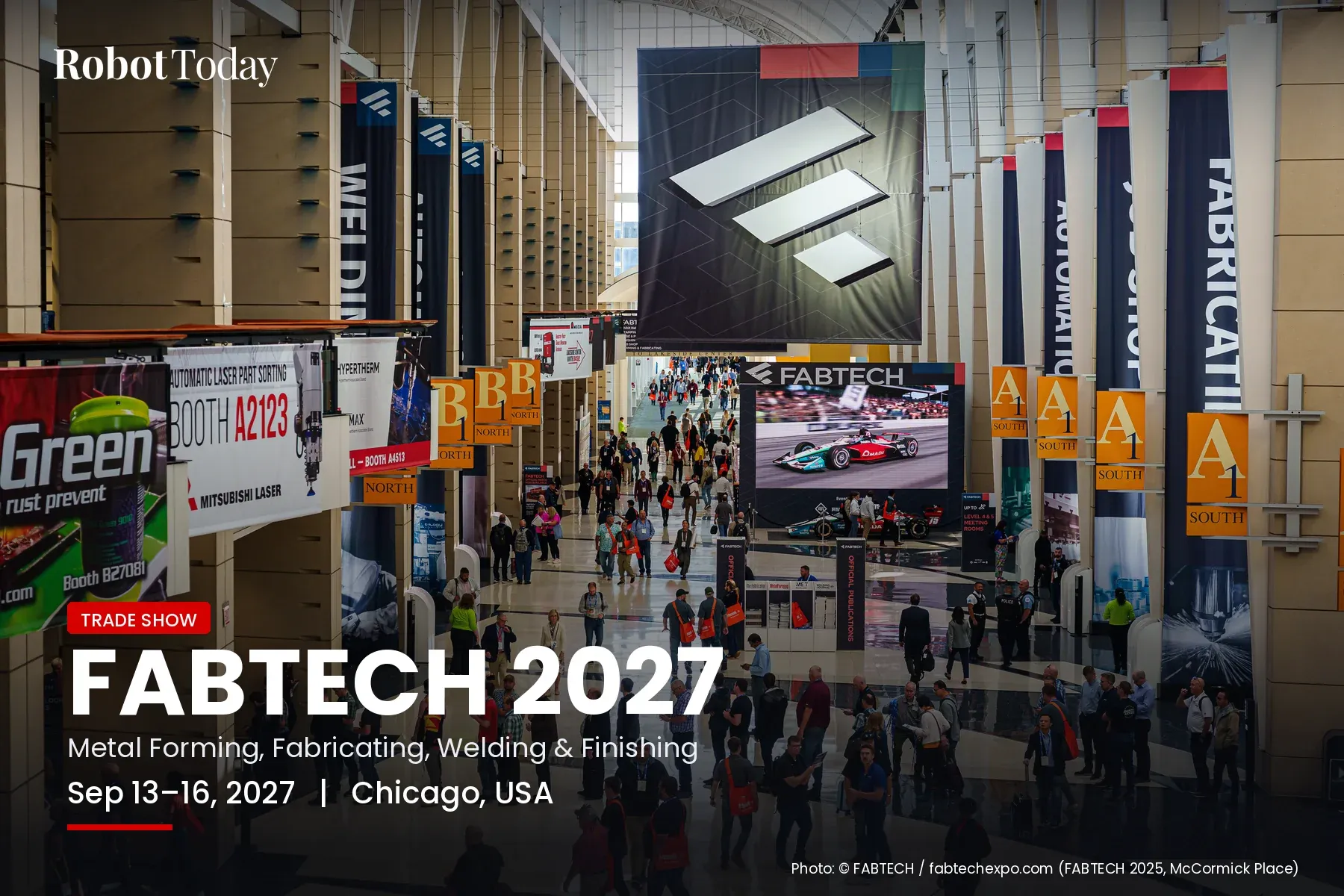
FABTECH 2027 | Sep 13–16, McCormick Place, Chicago
FABTECH 2027, Sep 13–16 at McCormick Place, Chicago: metal fabrication, welding and automation expo with robotic welding cells, AI pavilion.

IEEE CASE 2027 Linz: Aug 23–27 | Automation Science
IEEE CASE 2027, the 23rd Conference on Automation Science and Engineering, runs Aug 23–27, 2027 in Linz, Austria. Chairs, deadline and scope.
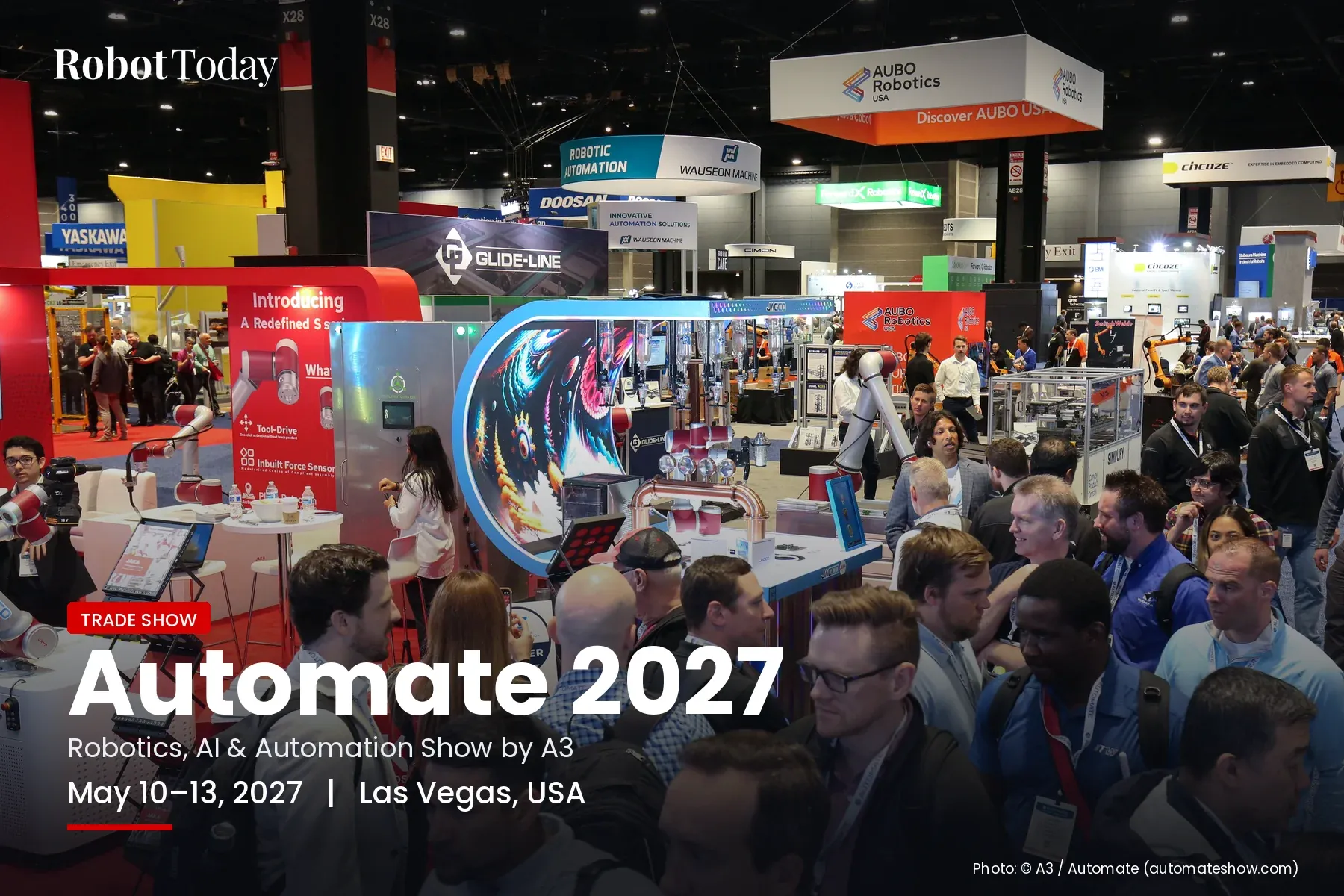
Automate 2027 | May 10–13, Las Vegas Convention Center
Automate 2027, May 10–13 at the Las Vegas Convention Center: A3's robotics and automation show moves to Las Vegas after a record 50,000+ registrants in 2026.
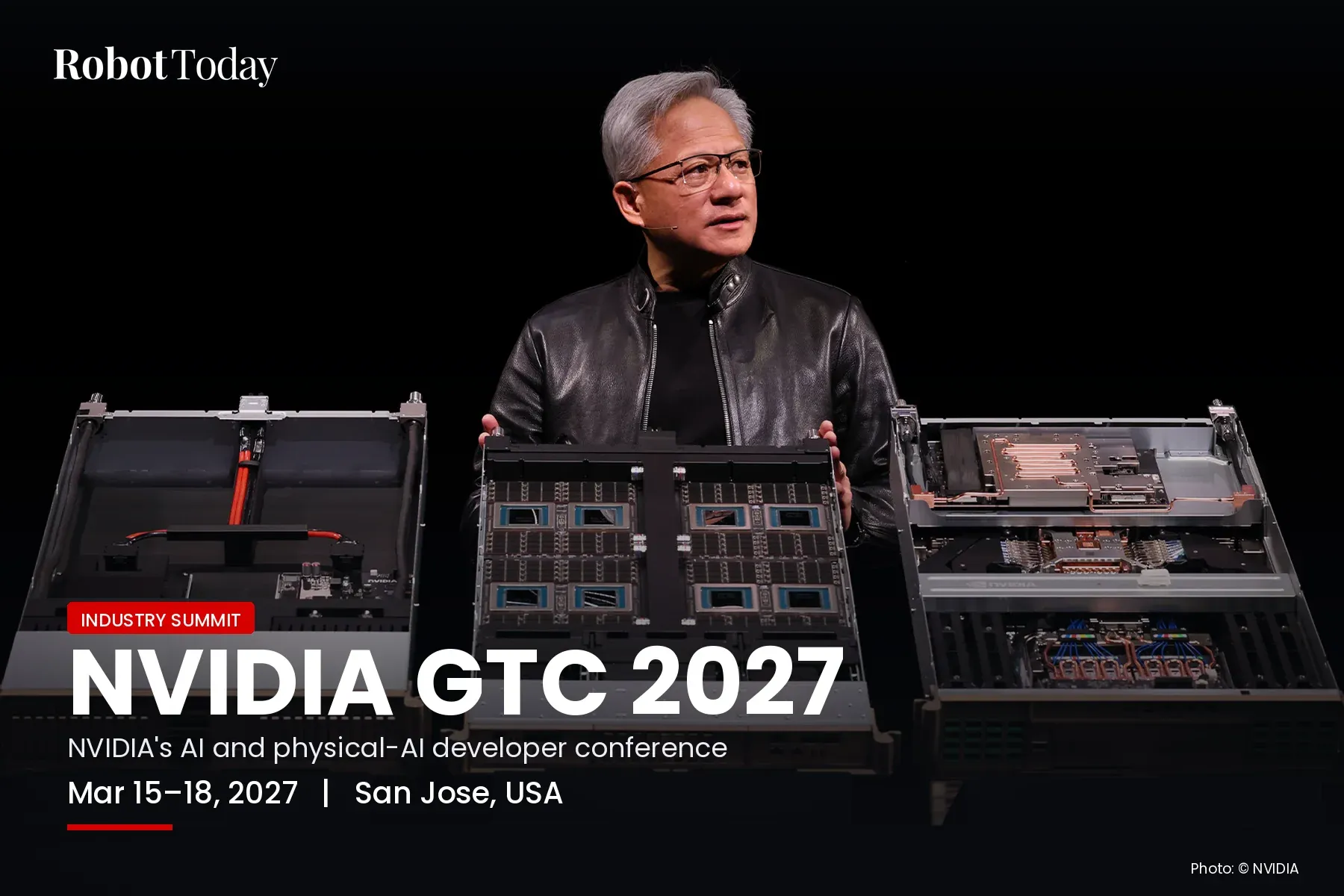
NVIDIA GTC 2027 – San Jose, Mar 15–18, 2027
NVIDIA GTC 2027 runs Mar 15–18 in San Jose, with physical AI and robotics as a core theme. Poster call open until Nov 10, 2026; registration opens this fall.

RobCo Achieves Over $1 Billion Valuation as CEO Relocates to U.S. for Expansion
RobCo has surpassed a valuation of $1 billion following new investments and employee share sales, marking a significant milestone for the industrial robotics startup. This achievement, which doubles the company's valuation in just nine months, involved participation from existing investors like Sequoia and new investors such as Cherry Ventures. The importance of this valuation lies in RobCo's plans to launch its Alfie autonomous industrial robot in March 2027, aimed at automating complex manufacturing tasks. The company is expanding its operations in the U.S., which has become its fastest-growing market, with customer operations now covering over a dozen states. Looking ahead, RobCo is set to unveil Alfie at its inaugural summit in Munich. The relocation of CEO Roman Hölzl to the U.S. underscores the company's commitment to growth in this key market. No further timeline was disclosed at the time of publication.
AI Funding & Investment Business & Markets Physical AI AI autonomous industrial robots Cherry Ventures
Recent Developments in South Korea's Physical AI Sector Highlight Key Innovations
This week, South Korea's physical AI sector saw significant advancements, including a collaboration between Semifive and Mobilint on outdoor robotics AI chips. Aidin Robotics joined a Doosan-led cobot initiative, while Hanwha Ocean and Korea Expressway Corp. signed agreements for shipbuilding robots and highway automation. These developments are crucial as they reflect South Korea's commitment to enhancing automation in various industries. The $7.2 million multi-agent autonomous-manufacturing project led by SKPack and the successful KOSDAQ IPO of Brills, which raised approximately $17 million, further underscore the growing investment in physical AI technologies. Looking ahead, stakeholders should monitor the progress of these projects, particularly the ongoing work on AI chips and the integration of robotics in manufacturing and infrastructure. No further timeline was disclosed at the time of publication.
AI Funding & Investment Humanoids Physical AI AI Aidin Robotics Brills
Exploring OMRON's Advanced LD Mobile Robots and Their Impact on Automation
In Episode 264 of The Robot Report Podcast, Miguel Garcés Moreno, the product marketing manager for OMRON Industrial Automation Europe, discusses the company's next-generation LD mobile robots. He emphasizes the importance of autonomous mobile robots (AMRs) in transforming modern factory floors with flexible and fully automated intralogistics systems. Garces Moreno's expertise in industrial automation, AI vision, and motion control highlights the significance of integrating advanced technologies to enhance operational efficiency. The collaboration with WiBotic for wireless charging solutions further underscores OMRON's commitment to increasing the uptime and safety of robotic fleets, which is crucial for manufacturers aiming to optimize their production processes. Listeners should keep an eye on OMRON's developments in AMRs and their partnerships, particularly with WiBotic, as these innovations could redefine intralogistics and factory automation. No further timeline was disclosed at the time of publication.
Artificial Intelligence Autonomous Mobile Robots (AMRs) Industrial Robots Markets / Industries News Opinion
CreateMe partners with Avalo and Laguna Fabrics to bring resilience to apparel supply chains
CreateMe has announced a partnership with Avalo and Laguna Fabrics to enhance the resilience of apparel supply chains. This collaboration is focused on showcasing innovative methods for producing clothing more rapidly and locally, addressing the growing demand for efficient and sustainable manufacturing practices. The initiative highlights the importance of strengthening supply chains in the apparel industry, particularly in response to recent global disruptions. By leveraging the expertise of its partners, CreateMe aims to set a new standard for how apparel can be created, ensuring a more robust and adaptable production process.
Agriculture Arms / Manipulators Artificial Intelligence Artificial Intelligence / Cognition Assembly Collaborative Robots
Interview with CreateMe CEO Campbell Myers: From stitching to bonding – physical AI could transform the way clothes are made
Apparel manufacturing continues to be one of the most labor-intensive sectors globally, despite advancements in automation in other industries such as automotive and electronics. The difficulty in automating textile production arises from the unique properties of fabric, which can stretch, wrinkle, and shift unpredictably. This complexity has hindered the development of effective robotic solutions for handling soft materials, leaving the apparel industry largely reliant on human labor. As manufacturers seek to improve efficiency and reduce costs, the challenge of integrating automation into textile production remains a significant hurdle.
Engineering Features Manufacturing adhesive bonding apparel automation apparel industry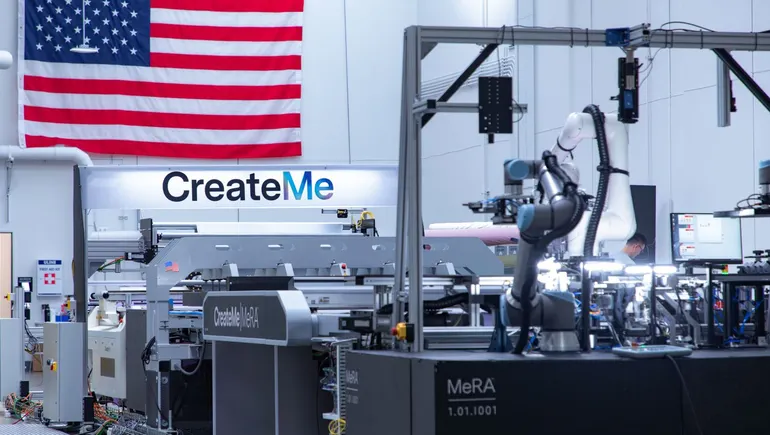
Physical AI is ready for wider adoption in some applications: CreateMe CEO
Cam Myers, the founder of an automated soft materials manufacturing company, has announced a breakthrough in technology that enables robots to perform limited tasks in textile production. This innovation leverages physical AI to transform traditional manufacturing processes. By integrating advanced robotics with smart materials, the company aims to enhance efficiency and redefine the way textiles are created. This development marks a significant step forward in the automation of the textile industry, promising to streamline operations and reduce labor costs. The technology is expected to be implemented in production facilities in the coming months, reflecting a growing trend towards automation in manufacturing sectors.
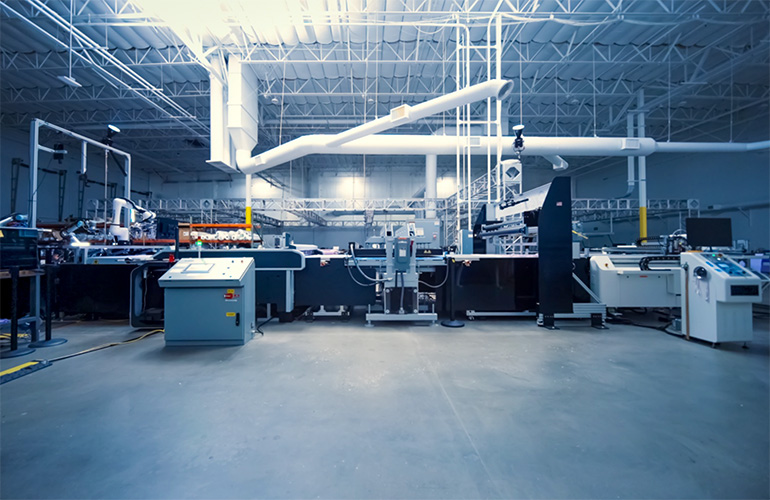
Why deformable materials are physical AI’s real manufacturing test
Createme's CEO has highlighted the potential of Physical AI in revolutionizing the assembly of deformable materials, particularly in the apparel industry. This insight comes as the company explores innovative approaches and software solutions to enhance manufacturing processes. The discussion emphasizes the importance of adapting technology to effectively handle the complexities of working with flexible materials. As the demand for advanced manufacturing techniques grows, the application of Physical AI could serve as a significant test for the industry, showcasing its capabilities beyond traditional manufacturing methods.
6-Axis Artificial Intelligence / Cognition Manufacturing Materials News Opinion

