


AL-KO Geräte GmbH
German consumer outdoor power equipment manufacturer producing the Robolinho robotic lawn mower series since 2012, part of the AL-KO group founded in 1931.
Contact AL-KO Geräte GmbH
WEBSITE
https://al-ko.comPHONE
+49 8221 203 0HEADQUARTERS
Germany

Company Facts
Founded
1931
Primary Role
Manufacturer
Company Size
-
Primary Region
Europe
Annual Sales
-
Funding Stage
-
Funding Total
-
Benmo Power Successfully Passes HK Listing Hearing as Student of Li Zexiang Launches IPO
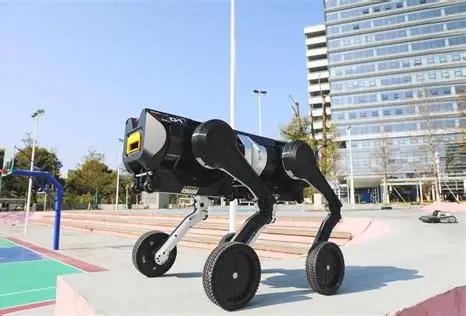
On September 17, Benmo Power (Beijing) Technology Co., Ltd. successfully passed its listing hearing with the Hong Kong Stock Exchange. Founded by Zhang Di, a graduate of Beijing Institute of Technology and a master's student under Li Zexiang at Hong Kong University of Science and Technology, the company focuses on robot technology with direct drive technology as its core capability. Benmo Power primarily engages in the sales of robot power modules in China, with projections indicating that by 2025, the company will achieve a total revenue of 282 million yuan, with approximately 97.4% of this revenue coming from direct drive modules for consumer products like robotic vacuum cleaners. According to Frost & Sullivan, the company ranks eighth in China's consumer robot power module industry with a 2.4% market share and holds the top position in the direct drive module sector with a 61.1% market share. Looking ahead, Benmo Power's product line is set to expand, with the upcoming release of the P0610 series embodied joint modules in 2026. The company's ability to transition from component sales to complete robot systems will be crucial in capturing the humanoid robot market, which represents a significant growth opportunity in the robotics sector.
Robotics Direct Drive Technology Consumer Robotics IPO Automation
Digua Robotics Raises $400 Million in Series C Funding; Surya Chip Shipments Surpass 8 Million Units
On September 17, Digua Robotics announced the completion of $400 million in Series C funding, led by Mirae Asset, with participation from various institutional investors including Meituan and government-backed platforms. This funding round highlights the growing interest in robotics and AI technologies, particularly in consumer-grade robots. The significance of this funding lies in Digua Robotics' impressive growth trajectory, with revenue in the first half of 2026 projected to multiply compared to the previous year. The company has shipped over 8 million units of its Surya series chips, indicating a strong market presence in consumer robots like vacuum and lawn-mowing robots, rather than humanoid robots. This shift underscores the demand for practical applications of robotics in everyday life. Looking ahead, no further timeline was disclosed at the time of publication. However, Digua Robotics is expected to continue iterating on its Surya chip series and expanding its developer ecosystem, which includes over 500 small and medium-sized enterprises and 100,000 developers globally. The involvement of government platforms suggests a strategic focus on industrial deployment in regions like Hefei and Shenzhen, while Meituan's investment may indicate a push towards integrating robotics into its delivery services.
Robotics Chip Technology AI Consumer Robotics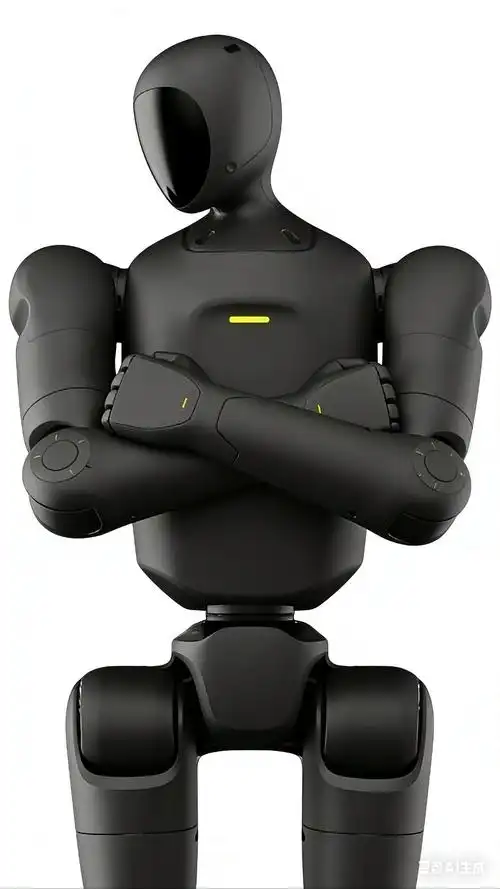
QiYuan Robotics Set to Launch Q1 and T1 Robots, Boosting ETF by 1.5%
QiYuan Robotics is preparing to unveil its new consumer-grade robots, Q1 and T1, at an upcoming launch event. On September 17, the robot concept sector saw a notable increase, with the Huashan Robot ETF rising by over 1.5%, reflecting market anticipation ahead of the product announcement. The significance of this launch lies in QiYuan's strategic positioning within the consumer robotics market, as it aims to integrate personal robots into everyday life. The Q1 is touted as the world's first personal robot, while the T1 features a transformable design, catering to family needs. This shift indicates a growing acceptance of consumer-grade robotics, differing from industrial applications that require more stringent stability and procurement processes. Looking ahead, the market will be keenly observing the launch event for specific pricing and delivery timelines for the Q1 and T1 models. These details are expected to significantly influence market reactions, as the robots are designed to enhance safety and functionality for users, particularly children and the elderly.
Consumer Robotics Robot ETFs Personal Robots Smart Technology
Companion Robots Achieve Nearly 300,000 Sales, Highlighting New Market for Embodied Intelligence
Robopoet's Fuzozo, priced at 399 yuan, has sold nearly 300,000 units in China since its launch in July 2025. This surge in sales contrasts sharply with traditional humanoid robots, which have struggled to gain traction in the market. The emotional companionship and personalized interaction offered by such robots have proven to meet a validated demand, as evidenced by users engaging in over 40 minutes of daily conversation. The growing sales figures for companion robots like Fuzozo and Haivivi's BubblePal, which surpassed 300,000 units in the U.S., indicate a shift in consumer interest towards emotional engagement rather than purely functional capabilities. This trend is underscored by WHO data revealing that one in six people globally experience loneliness, particularly among younger demographics. The success of these robots suggests that emotional needs can drive substantial market growth. Looking ahead, the challenge will be whether these products can maintain user engagement as novelty fades. The integration of large language models has transformed companion robots, allowing them to remember past interactions and respond dynamically, which could enhance user retention. No further timeline was disclosed at the time of publication.
Companion Robots Emotional AI Consumer Robotics Human-Robot Interaction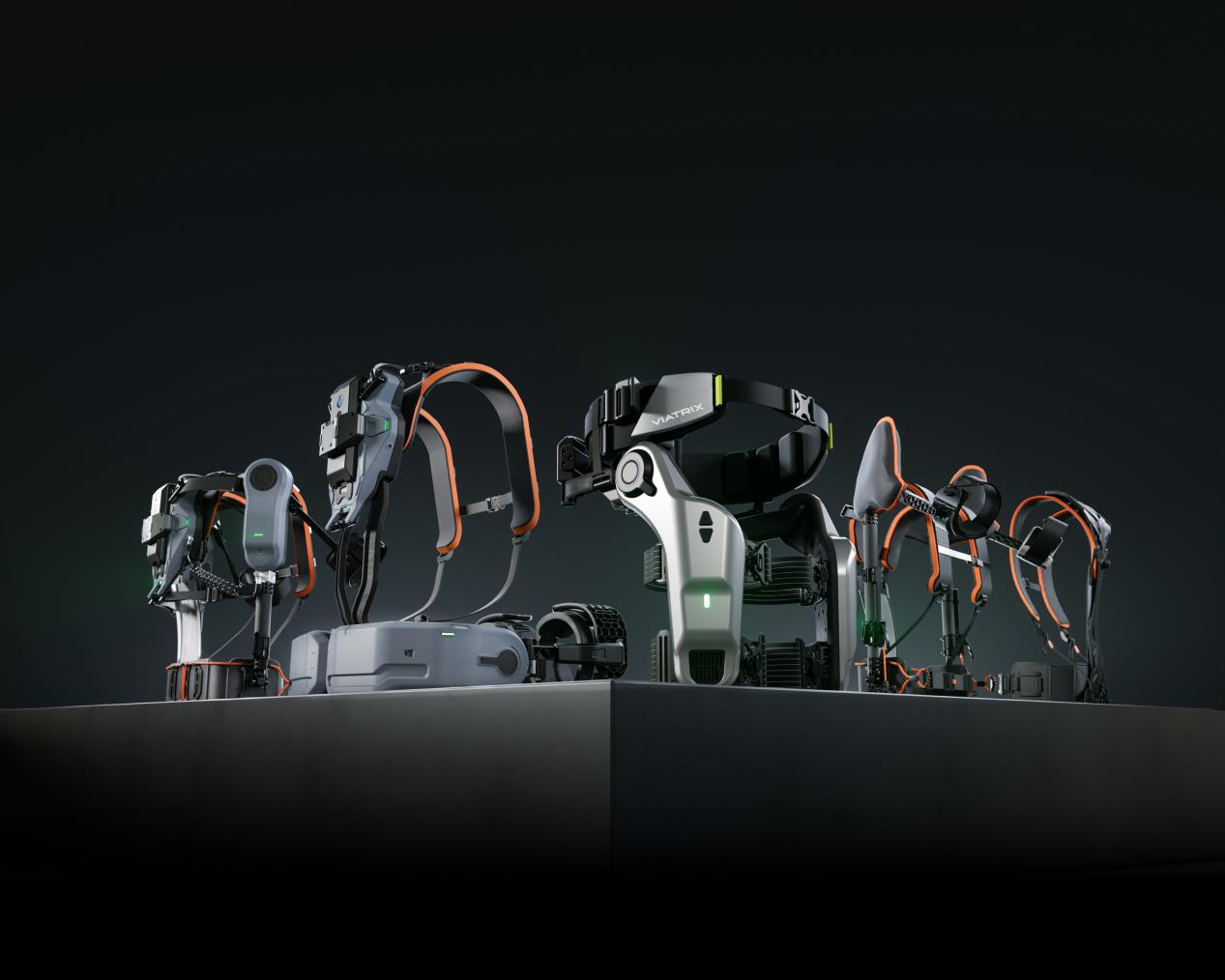
VIATRIX X Set to Launch as a Game-Changer for Outdoor Consumer Exoskeletons
VIATRIX, a brand under Aoshark Intelligent, is set to launch its next-generation exoskeleton, VIATRIX X, on September 22, 2026. This product is designed specifically for outdoor exploration and features revolutionary advancements in AI algorithms, power systems, and hardware architecture, establishing a new benchmark for outdoor consumer exoskeletons in 2026. The significance of VIATRIX X lies in its comprehensive upgrades in materials, safety systems, and protection levels, positioning Aoshark as a leading player in the outdoor consumer exoskeleton market. With a strong foundation in industrial-grade exoskeletons, Aoshark aims to democratize exoskeleton technology, making it accessible to everyday users. Looking ahead, Aoshark's commitment to redefining the application scenarios for exoskeletons is noteworthy. The company is focused on creating a dynamic collaboration system that responds in real-time to human movements, addressing the needs of a growing outdoor consumer base. No further timeline was disclosed at the time of publication.
Outdoor Exoskeletons AI Technology Consumer Robotics Wearable Technology
Foxconn and Alt Establish Joint Venture in Robotics with Equal Ownership Stakes
Foxconn Technology Group and Alt Automotive Technology have jointly established a new company, Beijing Futekang Intelligent Robotics Technology Co., Ltd., with equal stakes of 45% each. This unusual ownership structure suggests a collaborative decision-making process, as both companies bring unique resources to the table. The company focuses on manufacturing and selling intelligent and industrial robots, indicating a strong emphasis on production capabilities rather than research and development. The partnership is significant as it reflects the automotive supply chain's shift towards robotics, particularly in humanoid robots, where both companies have overlapping expertise. Foxconn contributes its precision manufacturing and mass production experience, while Alt brings automotive engineering and system integration knowledge. This collaboration aims to leverage existing supply chain resources to create a competitive edge in the robotics market. Future product offerings and target applications remain undisclosed, but the company's operational scope suggests flexibility in both industrial and consumer robotics. The initial products are likely to be tested within the existing ecosystems of Foxconn and Alt, utilizing their established customer bases and operational needs for automation.
Robotics Manufacturing Automotive Engineering Humanoid Robots
Q1 and T1 Robots from Qiyuan Robotics Set to Transform Home Interaction
Qiyuan Robotics is preparing to deliver its Q1 robot, which stands 88 cm tall and weighs 15 kg, designed for companionship and entertainment. The company, part of the Upwind New Materials group, is also launching the T1, a transformable robot. CEO Tian Hua emphasizes that personal robots should not merely replicate industrial robots but instead create a new form of human-robot interaction. The significance of these developments lies in the potential for personal robots to become a primary interface in homes, connecting AI, digital services, and everyday life. Unlike structured factory environments, homes present unpredictable challenges, which is why Qiyuan has opted for a smaller, safer design for the Q1. The T1, standing about one meter tall, can switch between wheeled and quadrupedal forms, indicating a shift in the industry towards robots that better fit human lifestyles. Looking ahead, Qiyuan Robotics faces the challenge of moving from prototypes to mass production, with plans for a production line capable of handling thousands of units. The company has secured 210 million yuan in prepayments for its consumer-grade robots and is investing significantly in R&D. Analysts remain cautious, noting that while the home market is promising, it may take longer to reach commercialization compared to industrial applications. The real test will be whether users will keep these robots in their homes after initial trials.
Personal Robots Home Automation AI Consumer Robotics
Microduck Emerges as a Contender in Consumer Robotics Amid Yush's Market Struggles
On its market debut, Yush's stock surged over sixfold, briefly surpassing a market value of 440 billion yuan, only to plummet in the following days, losing over 200 billion yuan in value. This volatility has reignited skepticism about the future of humanoid robots. Meanwhile, the Microduck, a $399 open-source robot from Hugging Face's Pollen Robotics, has gained significant attention, with over $2.6 million in orders within 24 hours of its launch. Microduck's appeal lies not only in its affordability but also in its innovative open-source reinforcement learning pipeline, allowing users to train virtual models before deploying them on the physical robot. This democratizes access to robotics, enabling developers and consumers to engage with robotics in ways previously limited to laboratories and enterprises. In just four days, Microduck received 10,500 orders, indicating a strong demand for accessible robotics solutions. As the robotics industry shifts focus towards consumer markets, the success of Microduck raises questions about the future of personal robots. Unlike traditional companionship robots, Microduck offers physical interaction capabilities, making it a more relatable robotic form. The ongoing developments in the open-source ecosystem, particularly with Hugging Face's growing community, suggest a potential shift in how consumer robotics will evolve, especially with Nvidia's recent acquisition plans for Hugging Face, which could further enhance the landscape of accessible robotics.
Consumer Robotics Open Source Robotics Affordable Robots AI Development
Benmo Technology Achieves Rapid Growth in Robotics Physical Components Market
Benmo Technology has experienced significant revenue growth, increasing from 17.54 million yuan to 282 million yuan in three years, with a compound annual growth rate exceeding 300%. The company focuses on integrated direct-drive joints, eliminating the need for reducers, which reduces energy loss and noise while extending lifespan to 50,000-100,000 hours. As of 2025, Benmo Technology is projected to capture 61.1% of the Chinese consumer robotics direct-drive module market, with shipments of approximately 8.5 million units across various robot categories. The company also operates a wheeled robot business, exporting products to over 50 countries, and has become a leading manufacturer in this sector. Looking ahead, Benmo Technology's dual business model allows for a feedback loop between mass production of power modules and whole machine development. The consumer-grade direct-drive modules are expected to account for 88% of total revenue by 2025. The company is well-positioned to meet future demands for reliable robotic bodies as advanced AI models mature.
Robotics Direct-Drive Modules Embodied Intelligence Robot Manufacturing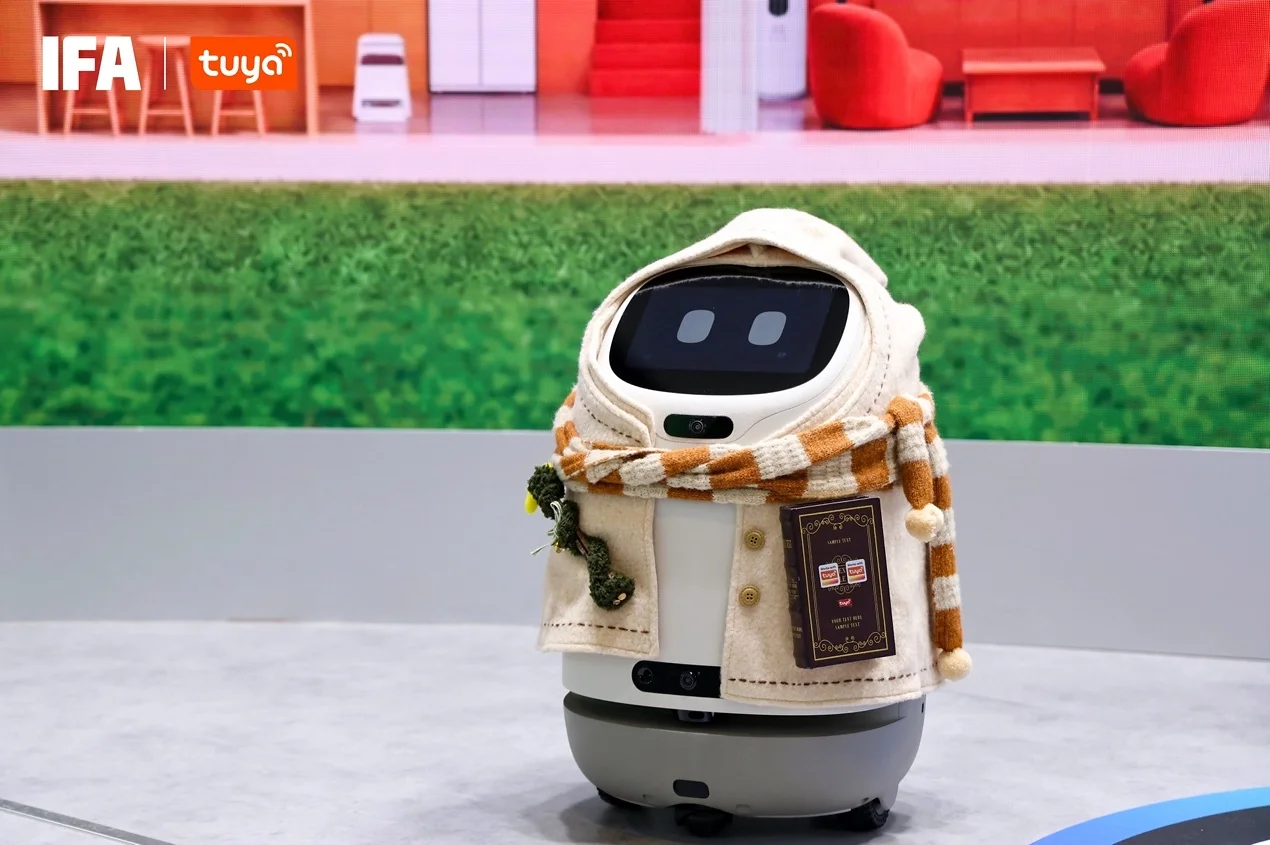
Tuya Introduces Doova: An AI Companion Robot for Elder Care and Smart Homes
At IFA 2026 in Berlin, Tuya Smart unveiled Doova, an autonomous companion robot designed to meet the elder care needs of seniors living independently. This innovative robot integrates proactive fall detection with conversational intelligence and is seamlessly connected to Tuya's smart home ecosystem. Unlike traditional humanoid robots, Doova features a user-friendly wheeled design for effective domestic navigation. The introduction of Doova signifies a strategic shift in consumer robotics, focusing on specialized autonomy to address critical ambient-care challenges that general-purpose humanoids cannot economically or practically solve. For seniors, falls pose significant risks, often exacerbated by delays in alerting caregivers or emergency services. Doova's advanced multi-sensor array and autonomous navigation capabilities aim to mitigate these dangers by providing timely assistance and emergency responses. Looking ahead, Tuya plans to enhance Doova's functionalities with software updates that will include features like autonomous object retrieval. As a mobile command hub for Tuya's AIoT ecosystem, Doova allows users to control various smart home devices through natural voice commands, making daily interactions more intuitive and less transactional. No further timeline was disclosed at the time of publication.
China Tuya
RSF Top 10 Robot Education Textbooks
Robotics has a canon; robot service does not. Ten books scored on adoption, RSF layer coverage, field value and difficulty, plus six specialist picks.

AI for Science 2026: The Global Race for Scientific Discovery
2026 AI for Science landscape report: WAIC 2026 exhibitor breakdown, MIT Boltz-2 and CMU Coscientist case studies, US/China/EU policy comparison, Anthropic Claude Science, and US academic cautionary views.
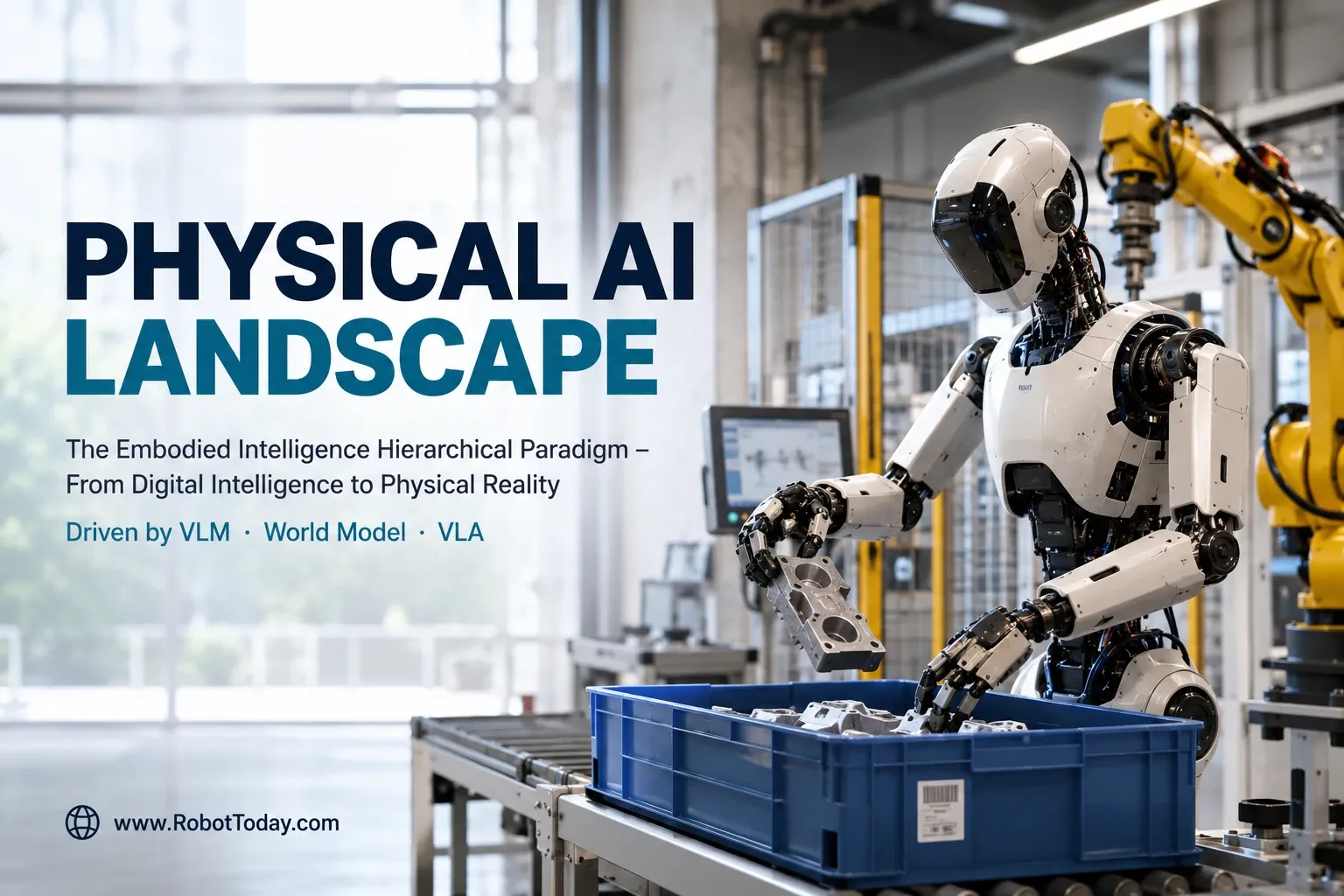
Physical AI Landscape: From Digital Intelligence to the Embodied Physical World
A comprehensive industry analysis of Physical AI — covering Embodied AI, Field AI, Factory AI, VLM, World Model, VLA, and the VLA vs WAM architecture debate. Includes 20+ companies, 28 references, and the RobotToday Physical AI Landscape diagram. July 2026.
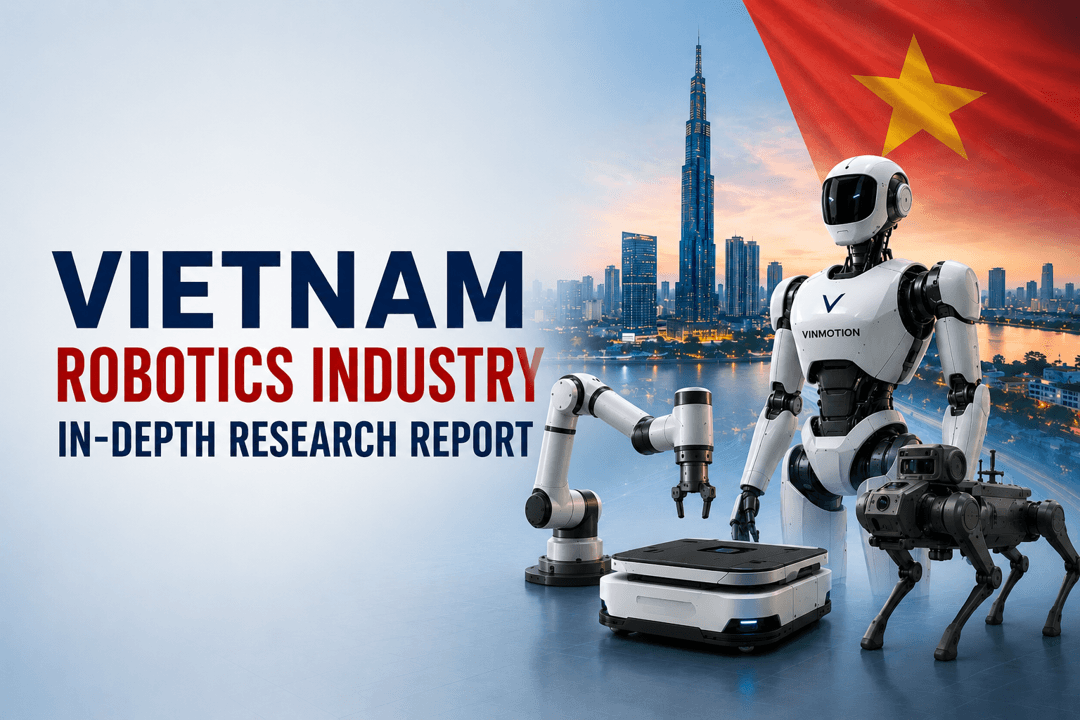
Vietnam Robotics Industry Report 2026
Comprehensive analysis of Vietnam's robotics industry: market size, industrial policy, key companies (Vingroup, Apicoo, Phenikaa-X), geopolitical dynamics, and 2030 growth opportunities.
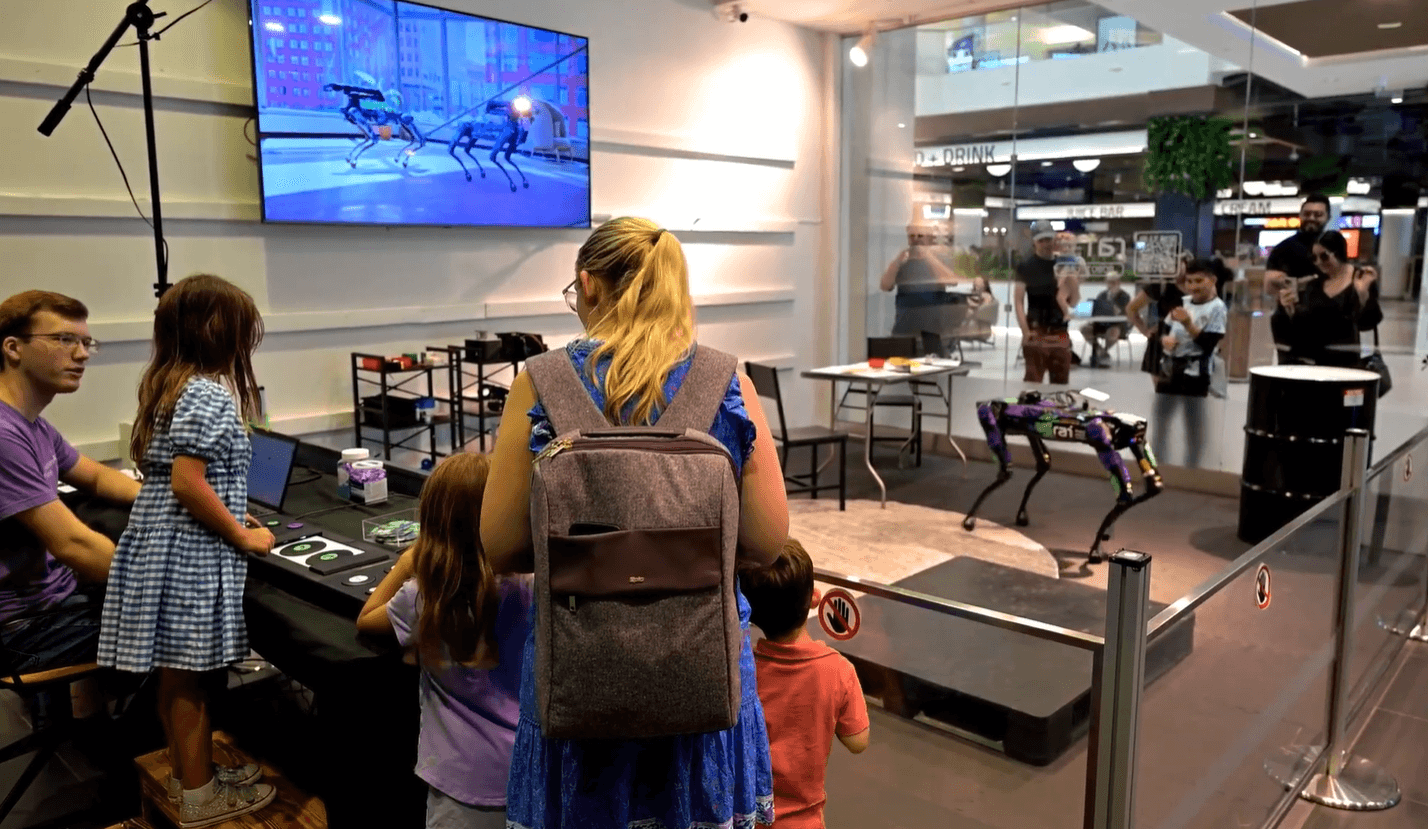
RAI Institute Study: Driving Boston Dynamics' Spot Changes How People See Robots
A 10-week study of 753 mall visitors found that driving Boston Dynamics’ Spot robot for just minutes significantly boosted comfort and acceptance — even in homes and hospitals.

CONSTRUCTION ROBOTICS | Masonry & Bricklaying Robots: The Poster Child That Still Has Walls to Climb
SAM100 lays 3,000 bricks/day. Hadrian X built nine US homes in a single demo program. Masonry automation is the most investor-funded, most culturally charged, and most commercially tested sector in construction robotics.
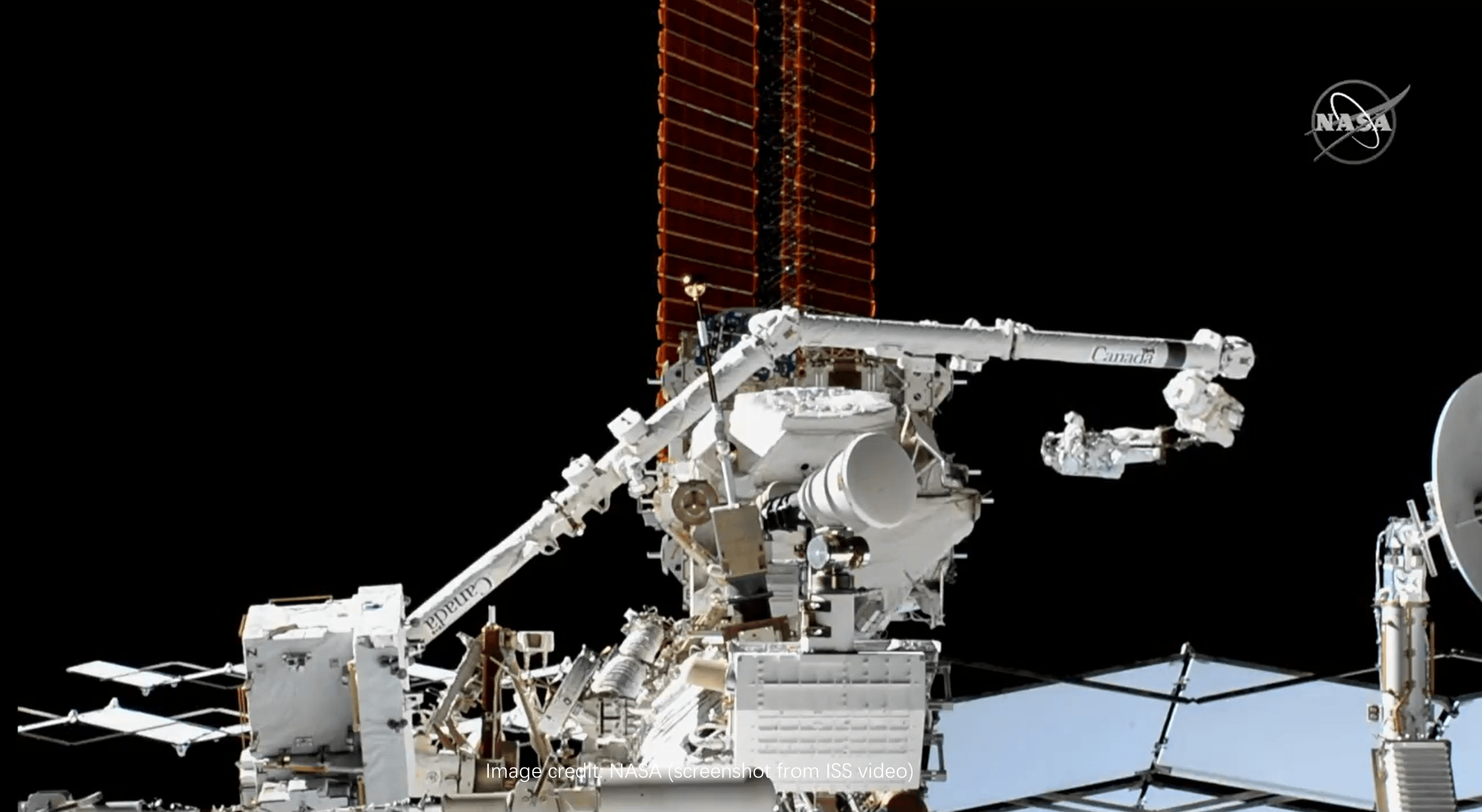
Space Robot - Space Station's AI Assistants: From Robotic Arms to Autonomous Partners
Space station robots evolve from remote tools to autonomous AI partners. How embodied intelligence reshapes human-robot collaboration in orbit.
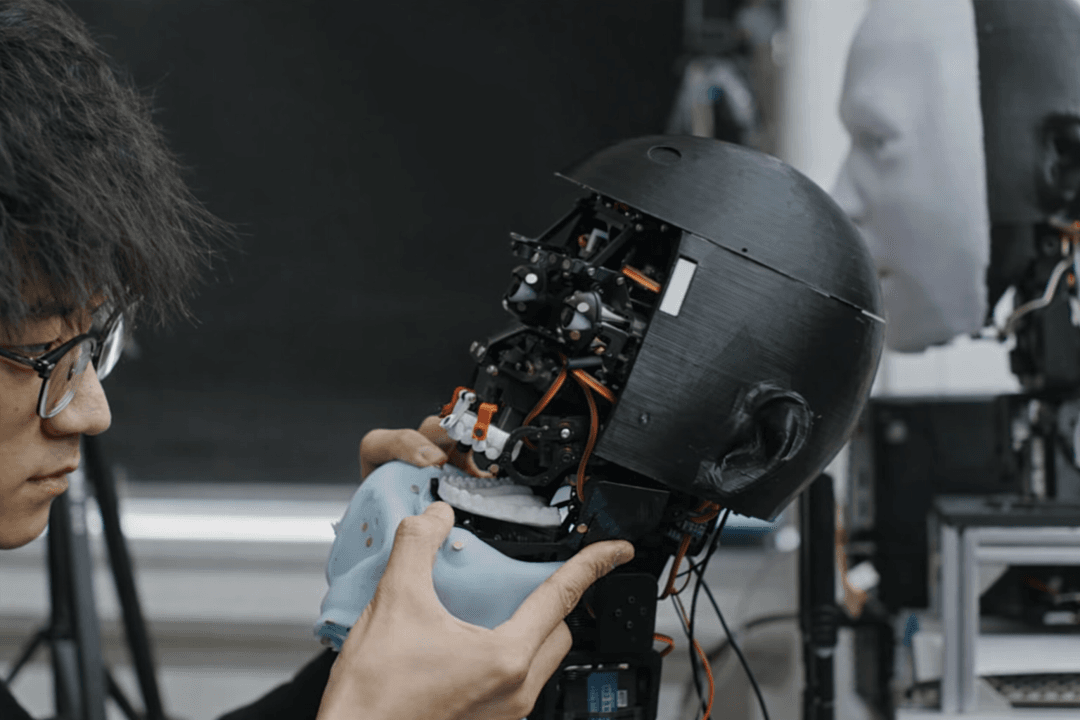
Columbia's Emo: Solving Robot Face Problem
Columbia's Emo robot breakthrough reveals why facial biomimicry is robotics' second hardest challenge. Analysis of tech barriers and 2028-2030 timeline.
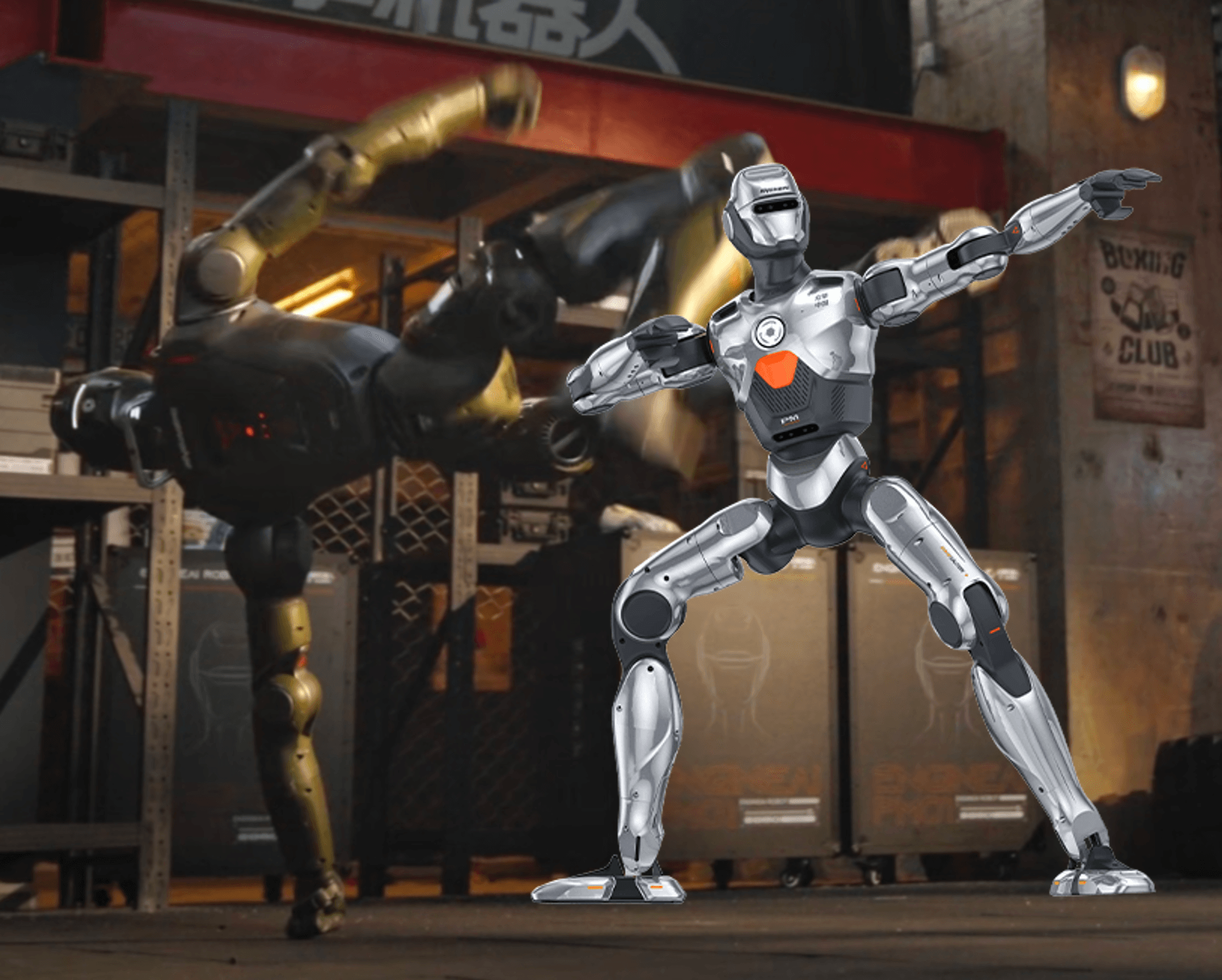
Engine AI Unveils the T800 — A USD ~$25,000 Full-Size Combat-Capable Humanoid
Engine AI unveils the T800, a full-size, combat-capable humanoid robot promising high mobility, strength, and practical versatility at around $25,000.
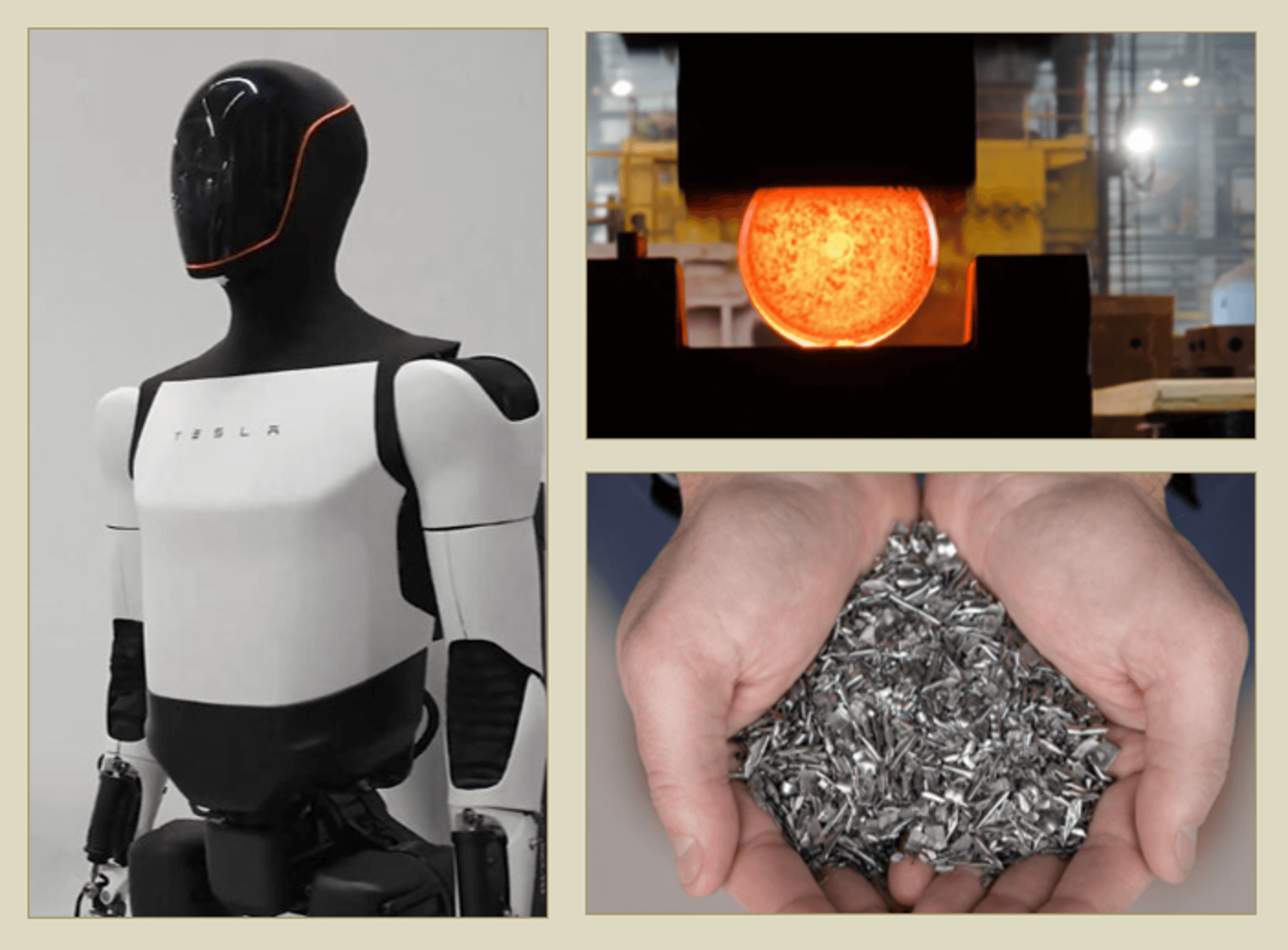
How Titanium Is Quietly Rewiring the Future of Robotics
Titanium’s strength-to-weight and corrosion resistance are reshaping robotics hardware, from lighter limbs to durable joints that unlock next-gen performance.


