


Aska アスカ株式会社
"Moving the Future with Reliable Technology"
Japanese manufacturer in Kariya, Aichi, producing automotive parts, power distribution panels, robot systems, and the WPAL medical exoskeleton since 1953.
Contact Aska
WEBSITE
https://www.aska.co.jpPHONE
+81 3-5484-8361HEADQUARTERS
Japan

Company Facts
Founded
1953
Primary Role
Manufacturer
Company Size
-
Primary Region
Asia-Pacific
Annual Sales
-
Funding Stage
-
Funding Total
-

Finalists for the CIIF Robotics Award Showcased at the 26th China International Industry Fair
On September 9, the 26th China International Industry Fair (CIIF) hosted the presentation of finalists for the CIIF Robotics Award. This event was organized by the CIIF Robotics Exhibition Department in collaboration with the Shanghai Robotics Industry Association, ensuring a thorough evaluation process to select benchmark products in the industry. A total of 36 products from 36 companies across the country were nominated for the award. The significance of this event lies in its role in promoting innovation and excellence in robotics. Among the finalists is FANUC's new generation of heavy-duty industrial robots, designed for automation scenarios with a load capacity ranging from 120kg to 300kg. This series emphasizes performance upgrades, energy efficiency, and reduced operational costs, aiming to enhance production efficiency and support the transition to high stability and intelligent automation in industrial production. Looking ahead, the competition highlights the advancements in robotics technology, including the MOTOMAN NEXT from Yaskawa, which integrates AI capabilities for improved operational efficiency. No further timeline was disclosed at the time of publication, but the ongoing developments in robotics are expected to drive significant changes in manufacturing processes and automation solutions in the near future.
Industrial Robotics Automation Technology AI Robotics Collaborative Robots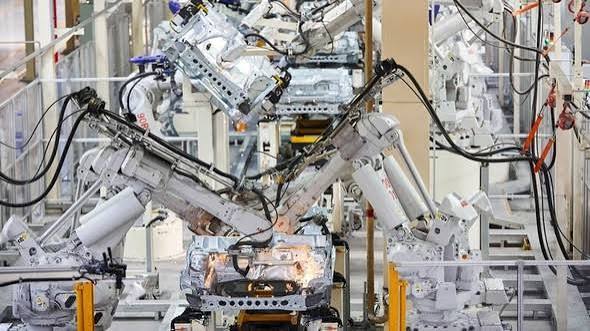
Power Shift in the Global Robotics Industry as Traditional Leaders Face Challenges
In 2026, a significant power shift is occurring within the global robotics industry, particularly impacting the Chinese market. The four major foreign companies, Fanuc, Yaskawa, ABB, and KUKA, known as the 'Four Families,' are experiencing unprecedented challenges, while domestic brands have gained a market share exceeding 55% in industrial robotics. Fanuc's share has dropped to 9%, highlighting a dramatic change in the competitive landscape. This shift is crucial as it marks the decline of established players who once dominated over 60% of the Chinese industrial robotics market. The rise of domestic brands, particularly in collaborative and welding robots, indicates a growing trend towards local innovation and manufacturing capabilities. ABB's strategic retreat, including the planned sale of its robotics business, underscores the urgency of this transformation. Looking ahead, the robotics industry is witnessing the emergence of new players and innovative technologies. Companies like Tianji Intelligent and Yushu Technology are making strides in capital markets, while cross-industry giants like Xiaomi and Midea are integrating robotics into their operations. The ongoing power transfer suggests that the industry is entering a new phase, with the balance of power shifting towards domestic manufacturers and innovators.
Industrial Robots Vacuum Robots Automation Chinese Robotics Market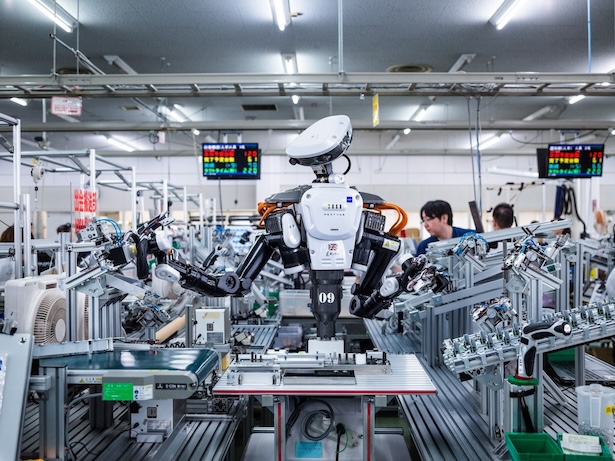
MIT Team Demonstrates Under-Ice Communication with ROV in Arctic Testing
In September 2026, a research team from MIT's Lincoln Laboratory conducted a field test in Utqiaġvik, Alaska, where an underwater remotely operated vehicle (ROV) successfully transmitted data through approximately 3.6 feet of Arctic ice. This marks a significant step toward establishing a large-scale underwater sensor network in the Arctic. The importance of this breakthrough lies in the limitations of traditional radio signals in seawater, which quickly attenuate and are ineffective for underwater communication. The team utilized a magnetic field communication system, employing a modem developed by Norwegian startup Havguard, achieving a data transmission rate of about 1.2KB/s. While this rate may seem modest compared to Wi-Fi or 5G, it suffices for the low bandwidth needs of Arctic sensor networks. Looking ahead, MIT aims to deploy some sensors via air drop by 2028, integrating them with the underwater modem to create a comprehensive system. The technology's potential applications span climate monitoring, coastal resilience, and military surveillance, highlighting the strategic value of autonomous underwater robots as Arctic ice melts and new shipping routes emerge. No further timeline was disclosed at the time of publication.
Underwater Robotics Arctic Research Sensor Networks AI in Robotics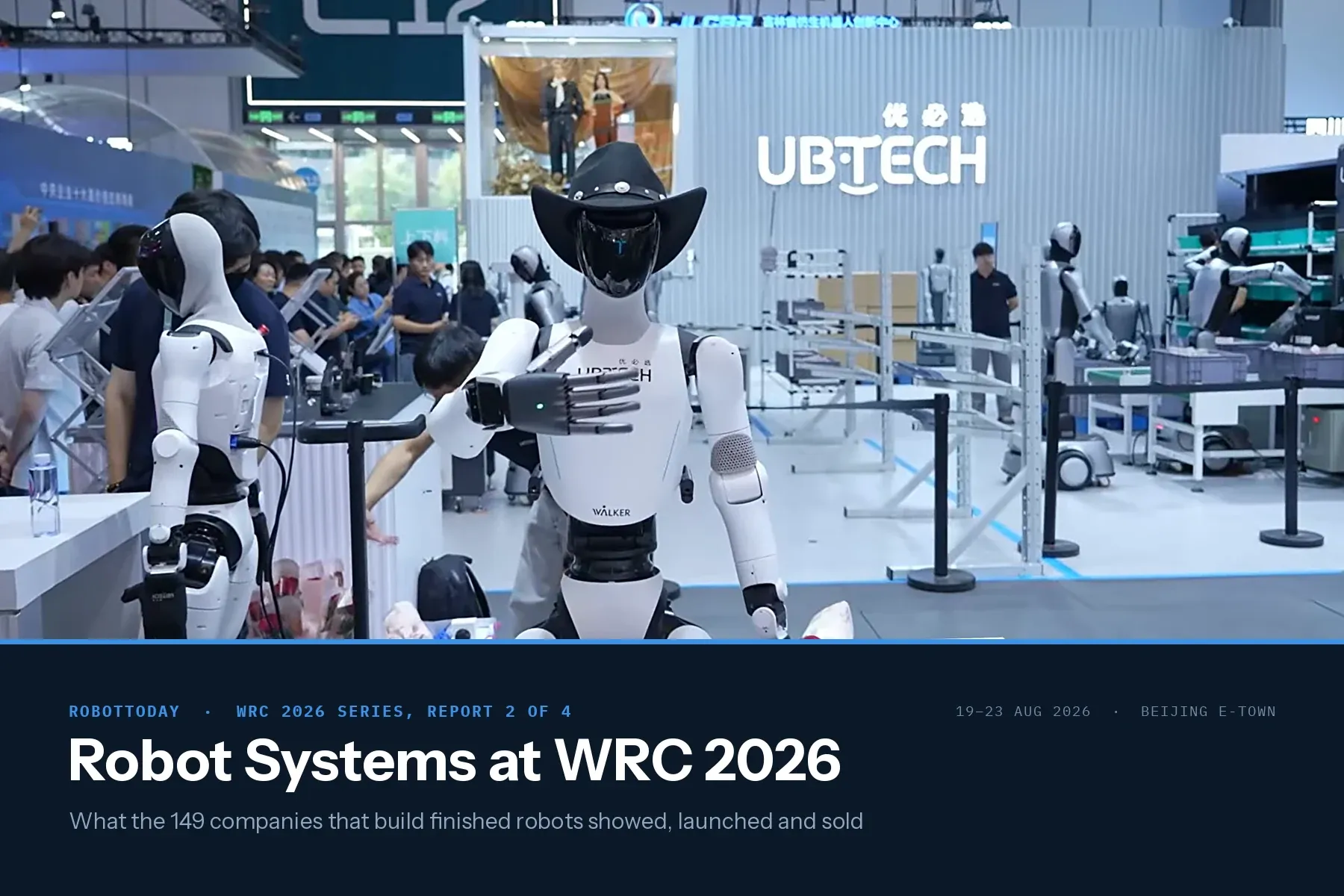
WRC 2026 Robot Systems: 149 Companies That Build Robots
149 of the 248 classified WRC 2026 exhibitors build finished robots. 93 build humanoid or legged machines. The audited humanoid sales number is one unit.

Northeast Texas Community College Achieves Yaskawa MERIT Certification for Robotics Training
Northeast Texas Community College (NTCC) has achieved certification as a Yaskawa Motoman Endorsed Robotics Instructor Training (MERIT) center. This certification enables NTCC to provide training in YRC1000 Basic Programming and Basic Programming with Material Handling, enhancing educational opportunities in robotics. The certification is significant as it expands access to recognized robotics training for students, manufacturers, and workforce professionals in Northeast Texas and the surrounding areas. This initiative aligns with the growing demand for skilled professionals in the robotics sector, supporting local economic development. Looking ahead, NTCC's status as a certified training center positions it to play a crucial role in workforce development in the region. No further timeline was disclosed at the time of publication.
2026 WRC Highlights Robotics Industry's Shift Towards Data-Driven Intelligence
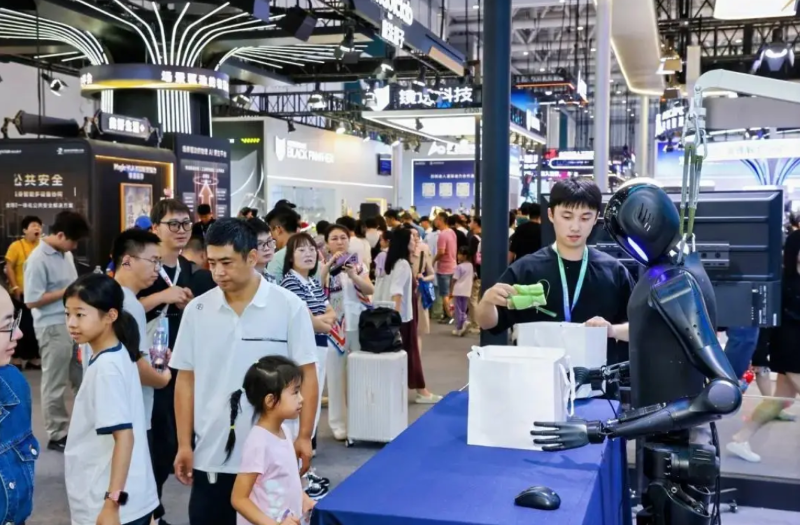
The 2026 World Robot Conference (WRC) opened in Beijing on August 19, showcasing over 2,000 exhibits from more than 300 companies, including 150 new products. Notable demonstrations included TianGong Omni's pole walking and Yaskawa's cable assembly robots. However, the event highlighted a critical shortage of high-quality training data for robots, with only 22 types of embodiments and over one million real trajectories available publicly. The significance of this shortage lies in the growing demand for robots to prove their capabilities through real-world experience rather than mere demonstrations. The conference emphasized the importance of data-driven embodied intelligence, marking 2026 as a pivotal year for this sector. Companies are increasingly focusing on gathering extensive human behavior data, with Lightwheel Intelligent and JD.com leading efforts to collect millions of hours of data to enhance robotic training. Looking ahead, the robotics industry is witnessing a shift towards creating a robust data ecosystem to support robotic learning. The emergence of companies like Mifeng Technology, which showcased its MEgo Gripper and MEgo View, reflects a trend towards data collection without traditional robotic embodiments. No further timeline was disclosed at the time of publication.
Robotics Data-Driven Intelligence AI Training Industrial Automation
Why Contractors in Saskatchewan Favor Steel Structures for Commercial Projects
Contractors in Saskatchewan are increasingly opting for steel structures in their commercial projects due to the challenges posed by harsh weather conditions. These metal buildings offer the durability and flexibility needed to maintain project schedules and meet client expectations, especially during severe seasonal climate changes. The preference for steel buildings is significant as they provide reliable strength, which is crucial for contractors facing heavy snowfall and strong prairie winds. This reliability not only enhances contractor confidence but also fosters positive reputations among property owners, who appreciate the protection these structures offer for their assets. Looking ahead, the trend towards steel structures is expected to continue as contractors seek to streamline construction phases and improve project organization. The use of prefabricated components is likely to remain a key factor in reducing site confusion and enhancing workflow efficiency, ultimately benefiting both contractors and clients alike. No further timeline was disclosed at the time of publication.
Construction Design Engineering Materials agricultural buildings building materials
The Evolving Landscape of Robotics: Challenges for the Traditional Four Families
The dominance of the 'Four Families' in industrial automation is being challenged, particularly in the Chinese market. By Q1 2026, domestic brands have surpassed foreign competitors, with the Four Families' market shares significantly declining. Fanuc remains the most stable among them, yet its share in China has dropped from over 20% to 9%. This shift is crucial as it indicates a changing landscape in robotics, where local brands are gaining traction. Fanuc's revenue for FY2025 reached approximately $5.7 billion, marking a 7.6% increase, while ABB and Yaskawa face declining profits and market shares. KUKA, backed by Midea Group, is the only one of the Four Families to see growth in China, with a 30% increase in shipments. Looking ahead, the competition is intensifying, especially as the industry transitions from traditional metrics of precision and reliability to the need for robots that can autonomously understand tasks and adapt to changing environments. No further timeline was disclosed at the time of publication.
Industrial Robotics AI in Robotics Automation Technology Market Trends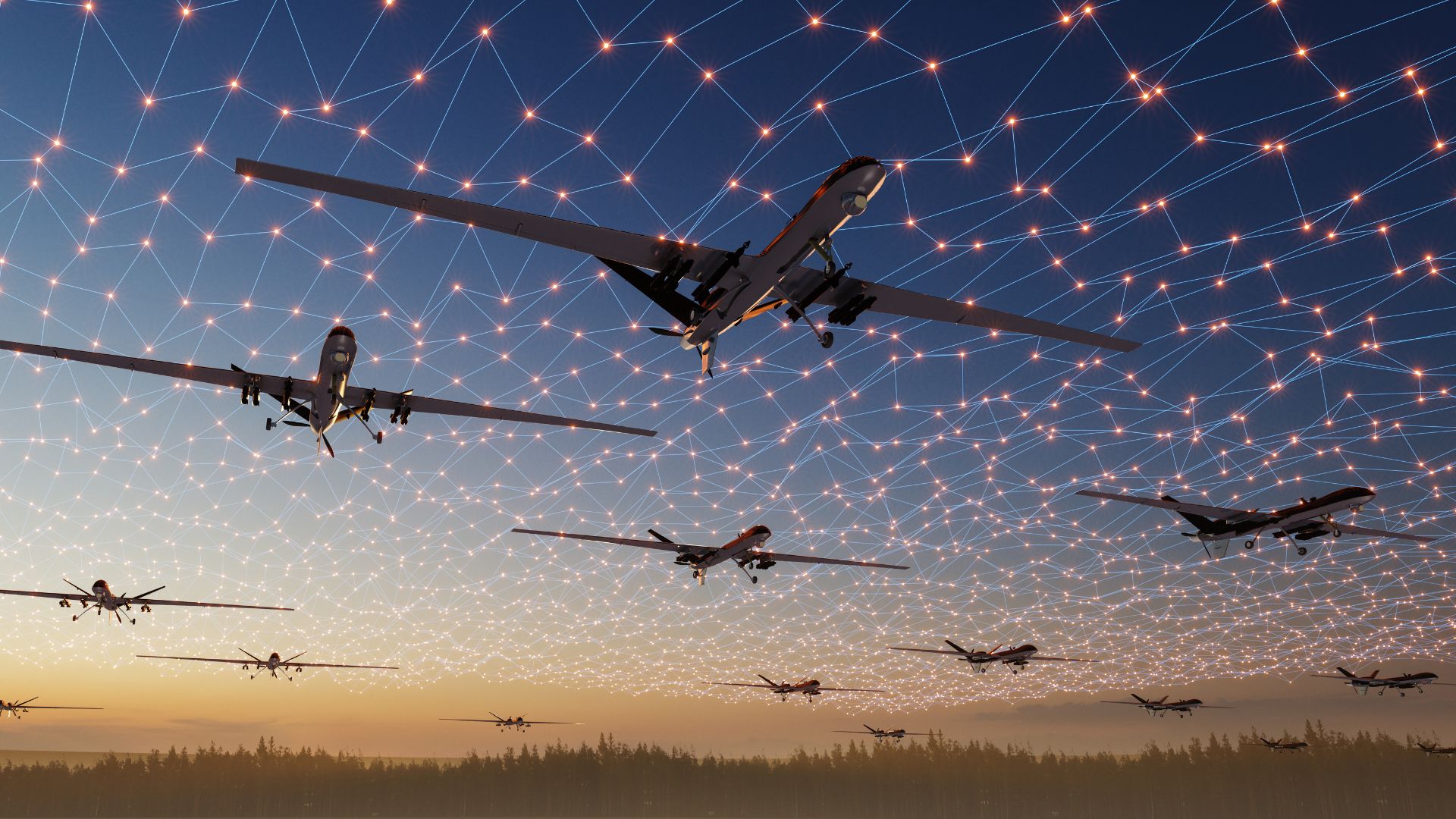
Air Force Funds Research on Wireless Power Beaming for Military Drones to Extend Flight Time
The Air Force has initiated a research project to explore wireless power beaming for drones, led by Reach Power and the University of Nebraska-Lincoln’s NIMBUS Lab. This effort aims to enable unmanned aircraft to operate longer without needing battery swaps, enhancing their role in military communications and ISR missions. This research is significant as it addresses the critical limitation of battery life in small drones, potentially allowing them to function as persistent communication and surveillance nodes. By reducing the need for frequent landings to recharge, the project could simplify logistics and operational demands on military personnel. Looking ahead, the study will assess the feasibility of using wireless power to sustain perched drones during extended missions. A successful outcome could revolutionize military drone operations, improving battlefield communications and expanding the use of unmanned systems in intelligence, surveillance, and reconnaissance roles. No further timeline was disclosed at the time of publication.
Innovation Military
Springer Handbook of Robotics B. Siciliano & O. Khatib (eds.) — RSF Top 10 Robot Education Textbooks · No. 10
Eighty-plus chapters, 2,300 pages, nobody reads it cover to cover. It ranks for one reason: when a fault crosses domains, this is the reference of record.

Shinkei Systems Expands into Premium Alaska Sockeye Salmon with Seremoni Grade
Shinkei Systems has announced its entry into the wild Alaska sockeye salmon market with the launch of Seremoni Grade salmon. This product represents the company's highest seafood standard, utilizing patented robotics and traditional Japanese fishing techniques to ensure exceptional quality. The introduction of Seremoni Grade salmon is significant as it aims to enhance the seafood industry by providing chef-quality fish while supporting local fishermen in Cook Inlet, Alaska. By equipping fishermen with advanced harvesting technology at no cost and purchasing their catch at a premium, Shinkei creates economic opportunities and ensures peak quality for consumers. Looking ahead, Shinkei Systems plans to roll out Seremoni Grade salmon to select retail and restaurant partners this summer. The company has also developed the PSDN-S harvesting robot, designed for smaller vessels, which will facilitate participation from more fishermen and improve the quality of seafood delivered to consumers. No further timeline was disclosed at the time of publication.
Agriculture Manufacturing Alaska sockeye salmon commercial fishing fish harvesting robot ike jime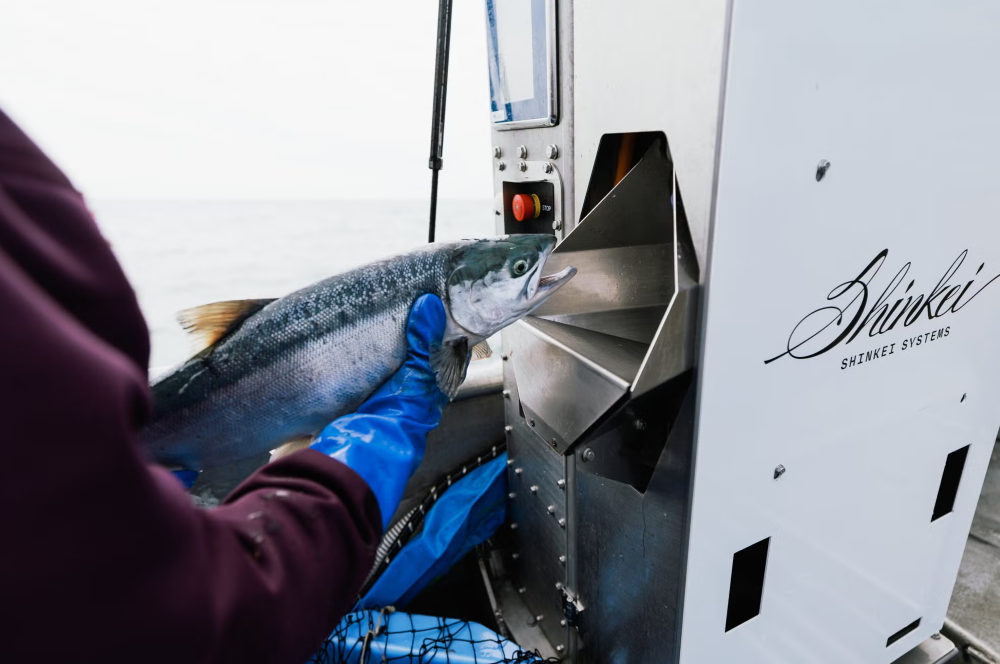
Shinkei Systems Introduces AI Robotics for Enhanced Fresh Fish Processing
Shinkei Systems, based in California, has developed a robotic solution for fish processing on fishing boats. Utilizing computer vision, the robot identifies fish species and performs precise slaughter within six seconds, adhering to the Japanese 'ike jime' technique to maintain meat quality. This innovation addresses the issue of stress hormones affecting fish taste during capture. The significance of this technology lies in its potential to improve the quality of seafood while providing fishermen with a stable supply of premium products. Shinkei offers its robots to Alaskan fishermen for free, purchasing their catch at above-market prices, and markets the fish under the 'Seremoni' brand. The company plans to introduce a new harvesting robot designed for small fishing vessels in the Cook Inlet by 2026. Currently, over 40 Michelin-starred restaurants across the U.S. are using Shinkei's technology, with retail chains like Wegmans and FreshDirect also stocking their products. Shinkei recently secured $22 million in Series A funding to expand its operations, including a new processing center in Tacoma, aiming to make high-quality seafood more accessible while preventing overfishing.
Robotic Processing AI Technology Seafood Industry Sustainable Fishing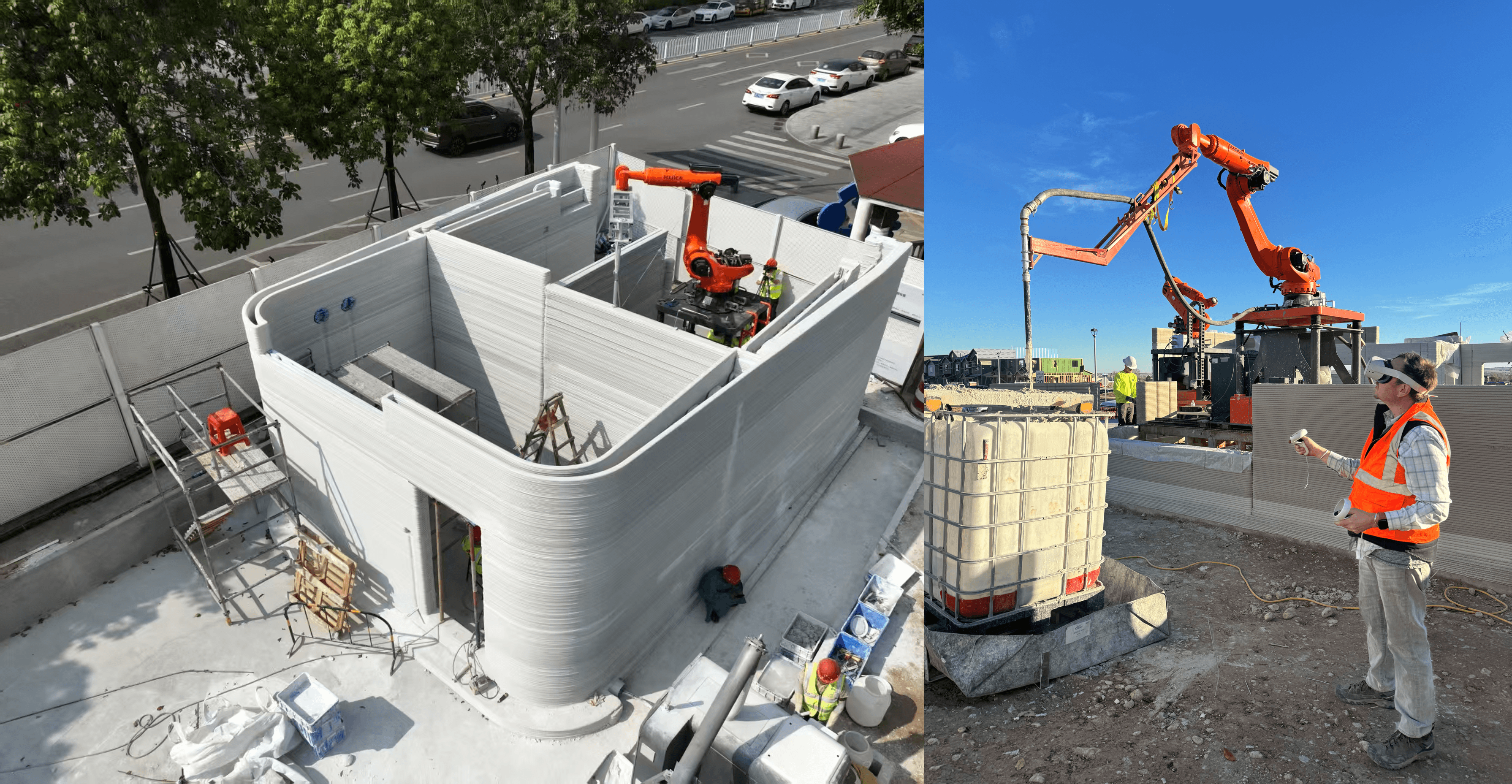
CONSTRUCTION ROBOTICS | FUTURE HORIZONS: 2025–2030 & BEYOND
Construction robotics is entering its decisive decade. Autonomous jobsites, swarm coordination, humanoid integration, and a potential $60 billion market reshape every strategic decision in the industry.

ROBOTTODAY WEEKLY May 11 - 15, 2026
This week in robotics: Figure AI's humanoids hit a 24/7 nonstop autonomous work milestone, Mind Robotics raises $400M to top $1B, Waymo recalls 3,800 robotaxis over flooding, Unitree debuts the world's first mass-produced human-carrying mecha, and WIRobotics closes a $68M Series B. May 11–15, 2026.

CONSTRUCTION ROBOTICS | BUSINESS MODELS & INVESTMENT LANDSCAPE
Construction robotics attracted $4.4 billion in built environment tech funding through Q3 2025. SoftBank acquired ABB Robotics for $5.375 billion. RaaS is displacing capex models. AI-native platforms command 39x revenue multiples. This is where money meets machines.

CONSTRUCTION ROBOTICS | EXOSKELETONS & HUMAN AUGMENTATION
Construction musculoskeletal injuries cost US employers over $2 billion annually. Exoskeletons are moving from pilots to standard practice. Ottobock, German Bionic, Hyundai, and Innophys launched major products in 2024–2025. Korea and Japan lead adoption. AI is turning passive suits into connected safety platforms.
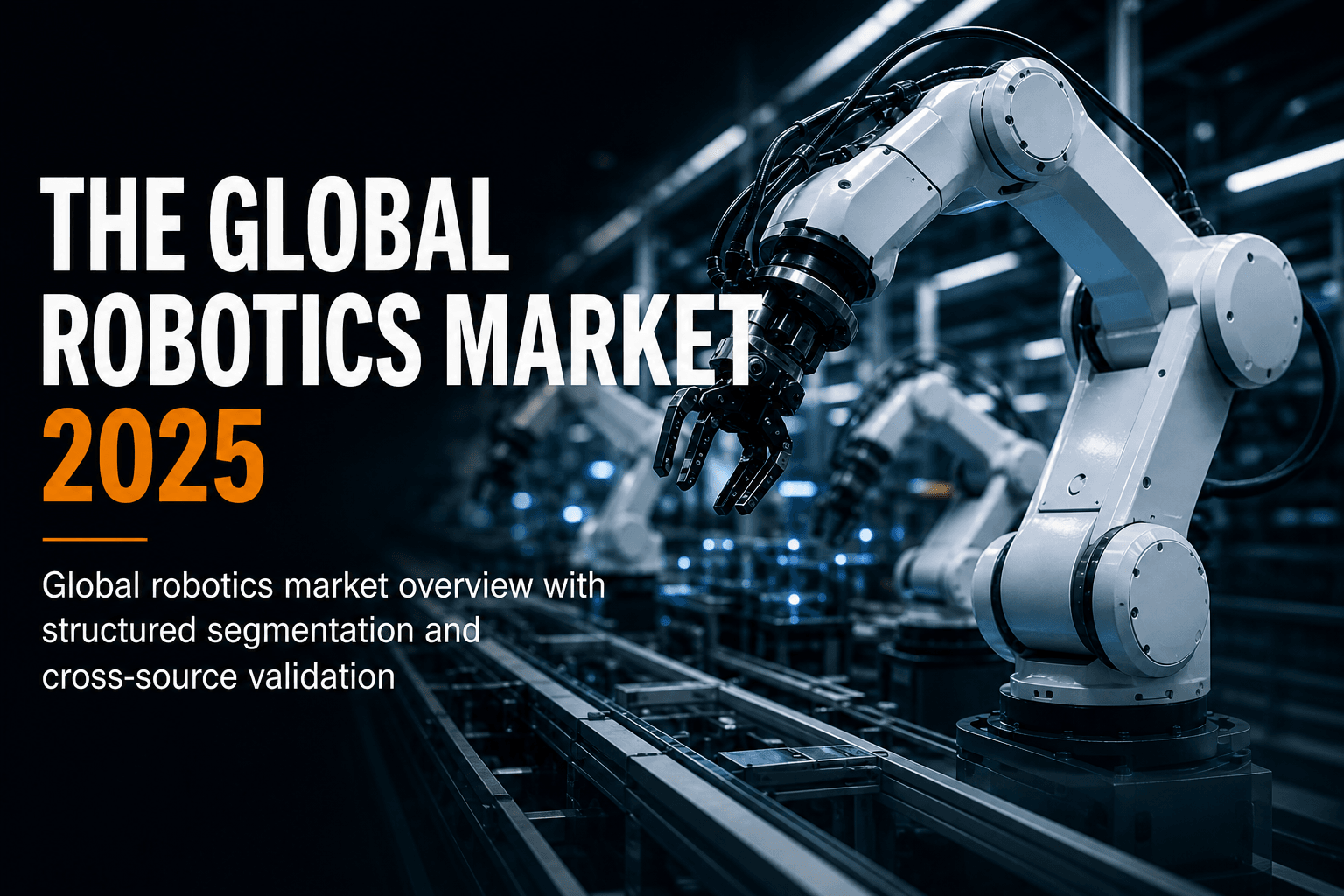
GLOBAL ROBOTICS INDUSTRY Comprehensive Sector Overview
A comprehensive global robotics industry overview for 2025, analyzing 14 key market segments — from industrial and humanoid robots to logistics AMRs, military systems, and service robots — with expert market sizing, US case studies, five-year forecasts, and bilingual English-Chinese analysis for executives and investors.

EU Bets €1.5B on Drones and AI: Inside EDIP's 2026–2027 Defence Industry Programme
The EU's €1.47 billion European Defence Industry Programme (EDIP) 2026–2027 targets drones, counter-UxS systems, AI-enabled autonomy, and loitering munitions across six major funding calls — allocating over €232 million directly to unmanned systems and related electronics supply chains.
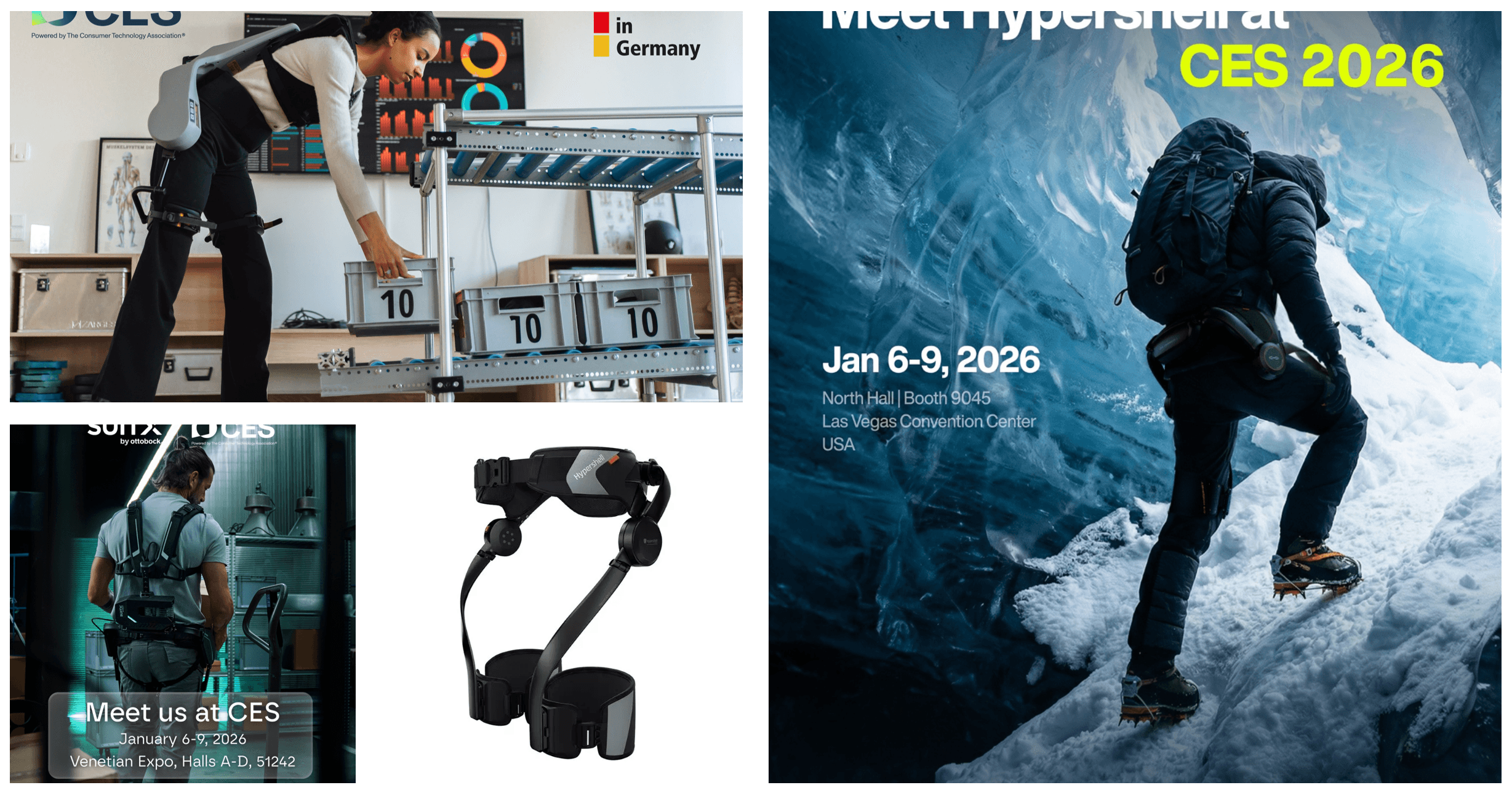
Exoskeletons: The First Scalable Motion Platform for Humanoid Robots
Exoskeletons may scale before humanoid robots. A deep technical analysis of CES 2026 trends, motion systems, actuators, AI control, power constraints, and why exoskeletons are shaping humanoid robotics first.
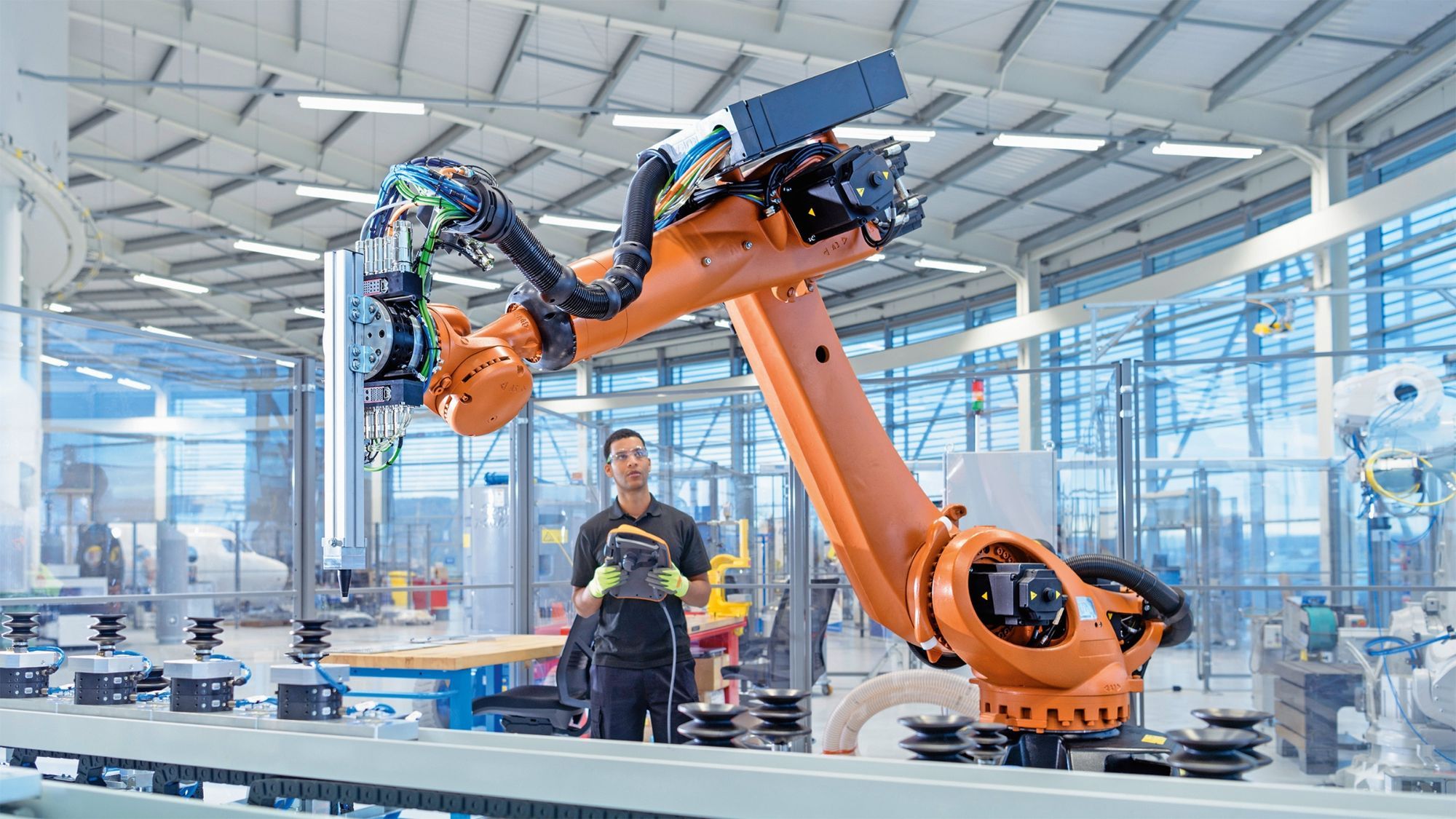
Robotics Market Set For Explosive Growth By 2025 Amid Intensifying Competition
Robotics industries are poised for rapid expansion by 2025, driven by competitive innovation, investment influxes, and broader commercial adoption worldwide.


