


Airobot
Belgian drone hardware and software startup developing industrial RTK BVLOS drones and cloud-based aerial data software, based at DronePort Sint-Truiden.
Contact Airobot
WEBSITE
https://www.airobot.bePHONE
+32 (0) 11 46 00 54HEADQUARTERS
Belgium

Company Facts
Founded
2015
Primary Role
Manufacturer
Company Size
-
Primary Region
Europe
Annual Sales
-
Funding Stage
-
Funding Total
-
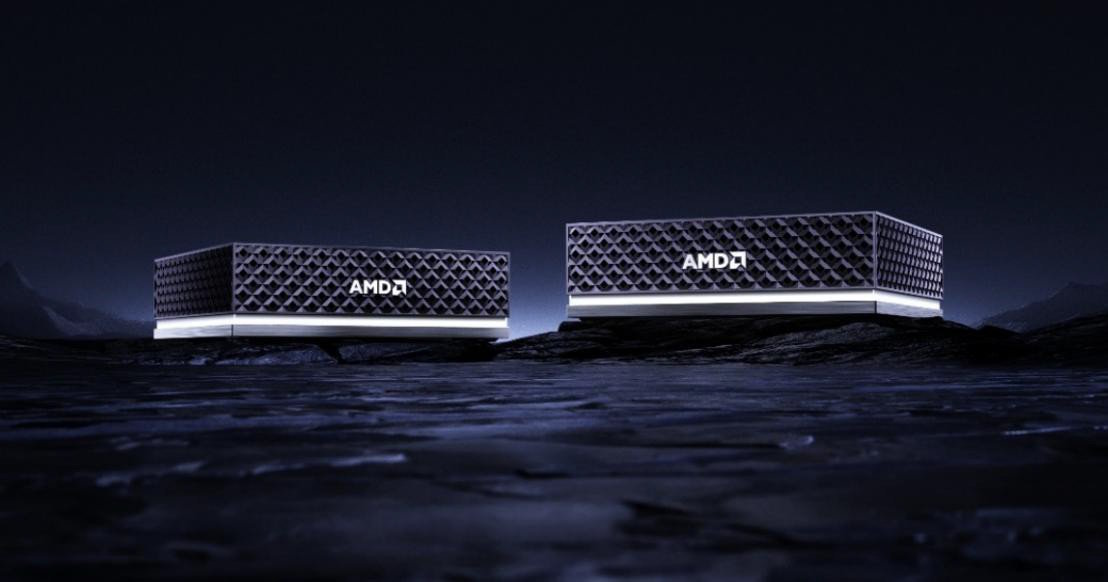
Project Zenith Aims to Disrupt Mac's Dominance with Preconfigured AI-Ready Windows PC
Project Zenith, a developer-focused PC with a preset AI coding environment, aims to challenge Apple's dominance in the market. This system features specific hardware optimized for AI execution, starting with AMD's Ryzen AI Halo processor and plans to expand its processor support in the future. The significance of Project Zenith lies in its unified memory and preconfigured tools that streamline the development process from the initial setup. It integrates Windows Subsystem for Linux (WSL) deeply, allowing easier access to AI tools typically reliant on Linux environments, thus reducing potential issues developers face when transitioning between systems. Looking ahead, the introduction of Microsoft eXecution Containers (MXC) for local AI agent execution is noteworthy, although currently in early preview. As the market evolves, the effectiveness of Project Zenith in providing a competitive alternative to Mac's AI capabilities will be closely monitored.
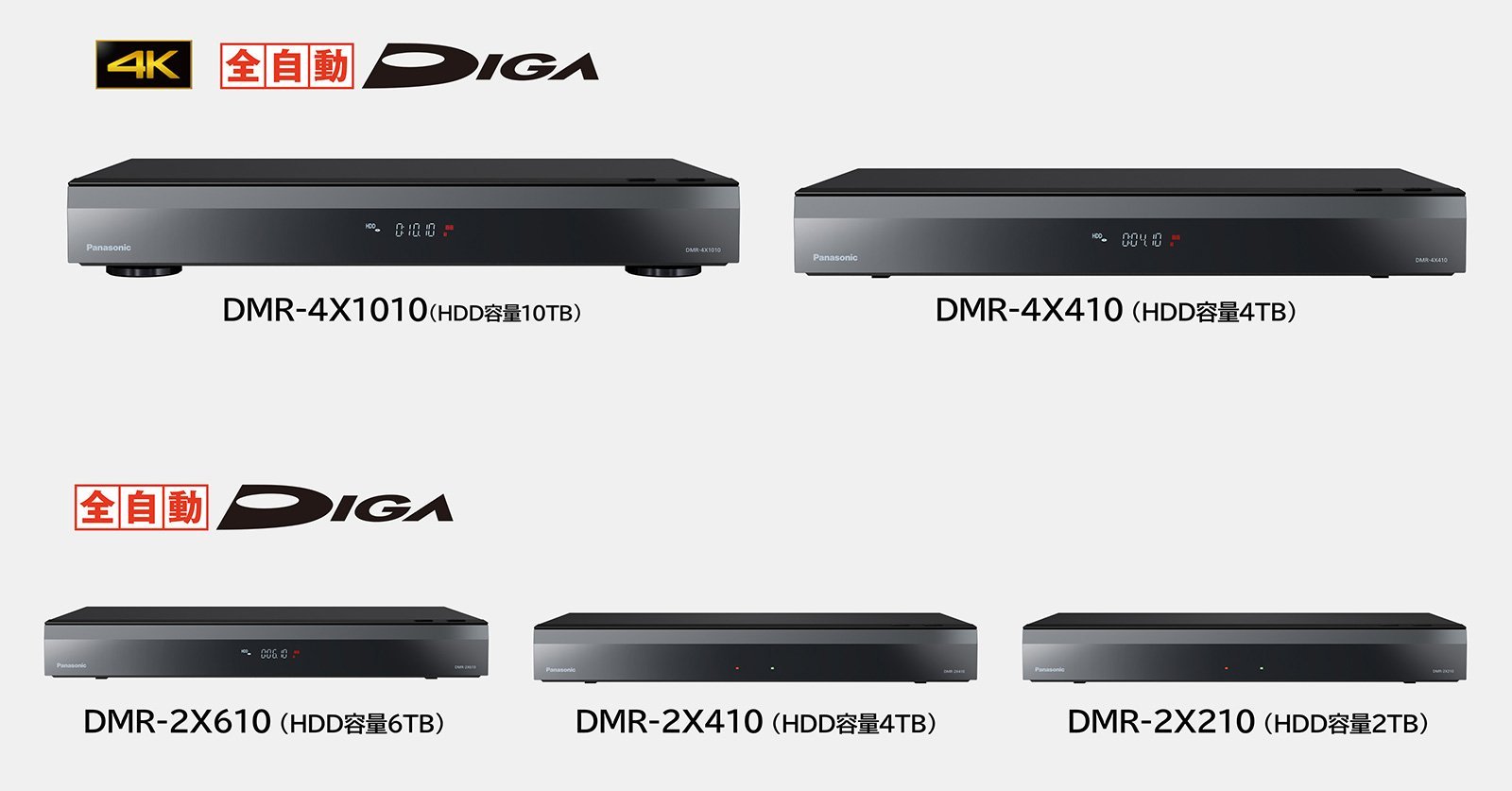
Panasonic Launches New DIGA Blu-ray Recorders with Cloud Storage for Recorded Programs
On September 14, Panasonic announced the upcoming release of five models of its Blu-ray disc recorder, DIGA, capable of saving recorded programs to the cloud via Microsoft’s OneDrive and Google Drive. This feature ensures that programs remain accessible even if the internal HDD fails. The new 'cloud recording' function allows users to dub recorded programs from the internal HDD to the cloud automatically after recording. Users can access their cloud-stored programs through the DIGA app from anywhere. However, to utilize this service, users must set up the app and have an account with a compatible cloud service, which may incur monthly fees. The lineup includes models with varying HDD capacities, ranging from 2TB to 10TB, with the ability to save up to 10TB in the cloud. Panasonic's cloud recording service is subject to conditions, and it does not guarantee permanent storage, as playback may be affected by cloud service outages or discontinuation.
Perplexity Launches Portable Computer for Windows, Enhanced by NVIDIA RTX Technology
Perplexity has introduced its Portable Computer within the Perplexity app for Windows, designed for NVIDIA GeForce RTX PCs and RTX PRO Workstations. This local version of the Perplexity Computer enables users to execute multistep tasks while keeping sensitive data on their devices, thus avoiding the consumption of Perplexity Computer credits for locally completed work. The significance of this launch lies in its ability to combine local and cloud AI functionalities, allowing users to manage sensitive files directly on their PCs. The Portable Computer utilizes NVIDIA GPUs to analyze data and streamline workflows, integrating seamlessly with applications like Microsoft Outlook, Google Drive, and Slack, enhancing productivity for users in various sectors. Looking ahead, Perplexity's Portable Computer is expected to expand its capabilities, with support for NVIDIA DGX Station anticipated soon. Users can expect continued improvements in AI performance and efficiency, particularly as the technology evolves to meet more complex reasoning tasks that may require cloud assistance.

Paxini Leads 51 Standards Initiatives for Embodied Intelligence to Globalize Domestic Technology
Paxini has taken a proactive role in establishing a comprehensive standards system for embodied intelligence, participating in 51 international, national, and industry standards projects. This includes one international standard, 32 national standards, and 18 industry standards, focusing on key areas such as perception, data, and robotics. The establishment of a recognized standards framework is crucial for China's technology sector to enhance its global competitiveness. By leveraging its complete supply chain and advanced R&D capabilities, Paxini aims to fill gaps in domestic technical specifications and contribute to global industrial collaboration. Looking ahead, Paxini's ongoing efforts in standardization will play a significant role in shaping the future of the embodied intelligence industry. No further timeline was disclosed at the time of publication.
Embodied Intelligence Standardization Robotics AI Technology Development
Digua Robotics and Giga Vision Collaborate to Integrate World Models into Edge AI Chips
On September 14, Digua Robotics and Giga Vision announced a strategic collaboration focused on integrating their respective technologies. Giga Vision will provide world models, embodied foundational models, and real-world application experience, while Digua Robotics will contribute an edge AI computing platform, algorithm toolchain, and robotics ecosystem. The initial integrated model chosen is GigaBrain-0.7, utilizing the Xuri S600 hardware base and GigaWorld's capabilities. This partnership aims to create an affordable, integrated solution for embodied intelligence at the edge. GigaWorld will handle scene generation, action consequence prediction, strategy evaluation, and retraining of failure samples, providing a virtual training environment for robots. GigaBrain will serve as the edge intelligence core, managing natural language tasks, spatial perception, task decomposition, skill routing, and decision-making, while the Xuri S600 will support multimodal reasoning and task scheduling. Looking ahead, both companies plan to accelerate the practical application of GigaBrain-0.7 across various robotic platforms, including industrial manufacturing and home services. The success of this collaboration will depend on the performance of GigaBrain-0.7 in real-world robotic applications, particularly in terms of task success rates and system stability.
Robotics AI Edge Computing Embodied Intelligence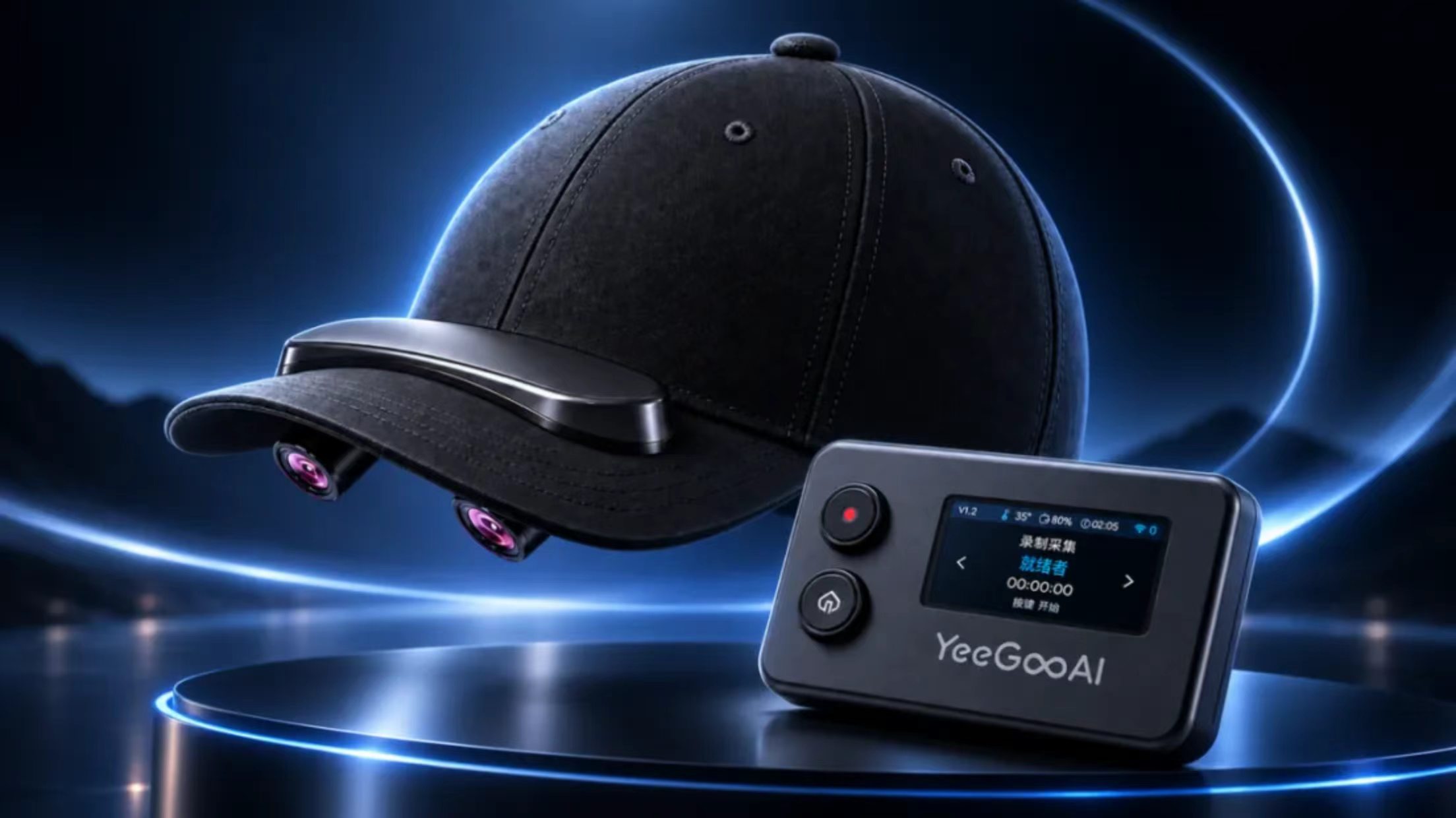
YeeGooAI Unveils EgoEasy: A Data Collection System Priced from 1499 Yuan
On September 10, 2026, at the GEIA GBA 2026 exhibition in Shenzhen, YeeGooAI publicly launched EgoEasy, a lightweight data collection system designed for producing billions of hours of real-world data for embodied intelligence. The lightweight version is priced at 1499 Yuan, while the complete version is available for 2499 Yuan. EgoEasy aims to address the industry's need for low-cost, sustainable, and manageable production of real-world data, moving beyond merely capturing more video. With current compliance data in China at approximately 500,000 hours, the demand for foundational data for commercializing embodied intelligence has escalated to tens of millions of hours, as highlighted by industry leaders. The system features a split architecture with a camera cap and a waist-mounted collection box, allowing for over 10 hours of continuous data capture. This design minimizes the burden on users and integrates seamlessly into existing workflows, transforming data collection from a one-time task into a sustainable production process. No further timeline was disclosed at the time of publication.
Data Collection AI Robotics Cloud Management
Nvidia Faces Competition from Huawei, Cambricon, and Others in AI Chip Market
The demand for computing power in artificial intelligence is surging, with Nvidia currently dominating the market. However, companies like Huawei, Cambricon, Moore Threads, and Biren Technology are emerging as competitors, focusing on developing alternative processors to reduce China's reliance on foreign technology. Nvidia's leadership in the AI chip industry is bolstered by its advanced graphics processing units and the CUDA software platform, which complicates the transition to competing hardware. Despite American export restrictions, Chinese AI developers continue to utilize Nvidia's processors for their advanced model training due to the significant engineering challenges involved in switching to alternatives. Huawei is positioning itself as a formidable competitor with its Ascend processors and SuperNode systems, while Cambricon Technologies specializes in AI processors and accelerator cards. As demand for domestic hardware grows, particularly in light of export limitations, both companies are leading the charge in China's AI server market. No further timeline was disclosed at the time of publication.
AI and Robotics
Investing in SpaceX's Starmind: The Orbital AI Constellation Explained
SpaceX officially announced its Starmind project on July 9, 2026, detailing plans for an orbital AI compute constellation comprising up to 1 million satellites. This initiative aims to process AI workloads in low Earth orbit, leveraging solar power and passive thermal dissipation to reduce operational costs. Nvidia has been confirmed as the exclusive chip partner, supplying the necessary hardware for the satellites. The significance of Starmind lies in its potential to revolutionize AI computing by relocating data processing from Earth to space, thereby minimizing energy consumption and infrastructure constraints. With the first-generation satellite, AI1, designed to be equivalent to a full Nvidia NVL72 rack, SpaceX plans to launch 30–50 satellites per Starship flight, targeting thousands annually starting in late 2027. This innovative approach could position SpaceX as a leader in the AI infrastructure sector. Investors should note that Starmind does not have a separate stock ticker or legal entity; exposure is available only through SpaceX (NASDAQ: SPCX) and Nvidia (NASDAQ: NVDA). As Starmind begins generating revenue in 2028, it will contribute to SpaceX's AI segment, which is already reflected in its financial statements. No further timeline was disclosed at the time of publication.

Mecka AI Approaches $500 Million Valuation in Sequoia Capital Funding Round
Mecka AI, a startup focused on collecting and analyzing human motion data for training humanoid robots, is nearing a funding round led by Sequoia Capital at a valuation of approximately $500 million. This new financing follows a $60 million round raised just three months prior, led by Framework Ventures with participation from Menlo Ventures, SV Angel, and Kindred Ventures. The significance of this funding lies in Mecka AI's innovative approach to addressing the shortage of physical-world data essential for developing general-purpose robots. By employing body sensors and smartphones, the startup captures real-world interactions, which are critical for robotics companies and AI labs that rely on this data to enhance their models. Looking ahead, Mecka AI projects an annual run rate of $100 million by the end of 2026. As the demand for robot training data intensifies, it will be important to monitor how Mecka AI's initiatives evolve and how they compare to other startups in the space, such as XDOF and Scale AI, which are also focused on real-world data collection for robotics.
AI Robotics data Exclusive Sequoia
Qualcomm Partners with Amazon to Develop Advanced AI Data Center Infrastructure
Qualcomm Technologies Inc. has entered into a collaboration with Amazon to create customized silicon for large-scale AI data centers, focusing on AI inference. This partnership aims to enhance data center infrastructure by improving computing and connectivity capabilities, as highlighted by Qualcomm's President and CEO, Cristiano Amon. The significance of this collaboration lies in addressing the escalating demand for AI workloads, which necessitate advancements in compute, storage, networking, and energy-efficient infrastructure. By combining Amazon's robust AI infrastructure with Qualcomm's expertise in power-efficient processing and silicon design, the partnership is poised to deliver innovative solutions for next-generation AI infrastructure. Looking ahead, Qualcomm and Amazon will work on high-performance optical connectivity solutions capable of supporting bandwidth demands of up to 1.6 terabits per second. The collaboration indicates a long-term commitment to developing customized silicon across multiple generations, which could lead to significant advancements in AI data center capabilities.
AI and Robotics
China’s Dexterous Hand Industry, 2026 Part 3 — The Players
Five vendor archetypes, MIR’s composite top ten, eight company profiles and six field deployments — every firm linked to the RobotToday supplier directory.
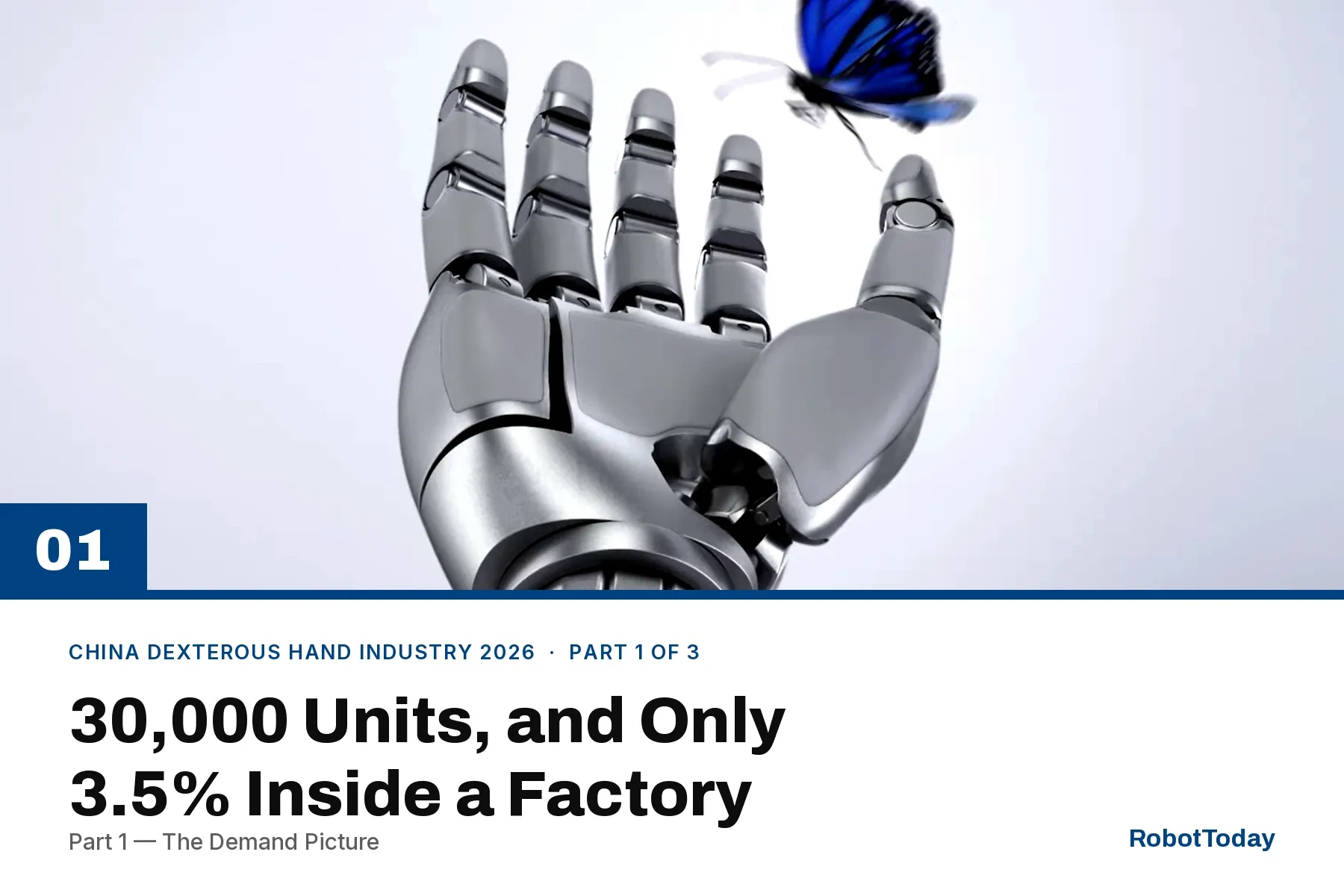
China’s Dexterous Hand Industry, 2026 Part 1 — The Demand Picture
MIR Databank puts China dexterous hand shipments above 30,000 units in 2026, yet only 3.5% of 2025 demand came from factory production. Part 1 of 3.
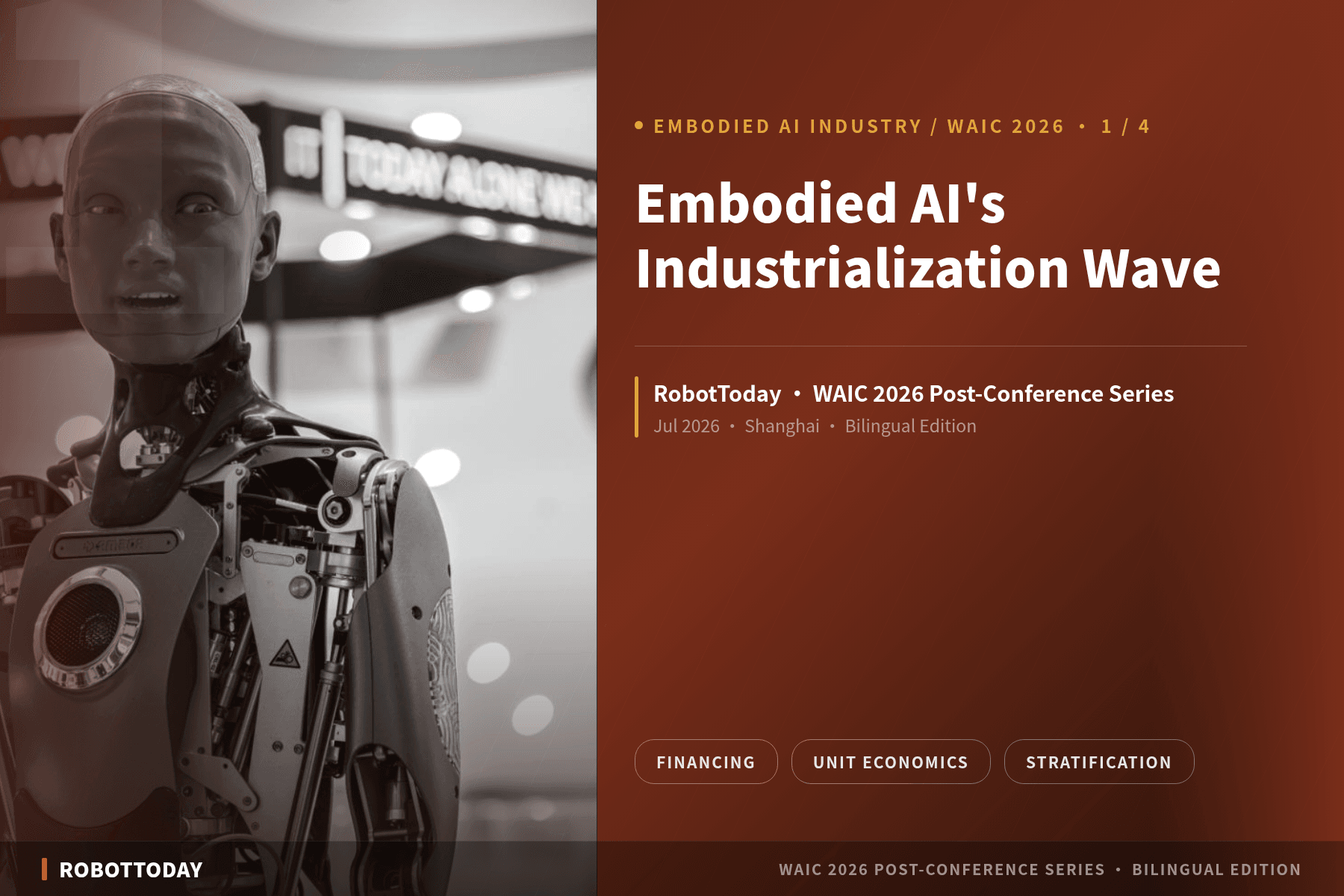
WAIC Review 1/4: Embodied AI's Industrialization Wave: Financing Data, Unit Economics, and a Widening Split
China's embodied AI sector raised $12.5B in H1 2026, but WAIC 2026 speakers detailed ROI demands, power bottlenecks, and the mass-production-to-sales gap.

WAIC Review 3/4: What Scientists and Skeptics Really Think About Embodied AI: The Sober Voices at WAIC 2026
UCL and HKUST researchers, plus robotics CEOs, challenged embodied AI hype at WAIC 2026, citing generalization limits and no third-party evaluation standard.

Underactuated Robotics Russ Tedrake — RSF Specialist Shelf · Book S3 of 6
Legged robots fall over for control reasons, not mechanical ones. Tedrake's free MIT 6.832 notes explain why, and what a controller must do about it.
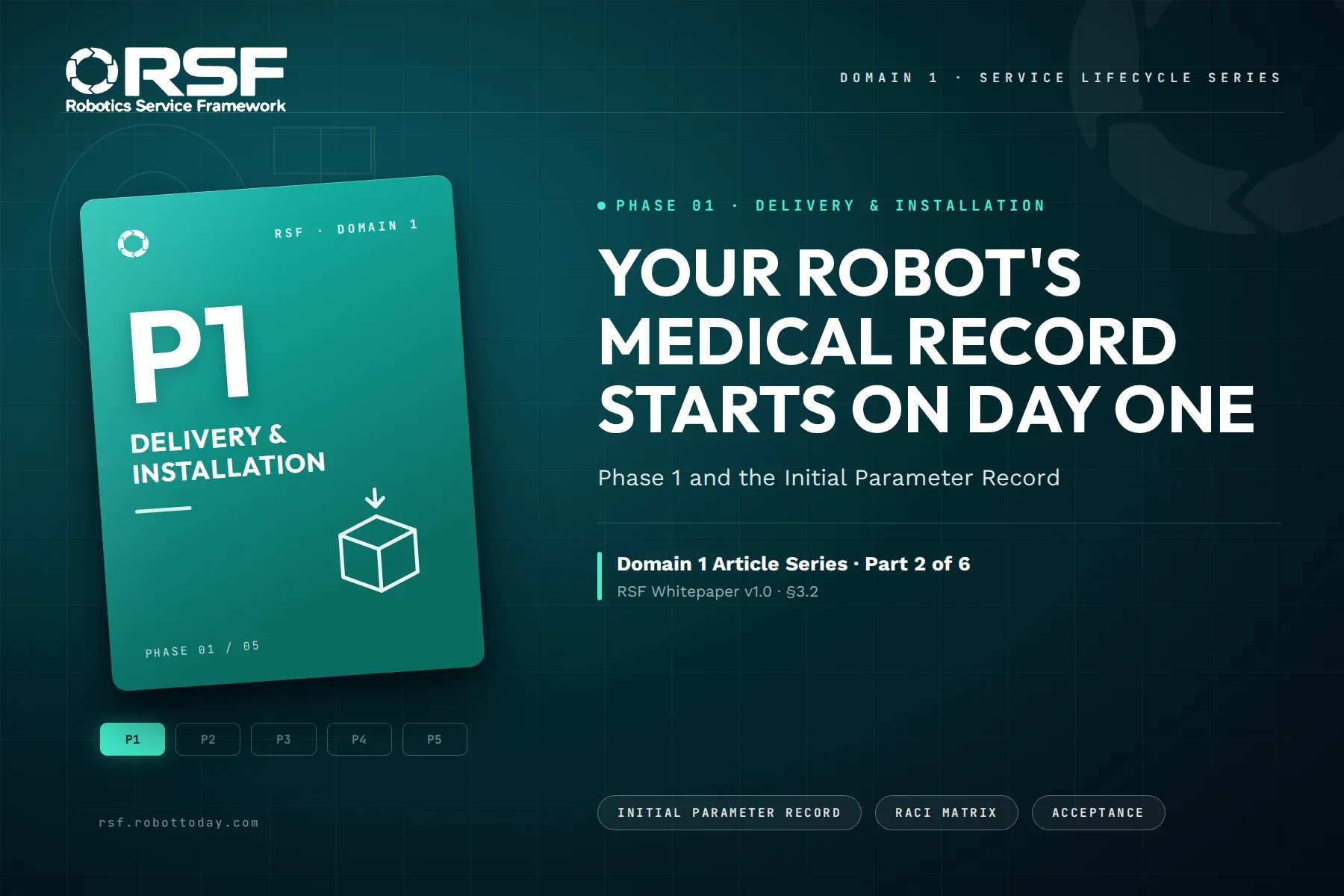
Robot Initial Parameter Record: Why Day One Data Matters
The Initial Parameter Record captures your robot's baseline on installation day — data that can never be recreated. Inside RSF Phase 1: RACI, IPR, load inertia.

Physical AI Landscape: From Digital Intelligence to the Embodied Physical World
A comprehensive industry analysis of Physical AI — covering Embodied AI, Field AI, Factory AI, VLM, World Model, VLA, and the VLA vs WAM architecture debate. Includes 20+ companies, 28 references, and the RobotToday Physical AI Landscape diagram. July 2026.
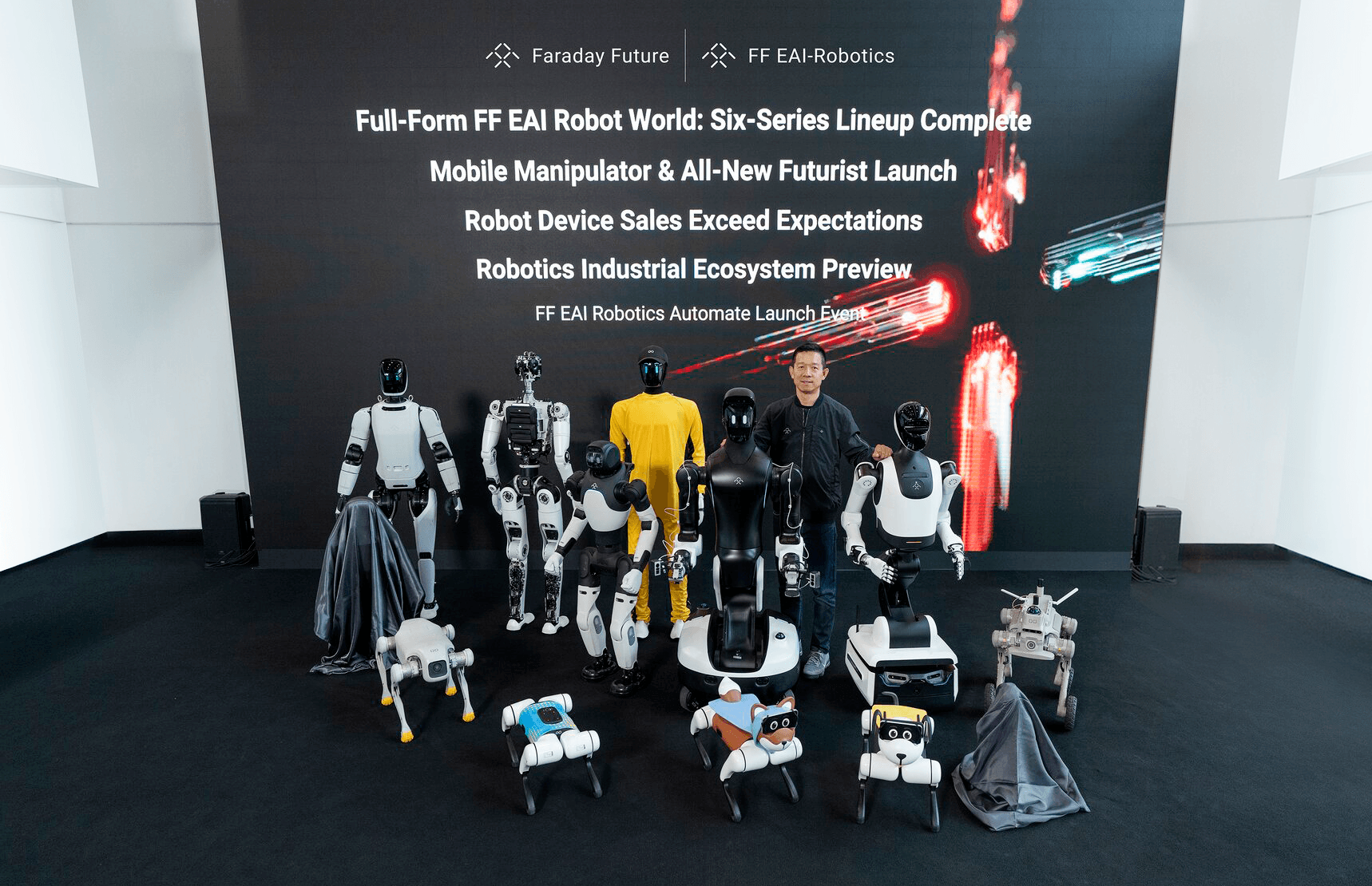
Faraday Future Completes Six-Series EAI Robot Lineup, Launches Faber Mobile Manipulator
Faraday Future unveils its full six-series EAI Robot World portfolio at Automate 2026, featuring the $89,900 All-New Futurist humanoid and the commercial release of the Faber mobile manipulator.

ROBOTTODAY Weekly June 23 – 27, 2026
This week in robotics: Agility Robotics $2.5B SPAC deal for first humanoid IPO, BMW Figure 03 logistics deployment, Morgan Stanley doubles China humanoid forecast, ON Semiconductor acquires Synaptics for $7B, Sony halts aibo in Japan. June 23–27, 2026.

From ASE to RSF: What the Automotive Certification Model Teaches Robotics
ASE solved automotive service in 1972. Fifty years later, RSF does the same for robotics. Learn how the certification blueprint was adapted — and what had to be built from scratch.

