


6 River Systems
US warehouse AMR maker and Ocado subsidiary; Chuck robots deployed in 100+ facilities, boosting picker productivity for DHL, GXO, and others.
Contact 6 River Systems
WEBSITE
https://6river.com/PHONE
(866) 602-4825HEADQUARTERS
United States

Company Facts
Founded
2015
Primary Role
Manufacturer
Company Size
-
Primary Region
North America
Annual Sales
-
Funding Stage
-
Funding Total
-
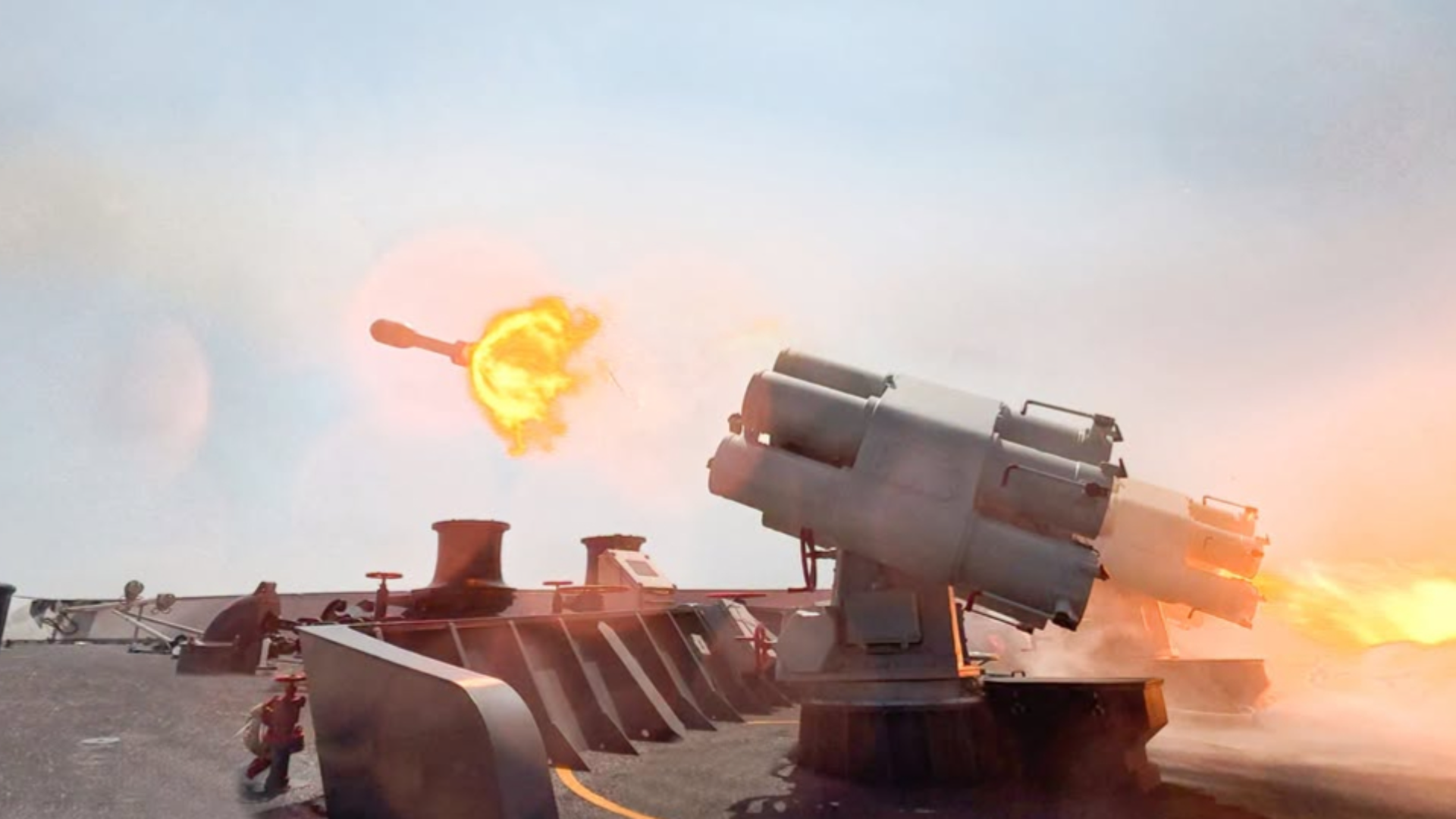
China and Russia Conduct Large-Scale Military Exercise Incorporating Drones and Unmanned Systems
China has deployed troops alongside Russian forces for the Centre-2026 military exercise, which involved over 47,000 personnel in Chelyabinsk, Russia. This exercise aims to enhance battlefield coordination and test the integration of unmanned systems and precision weapons, reflecting lessons learned from the Ukraine conflict. The significance of this exercise lies in its demonstration of the growing role of drones and electronic warfare in modern military operations. The People's Liberation Army (PLA) had the opportunity to train with Russian forces, gaining insights into large-scale operations and logistical challenges in unfamiliar environments. Looking ahead, the Centre-2026 exercise marks a continuation of military collaboration between China and Russia, with both nations focusing on improving interoperability and joint operational capabilities. No further timeline was disclosed at the time of publication.
Military
U.S. Coast Guard and FBI Investigate Cyber Breach of VL Prosperity Oil Tanker
In late August, a collaborative effort by the U.S. Coast Guard and FBI led to the boarding of the VL Prosperity oil tanker. This action was prompted by indications that the vessel's network had been compromised by hackers, raising significant security concerns. The breach of the VL Prosperity's propulsion system is alarming as it highlights vulnerabilities in maritime cybersecurity. The incident underscores the importance of safeguarding critical infrastructure against cyber threats, especially in the oil transportation sector. Moving forward, stakeholders in maritime security should closely monitor developments related to this incident. The response from authorities may lead to enhanced cybersecurity measures and protocols to prevent similar breaches in the future. No further timeline was disclosed at the time of publication.

IROS 2026 Closing Briefing — Pittsburgh, Sep 27–Oct 1
IROS 2026 closes in Pittsburgh with 1,900+ papers and 186 exhibitor listings. Humanoids, dexterous hands, tactile sensing and robot data led the show.

US Navy Considers MQ-9B SeaGuardian Drone as Maritime Patrol Force Enhancer
The US Navy is evaluating the MQ-9B SeaGuardian drone as a potential force multiplier for maritime patrol operations. This drone, capable of taking off and landing on water, features an open architecture that allows for the integration of new sensors and effectors, enhancing its operational flexibility. The significance of the MQ-9B SeaGuardian lies in its advanced capabilities, which could greatly improve the Navy's surveillance and reconnaissance missions. With its delivery scheduled for 2030, the drone is expected to play a crucial role in future maritime operations, aligning with the Navy's strategic objectives. As the Navy continues to assess the MQ-9B SeaGuardian, stakeholders should monitor developments regarding its integration into existing maritime patrol frameworks. The drone's unique features and potential applications could reshape naval operations and enhance overall mission effectiveness.
Military
Frontline Robotics Introduces Frodo, a 6×6 UGV with 93-Mile Range and 25 MPH Speed
Frontline Robotics has unveiled Frodo, a new 6×6 unmanned ground vehicle (UGV) featuring an impressive range of 93 miles and a top speed of 25 mph. This innovative vehicle is designed to enhance operational capabilities in various environments, making it a significant addition to military technology. The introduction of Frodo is crucial as it represents advancements in unmanned vehicle technology, which are increasingly important for modern military operations. The UGV's capabilities could provide strategic advantages in reconnaissance and logistics, addressing the evolving needs of defense strategies. Looking ahead, the military sector will be keen to monitor the deployment and performance of Frodo in real-world scenarios. The effectiveness of this UGV in operational settings will likely influence future developments in unmanned systems and military technology. No further timeline was disclosed at the time of publication.
Military
Global Backlash Against Data Centers Grows Amid AI Boom and Local Resistance
Public opposition to data centers is escalating beyond the U.S., impacting investments in Europe and Asia. Concerns over electricity, water, and land use are leading to project delays and stricter regulations, with approximately $42 billion in European investments affected. The tension between the AI industry's growth and local community resistance is becoming increasingly pronounced, as seen in South Korea where residents are protesting against nearby data center constructions. The situation is critical as Europe faces heightened scrutiny due to its dense population and rising electricity costs. Over 70 data center projects in Europe were either rejected or restricted in early 2023, indicating a significant shift in public sentiment. Experts warn that this backlash could hinder the AI sector's ambitions, with Scotland pausing new approvals and Denmark implementing emergency laws to manage power applications for data centers. Looking ahead, the ongoing resistance in Asia, particularly in South Korea, highlights the challenges of balancing technological advancement with community concerns. As local governments introduce stricter regulations and residents continue to protest, the future of data center development remains uncertain. No further timeline was disclosed at the time of publication.

Recent Developments in South Korea's Physical AI Sector Highlight Key Innovations
This week, South Korea's physical AI sector saw significant advancements, including a collaboration between Semifive and Mobilint on outdoor robotics AI chips. Aidin Robotics joined a Doosan-led cobot initiative, while Hanwha Ocean and Korea Expressway Corp. signed agreements for shipbuilding robots and highway automation. These developments are crucial as they reflect South Korea's commitment to enhancing automation in various industries. The $7.2 million multi-agent autonomous-manufacturing project led by SKPack and the successful KOSDAQ IPO of Brills, which raised approximately $17 million, further underscore the growing investment in physical AI technologies. Looking ahead, stakeholders should monitor the progress of these projects, particularly the ongoing work on AI chips and the integration of robotics in manufacturing and infrastructure. No further timeline was disclosed at the time of publication.
AI Funding & Investment Humanoids Physical AI AI Aidin Robotics Brills
Amazon and Georgia Tech Establish New Science Hub to Enhance Research Collaboration
Amazon and the Georgia Institute of Technology have launched the Georgia Tech–Amazon Science Hub, aimed at fostering academic and industry collaboration in advanced research. This initiative builds on a decade of partnership, with Amazon providing funding for joint research projects and community initiatives to enhance scientific endeavors. The collaboration is significant as it combines Georgia Tech's expertise in robotics and engineering with Amazon's advancements in on-device intelligence and AI. This partnership is expected to accelerate research in autonomous systems, logistics infrastructure, and low-Earth-orbit communications, ultimately improving human-robot interaction and mobility. Looking ahead, the Hub will explore innovative solutions to pressing challenges in technology and research. No further timeline was disclosed at the time of publication.

Exploring OMRON's Advanced LD Mobile Robots and Their Impact on Automation
In Episode 264 of The Robot Report Podcast, Miguel Garcés Moreno, the product marketing manager for OMRON Industrial Automation Europe, discusses the company's next-generation LD mobile robots. He emphasizes the importance of autonomous mobile robots (AMRs) in transforming modern factory floors with flexible and fully automated intralogistics systems. Garces Moreno's expertise in industrial automation, AI vision, and motion control highlights the significance of integrating advanced technologies to enhance operational efficiency. The collaboration with WiBotic for wireless charging solutions further underscores OMRON's commitment to increasing the uptime and safety of robotic fleets, which is crucial for manufacturers aiming to optimize their production processes. Listeners should keep an eye on OMRON's developments in AMRs and their partnerships, particularly with WiBotic, as these innovations could redefine intralogistics and factory automation. No further timeline was disclosed at the time of publication.
Artificial Intelligence Autonomous Mobile Robots (AMRs) Industrial Robots Markets / Industries News Opinion
Army Establishes New Command and Acquisition Office for Autonomous Technology
The U.S. Army is launching a new command and acquisition office focused on autonomous technology, as announced by Acting Army Secretary Adam Telle. This initiative follows Defense Secretary Pete Hegseth's plans for a four-star command, Autonomous Warfare Command (AUTOWARCOM), aimed at enhancing drone and autonomous capabilities within the Army. This strategic move is significant as it aims to eliminate bureaucratic delays in modernization efforts, ensuring that cutting-edge technology is rapidly integrated into Army operations. The establishment of the Army Futures and Autonomous Systems Command (FASCOM) and a new Program Acquisition Executive (PAE) for Autonomy is designed to prioritize the acquisition of autonomous systems by fiscal 2028, enhancing the Army's operational effectiveness. Looking ahead, the Army's focus on autonomous force development will align its structure with advanced capabilities across various domains, including aviation and armored units. The expansion of tactical unmanned aircraft systems and robotics technician units across all Army units is also a key part of this initiative. No further timeline was disclosed at the time of publication.
Land Warfare Army autonomy Drones Pete Hegseth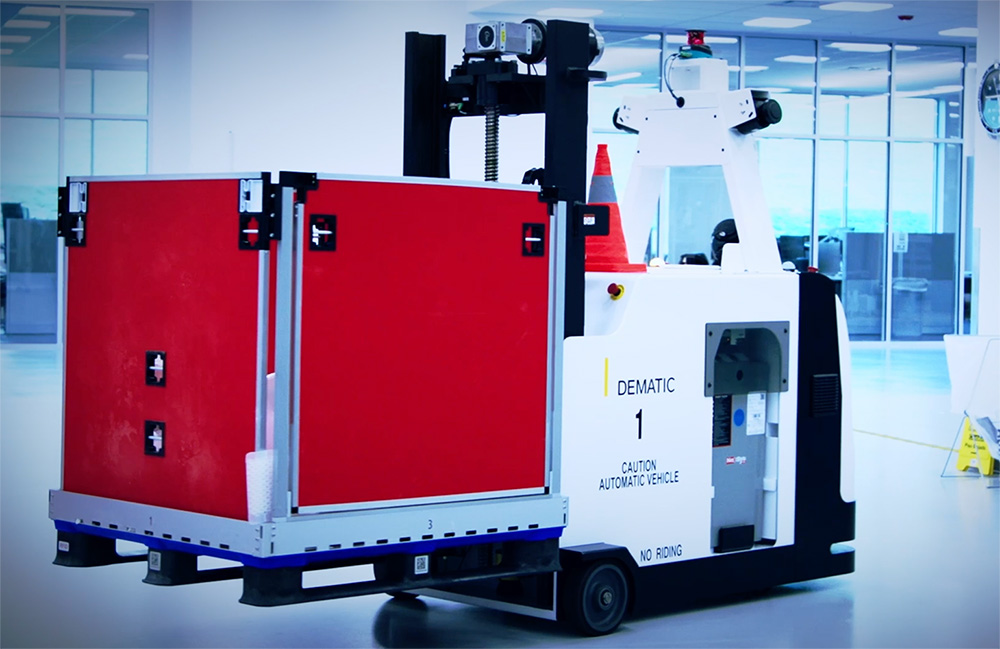
Eli Lilly and Purdue University to Present Human-Robot Interaction Insights at RoboBusiness 2026
At RoboBusiness 2026, Eli Lilly's Faraz Yousuf and Purdue University's Dr. Anastasia Kouvaras Ostrowski will discuss their findings on human-robot interaction (HRI) in manufacturing. Their presentation will focus on the challenges of conducting HRI research in live production environments and the insights gained from working with automated guided vehicles (AGVs). This collaboration is significant as it bridges the gap between academic research and practical applications in industrial settings, addressing the need for effective HRI to enhance safety and efficiency. The insights shared at the event could pave the way for more successful partnerships between academia and industry, fostering innovation in robotics. Attendees can expect to learn about the perceptions of robots on the manufacturing floor and the strategies developed to facilitate ongoing collaboration. The talk is scheduled for October 20 at 11:45 a.m. PT, highlighting the importance of HRI in the future of industrial automation. No further timeline was disclosed at the time of publication.
Artificial Intelligence Design / Development Events Human Robot Interaction / Haptics Logistics Manufacturing
WRC 2026 Exhibitor Map: 248 Robotics Companies Mapped
We classified 248 WRC 2026 exhibitors with the RobotToday taxonomy. Motion & Actuation leads at 75 companies, Humanoid at 72, and compute stays thin at 12. (Modified 2026-08-27)

WAIC Review 1/4: Embodied AI's Industrialization Wave: Financing Data, Unit Economics, and a Widening Split
China's embodied AI sector raised $12.5B in H1 2026, but WAIC 2026 speakers detailed ROI demands, power bottlenecks, and the mass-production-to-sales gap.

AGRICULTURAL ROBOTICS SERIES — Company Directory 2026
Access the definitive 2026 directory of 150+ agricultural robotics companies. A comprehensive reference guide covering autonomous tractors, harvest automation, precision weeding, and AI data platforms across the global agtech ecosystem.

GLOBAL ROBOTICS INDUSTRY Comprehensive Sector Overview
A comprehensive global robotics industry overview for 2025, analyzing 14 key market segments — from industrial and humanoid robots to logistics AMRs, military systems, and service robots — with expert market sizing, US case studies, five-year forecasts, and bilingual English-Chinese analysis for executives and investors.

Agricultural Robotics | Autonomous Tractors: The $13B Platform Battle in Plain Sight
Autonomous tractors target a $2.7B market growing at 22% CAGR to 2032. Deep-dive on John Deere 8R, AGCO Fendt, CNH Industrial, Kubota AgriRobo, and Monarch MK-V — and why the platform war matters more than the hardware.

CONSTRUCTION ROBOTICS | Market Landscape & Regional Battleground
Six incumbent categories and 17+ venture-backed challengers compete for $1.37–6.8 billion in construction robotics. China's 295,000 annual robot installations run on state capital. The US leads on innovation. This analysis maps tiers, business models, and regional dynamics — using the Agricultural Robotics Series methodology.
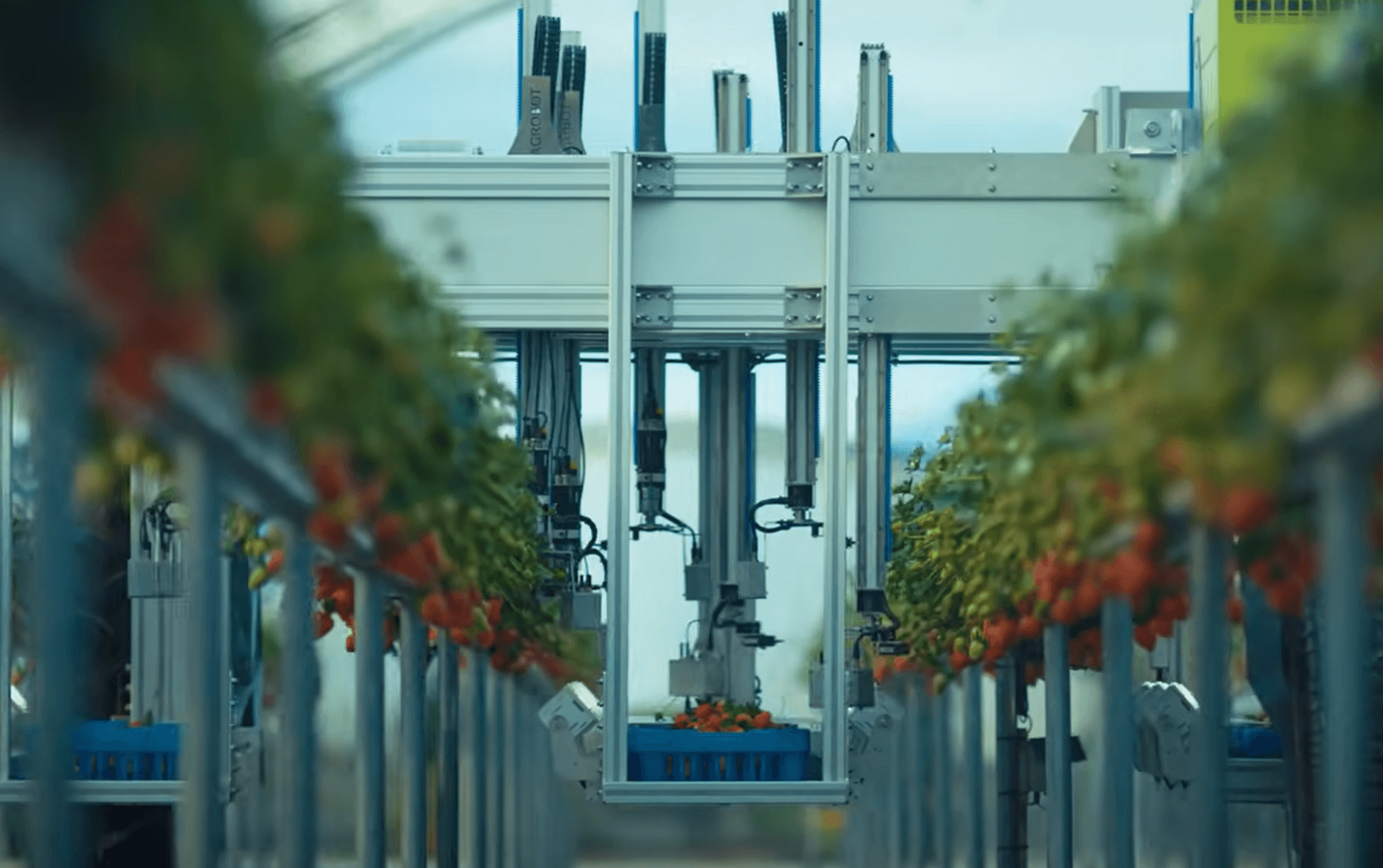
AGRICULTURAL ROBOTICS | Harvesting Robots: $6.9B Market
Harvesting robots hit $2.24B in 2024 and are targeting a $50B labor market at less than 5% penetration. Deep-dive: market data, 14 companies, economics, and 2030 outlook.

AGRICULTURAL ROBOTICS | Market Leaders, Regional Analysis & Top Countries
John Deere, DJI & 340+ companies compete for the $48–56B Western market and China’s $80–150B parallel ecosystem. Regional analysis across 5 top countries.
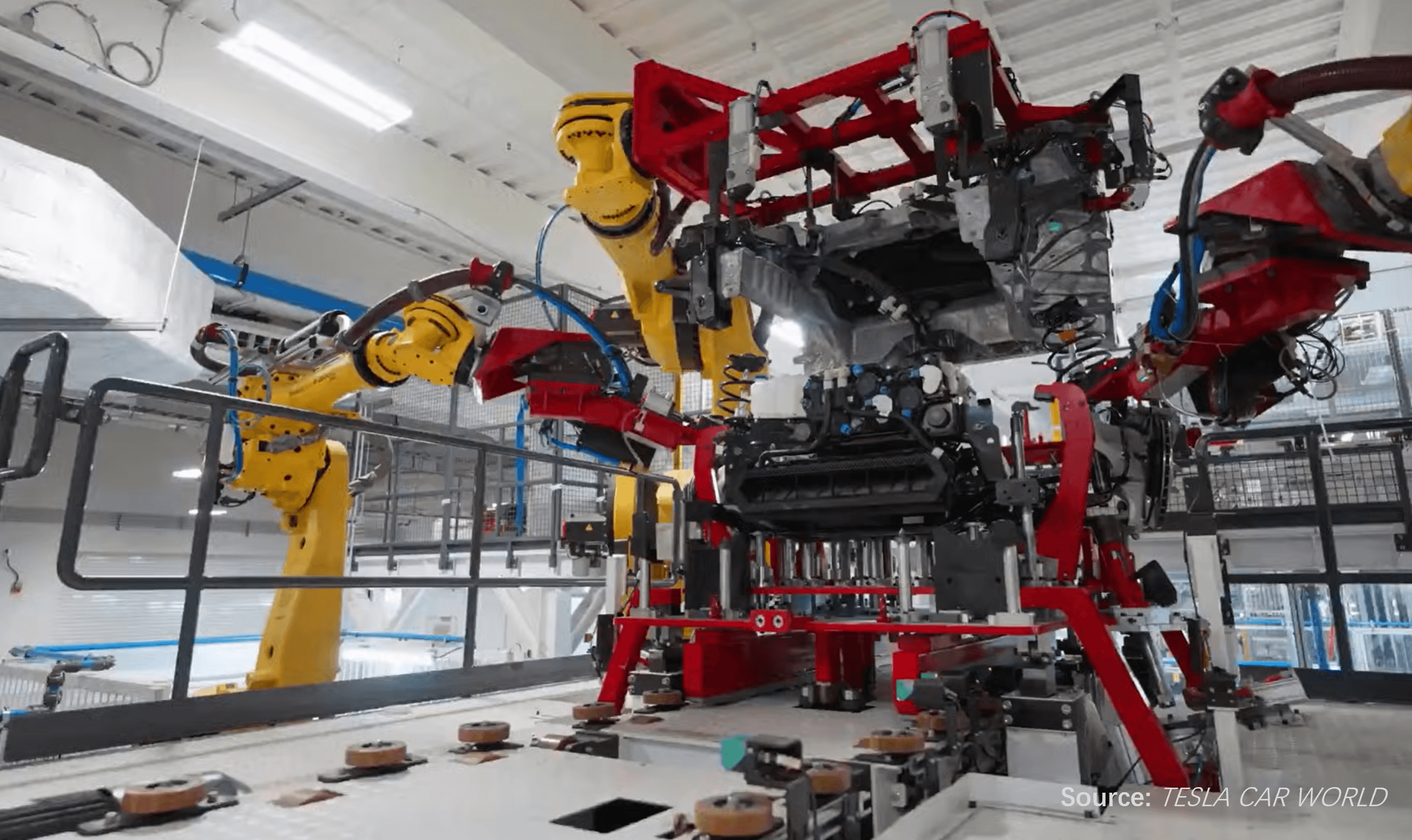
Where Engineers Can Enter Robotics in 2026
Robotics hiring in 2026 is driven by deployment, integration, and operations—not hype. A structural map of real entry points for engineers.


